

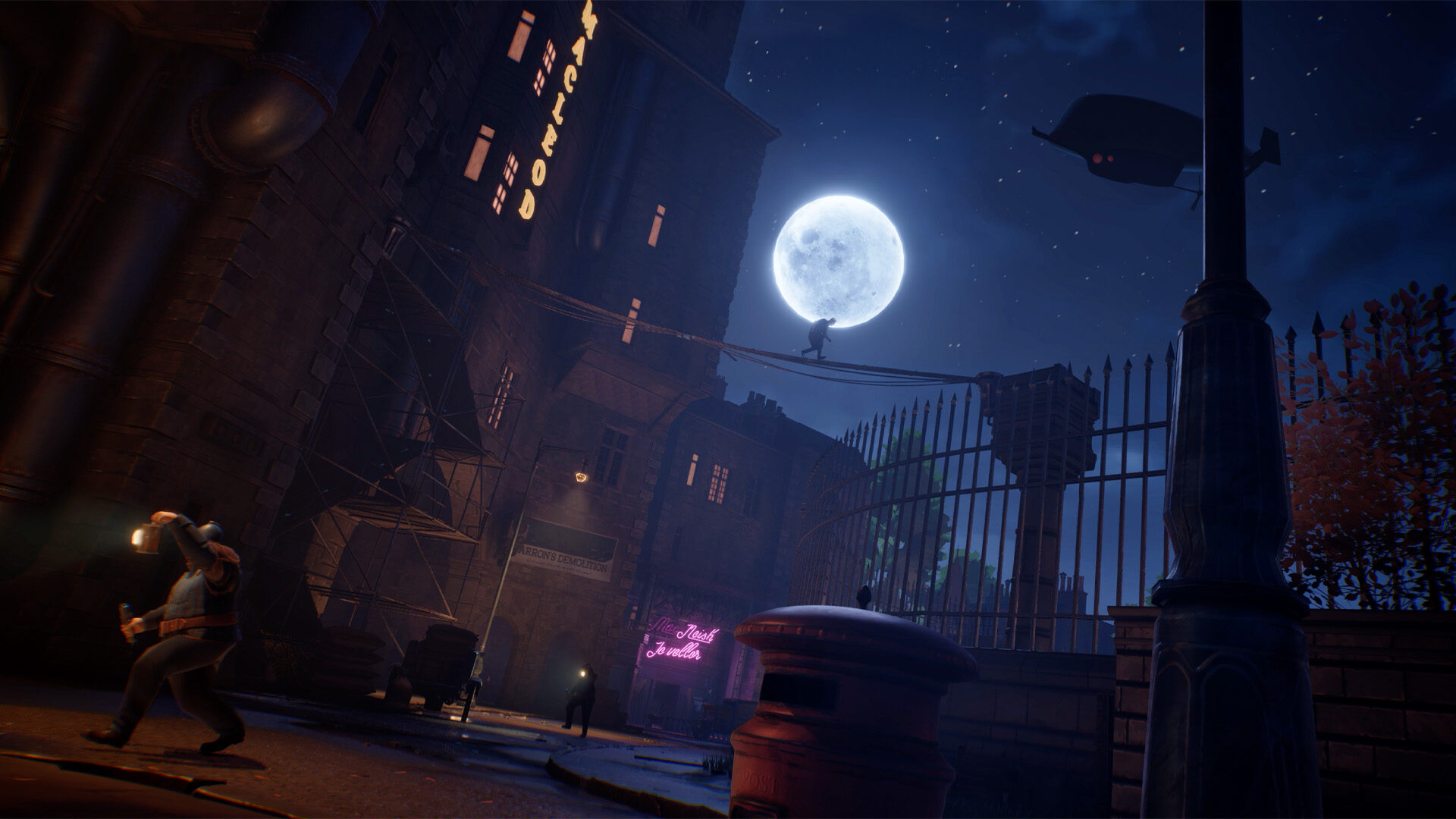
When I first saw Thick as Thieves during The Game Awards 2024, I was genuinely pretty excited. The Immersive Sim genre has been pretty dormant in the modern gaming age, as the AAA industry has favoured more streamlined experiences over giving players myriad choices. Seeing Warren Spector attached to the project only made me even more hopeful for a proper return to form.
However, playing Thick as Thieves, that industry is alive and well, no matter how promising a game looks. It’s a game that feels like it has a lot of heart, but also had to make a lot of compromises. It’s almost like an amateur thief fumbling in the dark—what was taken was certainly good, but what was left behind feels a bit lamentable.
Thick as Thieves is a bit light on plot, but not to its detriment, as it serves more as a foundation for the gameplay. Players enter the city of Kilcarin—a vast metropolitan boosted by advancements in both science and magic. This has led to a boon in wealth and resources that has given way to the expanse of a shadowy Thieves’ Guild, who have almost made a sport of stealing from the rich.
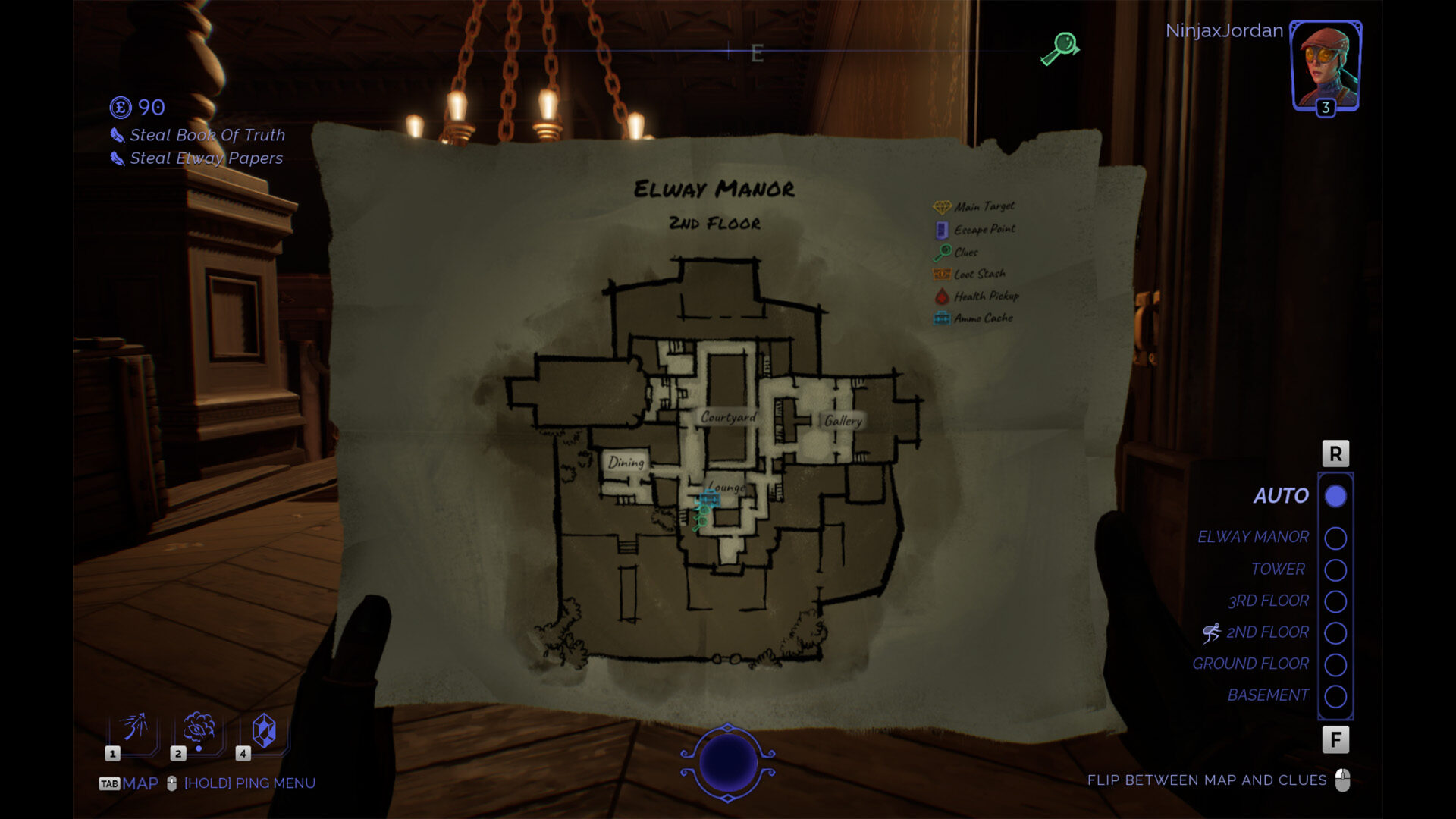
While this primarily sets the stage for the game’s multiplayer, there is a short single-player story involving a strange diamond that possesses otherworldly powers. The player must investigate a series of leads, breaking into highly guarded facilities and stealing both information and artifacts to learn the true worth of the Vistara Diamond.
It’s fine enough for what it is, but it does end up feeling more like a “story” that only exists to provide players with a tutorial for the real game, which is the online multiplayer. Playing Thick as Thieves left me a bit disappointed, primarily because you can really feel the cuts from its initial pitch as a PvPvE game, to a smaller, more “focused” co-op experience. It’s a game that feels like it had to make a lot of quick changes, but didn’t adapt either its co-op or solo experience to them in a meaningful way.
At its core, the potential is there for a fun time. It’s a heavy stealth game where players need to sneak past guards and utilize their surroundings in order to steal not only the main objective item, but anything that isn’t nailed down. Players can utilize unique tools to give them a deceptive edge and find clues hidden around each level for where high-priority items may be.
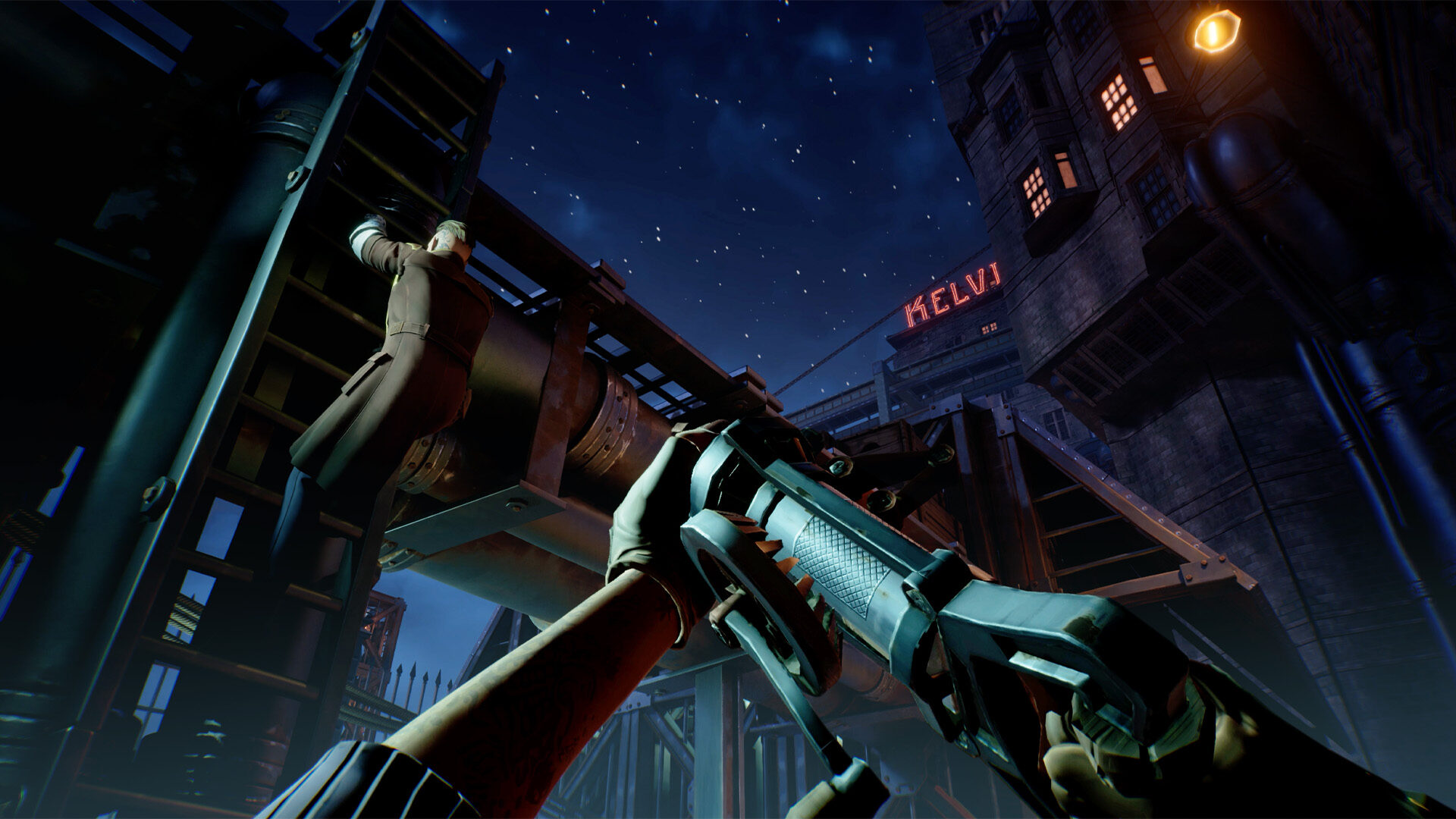
And it certainly has the foundation for a solid immersive sim. Levels are large and give players a lot of creative routes for sneaking around and entering off-limits areas. In fact, players are almost always placed in a different starting area when replaying missions in order to incentivize exploration. Not only that, but it’s truly stealth-focused as players aren’t given any options for self-defence—outside of stealth takedowns—and getting caught is almost certainly a death sentence.
However, that’s kind of the problem with Thick as Thieves: there’s only really a foundation. So much of what could’ve been built on top of it has been locked behind an archaic design that only serves to make the multiplayer boring, and the single-player a monotonous chore. It starts with the way this game limits players right from the start—despite its supposed focus on co-op play, only one of the two (formerly three) characters is available.
Gaining anything takes what feels like forever as several items, difficulty modifiers (which increase XP gained), and even the second character are locked behind both individual level requirements, and a certain amount of Contract completions—requiring players to play and replay the same two levels over and over with only minor changes in between them. While this is slightly less obnoxious while playing multiplayer, as the added hands make light work, this only helps players gain levels for cosmetic unlocks.
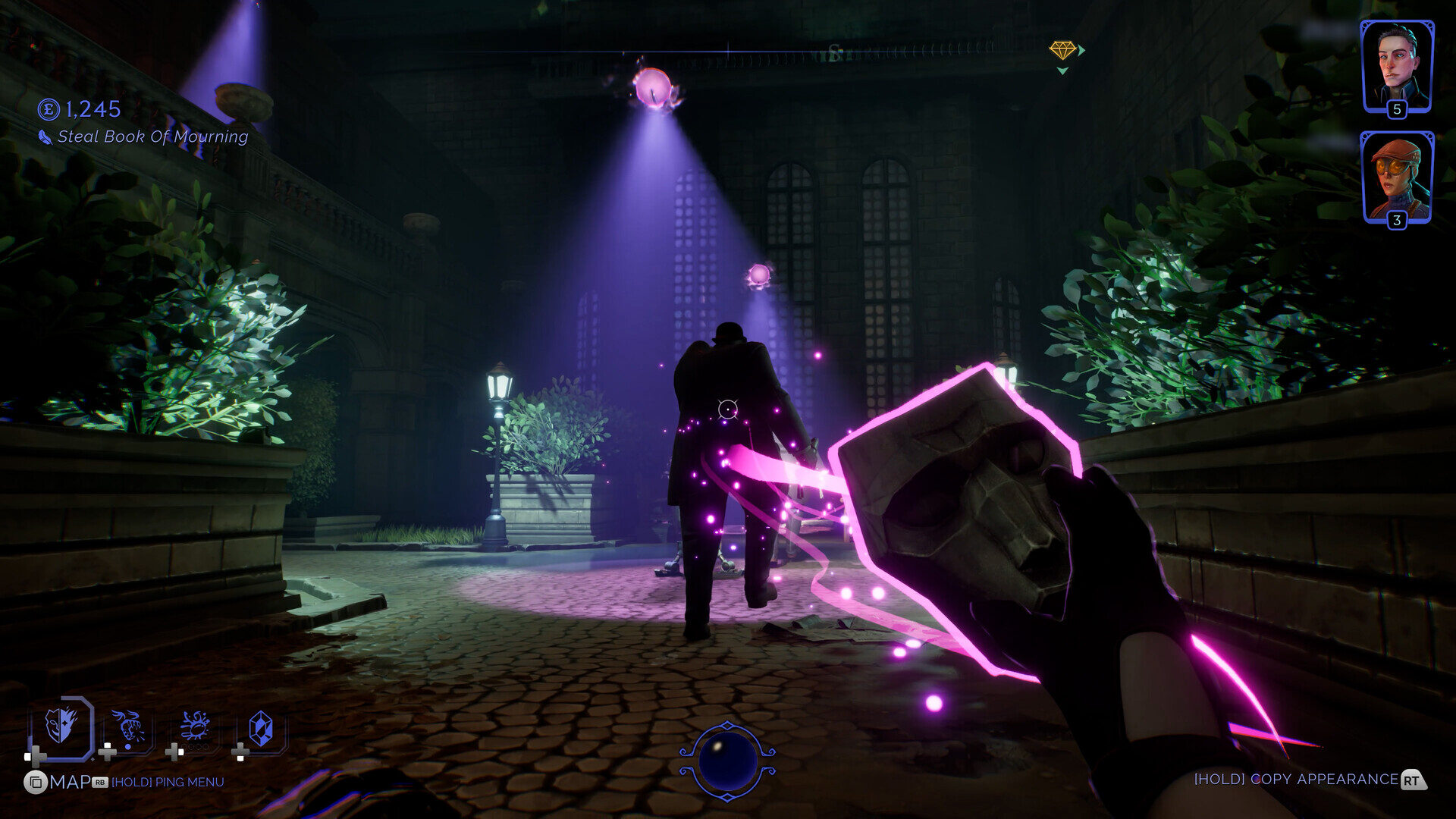
If players want to unlock new tools or the second character, they’ll either need to find a friend or be railroaded into playing the single-player campaign, since the Contracts that are needed to unlock these things aren’t available during online matchmaking. Beyond that, if players want to exclusively play solo, they’re going to end up with a game that presents itself as an ocean with the depth of a puddle.
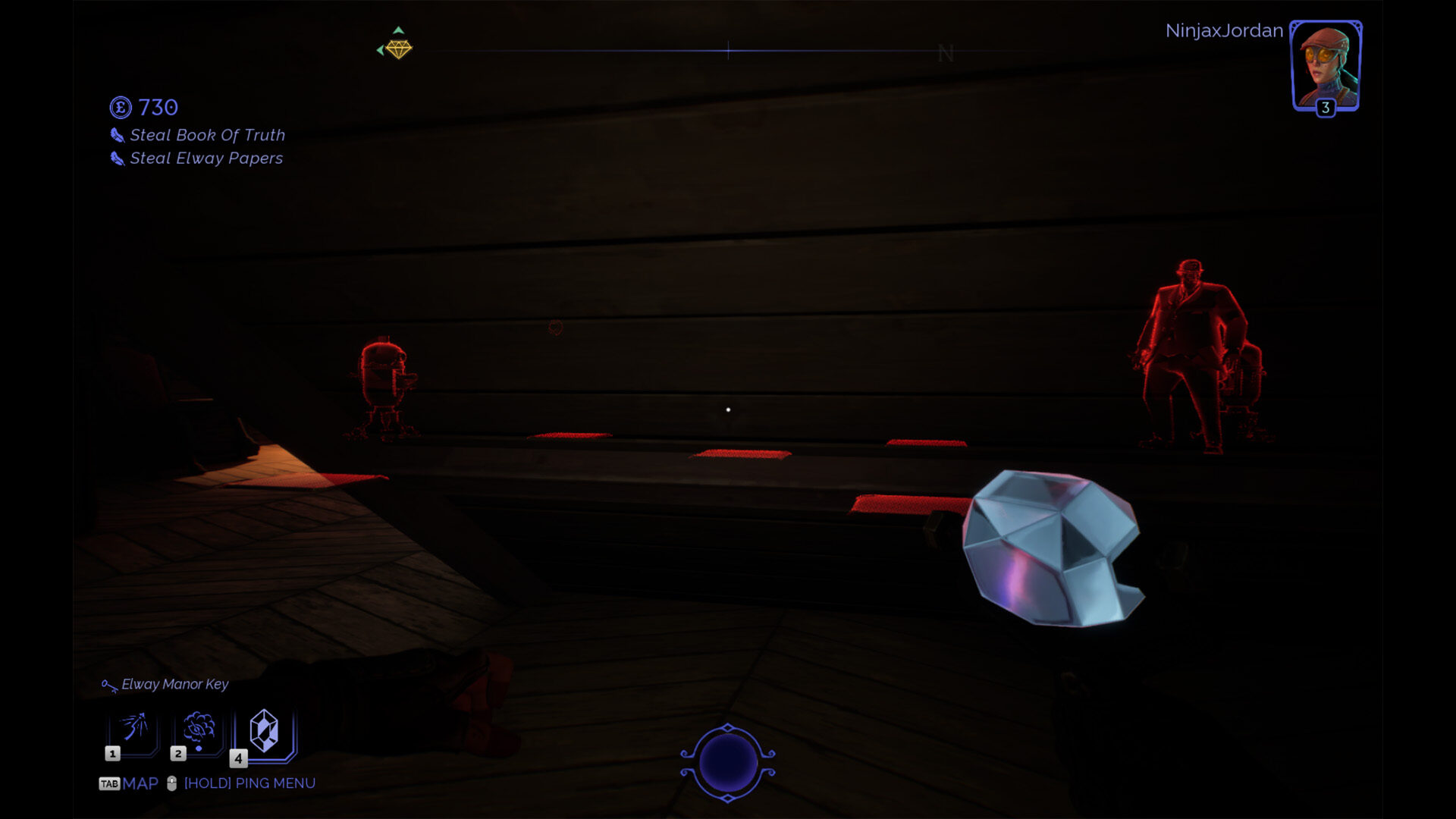
Of the two available maps, while they are quite large and distinct, it becomes very easy to play through them, as guards have incredibly telegraphed patrol patterns and aren’t particularly bright. Players are given a “Thief Vision” tool in the form of the Vistara Diamond that lets them see objects of interest and enemies through obstacles, and staying in the dark makes you virtually invisible, so there’s almost no challenge to the concept of staying out of sight or utilizing your surroundings.
“Visually, Thick as Thieves is serviceable, utilizing a fun semi-cartoon aesthetic that evokes the look of a Double-Fine production.”
But Thick as Thieves just doesn’t really feel suited to either a co-op experience. Guard AI is so unbelievably basic that you never really need to rely on a second player or utilize the specific skill sets of each character. The Chameleon, in particular, feels like a complete waste, as his ability to temporarily disguise himself as a guard is pretty perfunctory since there’s only really one type, and it’s not like being a guard is necessary to access any area. In essence, it’s just another form of temporary invisibility.
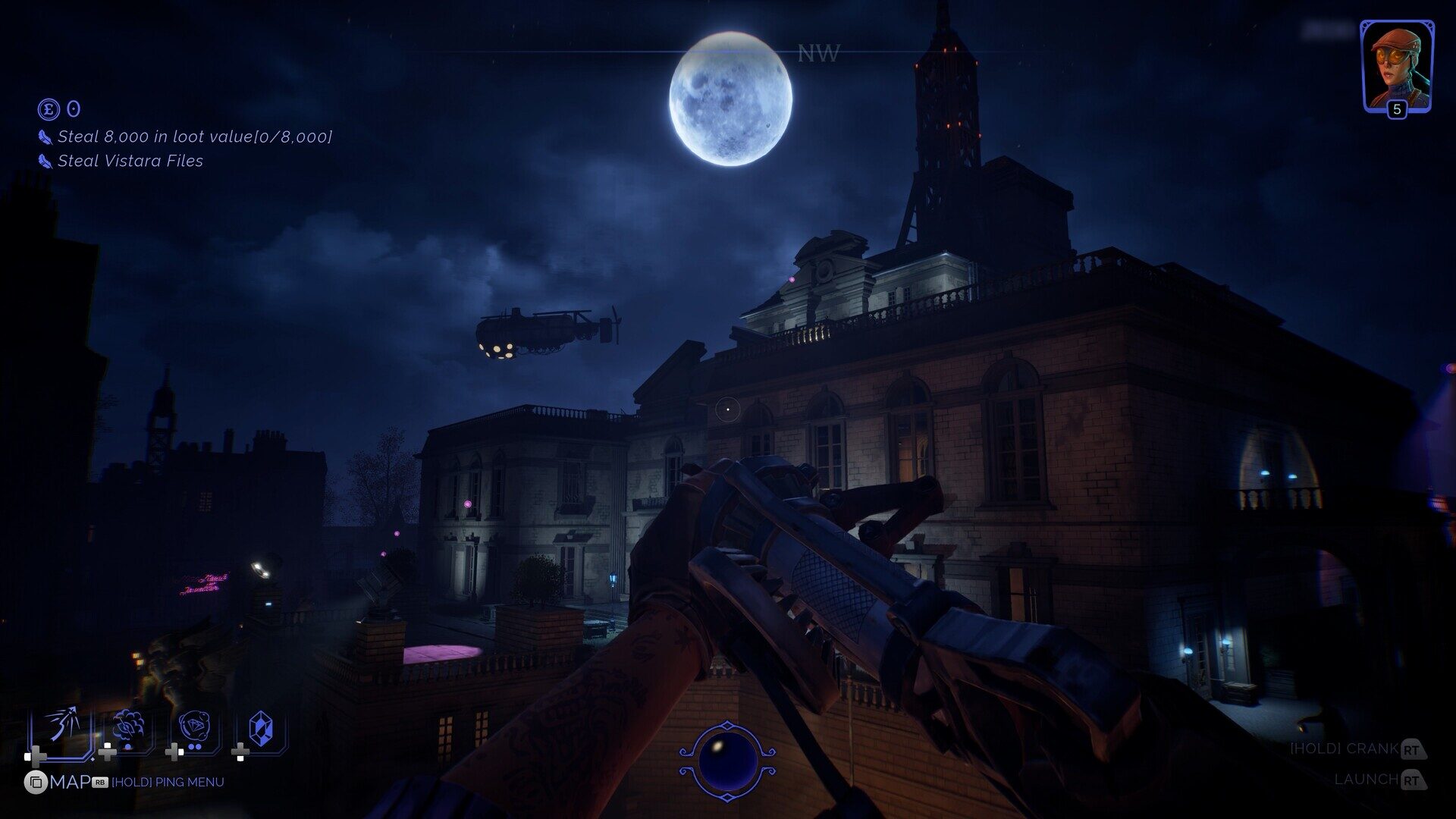
And the two areas, though expansive in their own right, become so familiar after repeat playthroughs that there isn’t a lot of versatility in how two players can approach them together. Even increasing the difficulty, which does remove some of the potential access points to certain areas, prompting players to think a little differently, only truly adds more traps and tripwires and doesn’t really add anything outside of surface-level obstructions.
And it’s really a shame because when it’s working, it really does work. Players have to go slow, observe their surroundings and get creative in order to extract the highest yield. Despite only having two maps available, there are a lot of little nooks and crannies for players to sneak through and find alternate routes to a given target. And there are some interesting ideas—like the “Hauntstable” which are ghostly patrolmen who can pass through walls and aren’t hindered by standard takedowns.
On top of this, as I said above, the game doesn’t really seem to know what it wants to be—or it knew when it was announced and didn’t really make appropriate changes when it shifted direction. It calls itself a co-op multiplayer experience, but a lot of its design decisions still seem to incentivize competitive play. If players are killed, they drop all their loot, allowing for another player to swoop in and steal it, and there’s a one-time use safe box for players to deposit on-hand loot just in case.
Players leave behind a little calling card on stolen items, which is a really nice touch, but feels designed to antagonize other players. The game informs players when certain high-value items are stolen (theoretically putting a target on that player), and players can lock doors, windows or vaults to make getting around more difficult for each other. It genuinely comes off like there’s very little reason to coordinate with your teammate because the game isn’t really set up to accommodate two players working together.
Visually, Thick asThieves is serviceable, utilizing a fun semi-cartoon aesthetic that evokes the look of a Double-Fine production. Both of the game’s areas have a high amount of detail and a distinct tone—albeit the desaturated colour palette does suck some of the fun out of the experience. Honestly, if the game had had a mellow, James Bond-esque soundtrack to accompany it, it would’ve gone a long way to cover some of the tedium—why does so much of this game play out in silence!?
Thick as Thieves could have been a great new immersive sim. The fundamentals are so solid that even for what little is on offer, I didn’t completely hate the time I spent with it. I just wish so much more of it was made available to players and locked behind reasonable restraints instead of arbitrary ones—the way games used to be.