
Earlier this year, I had the opportunity to try out the Fitbit Air, Google’s foray into screen-less fitness trackers. I really liked it, finding the material of the performance band to be comfortable. Its battery life was another highlight, lasting for a week before needing a charge. Paired with the new AI-driven Google Health Coach, it gave me more agency with my own health journey than ever before. Now, Google is adding another tracker to its arsenal, with the Fitbit Edge bringing back the screen, and with it, more functionality, but also more drawbacks, than its faceless counterpart.
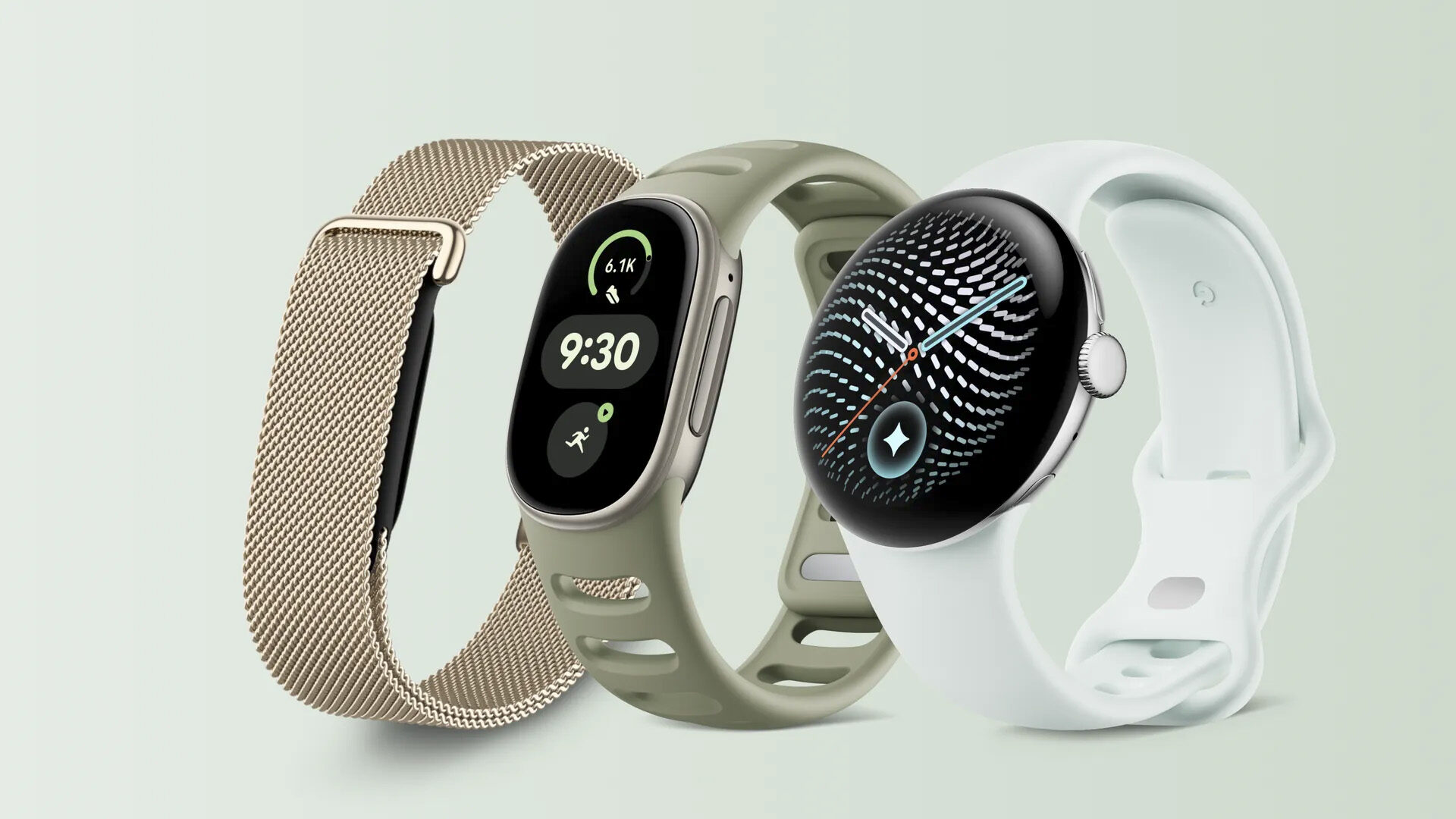
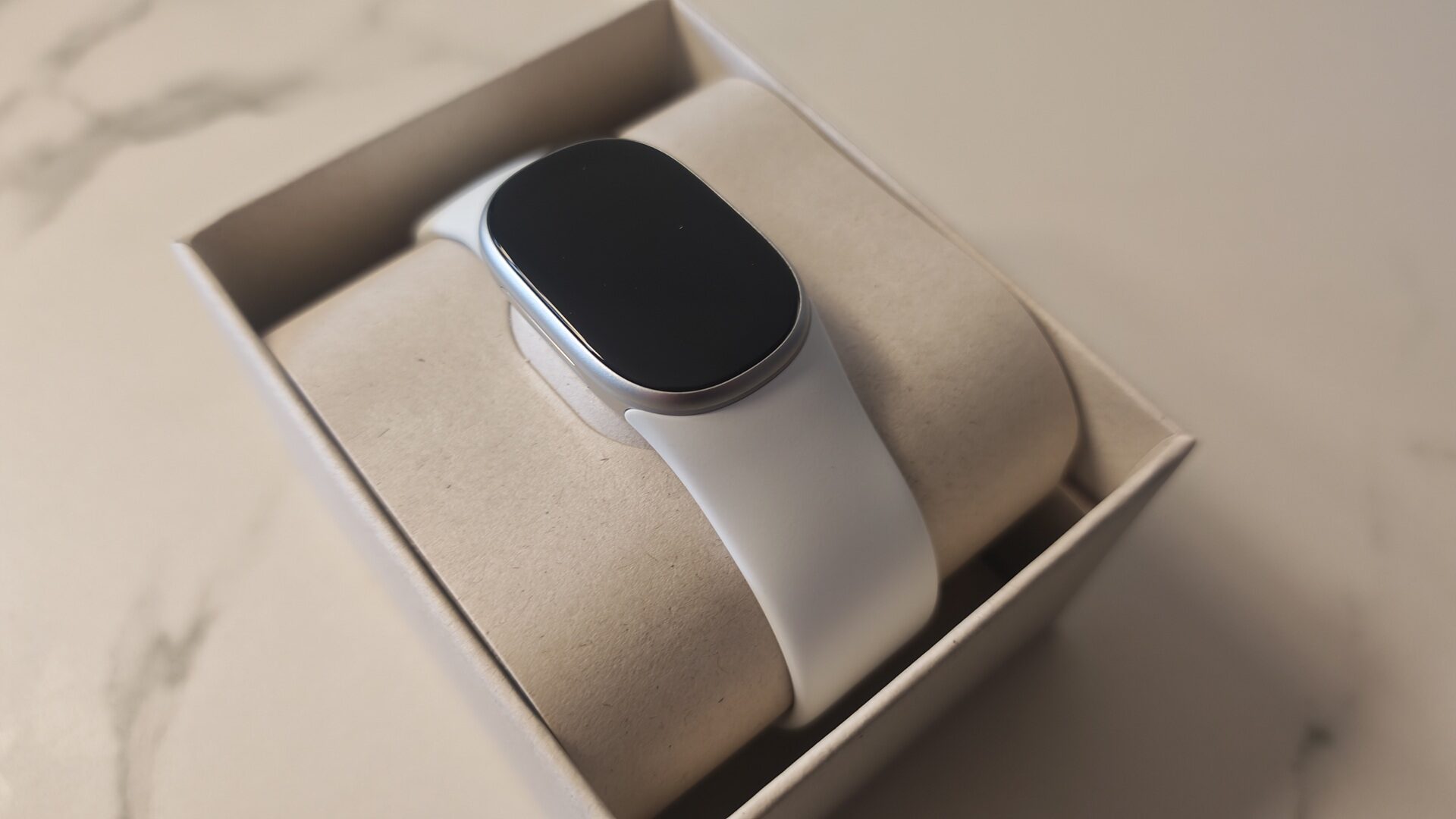
The Fitbit Edge is aimed directly at those who want or need more information and input, without going for a full-blown smartwatch. It’s sleek, with a small face that conveys enough information despite its size. While the Air was basically unnoticeable, the Edge stands out a bit more, but not uncomfortably so. The unit comes with the active band, the silicone being soft and pleasant to the touch. There are other options, including a Stephen Curry special edition band, with the process of swapping bands being quick and easy.
“The major draw of the Fitbit Edge is all of this information being easily accessible on your wrist. “
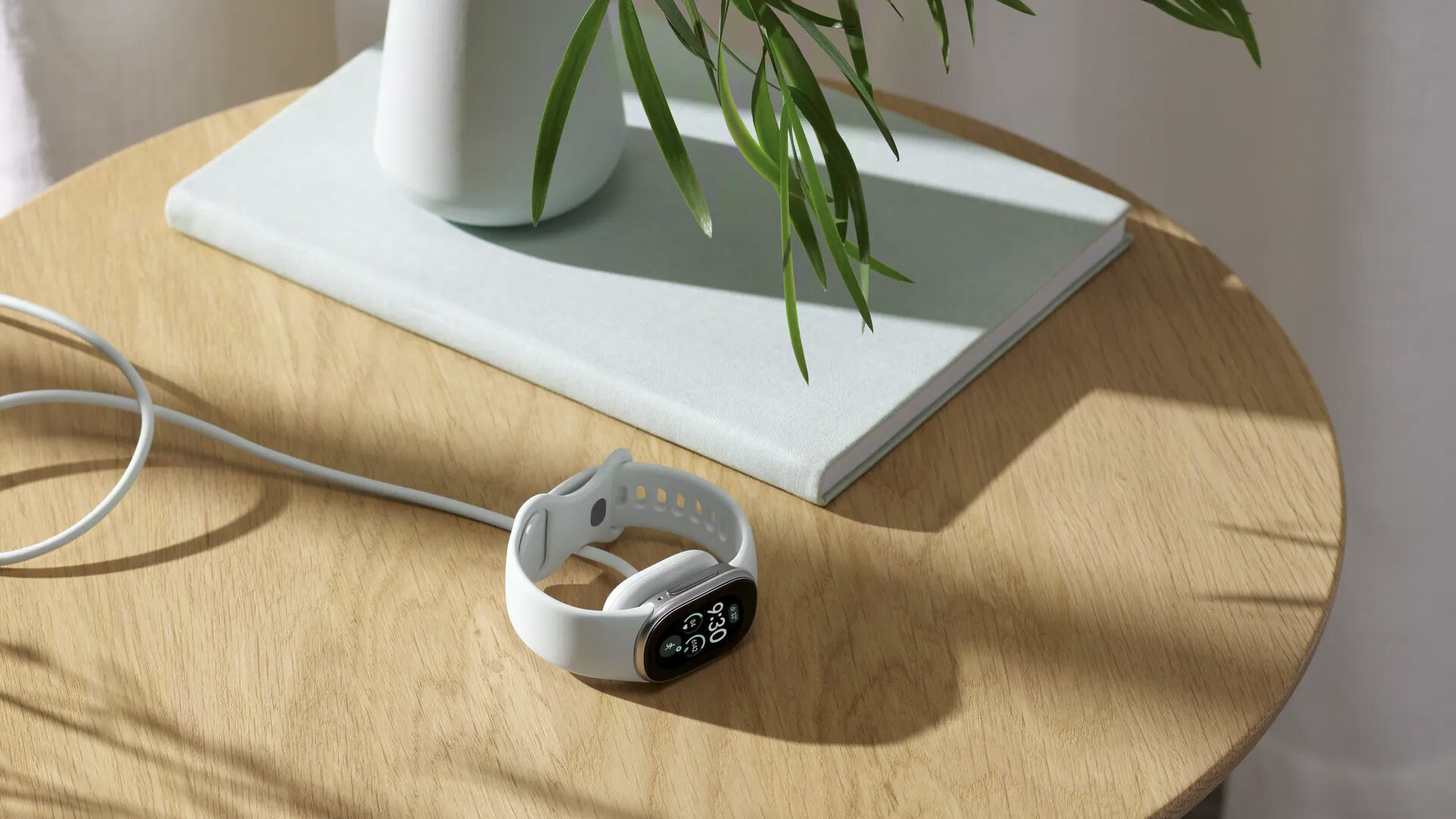
Seeing the actual metrics on your wrist is the biggest draw with the Fitbit Edge. The touchscreen is 1.34 inches (34 mm) large, making it big enough to easily read without being so big that it dominates your wrist. It has one button that runs alongside the right side of the chassis. The look is stylish without being overbearing, small enough to look like a simple watch but big enough that actually using it isn’t annoying, even for those of us with bigger fingers. Battery life is similarly impressive, lasting for about seven days without needing a charge—filling back up to a full day’s capacity in about five minutes.
The readout on the screen by default shows your heart rate, the time and date, your step count for the day, and the option to quick-start a run. Swiping to the left or right covers plenty of bases, including a wider array of quick-start exercise options, focus metrics, sleep, media control, weather, and more. You can customize the order of these and access whichever ones you may need quickly. Pressing the button pulls up your other apps, including alarms, ECG, and maps. Swiping down has quick settings like brightness and sleep mode, while swiping up pulls up notifications from your phone.
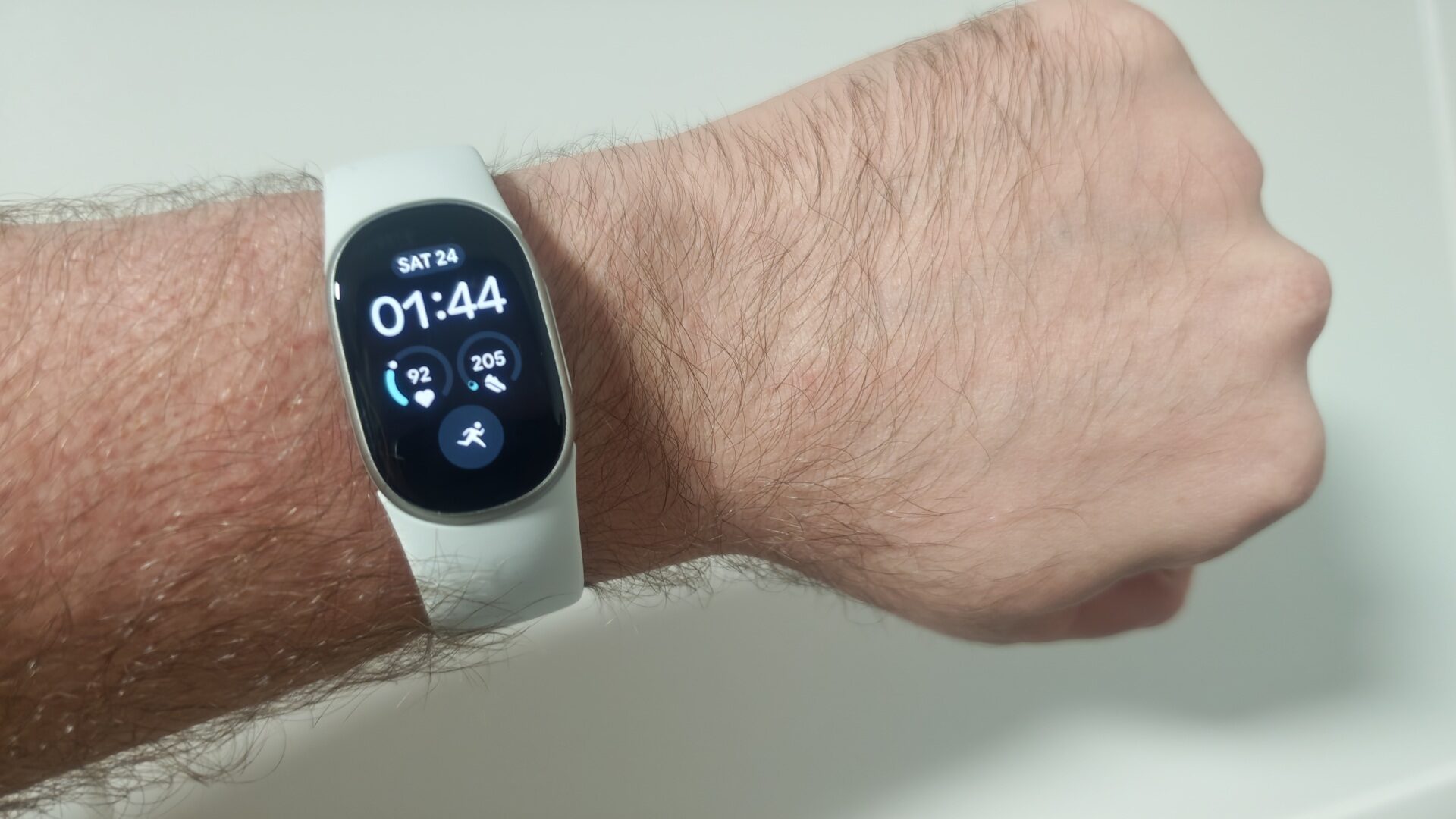
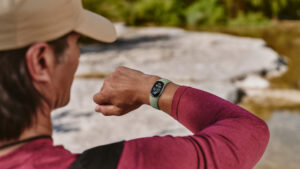
The major draw of the Fitbit Edge is all of this information being easily accessible on your wrist. Being able to quickly check your heart rate or start an exercise without having to deal with your phone is great. Alongside that is the ability to quickly reply to texts and answer calls, giving you far more functionality than the Fitbit Air. The Fitbit Air is perfect for people looking to track their metrics without distraction, while the Edge is a happy middle ground for those who want the screen without entering full-blown smartwatch territory.
All of this paired with the Google Health app really pushes all that data into the realm of understandability. Everything that made it great months ago is still here, including logging calories by taking pictures of meals, building workout plans, and monitoring your sleep. The Coach is as helpful as ever, especially with a host of new features that make it even better than before. It’s gotten more accurate across multiple metrics, like improved sleep tracking.
The major new add-on here is the Health Guardian, which is also available for those using the Fitbit Air. Health Guardian adds blood pressure and insulin monitoring, tracking trends across both and giving monthly reports on your metabolic and heart health. That update rolled out toward the end of the review period, so I wasn’t able to determine how accurate it is as of yet.
That being said, there are a few things the Fitbit Edge doesn’t do that are noticeable. A lack of NFC means it can’t be used for any fast payments while out and about. Being able to quickly tap to pay for something at the grocery store would’ve been a nice inclusion, but would’ve also driven the price up.
The other major missing piece is any sort of voice functionality. It would’ve been nice to be able to tell the Edge what I was eating to quickly log meals or to look up an answer to a question, but not so. Both the lack of voice control and NFC are noticeable, but they are understandable. The Fitbit Edge aims at being a quick workout and health buddy, one that’s sleekness and smaller profile also pack some level of expanded functionality. The more Google would’ve put into it, the more it would’ve cost while also encroaching more on actual smartwatches.
“The Fitbit Edge is a fantastic new option alongside the Air and other more robust and expensive smartwatch offerings.”
Overall, the Fitbit Edge is a great addition to the Google Fitbit Health ecosystem. The screen gives users more functionality, and even if some features are missing, the Edge does a great job at doing exactly what it sets out to do. The continued updates to Google Health continue to make it a great companion in anyone’s health journey, with the promises of Health Guardian just expanding the use cases. The Fitbit Edge is a fantastic new option alongside the Air and other more robust and expensive smartwatch offerings.