
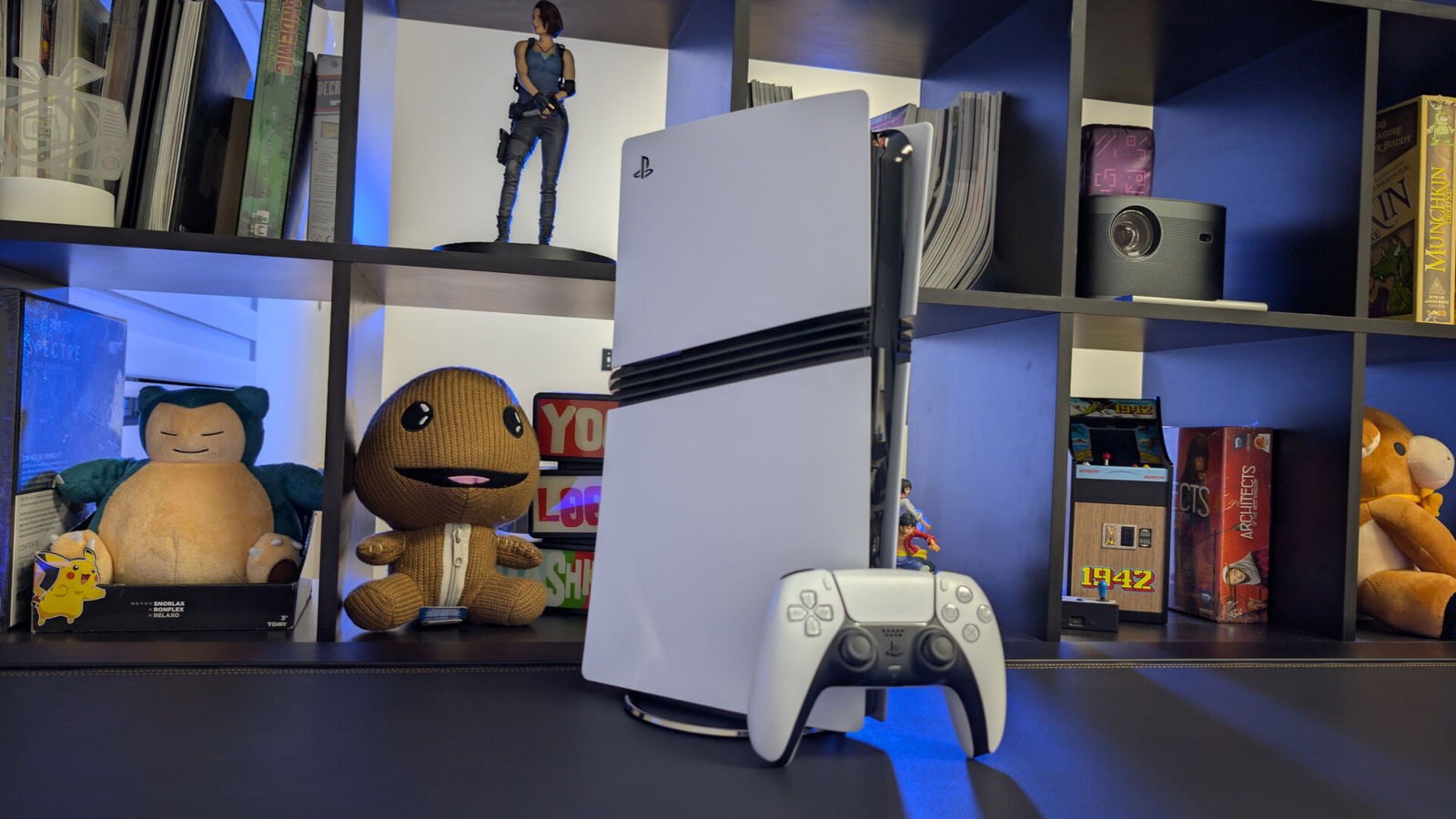

We are at the stage in this latest console generation where we’re starting to see a tech refresh. We saw it with the PS4 Pro and the Xbox One X, and now we have the latest iteration of the PlayStation: the PS5 Pro. The PlayStation 5 Pro delivers several improvements over its non-Pro counterpart, including a more powerful processor, a new design, and additional features — but it all comes with a steep price tag. At $699.99, this mid-generation refresh primarily targets enthusiasts seeking cutting-edge performance and visual fidelity in an increasingly competitive gaming landscape; however, it may not be for the average gamer who just wants to dive into the latest titles on their current TV setup.
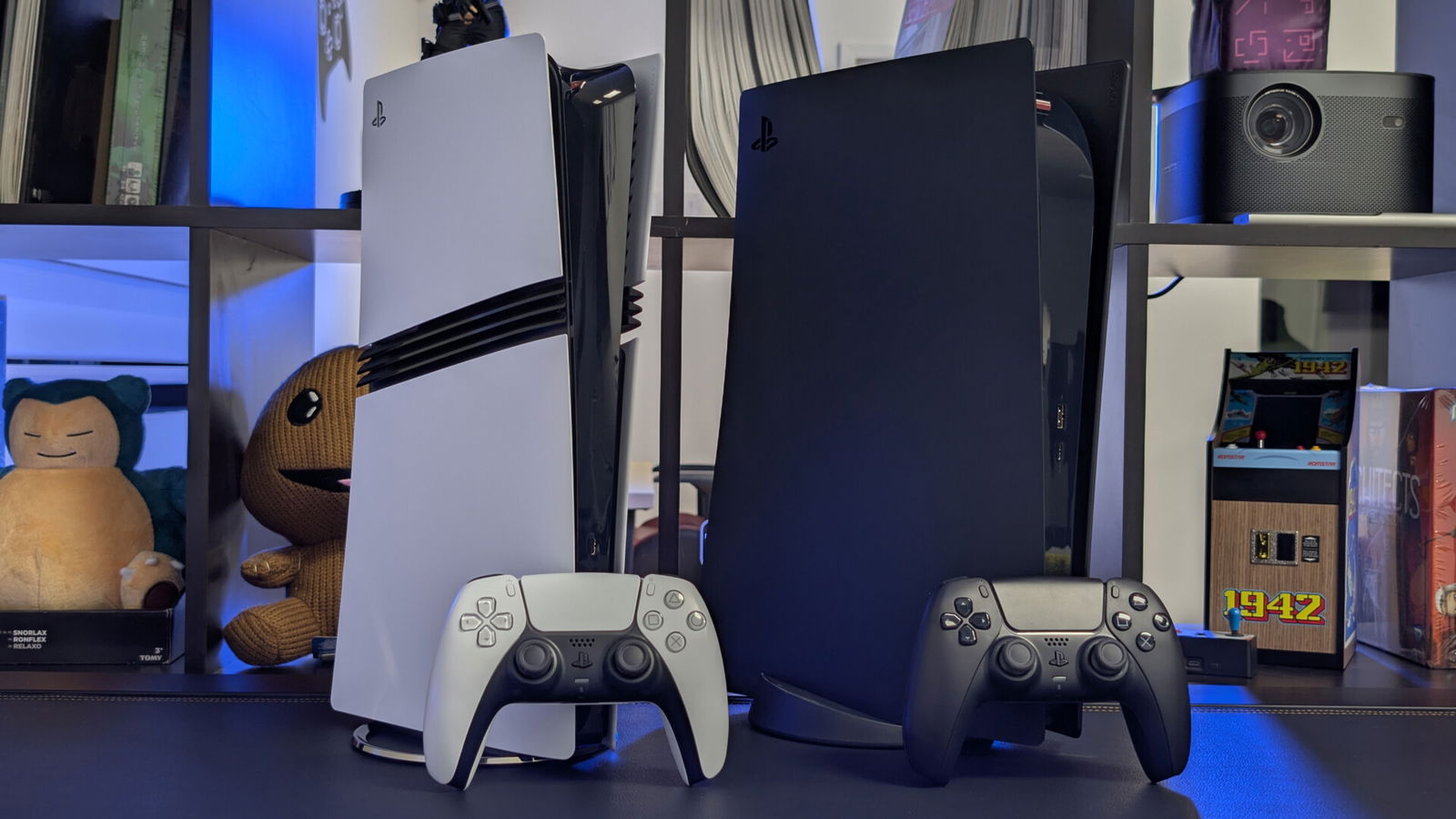
With the PlayStation 5 Pro now in our offices, we got to dive into this new console, see how it works, and what makes this refreshed offering so interesting. Opening the box and setting everything up, I was pleased to see the PS5 Pro adopt a more refined aesthetic compared to the original PS5’s controversial design. Its sleeker profile features angular lines and a distinctive middle section with cooling fins. Despite the refined design, the build quality feels more premium and durable, with improved stability when using the optional vertical stand. The revised design addresses many of the criticisms levelled at the original PS5’s imposing size and somewhat polarizing appearance.
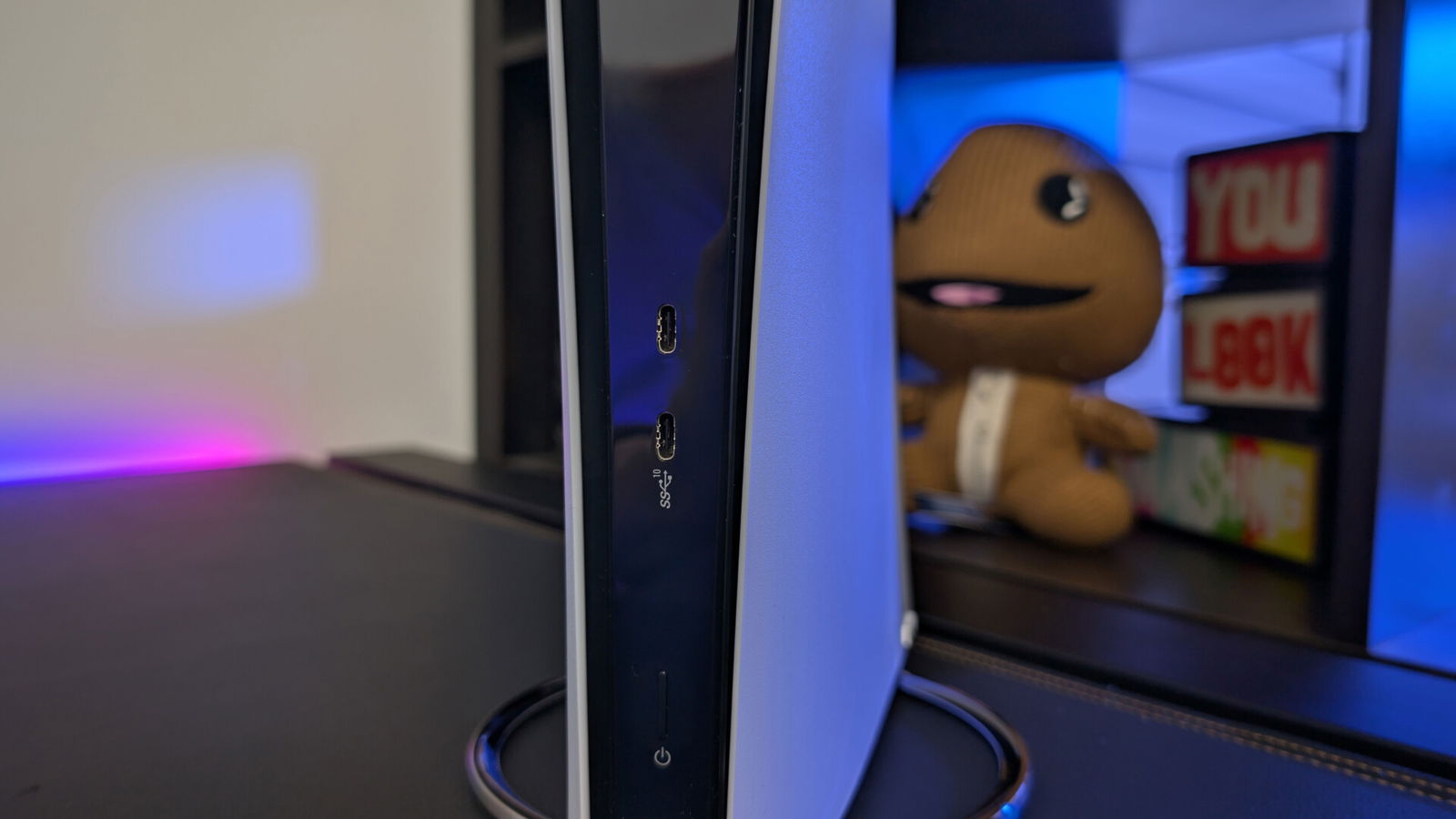
The PS5 Pro has also changed things up when it comes to port selection. While the original PS5 featured a USB-A and a USB-C port on the front and two USB-A ports on the back, the new PlayStation 5 Pro includes only USB-C on the front, with the USB-A ports moved to the back of the console. This setup is more in line with the PS5 Slim models released recently and makes sense as more peripherals adopt USB-C. The rest of the port selection remains the same, with a single HDMI 2.1 port and an Ethernet port for those who prefer a wired internet connection.
Speaking of internet connectivity, the PlayStation 5 Pro also introduces Wi-Fi 7, an upgrade from the Wi-Fi 6 found on both the standard PS5 and Slim models. This is a solid improvement and a valuable addition to the console, especially with the larger game sizes of this generation. It’s worth noting that you’ll need a Wi-Fi 7 router to take advantage of this feature, and it won’t impact the PS Portal, as that device is limited to Wi-Fi 5 for some odd reason.
“I was pleased to see the PS5 Pro adopt a more refined aesthetic compared to the original PS5’s controversial design.”
Compared to the standard PS5, the storage capacity has been doubled to 2TB, addressing a common complaint about the base model’s limited space — a welcome change in the modern age of gaming. However, this is where we hit our first roadblock for those with an existing PS5 game library in physical form: the Pro doesn’t include a disc drive in its base configuration, requiring an additional $80 purchase for physical media support.
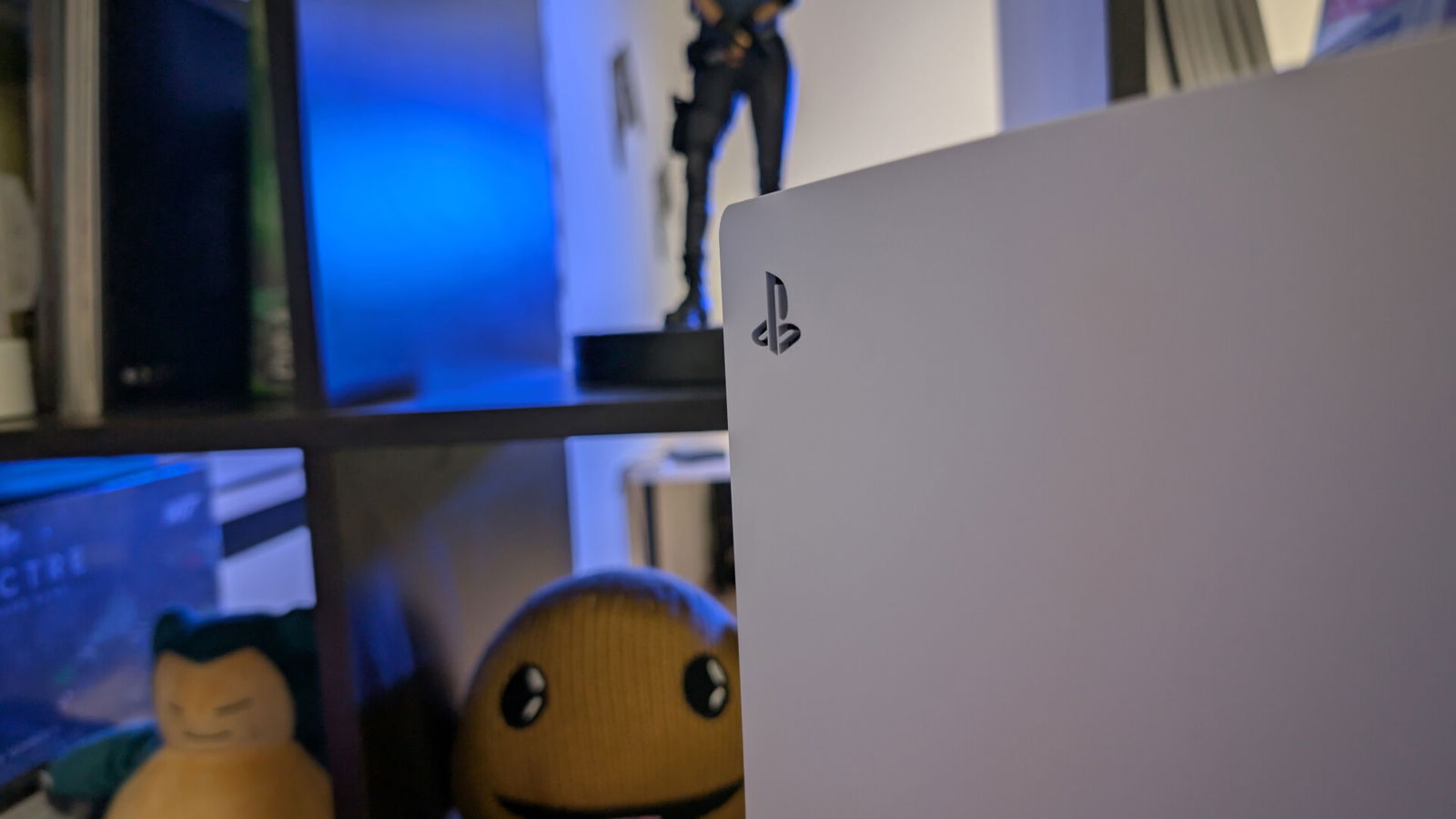
I understand why Sony made this move, as the industry shifts away from physical games, but it’s disappointing, especially for someone like me who still values physical game libraries. In an age when losing access to a digital copy is a real concern, and with game preservation on the minds of many collectors and fans, this decision feels particularly difficult to embrace. Thankfully the M.2 SSD port connection is still present on the console, so you can upgrade the storage if you are so inclined.
Thankfully, beyond the removal of the disc drive as a standard feature, the rest of the PlayStation 5 Pro hardware is solid all around, including the under-the-hood improvements. But as with most major refreshes, it is the core of the system that is the real star of the show, and that is true here, with the PlayStation 5 Pro representing a significant upgrade in raw computing power, featuring 67 percent more compute cores and 28 percent faster RAM than the base PS5.
The GPU now delivers 16.7 teraflops compared to the original’s 10.3 teraflops, enabling up to 45 percent better rendering performance. This substantial boost in processing capability has the potential to deliver more consistent frame rates and higher-quality visual effects across supported titles, currently sitting at over 50 games.
What this means for the average gamer is that you no longer need to choose between performance and fidelity when playing games in 4K resolution. You can now achieve stunning visuals with the system hitting 60 FPS, allowing games to look more detailed overall without sacrificing smooth performance.
That said, with the PlayStation 5 Pro now designed to work with 8K TVs and capable of reaching those resolutions, you’ll once again need to choose between performance and fidelity — but at a new threshold. With fewer people owning 8K TVs (and none currently in the CGM offices), this remains a minor issue, making this feel like a fair compromise — at least for now.
The PlayStation 5 Pro also offers improved ray tracing features compared to the standard PS5. While the PS5 introduced basic ray tracing and could deliver some impressive visual effects, they often felt a bit lacklustre, especially compared to what’s available with top-end GPUs. The PS5 Pro narrows this gap, providing a much more refined ray tracing experience that enhances visual effects, lighting, and reflections, making them look more realistic and visually striking. For fans of the visuals in Gran Turismo 7, this upgrade allows for even greater fidelity without sacrificing performance.
The PlayStation 5 Pro also introduces a slate of new features that utilize its raw performance to enhance overall game visuals. As seen in the GPU market, frame generation is becoming familiar, using system power to up-res a game and push more performance from a title in ways that aren’t achievable by simply adding more power. Sony’s approach to this concept comes in the form of PlayStation Spectral Super Resolution (PSSR), an AI-driven upscaling technology that constructs near-4K quality images while maintaining higher frame rates.
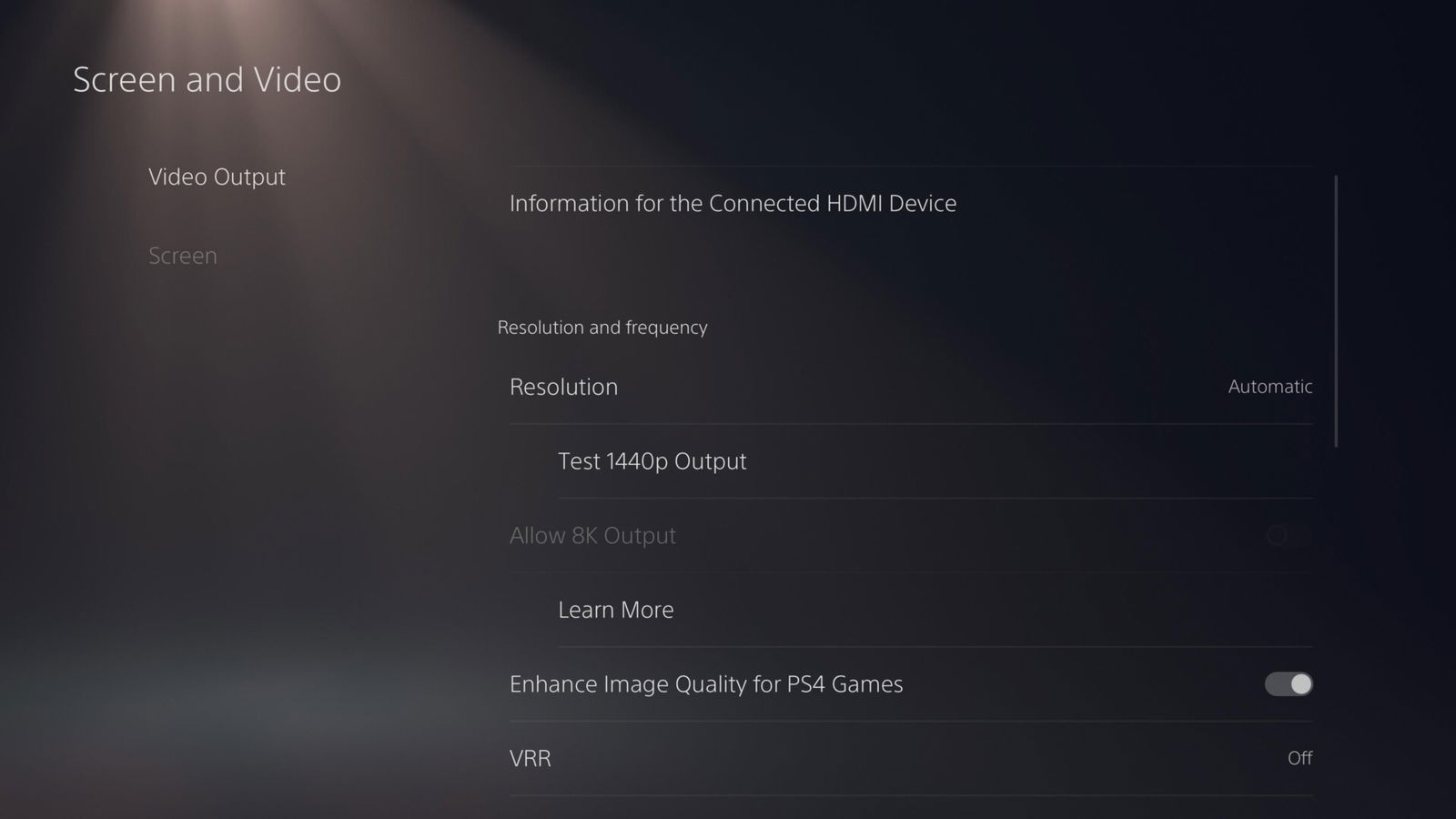
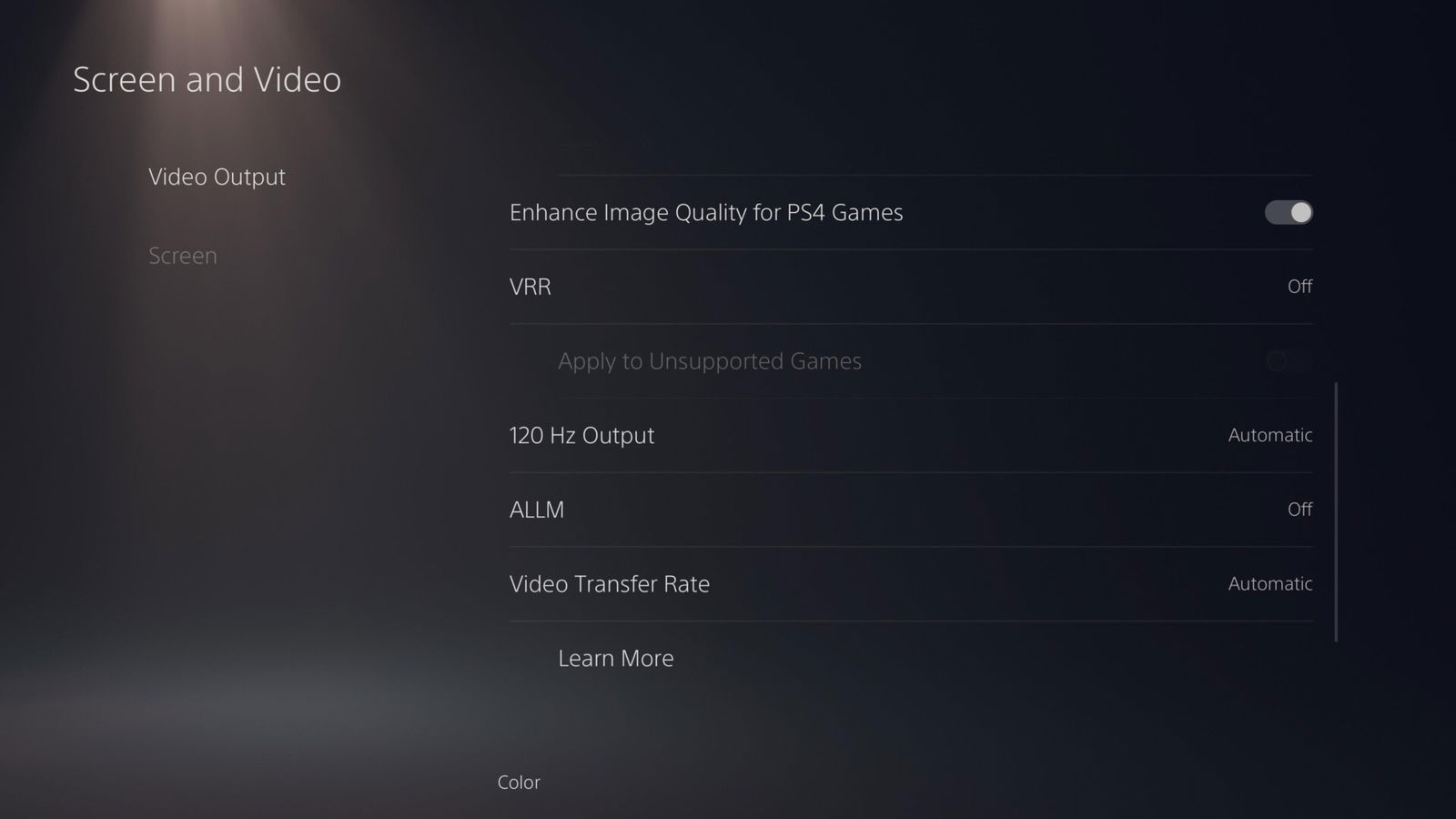
This technique mirrors similar methods in PC gaming, allowing developers to balance visual quality with performance. The implementation is particularly effective in fast-paced action games, where balancing visual fidelity and responsiveness is essential. We’ve seen similar technology in DLSS and FSR, and it works similarly here. While the standard PS5 uses a more conventional anti-aliasing method, the new PSSR is a solid step forward, helping to clean up visuals and improve the overall experience. As with PC gaming, this isn’t a one-size-fits-all solution; developers need to put in work to maximize what PSSR can achieve. Fortunately, this effort is being made, and it can make a noticeable difference (more on this in the testing section).
If you’ve been using your PS5 since day one, you know how loud the system can get, especially when running a more visually intensive game. So it makes sense that Sony also took time to overhaul the cooling system with the PlayStation 5 Pro, which features a larger heatsink, a more efficient fan design, and additional heat pipes. During extended gaming sessions, the Pro maintains lower operating temperatures than its predecessor, resulting in quieter operation and potentially better long-term reliability.
“The PlayStation 5 Pro demonstrates noticeable improvements across several key titles, with games optimized for the new features bringing fresh additions to the gaming experience.”
With that out of the way, how does the PlayStation 5 Pro actually perform in real-world testing? This is where it all starts to make sense, and that price tag begins to feel like a worthwhile investment. The PlayStation 5 Pro demonstrates noticeable improvements across several key titles, with games optimized for the new features bringing fresh additions to the gaming experience.
It’s easy to fall into the trap of listing enhanced titles and detailing how they compare to the standard PS5, but that’s only half the story here. With this new iteration, it’s more about the potential the upgraded hardware brings to games. In some cases, the changes are vast, offering new ways to experience visuals; in others, it’s about showing how many polygons the system can push when limits are lifted. Both are intriguing developments that make it feel like the PlayStation brand is moving into a more PC-like space.

Starting with Marvel’s Spider-Man 2, it’s easy to see how a Sony first-party studio has put the hardware to the test, delivering a well-balanced offering that showcases the system’s capabilities with two distinct modes: Performance Pro, delivering 60 fps gameplay with enhanced ray tracing, and Fidelity Pro, pushing visual boundaries at 30 fps. The implementation of ray-traced reflections and improved shadow quality creates a more immersive experience, especially in the game’s detailed urban environments, and, to put it bluntly, looks absolutely stunning. I always thought Marvel’s Spider-Man 2 was a showcase title for the PS5, and these enhancements continue that trend with the PS5 Pro.

The Last of Us Part II Remastered takes a slightly different approach to implementing PlayStation 5 Pro enhancements. While Spider-Man 2 offered a straightforward approach, giving players options for visuals or fluidity, The Last of Us Part II provides a range of choices. It includes the standard PS5 release features—graphics or performance modes—and introduces a new “Pro” option that leverages the PSSR features. This mode outputs a 1440p image upscaled to 4K, blending the previous two modes, and it looks impressive. Frame generation can be hit or miss depending on how it’s implemented, but Sony has built something that looks good and works well, especially with first-party titles.
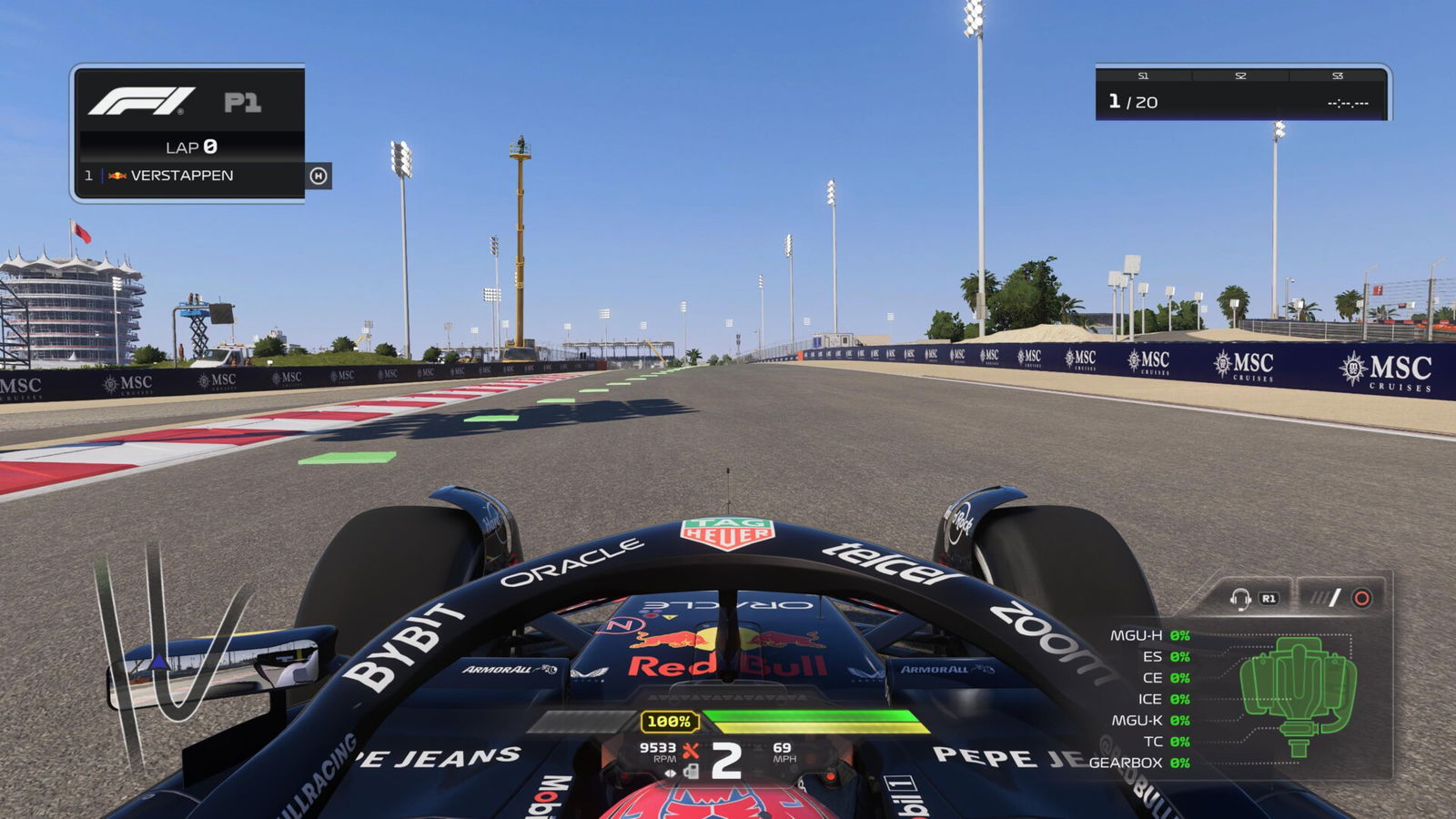
For anyone who loves realism in games, F1 2024 is a fantastic showcase of how the PS5 Pro enhances the ray tracing capabilities of the PS5. The game fully leverages the new horsepower to render each ray of light, reflections on car hoods, and the way different environmental effects alter the visual and driving experience in a game as dedicated to the art of driving as F1 is.
There are many ways ray tracing can build a more lifelike and authentic gaming experience, but few match the way cars come to life when the technology is properly implemented. Honestly, if I were Sony, this is the type of game I would use to showcase the PS5 Pro; it is one of the best examples of what the tech under the hood can achieve, and it looks absolutely stunning.

I tested a range of titles on the console, and for the most part, I’m impressed. In the first-party games I played on the PlayStation 5 Pro, those where studios found ways to best utilize the new power and features showed noticeable improvements in visuals, fidelity, and even future-proofing for the eventual availability of 8K.

Some third-party games I tested also delivered exciting results, with titles like No Man’s Sky and The Crew Motorfest providing truly stunning experiences that felt similar to what gamers can achieve on a fully specked PC. The tech under the hood also benefits games like Lords of the Fallen, which had reached limitations with the features available on the PS5, giving developers more headroom to match what is possible on a PC and ensure a smoother overall experience.
“The PlayStation 5 Pro is designed for the tech enthusiast who wants to be on the bleeding edge of display technology and gaming features.”
While I was impressed overall with how games that took the time to enhance the experience looked on the PS5 Pro, not all games show dramatic improvements. Hogwarts Legacy, for instance, exhibits more modest enhancements in frame rate and visual quality. Games like Demon’s Souls and Ratchet & Clank: Rift Apart look good and run at a solid frame rate, but I did not see much difference compared to the base PS5 experience. There are improvements, but since developers optimized them carefully, they may not be immediately noticeable unless you’re specifically looking for them. This highlights an important consideration: the impact of the PS5 Pro’s additional power varies significantly depending on how developers choose to utilize it.
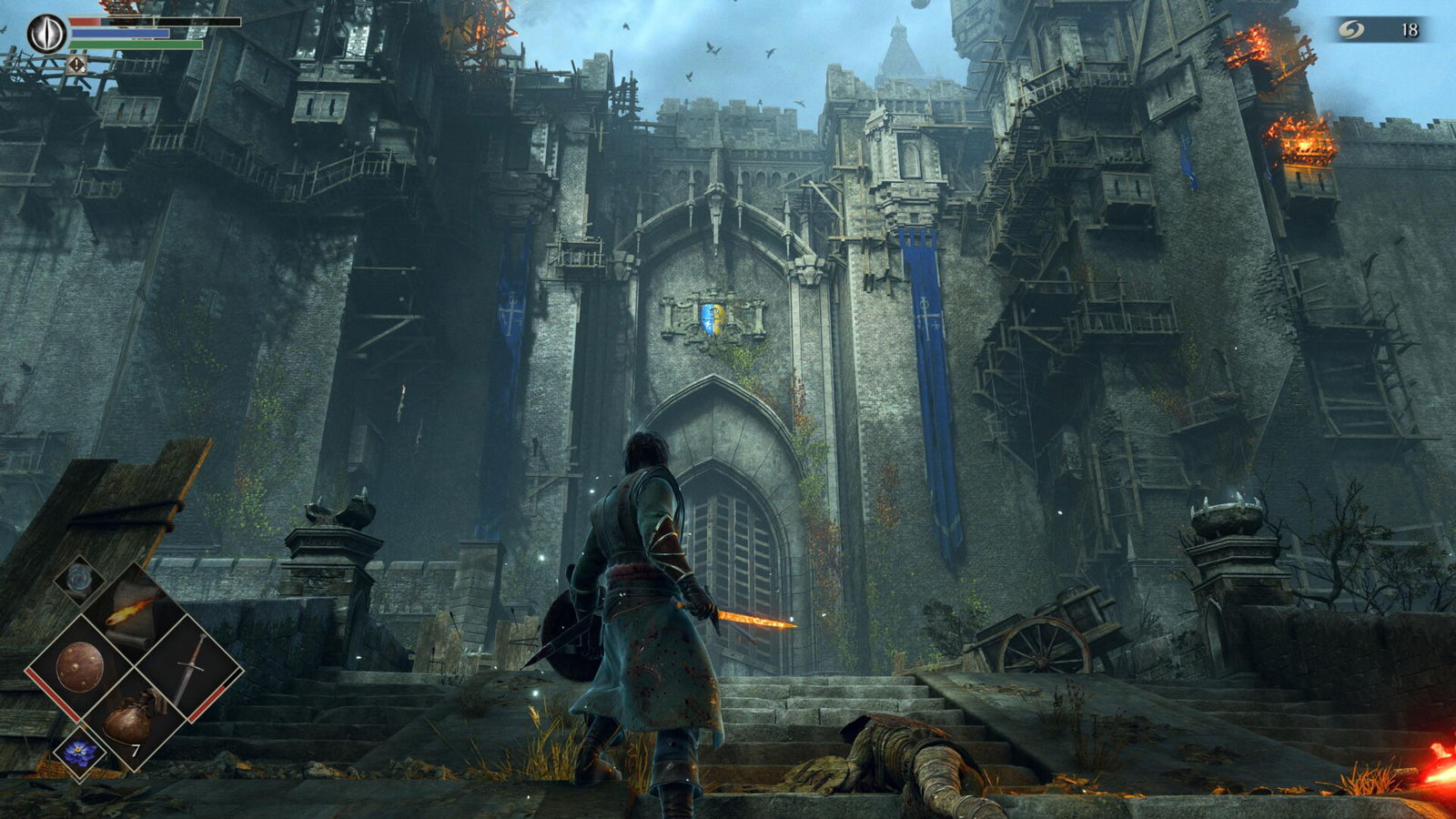
After my time with the PlayStation 5 Pro, diving into each game, testing how the new features work and what they bring to the experience, I was left feeling that while the under-the-hood tech may be impressive, for anyone just wanting to enjoy a good game, these improvements are ultimately more of a bonus than a game-changer. Much like an enthusiast upgrading from an RTX 4070 to an RTX 4080 on a gaming PC, you’ll see improvements in some games, but the core of the experience remains mostly unchanged.
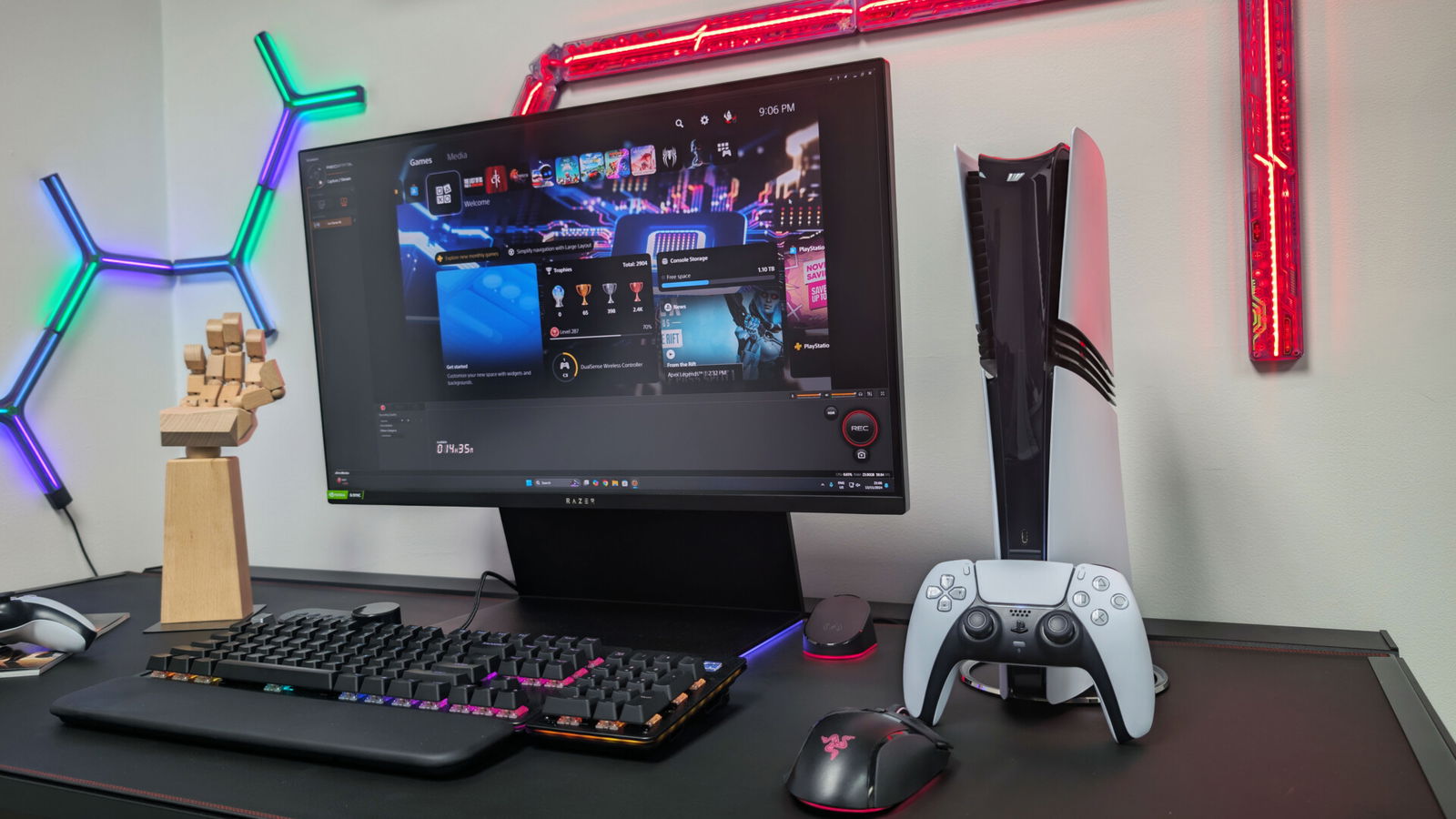
The PlayStation 5 Pro is designed for the tech enthusiast who wants to be on the bleeding edge of display technology and gaming features. Don’t get me wrong; I am very impressed with what the PS5 Pro brings to the table, and it’s great to see the console market narrowing the gap between what they offer and what can be found on a PC. However, with many people playing on sub-$1,000 TVs, the improvements this console offers will be minimal. This console performs at its best when paired with a high-end 4K display capable of high refresh rates and HDR support.
With its premium price tag, the PlayStation 5 Pro is a hard console to recommend for casual gamers or those using standard living room TVs. The base PS5 remains capable of delivering excellent gaming experiences, making the Pro’s value proposition somewhat niche. The decision to upgrade largely depends on individual circumstances and preferences regarding visual quality and performance. For people who have invested in achieving the best possible living room experience, this console makes sense; however, this is not the case for the majority of the game-buying public.
Thankfully, with over 50 games receiving Pro-specific enhancements at launch and more in development, Sony is demonstrating strong software support for the new hardware. The company’s commitment to providing developers with tools and resources to optimize their games for the Pro suggests a promising future for the platform. The PS5 Pro feels like a console that’s a year ahead of the curve and will find its footing once the average game buyer upgrades to a new TV or 8K becomes more widespread.

There’s no question the PlayStation 5 Pro represents an exciting piece of technology, and Sony has done the development work to make it feel like the next step for the PS5. However, with only a few games showcasing the full extent of its visual capabilities, I’m unsure people will dive headfirst into the Pro lifestyle at its current price. While it delivers on its technical promises, offering genuine improvements in performance and visual quality, its appeal may be limited to those who prioritize cutting-edge performance above all else.
For tech-savvy gamers who have already invested in top-tier display technology and have money to spare, the PlayStation 5 Pro offers a premium gaming experience that pushes the boundaries of console gaming. For everyone else, the standard PS5 remains a more practical choice, delivering excellent value for money. The PS5 Pro’s success will ultimately depend on how developers leverage its capabilities in future releases and whether gamers feel the premium price tag justifies the enhanced experience.