
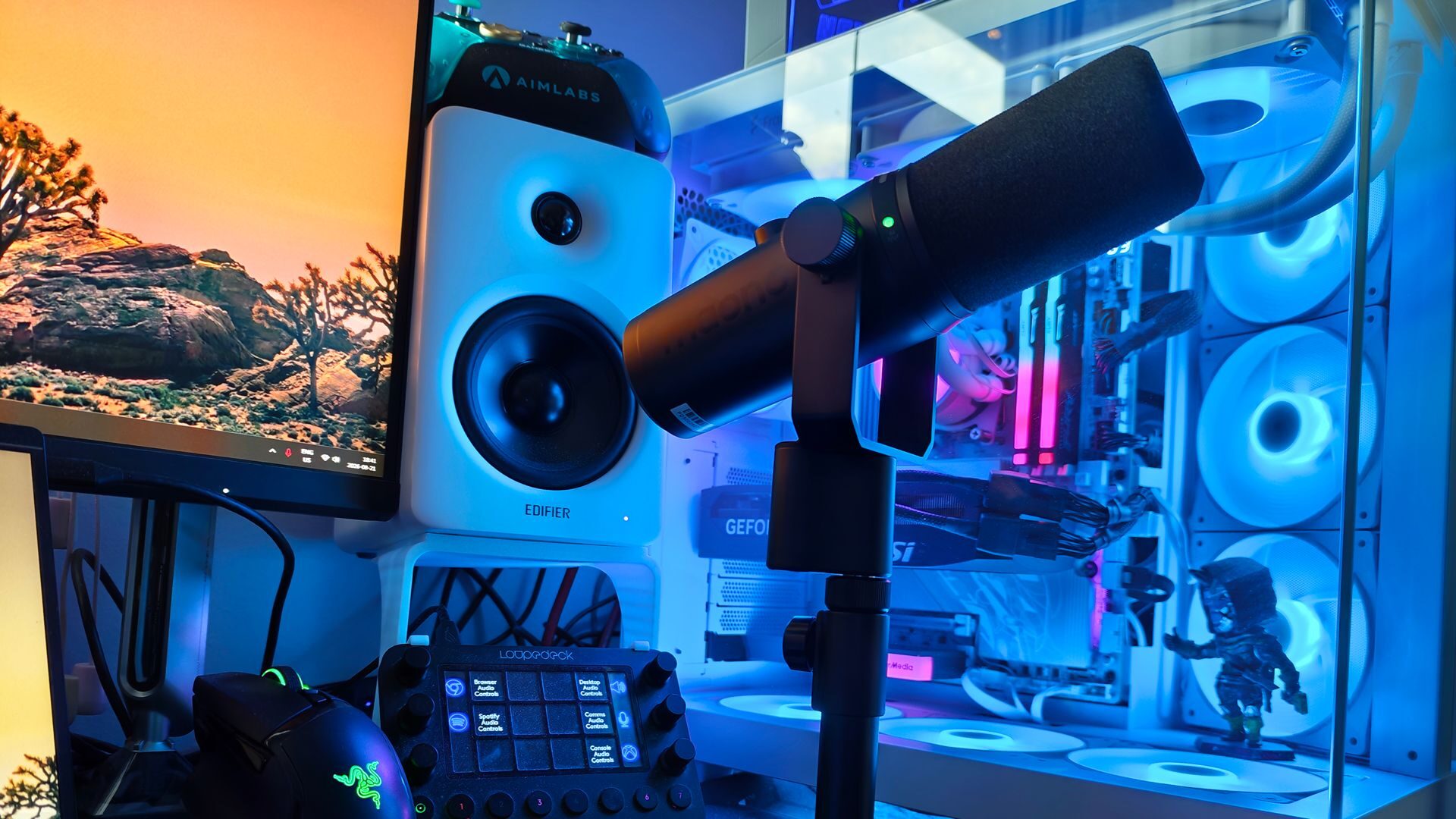
The MAONO PD500W Hybrid microphone feels like the bridge between amateur and enthusiast. Built as an all-in-one microphone for every setup, the PD500W aims to eliminate the complexity of most audio setups while still keeping the features most setups offer. With simultaneous multi-port connectivity, onboard recording and a host of equalization features at the ready, MAONO is truly attempting to create an entire recording setup in a single microphone, and honestly, it works, mostly.
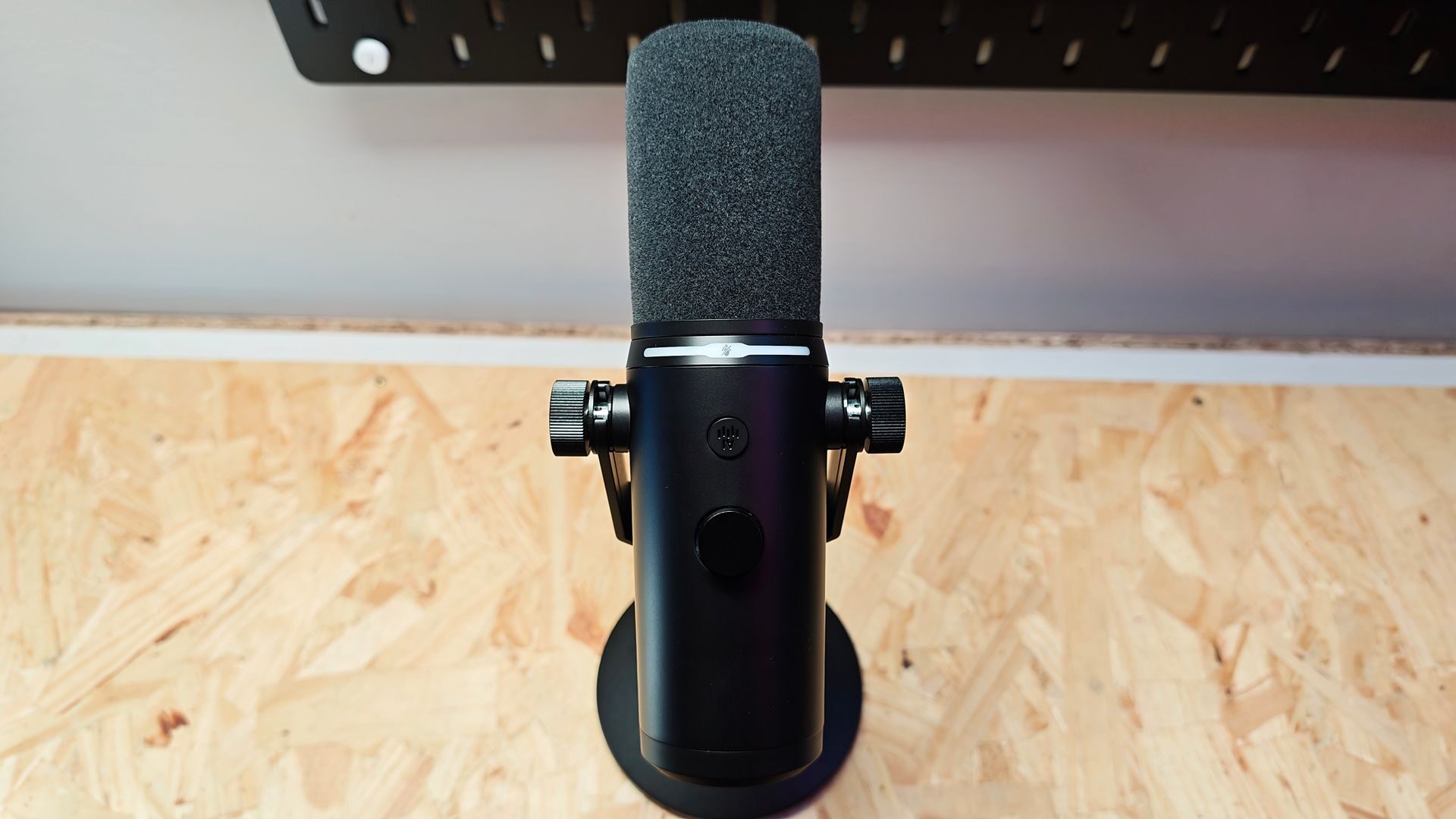
As it wraps up its Kickstarter campaign, the MAONO PD500W comes in a few different variants. The version sent for review was the PD500W Desk Stand bundle and includes everything you need to start recording out of the box. A metal desk stand takes care of mounting for the microphone, which attaches via a hidden cable yoke that keeps cables away from the microphone capsule, a design feature that is both smart and stylish.
“While it builds on the PD200W’s success as a tri-connectivity microphone, the PD500W raises the bar by including onboard safety recording directly to the microphone.”
The cable yoke also mounts the Wi-Fi 2.4 GHz adaptor when not in use, keeping everything neatly tucked away. Both the USB-C to USB-C and XLR cable ports (cables included) can also be found in the yoke, along with a 3.5 mm audio jack for monitoring. As noted, it’s a smart design and helps reduce cable clutter, a key design theme for the PD500W.
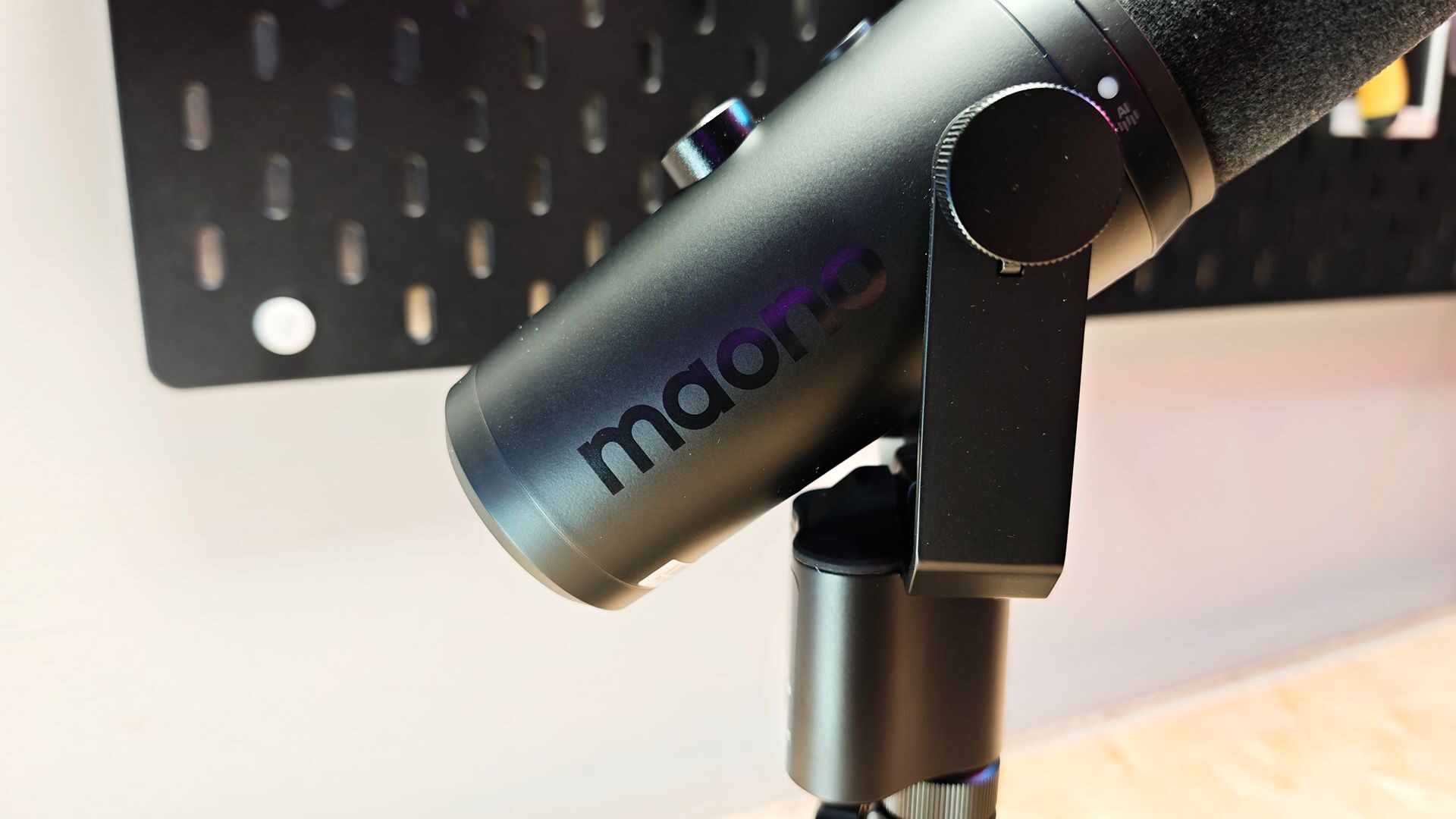
The microphone looks visually similar to the Shure MV7+, albeit slimmer and with a couple of added features. While the touch-sensitive mute sensor carries over from Shure’s design, MAONO has added a gain dial along the top of the mic, as well as a record (for internal recording) and power button on the bottom of the microphone. Comparatively, I prefer MAONO’s sleeker look.
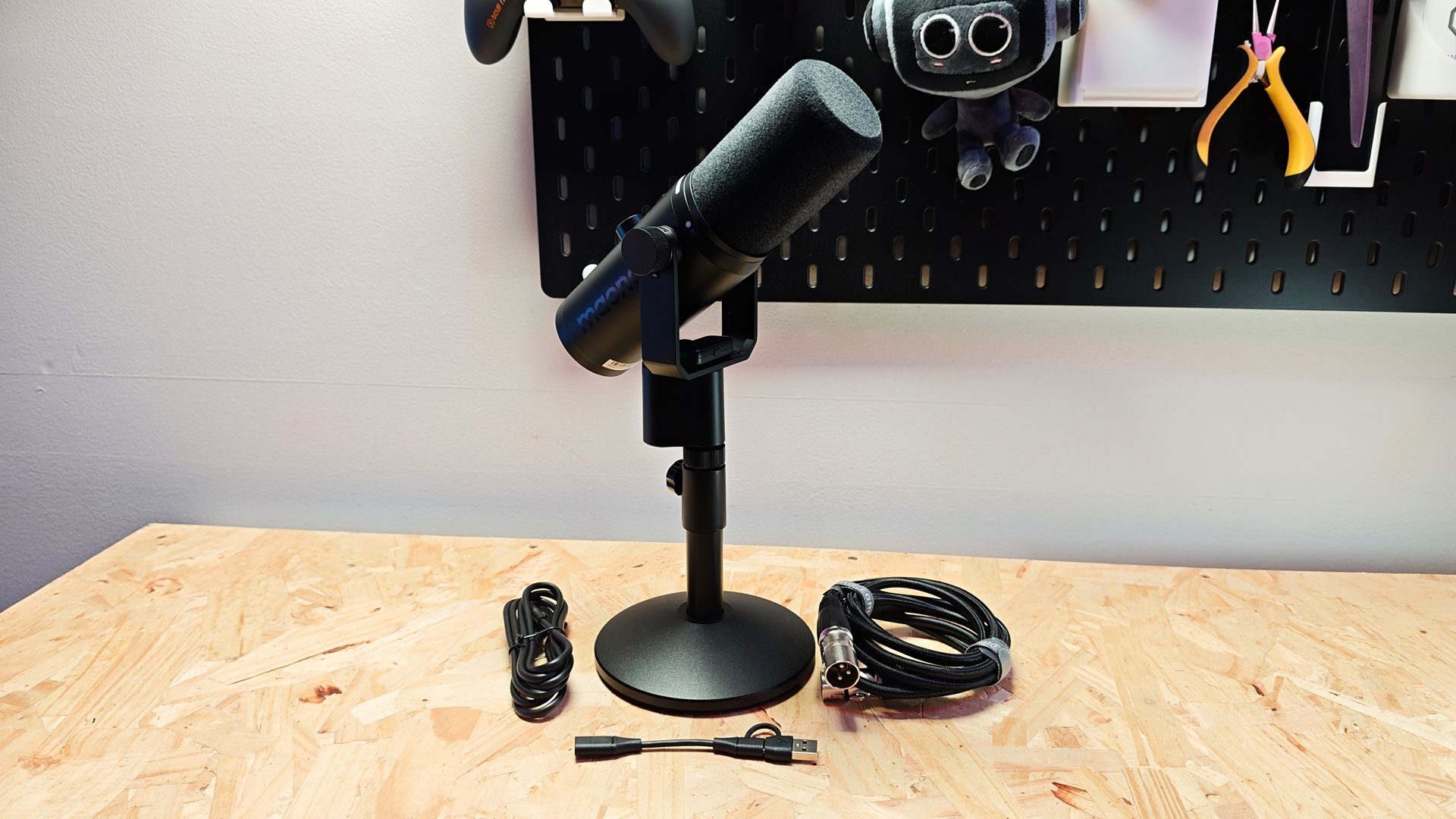
It’s a well-constructed microphone made of zinc alloy. For those in need of a bit more sound dampening, the PD500W also includes a built-in windscreen and an internal Air-Cushion shock system designed to reduce noise from desk vibrations or accidental bumps of the stand. It all works well and provides extra quality to the already premium-feeling PD500W.
MAONO has created an impressive microphone in the PD500W. The tri-connectivity available here is impressive—with wireless 2.4 GHz, USB‑C, and XLR, the PD500W can really adapt to your setup, whatever it might be. While both the PD100W and DM40 feature dual connectivity, this is the first tri-connectivity mic I’ve tested from MAONO. The most impressive feature here is the ability to output to multiple devices simultaneously.
While it builds on the PD200W’s success as a tri-connectivity microphone, the PD500W raises the bar by including onboard safety recording directly to the microphone. With onboard 32-bit float recording and full safety channel settings, the PD500W consistently captures the intended audio without concern. Thanks to the 32 GB of onboard storage, the microphone can handle roughly 45 hours of .WAV file recording. This is a game changer for podcasters, especially, reducing stress around corrupted capture or component failure in the setup chain.
As for wireless mode and battery life, two impressive details stand out. The first is the wireless range, which is rated for 100 m line of sight. In testing, the PD500W performed as advertised. The battery life also performed as spec’d, allowing just under 60 hours of capture via wireless only.
The microphone features a 30 mm dynamic capsule with a cardioid pattern, ideal for podcasting and streaming. With a USB sampling rate of 48 kHz and a bit depth of 24-bit, the outboard recording is in line with what most people should need for vocal capture, such as podcasts or streaming.
“From setup to customization, there is a lot to love about the MAONO PD500W hybrid microphone.”
As for the audio capture, it’s fairly solid overall. In testing, I noted that the overall profile using the out-of-the-box settings is a bit bright, presenting the mids and highs quite clearly. As a vocal-first microphone, this makes sense, though the trade-off is that, for those of us with a lower register, the capture can feel a little hollow and miss the richness of the lower range. It is present; it simply lacks the definition found in other microphones such as the Razer Seiren V3 Chroma.
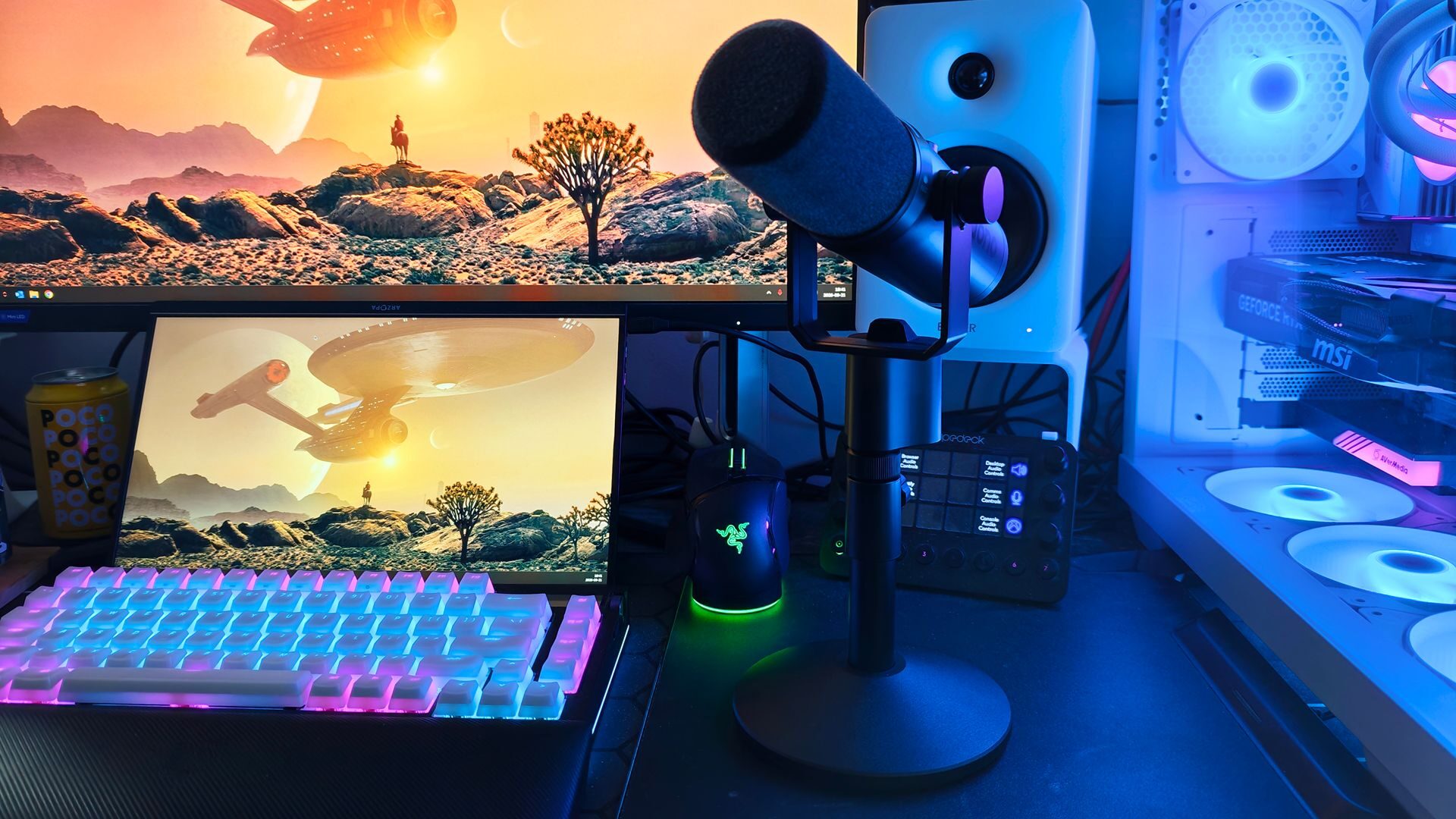
Thanks to the MAONO app, the audio capture is incredibly customizable. A plethora of presets, custom EQ options, pop filters, noise reduction, and de-esser options give users seemingly endless customization options. Much of this would traditionally be done in post; however, the software makes it easy to dial in before you ever hit record. While it lets you dial in the final vocal capture, it still feels a bit compressed compared to a few podcast-focused microphones here in the office.
From setup to customization, the MAONO PD500W hybrid microphone has a lot to offer. Its plug-and-play design is ideal for amateurs, while its smart construction and impressive customization will work well for established audio enthusiasts looking to simplify their setup. While the microphone capsule could be better, it still manages to perform well enough that, for those looking for an all-in-one solution for vocal capture, I have no problem recommending the MAONO PD500W Hybrid Microphone

- ONE MIC. FOUR WAYS TO CREATE — Go from recording studio to outdoors with PD500W Hybrid vocal dynamic microphone that supports 2.4GHz wireless, USB, XLR, and built-in recording for backup. Connect directly to your PC, laptop, or mobile device, or plug into an audio interface for a more traditional studio setup—always keep a pro sound without changing microphones as your workflow changes.
- KEEP A COPY ON THE MIC: A guest’s story or an unscripted reaction can be difficult to recreate. The PD500W wireless podacst microphone features 32GB of internal storage and 32-bit float internal recording, giving podcast and video creators an on-mic capture option for important sessions. It provides more audio protection against unexpected clipping, connection issues, or recording failures. Start recording on the mic before the conversation begins and keep your content workflow moving.


