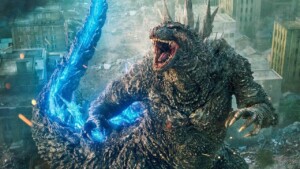


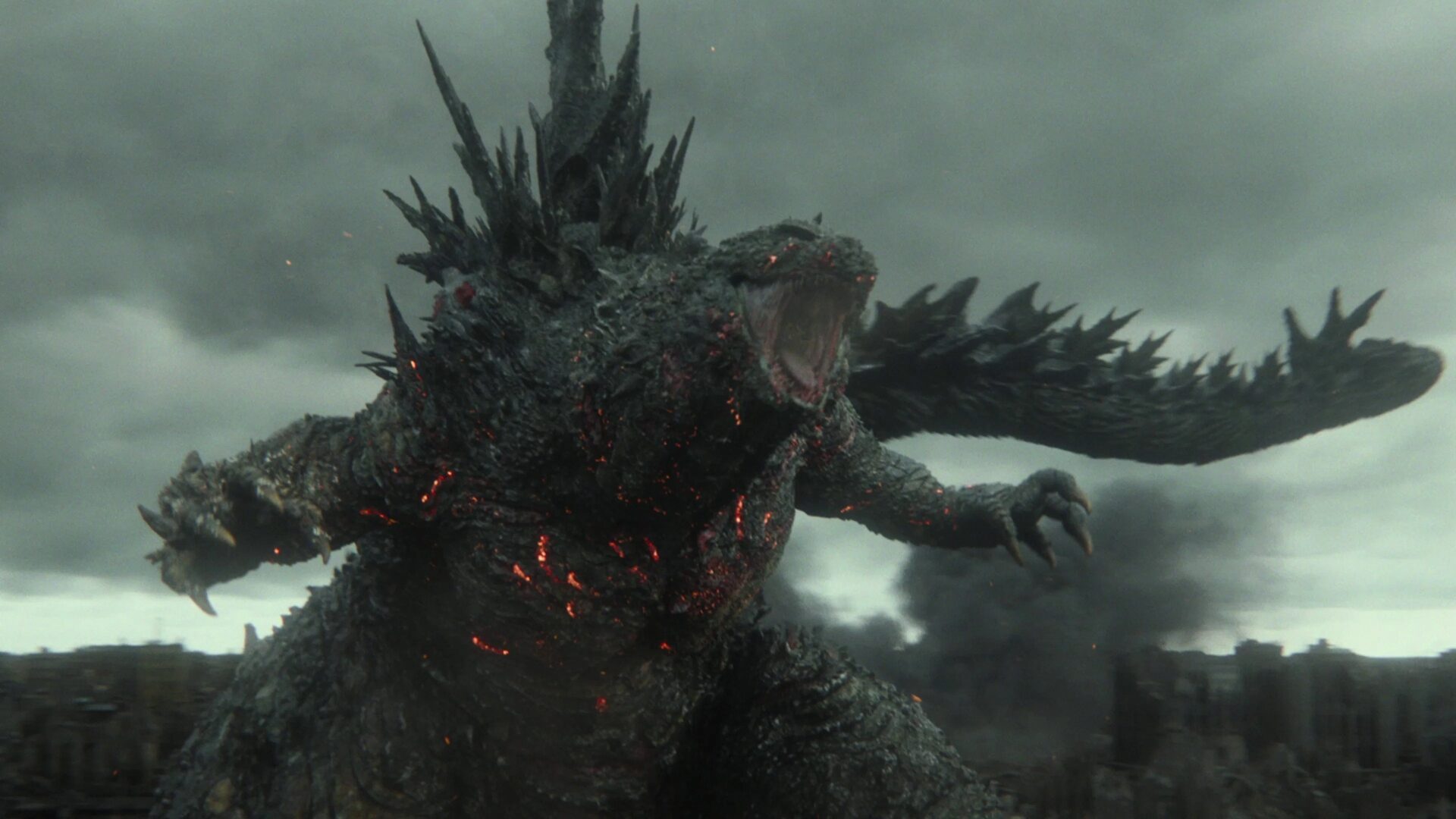
For decades, a common sentiment directed toward Godzilla films was that they would be better off getting rid of all the monster fights. 2019’s Godzilla Minus One disproved that statement in one fell swoop. By going back to the franchise’s post-World War II roots, writer/director/VFX head Takashi Yamazaki’s masterwork delivers an impeccable balance of emotional, humanist drama with visually stunning kaiju set pieces, all with a fraction of the budget of your average Hollywood blockbuster.
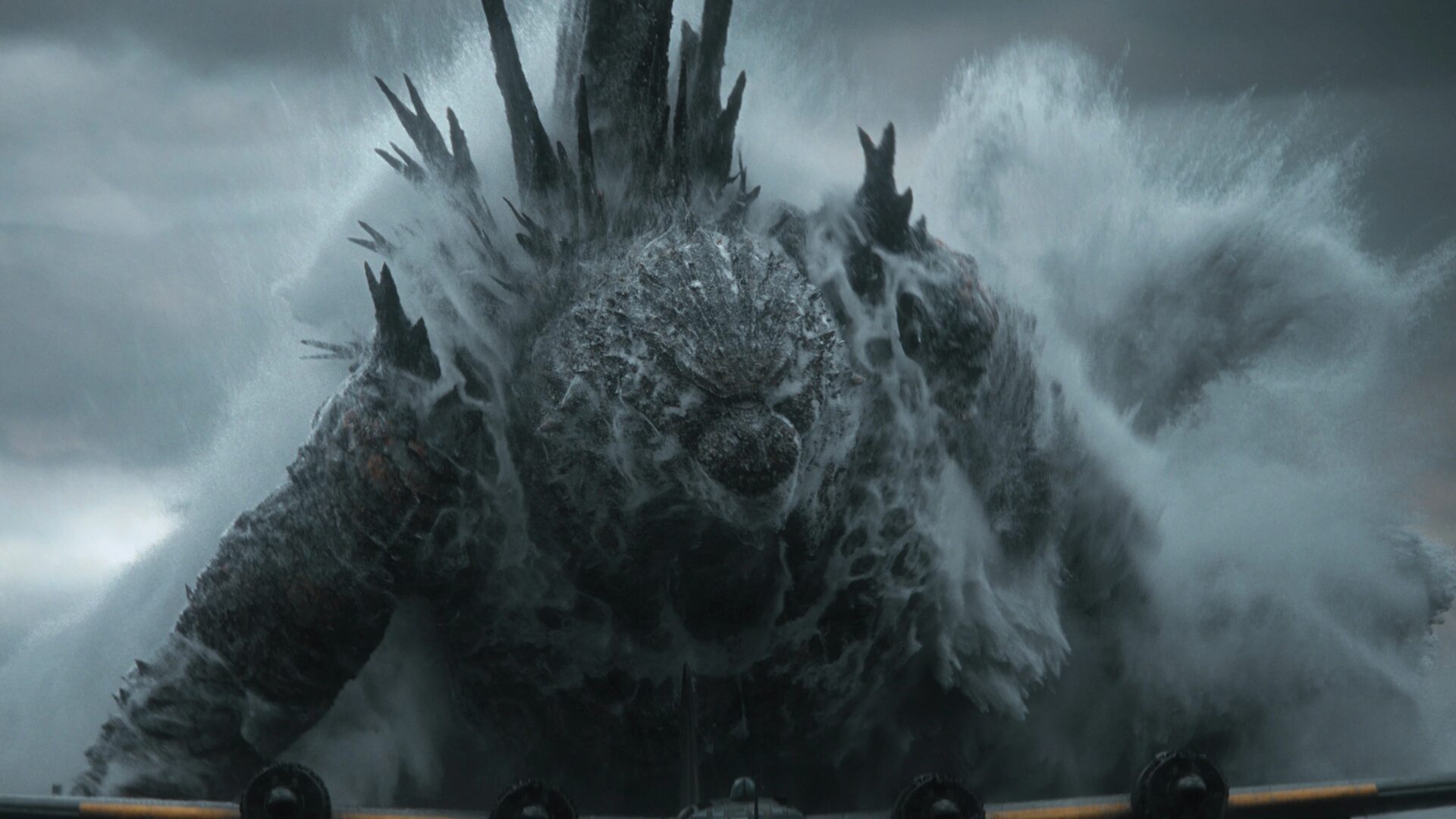
It even nabbed the franchise its first Oscar for visual effects. When it comes to its sequel, Godzilla Minus Zero, the question becomes clear: Can Yamazaki go bigger than the last time without sacrificing the character work? I am pleased to report Minus Zero achieves the lofty task in spades.
“The film does not shy away from showing the human toll of these devastating attacks, and it is downright harrowing.”
The year is 1949, two years after the events of Minus One. After miraculously defeating Godzilla, former kamikaze pilot Kōichi Shikishima (Ryunosuke Kamiki) has turned his makeshift family into an official one by marrying his girlfriend Noriko (Minami Hamabe) and raising their adopted daughter Akiko (Sae Nagatani). His peace is short-lived as his friend Kenji “Doc” Noda (Hidetaka Yoshioka)—now chair of Japan’s new Large-Scale Disaster Response Bureau—gets word of a new dragon-shaped monster wrecking shop across a local village.
Long-time fans will recognize it as Ghidorah, even though he sports a surprising redesign. While Shikishima, Noda and co. try to figure out how to defeat Ghidorah, their problems are compounded by the arrival of a resurrected Godzilla. Sure enough, you know that the two kaiju will eventually face off, and it will be a fight to the finish. Just like in the previous film, Minus Zero deals heavily with survivor’s guilt and the after-effects of post-war Japan, but the film goes even further, tackling not just the aftermath of Godzilla’s attacks but the Hiroshima bombing itself.
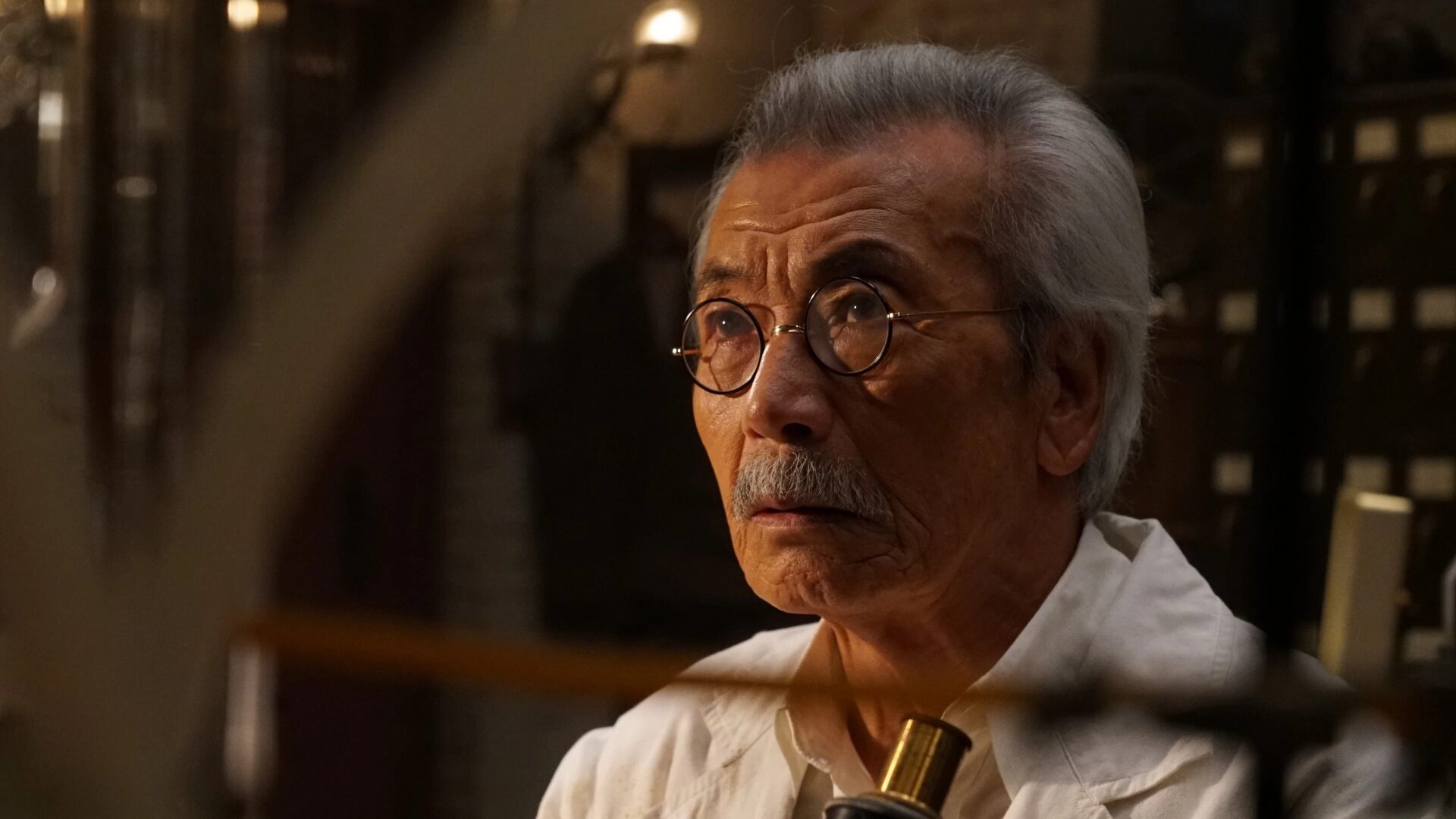
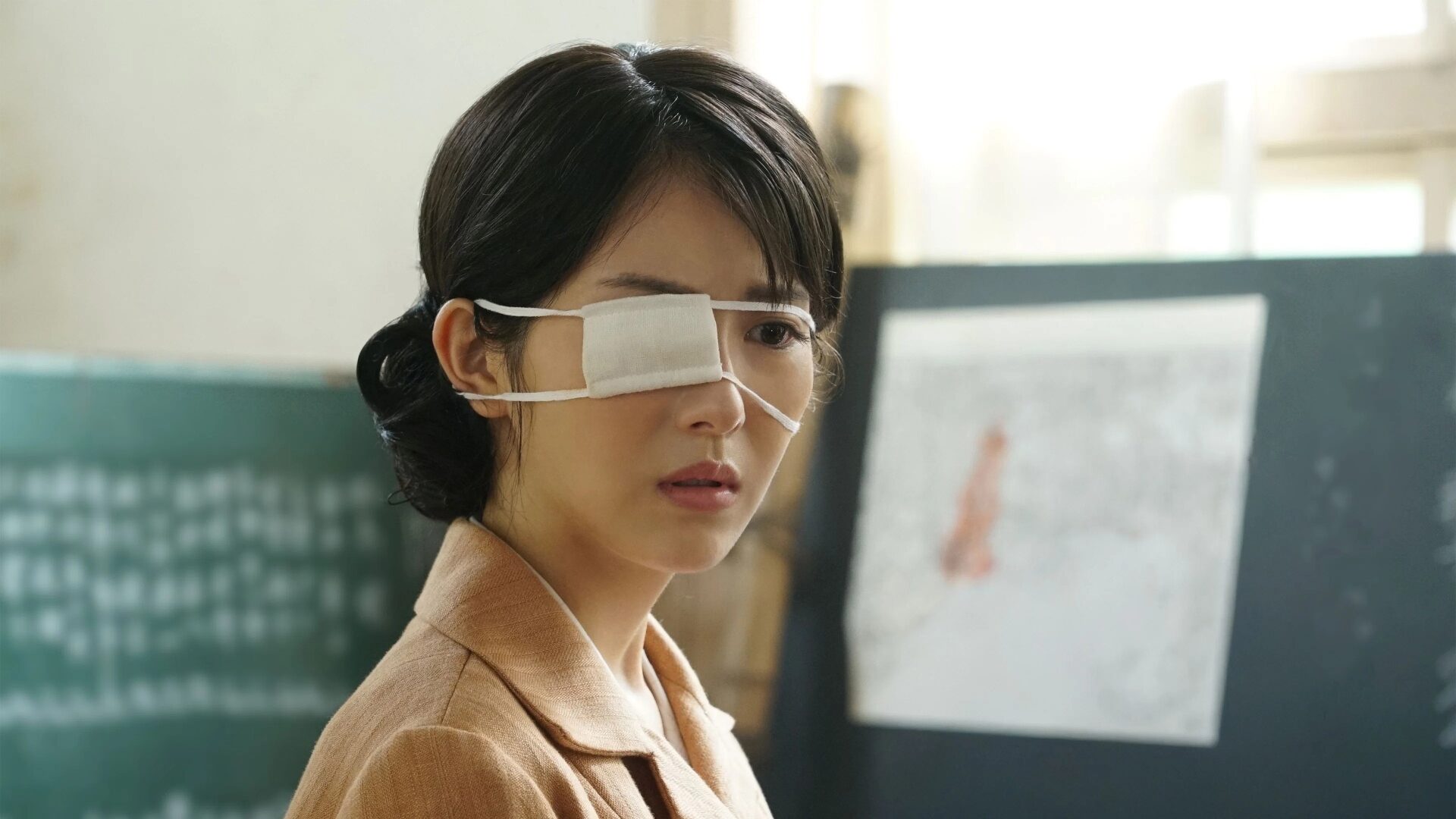
The film does not shy away from showing the human toll of these devastating attacks, and it is downright harrowing. There are several new wrinkles to the proceedings, like the involvement of the US government, who are surprisingly mostly hands-off about the whole situation. There are great new characters like Masami Nagasawa as prodigious meteorologist Makoto Aoyama and especially Min Tanaka’s grieving biologist Kanji Murakami.
Additionally, Noriko has a bigger role in the film’s events this time, and one that explains her improbable survival from the last film. Shikishima does feel like he’s retreading similar character beats from the last film, but the performances are so strong from Kamiki and the whole cast that it never feels like the story is lacking in any significant way. Both Noriko and Shikishima grapple with their responsibility to save everyone but are terrified of losing the one thing they can’t bear to lose: each other. I can’t believe this is the second Godzilla film to make me tear up, but it’s impossible not to while seeing young Akiko cry once again in fear she may lose her new parents.
“Minus Zero manages to not only be as masterful as its predecessor; it’s one of the best films I’ve seen this year, and one of the best Godzilla films I’ve ever seen.”
Although the big G-man doesn’t appear in an extended capacity until later in the film, that doesn’t mean the film’s action is lacking—far from it. The action set pieces, all of which are shown in IMAX’s expanded aspect ratio, are nothing short of astonishing. Minus Zero is touted as the first Japanese film to be shot for IMAX, and it delivers some of the grandest spectacle I’ve seen all year. And when it comes to the actual climactic fight? Good LORD.
The film takes full advantage of its series-first R-rating, as these monsters figuratively and literally tear each other apart. There’s a shot of Godzilla’s face taking up the entire 50-foot-high screen, and I was completely awe-struck by everything I was seeing. The sense of scale feels overwhelmingly colossal, and yet again Yamazaki finds a way to deliver these epic fights without diminishing the human drama at the film’s core. The film ultimately tells a story about the struggle of breaking the cycle of violence and revenge, as well as the rejection of wielding inhuman amounts of power.
Living up to the previous film was already a tough enough task. Minus Zero manages to not only be as masterful as its predecessor; it’s one of the best films I’ve seen this year, and one of the best Godzilla films I’ve ever seen. Yamazaki leaves things open enough for a potential third film, but as it stands, he’s already crafted one of the all-time great duologies.