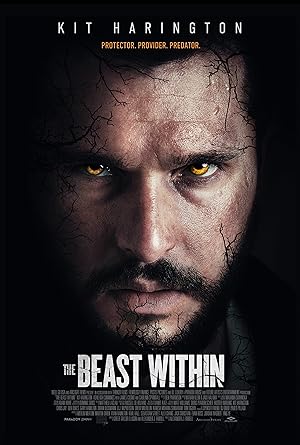
Premiering at this year’s Fantasia Festival, The Beast Within is a moody and atmospheric take on the werewolf genre that aims to explore deeper themes of domestic abuse and family trauma. Directed by Alexander J. Farrell in his narrative feature debut, the film stars Kit Harington as Noah, a father with a monstrous secret that threatens to tear his family apart. Despite good concepts and some great cinematography, The Beast Within never clicked with me, leaving me feeling hollow and a little confused by the end.
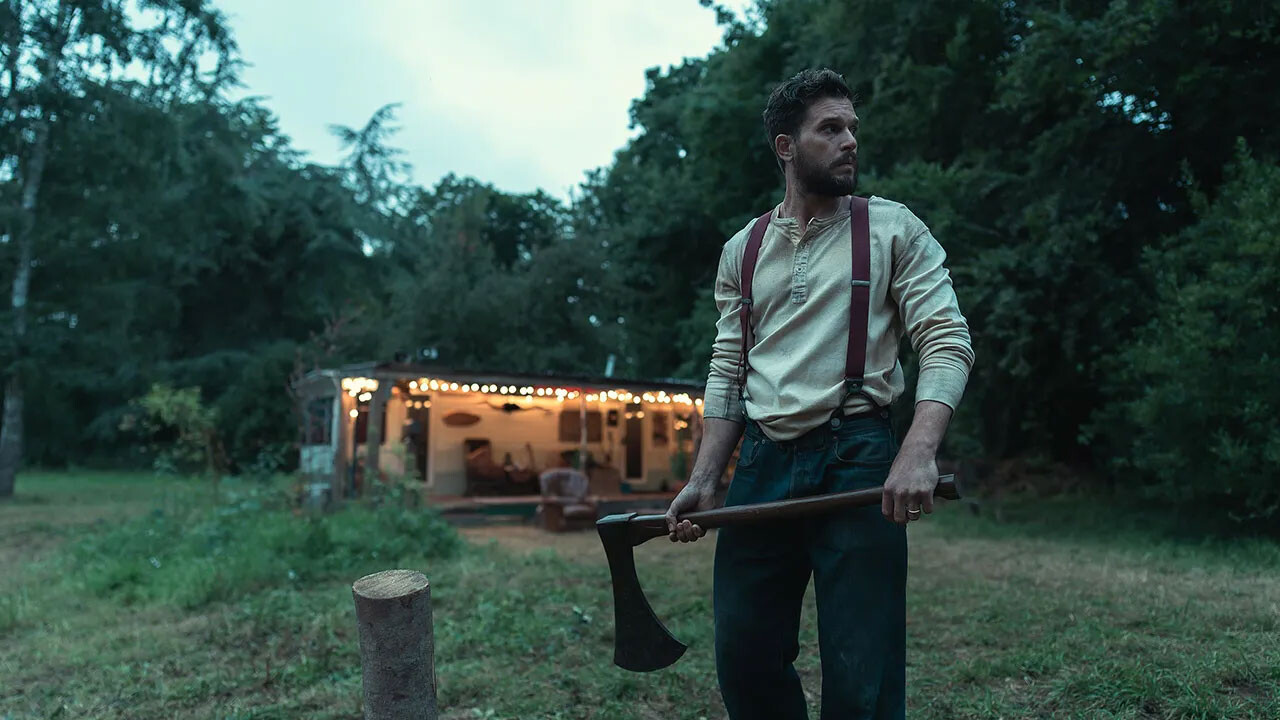
Set in an isolated farmhouse in rural England, the story centers on 10-year-old Willow (Caoilinn Springall), who begins to question her family’s secluded lifestyle and the strange behaviour of her parents. Her mother, Imogen (Ashleigh Cummings), seems constantly on edge, while her father, Noah, disappears for mysterious late-night excursions into the surrounding forest. As Willow’s curiosity grows, she uncovers the dark truth at the heart of her family — her father transforms into a vicious beast during the full moon.
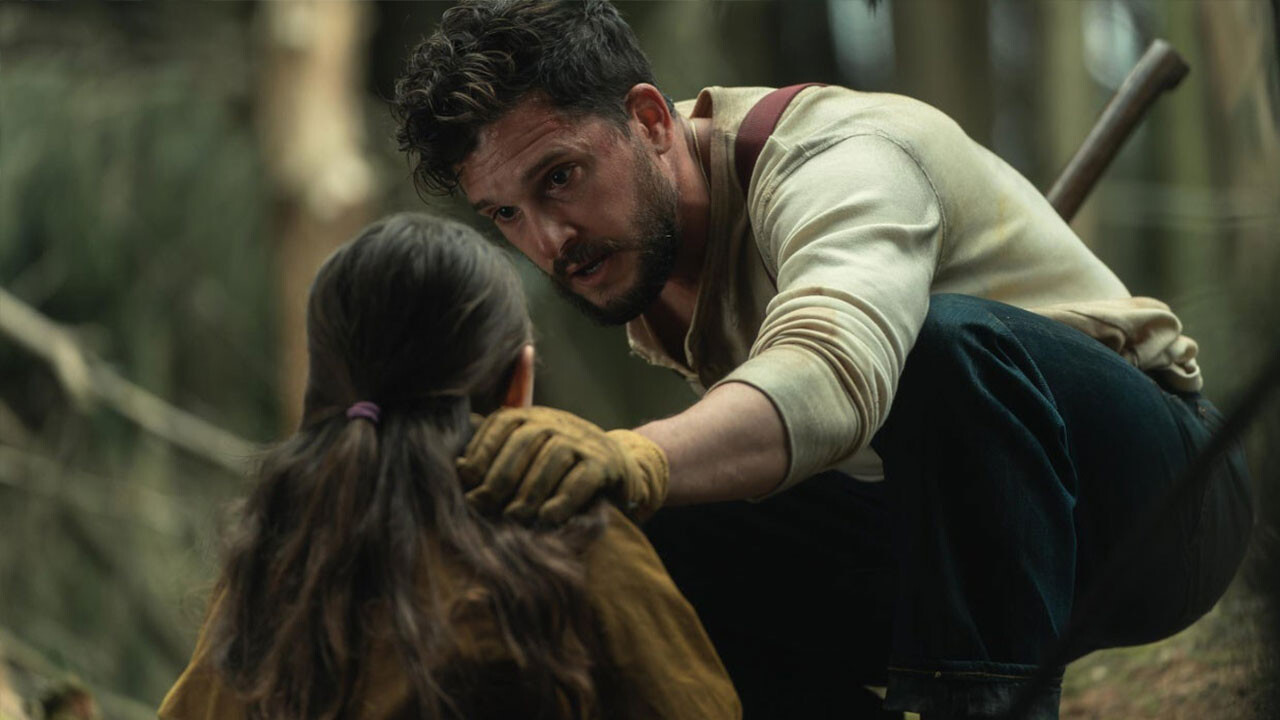
Farrell takes an understated approach to the werewolf story, giving us only glimpses, leaving the audience to question what is really going on in this household. Instead, The Beast Within spends much of its running time examining the family drama and Willow’s perspective as she comes to terms with this earth-shattering revelation. The film unfolds like a slow-burn fairy tale, with Willow donning a red cloak and venturing into the dark woods in search of answers. Daniel Katz’s cinematography beautifully captures both the oppressive melancholy of the once-grand farmhouse and the eerie beauty of the moonlit forest.
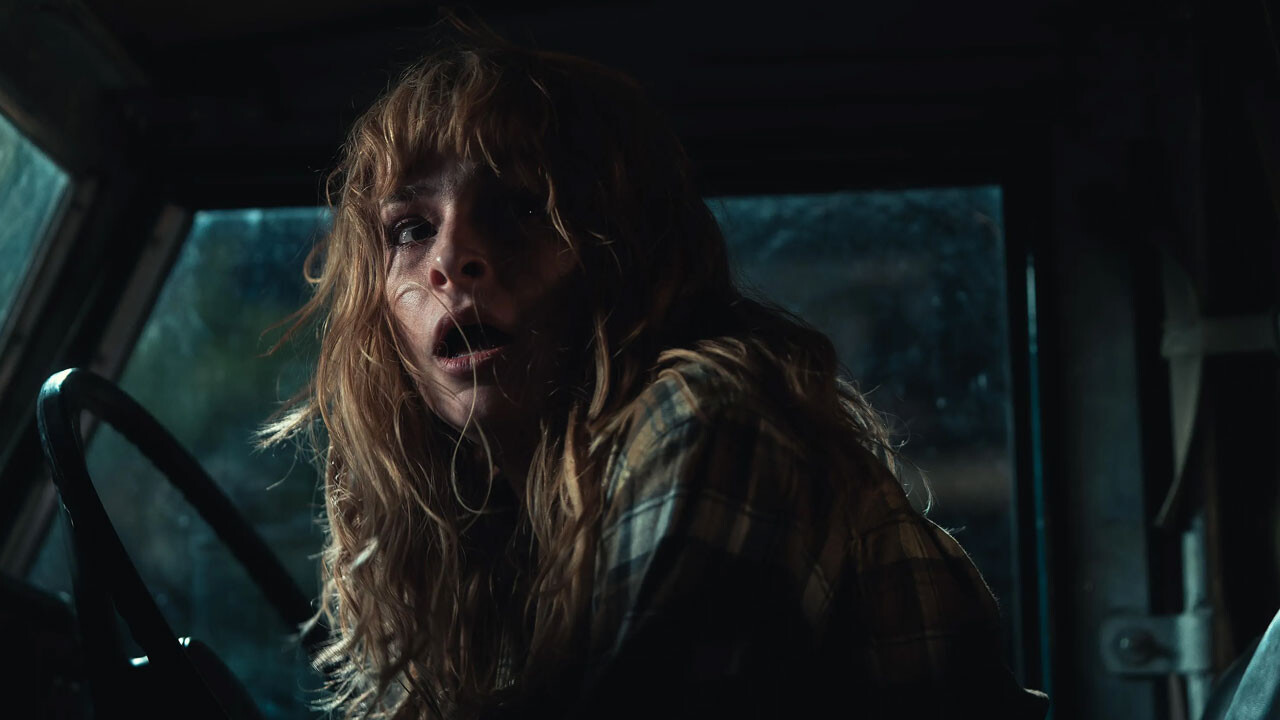
Although I left the film rather disappointed, The Beast Within managed to bring some fantastic characters to the screen, thanks to some great performances from the entire cast. Young Springall impresses as the inquisitive and increasingly frightened Willow, bringing a youthful innocence to the horrific events unfolding around her. Cummings brings a raw vulnerability to Imogen as a woman caught between love for her husband and fear of the monster he is becoming. Harington broods effectively as Noah, suggesting the inner turmoil of a man struggling against his animal nature. Veteran actor James Cosmo rounds out the small cast as Willow’s protective grandfather.
“The Beast Within managed to bring some fantastic characters to the screen, thanks to some great performances from the entire cast.”
As much as I understand what The Beast Within was trying to do by using lycanthropy as an allegory for cycles of domestic abuse, to put it bluntly, it did not work as well as it could have. The film doesn’t dig deep enough into the family dynamics to make this resonate or to understand the passage of time or what life is like with the family in normal moments. We get glimpses of Noah’s violent outbursts and Imogen’s anxiety, but their relationship remains frustratingly opaque. The script and filming style keeps us at arm’s length, mirroring Willow’s limited understanding, which ultimately prevents the story from packing the emotional punch it aims for.
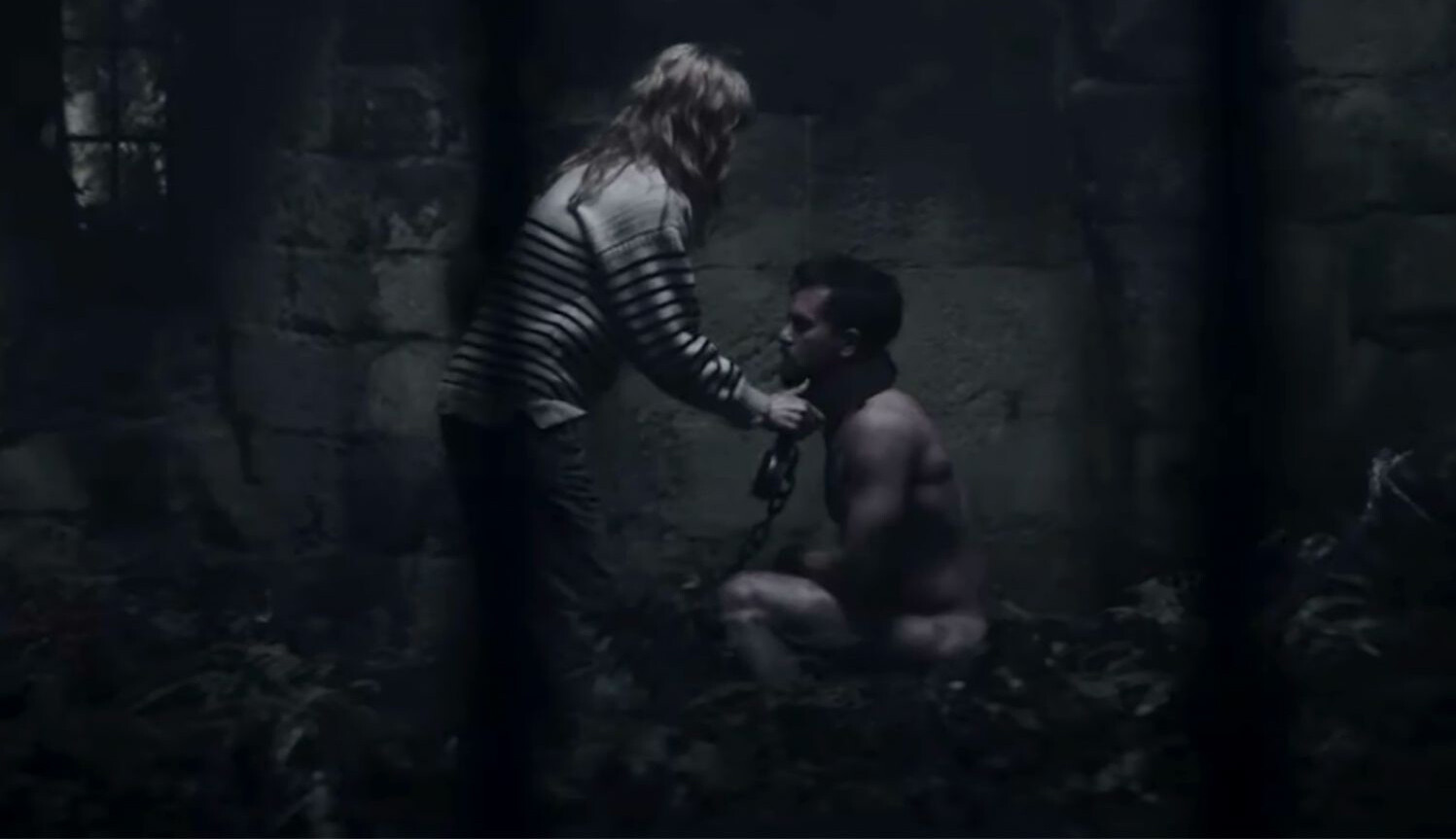
As I touched on above, the pacing does little to help the overall concept, with long stretches where little of consequence happens. Farrell seems more interested in mood and atmosphere than plot momentum, leaving many potentially powerful moments lingering without any real payoff or catharsis. While this approach yields some haunting imagery and an amazing sense of dread, it can leave viewers feeling adrift. The climax, when it finally arrives, feels somewhat rushed and anticlimactic, given the deliberate build-up. I won’t go into too much detail here to avoid spoilers, but I also have issues with the way the film tries to have its cake and eat it with the film’s final moments.
“The Beast Within looks gorgeous, with production design that brings to life a crumbling Gothic manor house straight out of a Brontë novel.”
Even with my gripes, there’s still plenty to admire in the film, even if, as a whole, it does not work. The Beast Within looks gorgeous, with production design that brings to life a crumbling Gothic manor house straight out of a Brontë novel. The sound design is particularly effective, filling the air with ominous creaks and distant howls that keep tension simmering. And while the werewolf effects are used sparingly, what we do see is impressively realized through practical makeup, for the most part, at least. There are some scenes that linger a bit too long, losing the mystery and some of the tension as a result.
The Beast Within is less interested in gory transformations or action setpieces than in exploring how a family copes with an impossible situation. It’s refreshing to see a genre film tackle weighty themes of generational trauma and the difficulty of breaking destructive patterns. It is a commendable concept, one that I wanted to see work, yet it ultimately felt hollow.
For genre fans looking for something different from the usual werewolf fare, The Beast Within offers an intriguing, slow-burning experience worth exploring. It may not be entirely satisfying on all fronts, but its attempt to fuse gothic horror tropes with a grounded family drama is admirable. With a little more narrative focus and a little less emphasis on mood above all else, Farrell could have a real breakthrough on his hands. As it stands, The Beast Within is an imperfect but intriguing entry in the werewolf canon, worth a look for its strong performances and atmospheric chills.