
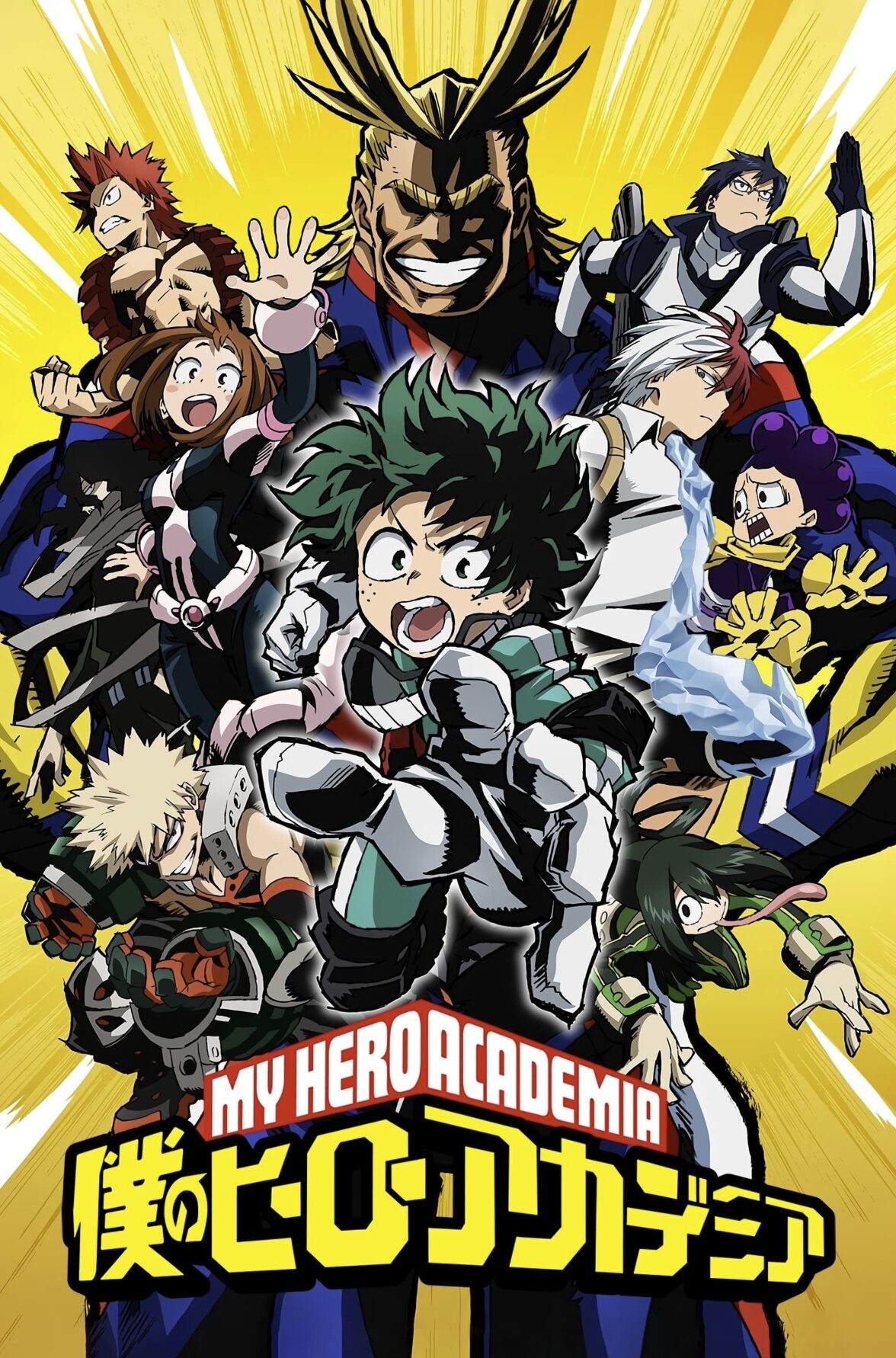

Kōhei Horikoshi wrote My Hero Academia, with its Shonen Jump serialization beginning on July 7th, 2014. Ten years ago, I did not know how big this show would grow into, becoming what it is today. Witnessing the end of an anime era meant a lot to me because this was one of the first times I got to witness a huge, popular anime end. Technically, Attack on Titan was my first, but that ending did not feel as satisfying—primarily because there were way too many final season breaks.
Before giving all the praises and laurels about Bones/Bones Film’s My Hero Academia, the main critique I had for this anime series, at that time, was its pacing around the second half of Season 4, after the Shie Hassaikai arc wraps. Thankfully, the epic fight between Deku and Kai Chisaki/Overhaul carried a lot of Season 4, but I saw numerous people drop off with the smaller Remedial Course and U.A. School Festival arcs.
I agree that longer series can have some downtime, but this chunk of episodes felt like filler. Additionally, I can see the argument of why viewers would get bored with the show within the first two seasons because it does cover a lot of Shonen-style tropes: hero learns about their power, trains, showcases their newfound power, claps competition until they meet a formidable opponent, and so on. This show does those tropes well, similarly to Asta in Black Clover.
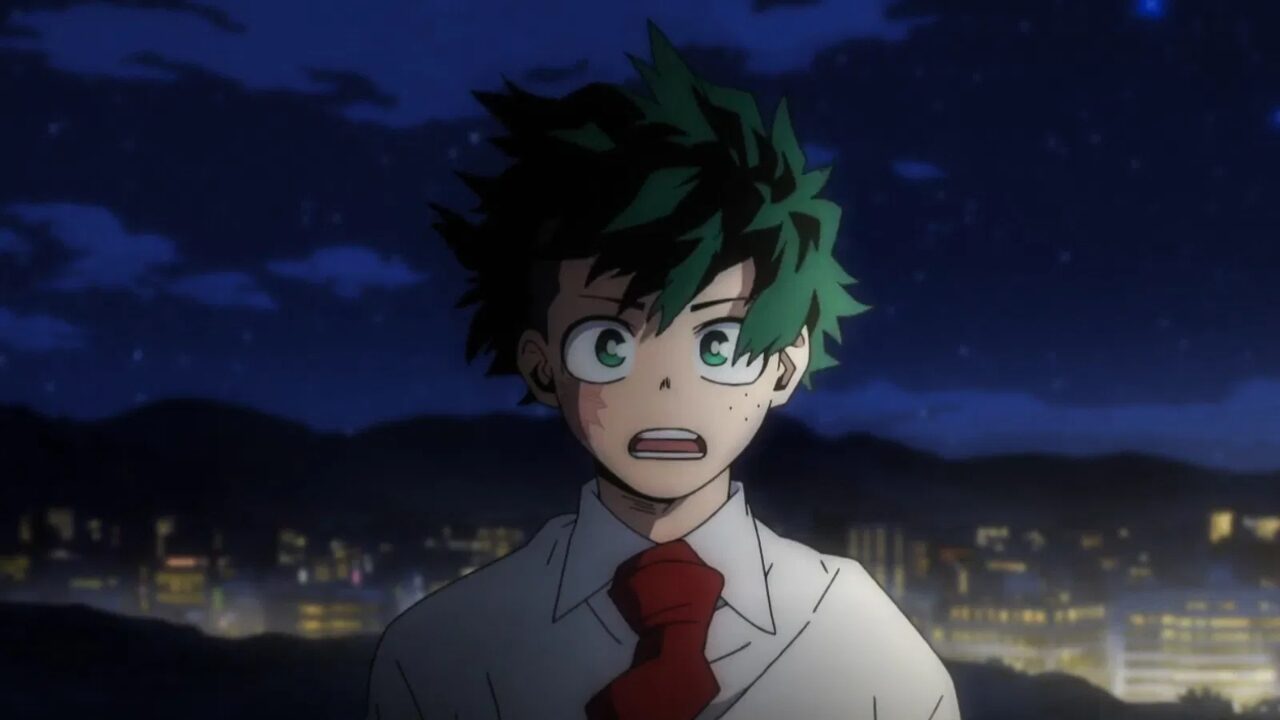
Arguably, I would say Deku is a different hero protagonist because he is born with natural intelligence, but is given the opportunity to be physically strong, too. But also, All Might made Deku work out too, so his Quirkless body could handle it. Deku contains the brains and brawn, much like combining Batman and Superman.
Looking back now, those filler-adjacent episodes in Season 4 helped add some levity to the show’s first major death of Nighteye. Little did everyone know that the show would get even darker, leading up to the small time skip and All For One’s escape from Tartarus. Overall, the first four or five seasons felt like a typical Shonen story because of all the training arcs—giving major Naruto vibes. But, it is one of the shows that makes audiences care about all the characters versus the 2-3 protagonists.

The secret sauce to My Hero Academia is its exhaustive list of characters, with backstories for almost every one. For eight seasons, there has been a major focus on the relationships between Izuku Midoriya, All Might, and Katsuki Bakugo. However, almost everyone who crosses paths with them, heroes and villains, receives some kind of backstory moment.
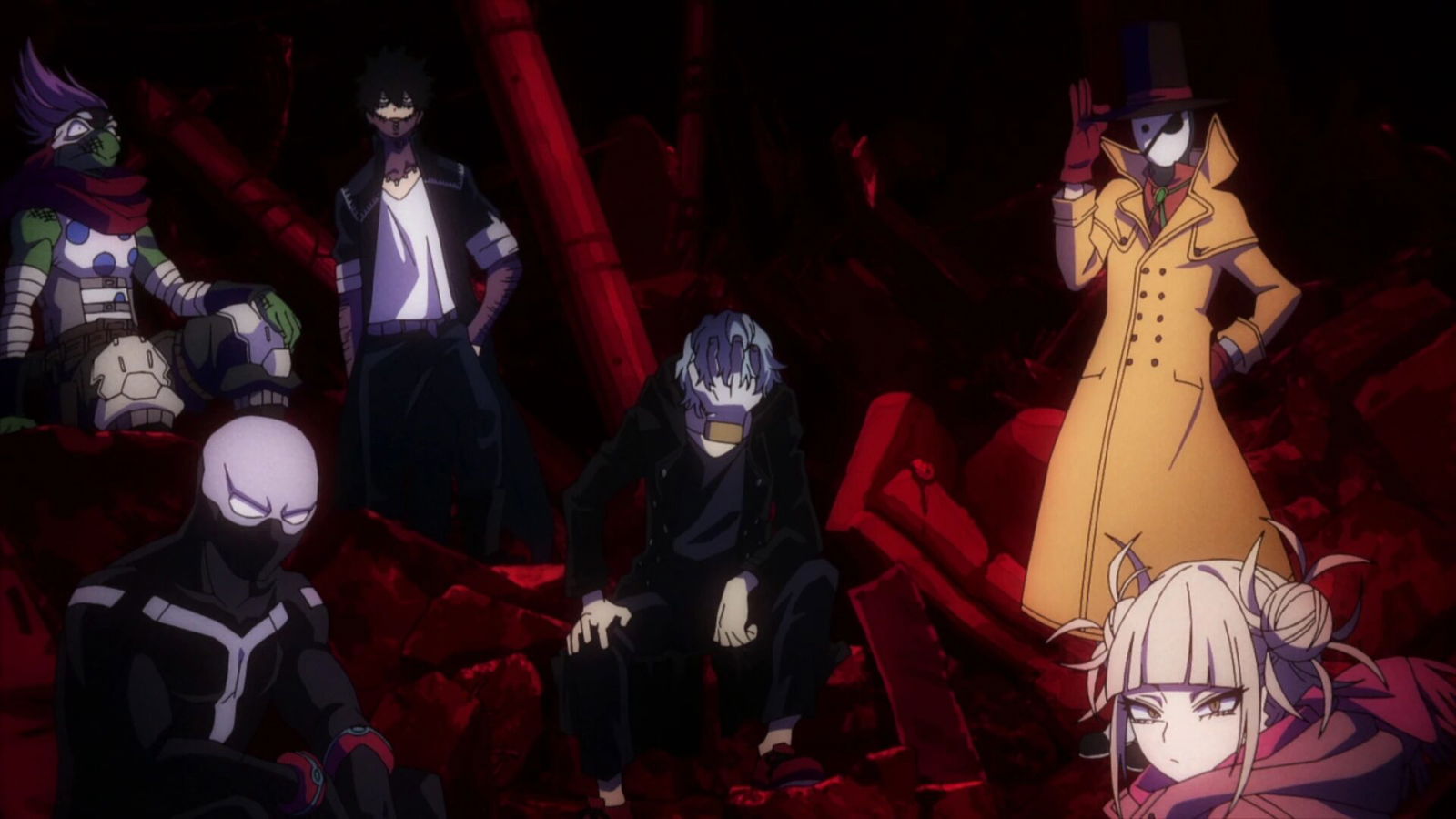
Comparing these sympathetic villains to many of the modern villains on-screen, the League of Villains are at the top in this show, from Tomura Shigaraki, Himiko Toga, to Spinner. And to every ultimate hero, there is a great evil villain. All For One fulfills his role as the Demon Lord, representing the most vile, scummiest bad guy, making for great entertainment.
For example, the Hero Killer Stain has a whole arc over the series, which audiences see that he is a brutal vigilante, but also relatable to the concept that heroes should not be praised by fame and money. Yes, it was bad to kill these “false heroes”, but his justification to exploit some heroes who use the Hero status as a popularity contest is something The Boys or Go! Go! Loser Ranger! also brings to light by showing the darker side of their respective society’s heroes. The same argument could be made with introducing La Brava and Gentle Criminal.
After experiencing eight seasons of My Hero Academia, this anime will go down as one of the best animated shows of all time, next to Avatar: The Last Airbender. From the way storylines and plot threads culminated throughout My Hero Academia, it took me back to watching Avatar: The Last Airbender again—mainly for how interconnected characters came back for the final arcs of both shows. This is also something I appreciate in One Piece: treating the side characters as if they are main characters is a gift and major payoff for the viewers.
“After experiencing eight seasons of My Hero Academia, this anime will go down as one of the best animated shows of all time, next to Avatar: The Last Airbender.“
Let us discuss the elephant in the room, though: Minoru Mineta. Almost everyone in Class 1-A has some kind of story arc, whereas Mineta primarily has that serious talk with Shota Aizawa/Eraser Head. Other than that, his pervy antics are annoying, aggravating, and make for a repulsive character. Even though Denki Kaminari joins Mineta on their inappropriate adventures, he shows major growth and cunning on the battlefield.
Horikoshi said in interviews that Mineta reflected his own youth, wanted to have a character with human/hero fallibility. However, I still think having a character trope like Mineta was a significant misstep from Horikoshi, and he could have shown human/hero flaws in better ways. It is also the reason I find flaws in a great show like Fire Force when the creator gives Tamaki Kotatsu an innate ability to lose clothes at inconvenient times. No one likes a pervert, or finds it funny when women and others are depicted this way, despite real people being like this out there in the real world.
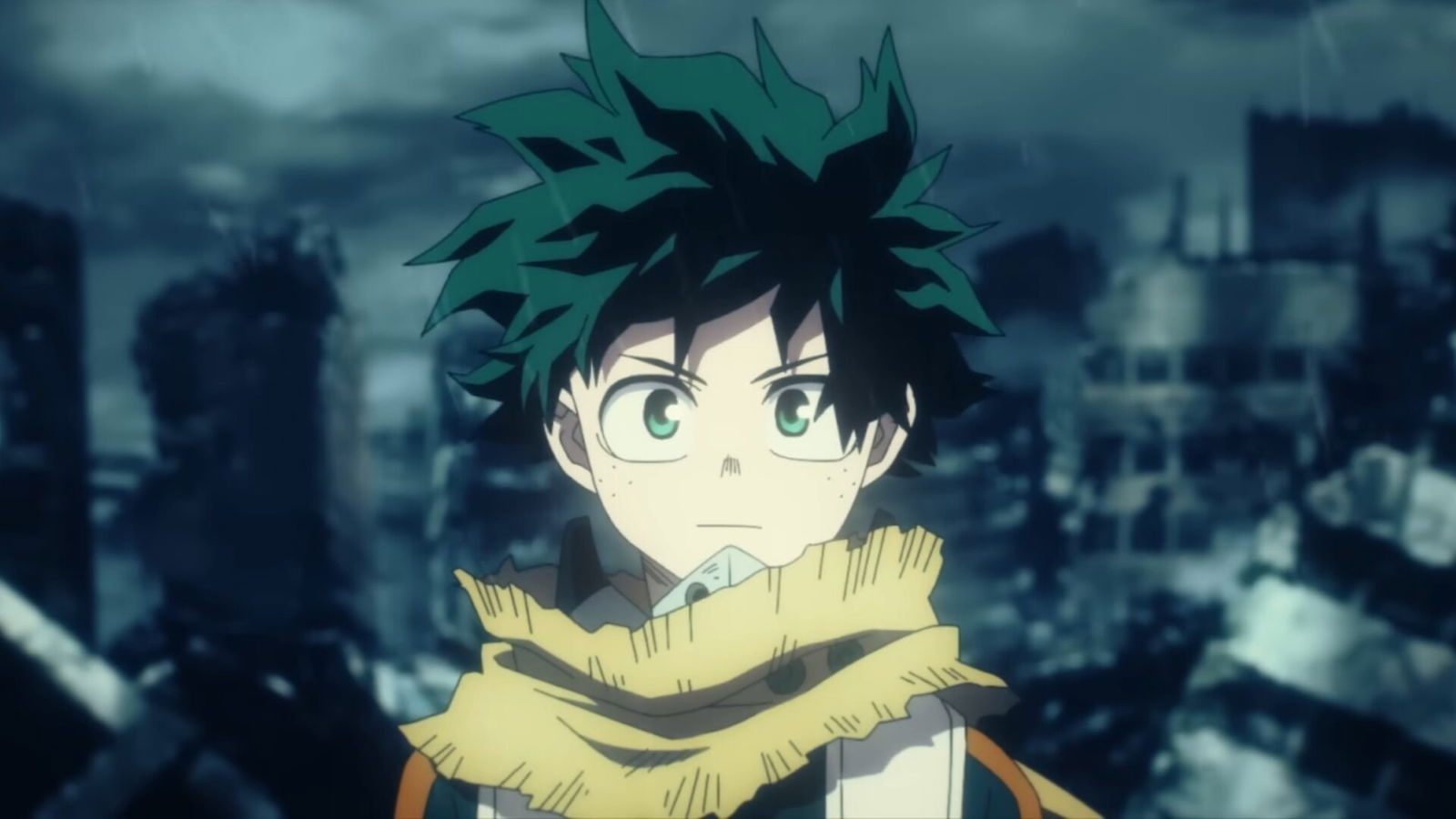
Aside from this issue, My Hero Academia is a cut above many of this generation’s anime on many levels. While the animation is not anything as appealing as ufotable’s Demon Slayer: Kimetsu no Yaiba or as uniquely fairy tale/Studio Ghibli-esque as Wit Studio’s Ranking of Kings, it has its moments. My Hero Academia Season 4 (Shie Hassaikai arc), 7, and 8 arguably have some of the most stunning shots throughout the series. Both the art style and animation underline all the major fights in the most dynamic and visually captivating ways.
In terms of the score for My Hero Academia, it is iconic, energetic, and gothic. I liked how the hero themes used a lot of orchestral and rock themes, versus the villains had menacing church organ tones that made them feel dark and vampiric. Thinking back and going back to listen to all the opening and closing songs, there were no standout songs I particularly liked or resonated with. Even though I have not seen a similar Shonen-style show, in Naruto, there are still songs from that series that stood out—and I thoroughly enjoyed them.
Watching this show in both Japanese subbed and English dubbed, I appreciated both voice casts. They truly brought everything to characters, screaming and yelling to the best of their abilities—adding so much tension and passion to all the epic fights. At first, I thought a lot of Deku’s lines were cliché and cheesy for an action-superhero show like others before. But in the later seasons, he has some really powerful quotes—especially ones related to being born Quirkless. These really hit hard because, as humans, we do not
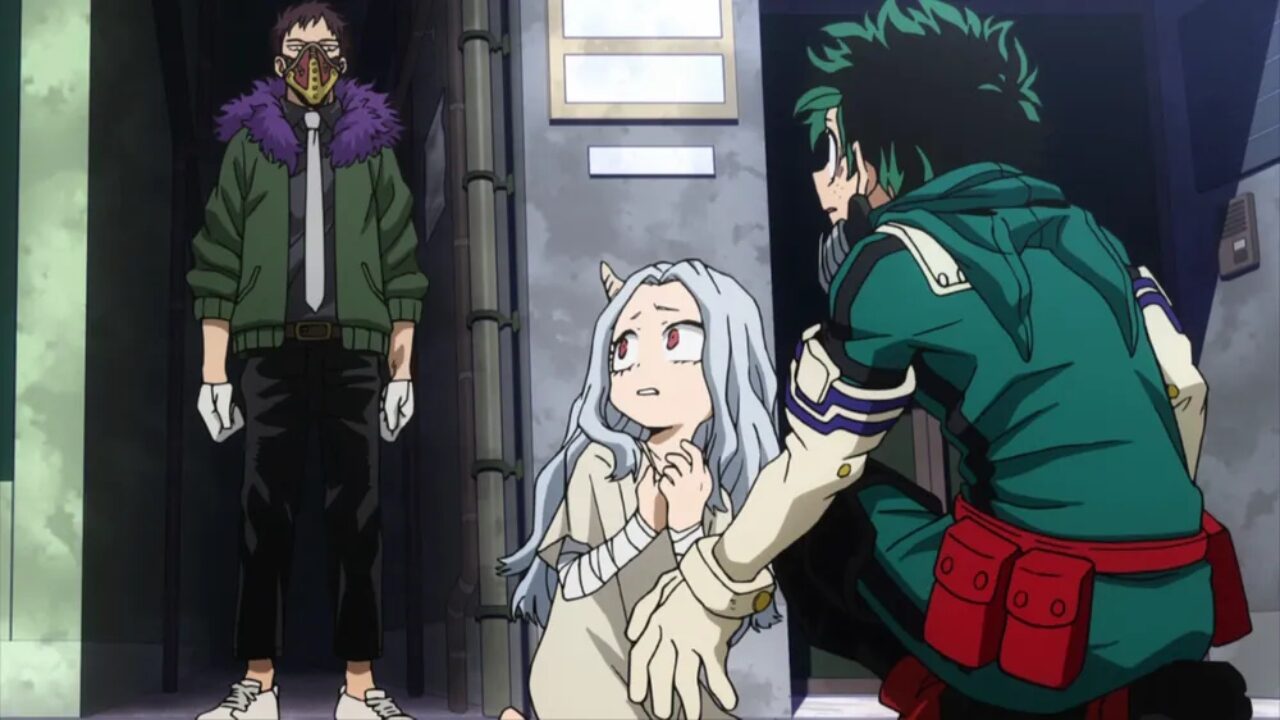
By the time credits rolled for the final episode of My Hero Academia, I still cried—knowing how this would end because I read the manga week-to-week. While many would consider Chapter 430 the true ending, I do like a nice wrap-up that Horikoshi added in the final volume, with Chapter 431 called “More.”
According to Game Rant, there will be a special Episode 12 that will be an OVA coming out, giving fans that divisive final goodbye and romantic ending. With or without it, I liked where My Hero Academia started and ended. This is one of those series that will withstand the test of time, and I would not be surprised to find people 10-20 years later watching it for the first time. For anyone who wants a tighter hero ensemble story than the Marvel Cinematic Universe has been of late, this is a readily available watch—one that is great for pre-teens/teenagers and the whole family.
All episodes of My Hero Academia are available to stream on Crunchyroll.