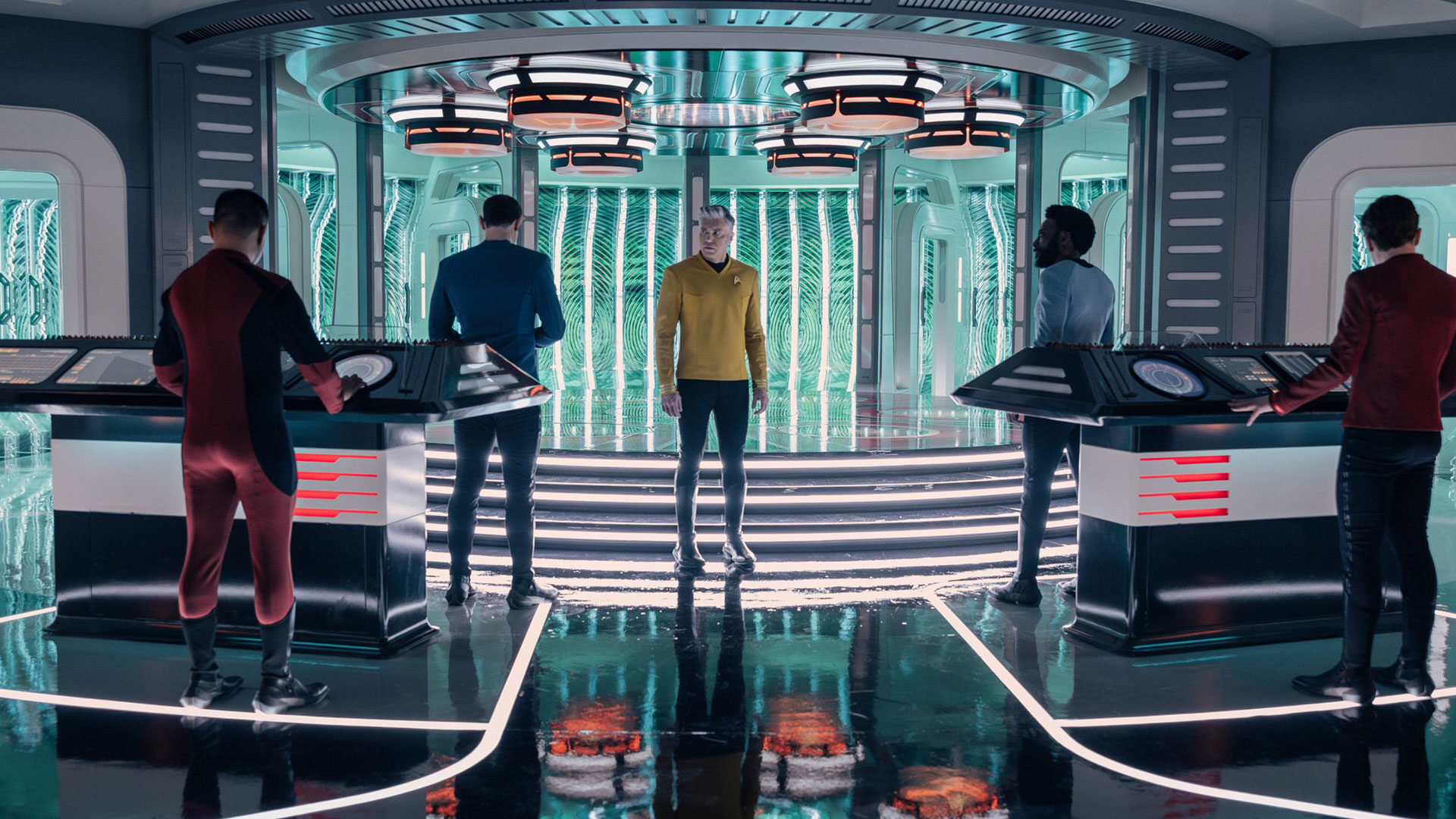
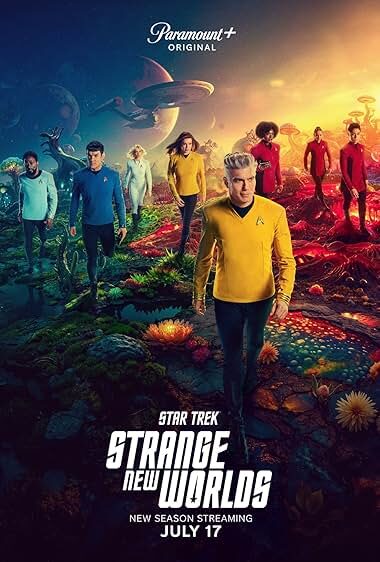

Star Trek: Strange New Worlds returns to its episodic roots in Season 4, offering a lively mix of science fiction, horror, comedy and old-school adventure that harks back to some of the franchise’s classics. While the result is uneven at times, the first six episodes make a good case for why the Enterprise crew remains one of the most watchable and engaging casts I have seen in the Star Trek universe in a long time.
Season 4 begins Thursday on Paramount+, with new episodes arriving weekly through Sept. 24. The 10-episode season follows Captain Christopher Pike and the USS Enterprise as the series moves closer to the period of Star Trek: The Original Series, with only one season left in the current series. After watching this season so far, I could not be more excited to see what happens next.
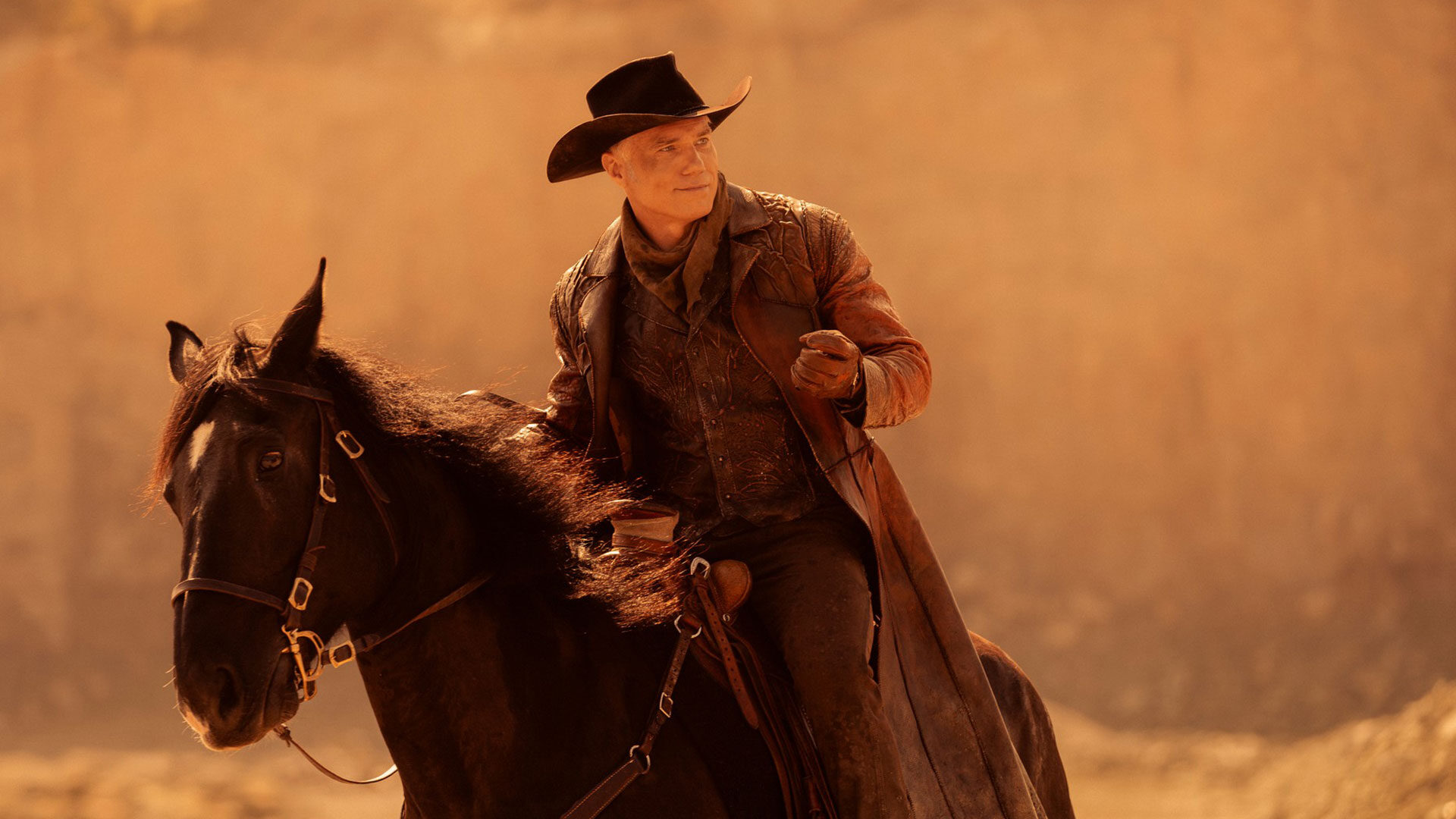
The new run feels like a course correction after Season 3, which leaned more heavily on a continuing threat, and moves back into the more episodic nature that past Star Trek journeys have focused on. This time, Star Trek: Strange New Worlds is happy to bounce from one self-contained mission to the next, letting its writers flex their creative muscle in some truly fun and interesting ways. That choice restores some of the show’s playful spirit, even if it also makes the season feel like a collection of very different short films rather than one fully connected story. But when they are this good, I cannot help but be excited to dive in and enjoy the ride.
Star Trek, for me, has always been an ensemble, and when the crew is given the freedom to be strange, interesting or just fun, it helps draw the audience into the world of the series. That is why Star Trek: Strange New Worlds clicked for me, and why Season 4 works so well. This season gives everyone in the cast a chance to express themselves and showcase what they can do, all while keeping the series grounded in the world of Star Trek. It never loses the sense of wonder and exploration, or the idea that we can all be better, but that does not mean we cannot have fun with it.
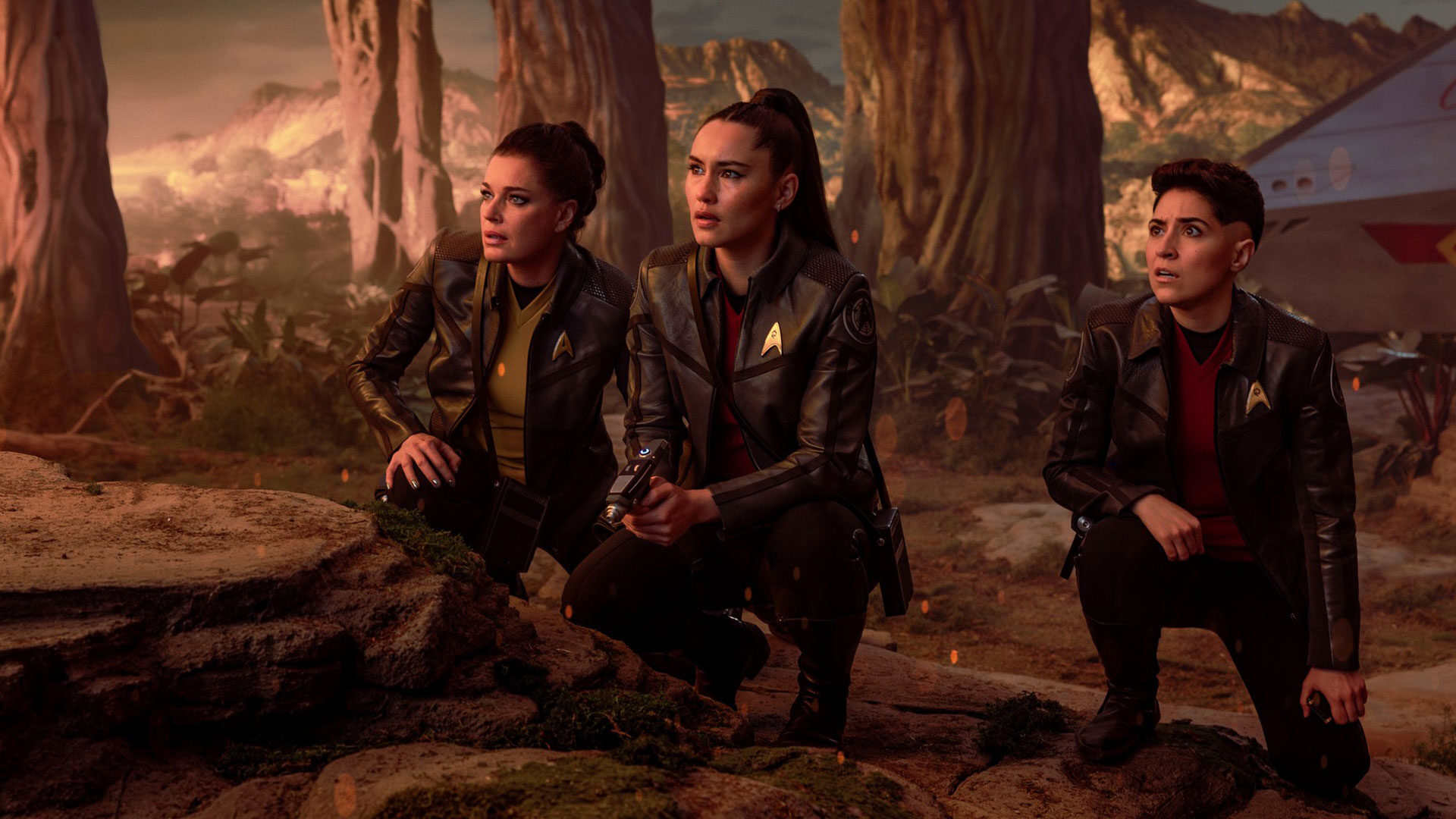
The early episodes are built around sharp genre shifts. One mission sends Una Chin-Riley, La’an Noonien-Singh and Erica Ortegas into a volcanic setting filled with prehistoric danger. Another goes all-in on black-and-white noir, while a different chapter turns a missing Starfleet vessel into a haunted-house story in space. Others go even further, delivering some of the most fun I have had with Star Trek to date, and that is saying something. This is a franchise that continuously reinvents itself, and it is amazing to see Star Trek: Strange New Worlds not be afraid to keep one foot in past iterations of Trek while offering something very new at the same time.

Better still, Star Trek: Strange New Worlds leans into each genre and embraces the concepts wholeheartedly. Whether it is travelling back in time or journeying onto a haunted starship, these episodes feel firmly rooted in their genre without losing what makes them Star Trek. This is a risky move, but it works, and it gives the series some of its more diverse and jarring journeys into the stranger aspects of space.
“Star Trek: Strange New Worlds is happy to bounce from one self-contained mission to the next, letting its writers flex their creative muscle in some truly fun and interesting ways.”
The Griffin Incident pushes the series into darker territory, using a stranded ship and disturbing body horror to build real unease. It is a harsher episode than the show usually delivers, but its fear is tied to the crew’s emotional baggage instead of existing only for shock value. The same can be said for when the show takes on a lighthearted side mission, giving you an almost Dude, Where’s My Car?-style episode to lighten the mood and mix things up.
The Original Series had to work with its budgets, so there was a lot of reusing sets or concepts from other shows on the network. It was part of what gave the series its unique look, and Star Trek: Strange New Worlds takes that concept and refines it into something remarkable. The show is willing to change shape each week to keep things fun and interesting, but I can see how a tonal shift can make it hard to find an emotional rhythm.
One episode may end on a grim, personal note, only for the next to open with a lighter premise that barely acknowledges what came before. It worked for me, and when reviewing the series, it helped make the season feel all too short, but it is not for everyone and can feel disjointed if you want the same tone throughout.
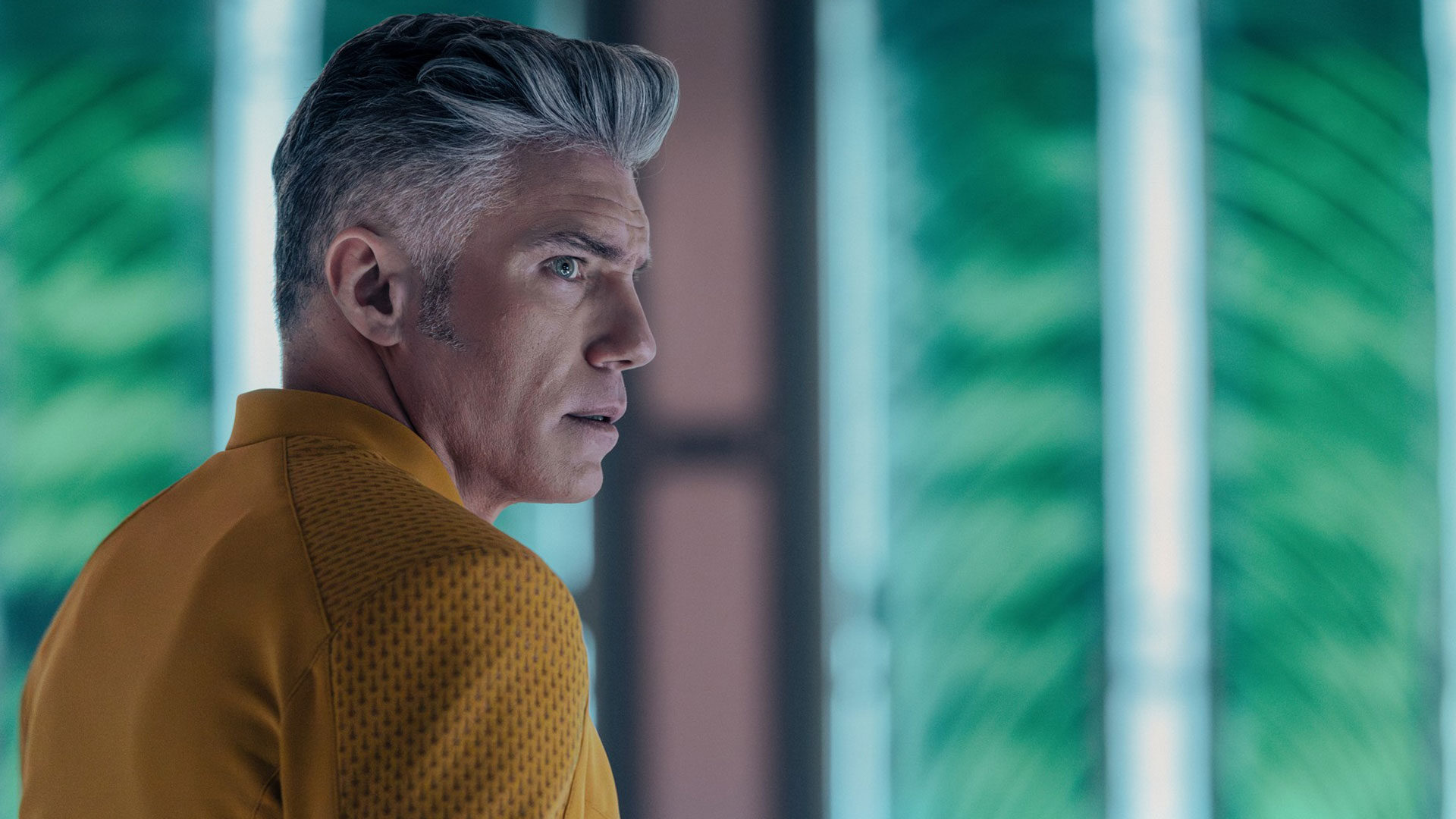
It is this crew that sells the concepts for me, and it is one reason why Star Trek: Strange New Worlds is so good. Pike, played with warmth by Anson Mount, remains a steady presence, but he receives less material than expected in the episodes available for review. The aftermath of last season’s heartbreaking moments and Pike’s earlier life-altering encounter with his future are touched on, but they do not become the emotional anchor they could have been.
Pike, and how he is played, help give the show its heart: a man who struggles but, above all, is willing to do anything for his crew and the people he loves, giving the show a moral and emotional core that, no matter what happens, never feels like it strays from the root of what makes Star Trek such an inspiration to so many.
Pike is still convincing as a captain because Mount gives him an easy authority without making him feel distant. He listens, checks in with his crew and makes difficult choices without turning every order into a speech. However, Season 4 often uses him as the person who arrives with a wise answer, then moves on before the episode can dig deeper into what those choices cost him.
We have seen this man struggle and make hard calls up to this point, and the writers can push this going forward. There are some moments that show this internal fight he constantly wages to do what is right while making sure everyone under his command gets home safe, but there were fewer in the six episodes I watched compared with past seasons. For me, these are some of the more interesting moments of Star Trek: Strange New Worlds.
Other characters fare better. Christina Chong gives La’an a quieter, more reflective arc tied to her family history, while Rebecca Romijn gets meaningful material as Una considers what her future may look like. Ortega and Scotty, played by Melissa Navia and Martin Quinn, form one of the season’s most enjoyable pairings when their initial friction turns into practical respect. Honestly, the full cast is fantastic, delivering some amazing moments. These people clearly enjoy working together, and that passion and excitement shine in this season.
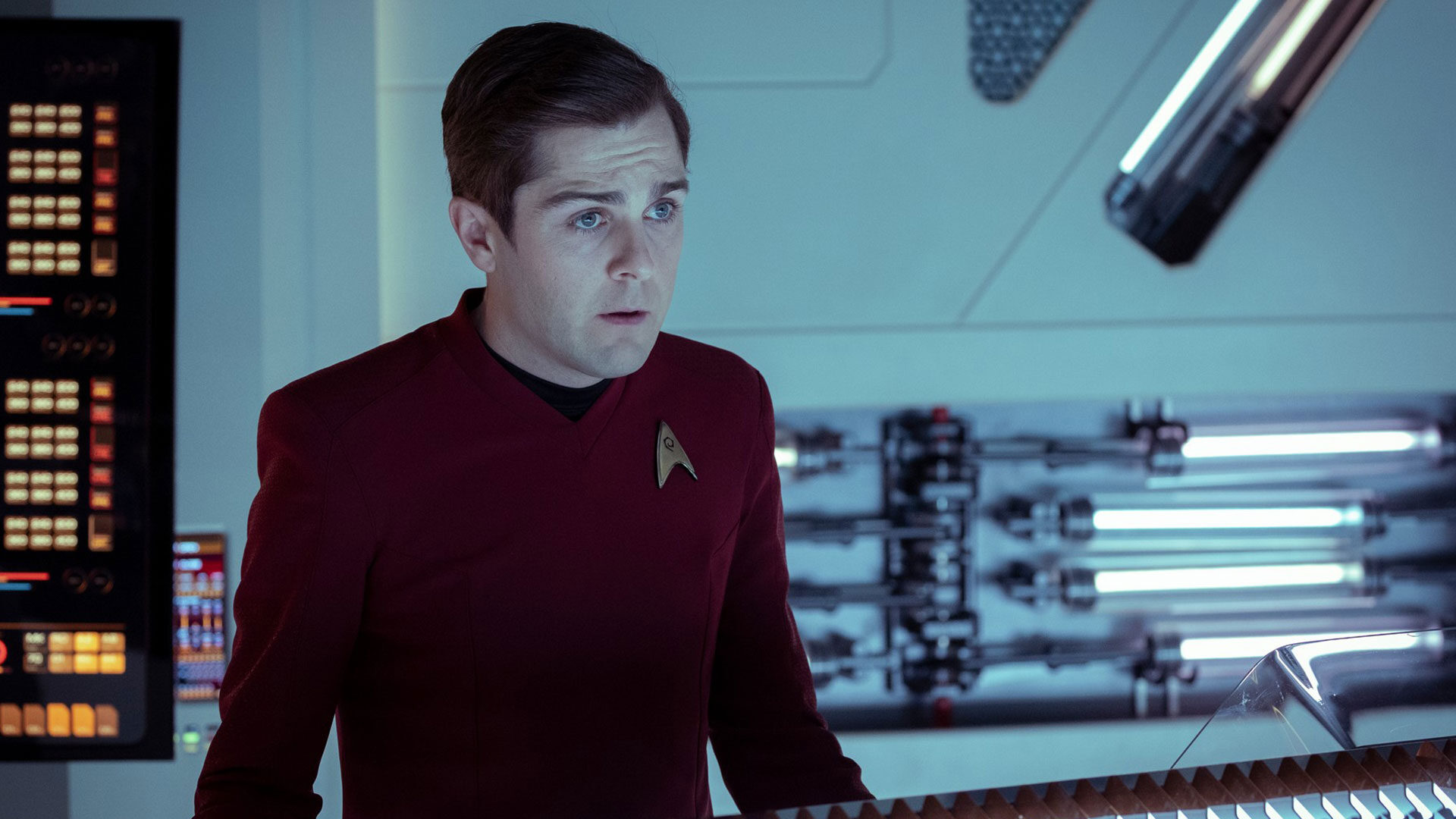
Of course, Ethan Peck remains one of the show’s strongest assets as Spock. Season 4 puts less weight on his romantic life and spends more time on his growing bond with Paul Wesley’s James T. Kirk. Their scenes have the right amount of affection, disagreement and dry humour, though Kirk occasionally feels included because the franchise expects him to be, rather than because the episode truly needs him. It feels like a good way to usher the series into the timeline of The Original Series, with these characters coming into their own and feeling very much a part of the universe we first fell in love with so many years ago.
Visually, this is the best that Star Trek: Strange New Worlds has ever looked. The effects, practical creatures, production design and camera work give each episode its own identity without losing the clean, polished look of the Enterprise. The spectacle is often impressive, but it rarely overwhelms the people at the centre of the story. The show is able to create unique and complex worlds to explore, but it always stays true to the core concept of Star Trek: you need to connect with the people on the screen, and that is maintained throughout this season. Still, it manages to go some strange places.
At its best, though, Star Trek: Strange New Worlds Season 4 remembers that Star Trek does not need a galaxy-ending emergency every week. It needs strange places, difficult questions and a crew worth spending time with. The season stumbles when it mistakes novelty for depth, but its strongest episodes are stylish, funny, tense and surprisingly affecting.

Star Trek: Strange New Worlds Season 4 is not as consistent as the series’ best work, and its disconnected structure leaves a few character threads underdeveloped. Still, it is a more lively and memorable run than its predecessor, with enough strong standalone adventures to make the Enterprise’s latest trip worth taking. If you have been holding off on jumping into Season 4 because you have not clicked with the series in the last few seasons, worry not. This is Star Trek: Strange New Worlds at its most interesting, and while you may not click with every episode, there is enough here to make it a must-watch season of TV.