
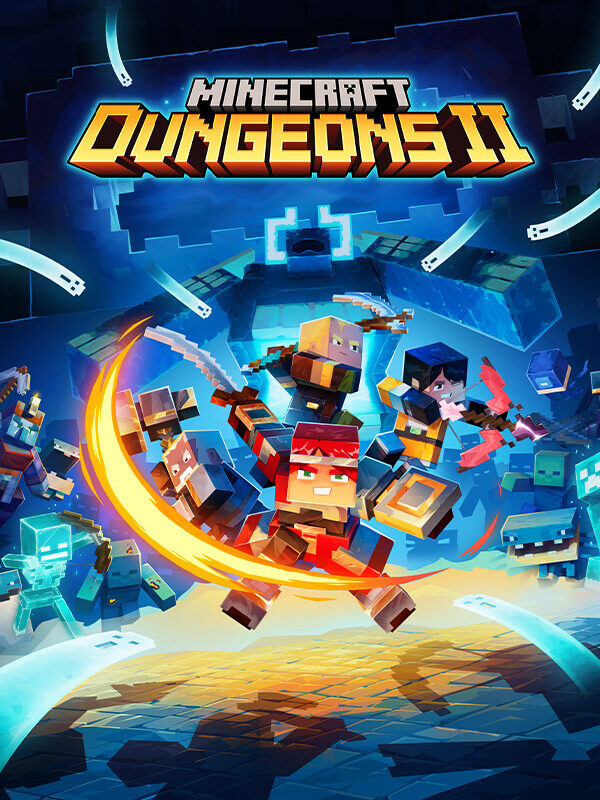

Diablo has always been my sort of comfort food when it comes to gaming. Something that is a good filler when there are no new things to jump into, but something that doesn’t really stick with me; that same feeling is shared with Minecraft Dungeons from 2020. Mojang and Double Eleven took what worked with the original and added some really game-changing quality-of-life features that make the game go from that comfort gaming to something that really works holistically.
The Diablo-in-a-Minecraft-world concept was a genuinely clever and interesting hook the first time around, taking the dungeon-crawling, loot-based rhythm that PC players have chased since the late nineties and dressing it up in the blocky, primary-colored skin of the best-selling game of all time. Six years and a mountain of base game updates later, that hook hasn’t dulled one bit. If anything, it cuts sharper now.
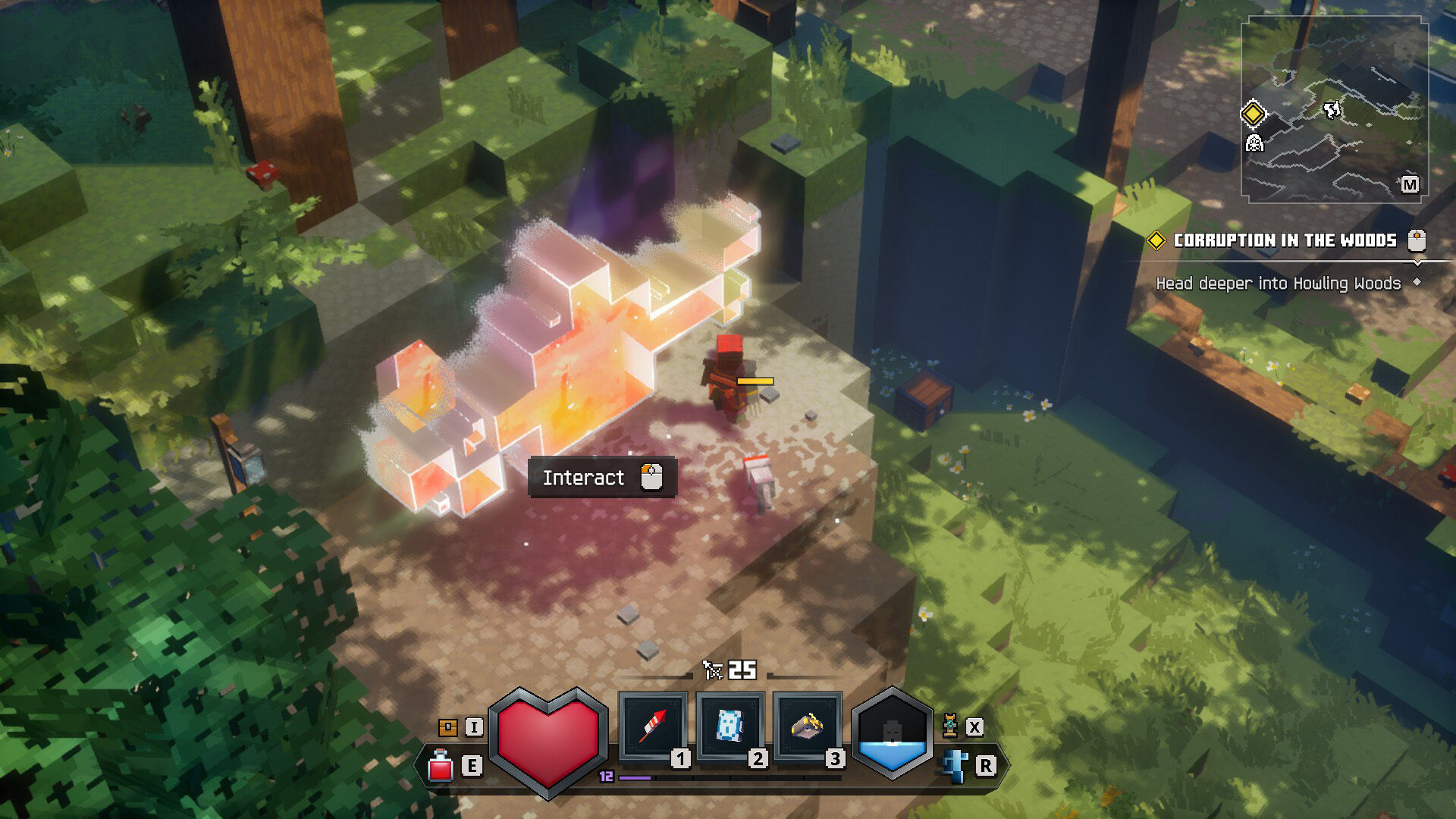
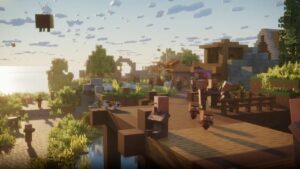
The original Minecraft Dungeons structured its campaign as a string of discrete missions, picked off a map screen one at a time, each level sealed off from the ones around it. It worked well enough, but it always felt a little sterile, more like flipping through a menu of dungeons than actually inhabiting a world. Minecraft Dungeons II throws that structure out entirely in favor of a genuinely interconnected overworld, and the difference is night and day. Biomes bleed into each other now, with a swamp giving way to a cave mouth that drops you into stone corridors, which eventually spit you out somewhere you can see the mountain you started near off in the distance.
“Minecraft Dungeons II throws that structure out entirely in favor of a genuinely interconnected overworld, and the difference is night and day.”
It plays like a proper ARPG map for the first time, and it makes the world feel like a place rather than a level select screen with extra steps. Layered on top of that is the Sift, a brand new dimension roughly as large as the overworld itself, tucked behind strange rifts you stumble across while exploring. Finding a rift and not knowing exactly what’s waiting on the other side gave me some of the best moments in the whole game, a sense of discovery the original simply didn’t have room for given how boxed in its mission structure was.
That open-world nature of Minecraft Dungeons II also gives the campaign room to breathe with actual quests rather than just clicking from one mission to another. Beyond the main story thread, you’ll run into villagers who need help or bounty-style tasks that send you hunting down a specific mob, or tracking down items, and while none of it reinvents questing as a concept, it gives the overworld a reason to reward backtracking and poking around corners instead of beelining from marker to marker.
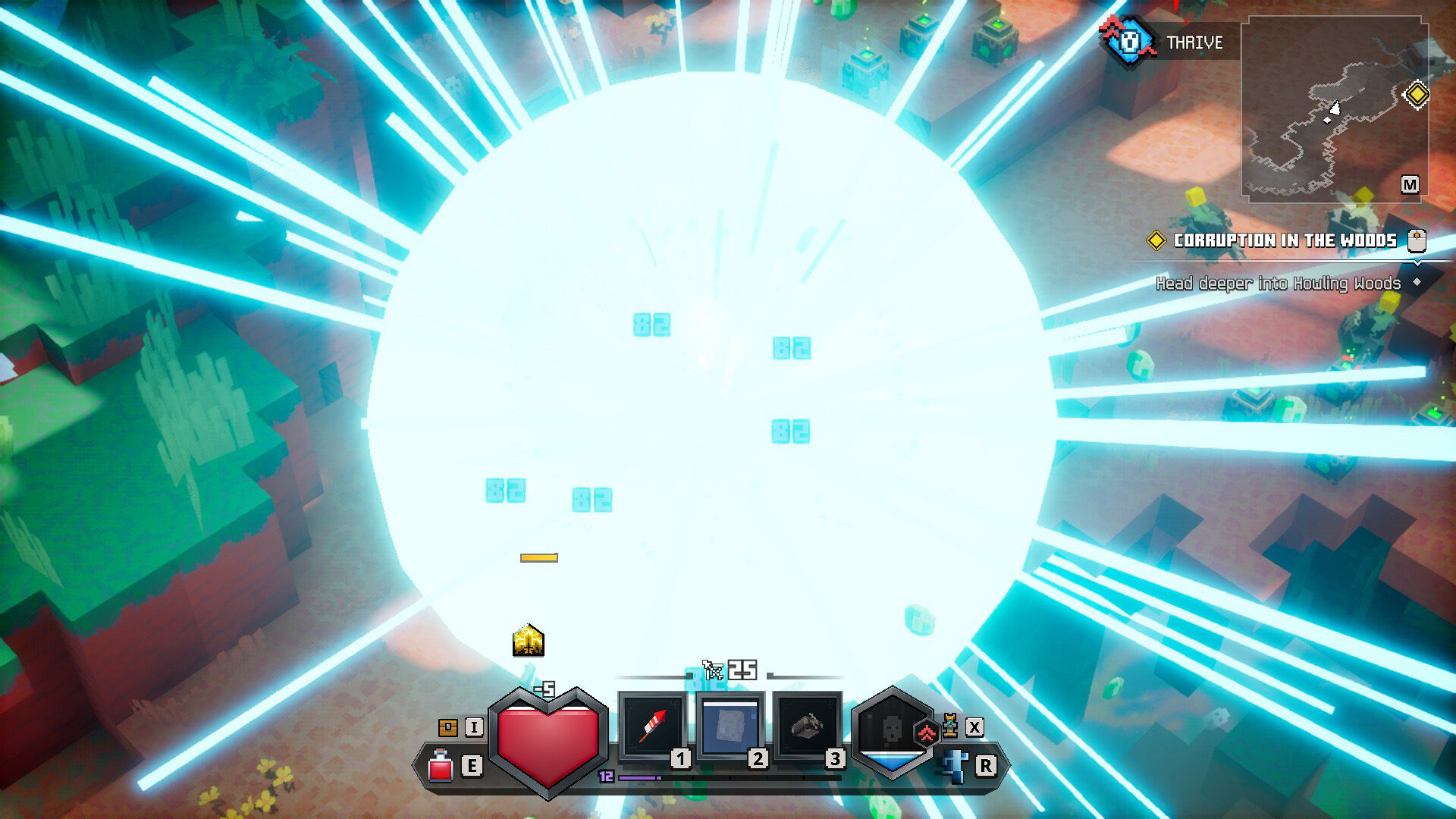
Combat has gotten a handful of changes that sound small on paper but add up to a much more comfortable game to actually move around in. Jumping is the big one, and it seems almost absurd that the first Dungeons never let you leave the ground, but here we are, and now being able to hop across gaps to hidden treasures or dodge around a swing changes the texture of every fight and every bit of exploration.
Ranged weapons no longer eat through a finite stock of arrows either, recharging automatically over time instead, which quietly removes one of the more annoying bits of inventory management from the original and lets bow and crossbow builds feel as sustainable as melee ones.
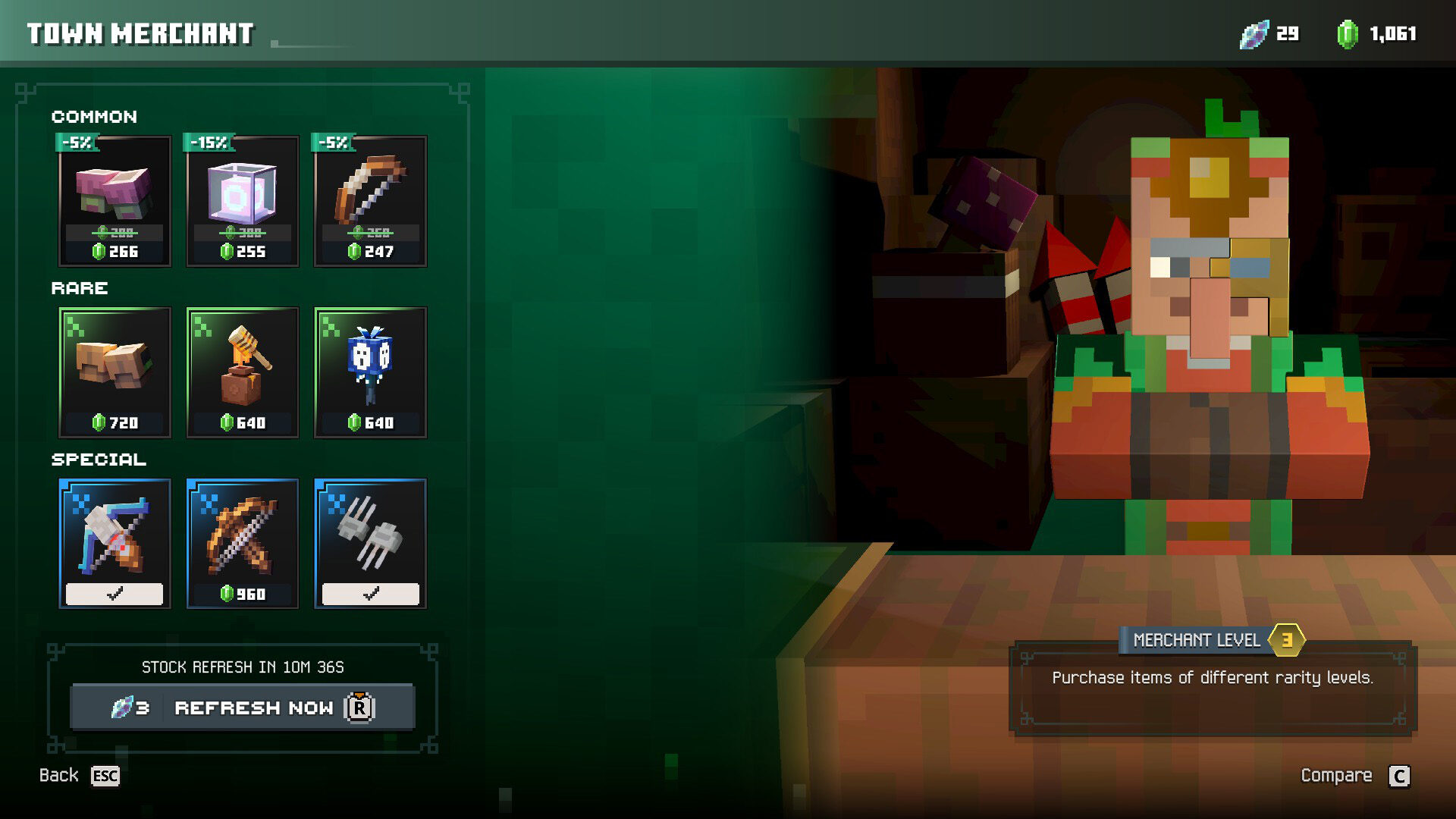
Gear has been expanded significantly too. Equipment slots have doubled from six to twelve, and armor is no longer one lump piece but split into helmet, chestplate, leggings, and boots, giving build crafting a lot more knobs to turn than before. Sitting alongside that is a new talisman system, passive buffs you slot in and level up over time, which gave my build a sense of identity the original game never quite let me reach.
What struck me almost immediately is how much richer the world feels to pull enemies and aesthetics from, on top of that new structure. Vanilla Minecraft has changed enormously since the first Dungeons launched, with the Nether getting overhauled, caves and cliffs adding entire biomes of stone and stalactite, and the Wild update bringing the Deep Dark and its Warden along with it.
“Minecraft Dungeons II understands what made the original hit while fixing nearly everything that held it back…”
Minecraft Dungeons II leans on all of that history, and you can feel it in the variety of mobs thrown at you as you wander that open overworld. Wardens lumber through sections with genuine menace, allays flit around doing their small helpful things, and the newer aquatic and cave biomes give the art team excuses to build entire stretches of the map around creatures that simply didn’t exist when the first game shipped.
The campaign runs around ten hours for a single playthrough of the main story, and given how much bigger and more open the world is this time, that number is worth dwelling on. While I was playing, the hours melted away in a way that surprised me, chaining sessions together well past when I’d told myself I would stop for the night, largely because there was always one more rift or one more unexplored corner pulling me forward. And yet by the time credits rolled, I wasn’t exhausted by it either. The game ends roughly when it should.
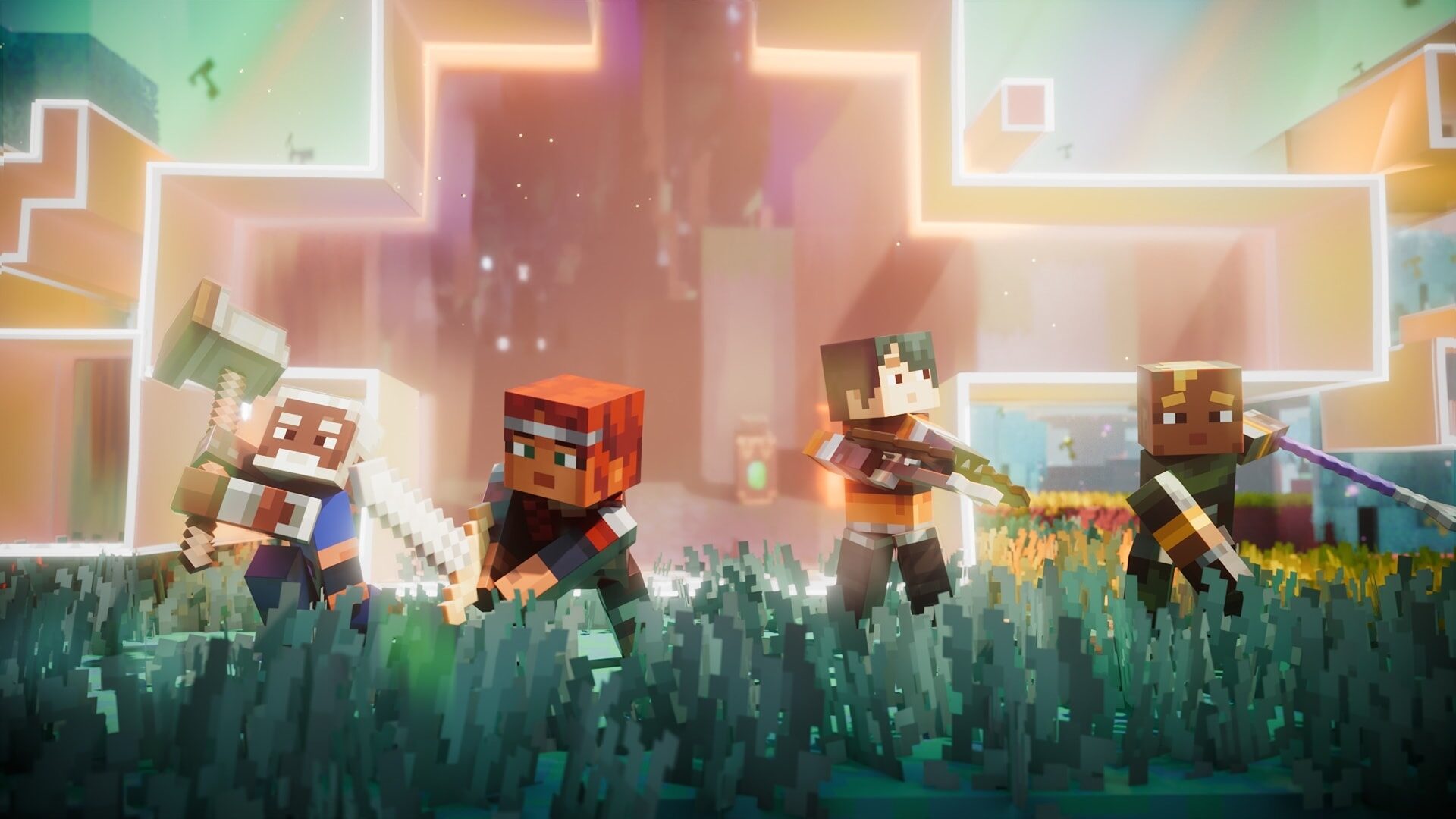
Jumping in and out of a session with a friend is exactly as frictionless as it was in the first game, no fuss, just drop in and start going. What impressed me more this time is how the difficulty scaling handles extra bodies in the party, especially now that the world is open rather than mission-based. Enemy density and toughness ramp up smoothly as players join, and loot drops also picked up a bit so nobody was left scraping for gear while someone else hoards the good drops.
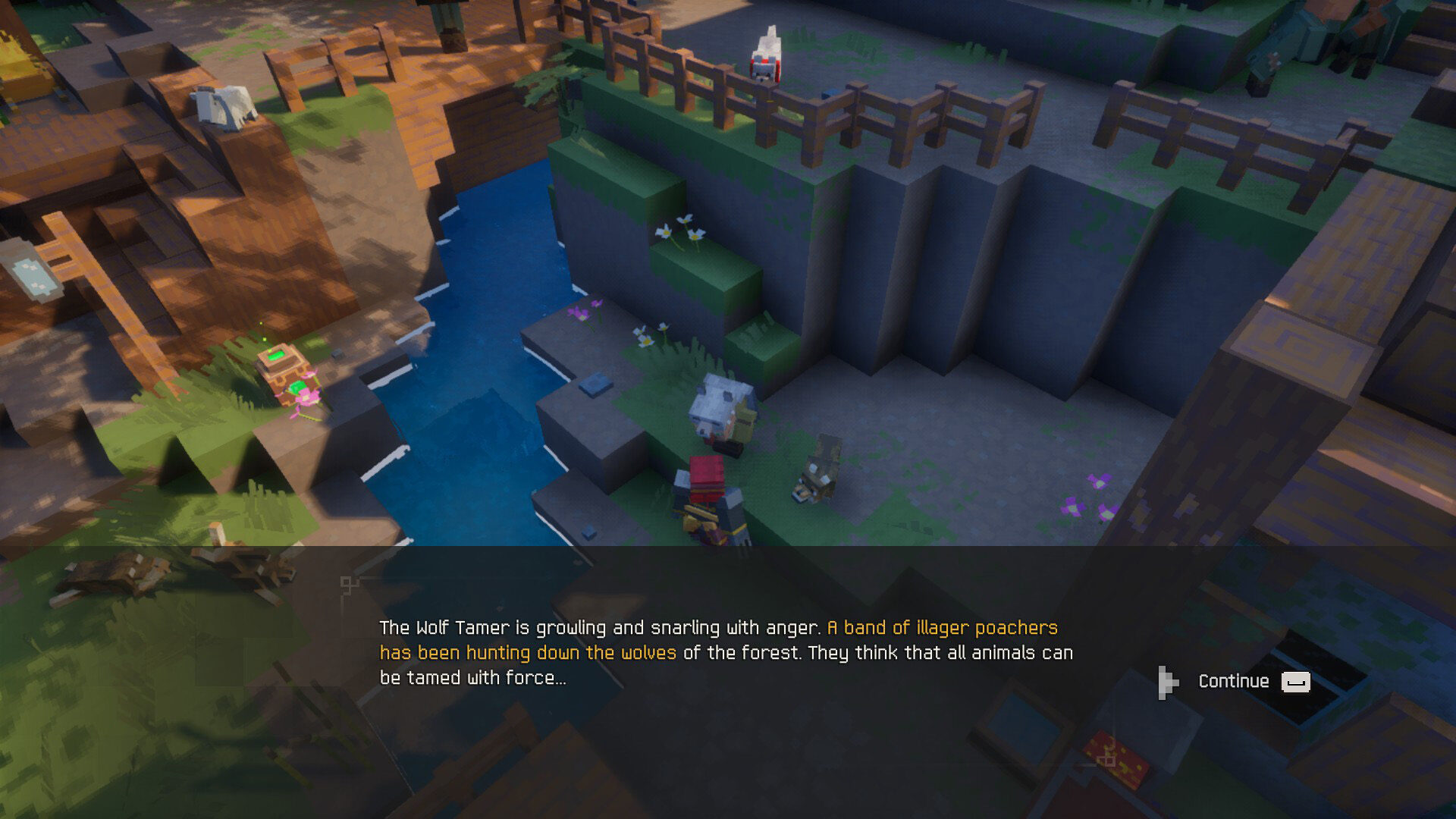
Story also felt more of a focus point in Minecraft Dungeons II, and the interconnected world helps sell it, giving some in-world cutscenes land way better than the way most of the story was told with bookend mini cutscenes. I found myself paying attention to cutscenes in a way I never did with the original. That said, I did notice some rough edges there, mostly with the way animation would stutter quite a bit. Nothing broke, nothing crashed; it was just a bummer to have this new focus point hindered by the issues.
Minecraft Dungeons II understands what made the original hit while fixing nearly everything that held it back, and the shift to an open, more connected world is the biggest reason this game feels like a real step forward for Dungeons rather than just coasting off the laurels of the first game. Between the new movement options, the deeper gear systems, and a world that finally feels worth wandering, it earns the ten or so hours it asks of you, and then some.