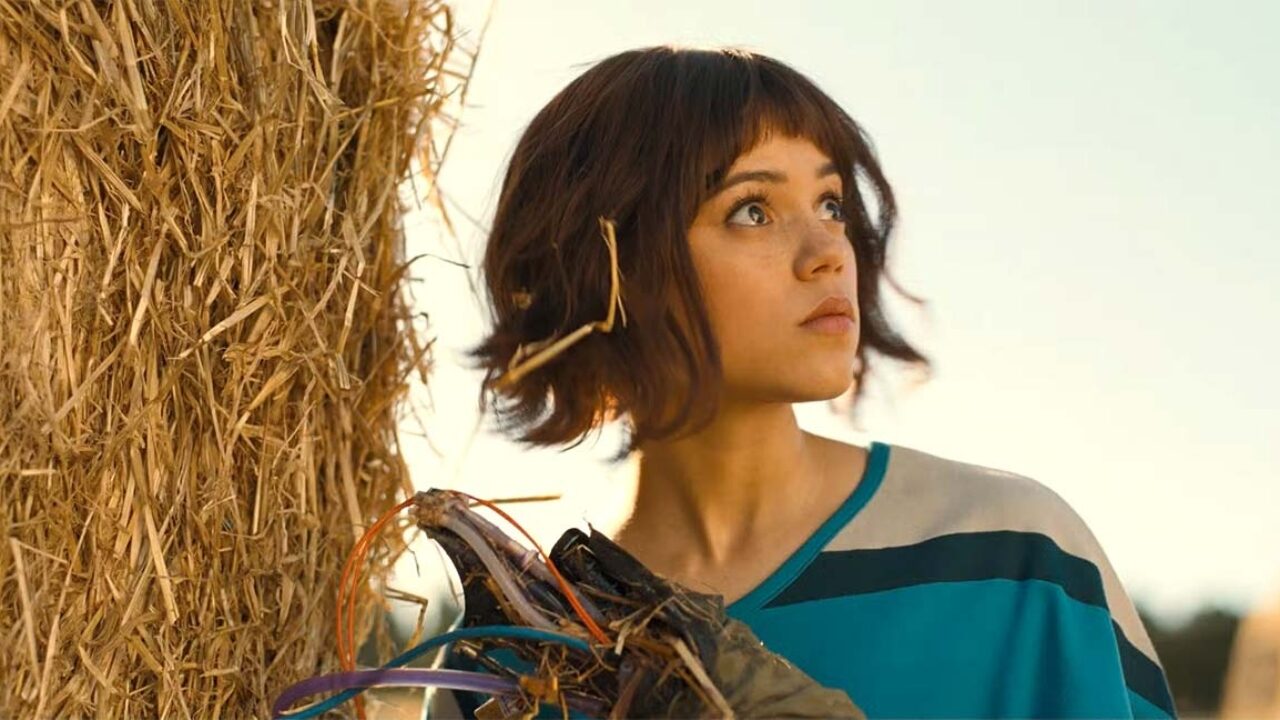


There are many impactful dramas that connect with audiences, whether it is something like Everything Everywhere All at Once or Hamnet. The selections are endless. But in the rough, there is this film adaptation of Japanese-British literary author Kazuo Ishiguro’s 2021 novel, Klara and the Sun. I did not read the novel, and only saw a couple of trailers. Klara and the Sun moved me in a way I did not expect.
Klara and the Sun takes place in a dystopian future where technological advances in genetic engineering have divided humans into strict, isolated social classes. In the midst of everything, an obsolete companion android, called an AF (Artificial Friend), named Klara tries to bond with Josie. Josie is a sick girl for whom Klara was purchased. The whole story is told from Klara’s perspective, introducing us to her world and what she knows to be true.
Again, the story beats were unmatched to some dramas of late, and I have seen a few at TIFF 2026. At first, I thought this was threading the lines of a teenage coming-of-age tale between a robot and a human. Instead, I got a heartbreaking representation of grief and death—and the exploration of it.
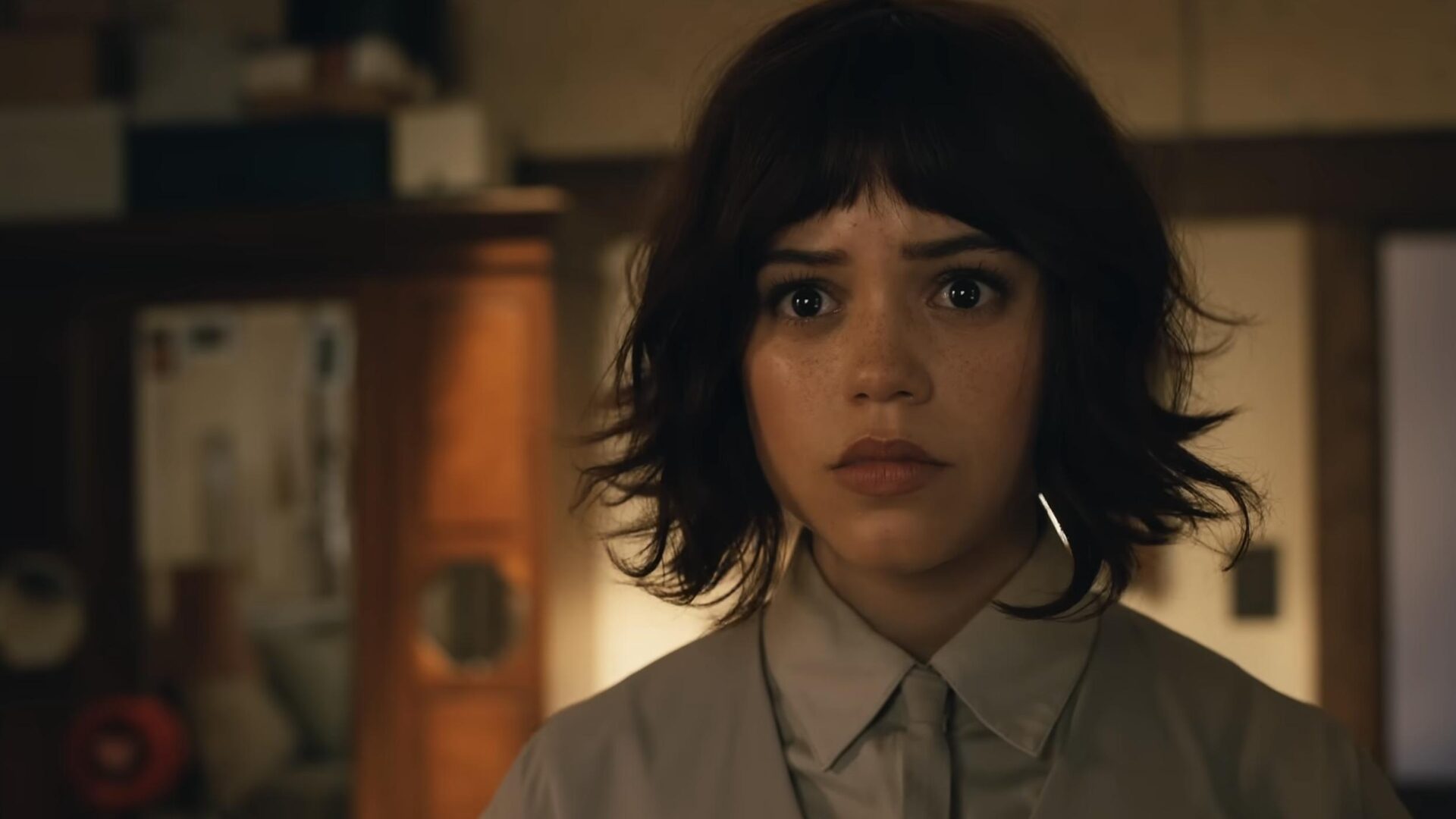
I have to credit both Ishiguro and the screenwriters Taika Waititi and Dahvi Waller as well for translating this depiction so deeply. Having Klara talk to the Sun was almost like a religion to her, very much giving Elden Ring vibes with praising the sun. I have never really seen many robotic religious depictions before, but it was captivating to watch a dutiful android consistently treating the Sun like some kind of deity—when it is simply Klara’s power source. But tying this all in on themes of grief and death hit hard from both the writing and visual storytelling.
“Klara and the Sun moved me in a way I did not expect.”
It was also a very smart choice for Waititi to bring on Waller for her contributions to Mad Men and for receiving an Emmy for it, but also for bringing in the female perspective. Klara and the Sun featured very strong women leads with Klara (Jenna Ortega), Chrissy (Amy Adams), Josie (Mia Tharia), Store Manager (Natasha Lyonne), and Melania (Rachel House). Even though Ortega gave up that female agency to be a robot for this role, each woman Klara is around gives us a look at the various female archetypes within this film.
Pretty much all the adult women were tough, resilient, and hardened because of past experiences, but have some care and heart once they begin to open up. While I appreciated the performances from Aran Murphy, Cillian Murphy’s son, as Rick and Steve Buscemi as Capaldi, the women in this film delivered captivating characters. I was charmed by Ortega and Tharia’s sibling-esque relationship, and the journey to develop that bond was non-linear—making it hit the feels a whole lot more. Waititi made a great call not to use any makeup or prosthetics to make Klara look more robotic, allowing the actress to showcase her abilities to act like a machine.

One of the funniest yet poignant cinematographic shots was Mike Berlucchi’s choice to shoot Klara lying in a box and talking to other AF’s before being shipped off. In many of Quentin Tarantino’s films, fans would recognize these trunk shots: a wide-angle lens on a camera shooting from a dramatic low angle. Often, this indicates characters talking to someone or something dead, or it signals an inanimate object—adding variety to the visual storytelling or pulling audiences into a more intimate conversation.
Klara and the Sun used it to signal life and the start of Klara’s journey, even though it made it look like she was being talked down to from her metaphorical box coffin—actually her shipping box container. A later shot that stood out to me was this location that was set ablaze; it reminded me of the burning barn scene in Sinners. That shot in Sinners looked beautifully breathtaking, despite the narrative context. The same thing could be said about this stunning shot seen in this film.
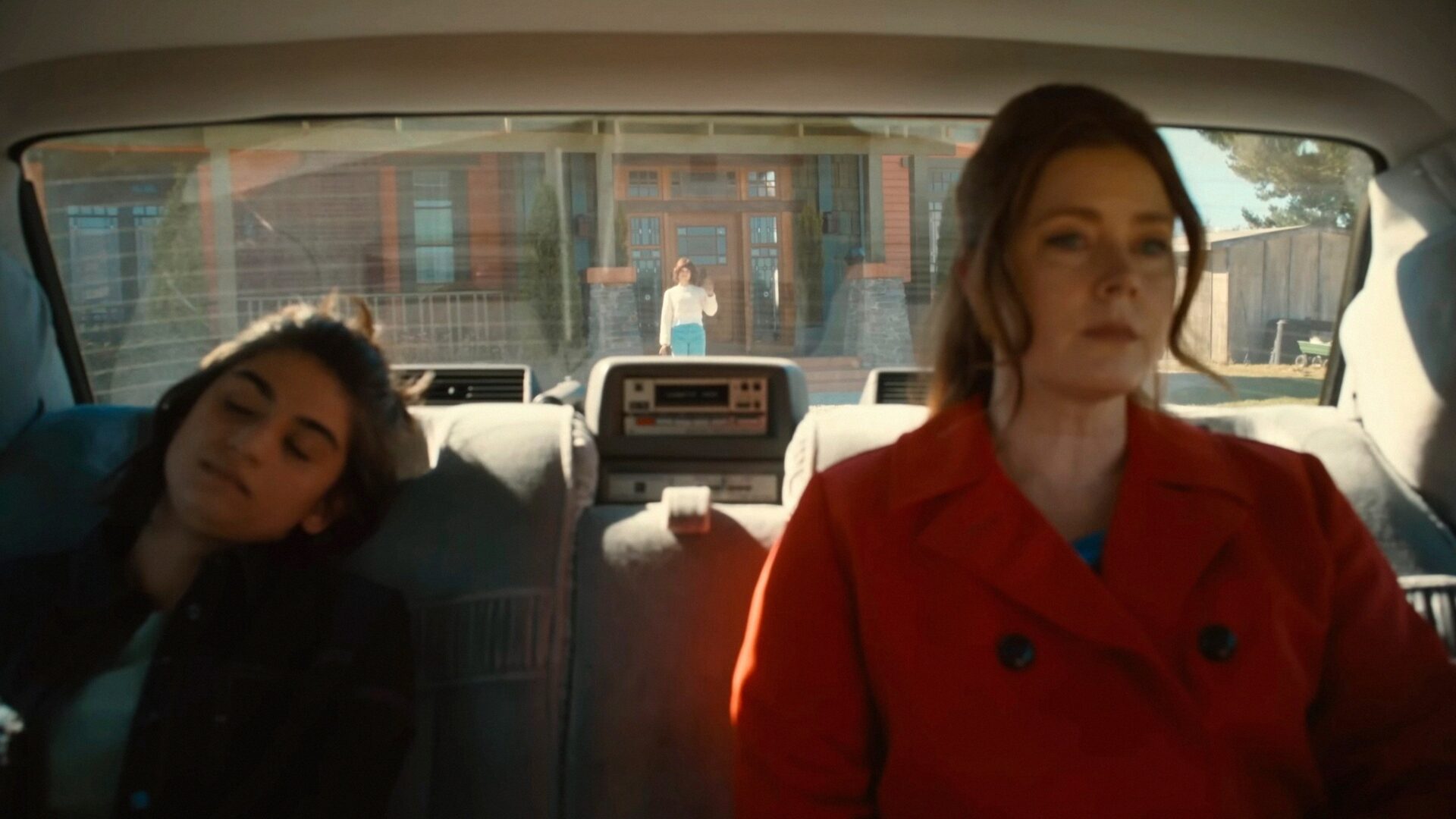
More on visuals, the VFX work to translate how a robot calibrates new environments in this film was a nice touch. It was a smart storytelling trick to show Klara being an older model, but also a clever way for audiences to see the way Klara sees when she is obtaining new information. I appreciated the integration of Cootings, a high-pollution automated harvester/garbage truck, within natural environments. I thought the integration of a CGI element into real-world locations was impressive for looking realistic. The framing of it helped sell the scariness of it too.
If you have the heart to bear a half-happy, half-interpretation on grief and death, Klara and the Sun might be a good change of pace at the cinema. The performances, VFX, and cinematography were outstanding. Some average movie watchers may feel like the movie dragged at times or may not understand some of the metaphysical elements, but I implore audiences to keep an open mind—the peculiarity of this film’s lead is inviting enough to strum on your heartstrings.