


A quiet campfire scene in Red Dead Redemption 2. Arthur Morgan coughs, writes in his journal, and stares into the fire as plenty of players quietly tear up along with him. That is the moment avatars become companions, memories, and sometimes even characters we genuinely mourn. In 2026, the industry counts roughly 3.6 billion active gamers worldwide (inStreamly, 2026). But the real driving force behind gaming is not a number. It is the characters who stay with us.
Key Takeaways
● Likeability does not come from graphics. It comes from responsiveness, vulnerability, and moral friction.
● A study published in the academic journal Game Studies found that 96% of surveyed players see NPCs as playing a central role in a game’s narrative (Burgess & Jones, 2020).
● Mario, Arthur Morgan, Lara Croft and others illustrate very different ways games can create emotional attachment.
What actually makes a character likeable? Iconic video game characters have long since outgrown the games they came from. They live on social media, fill merchandise shelves, and appear across adjacent entertainment spaces, including retro-inspired offerings such as Casino Days Quebec. This essay looks at what lies at the heart of that staying power. Why do certain characters endure, and what can they teach us about the way players connect with fictional people?
Three Ingredients: Responsiveness, Vulnerability, and Friction
Likeability in games comes down to three ingredients: responsiveness, vulnerability, and moral friction.
A study published in Game Studies by Burgess & Jones (2020) demonstrates just how important other characters are to the player experience. Ninety-six percent of participants considered non-player characters essential to the narrative (Game Studies, 2020).
That is not a minor detail. It is part of what defines the medium. This also reveals something most Top 10 lists tend to overlook: likeability is not the same as popularity. A character can be known around the world and still feel distant. Another may have far less commercial reach yet inspire a much deeper emotional connection. That distinction between icon and intimate shapes everything that follows.
Seven Forms of Attachment According to Bopp & Müller
Behind those three ingredients is another important framework.
In 2019, Bopp & Müller identified seven distinct forms of emotional attachment to video game characters, ranging from empathy and identification to parasocial attachment. Self-Determination Theory adds another layer (PMC, 2025). Competence, autonomy, and relatedness are three fundamental psychological needs, and effective character design can appeal to all three at once.
For readers interested in why games resonate on a broader narrative level, our analysis of better storytelling in gaming provides additional context.
Seven Forms of Emotional Attachment to Video Game Characters
Behind this triad lies a second pillar. In 2019, Bopp & Müller identified seven distinct forms of emotional attachment to game characters, ranging from empathy and identification to parasocial attachment. Added to this is Self-Determination Theory (PMC, 2025). Competence, autonomy and relatedness are three fundamental psychological needs that good character design addresses simultaneously. Anyone wishing to explore why games are so compelling in the first place will find the narrative framework in our analysis of better storytelling in gaming.
Mario: Likeability Through Consistency
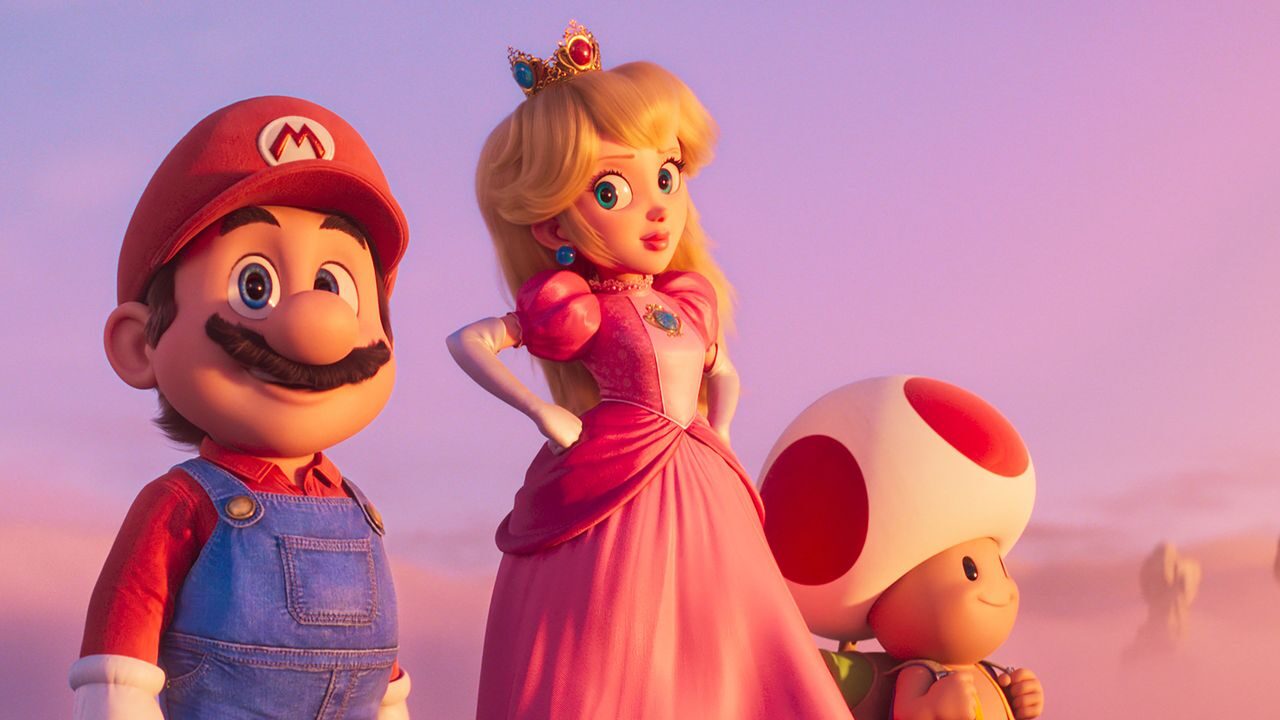
Mario endures because he never really changes.
According to a ranking by Men’s Journal and Yahoo Tech, he tops the list of the world’s most popular video game characters in 2026 (Men’s Journal, 2026).
There is no redemption arc, no moral crisis, no tragic death. A plumber in red overalls jumps, laughs, and rescues a princess. That is basically it.
But that consistency is deliberate design, not merely nostalgia.
Mario works as a blank canvas across generations because he has very little internal conflict of his own. There is no complex inner life competing with the player’s experience.
But Mario is icon, not intimate. People love him the way they love a cultural symbol, not the way they love a close friend.
And that leads directly to a character who takes almost the opposite approach.
Arthur Morgan: Likeability Through Regret
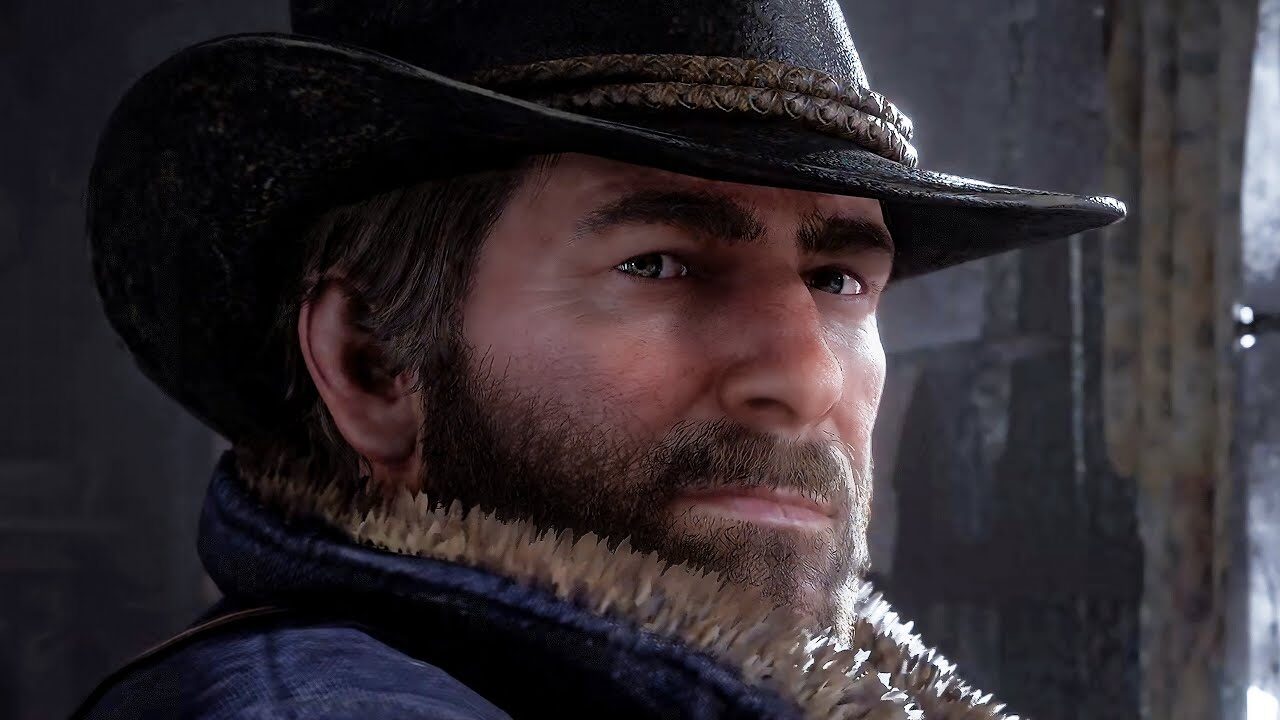
Arthur Morgan is likeable partly because he does not seem to like himself very much. By Chapter 6 of Red Dead Redemption 2, Arthur has reached the point where dying is no longer what frightens him most. What weighs on him instead is the possibility that he has not done enough with the time he has left.
That kind of scene gets our editorial team every time. There is no battle and no dramatic twist. It is simply a man realizing, far too late, that he gave his loyalty to the wrong person.
Readers interested in those kinds of design decisions can continue with CGMagazine’s feature on Narrative Storytelling in games or explore our Red Dead Redemption 2 dossier for more analysis of Arthur’s world.
Lara Croft: Likeability Through Change
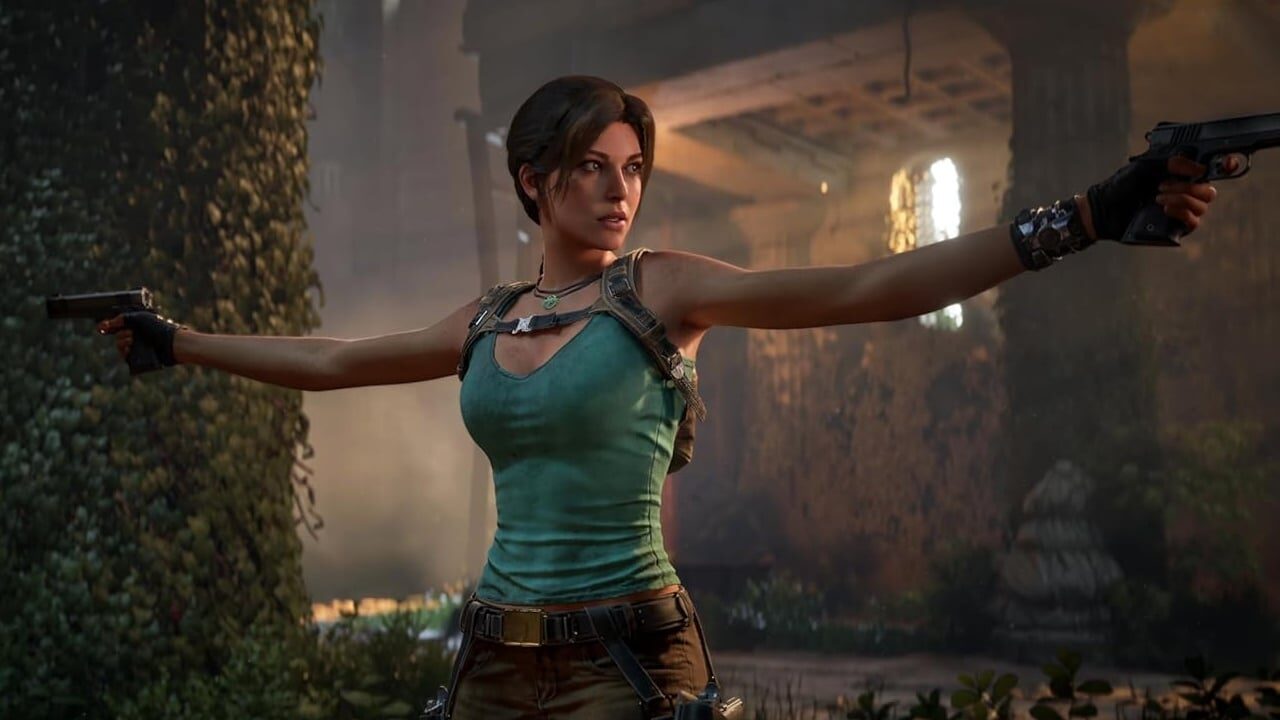
Few video game characters have survived the evolution of their own public image as successfully as Lara Croft. From 1996 to today, she has evolved from a highly sexualized icon of the 1990s into a more vulnerable, uncertain protagonist. Beginning with the 2013 reboot, the series fundamentally reconsidered both Lara and the world around her. In 2024, the BAFTA Players’ Poll ranked Lara Croft as the most iconic video game character of all time (BAFTA, 2024). More on the franchise and its evolution can be found in our Tomb Raider archive.
The core remains consistent though. She climbs. She fails. She bleeds. She gets back up. That combination of resilience and visible consequences is what players have continued to recognize for decades, regardless of how many polygons surround her.
Frequently Asked Questions
What makes a video game character likeable?
Three elements work together: responsiveness, vulnerability, and moral friction. Responsiveness means the character reacts believably to other people and to what happens around them. Vulnerability means they can fail, lose, doubt themselves, or suffer consequences. Moral friction means their choices come with a cost. Bopp & Müller identified seven overlapping forms of emotional attachment in 2019, ranging from empathy to identification. Each of them contributes in some way to these three broader ingredients.
Who is the most popular video game character in 2026?
According to the 2026 Men’s Journal ranking, Mario is the world’s most popular video game character. The 2024 BAFTA Players’ Poll, by contrast, named Lara Croft the most iconic video game character of all time. The difference is largely methodological: one ranking focuses on current popularity, while the other measures cultural iconography built over decades.
Popularity and intimacy are not the same thing. Mario endures because he never changes. Arthur Morgan endures because he desperately wants to change and begins too late. Lara Croft endures because she reinvents herself for each generation.
Design choices can create different paths toward lasting relevance. Which one matters more depends on what you want from the medium: comfort or confrontation. The best answer isn’t in this article. It is found in the next quiet campfire scene.