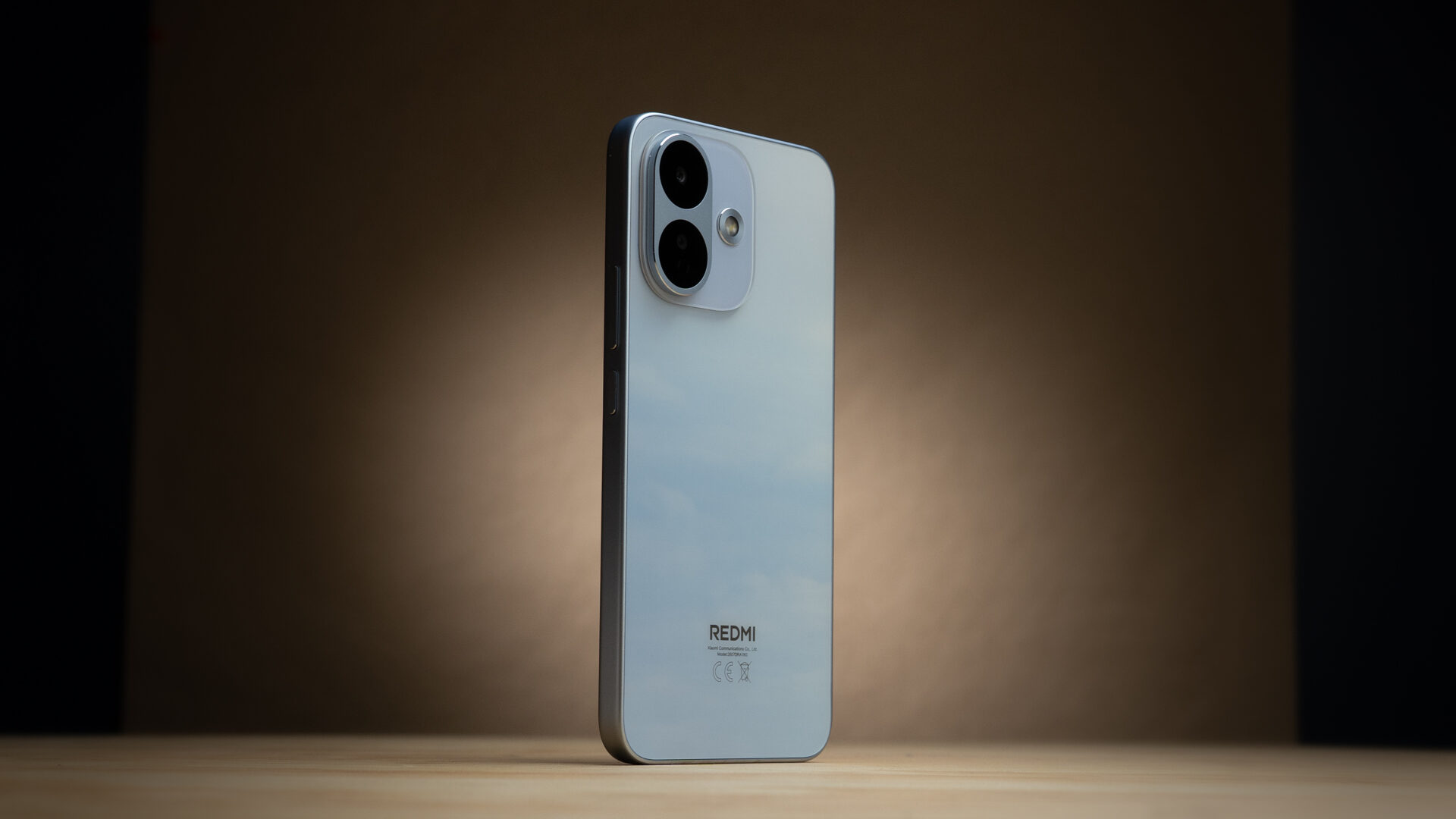


Affordable phones are the unsung heroes of modern living. Not everyone wants a smartphone, but almost everyone needs one. The problem with economy phones is that they often compromise on the things budget-conscious shoppers value most: durability and battery life. But Xiaomi has focused on these elements with the REDMI Note 17 Pro 5G.
As a large-format, pro-badged phone, it’s not the most affordable option on the market. But it is one of the most economical options for users who need a large screen, multitasking, and gaming capabilities. The balance of features and value comes with some unfortunate trade-offs, but overall it’s one of the most compelling Note-style phones for under $400. In an awkward twist, one of the few options I’d place above it is the Note 15 Pro.
The REDMI Note 17 lineup is the follow-up to last year’s Note 15. Why Xiaomi skipped the 16 is anyone’s guess, but the hardware changes are the really interesting part. The CPU and GPU have been downgraded; memory options now range from 6GB to 12GB instead of starting at 8GB; and the camera module has gone from 200MP down to 50MP, with a max video resolution of 1080p instead of 4K.
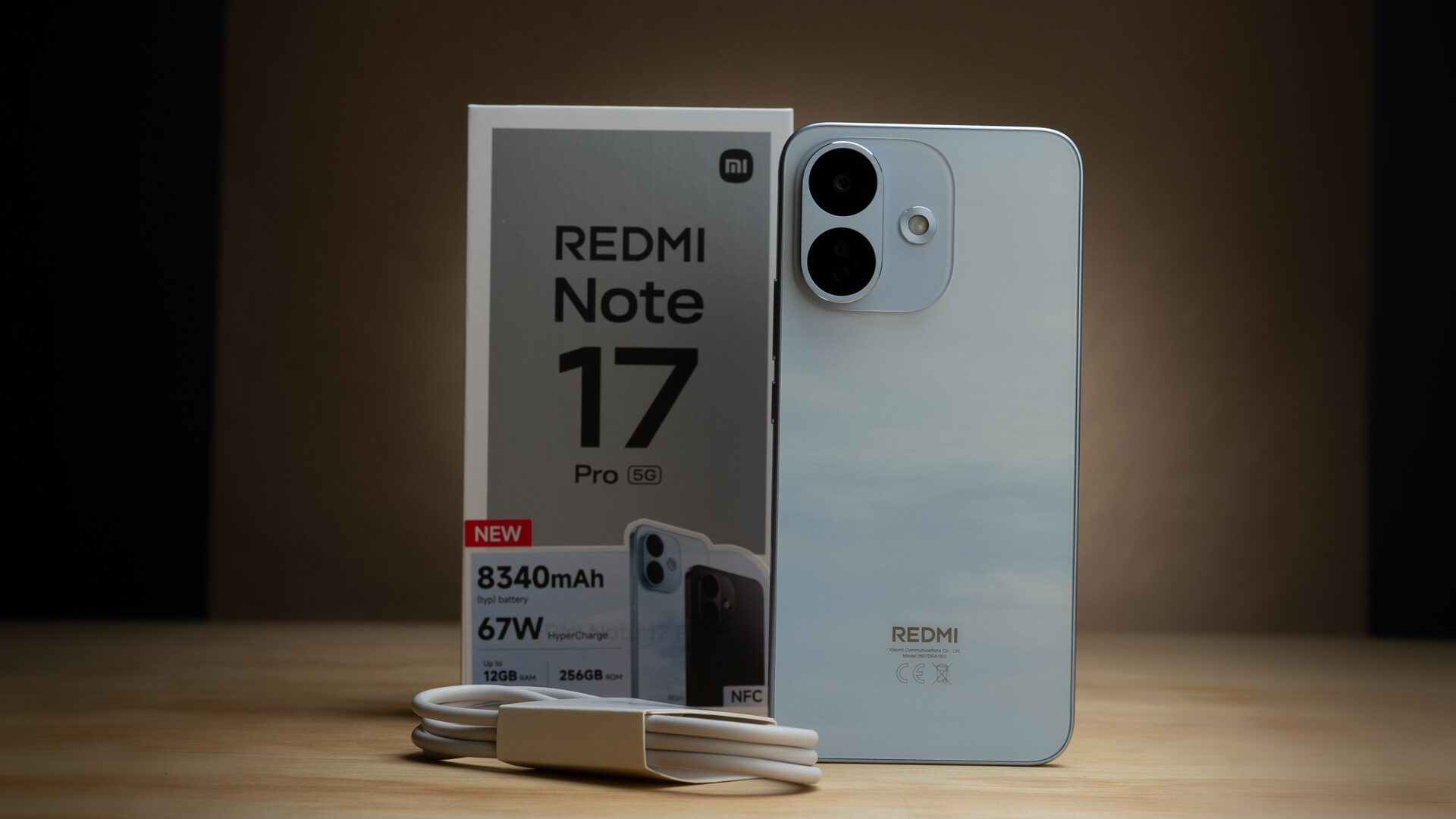
This is an upgrade that’s packed full of small steps backward; by the end of this review, you’ll be sick of me pointing them out. I can only guess, but I suspect these changes were cost-balancing measures that allowed Xiaomi to focus on the “Titan Quality” frame and the luxuriously large 8340mAh battery. The top-level Pro Max option upgrades the battery even further to 10,000 mAh, updates the memory from LPDDR4X to LPDDR5X, and opts for a slightly faster CPU.
“That said, Xiaomi has still packed a lot of power into this $399 phone.”
Battery aside, the reprioritization could also be the byproduct of the silicon shortage. Scaled-back products are something we’re all going to have to get used to. That said, Xiaomi has still packed a lot of power into this $399 phone. The new processor is a Snapdragon 6s Gen 4, which in my case is paired with 6GB of RAM. It’s a solid mid-range chip that’s capable enough for multitasking and doing some light video editing.
For everyday use, you won’t notice the performance dip from the lower CPU clock speed. If you do creative work, you’ll probably feel the step-down in memory, though. Timelines will need to recycle caches more often, and videos will take slightly longer to render. For switching between documents, multi-tab browsing, or tabbing through images, the Snapdragon offers more power than you’ll ever need. If you choose the Pro Max version, the Snapdragon 6S Gen 4 is replaced with the beefier Snapdragon 6 Gen 5.
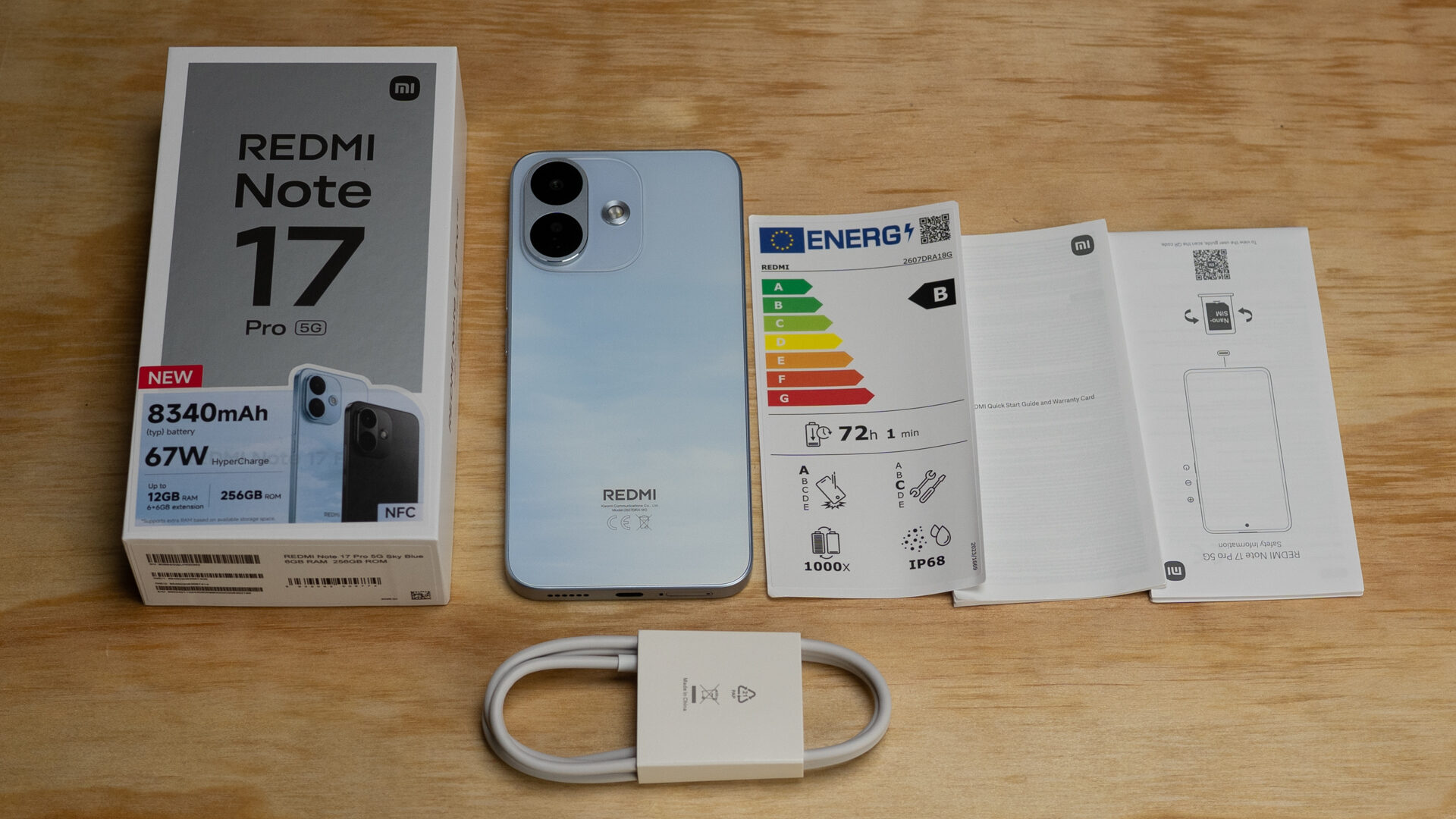
Gaming performance has also taken a hit. The old MediaTek Dimensity 7400 and its Mali-G615 MC2 GPU were a more powerful combo. The new Adreno 710 GPU is still pretty good—for the money. Games like Genshin Impact and Honkai: Star Rail will run smoothly with a mix of low and medium settings; Diablo Immortal will run at high resolution and medium image quality. All three titles have wiggle room, but gains will come at the cost of performance, most notably a hit to the recommended 30 fps framerate.
“If battery life and build quality are the most pressing items you look for in a phone, the REDMI Note 17 Pro 5G has a lot to offer.”
Whatever your game of choice is, it’ll look great on the 6.83″ 1.5K AMOLED display. The specs remain largely unchanged from last year, retaining the same 1280 x 2772 resolution and a screen-to-body ratio that’s just shy of 90%. Peak brightness has received a considerable boost, jumping from 3200 nits to 3500. For context, that’s brighter than the flagship iPhone. What makes this display truly impressive, though, is its ability to retain detail and color accuracy at max brightness.
I wish I could say the same about the audio, but the dual speaker system is merely serviceable. It’s decently loud, but the tone separation is not very good. There’s a cheap, tinny quality across the board that only gets worse as it gets louder. Once the volume boost kicks in, the quality starts to unravel, devolving into a muddy, rattly mess at 300% volume. This can be overcome with a good set of Bluetooth earbuds like the Creative Aurvana Ace Mimi. I wanted to use my wired Final VR3000 earbuds, but sadly there’s no audio jack. Curiously, the Note 17 Pro 5G uses Bluetooth 5.1 instead of Bluetooth 5.3 like its older counterpart.
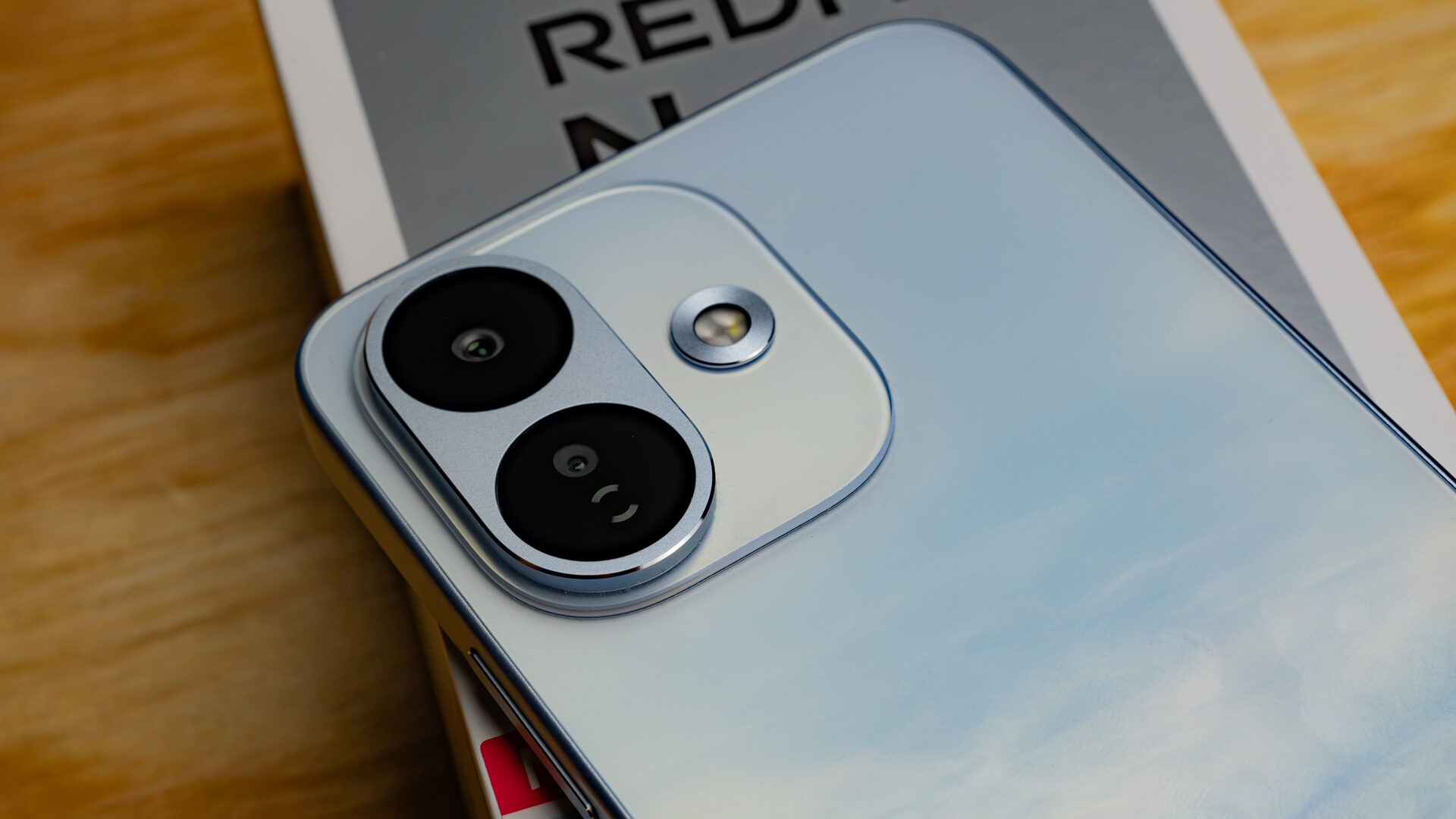
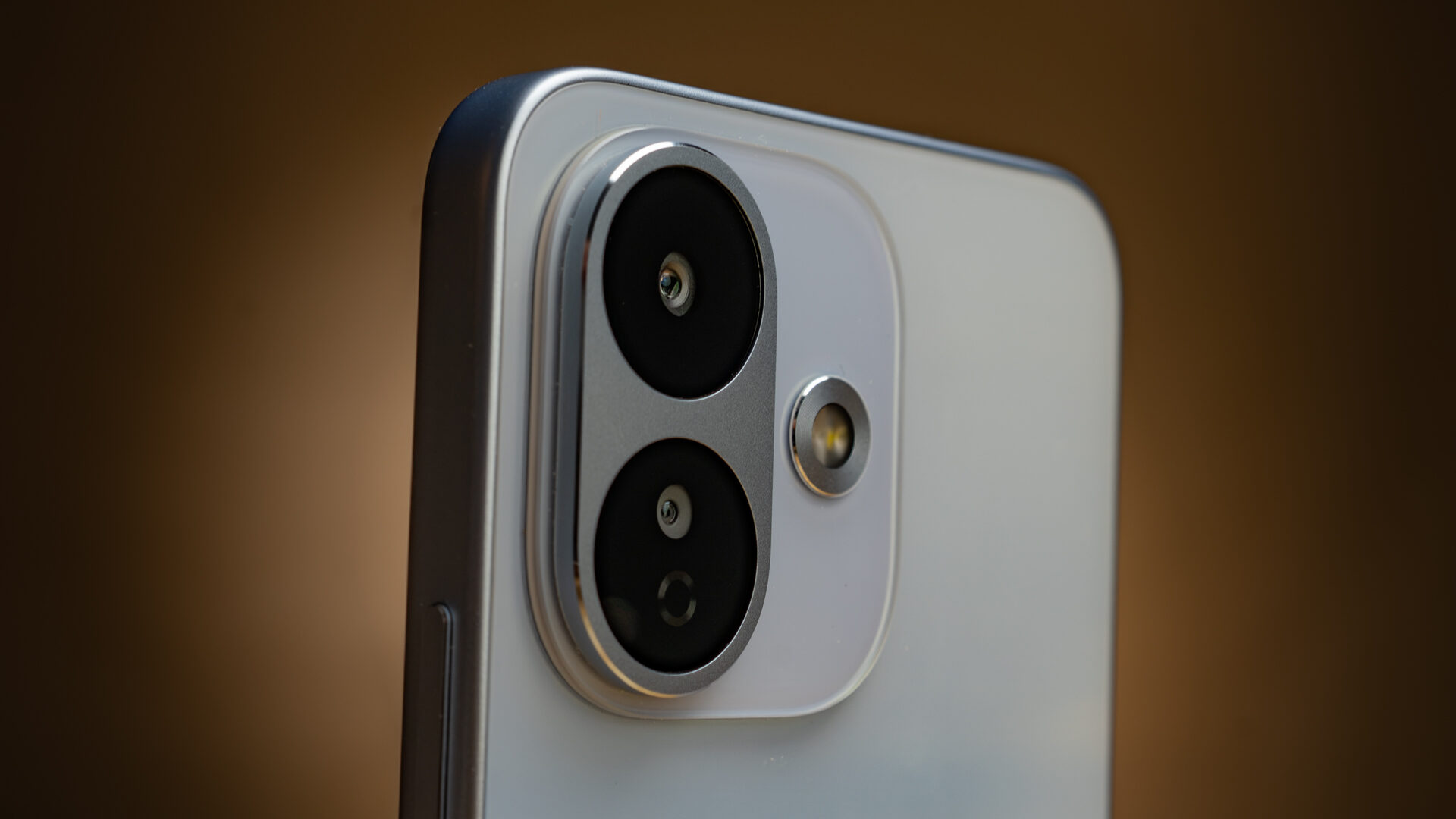
The camera module is the most substantial downgrade. Megapixels aren’t everything, but the main camera has dropped from 200MP to 50MP, which is no minor thing. There are benefits to using fewer, larger pixels, but we’re not really seeing them here. Overall, image quality is very similar to the 50MP camera on the Motorola Moto G Stylus, with some important distinctions. The REDMI has an exceptionally sharp lens, incredible macro capabilities, and no gaudy AI sharpening.
On the other hand, this camera is JPEG-only. If you want to rebalance an image or reduce noise, you’re out of luck. Which is a shame, because I found myself wanting to do both quite often. The image processing is inconsistent in how it handles shadows. Sometimes they’re aggressively lifted, introducing considerable noise; other times, they’re crushed into oblivion. What you see on the screen while shooting doesn’t always reflect which extreme the final image will lean towards.





Both the Pro and Pro Max pair the 50MP main camera with an 8MP ultrawide. The Pro Max uses wider apertures on both, at f/1.59 and f/2.2, respectively, compared to f/1.8 and f/2.4 on the Pro. But the biggest difference is the front-facing camera, which jumps from 16MP to 32MP. Image quality on the REDMI is much sharper than on the Motorola, and its portrait mode has some of the best subject detection I’ve used on a non-flagship phone.
The video offers no silver lining. Resolution is limited to 1080p at 30 fps with no option to stabilize. The phone it’s replacing had 4K at 30 fps and the option for 1080p at 120 fps. The inconsistent exposure problem is also amplified in recordings. The lights are still handled very well, rarely blowing out, but the dark curve is too aggressive, dragging sections of shadow that should be ok down into unrecoverable blacks. There aren’t many controls to help mitigate this.



I’ve spent the last 900 words having to awkwardly compare this phone to its superior predecessor. But as I said at the beginning, these adjustments were probably made in service of the revamped build quality and battery.
The “Titan Quality” frame is actually very impressive. Not everyone can afford to replace their phone. Having an affordable option that can withstand a 3-meter drop onto granite is a big deal. Having Gorilla Glass Victus 2 screen protection and IP69K weather resistance adds even more reassurance.
I didn’t mean to test these protections, but I did. I was taking pictures at my local fish ladder, which is housed in a stepped concrete dam. To get a shot of the fish jumping from the river into the little fish door, I held my phone over the observation point railing. In this vulnerable moment, a honeybee flew into my ear. One hand shifted to hold the railing, while the other attacked the intruder. No hand was left on the phone.
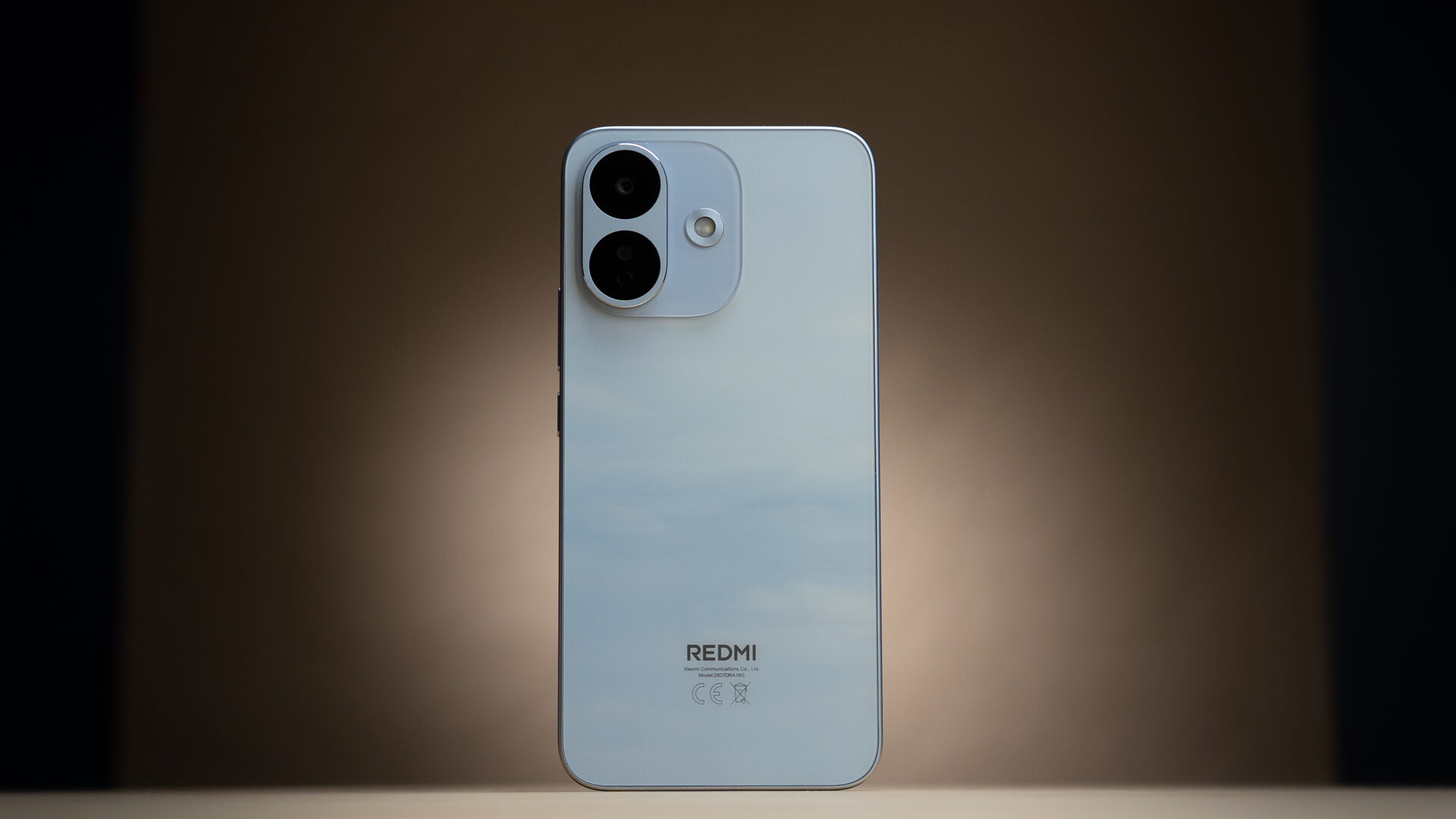
During the freakout, my dear sky-blue REDMI Note 17 Pro 5G fell more than 2 meters, bounced off solid concrete, and landed in the river. The rushing water pushed it past the rocks and into the muddy shallows. Two busloads of Chinese tourists stood in silence, watching me wade into the water to retrieve a phone that was surely broken.
“It’s the battery that steals the show, though. The Pro version we tested came with an 8340mAh battery that, with light use, can last multiple days.”
But there, caught in a tangle of driftwood and putrefied salmon corpses, I found it. Aside from the smell, it was completely fine. The camera app was still open, actively focusing on my horrified face. I held the phone above my head and assured the crowd that it had survived. One old man in fit-over glasses raised his cane in solidarity; no one else cared; they were there for the fish.
It’s the battery that steals the show, though. The Pro version we tested came with an 8340mAh battery that, with light use, can last multiple days. I’m a very light phone user; I mostly use it to check the time, send texts, and listen to music on walks. In my case, the battery lasted about 4 days. The battery on my Motorola Moto G Stylus usually lasts about 2 days. During testing, when I was using the phone more heavily, I was getting about a day and a half. But even then, I was charging it at the 20% mark, so I easily could have gotten a full two days.
The 67W HyperCharge takes a little over an hour to charge from empty. There’s also 27W reverse charging, which lets you fast-charge earbuds or partially charge someone else’s phone in a pinch.
One final thing before we wrap this up. If you’re new to Xiaomi phones, you’ll have to get used to their custom HyperOS Android build. Every brand has an Android system that’s a little different, but this one is not my favourite. HyperOS has the usual assortment of branded utilities and apps, all of which display full-screen ads. This is the only phone I’ve ever owned that’s had ads in the file manager, which is wildly off-putting.
If battery life and build quality are the most pressing items you look for in a phone, the REDMI Note 17 Pro 5G has a lot to offer. But if you’re looking for a budget-friendly upgrade to the Note 15 Pro or the Motorola Moto G Stylus, it’s tougher to recommend. Once the pros and cons are weighed, it would be a lateral move at best. I’m lukewarm on this one. There are similarly priced options with a better balance of features, but more importantly, Android builds that I would want to use. For the right price, this is a fine smartphone, but it’s not at the top of my list.