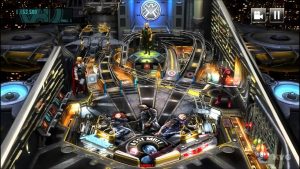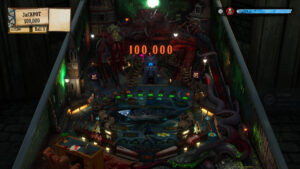



I had a bit of a sad revelation while playing Appulse, and that is: we really don’t get cool pinball games anymore. Sure, you still get games like Pinball FX that are just virtual pinball tables you pay for individually, but I’m old enough to remember when creative pinball-based video games were aplenty. Games like Kirby’s Pinball Land, Sonic Spinball, and, of course, Pokémon Pinball found ways to integrate their unique gameplay into a functional pinball experience.
To that end, Appulse is genuinely one of the most fun and most creative pinball experiences I’ve played in a long time. You’d think that if someone told you a game was a wave-based, twin-stick, roguelike pinball game, you’d assume they’d recently been hit on the head with a frying pan. However, this game combines all those elements in a way that is incredibly fun, seriously challenging, and completely irresistible.
“…Appulse is genuinely one of the most fun and most creative pinball experiences I’ve played in a long time.”
You’d think a game like this wouldn’t have a cohesive narrative, but Appulse defies expectations. Set in the distant future, Earth has become inhospitable; thankfully, a seemingly benevolent mega-corp called Vektor Dynamics has taken to space in search of a cosmic anomaly known as the Elysium Event. However, mechanized aliens known as the Iron Accord are attempting to thwart humanity’s last chance at salvation.
Players take control of an armed spherical drone known as a T1LT-UNIT, charged with defending the fleet while they search the cosmos. Thankfully, each Vektor Dynamics ship is conveniently designed to replicate a pinball machine, which perfectly accommodates the T1lT-UNIT’s design. You might think this is silly video game logic, but it is really clever how Appulse weaves the pinball mechanics into the meta-narrative.
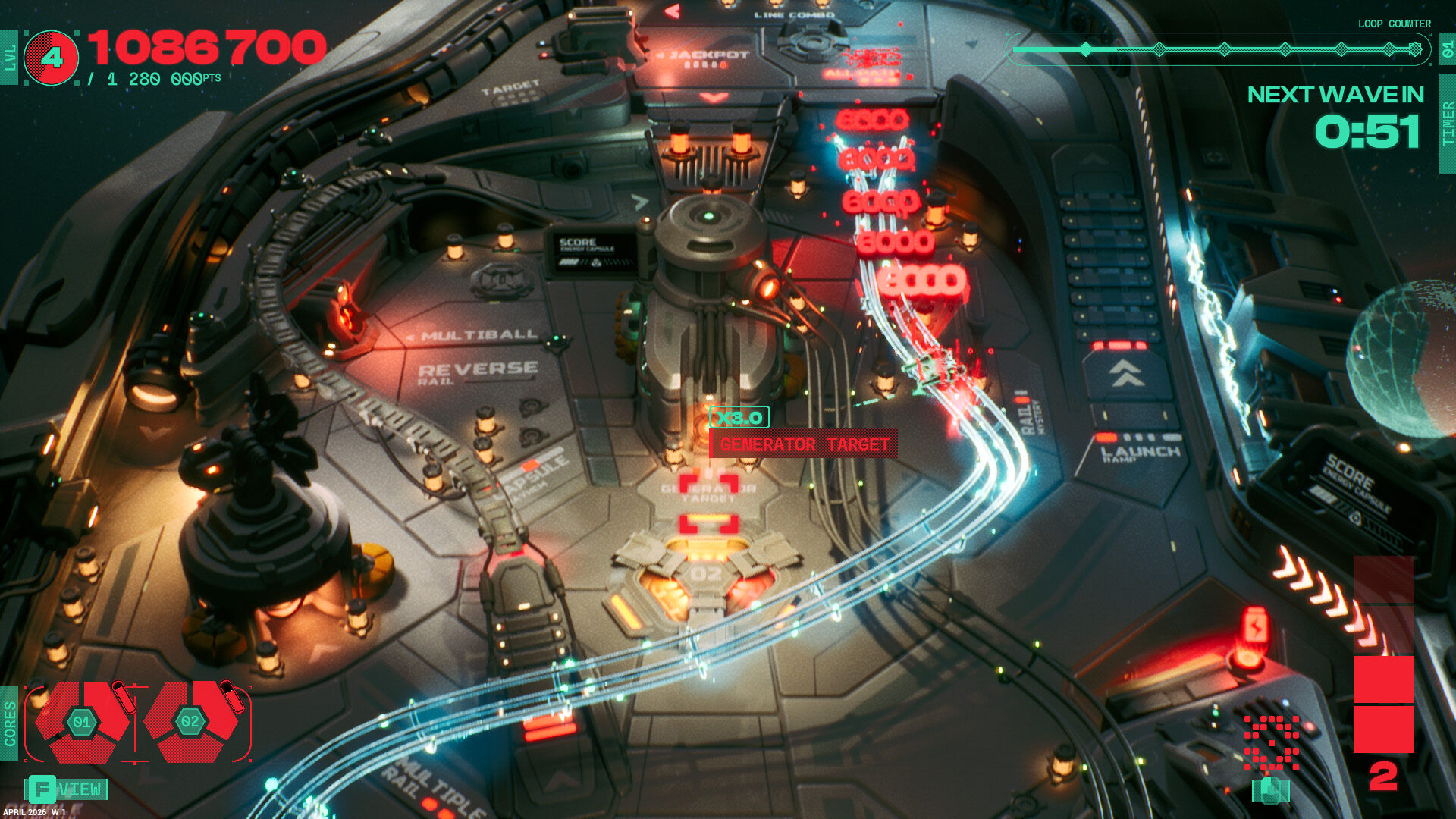
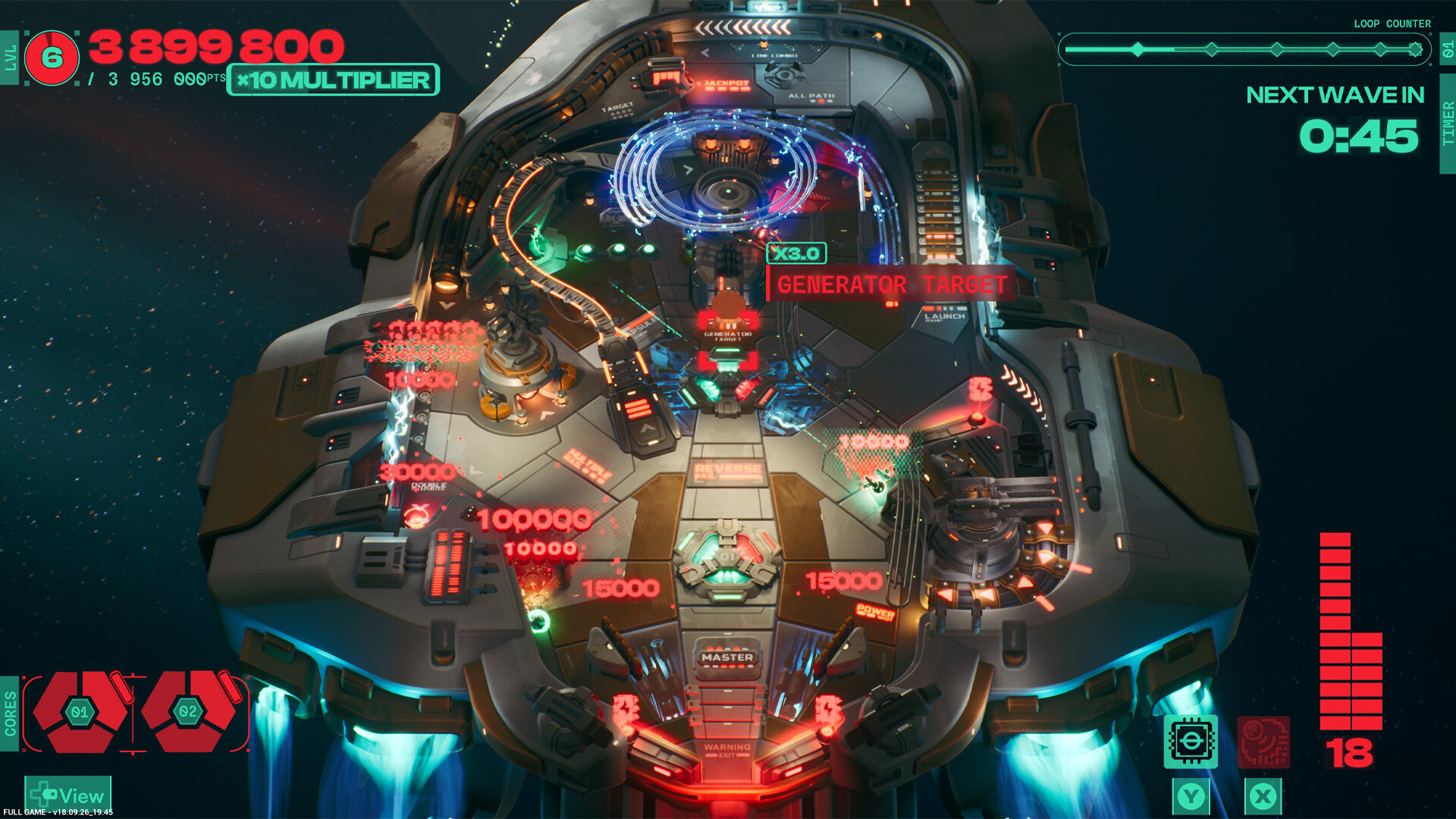
This carries over into the gameplay, which, as I stated above, is what really sets Appulse apart. Players must smash through fuel cells that appear on each ship (or table) to earn points, which effectively act as experience. When players earn enough, they’re rewarded with upgrades to the UNIT—usually a weapon first, followed by subsequent level-ups that are usually buffs. Each weapon adds a unique dynamic to the ball’s physics, as shots can slightly alter its momentum and trajectory.
“Appulse is genuinely one of the most fun and creative games I’ve played in a while, and another ringing endorsement for the indie scene.”
As players are given small objectives on each new ship, they can utilize this mechanic to hit specific switches or targets, gain an extra boost up rails or through tunnels, and maximize their effectiveness across each board. And players are going to need to, since interspersed with these “score phases” are enemy waves in which players must utilize the UNIT itself to smash through Iron Accord enemies, as well as their weapons to stop them from destroying each ship’s energy core.
However, it’s not as simple as just pinball run-and-gun. Players have limited ammo and can only refill their clips by hitting the ball with one of the flippers. Appulse leans further into its pinball inspirations rather than its twin-stick shooter ones, and requires players to become literal pinball wizards—commanding control of the table and using its distinct nooks, crannies, shortcuts, and secrets to handle each wave as they become increasingly more challenging. When it starts rolling, it becomes unbelievably fun, combining the technicality and reflexes needed for pinball with the strategic movement and planning needed for a twin-stick shooter.
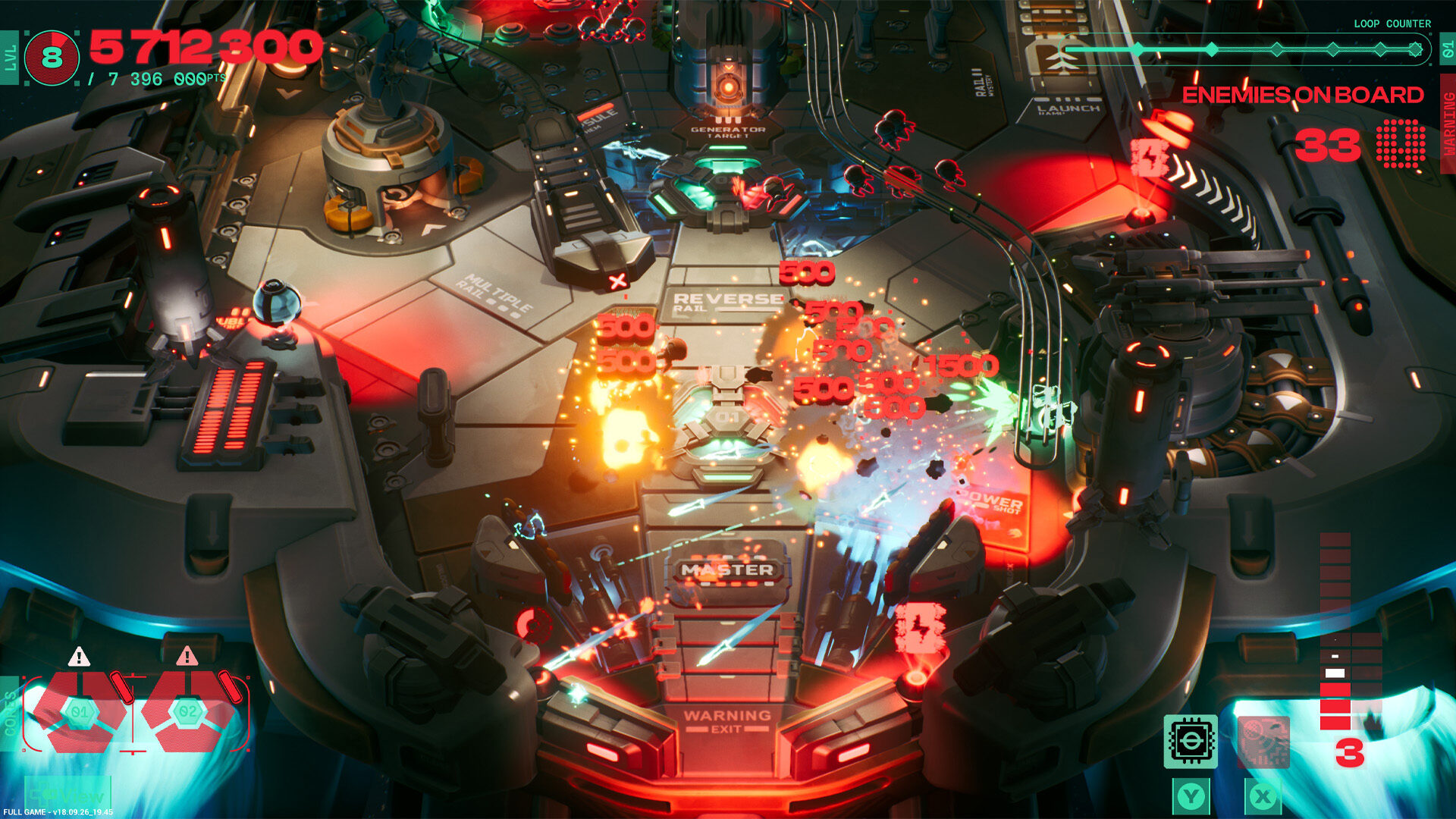
However, true to its roguelike sensibilities, Appulse gets even better the more you play. New ships aren’t the only things you unlock as you progress through the story. The points you earn during each run can be spent on permanent upgrades, including new weapons, power-ups, sub-weapons and even additional ships. This adds another layer of customization to the gameplay, allowing players to tailor the experience to their pinball skill level, whatever that may be.
Appulse’s visual design perfectly complements the gameplay, creating a futuristic atmosphere that combines the technological and cybernetic aesthetics of a spaceship with the form and function of a pinball table. Rails, wires and flashing lights come together in a way that feels entirely believable. The metallic backgrounds of each ship are complemented by bright neon lights and iconic pinball sound effects, giving the game a lighter, more playful tone that embraces its arcade roots. Tying everything together is an excellent techno soundtrack that keeps the experience exciting and pulse-pounding.
Appulse is genuinely one of the most fun and creative games I’ve played in a while, and another ringing endorsement for the indie scene. It takes a combination of elements that you’d honestly think wouldn’t work together and seamlessly blends them into an experience that is fun and keeps you coming back for more. If you’re like me and long for the days of creative pinball, you should definitely check this one out!