

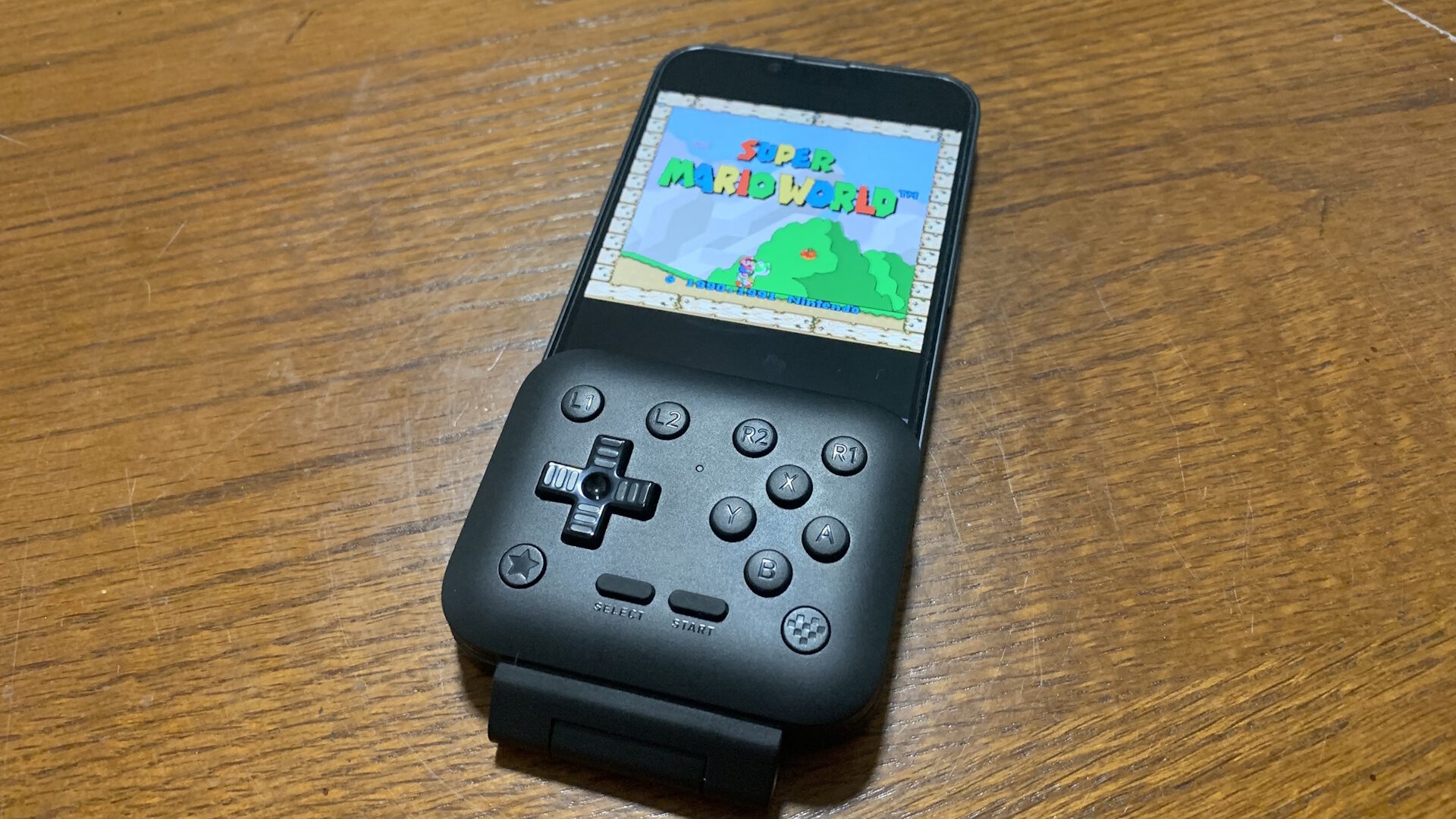
The phone in your pocket can now draw more images every second than most televisions are able to show. That change did not arrive with much fanfare, yet it has reshaped how mobile games look, move and feel. Faster displays, stronger chips and smarter animation tools have all pulled in the same direction.
What Refresh Rate Actually Means
A display’s refresh rate is the number of times it redraws the screen each second, measured in hertz. At 60Hz, a new frame appears roughly every 16.7 milliseconds. At 120Hz, that window shrinks to about 8.3 milliseconds. The difference sounds tiny, but the eye notices it quickly, especially during fast scrolling or quick camera turns.
For games, the benefit goes beyond looks. A faster screen can show the result of a touch sooner, which makes controls feel more direct. That is why high refresh rates became a headline feature on phones built for play.
Screens are only one part of the chain. Touch sensors also report finger movement at higher rates on gaming phones, with some models advertising sampling in the hundreds of hertz. Together, a quick display and a quick touch layer shorten the gap between a tap and the action on screen.
How 120Hz Reached Phones
Tablets and gaming phones led the way. Apple introduced its ProMotion display on the iPad Pro in 2017, and the Asus ROG Phone II brought a 120Hz screen to a gaming-focused handset in 2019. Samsung’s Galaxy S20 line followed in 2020, helping move the feature into the mainstream.
Apple then added ProMotion to the iPhone 13 Pro in 2021. Its screen could change speed on the fly, dropping low to save battery and rising to 120Hz when the content demanded it. That adaptive approach, often built on LTPO display technology, is now common on flagship phones.
Animators Face a New Standard
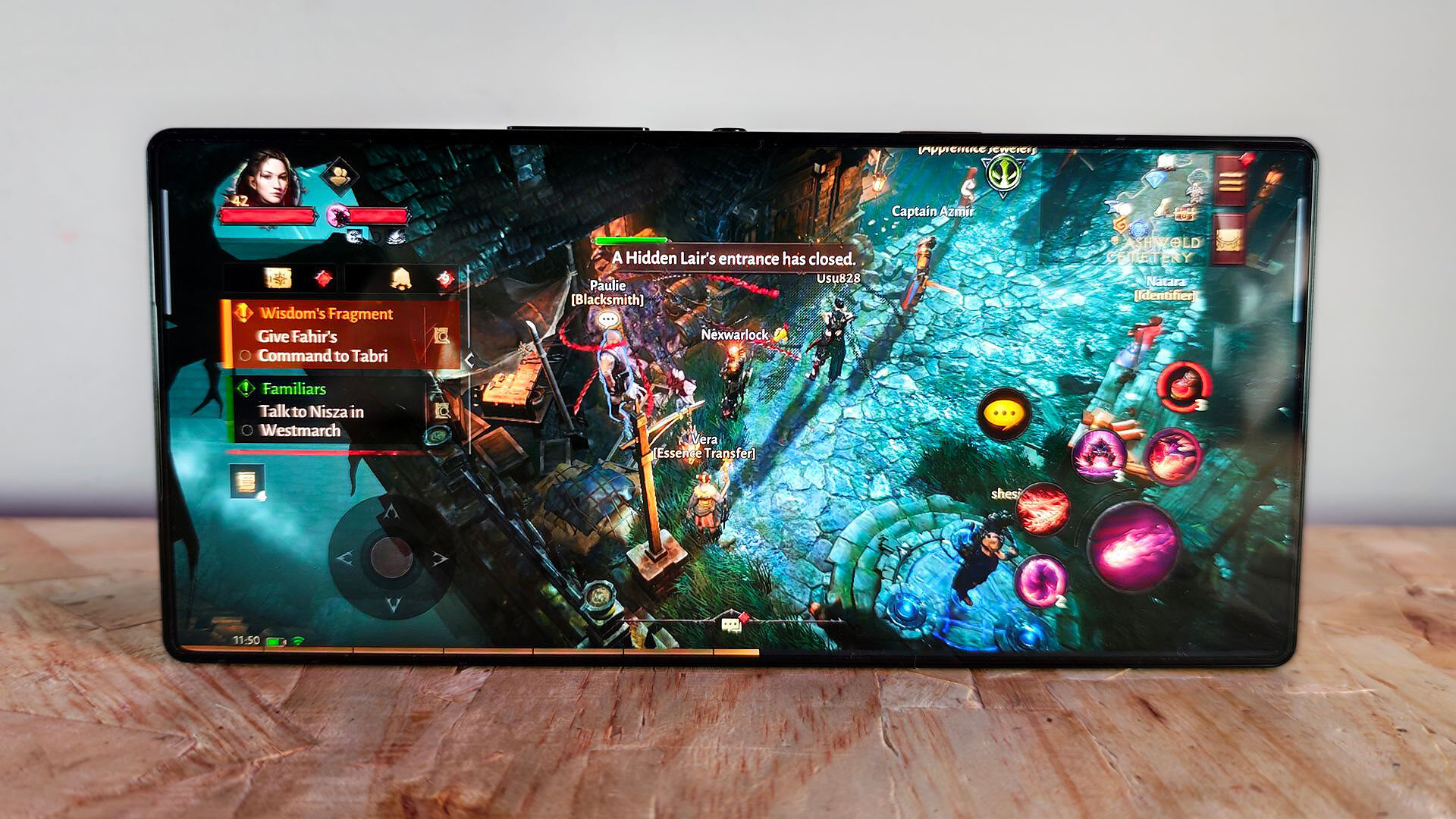
Smoother screens made weak animation easier to spot. A simple walk cycle that looked fine at 60Hz can seem choppy when the display is capable of twice as many frames. Studios responded by building characters with more in-between frames and more careful timing.
Many teams now use skeletal animation, where artists build a character from a set of bones and let software calculate the motion between key poses. This approach keeps file sizes small while producing fluid movement. It also lets one character scale cleanly from a small phone to a large tablet without losing sharpness.
Weight and momentum matter just as much. When a character lands from a jump or a menu glides into place, the motion needs to feel natural. Designers spend a lot of time tuning easing curves, which control how an object speeds up and slows down.
Sound and haptics are part of the same effort. A well-timed vibration or sound effect can make a landing or a collision feel solid, and designers now line these up with the visuals frame by frame so everything arrives together.
Chips Close the Gap With Consoles
None of this works without processors that can keep up. Qualcomm’s Snapdragon 8 Gen 2, released in late 2022, added hardware-accelerated ray tracing to Android flagships. Apple followed with the A17 Pro in the iPhone 15 Pro in 2023, which brought the same kind of feature to its chips.
Those advances help titles such as Genshin Impact and Call of Duty: Mobile deliver detailed lighting, large environments and fast action on a handheld screen. A decade ago, that level of visual ambition on a phone would have seemed unrealistic.
Heat, Battery and Smart Compromises
Power is only half the story. Pushing a chip hard creates heat, and phones respond by slowing down to protect themselves, a behaviour known as thermal throttling. Manufacturers fight it with larger vapour chambers, better thermal paste and software that manages workloads carefully.
Developers help too. Many games let players pick between a smooth 120 frames per second and a lower setting that saves battery. Adaptive resolution is another tool, quietly lowering the number of pixels drawn during intense moments to hold the frame rate steady.
Players have started to notice the trade-offs as well. Phone reviews now regularly test how long a device can hold a high frame rate during a long session, because a fast chip that overheats after ten minutes is less useful than a slightly slower one that stays steady.
Two-Dimensional Art Still Thrives
High-end 3D is not the only beneficiary. Polished 2D art has benefited from faster screens as well. Puzzle games such as Monument Valley depend on graceful movement, and the same is true of card, casual and online slots apps, where layered sprites, particle effects and quick transitions all need to run smoothly on a small display.
Where Mobile Visuals Go Next
The gap between phones, tablets and consoles keeps narrowing. As chips become more efficient and displays more adaptive, developers gain more room to experiment with lighting, animation and detail. The lesson from the last few years is simple: when hardware raises the bar, art and design rise to meet it.