
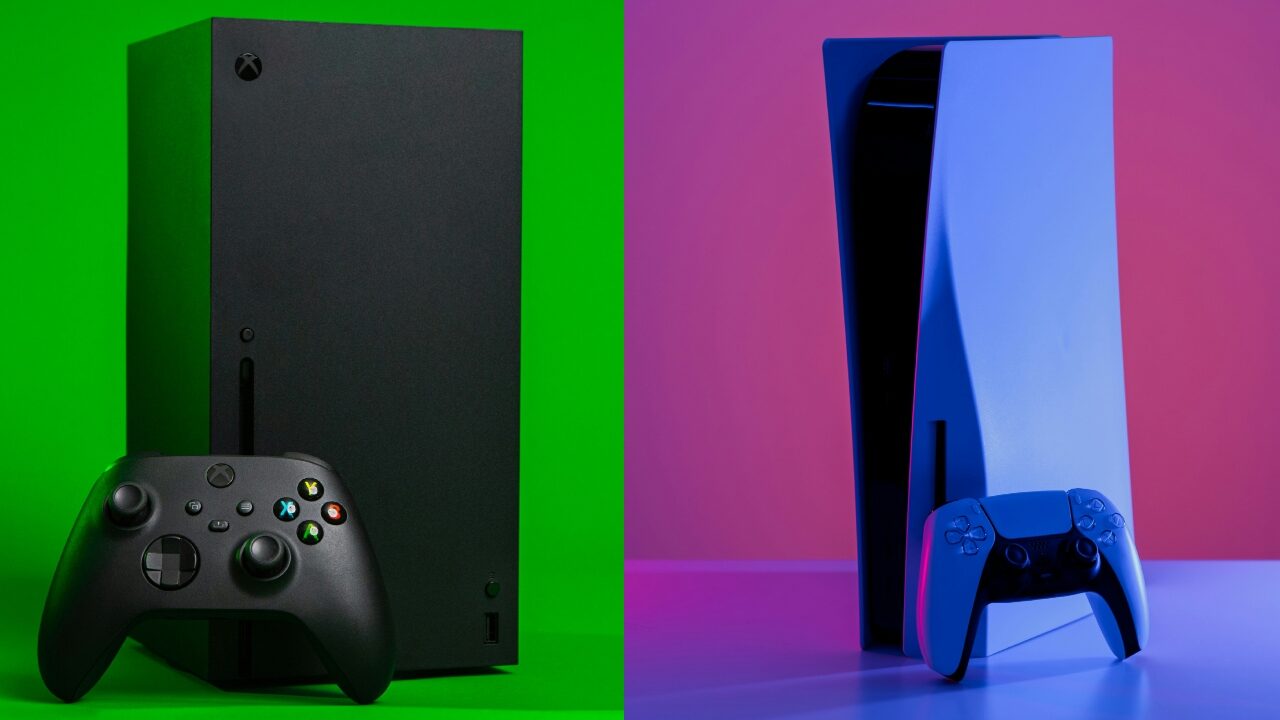
One of the biggest decisions any video game enthusiast used to face was choosing between PlayStation, XBOX, or Nintendo. However, the industry is changing the rules of a competition that once seemed set in stone. Today, exclusives are no longer just a way to sell hardware. They have also become a tool for attracting subscribers, strengthening digital stores, and keeping players within specific ecosystems. It is a transformation that is changing the way we buy, access, and enjoy video games.
A Strategy That Has Shaped Generations
To understand what is happening, we need to remember how the market worked just a few years ago. Sony relied on franchises such as God of War, Uncharted, and The Last of Us to make PlayStation a must-have console. Nintendo did something similar with Mario, Zelda, and Pokémon, while Microsoft tried to set XBOX apart with Halo, Gears of War, and Forza.
If you wanted to enjoy certain video games, you had to buy a specific console. It didn’t matter whether you owned another device that was technically capable of running them, because commercial decisions created barriers that players simply couldn’t overcome.
And the truth is that exclusives have always served a fairly clear commercial purpose: offering something that competitors cannot provide under the same conditions. This approach has gradually spread to different digital markets, including streaming services and sectors such as online casino slots, where platforms also try to stand out through their game libraries. Of course, distribution strategies and commercial agreements do not necessarily work in the same way across all these sectors.
XBOX and Its Changing Strategy
Microsoft is one of the clearest examples of this transformation, although its recent approach shows that the change is not simply about abandoning exclusives. The company has focused on bringing much of its game library to different devices, supported by services such as Game Pass and features like XBOX Play Anywhere, which allow players to access certain games and share their progress between consoles and Windows PCs.
The next generation of XBOX also reflects this philosophy. Project Helix, the provisional name for its new hardware, is designed to run both console games and PC titles. The goal is to break down barriers between devices without sacrificing the traditional console experience.
That said, Microsoft doesn’t seem ready to say goodbye to exclusives altogether. In 2026, it reinforced this strategy by keeping titles such as Gears of War: E-Day and Clockwork Revolution within its console ecosystem, while continuing to release other games across multiple platforms. We are therefore looking at a more flexible model. Some games are used to differentiate hardware, while others aim to reach as many players as possible.
Digital Stores Enter the Competition
But this transformation goes far beyond XBOX and PlayStation. PC gaming, traditionally considered a more open environment, has also become the setting for intense commercial competition. Steam and the Epic Games Store are two of the biggest players in this market. Here, exclusivity can depend on the store selling a video game rather than the device needed to run it.
Epic has used exclusive distribution agreements and incentive programs to attract developers to its platform. As a result, a game may run perfectly well on any compatible computer but remain available through only one digital store for a certain period.
The difference might seem small, but its consequences are significant. Companies are competing for registered users, purchases, digital libraries, and long-term customer relationships. For developers, these agreements can provide additional revenue or better distribution conditions. For players, however, they may mean having to use several different applications to access their favourite titles.
Subscriptions Are Creating New Exclusives
Another major change comes from subscription services, which are taking this competition into an area where buying a video game is no longer always the main priority. This is where services such as XBOX Game Pass, Apple Arcade, and Netflix Games come into play, although each operates somewhat differently.
Apple Arcade offers a catalogue of games through a recurring subscription, including original titles and versions adapted specifically for the service. Netflix, meanwhile, has added more than a hundred exclusive mobile games for its subscribers, without advertisements or additional in-game purchases. What makes this particularly interesting is that access to certain content may depend on maintaining an active subscription, even when the device itself is perfectly capable of running those games.
This significantly changes the relationship between consumers and platforms. In the past, we bought a console to access a library of video games. Now, we can also choose a service based on its catalogue, its benefits, or the possibility of enjoying certain titles without purchasing them individually.
A New Battle for Players
The future of gaming appears to be heading toward a market where different business models will coexist. Some companies will continue to rely on major exclusive titles to sell hardware, others will focus on expanding their presence across different devices, and some will use their game libraries to promote digital services.
And perhaps this is the biggest difference compared with the past. For years, the main question was which console we needed to play our favourite games. Now, it also matters where we buy those games, which services we use, and how much of our library we can keep when switching platforms.