


Modern video games are redefining accessibility, moving beyond optional settings to make inclusive design a development standard. These features empower a broader audience to enjoy interactive experiences, reflecting a shift in how the industry perceives player needs. The evolution of accessibility is not only about compliance but also demonstrates the medium’s growing maturity and awareness.
Accessibility now stands as a critical aspect of game development, ensuring players can participate regardless of their unique requirements or environments. The increasing attention from developers and platform holders has resulted in more thoughtful options to support physical, sensory, and cognitive diversity in gameplay. A typical Rapreviews review may comment on the ways games adapt to different player expectations, highlighting why accessibility features matter to both the industry and the global gaming community. This article examines the key trends driving accessibility advancements and clarifies what these improvements mean for you as a player in today’s gaming landscape.
Understanding accessibility across modern gaming experiences

Accessibility in modern video games covers a complex spectrum of design choices intended to make play possible and enjoyable for more people. This means supporting motor accessibility, such as providing control schemes that work for players who use alternative input devices or require modified button mapping.
Visual accessibility addresses players with impaired sight, enabling them to navigate menus and game worlds through scalable fonts, contrast modes, and screen reader compatibility. For auditory accessibility, games increasingly offer high-quality subtitles, speaker tags, and options for fine-tuning sound cues.
Cognitive and situational accessibility are also essential. Games provide variable challenge settings, simplified interface layouts, and clear tutorial paths to help players of differing abilities and backgrounds engage successfully. Each aspect ensures more players find the experience approachable and rewarding.
The driving forces behind new accessibility standards
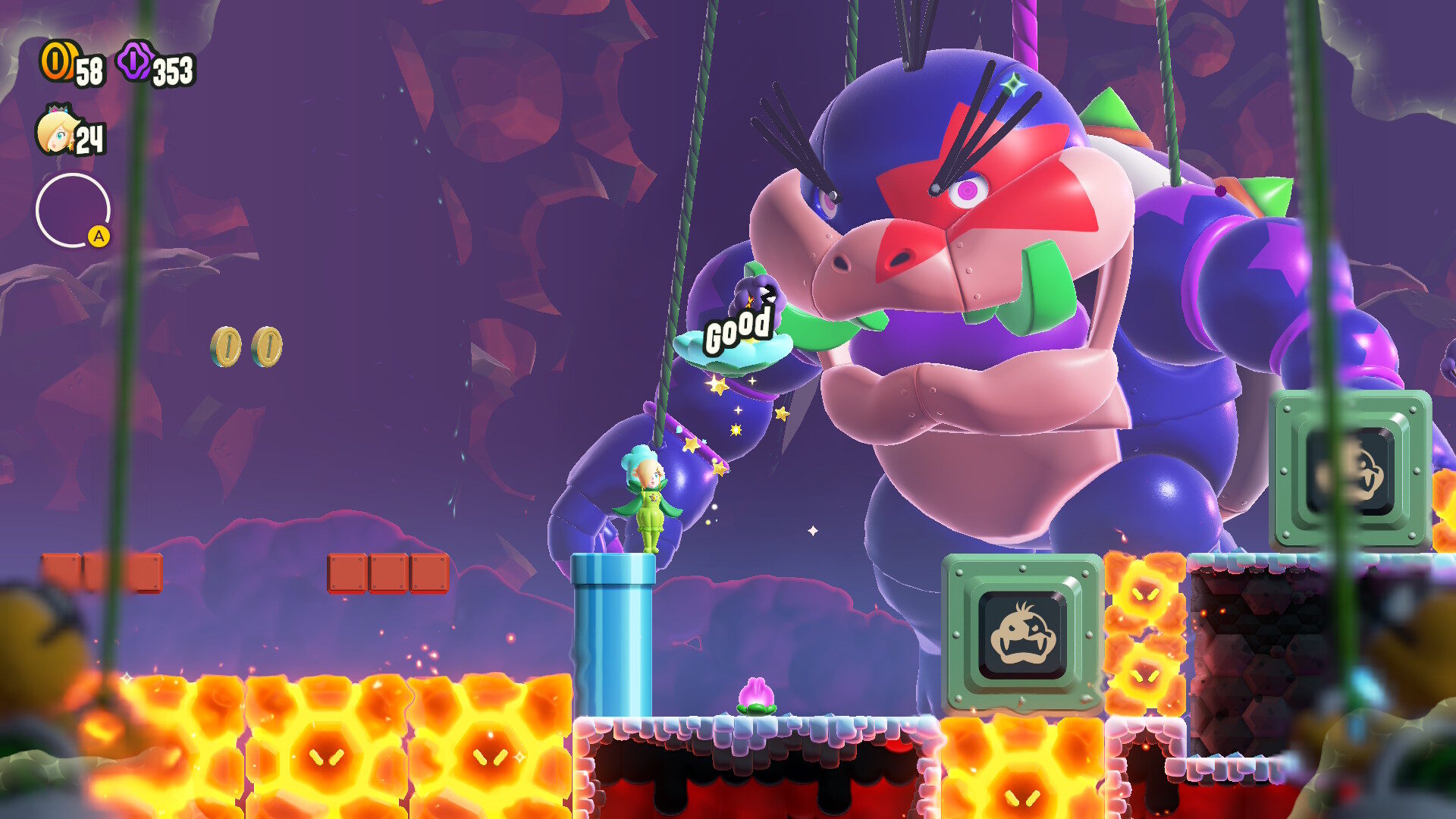
Several factors have accelerated the adoption of comprehensive accessibility standards among game studios. Improved development tools now make it more practical to build sophisticated support directly into the design process, rather than relying on patches or updates after release.
Industry best practices and platform-level guidelines have spurred a cultural shift, as developers recognize the impact wider access can have on audience size and engagement. As gaming reaches a global population, expectations have changed: modern players anticipate inclusivity and expect adjustable settings regardless of the type of game or platform.
Competitive pressures, along with frequent feedback from communities, are shaping how studios prioritize features like control remapping and visual clarity. Today’s conversations around accessibility often focus on treating these adjustments not as extras, but as baseline comforts for everyone.
A closer look at typical accessibility options offered

When you start a contemporary video game, you are likely to encounter a range of customizable features aimed at improving usability. Control remapping allows players to adapt layouts for personal comfort, whether that means switching key functions, adjusting joystick sensitivity, or activating assistive toggle and hold modes.
Readability improvements play a significant role in modern UI design. Many titles offer scalable fonts, customizable text backgrounds, and high-contrast visuals for clarity under varied lighting conditions. In addition, visual settings can support colour blindness through tailored palettes.
Audio support continues to evolve rapidly: detailed subtitles, speaker identification, and flexible volume sliders contribute to a more inclusive audio experience. Many developers also provide multiple subtitle sizes and levels of descriptive captioning, supporting both hearing-impaired players and those gaming in noisy environments.
Assist options such as adjustable difficulty, timing windows, and in-game hints give users a choice in how they navigate obstacles. Rather than diminishing the sense of achievement, these options underscore the idea that accessibility features are central to respecting player agency.
Innovative design and the role of player onboarding

Modern titles now treat accessibility as an integrated design philosophy, not a checklist. Developers consider how onboarding, in-game feedback, and fail states can be crafted to avoid frustration for all players, ensuring information is clear and supportive from the first moments of play.
This approach aims to prevent unnecessary barriers, such as ambiguous prompts or repetitive failure loops, that could discourage new or differently abled players. By prioritizing early explanation and reducing friction in accessing settings, studios make accessibility more visible and actionable.
Games increasingly communicate their accessibility offerings through intuitive menus, presets, and step-by-step onboarding flows. This transparency equips you to customize your experience quickly, making it easier to focus on play rather than troubleshooting barriers.
On the horizon, further improvements such as unified accessibility tags for storefronts, specialized playtesting groups, and wider support for nontraditional input devices are poised to push standards even higher. The direction is clear: as accessibility grows, everyone benefits from more thoughtful, flexible game design.