
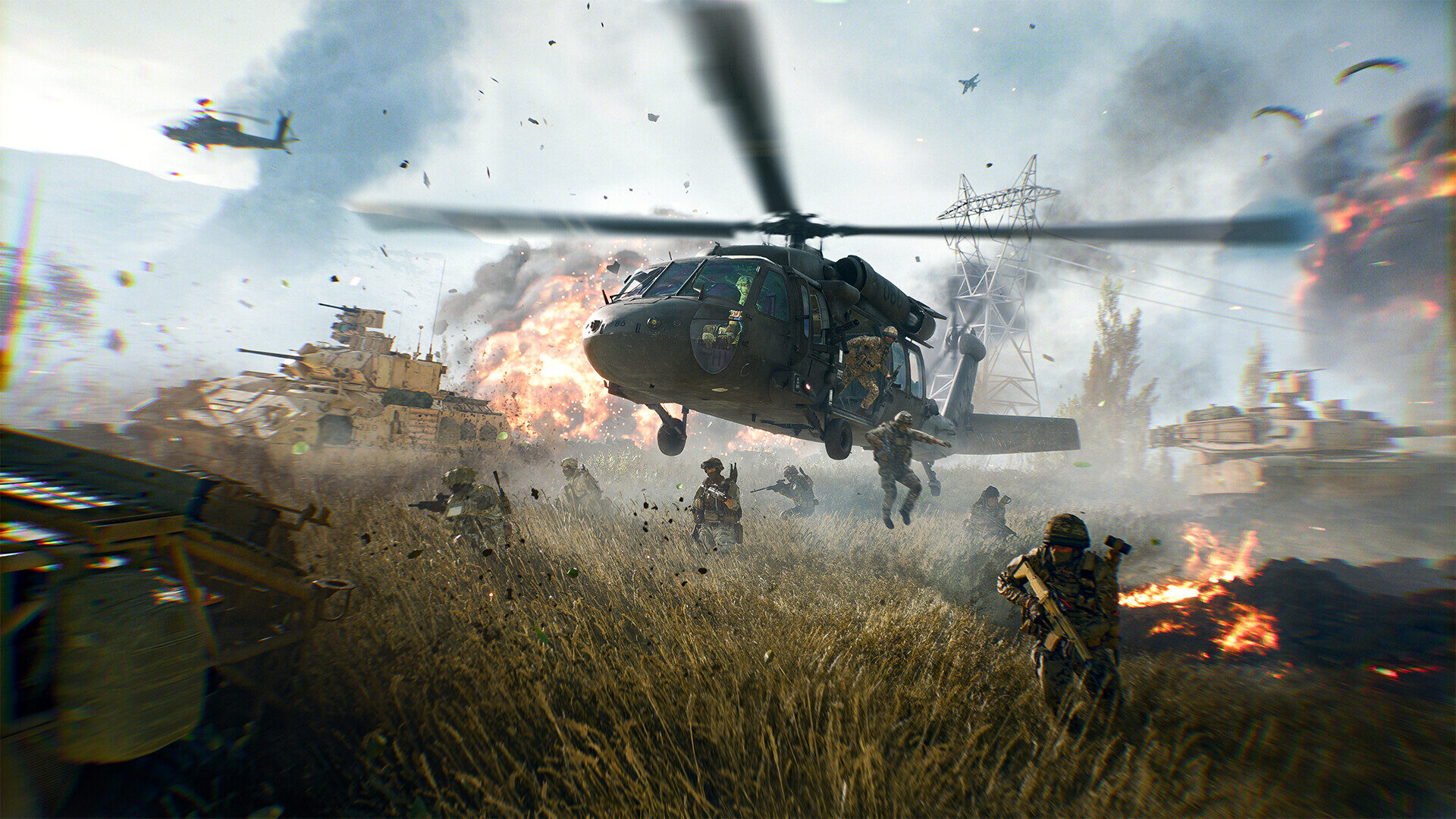
Live-service games often ask old players to return without giving them a strong reason. There may be another battle pass, several new skins, and a short event built around familiar challenges. That might keep regular players busy, but it rarely convinces someone to reinstall a game after months away. Battlefield 6 Season 4 takes a better approach.
It brings back naval warfare, adds the game’s largest map, improves older systems, and spreads major content across three months. More importantly, it feels built around what many players said was missing from the game. The early response suggests that worked. After Season 4 launched, Battlefield 6 reached 81,745 concurrent Steam players, its highest peak in five months.
It Brings Back Something Players Actually Missed
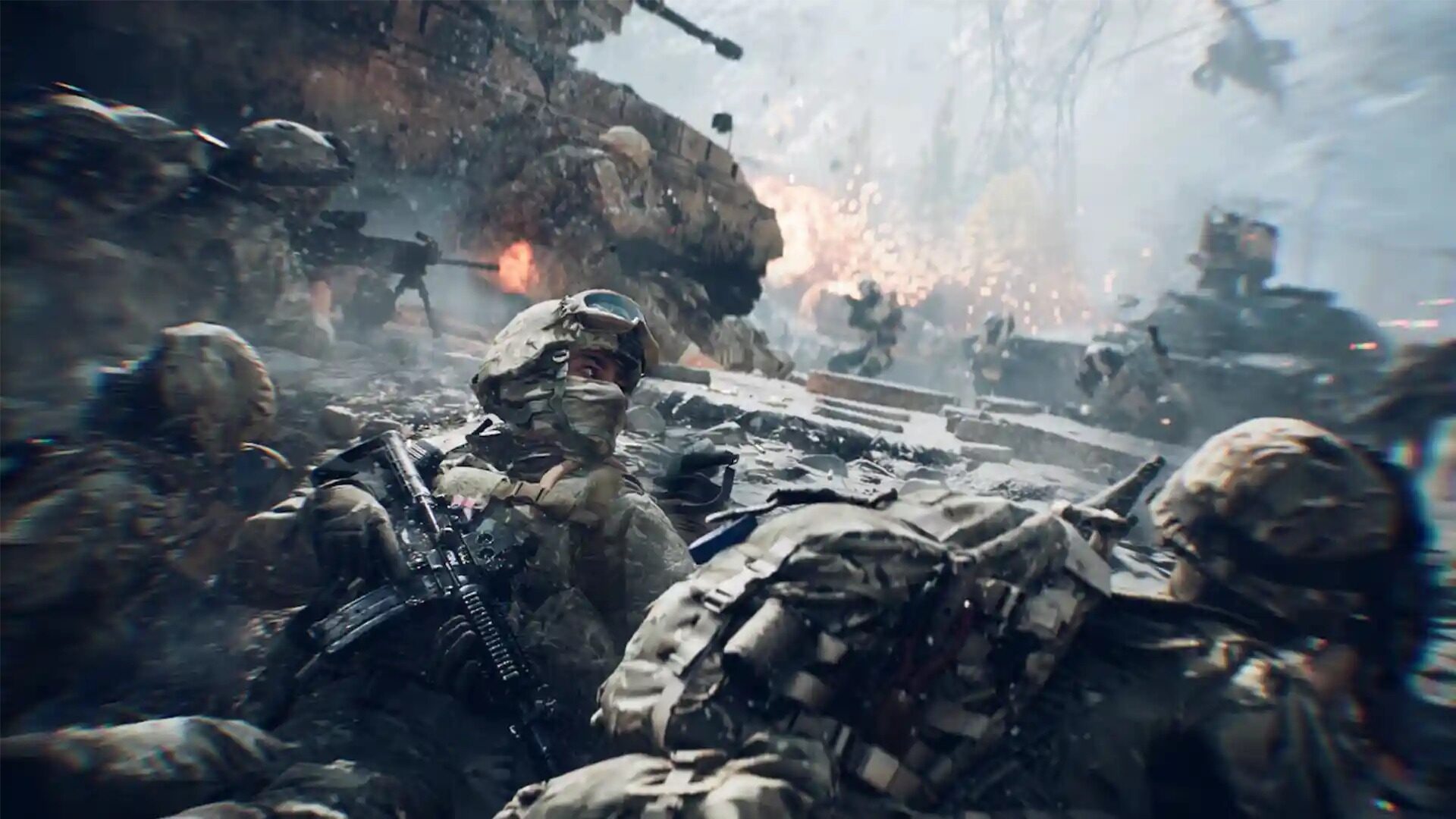
Season 4 does not lead with another small infantry map or cosmetic bundle. Its first phase, Pacific Front, brings naval warfare back into the main multiplayer game. Players can now fight across land, air, and open water on Tsuru Reef, the largest map added so far. Tsuru Reef includes island chains, cliffs, a luxury resort, military bunkers, and large areas of open ocean. That space allows boats, helicopters, aircraft, ground vehicles, and infantry squads to affect the same match.
The new dynamic wave system also makes water more than empty space between two points. Waves can block sightlines, affect boats, move floating gadgets, and change how players approach enemies near the shoreline. Bullet penetration through water depends on weapon calibre, while underwater explosions and boat wakes can affect nearby action. Players can even drag and revive squad members while swimming, which helps naval fights feel connected to normal squad play.
The First Session Back Gives Players Something Useful
Returning to a live-service shooter can feel rough when every menu shows missed weapons, expired rewards, and unfinished progression. Season 4 avoids some of that pressure by giving players three new weapons through its launch content. These include the EF88 assault rifle, BROD 3 carbine, and suppressed VSSM marksman rifle.
Each weapon fills a clear role rather than feeling like another small stat change. The EF88 suits controlled mid-range fights, while the BROD 3 supports aggressive close-range movement. The VSSM offers quiet shots, subsonic ammunition, and a full-auto option for skilled players.
Progression is also much faster than it was during the first season. Players now move through the Battle Pass about 2.5 times faster on average. Primary weapon attachments also unlock roughly 50% faster after changes to Hardware Mastery. That is a smart decision because old players do not want their first evening back swallowed by slow unlocks. They want to try the new content while their interest is still fresh.
This same idea appears elsewhere in digital entertainment, where platforms use an early reward to lower the cost of joining. Online gaming use welcome bonuses for that purpose, although deposit rules, wagering, and withdrawal limits can change their real value. Players comparing those offers can check Casino Crest’s top-rated casino welcome offers before choosing one from a large promotional number alone.
Season 4 Does Not Spend Everything on Launch Day
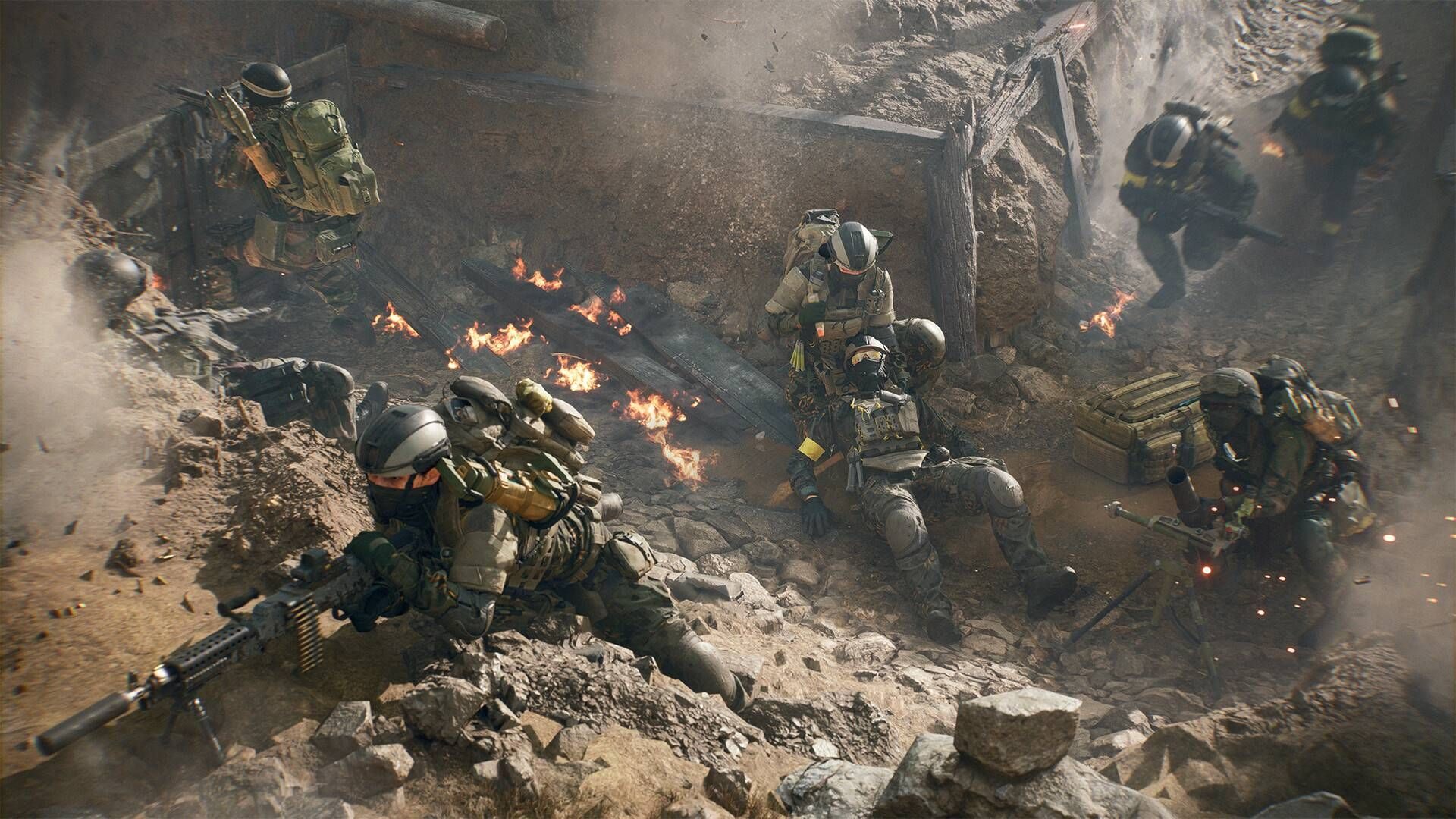
Many seasonal updates make the same mistake by releasing everything during one busy week. Players arrive, rush through the content, and leave again before the next meaningful update appears. Season 4 instead uses three clear phases running from July through September. Pacific Front launched on July 21 with Tsuru Reef, naval vehicles, three weapons, ranked rewards, and the new Battle Pass. The Top Gun phase follows on August 18 with Wake Island, two new modes, fighter jets, and an event.
Tidal Strike then arrives on September 15 with a collection event, Portal updates, proximity chat testing, and the Phantom Program challenge. A new melee weapon, the Royal Navy Dive Knife, is also tied to that final phase. This spacing gives returning players several natural points to check the game again. Missing launch week does not mean missing the whole season. It also reduces the feeling that players must clear everything immediately. That pressure may drive short-term activity, but it often pushes tired players away again.
Wake Island Uses Nostalgia Without Depending on It
Bringing back an old map is one of the easiest ways to attract former players. However, nostalgia only works when the returning content fits the current game. A weak remake may bring players back for one night, then remind them why they left. Wake Island returns on August 18 as part of the Top Gun phase. The new version is based on its Battlefield V appearance but rebuilt around Battlefield 6 systems.
Players can attack bunkers, defend the coastline, use aircraft, move through naval routes, and launch from an offshore carrier. That gives old players a familiar shape while changing how each part of the map works. The Top Gun event also goes beyond character skins. Carrier Strike requires ground, naval, and air squads to work together while trying to destroy the enemy carrier.
Fighter Sweep gives REDSEC players a jets-only mission built around two-seat aircraft and squad coordination. The F/A-81F Super Spectre and F-74A Seacat also bring different flight roles into those battles. This is the right way to use a crossover. The name gets attention, but the new modes still depend on Battlefield’s main strengths.
Old Battle Pass Rewards Are No Longer Gone Forever
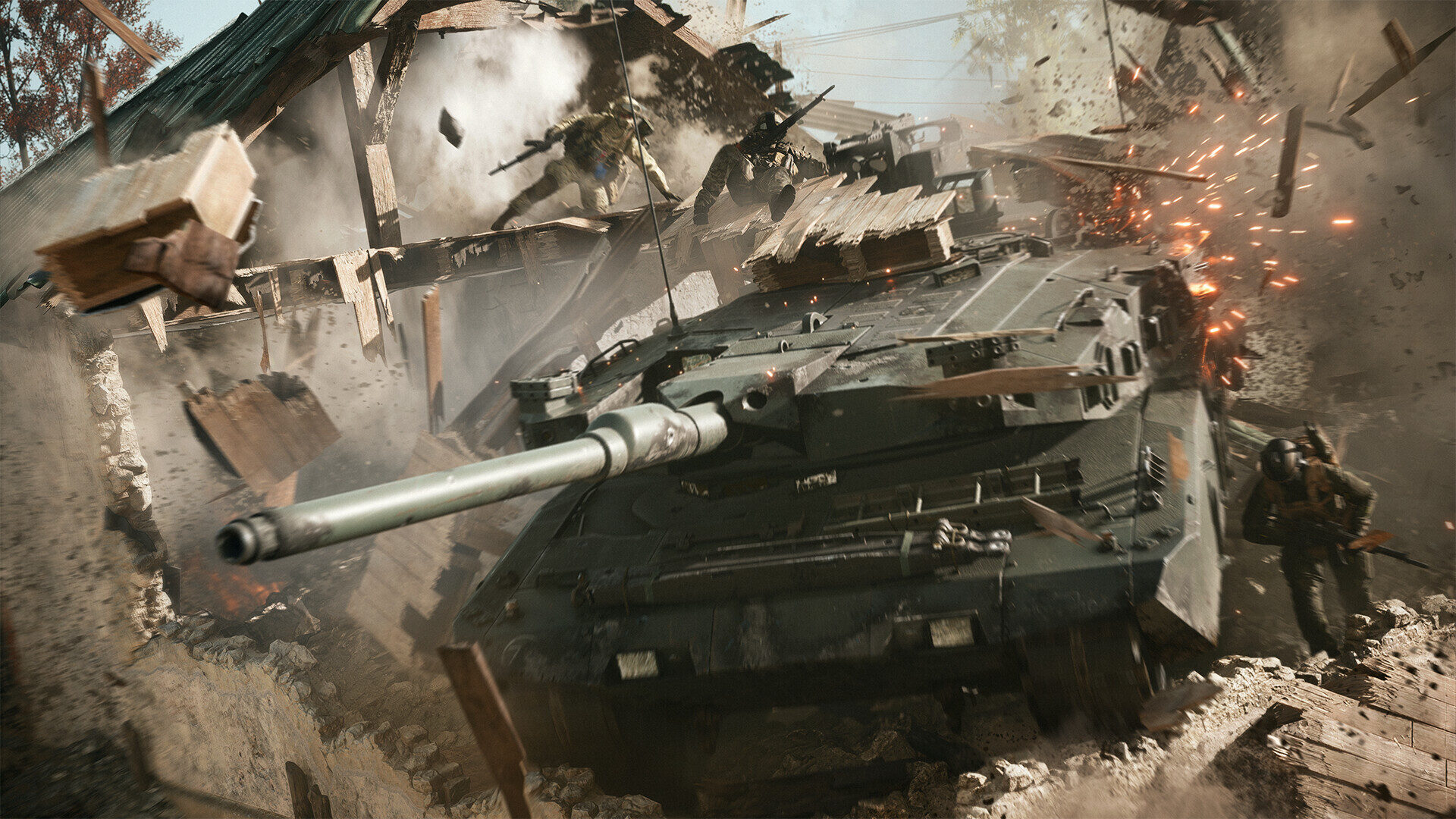
Seasonal games often punish players for taking a break. A player may return after six months and find that several good cosmetics disappeared permanently. That creates fear during the active season, but it also makes late players feel like outsiders. Starting with Season 4, selected items from older Battle Passes can return as store items or bundles. Eligible rewards must remain unavailable for at least three months after their original season ends.
There are limits. Instant unlocks, Battlefield Pro rewards, Ultimate Path items, and Prestige Path items will remain exclusive. EA has also not promised that every eligible item will return. Even with those limits, the change helps returning players. Someone who missed a season may still get another chance to own a favourite soldier skin or weapon package. It also gives EA another sales route, so the decision is hardly selfless. However, reducing permanent loss is still healthier than building the entire reward system around fear.
The Game Has More Variety Than It Did at Launch
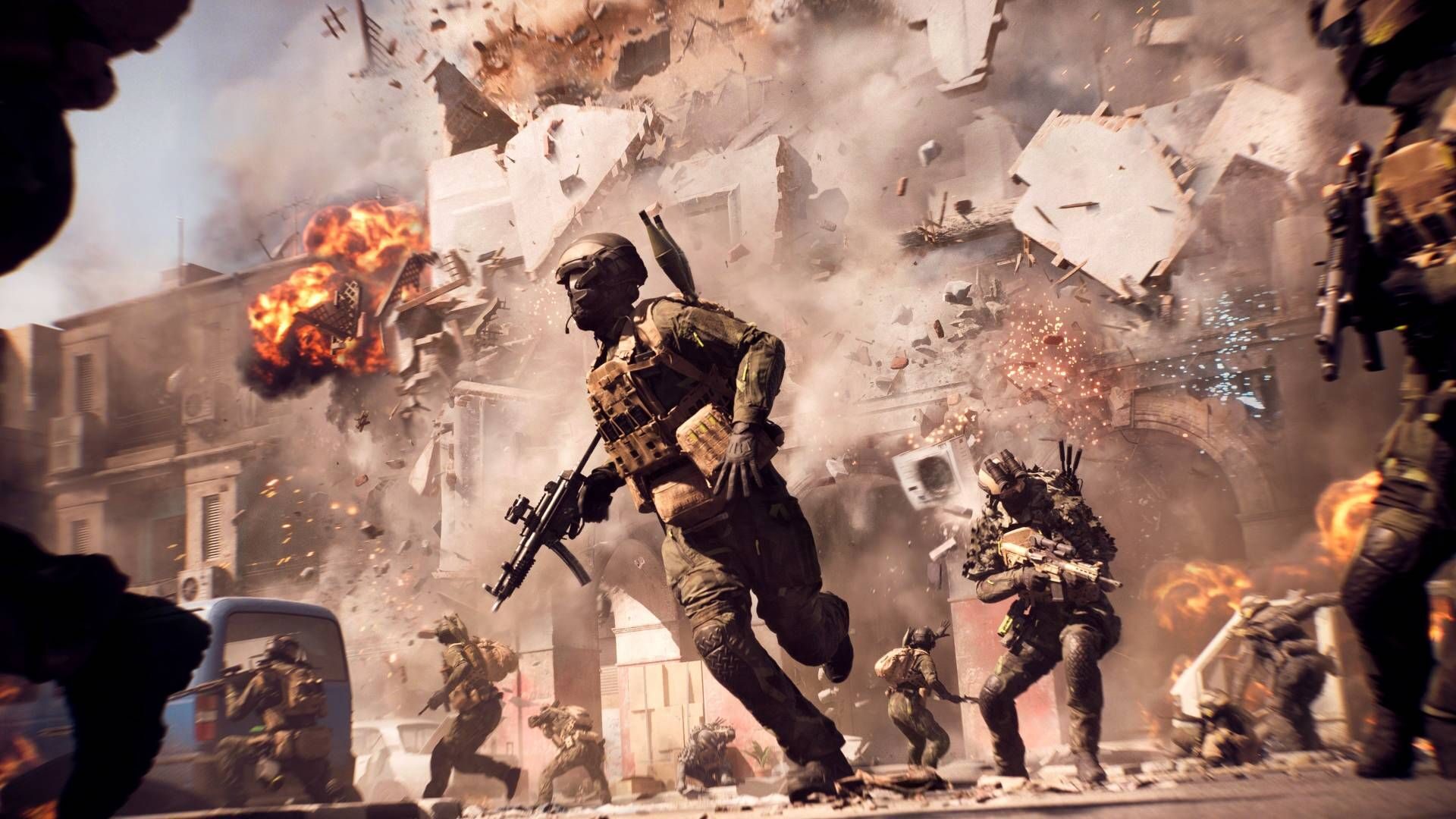
A returning player is not coming back to exactly the same game from October 2025. Before Season 4 arrived, Battlefield 6 had already grown from nine multiplayer maps to fifteen. Its arsenal had reached 58 weapons, alongside new vehicles, returning modes, seasonal events, and community-made Portal experiences.
Season 3 also showed which additions players actually wanted. Railway to Golmud became the season’s most-played map, passing 16 million combined gameplay hours by July 2. That was nearly 2.5 times the playtime recorded by Contaminated, the next most-played map. Cairo Bazaar also passed 5.7 million hours despite arriving halfway through the season.
Those figures support something longtime fans have said since launch. Large maps and varied combat spaces remain a major part of the series’ appeal. Season 4 builds around that demand instead of asking players to accept another cramped substitute. Tsuru Reef offers large-scale movement, while Wake Island later adds another land, sea, and air battlefield.