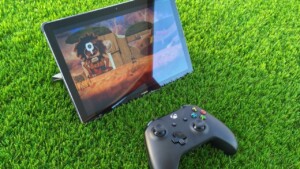

The conversation around cloud gaming has returned to the spotlight after Amazon’s head of gaming, Jeff Gattis, argued that rising technology costs could persuade more people to stream games instead of buying increasingly expensive hardware. His comments come as Amazon expands Luna’s reach by integrating the service into Prime Video, a move aimed at exposing cloud gaming to a broader audience.
At the same time, gamers are facing higher prices across nearly every part of the hobby, from consoles and graphics cards to subscriptions and blockbuster releases.

Jeff Gattis Says Hardware Costs Are Creating a New Opportunity
Speaking to the BBC, Amazon gaming chief Jeff Gattis said he believes the rising cost of technology will naturally encourage more people to consider streaming games instead of purchasing dedicated hardware. He acknowledged that many players will continue buying consoles and gaming PCs, but argued there remains a sizeable audience that has yet to own traditional gaming devices.
Gattis pointed to the broader gaming population as evidence. According to his estimates, between 2.5 and 3 billion people play games worldwide, while only a fraction own dedicated gaming hardware. From Amazon’s perspective, cloud gaming removes one of the biggest barriers to entry by allowing games to run from remote servers instead of relying on powerful local devices.
His comments coincide with Amazon’s announcement that Luna will now appear under a dedicated Games tab inside the Prime Video application across compatible Fire TV devices in the United States and the United Kingdom.
Entertainment Budgets Extend Beyond Hardware
As hardware prices continue to rise, many people are taking a closer look at how much they spend on gaming overall. For most players, gaming is a hobby that fits within a broader entertainment budget rather than an unlimited expense. That budget often covers more than a console or graphics card, extending to game purchases, downloadable content, subscription services, cloud gaming memberships, and other digital entertainment.
As prices increase across multiple categories, it is becoming more common for consumers to set monthly spending limits and avoid exceeding them, regardless of how new or highly anticipated a release may be. That same approach can extend to the iGaming sector.
As online access has made casino gaming more widely available, responsible financial planning remains just as important as it is when purchasing games or paying for subscriptions. Poker is a well-known example, as tournaments and cash games typically involve different buy-ins and prize pools, making it useful for participants to follow an online poker bankroll strategy before they begin playing.
Setting a bankroll in advance helps establish clear spending boundaries and supports responsible decision-making, keeping entertainment costs within a planned budget.
The Economics of Gaming Continue to Shift
Gattis’ comments come at a time when gaming hardware is becoming noticeably more expensive. While cloud gaming has often been discussed as a matter of convenience, the financial argument is becoming harder to ignore as players weigh the cost of new devices against subscription-based alternatives.
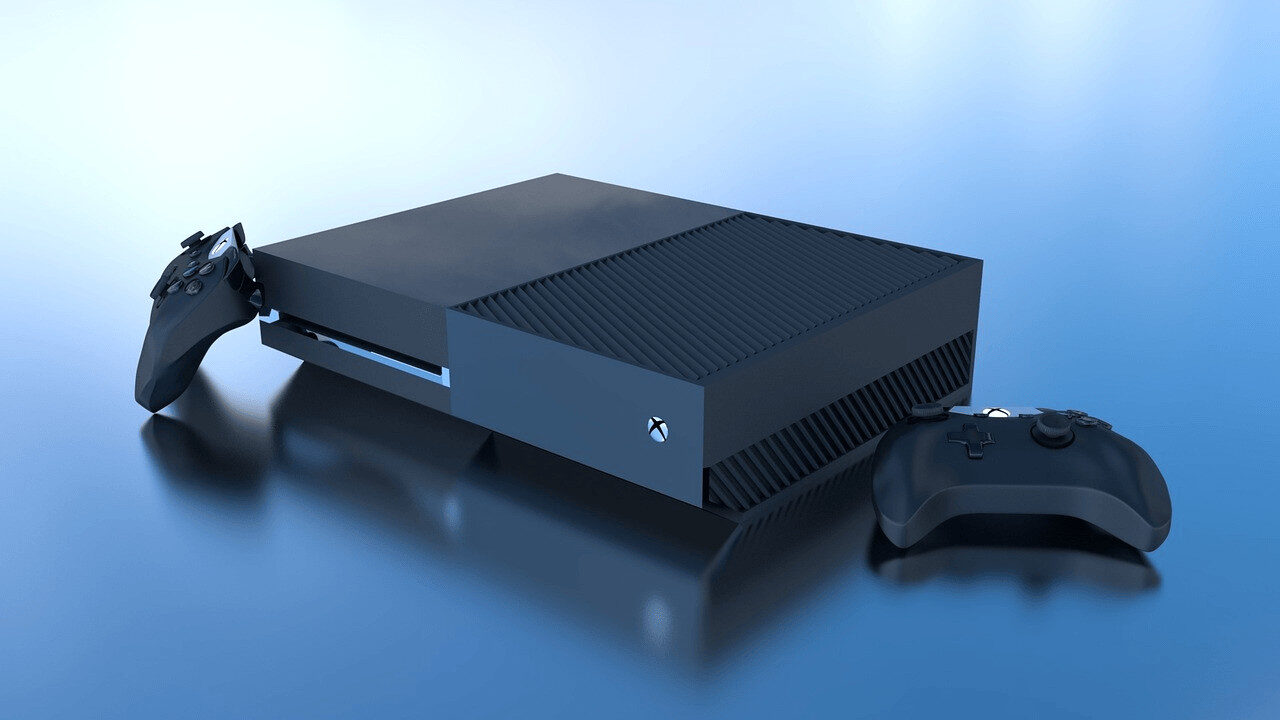
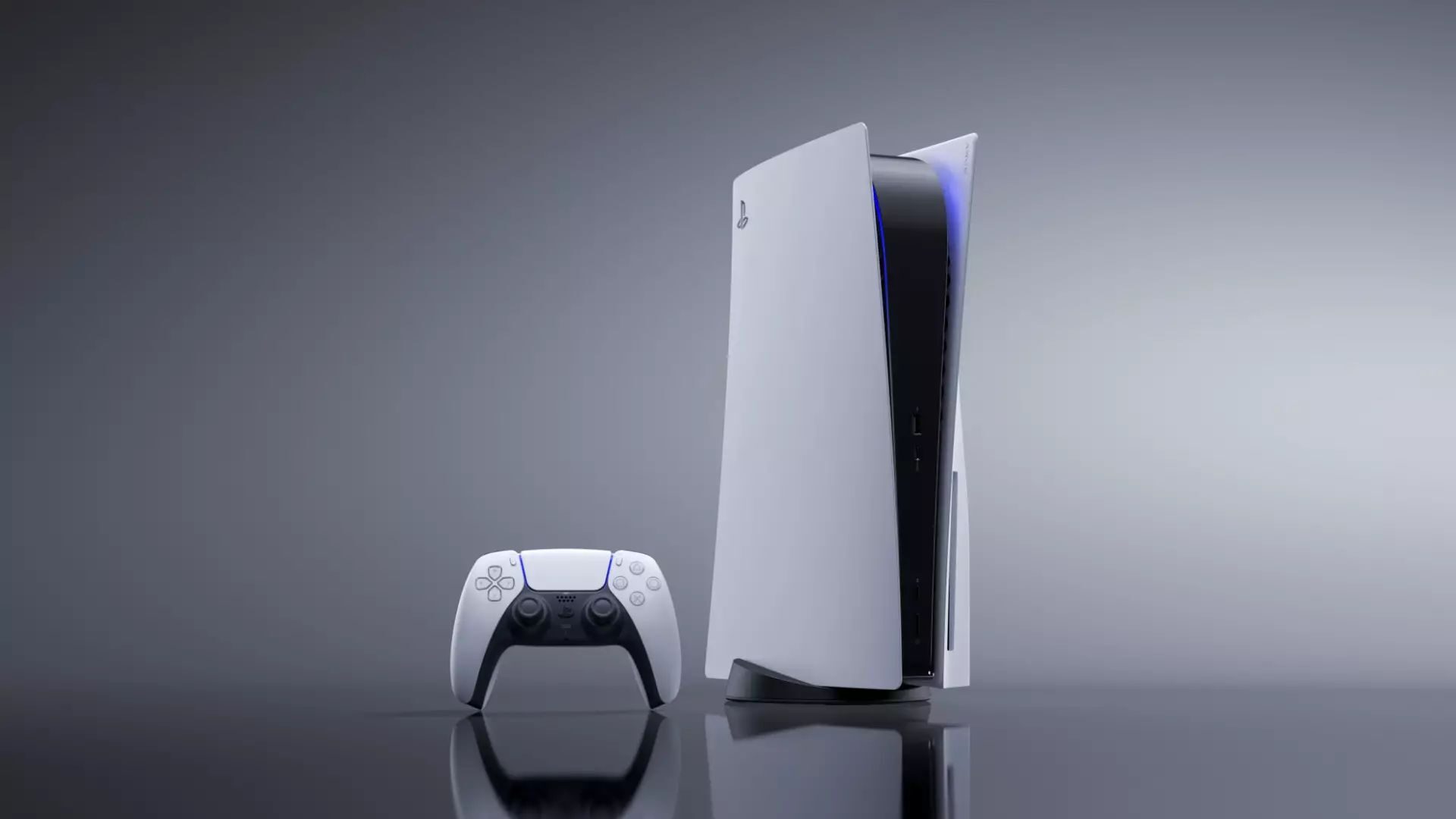
Recent price changes across the industry include:
- Xbox Series X now starts at $599.99, up from $499.99 at launch.
- Xbox Series S (512GB) increased from $299.99 to $379.99.
- Xbox Series S (1TB) now carries a $429.99 price tag.
- Xbox Series X Digital Edition launched at $549.99.
- Xbox Series X 2TB Galaxy Black Special Edition is priced at $729.99.
- Several first-party Xbox games are expected to retail for $79.99 beginning with this holiday season.
The PC market is facing similar pressures. Analysts have linked higher memory prices to growing demand for AI infrastructure, which is putting pressure on component availability across the technology sector. Premium gaming PCs equipped with modern graphics cards can easily exceed $2,000, while new handheld gaming PCs and high-performance laptops continue to command premium prices.
For players who simply want access to modern games without another major hardware purchase, cloud gaming services are becoming part of the conversation in a way they were not just a few years ago.
Cloud Gaming Still Has Obstacles to Overcome
Although Amazon sees growing momentum, cloud gaming continues to face challenges that have limited adoption for more than a decade. Google’s Stadia, once promoted as a “Netflix for games,” closed in early 2023 after failing to attract enough users despite significant investment.
Christopher Dring, editor-in-chief and co-founder of The Game Business, believes cloud gaming could appeal to players interested in demanding titles such as Grand Theft Auto VI but discouraged by the technical requirements or hardware costs.
At the same time, he noted that many high-end games still work best with dedicated controllers, while publishers remain cautious about subscription models that could reduce traditional game sales.
Analysts Say Adoption Depends on More Than Price Alone
Industry analysts agree that hardware prices may encourage more people to consider cloud gaming, but affordability alone is unlikely to determine its long-term success. Joost van Dreunen, professor of games business at NYU Stern, argues that cloud gaming has historically struggled because of latency, inconsistent performance, and the absence of a sustainable business model capable of satisfying both consumers and publishers.
He believes many players are willing to trade a small amount of graphical fidelity for convenience, but remain reluctant to pay premium prices for games they do not permanently own if streaming quality varies with internet conditions. Christopher Dring also suggested publishers may continue prioritizing traditional game sales because they typically generate stronger revenue than subscription access alone.
Even so, rising hardware costs are changing the conversation. Consumers who previously viewed cloud gaming as a secondary option may begin weighing subscription access against the cost of purchasing a new console or gaming PC. That shift does not guarantee widespread adoption, but it gives services such as Amazon Luna another opportunity to make their case.