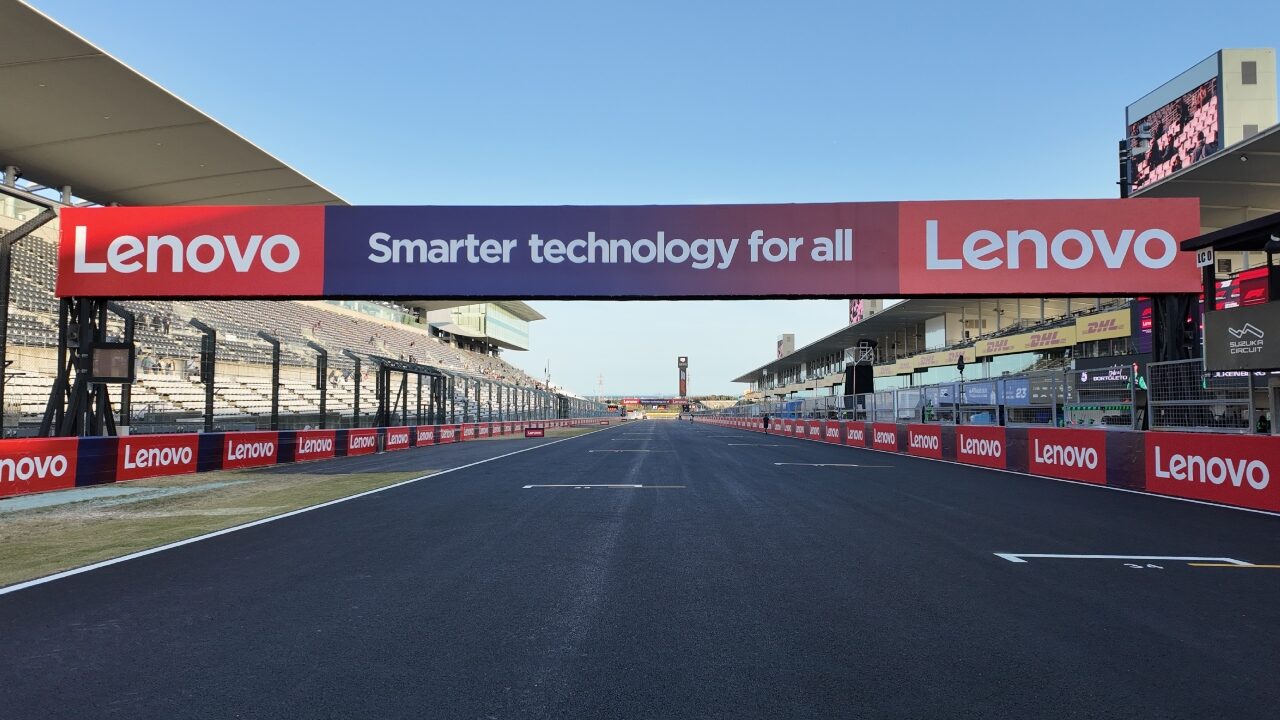
In the world of sports, more and more we are seeing the influx of technology directly into the lifeblood of the game. Formula 1 is one of those sports where the lean on technology is heavy as it is, but Lenovo’s partnership with F1 aims to take that to new heights with some key implementations.
A little history to start, as in March 2022 Lenovo became an Official Partner of Formula 1, providing cutting-edge technology to multiple levels of the organization. In January of 2025, they were upgraded to Global Partner and a Global Technology Partner, which is the highest level of partnership that F1 has available. As a result, motorola became the Global Smartphone Partner of F1.
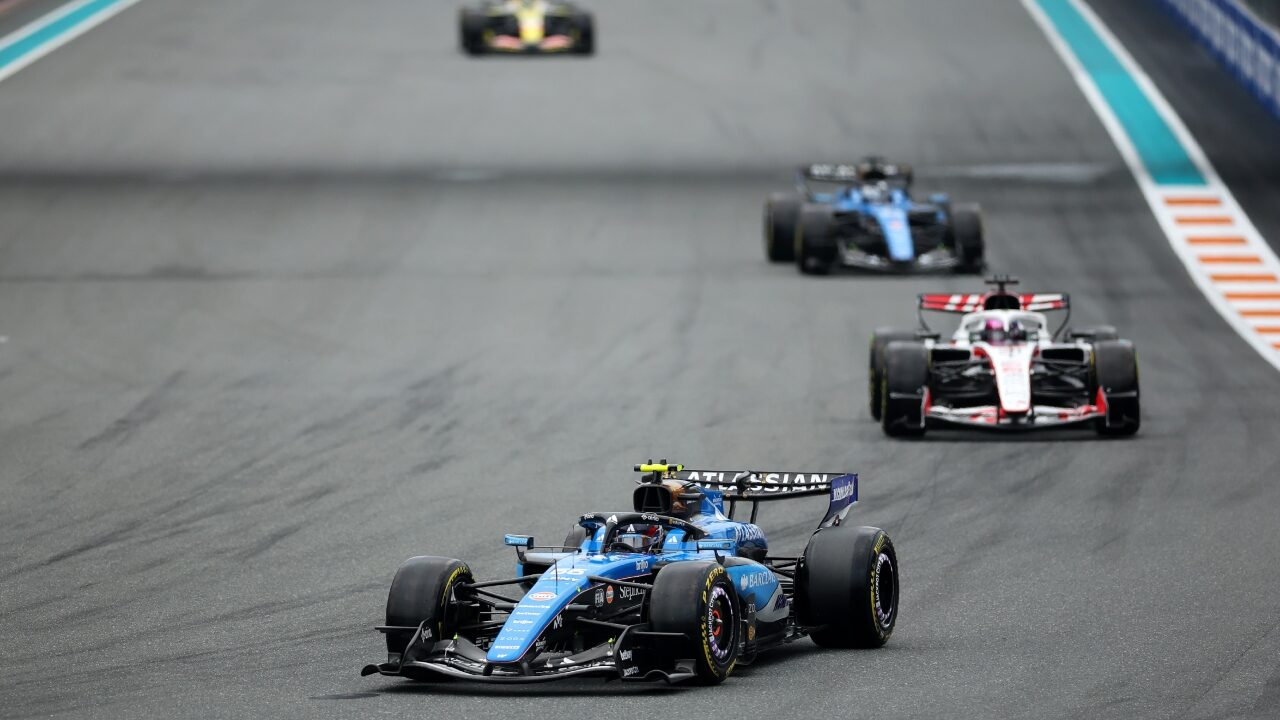
This year for the Canadian Grand Prix in Montreal, Lenovo was generous enough to invite me and a few others in the media to the Canadian province to take in exactly how Lenovo and Formula 1 have been getting on, and suffice it to say, it’s been going swimmingly.
When it comes to race weekend, Formula 1 has two major setups: one that follows the season from track to track, and one that is a permanent fixture at Biggin Hill, in Kent, UK. The Track-side Event Technical Centre (ETC), the setup that is transported around for every race, is the most complex transportable facility of its kind in the world, covering an area of 25m by 15m, and contains over 750 pieces of equipment running over 40 individual bespoke software programs.
During the race weekend, the ETC will produce as many as 800 pages of electronic official documents, interpret between 350k and 400k timing transponder passing events, and generate roughly 400 GB of data per event. All of this massive feat of technological marvel is done via Lenovo’s virtualization platform to provide the computing power required to run these processes: 1.4THz of CPU across 512 CPU Cores, 100TB of all-flash storage, and 8.2TB of RAM.
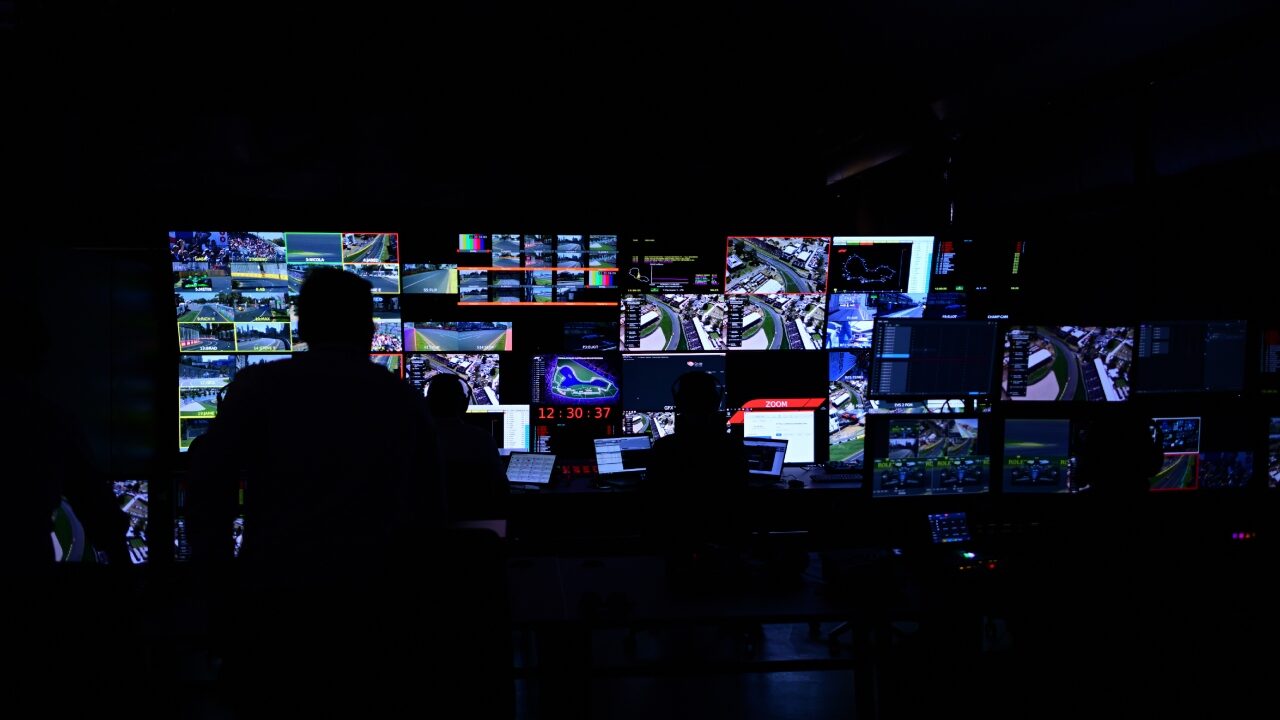
I was given a brief tour of the ETC during my time in Montreal, and this place is on another level when it comes to capability. To see the level of integration that Lenovo has, with bespoke software, proprietary monitors and laptops, as well as a dedicated server room no more than 50 yards from the F1 track, was beyond impressive. We were also given the chance to speak briefly with the Director of IT for Formula 1,Chris Roberts, who was full of glowing praise for Lenovo and their ability to produce devices and solutions that meet the intense demands of an F1 race weekend.
The Media & Technology Centre (MTC) in Biggin Hill, Kent, UK, is F1’s state-of-the-art production and technology centre where they not only run the actual television broadcast of the race and all the events leading up to it, but also run over 175 bespoke software systems that comprise a staggering 4 million+ lines of code. Over the course of a given race weekend, the MTC and ETC combine to transfer over a whopping 650 TERABYTES of data, with data bandwidth reaching its highest points around 8.5 GB/s.
“To see the level of integration that Lenovo has, with bespoke software, proprietary monitors and laptops, as well as a dedicated server room no more than 50 yards from the F1 track, was beyond impressive.”
To give you an idea of exactly how they accumulate that much data, Formula 1 is broadcast in over 180 separate territories, so the data adds up quickly. Additionally, roughly 470 different pieces of equipment are deployed around each track, including cameras, marshal lights, timing system sensors, a remote-controlled Cable camera, and much more.
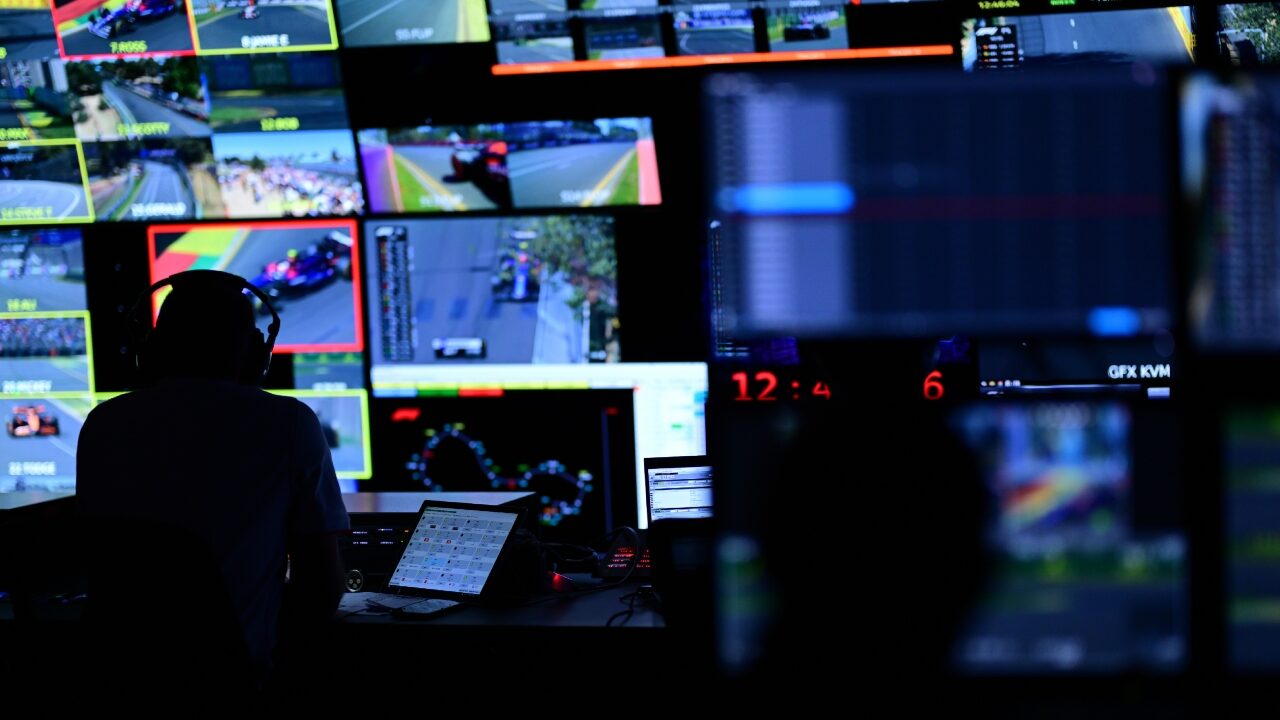
To go in a bit more depth on exactly how many cameras there are, each race has up to 28 UHD track cameras, with between 4-6 unmanned cameras that get mounted to bridges, curbs, bollards, etc. As well, there are over 100 cameras configured to the cars in the race, as many as 9 per car, and each car is fitted with a special non-live 360-degree camera to capture extra content, gathering as much as 480 GB of footage from the race and, at minimum, 72 GB of footage from qualifying sessions. Cameras aren’t the only thing generating data either, with as many as 150 microphones dispersed around the track as well as on all of the F1, F2, F3, F1 Academy, and Porsche cars, and to the FIA cars.
All of this data is processed and interpreted by the Lenovo-powered Event Technical Centre on-location, and the Media & Technology Centre back in the UK. To even begin to contemplate exactly how much computing power would be needed to process this only speaks to the absolute trust that F1 has placed in Lenovo, as they have risen to the task and done so in spades.
“…sport is becoming more and more interwoven with technological implementation, and Lenovo remains front and centre…”
I mentioned earlier that sport is becoming more and more interwoven with technological implementation, and Lenovo remains front and centre in that regard when it comes to the upcoming FIFA World Cup in Canada, Mexico, and the United States. In the case of the FIFA World Cup, FIFA is leaning on Lenovo’s AI solutions and F1-proven hardware options to help bring the beautiful game to the world on a scale never seen before.
Speaking with Lenovo CIO Art Hu, he related the scale of complexity shared between F1 and FIFA: “…the ability to have that resilience and reliability under…basically the most extreme conditions you can imagine…The ability to handle complexity is one of the things that I think FIFA and F1 have in common, that help our technology partnership”.

Not only is Lenovo providing significant hardware capability, but through Lenovo AI solutions, they will be providing a wealth of data at all levels of the game. From the Operations side through an Intelligent Command Centre, to Insights and advanced analytics for teams, to FIFA AI Pro, Lenovo AI is woven into the core of this tournament.
FIFA AI Pro is a tool that was built using Lenovo’s AI Factory, and was developed to be a specialized interaction tool that can hunt through millions of individual data points, analyze over 2000 different metrics and provide that data to the right people. Once the data is collected, it is distributed to the necessary groups, which is a huge part of what Lenovo is hoping to accomplish with their partnership with FIFA.
The stage really has been set for Lenovo to show their capability to provide solutions for just about any request an organization could have, whether it’s F1, FIFA, or beyond into any data-intensive industry. The technological integrations I saw in Montreal at the Canadian Grand Prix and what were related to me by Mr. Hu are second to none in my eyes. As sport gets more and more heavily reliant on, as near as makes no difference, real-time data response and analysis to drive strategy, performance, and more, Lenovo is industry-leading, and it’s not even close.