

It’s easy to focus on the big things and the headline features of a new game. While that all matters, there’s nothing quite like the feel of a great game. That magic recipe when something you play just works right away and every time you play it. The smallest design decisions are the salt and pepper to a delicious dish, the ‘seasoning’ that makes something already good even better. Enough of the food metaphors; what we’re really talking about is what makes a game satisfying to play.
Players can usually tell when a game feels right, even if they don’t know why. Impressive graphics are great for drawing attention, but they don’t automatically produce an enjoyable experience. That depends just as much on less obvious details, such as responsiveness, sound, animation and interface design.
Every Action Needs a Reaction
We’re not talking about Newton’s third law, although the physics of video games fascinates gamers, but more about how games respond to player input.
Animations, particles, colour changes and controller vibration give us feedback that the input has been registered. We expect that nowadays, and it can feel frustrating if the response isn’t timely. Together, these details give movement, attacks and interactions greater weight. Without them, or when the response arrives too late, the game feels less functional or even unfinished.
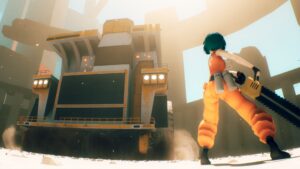
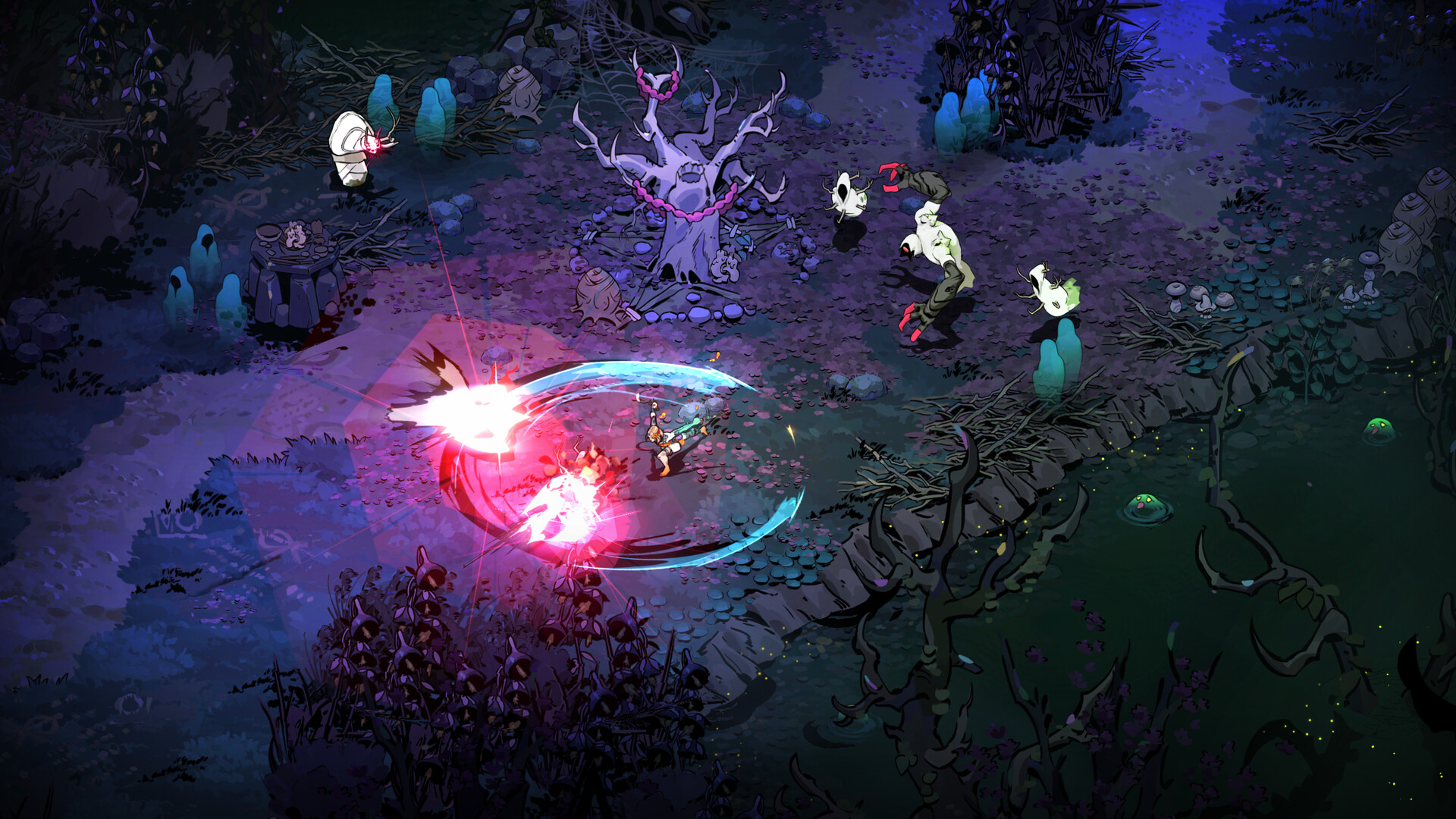
Hades is an excellent example. It has sharp animations and visual effects combined with controller feedback that make every strike feel purposeful. Astro Bot’s approach is more tactile. The DualSense controller communicates different movements and surfaces through your hands, a literal nice touch that makes the game world feel more tangible.
Sound Adds Weight
Auditory feedback is equally important. A memorable soundtrack can establish mood, while individual sound effects communicate all sorts of information, including successful actions, incoming danger and changes in the environment, to name a few.
Music can build tension or signal a shift in pace. Silence has its place too. Removing background audio can draw attention to an important in-game moment. You won’t necessarily consciously notice how much information you’re taking in from audio either. If video game designers get this element right, it contributes to a strong game feel.
Good Interfaces Stay Out of the Way
Not all elements of good game design are meant to draw attention. A well-designed interface often succeeds by doing the opposite. When you understand how to navigate and use the controls instinctively, you can concentrate on the experience of playing right away rather than trying to decipher the screen or study the mechanics of accessing it.
Too much information interrupts immersion while too little creates confusion. Removing friction with readable text, clear icons and decent accessibility settings makes for a better experience overall.
This isn’t unique to traditional console and PC releases. Someone navigating an RPG inventory, choosing a digital card game or finding their way around a browser-based casino needs clear and responsive controls that don’t pull attention away from the experience.
The Details Make the Difference
Players aren’t consciously examining each element when they play a new video game. Great game feel is rarely created by one headline feature. It depends on animation, audio, feedback and interface design all working together. When developers get it right, players don’t notice the systems underneath and simply enjoy playing.