

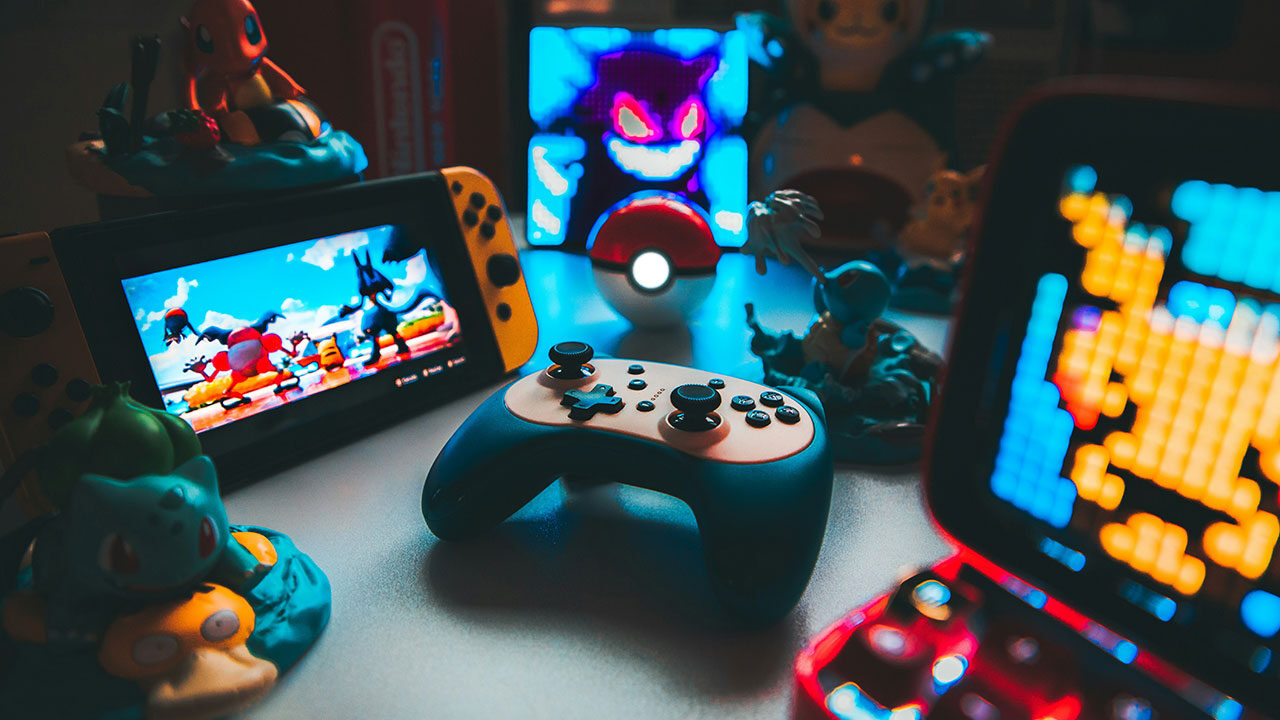
There’s a shift in how games feel today. It’s not just better graphics or larger worlds, but the way everything responds in real time. The moment you act, something happens. That might sound like a technical detail, but it’s changed the entire feel of modern gaming. The gap between input and response has become so small that, in many cases, you barely notice it at all. Once players get used to that level of responsiveness, anything slower starts to feel off, even if it technically works the same way games always have.
The power of instant feedback loops
Real-time gaming is something deceptively simple: feedback. Press a button, get a result. That has always been part of games, but now it’s layered, immediate and constant. You don’t just see an outcome, you see multiple signals at once. A visual effect confirms the action, a sound reinforces it, and the environment subtly reacts in real time.
It becomes more than a response. It becomes a system of reinforcement happening in fractions of a second. That speed is important. The quicker the feedback arrives, the more tightly connected the action feels to the result. Players don’t stop to analyze whether something worked; they’re already moving on to the next action.
Why the brain responds to immediacy
There’s a reason this feels so natural. Human attention is highly responsive to immediacy. When actions produce instant results, engagement increases without requiring conscious effort.
It’s not about chasing rewards in a dramatic sense. It’s about rhythm. Input, response, adjustment, repeat. Once that rhythm locks in, gameplay starts to feel smooth and continuous rather than segmented.
Even small delays can break that rhythm. Older games didn’t feel slow at the time, but compared to today’s standards, even slight pauses feel more noticeable now. Expectations have simply shifted.
When game worlds start reacting in real time
Modern games don’t just respond quickly; they react constantly. Environments evolve while you’re still inside them. Weather systems shift mid-session. NPC behaviour adapts based on previous actions. The entire game state updates dynamically without requiring a reset or loading screen.
Live-service design has pushed this even further. Games are no longer static experiences you “complete” but ongoing systems that evolve alongside player activity. That creates a subtle but important shift in perception. You’re no longer just interacting with a game; you’re participating in something that feels active and responsive, even when you’re not directly triggering change.
Real-time design beyond traditional games
This expectation of instant responsiveness isn’t limited to gaming anymore. It’s become a broader standard across digital experiences. Apps respond instantly, feeds update all the time and interactive platforms are designed around constant feedback and immediate reaction.
Even outside traditional gaming, the expectation of instant response has become standard across digital experiences. This shift can be seen in other interactive systems where real-time outcomes shape user behavior. One example is online casinos in Alberta, which operate around quick, repeatable interactions and immediate results. Casino-style gaming in particular has long relied on rapid outcome loops, but modern digital versions have taken that further by streamlining feedback and reducing any delay between action and result. While the context is clearly different from video games, the underlying principle is the same: responsiveness shapes how people stay engaged with digital systems.
Competitive gaming and the need for precision
Nowhere is real-time responsiveness more critical than in competitive gaming. In fast-paced multiplayer titles, timing is everything. A fraction of a second can determine whether an action succeeds or fails. Because of that, games must deliver feedback instantly and consistently, without ambiguity.
This has made technical performance just as important as gameplay design. Input latency, server synchronization and animation timing all directly affect how fair and responsive a game feels. When it works properly, it disappears from awareness entirely. Players stop thinking about the system behind the game and simply react within it.
The illusion of anticipation
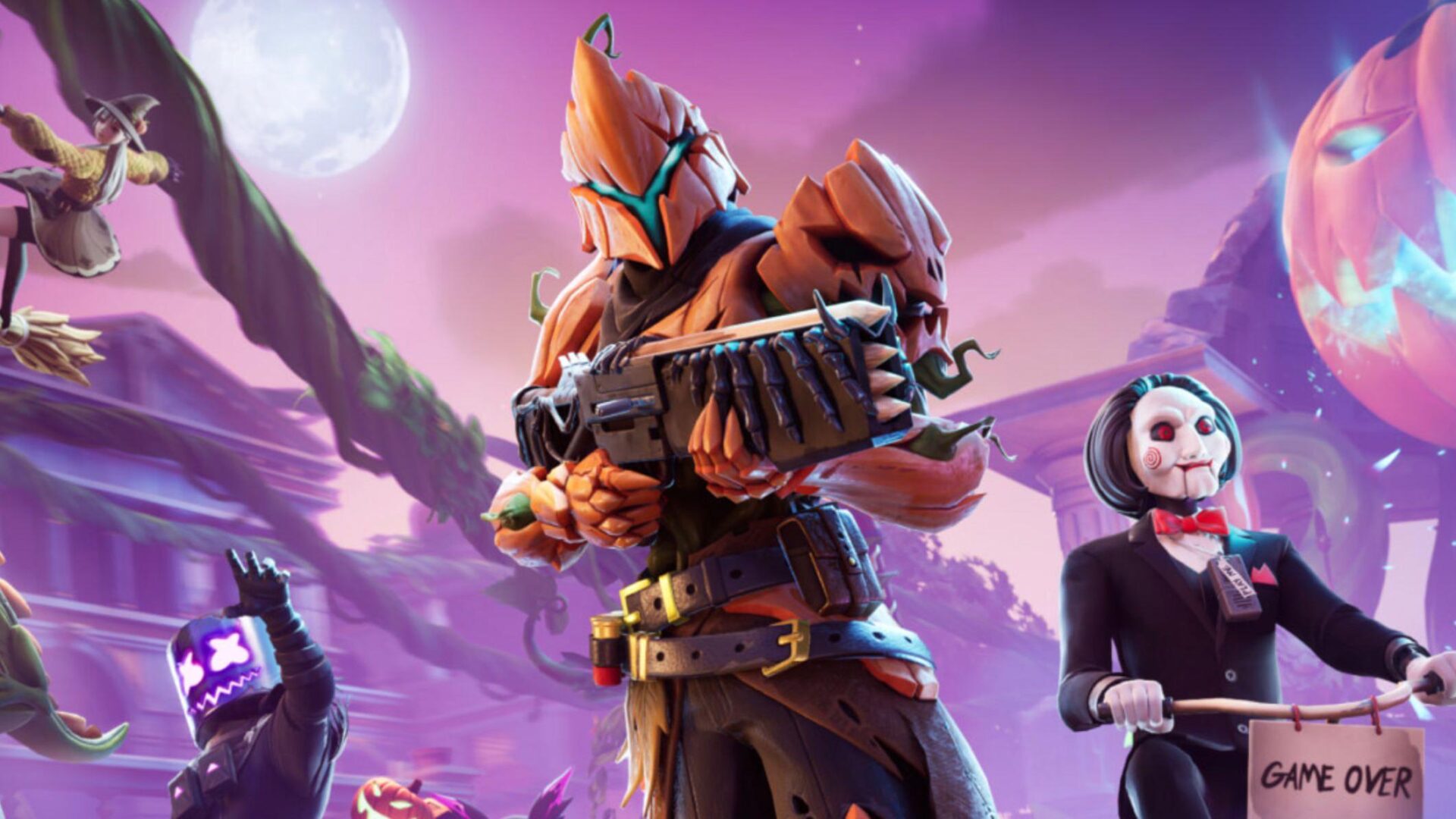
One of the most interesting developments in real-time gaming is how systems now appear to anticipate player actions. Many modern engines begin processing inputs before they’re fully completed. Animations blend smoothly into expected outcomes. Movement systems predict direction changes before they happen. The result is a feeling of near-perfect responsiveness, even when small delays still exist under the surface. When done well, it doesn’t feel artificial. It just feels smooth, like the game understands what you’re trying to do before you fully commit to it.
Why instant feedback feels so natural
Instant feedback reduces friction. It removes the gap between intention and outcome, which makes interaction feel more fluid and intuitive. Players don’t have to pause and interpret what just happened. They stay inside the flow of action, constantly adjusting, reacting, and continuing forward. That’s a big part of why modern games feel so different from older ones. It’s not just about speed, it’s about continuity. Everything connects without interruption.