
Video game regulation is not simply about deciding whether a title contains too much violence. Modern rules cover age-appropriate content, online communication, personal data, in-game purchases and the techniques developers use to keep players engaged.
The result is a layered system involving rating organizations, national laws, platform policies and consumer-protection agencies. Together, these controls influence what developers can include, how games are marketed and which players can access them.
Age Ratings Shape Game Content
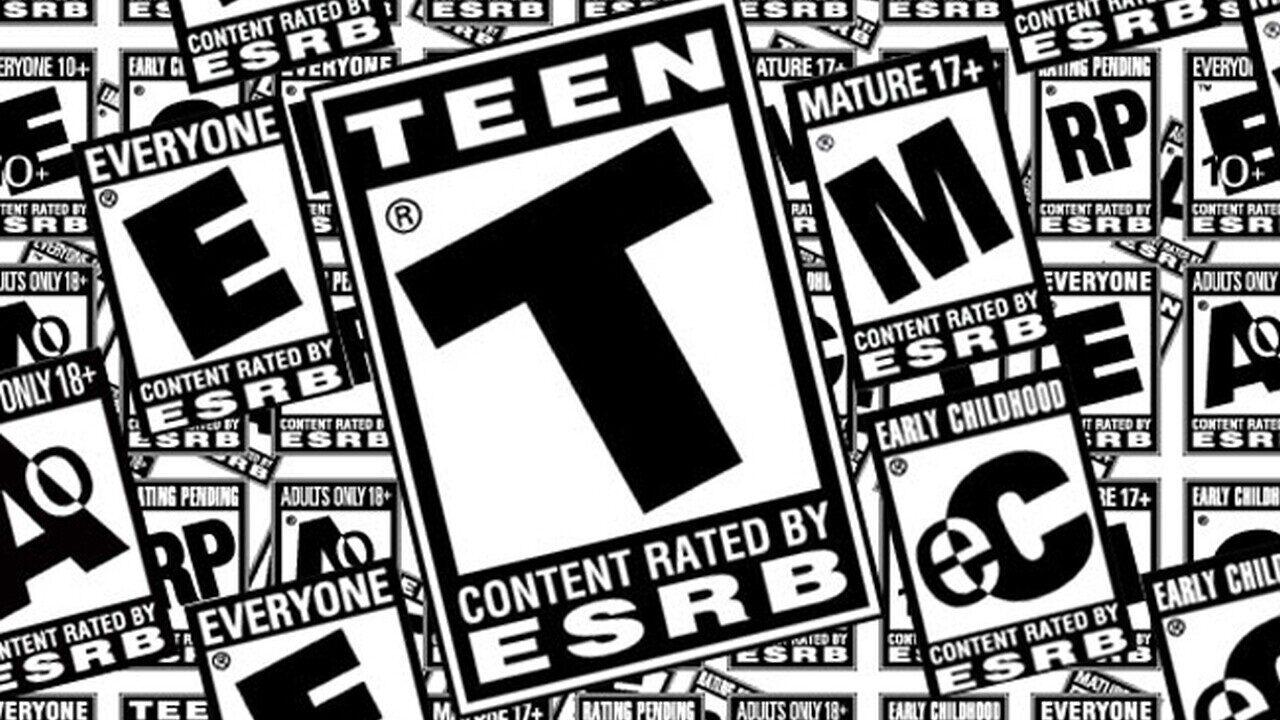
In North America, the Entertainment Software Rating Board assigns classifications ranging from E for Everyone to M for Mature and AO for Adults Only. In much of Europe, the equivalent PEGI system uses age categories of 3, 7, 12, 16 and 18.
Ratings are based on identifiable content rather than a game’s difficulty. Violence, strong language, horror, drugs, gambling and sexual material can all raise a classification. Additional labels warn shoppers about features such as in-game purchases and interaction with other users.
Nintendo, PlayStation and Xbox generally require games to carry a recognized rating before appearing on their storefronts. This gives publishers a strong commercial reason to submit accurate information and modify content when necessary.
Mortal Kombat 1, for example, received mature classifications because of its graphic fatalities and intense violence. Grand Theft Auto V is restricted to older audiences due to its violence, language, drugs and adult themes. A colorful presentation does not guarantee a child-friendly rating either: Fortnite contains stylized combat and online interaction, factors parents can see before allowing access.
Different Countries Set Different Limits

A game accepted in one country may require changes in another. Germany has historically applied close scrutiny to extremist imagery, while Australia can refuse classification to games containing certain drug use or extreme material. A refused classification can prevent legal retail sale.
Rules concerning gambling-style content also differ. Belgium has treated certain paid loot boxes as games of chance, prompting publishers to remove or alter them. Blizzard stopped selling paid loot boxes in the Belgian version of Overwatch, while Electronic Arts withdrew the sale of FIFA Points for its soccer games there.
Online casinos sit within a separate gambling framework that normally includes licensing, age verification and responsible-play requirements. Comparison resources can also help adults distinguish between different models; for example, Casino Guru rates sweepstakes casinos using factors such as terms, player complaints and withdrawal practices. However, casino regulation should not be confused with the age-rating rules governing mainstream video games.
Monetization Faces Greater Scrutiny
Regulators increasingly look beyond visible content and examine how games make money. Loot boxes, randomized card packs, virtual currencies and limited-time offers can make the true cost of an item difficult to understand.
EA Sports FC illustrates the issue through Ultimate Team packs containing randomized players. Genshin Impact uses a gacha system where players spend currency for a chance to obtain particular characters or weapons. Counter-Strike 2 allows players to open cases containing randomly selected cosmetic items.
Rating labels now alert consumers when games contain in-game purchases, including paid random items. Some countries also require publishers to disclose the probability of receiving particular rewards.
Consumer law provides another safeguard. Epic Games agreed to pay $520 million following US Federal Trade Commission allegations involving children’s privacy and unwanted Fortnite purchases. This included a $275 million civil penalty and $245 million for customer refunds. By June 2025, the FTC had sent more than $126 million to 969,173 players in one payment round alone.
The case demonstrated that menu design is not exempt from regulation. Purchase buttons, cancellation processes and parental authorization systems must not mislead users or make accidental spending unusually easy.
Online Features Bring Additional Responsibilities

Many of the biggest safety risks come from other players rather than content created by a studio. Voice chat, text messages, custom worlds and user-generated items can expose players to bullying, hate speech, scams or inappropriate material.
Games such as Roblox, Minecraft, Fortnite and Call of Duty therefore provide combinations of reporting, blocking, chat filtering and parental controls. Moderation teams can investigate reports and issue temporary suspensions or permanent bans.
The UK’s Online Safety Act adds legal duties for qualifying services that allow users to communicate or share content. Since July 2025, covered platforms have been required to protect children from age-inappropriate material and provide accessible reporting systems. Ofcom can fine noncompliant companies up to 10% of qualifying worldwide revenue.
These rules can apply to gaming services with public chat, matchmaking, shared environments or user-created content, even when the company is based outside the UK.
Children’s Data Receives Special Protection

Privacy regulation limits how gaming businesses collect and use personal information. In the US, the Children’s Online Privacy Protection Act applies to online services collecting data from children under 13. It can require parental consent and restrict unnecessary data collection.
The European Union’s General Data Protection Regulation provides further rights concerning access, deletion and the use of personal data. Those rules affect account registration, advertising profiles, voice recordings and behavioural analytics.
Regulation Does Not Replace Parental Controls
No classification can account for every child or every online encounter. Ratings describe content, but parents still need practical controls over spending, communication and playing time.
Xbox Family Settings, PlayStation Family Management, Nintendo Switch Parental Controls and mobile app-store controls allow adults to restrict games by age rating, require purchase approval and manage online interaction.
Effective player protection comes from all these measures working together. Ratings explain what a game contains, national laws set legal boundaries, regulators challenge harmful business practices, and platform controls place the final decisions in the hands of players and families.