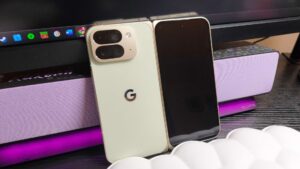

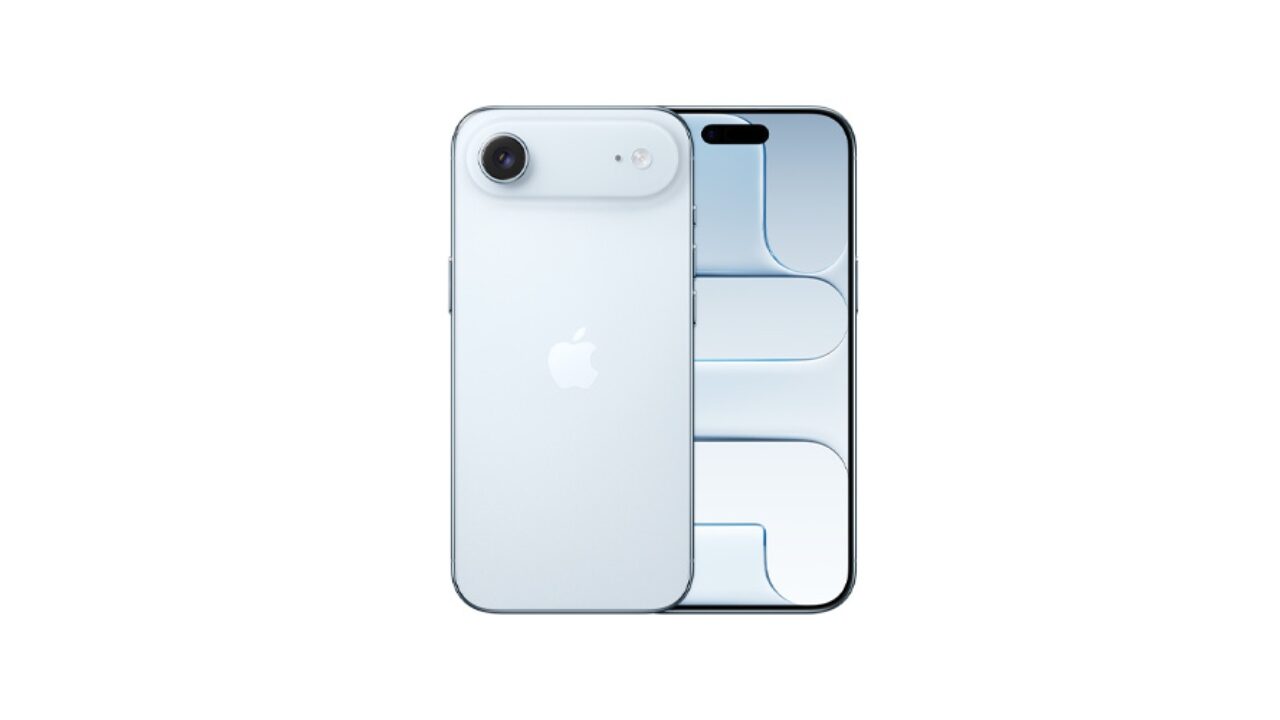
For over a decade, there have been persistent but unfounded rumours about a folding iPhone. Apple observed Samsung and a few other manufacturers experimenting with hinges and flexible screens while remaining firmly on the sidelines. That’s no longer the case. The evidence now stacking up is far more concrete than anything we’ve seen before, and it points to Apple’s first folding phone being genuinely close.
Is Apple launching the iPhone Fold in 2026?
Before we get into the leaks, it’s worth saying this upfront: nothing here is confirmed by Apple, so if you’re weighing whether to wait or buy now, a proven device like the iPhone 15 Pro is still a perfectly sound choice while the rumours settle. That being said, the most definitive indication thus far hasn’t come from a leaker at all; it’s come from Apple itself. Developers picking through the iOS 27 beta code released around WWDC in June 2026 spotted references to “foldState” and “angleDegrees,” terms that only make sense on a device with a hinge and a physically folding screen. Code like that is built for something Apple is actively working on.
The supply chain tells a similar story. Several independent sources now expect a September 2026 launch, arriving alongside the iPhone 18 Pro range. Samsung Display, which is supplying the foldable panel, is said to be ramping up production around the same time, and dummy units, the non-working mock-ups companies use for cases and regulatory approval, have already leaked online. Sonny Dickson published photos of one in June 2026 showing a wide, “passport-style” shape when closed, with a Touch ID button clearly visible on the side. It’s the best look we’ve had yet at what this thing will actually look like in the hand.
There’s still some back-and-forth over the name. For years, “iPhone Fold” has been the preferred term in rumour circles, but recent leaks indicate that Apple may opt for “iPhone Ultra” instead, aligning with the naming pattern it initiated with the iPhone Air. Regardless of the name, the overall situation remains unchanged: this device is on its way, and it will arrive soon. Apple has also, reportedly, poured a huge amount of effort into getting rid of the crease that shows up on every other foldable on the market, developing a new material that keeps the fold line barely visible. If that turns out to be true, it could genuinely shift what people expect from a folding phone.
How big will the iPhone Ultra be?
Once you fold it out, you’re not really looking at a bigger iPhone; you’re looking at something closer to two screens working together. Leaks have consistently pointed to a book-style design with a large internal display somewhere between 7.6 and 7.8 inches, roughly the size of a small tablet. Shut it, and you’re left with a smaller outer screen, around 5.3 to 5.5 inches, that handles the everyday stuff.
What stands out is the remarkable thinness of Apple’s design. Rumours suggest a chassis only 4.5 mm thick when fully open, thinner than an iPad Pro, and growing to somewhere around 9 to 9.5 mm when folded shut. Getting there apparently means a titanium frame paired with a liquid metal hinge, a stronger, more flexible alloy than the steel hinges used on most rival foldables, which should hold up better after thousands of folds.
None of that comes without a trade-off, mind. A slim design like this doesn’t leave much room inside, so the phone is expected to drop the telephoto lens found on the Pro models and stick with a Wide and Ultra Wide camera pair instead. Face ID looks unlikely too; there simply isn’t space for the TrueDepth camera system, so Touch ID is expected to make a comeback via the side button. And with a starting price rumoured to sit above $1,999, it’s not exactly an impulse buy either.