
Sit through the credits of a big game sometime, past the directors and the composers, down into the long scroll of art and production names. Do it often enough and a pattern emerges: Kuala Lumpur keeps showing up. Malaysia’s capital has spent a decade becoming one of the most productive game development cities most players have never thought about, and the industry has stopped treating it as a secret.
The Credits Don’t Lie
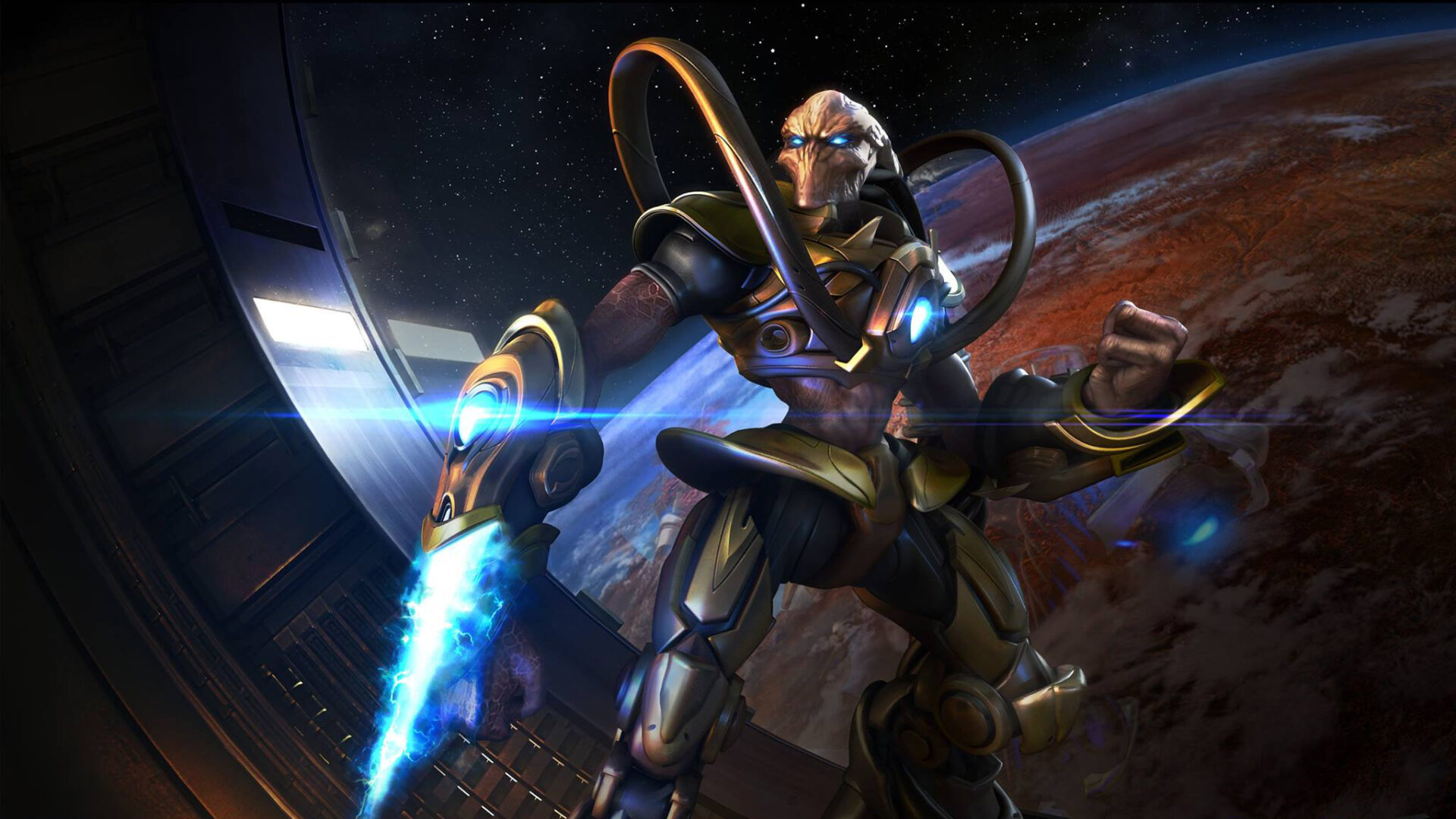
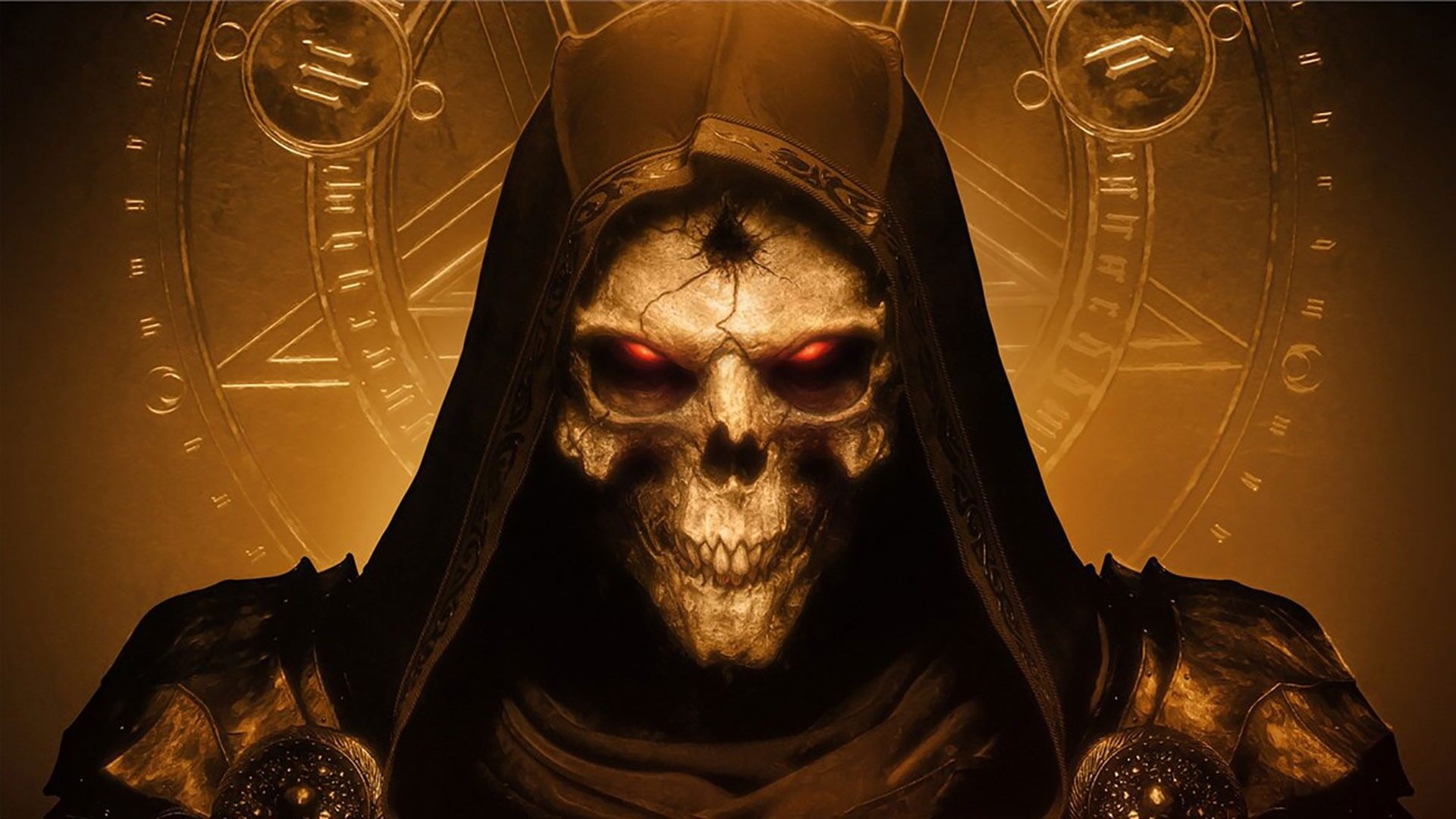
The most famous tenant is Larian. When the Baldur’s Gate 3 studio expanded across the globe, it planted one of its studios in Kuala Lumpur, and Malaysian artists and developers helped ship one of the most acclaimed RPGs ever made. Bandai Namco has run a Malaysian studio for years, feeding art and CG production into its Japanese pipelines. And then there is Lemon Sky, the KL outfit whose fingerprints are on some of the most scrutinized remasters in the business: when Blizzard rebuilt StarCraft: Remastered and Diablo II: Resurrected, a substantial share of that art was drawn in Malaysia.
That last category matters more than it sounds. Art outsourcing is the invisible backbone of modern AAA production, and Southeast Asia competes for that work against studios everywhere on earth. The region’s contracts keep landing in KL for boring, decisive reasons: a deep art-school talent pool, fluent English, costs that undercut Singapore and government digital economy incentives that have courted foreign studios since the Multimedia Corridor days.
From Service Work to Signature Games
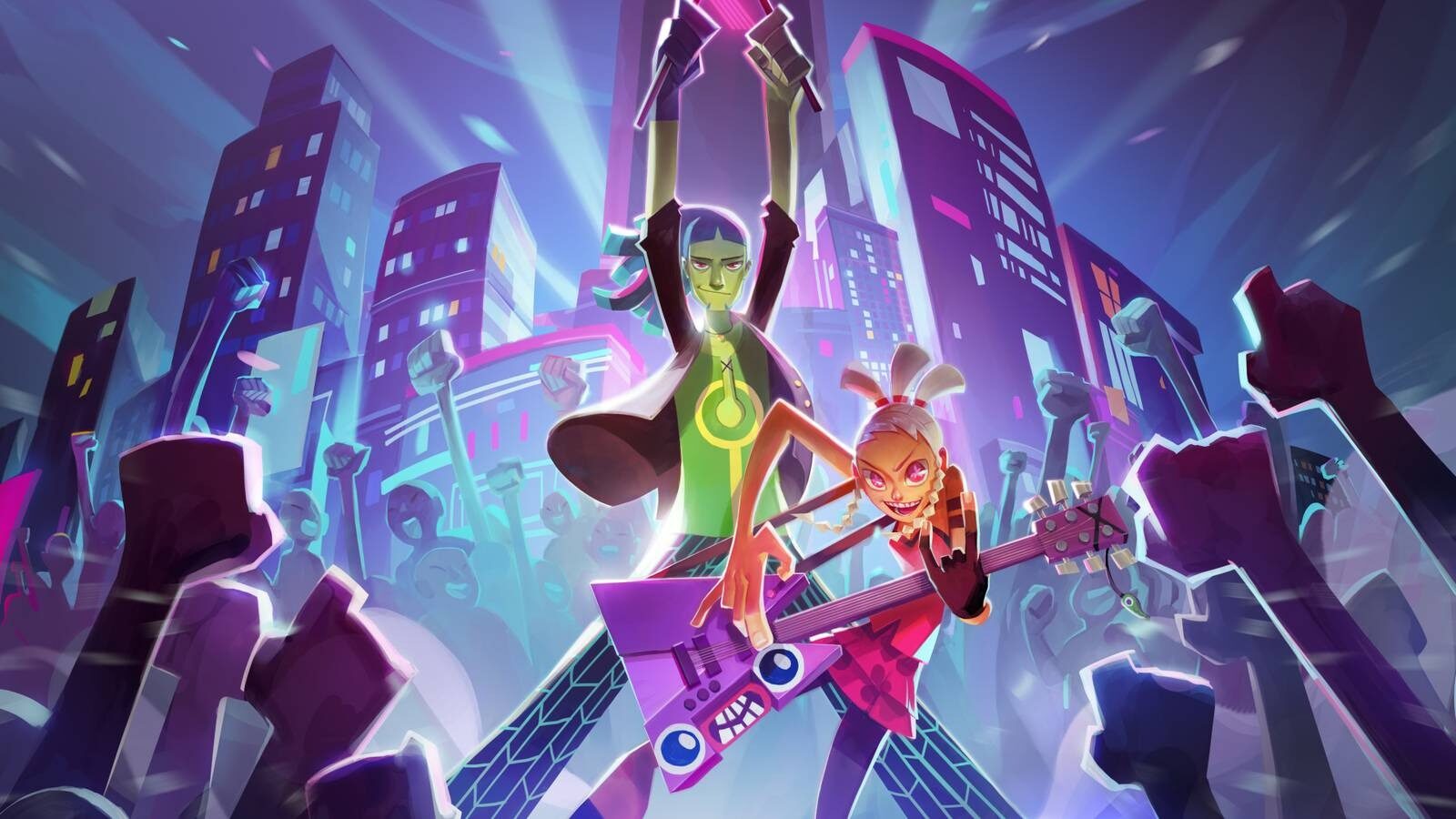
The more interesting shift is what happens after a city spends 10 years doing other people’s production work. Talent stops wanting to be invisible. The clearest example is Wan Hazmer, the Malaysian designer who worked as lead game designer on Final Fantasy XV and then went home to found Metronomik, the KL studio behind the music-action game No Straight Roads. It was a modest commercial debut and a loud cultural one: a game about Malaysian creative identity, made in Malaysia and pitched at the world.
Around studios like that, an ecosystem has formed. Level Up KL has grown into Southeast Asia’s flagship games industry conference, the place where regional developers meet global publishers, and its showcase slots have become the launchpad for the country’s indie scene. The pipeline logic is simple and it is working: outsourcing pays the bills and trains the juniors, conferences connect them, and every few years another team steps out of the service credits and onto a title screen of its own.
A Nation That Plays as Hard as it Builds
None of this happened in a vacuum. Malaysia builds games because Malaysians play them, in numbers that make the country one of Southeast Asia’s most valuable games markets despite its size. It is a mobile-first, digitally fluent population that took to smartphone play earlier and harder than most of the West, feeding the same tournament-driven competitive culture the industry now takes for granted, and that fluency covers the whole spectrum of digital entertainment, not just the parts with controllers.
Gambling is the striking example. Malaysia is famous for having exactly one licensed casino resort, up a mountain at Genting Highlands, yet its online play scene is among the busiest in the region, running through offshore operators in a legal landscape that is anything but simple. That mix of high demand and murky supply has made independent review guides unusually important there: coverage of Malaysian online casinos now reads less like marketing and more like consumer protection, ranking operators on licensing, payout reliability and support for local payment habits. It is the same instinct that drives a KL player to check a Metacritic score, applied to a market where checking first matters far more.
For a games publication, the through line is hard to miss. A country that vets its entertainment this carefully, plays this much and builds this well is not a backwater of the industry. It is a bellwether for where the next decade of digital play is heading.
So keep reading the credits. The names from Kuala Lumpur are already on the games you love, and the safest prediction in the industry is that the next wave will not be hidden in the middle of the scroll. It will be up top, where the studio logos go.