
Amidst all the doom and gloom in the games industry these days, there is one bright spot on the horizon for me: seeing what’s in store for Soulframe.
The new effort from Canada’s own Digital Extremes has been cooking publicly for several years now, thanks to an ambitious pre-alpha program that’s made players a part of the development process. And after countless headlines about layoffs and studio closures and even the potential death of physical game media, I’m all the more eager for TennoCon next weekend, where the studio will share the next big reveals for both their titles.
Here’s why I think Soulframe is the unique ray of light games need today, and why you might want to consider getting in on the adventure for yourself.
The Alpha Experience
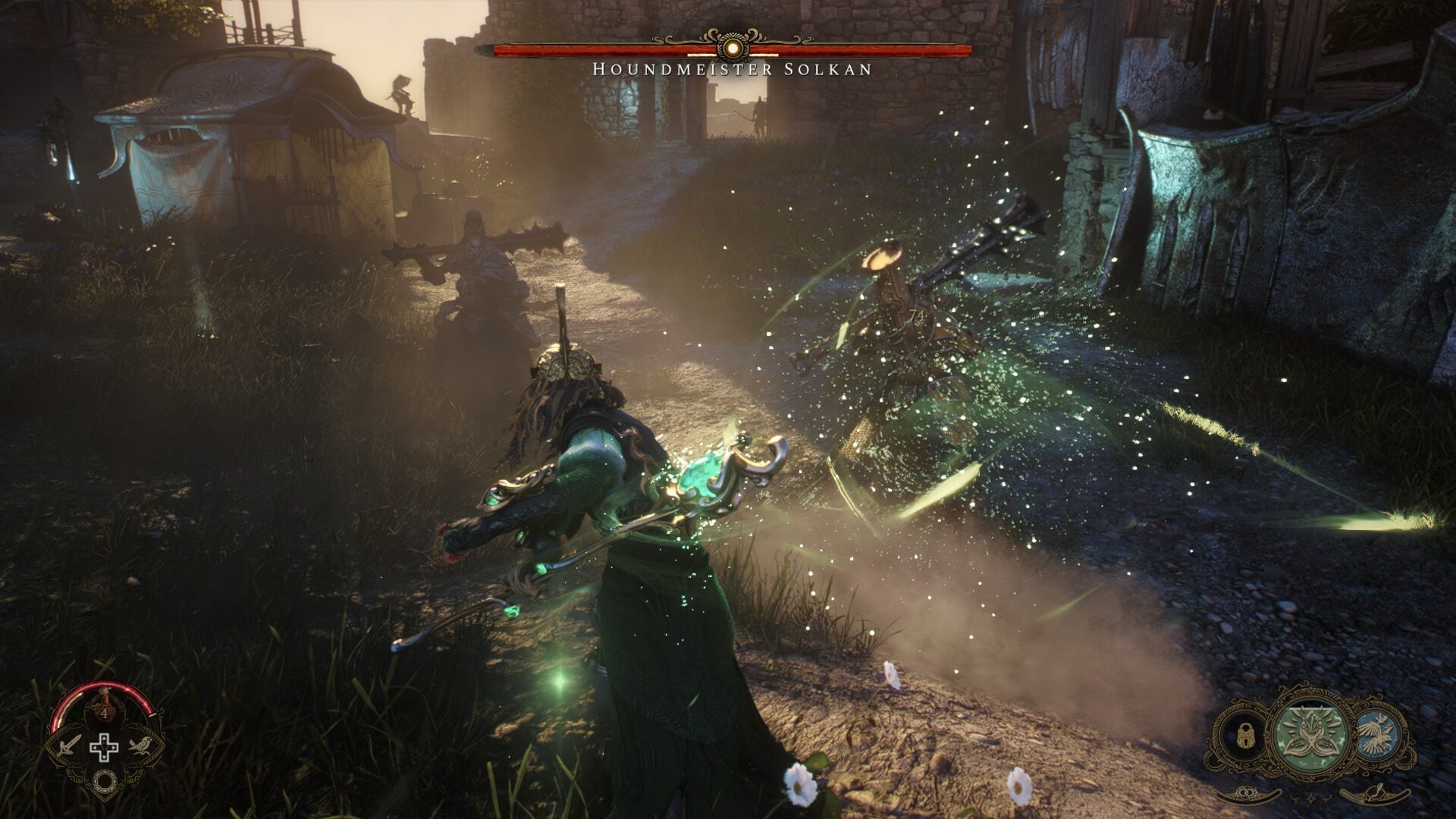
Soulframe is currently in a “closed pre-alpha” state called Preludes, where participation is available on an invite-only basis; aspiring players apply through the website, or via access codes, distributed by participants or at events like Twitch streams (and in previous years, TennoCon attendees were sent codes after the event). Digital Extremes employed a similar model with their flagship title Warframe starting in 2012, but the Preludes program has been active since December 2023—much longer than the initial closed beta form of Warframe.
All this is to say, Soulframe Preludes is essentially one big, ongoing demo. The game has received a good amount of content, but things are very fluid, with features being introduced or overworked through large, numbered updates. “Preludes 15” arrived a couple weeks ago and added new systems for weapon drops and crafting, for example.
After participating in the alpha for some time now, I’ve loved popping into the game periodically to try out the updates and gradually pick away at exploring its world. There’s something liberating about playing Soulframe in its current state; I’m not rushing to keep up with the “main campaign” as I do in Final Fantasy XIV, nor am I stressed over completionism.
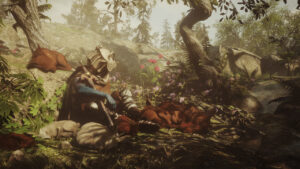
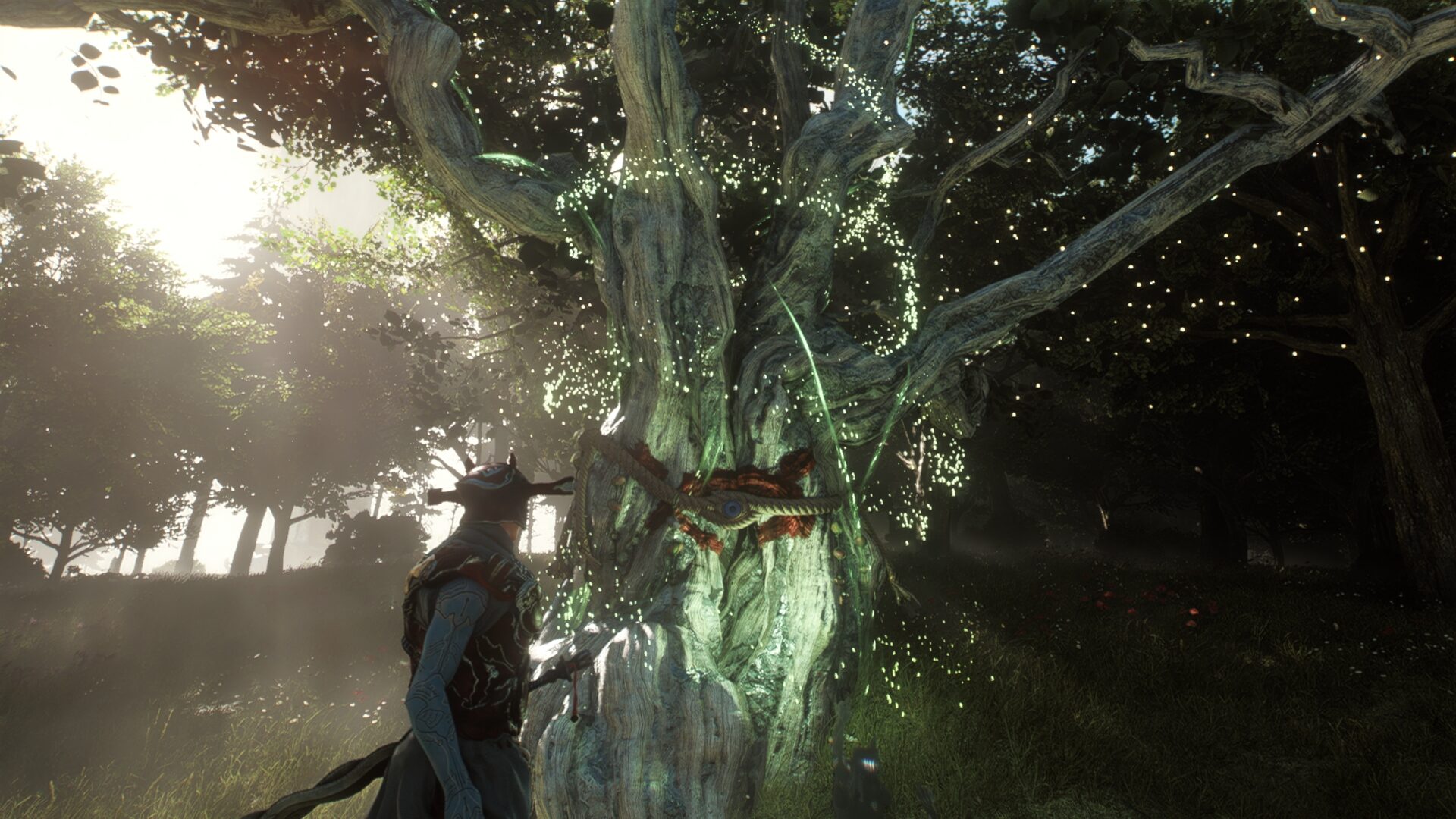
I still haven’t sought out all the “world trees” that reveal the in-game map when you find and purify them. I could easily look them up and get it done, but instead, when I hop on the game I set out in the direction where I think one might be, and see what I get into along the way. Usually I get caught up in the distractions instead and forget I had a loose purpose in the first place.
Plus, the alpha process (especially one that’s gone on this long) offers the chance to feel like you’re having an impact on the game’s trajectory, whether through giving feedback on new systems or just reporting bugs. Just like its sci-fi sibling, someday Soulframe will go live, and Preludes participants will have a different perspective on it altogether—they were there when the Deep Magic was written.
A Different Live Service
Soulframe follows in Warframe‘s footsteps in a lot of ways, wearing Digital Extremes’ pedigree on its sleeves. Like the older game, there is a “Founders” program where players can support the game’s early development by purchasing special, limited-time bundles of (mostly) in-game items. Founders also get to plant personalized flowers in a dedicated in-game garden, literally leaving their mark on the world of Alca. A similar program was held for Warframe, and essentially saved the game during a more fragile stage.
“Soulframe has the potential to be the truest heir to Tolkien’s legacy.”
Beyond this, both games share a similar approach to crafting major items. In Warframe, players can either pay to unlock the titular Warframes, which are essentially the different characters a player chooses from, or they can craft them with looted components. Paying is straightforward and instant, but also optional. Soulframe has a very loose, skeletal outline of a similar system in place for Pacts, the closest equivalent to the Warframes. “Arcs” are the premium currency, purchasable on their own or through Founders bundles, and can outright buy equipment like Pacts or weapons.
And that’s where the buck will literally stop. Unlike other ongoing or “live-service” games, story content updates in Warframe (and by extension, Soulframe) are not paid expansions; they’re truly free-to-play, outside of the potential to make very optional purchases. In a world where countless long-running games are struggling to squeeze blood from a stone at every opportunity—and even one of the biggest amongst them can be axed on a whim—Digital Extremes’ titles are a breath of fresh, unmonetized air, proving that game companies can do better.
A Way With Words
One of the first things that strikes me anytime new content is added to Soulframe is the quality of its writing. Every line of narration or dialogue, from cutscenes down to incidental voice lines shouted by NPCs, has palpable intent; the cutscenes verge upon literal poetry.
The writer and literature buff in me appreciates this on a technical level, but it’s a refreshing break from a prominent trend in games over the last ten years. Video game dialogue has been growing complacent, if not stereotypical and predictable, and audiences are being turned away by cringey dialogue (or at least, games that seem cringey based on the trailers). Everything’s turning into a MCU film, relying on trite turns of phrase. In some games you can virtually tune out your digital allies’ blather and still know what you need to do.
Soulframe, on the other hand, wants you to pay attention. The script makes the world and its characters feel that much more alive, from the flowery protestations of Verminia, to the venom-dripping condemnations of evil mages, to the charmingly miserable mutterings of Avakot. Thanks to the care in this department, Soulframe feels like stepping into an epic like the Iliad or Odyssey, or even The Lord of the Rings.
Fresh Design
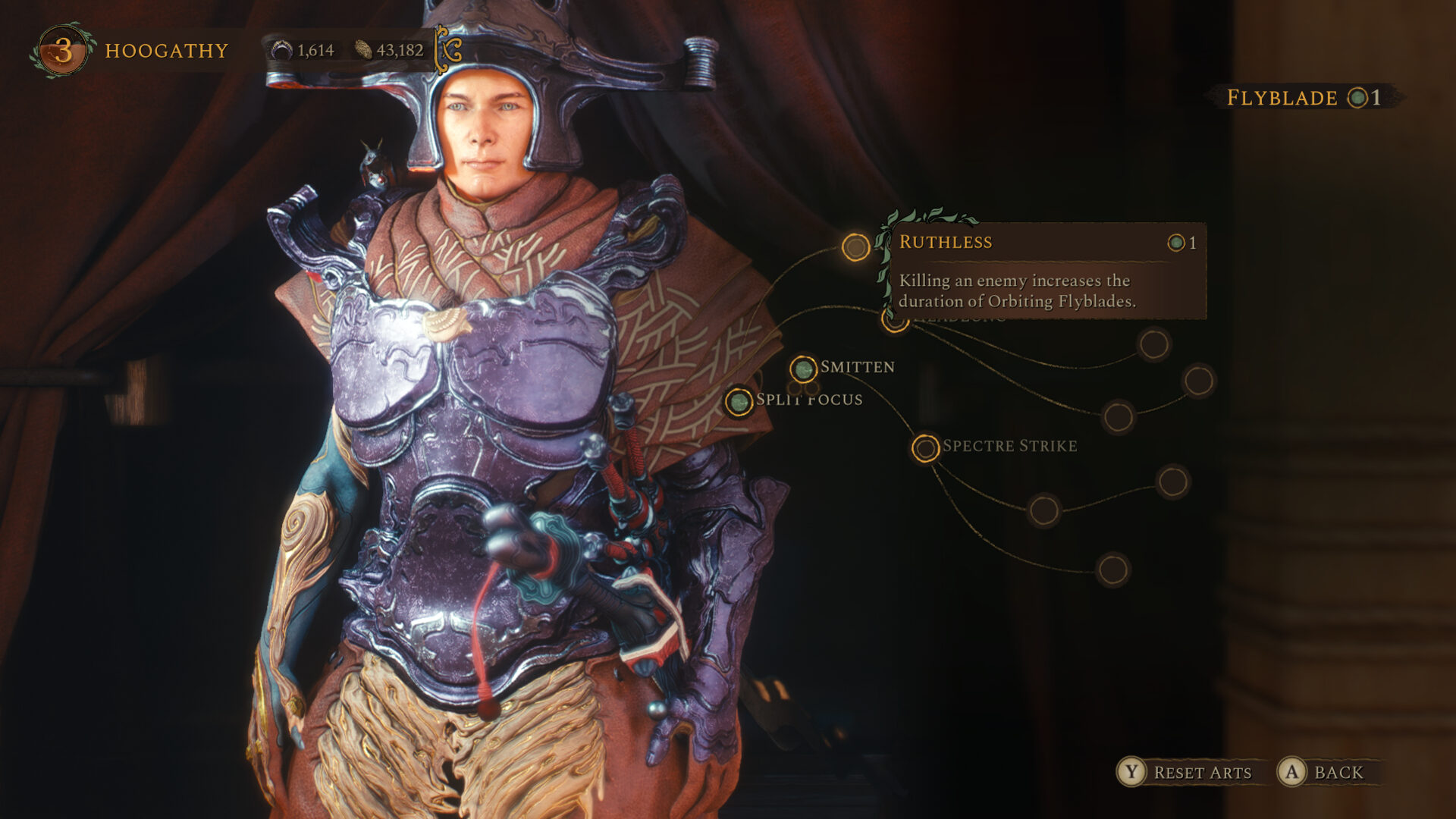
On a similar note, Soulframe has set itself apart from the herd in terms of its design. Warframe vets will recognize some familiar elements in the menus, but even still, the new game has put a healthy dose of its own spin on them, enough to step out of the predecessor’s shadow and make the UI its own.
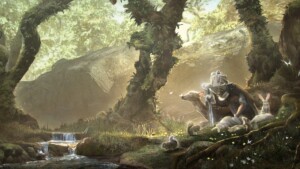
Out in the world, Soulframe’s aesthetic is hard to match. The natural settings are heavily inspired by the flora and fauna around Digital Extremes’ hometown of London, Ontario—right down to meticulously-captured sound samples. This gives the environment a grounded authenticity and an attention to detail that few can imitate. It may be a fantasy world, but it feels true to the real world at the same time.
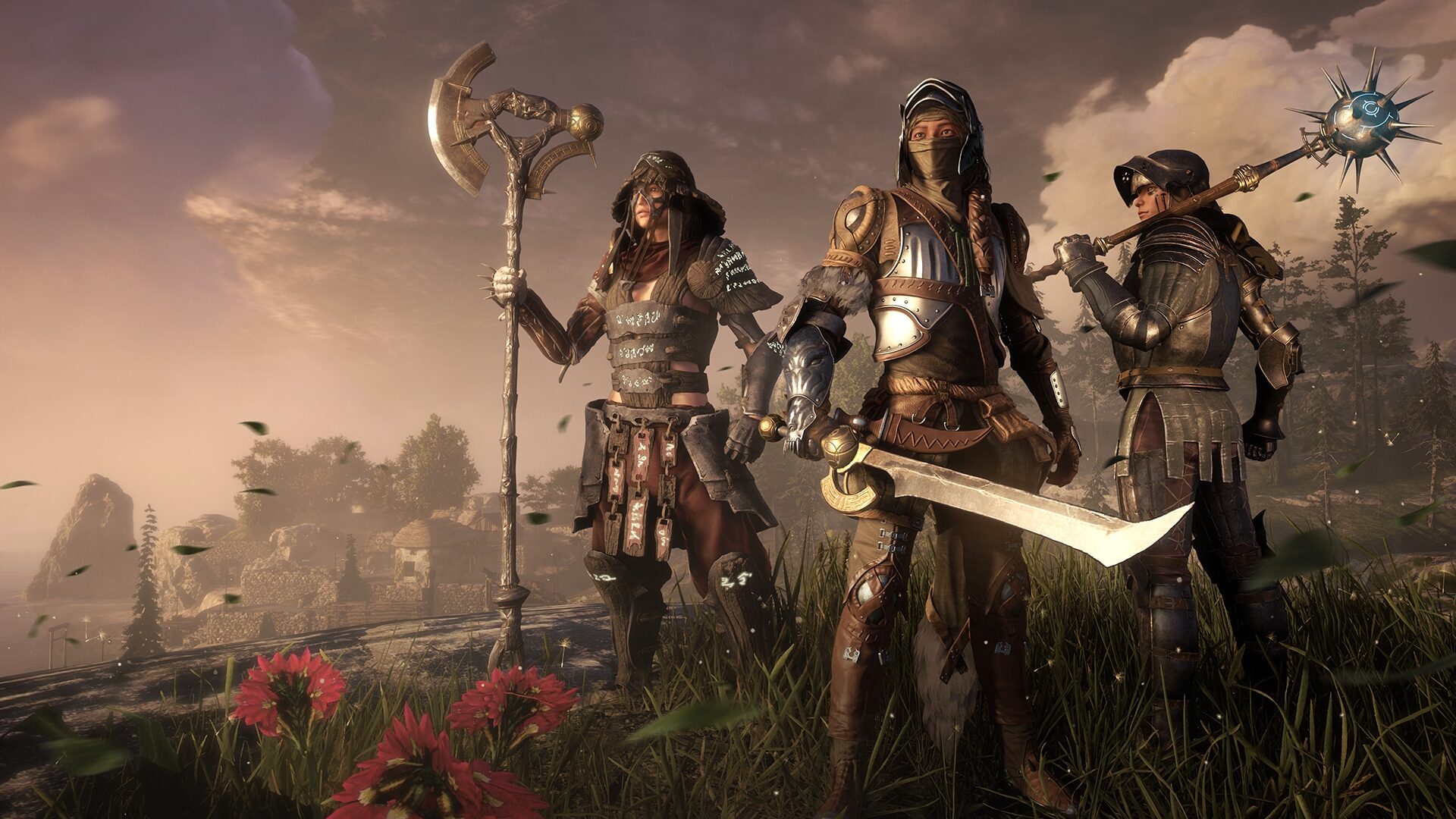
This originality extends to character designs as well. There’s nothing quite like the armour and garments in Soulframe; many wardrobe choices are downright unconventional compared to the rest of the medium. Depending on your Pact and your build, or even just the gear you scavenge, your aesthetic can end up as an eclectic mix of the organic and inorganic. While this can lead to some jarring glamours, at least they’re visually distinct from the rest of the medium— not just more generic, vaguely medieval knight armour and wizard robes—and it all helps the world’s culture feel more alive.
Nature Is Healing
At Soulframe‘s big reveal at TennoCon 2023, its optimistic tone immediately set it apart from the sea of dark fantasy and grimdark Soulslikes. The initial gameplay demo shown at the event culminated in the player character fighting bitterly against a boss named Lady Deora, and instead of slaying them in some bombastic fashion, the player heals them instead—casting out the corruption of their villainous overseers, and using beloved memories of their childhood to restore them to their true self.
That scene has sat with me ever since, even after playing that segment a few times over during the Preludes alpha. This spirit of restoration flows through so many elements of Soulframe, and it’s such a breath of fresh air in an industry that’s otherwise rife with the same repeated, sensational violence.
When fighting giant hound-type enemies, the character doesn’t execute the innocent, coerced animal once their health is depleted; instead, their armour is knocked off, letting them return to their senses and flee into the wilderness again. Many tasks involve stopping engines of corruption and pollution that pour ichor into the environment. Lady Deora is not the only boss we heal—last year’s demo introduced Bromius, a bear whose plight and subsequent restoration were moving and cathartic to behold.
(And yet we still get to kick bad guy asses, true to Digital Extremes’ long-running history of frenetic combat.)
Video games always tell us we’re saving the world, making the world a better place, and so on. Often we don’t get to see that difference until the very end of a traditional story, maybe in a brief cutscene; some open world games, like Marvel’s Spider-Man 2, will have conditions improve in individual regions once we clear all the activities, and maybe a NPC will thank us before running off-screen.
The true beauty of Soulframe, however, is that it feels like we’re making a difference. Sure, those woodland creatures we free from a cage are not much different than the New Yorkers Spidey saves in Insomniac’s random quests, and the engines of pollution will respawn. But the major plot scenes—restoring the Omen Beasts, reconnecting with ancestors, even restoring the world trees—feel like genuine victories and progress. The world of Midrath needs to stay in conflict or there wouldn’t be much to do in this ongoing game.
But the overall themes and tones of purification and healing help set it apart from the crowd. In this way, Soulframe has the potential to be the truest heir to Tolkien’s legacy. Like The Lord of the Rings, we’re presented with a rich, storied world steeped in the power of language and the beauty of nature, beset by villains who seek to corrupt it for their own ends. Though countless authors have adopted Tolkien’s tropes over the years, it’s rare for a work of fantasy to truly tap into the same lyrical, nature-idealizing spirit that drove him—and that’s exactly what Digital Extremes have achieved with Soulframe.
And this is still just the closed alpha phase.
(Soulframe is an upcoming free-to-play open-world fantasy adventure from Digital Extremes. Interested players can apply on its official website for a chance to play Preludes, an early test build of the game.)