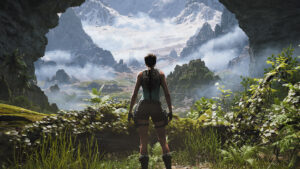

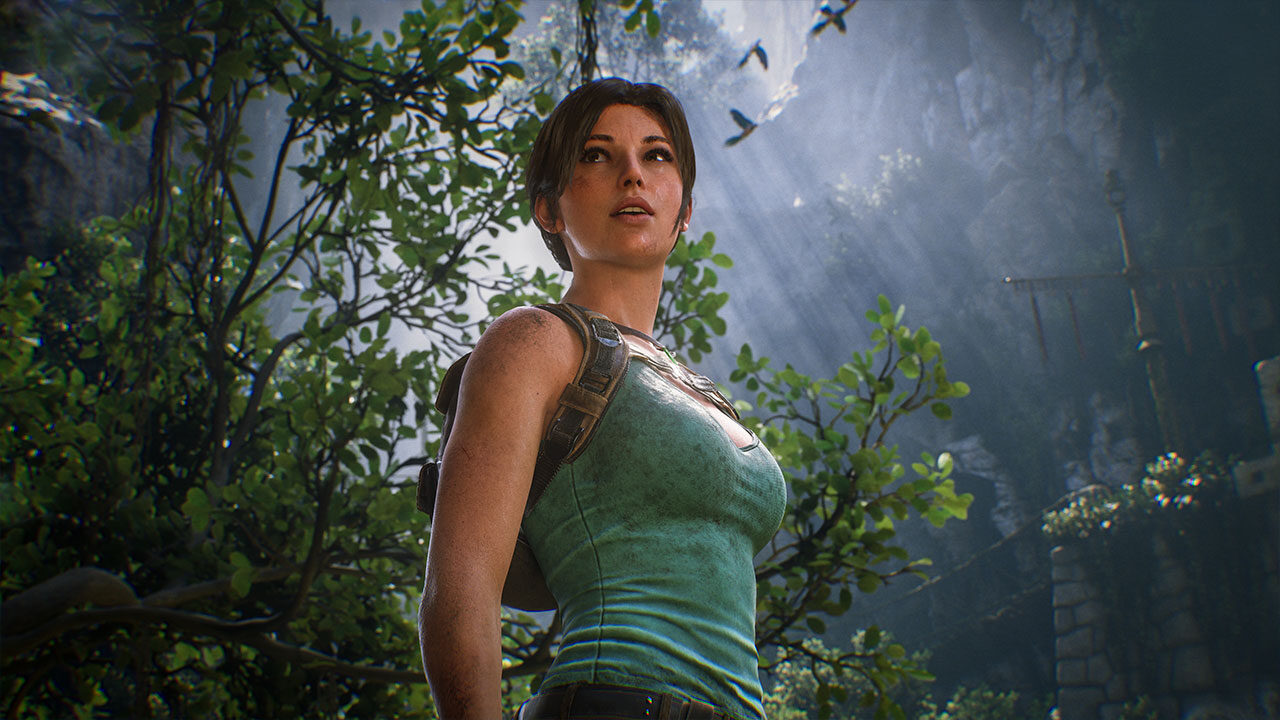
I do not envy Crystal Dynamics taking on Tomb Raider: Legacy of Atlantis one bit. Reviving a series with such a long legacy and so many gamers loving different eras of the franchise can be daunting. But this raises the question: how do you bring Lara Croft’s first adventure into 2027 without stripping away what made it stand out in the first place? Judging from the hands-on time I had with Tomb Raider: Legacy of Atlantis at Summer Game Fest 2026, you’re trying to deliver on everything the series is known for and take the time to make that a reality.
There is a real tension between the old and the new that has defined the game so far, and it was clearly visible in the hour-long demo I played. Legacy of Atlantis still leans on the pillars of the original Tomb Raider: classic civilizations, ancient ruins, dangerous creatures and the mystery of Atlantis, all of which focus its narrative.
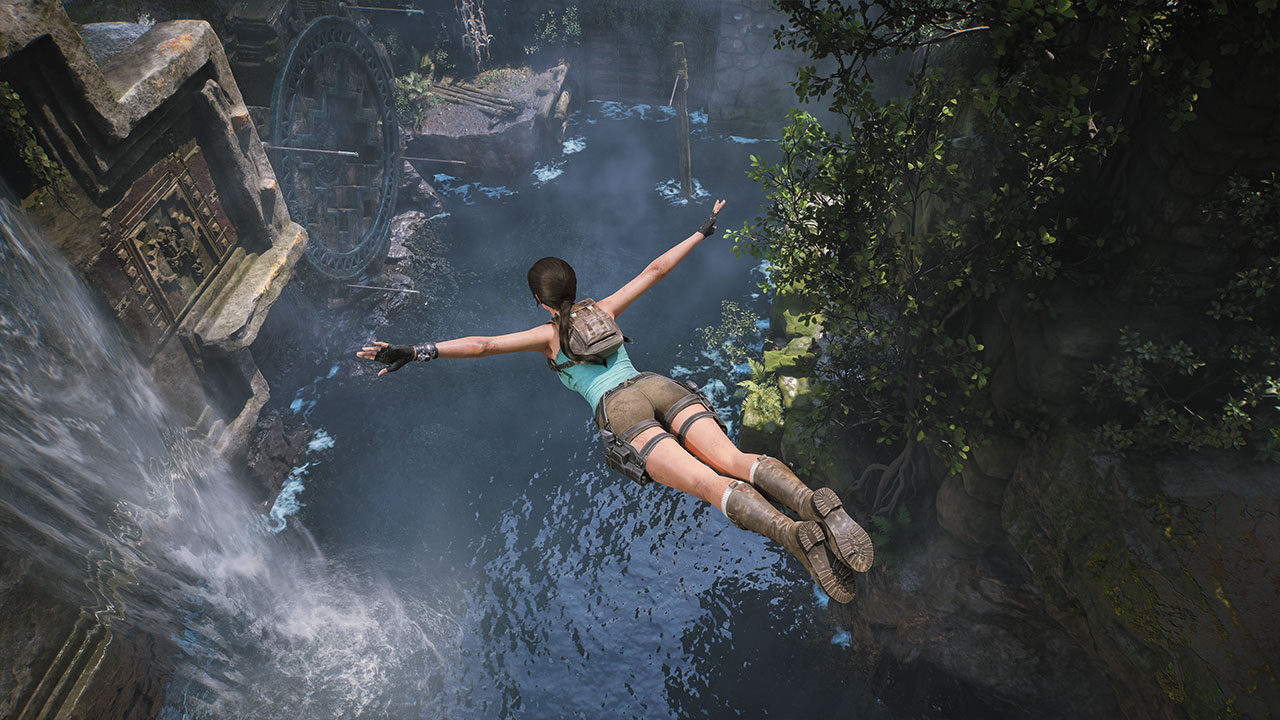
But that is not to say this game leaves the Survivor trilogy in the dust. It incorporates some of those elements, such as more connected environments, a heavier focus on traversal and combat systems that feel more active than the stop-and-start action of the 1996 release. In theory, the game is checking all the right boxes.
Here is where I will interject with my biggest issue with Tomb Raider: Legacy of Atlantis so far: the framerate and floaty feeling of the controls. This demo is, without question, an early build, with one of the representatives on site letting me know it was pre-alpha, but it was rough in spots. In past Tomb Raider games, the one thing the series nailed was precision. If you made a jump or ran for a ledge, you knew you could make it, and if you did not, it was often an issue on your end.
In Tomb Raider: Legacy of Atlantis, I would constantly hit roadblocks caused by the controls not acting as responsively as needed to make jumps. The final death in the last section of the demo was caused by Lara not wanting to grab onto a ledge, and I watched as she jump-posed her way into a chasm. I am giving the game the benefit of the doubt here and hoping this is just due to it being an early build, with the final game polishing up these issues, but it was a rough experience. That was even more frustrating since the rest of the game feels solid, and I wanted to actually experience it.
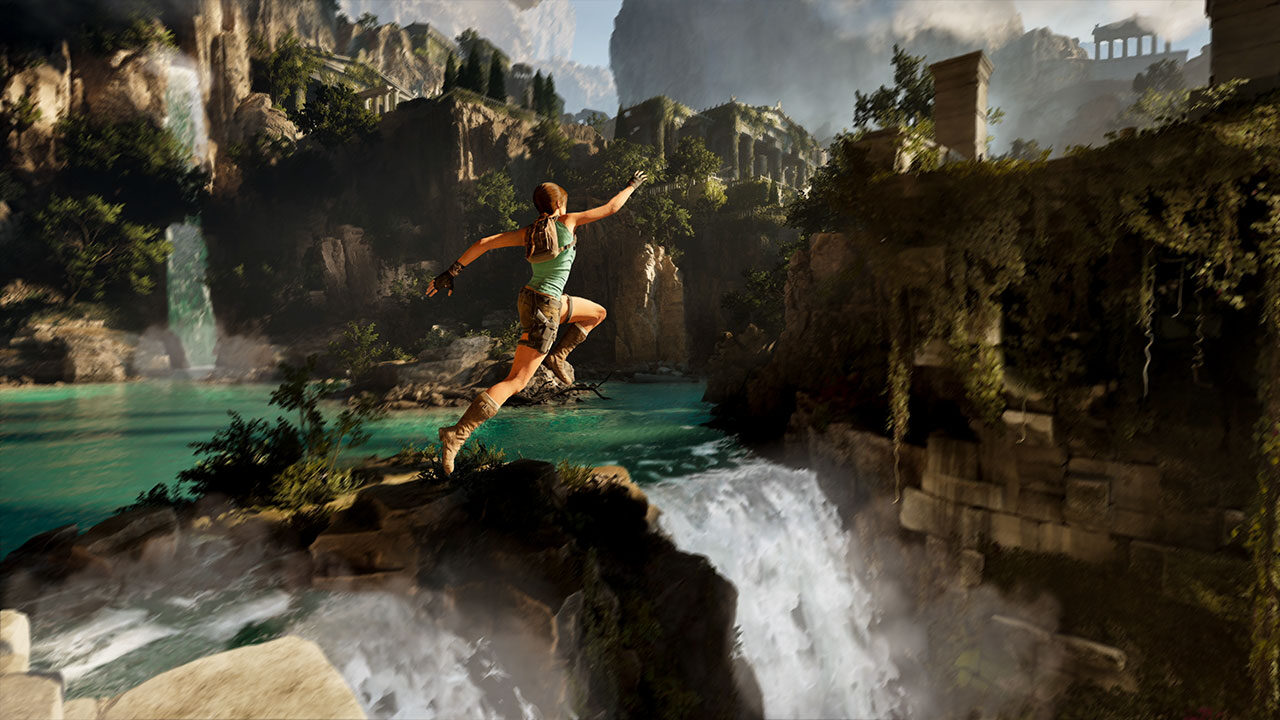
If you have played a Tomb Raider game in the past, you will feel right at home here. Lara sets out in search of the Scion, an Atlantean artifact split into pieces, and that search takes her across Peru, Greece and Egypt before the adventure reaches the lost civilization at the centre of the story. It is hard to say how much of the franchise legacy will be a part of this new instalment, such as characters, story lore and other elements, but so far, it feels very rooted in the mythos of Tomb Raider.
“In Tomb Raider: Legacy of Atlantis, I would constantly hit roadblocks caused by the controls not acting as responsively as needed to make jumps.”
The biggest changes appear in how players move through the world. Unlike in past iterations, a grappling hook is a major part of how Lara traverses the landscape, while a scanner helps spot clues, secrets and interactive objects in the environment.
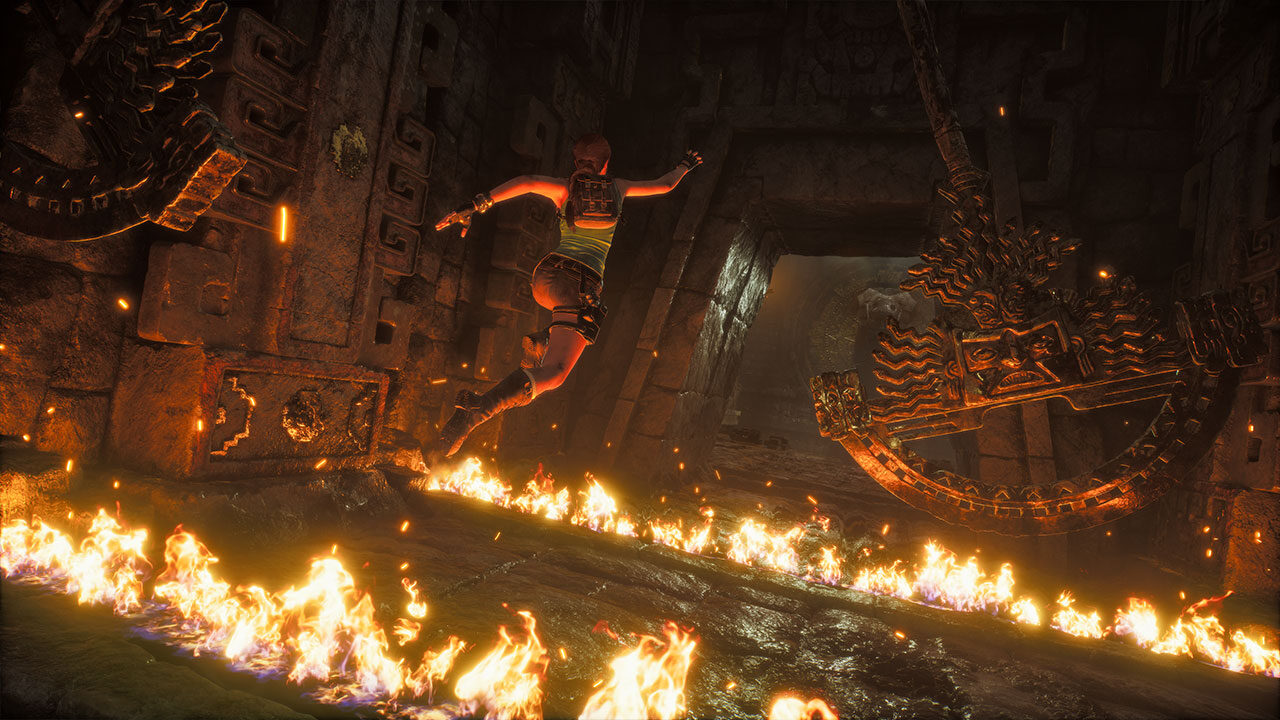
The Tomb Raider: Legacy of Atlantis demo hinted at a much more connected experience this time around, with secrets, side areas and major sections that let you actually raid tombs. Even in the short demo, there were hints of how that would work in the larger experience. It is hard to say how vast the locations will be, but I like the more complex locations shown in the demo, and I am eager to see how the game opens up.
Combat in Tomb Raider: Legacy of Atlantis is one area that feels very influenced by the Survivor trilogy, giving it a much more dynamic and fast experience. Lara still uses her dual pistols with unlimited ammunition, which are very much the name of the game here, but fights now include dodges, flips, rolls and a focus-style slow-motion effect that builds through successful evasive play.
“The Tomb Raider: Legacy of Atlantis demo hinted at a much more connected experience this time around, with secrets, side areas and major sections that let you actually raid tombs.”
While the demo was light on combat, with only a few raptor fights, it did bring back one of the more iconic enemies Lara has faced: the T. rex. Instead of just recreating one of the original game’s best-known moments beat for beat, the team appears to be expanding it into something larger and more cinematic.
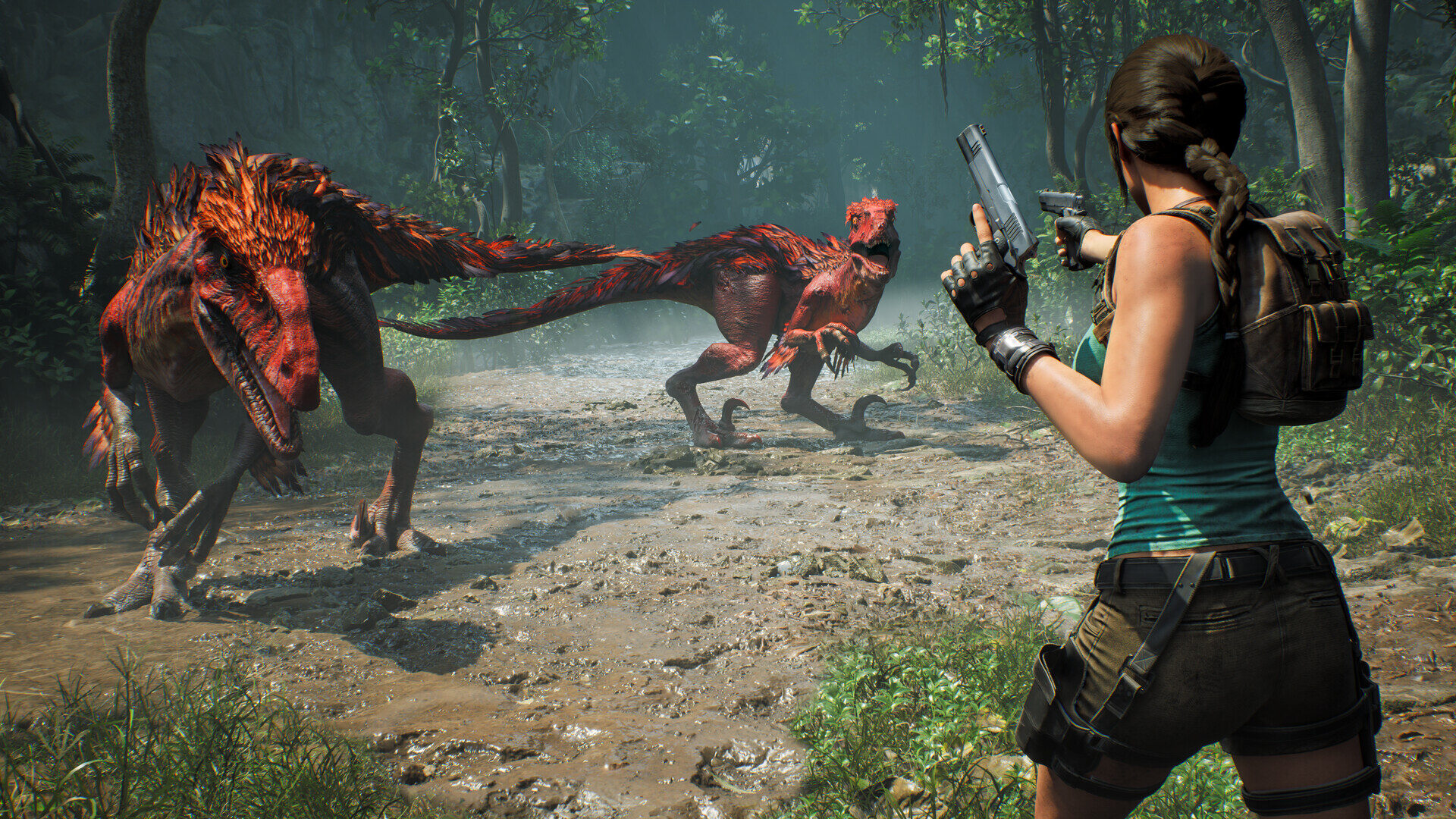
It seems the studio is looking to bring those big moments from the Survivor trilogy forward as a natural way to evolve that sequence while still preserving what players remember about it. It did feel stressful and delivered some fantastic moments straight out of an action movie. Honestly, if the frame rate had allowed it, that is how I would have walked away feeling: a sense of awe at how fantastical and epic the demo’s moments were.
Visually, Legacy of Atlantis is built in Unreal Engine 5, and the goal seems to be to make these classic spaces feel less like relics and more like believable places. Even playing the demo, I could see a drive by the studio to capture a new sense of how puzzles work, updated sound work and expanded environments, all pointing to a remake that wants to modernize the original’s structure rather than simply dress it up with better lighting and sharper textures.
The overall look of the game is nothing short of stunning. Tomb Raider: Legacy of Atlantis is a striking game experience, with Unreal Engine 5 put to good use, capturing a range of visual elements that feel both fantastical and believable.
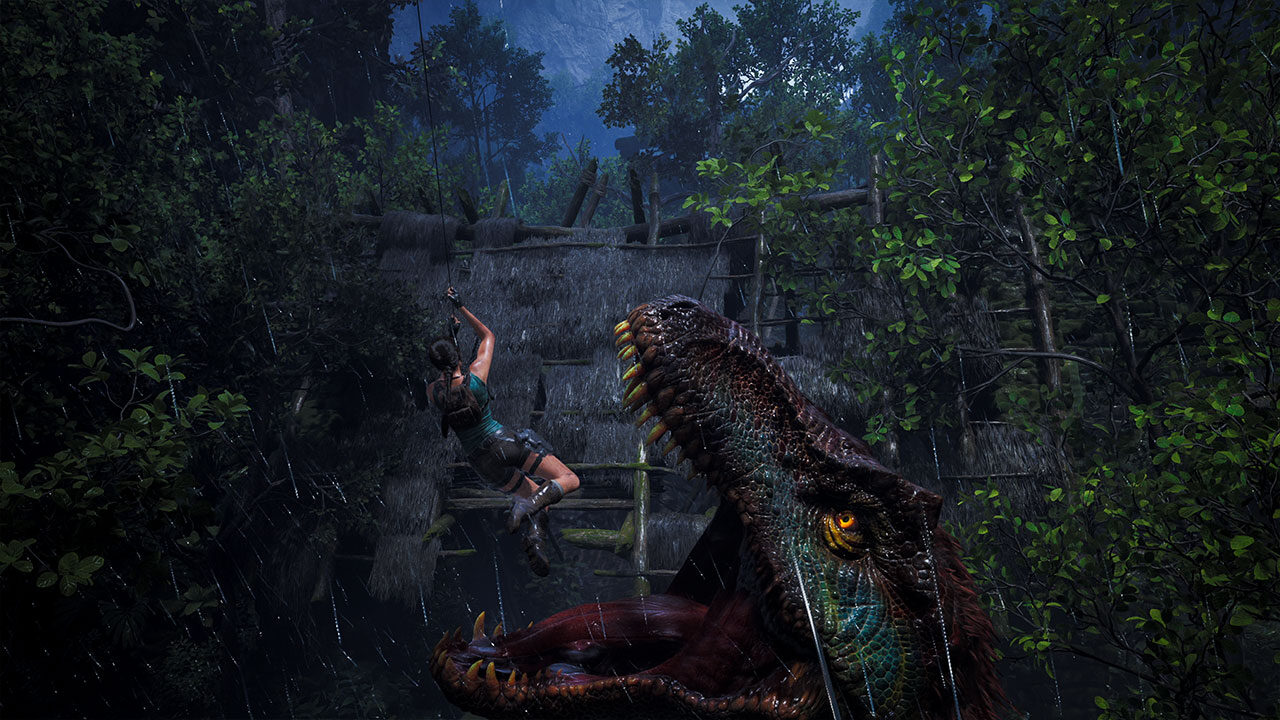
The dinosaurs have a texture to their look, the water feels lifelike, and the various aspects of the environment all look like they could have come from some of the best gaming has to offer. That said, I would have loved to see a clearer path for the traversal beats and whether parts of the combat are fully landing yet.
Right now, Tomb Raider: Legacy of Atlantis looks like a game trying to bridge two eras of Lara Croft at once and still trying to find its footing. The original story is still recognizable, but nearly every change around it points to a studio that knows a straight remake would not be enough.
If the final version can make those classic locations feel fresh without losing their mood, Lara’s return could end up feeling less like a revival act and more like a strong new introduction to one of gaming’s foundational adventures. If the studio can nail the overall feel of the game once they have more time to polish the experience, Tomb Raider: Legacy of Atlantis could be something special; at present, I remain skeptical.