

Tutorials should be seamless and almost invisible. Yet what makes some tutorials leave players feeling like they’re back at school rather than enjoying a game?
Game developers have spent years refining the process of onboarding new players. However, developers working on more casual games or titles with tighter budgets can sometimes overlook the importance of a well-designed tutorial. Instead of guiding players naturally through gameplay, these tutorials often rely heavily on text-based instructions, lacking the fluid, intuitive learning experience found in many big-budget console and mobile games. Understanding what makes a tutorial frustrating or ineffective is half the battle when it comes to creating a better experience.
The Traditional Tutorial
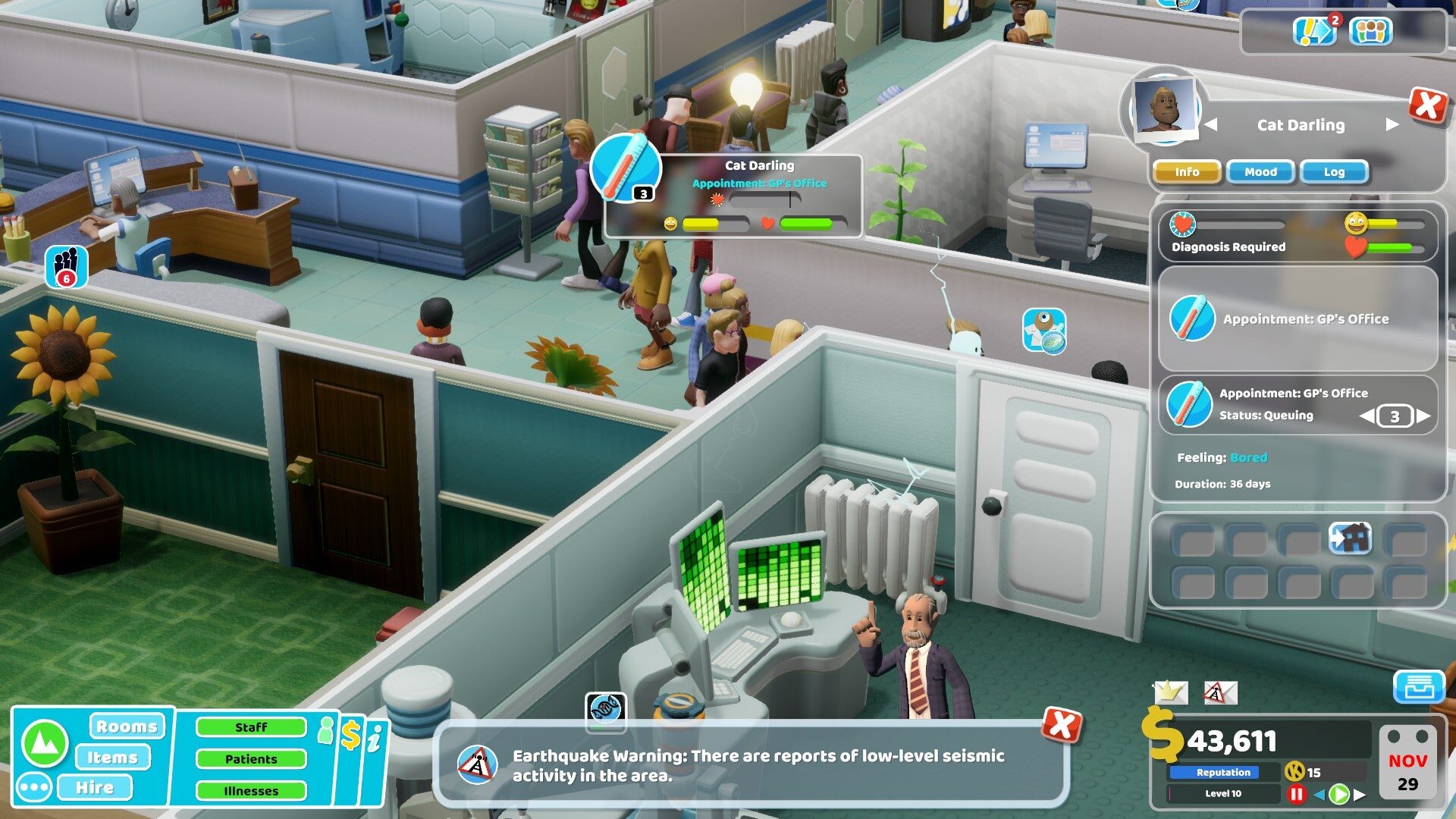
When faced with a wall of text, most people will turn away unless they really want to dive headfirst into a novel. When you want to get on with an activity, it can be infuriating. Similarly, think of the pop-ups that appear, telling you what to do when you don’t need the help. All of these interruptions only hinder progress.
The gaming sector has worked hard to reduce this friction, particularly when introducing players to unfamiliar mechanics. Many of these lessons extend beyond gaming, especially to digital platforms where users must navigate complex information, whether that’s financial applications tracking cryptocurrency prices or software introducing new features. By presenting information gradually and allowing users to learn through interaction, these platforms can make otherwise complicated systems easier to understand without overwhelming newcomers.
While statistics on players abandoning games are not readily available, website drop-off rates offer a point of comparison across industries. Commonly known as bounce rates, they measure the percentage of visits that end without meaningful engagement. According to CXL in its 2026 Bounce Rate Benchmarks study, gaming websites have a bounce rate of 46.7%. In such a competitive sector, even marginal improvements could have a significant impact.
- Food and Drink – 65.62%
- Science – 62.24 %
- Reference – 59.57 %
- People and Society – 58.75 %
- Pets and Animals – 58.04 %
- News – 57.93 %
- Arts and Entertainment – 56.52 %
- Games – 46.70 %
What Does a Good Tutorial Look Like?

In the past, information on games came with the bundled instruction manual. It was still useful, but it was handing players a spec sheet rather than teaching them anything once they were actually playing. Any other information came from magazines, television shows, and eventually, third-party websites. Yet they followed a similar system, and told you little except what was already known. This could leave the actual playing of the game a matter of trial and error.
In modern gaming, several different approaches can be adopted. One of the most prolific is to have in-game mascots giving advice. The option to turn these characters off and make them reappear gives players the ownership to both explore and be taught. This can be troublesome. Players want to log right on and start playing. Yet developers must also integrate tutorials into this play without ruining the flow, providing only the bare information that is necessary.
Pitfalls in Progression
A progressive disclosure system could work here. This is a model in which a game introduces players to its more intricate mechanics only when they encounter them for the first time. This gradual introduction could work with a range of other features.
What matters is that overlays do not interrupt the flow of the game. In fact, they should feel like a natural part of it. This involves designing them to match the game’s theme, graphical style and animation, all while maintaining a consistent voice. Tutorials are an add-on, but the best ones should feel like part of the game. They should be almost invisible, allowing players to learn as they play rather than taking part in a dry run.
Much of this is known as “invisible architecture.” Modern games are so large that teaching everything at once would be a fruitless task. Instead, guiding players through new mechanics is a better approach, using low-risk threats. These may take the form of hazards or challenges that teach new skills in a controlled environment.
Visual signposting is another useful technique. It can involve using light, lines, colour and texture to draw the player’s attention to objects. Anyone who has played Baldur’s Gate 3 will recognize how Larian uses beams of light to highlight objects uncovered by the player’s Perception checks. Without these visual cues, the objects might go unnoticed.
These are some of the clever mechanisms working behind the scenes when game tutorials come into play. They combine narrative framing, thoughtful map design and patient pacing. When done well, they bridge the gap between player and character without breaking the suspension of disbelief. This helps keep players engaged for the long haul.
David Fox is an experienced gaming specialist with extensive knowledge of licensing standards and player-focused platforms. His background in sales and affiliate partnerships gives him a unique understanding of how operators work behind the scenes. David provides clear, reliable insights that help readers navigate the gaming world with confidence.