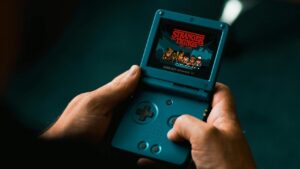


The gaming industry promises the next big thing. If you’ve noticed, that’s every single year. Bigger worlds. Better graphics. Greater animations. But still, it seems like we’re getting back into the classics: Super Mario World, Chrono Trigger, or The Legend of Zelda: A Link to the Past.
Why is that? Why do games from years gone by still retain our interest when the modern versions have practically everything we dreamed of? The answer goes beyond nostalgia. Here’s why.
Retro Games Respect Your Time
Have you ever felt like you wanted to play something after work without committing to a 100-hour adventure? Maybe you only have an hour before bed. Maybe you just want to relax without managing skill trees. Maybe you just wanted to achieve something big without chasing endless side quests. Or maybe you just wanted to have fun and still feel progress and success in your game.
The best thing about retro games is that they know that kind of feeling. Titles such as Mega Man X, Sonic the Hedgehog 2, and Contra III: The Alien Wars were more to the point. In no time, you were already diving in. There were no lengthy tutorials. No endless menus to navigate. You learned by playing. You learned to experiment. And occasionally, you learned the game through failing.
Most games today require you to spend hours and hours in the bad parts. That wasn’t what older games offer. It was a matter of grabbing the players’ attention first. That’s also why many people are drawn to entertainment they can consume in less time. That change towards easily accessible experiences is evident on platforms offering Online Slots in the UK. These games offer experiences that are accessible at your convenience.
Challenge Was the Feature
Retro games weren’t always easy. The truth is, many were brutally difficult.
Remember trying to beat Battletoads’ infamous Turbo Tunnel? Or surviving the relentless stages of Ghosts ‘n Goblins? How many times did Ninja Gaiden send you back to the beginning just when victory seemed within reach?
Those experiences could be frustrating. Yet they also felt rewarding. Victory wasn’t handed to players through generous checkpoints or constant hand-holding. Success came through practice. Patience. Persistence.
But does every game need to be punishing? Of course not. But there’s something satisfying about overcoming a challenge: Your skills improved rather than your character’s stats. And that’s probably one reason why retro games get so much love.
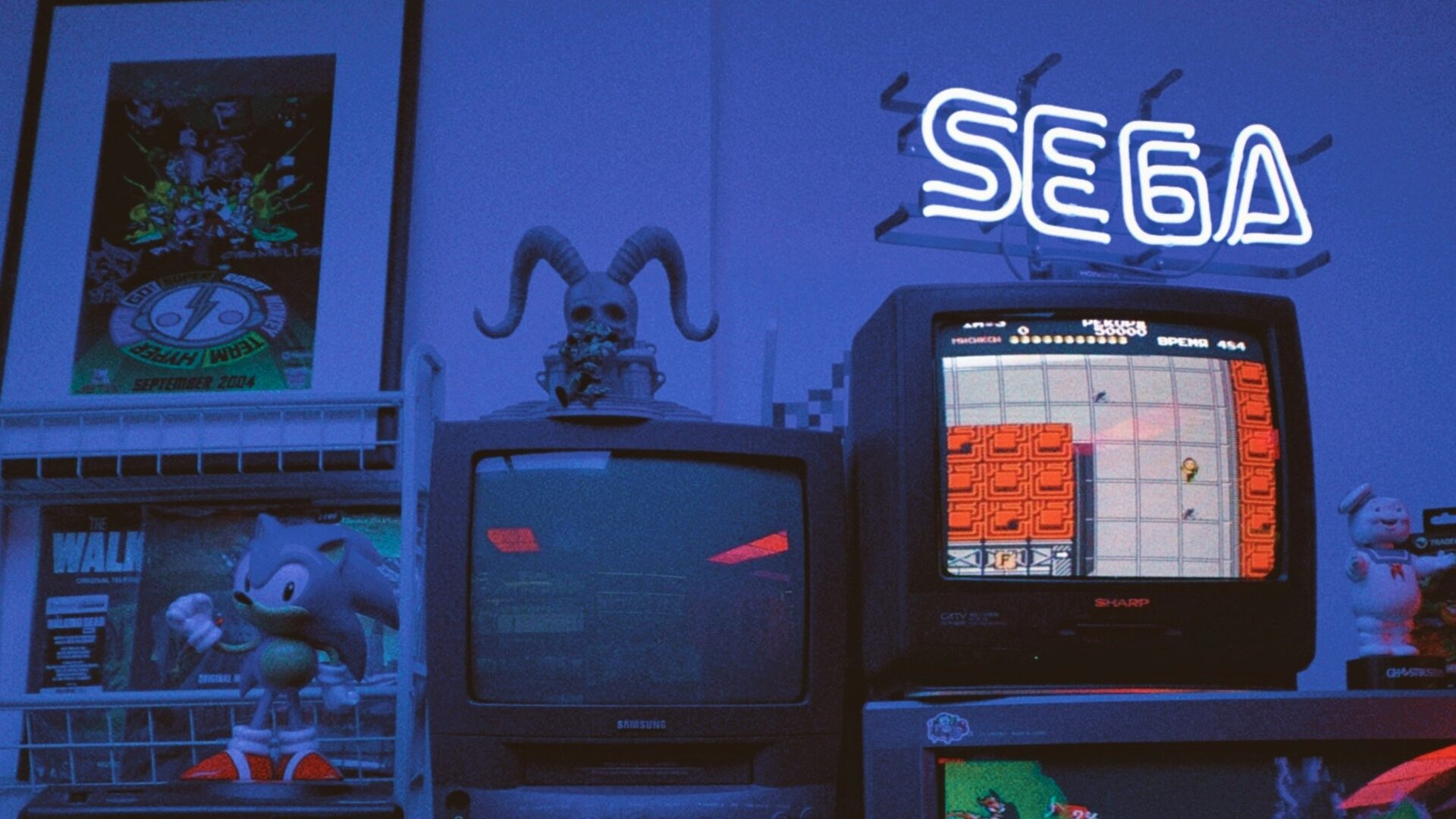
Pixel Art Never Really Went Out of Style
Some games, such as Castlevania: Symphony of the Night, Street Fighter III: 3rd Strike, and Metal Slug, are still looking pretty good and managed to get around the restriction in a creative way. Not only was the choice of pixel art a practical choice, but it was also a deliberate one. It became a part of the identity of each game.
Ever come back to the same great creation and say, “This is still good?” Good art direction is a lot older than graphics that try to get reality.
Retro aesthetics are still in use even for the most recent indie films. Stardew Valley, Celeste, and Shovel Knight show that it’s still the gameplay that makes players feel the joy in the most stylized visuals and expressive animation.
Modern Developers Keep Looking Back
The reality is that developers continue borrowing ideas that worked decades ago. Tight controls. Memorable soundtracks. Clear objectives. The ability to jump in and immediately have fun. Players haven’t stopped valuing those qualities simply because technology has advanced.
Even licensed titles understand the appeal of classic arcade experiences. The new Hot Wheels Infinite showed how exciting and fun it can still be to race and how easy it can be to have fun without the overwhelming complexity.
Maybe that is why remakes are still being made, retro collections are still being released, and throwbacks are still being heard. It isn’t just about finding old friends. They’re revisiting ideas that still work.
Preserving Gaming History Matters
Movies receive restorations. Books get reprints. Streaming is creating a new audience for music.
Works of preservation make sure that people of the future can enjoy iconic games such as Final Fantasy VI, EarthBound, and Super Metroid. These games were groundbreakers for genres, new mechanics, and many future game developers.
Gaming should be given its history like any other art form. By knowing the origins of the trends of the day, people can gain insight into the amount of creativity that existed before today’s hardware began to move the boundaries of graphics.
Maybe Retro Gaming Feels More Personal
Not everyone grew up during the NES or Sega Genesis era. Yet, retro gaming continues attracting younger players. Emulation. Compilations. Remasters. And of course, digital storefronts.
Why is that? Perhaps these games offer something increasingly rare: simplicity without sacrificing depth. You sit down, pick up a controller, and play. There’s no fear of missing out. No endless checklist demanding your attention. No pressure to keep up with seasonal content.
Retro gaming isn’t about rejecting modern games. It’s about remembering that great design never expires.