
Very few studios do analogue dread like Screen Burn. Founded in Glasgow in 2015 by Jon McKellan and Omar Khan as No Code, the studio made its name with cult favourite Stories Untold before Observation won Best Game at BAFTA Scotland and Best British Game at the 2020 BAFTA Games Awards, a first for any Scottish team. Founder, Silent Hill: Townfall Writer and Director, Jon McKellan, arrived with AAA pedigree, having served as lead UI artist on Alien: Isolation and senior UI designer on Red Dead Redemption 2.
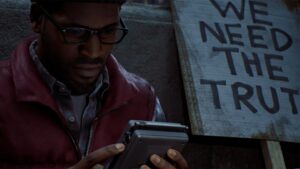
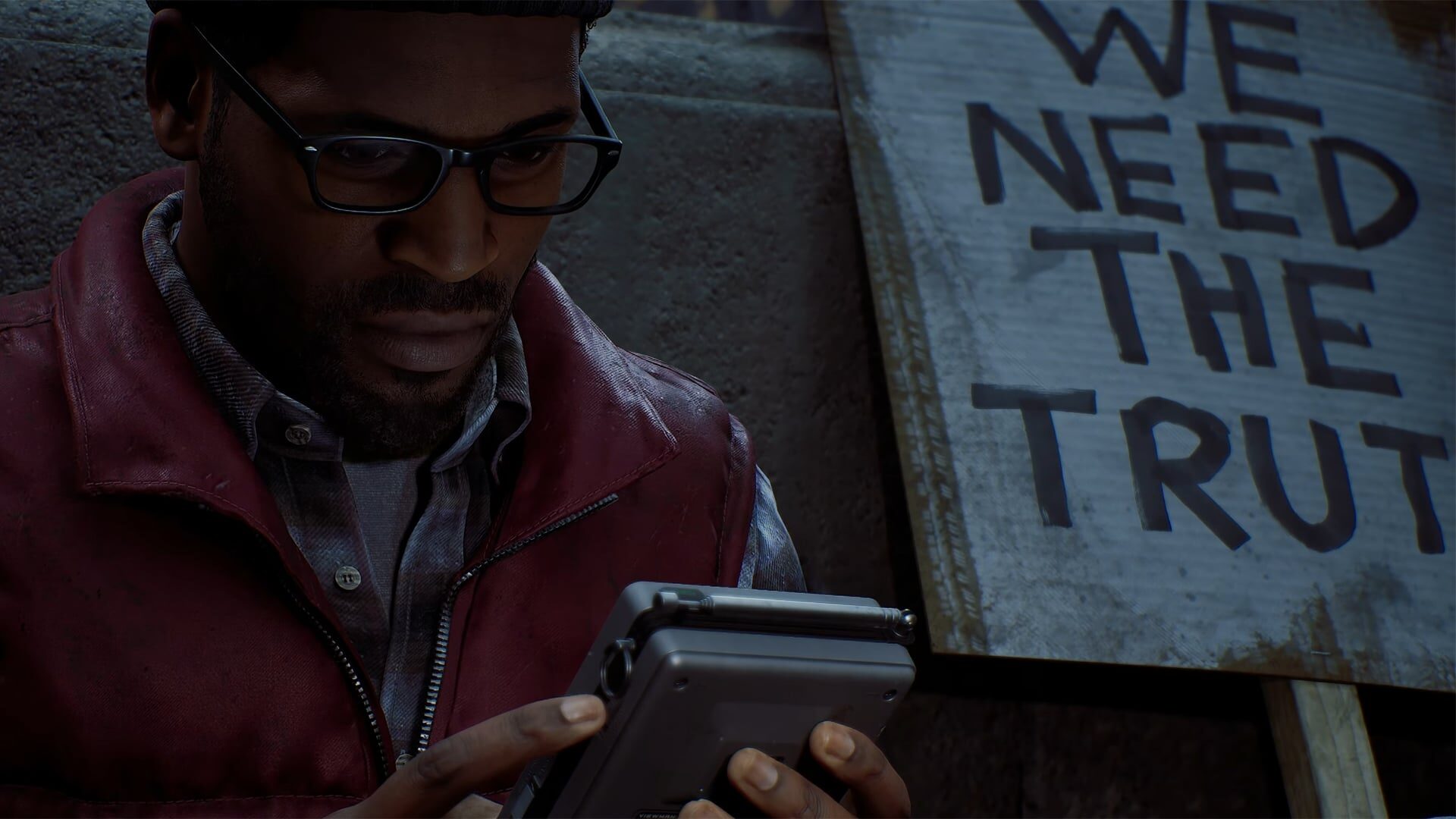
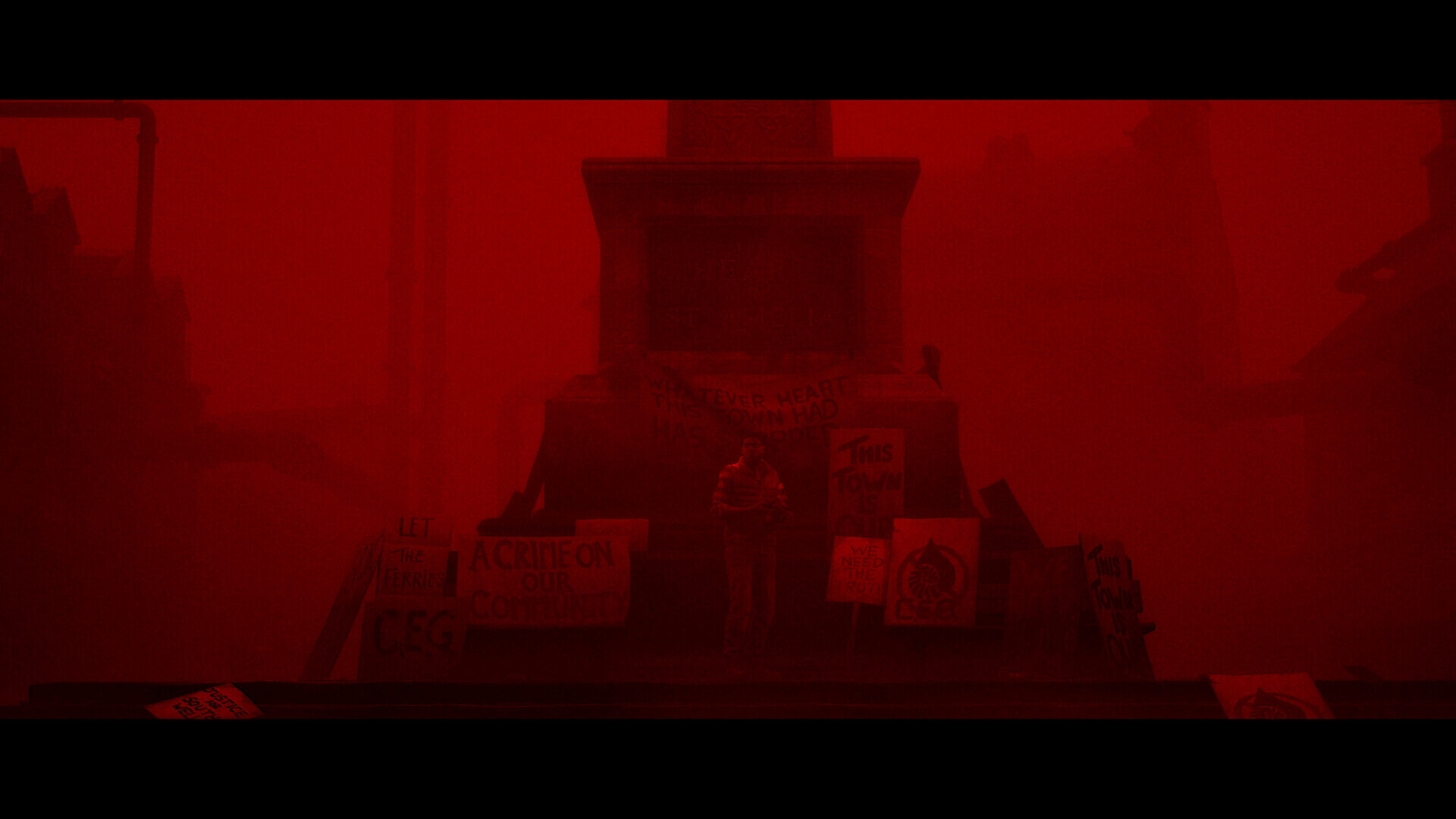
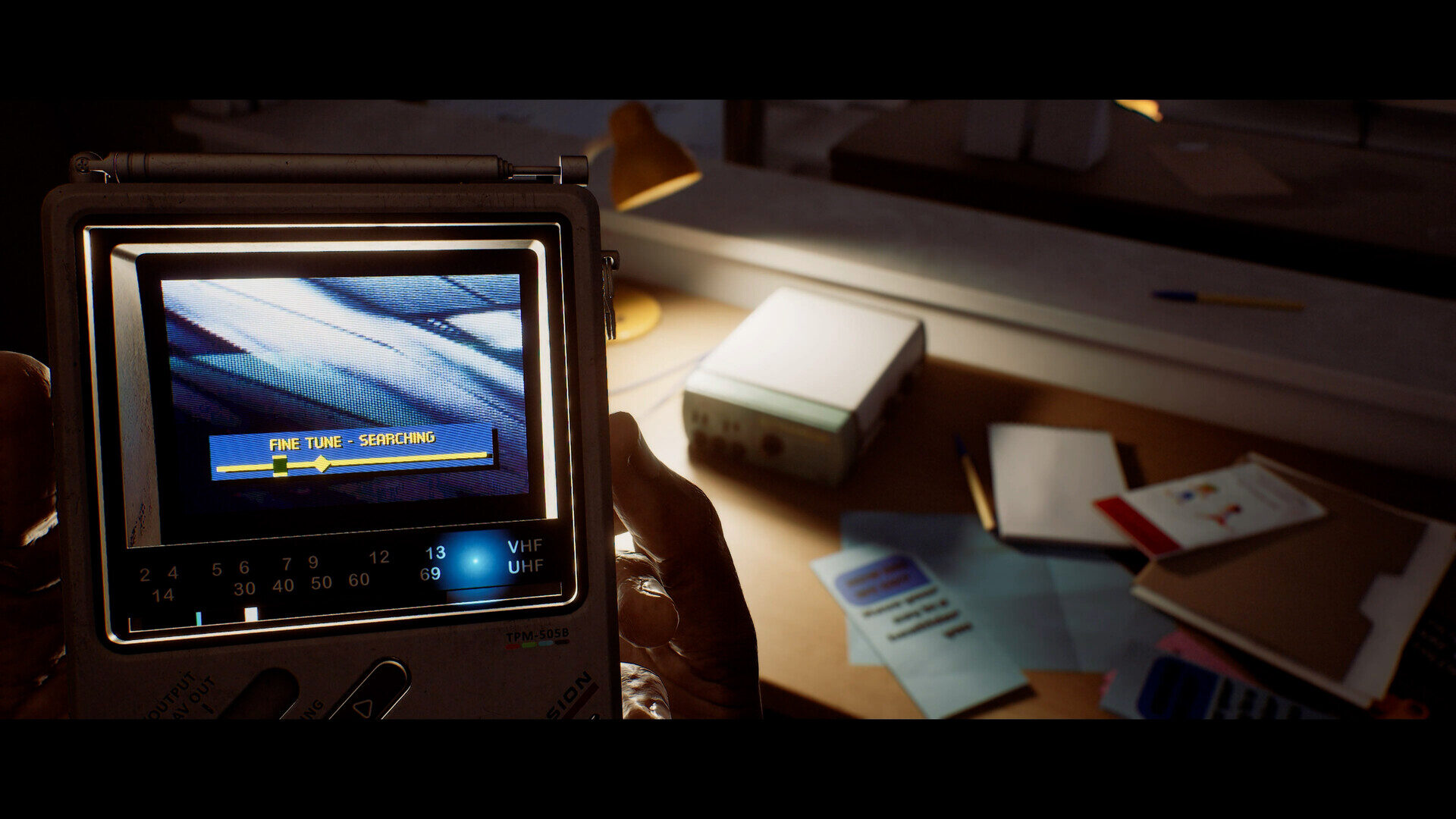
Joining him is KONAMI’s Silent Hill series producer and the guiding hand behind Silent Hill 2, Silent Hill f and Silent Hill: The Short Message, Motoi Okamoto, following a decade-long career at Nintendo. Together, they built Silent Hill: Townfall, the series’ first full-length first-person entry. Set in 1996, it follows Simon Ordell back to St. Amelia, a fog-drowned island town off the Scottish coast, to put things right. He is armed mainly with the CRTV, a pocket television that tunes into unstable signals, clues and fragments of the town’s past.
I got to play more than an hour of Silent Hill: Townfall, and while it is very different from past entries in the series, it is without a doubt cut from the same cloth as some of its best games. It is not looking to take the franchise in an action-movie direction or lose the DNA that made the series so beloved. Instead, it opts for a new location, a new character and a story all its own, filled with dread, horror and a sense of loss throughout the time I spent with the game.
I still have so many questions about the story and how this new entry fits into the wider lore. I cannot wait to dive deeper into the game and see where Silent Hill: Townfall takes the series next. With Silent Hill: Townfall launching Sept. 23, I sat down with McKellan and Okamoto to discuss its origins, its scares and what it means to carry Silent Hill into a new era.
I just want to get started by asking: how did Silent Hill: Townfall come to be, and how did everyone get involved?
Motoi Okamoto: The origin story starts with the KONAMI U.S. team having a casual conversation with Annapurna Interactive, which I later joined. When I joined those discussions, Annapurna recommended a team to make a Silent Hill game: Screen Burn. After that introduction, we took the opportunity to play through their previous games, Stories Untold and Observation, both of which were great. So, we felt very comfortable partnering with Screen Burn.
Jon McKellan: We started putting together a pitch for what we felt would be a good Screen Burn take on Silent Hill, building on what we had done in the past while also looking for something new. We brought that pitch to KONAMI and, thankfully, everyone was very much aligned on the idea and where it could fit within the wider franchise. From there, we just got started.
I want to touch on the setting of Silent Hill: Townfall. I know you have mentioned it in the past, but the game is very much not set in Silent Hill itself. How did that happen, and was there any pushback on setting the game outside the iconic town?
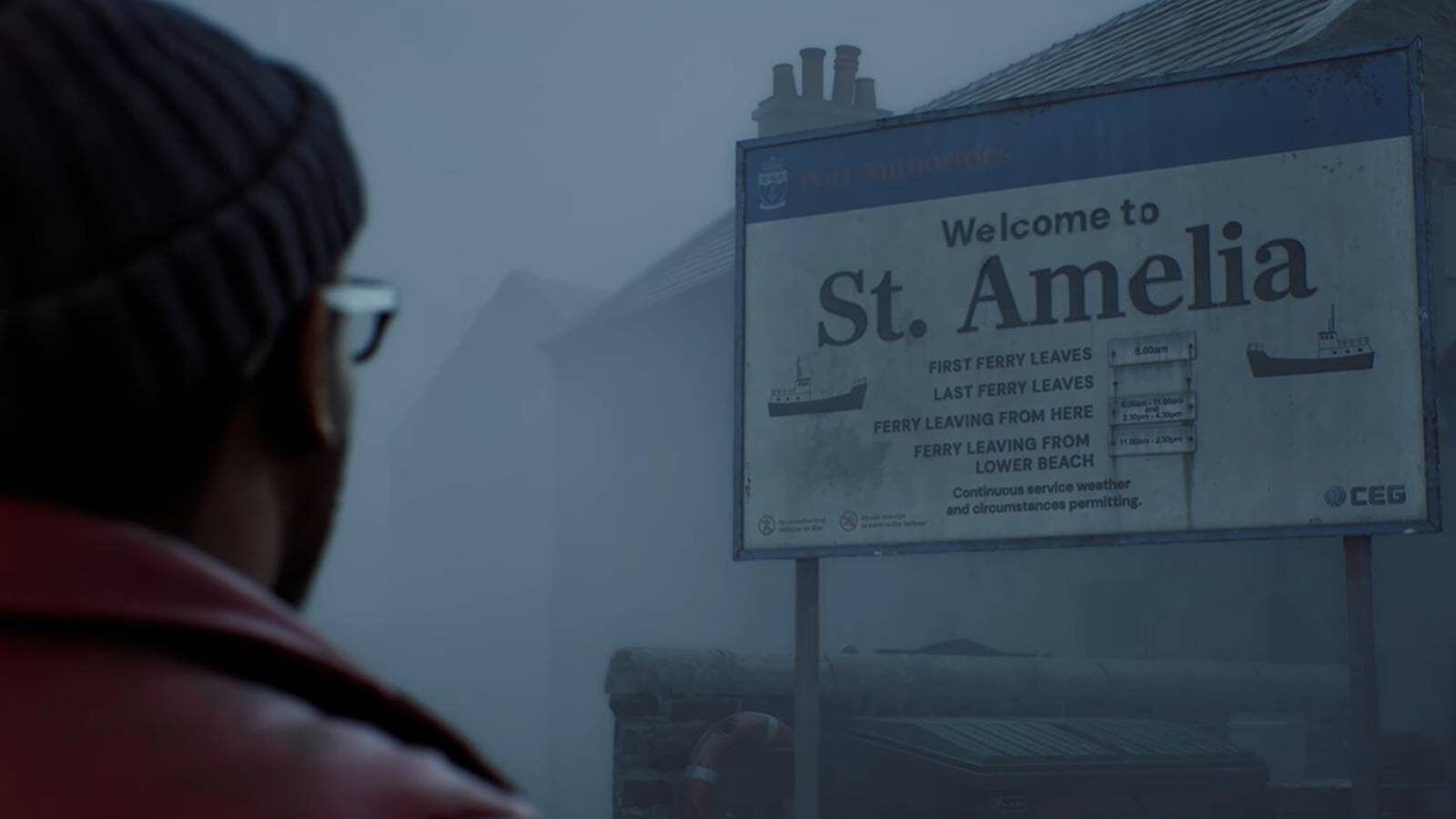
Jon McKellan: No, I think our original pitch was that we felt we should take it somewhere else. If we wanted to create a story about a town, and have that town feel like a main character in the story, it needed to feel authentic and believable. It would have felt a little disingenuous for us to write about a believable American town.
So, we felt we should write what we know and draw on our own experiences, upbringing and things like that. That allowed us to create St. Amelia, which is very rich in detail. A lot of the smaller, anecdotal moments within the town are drawn from our own experiences. That gave us a way to create something that feels really detailed and immersive and, hopefully, makes the player care more about the town.
That’s fair. How does the town in Silent Hill: Townfall fit into the overall lore, or is that something you are not discussing at all yet?
Jon McKellan: No, it’s not really been discussed. It’s more very much a self-contained story. It’s part of the anthology-esque nature of Silent Hill. It feels like with Silent Hill 2, the remake and the first game, you’ve got lots of stories taking place in that town, and this is a great way to try other things and see more experiences that spread it beyond the iconic town.
In the same way as everything else, were there certain things that KONAMI told the team, “These are aspects we need to make sure are in Silent Hill: Townfall”? If so, how did you incorporate those into the overall story and concept?
Jon McKellan: No, we were not given specific updates. But there were a lot of conversations about what Silent Hill means. We asked our team internally, “What does Silent Hill mean to you?” I think with any franchise that has been around for so long, depending on when you came into it, you have a different idea of what Silent Hill is.
If you have been a fan since day one, you have one perspective. Some members of our team were far too young to play the games when they originally came out, so they see them as retro games. Everyone has a slightly different take on it. What stayed consistent across everyone’s experience was the sense of unease and dread throughout the games, and we worked with KONAMI to make sure that feeling was always there.
Now, for KONAMI, what was it like working with Screen Burn to build this new story, and what was the back-and-forth like in making Silent Hill: Townfall feel unique while still making sure players could jump in and feel like it belonged within the series?
Motoi Okamoto: I think, as Jon already mentioned, they provided the initial pitch, and we were very impressed with how on-tone it was. From the very beginning, it already felt like Silent Hill.
During development, of course, we kept looking at how the game and the narrative were progressing throughout the process. We cannot go into too much detail about how things changed because we do not want to spoil anything for players. But right from that first pitch onward, we felt the project was very much in line with what we believed Silent Hill should be. I do not think the finished product has veered very far from that initial pitch.
That’s awesome. Now, you mentioned that you wanted to write a town that you know. What is it about this town that makes it such a distinct setting for Silent Hill: Townfall, and what do you think will make players want to explore it?
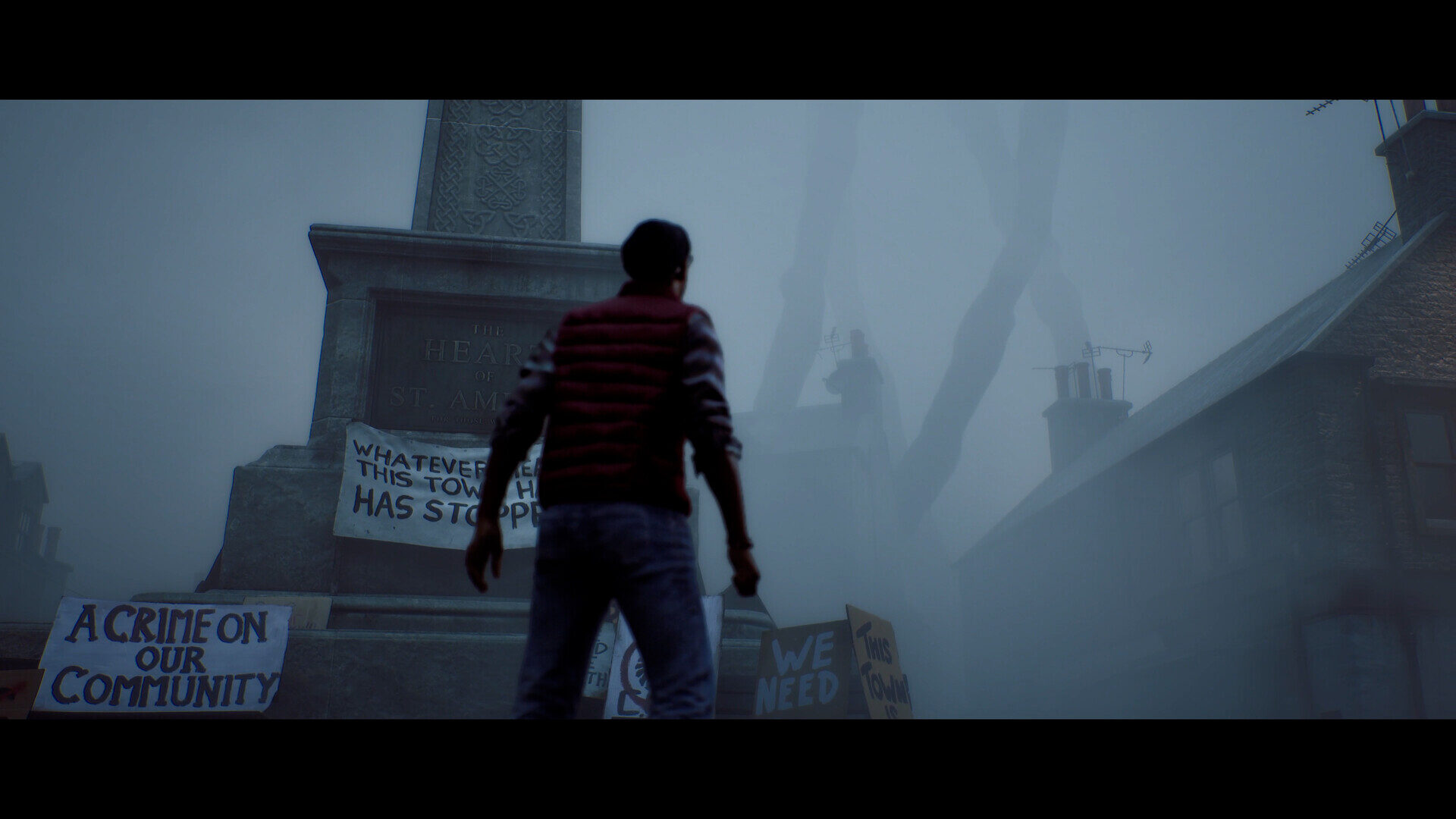
Jon McKellan: I think it is just a very different kind of place for a horror game. Having grown up around and visited towns like this my whole life, they can be very idyllic, cute and lovely. You have narrow passageways, cobblestone streets and all these charming details on a nice day. But when the fog rolls in and there are monsters around, it becomes a much more claustrophobic experience. Even when you are outside, it can feel confined in a different way. There is no grid structure to the streets. There are no right angles. Everything curves and feels a little uneven.
I think that brings a sense of unease as well. The town itself feels almost unpredictable in the way it fits together. When you look at the map from above, it is not as instantly readable as somewhere like New York City.\ I think that adds something to the horror experience. Then, on top of that, we layer in depth and narrative around every corner. A lot of the story in Townfall, the lore and the backstory, is buried very subtly. There are no big exposition dumps. The more you investigate, the more you gradually build a picture of what happened. I think that makes it quite unique.
Now, when I was watching Summer Game Fest, they showed off things like the power meters and the cards used with them. How many of those kinds of details that are unique to Scotland did you feel you had to inject into Silent Hill: Townfall to make the town feel like a place where people from Scotland or elsewhere in the U.K. might say, “Yeah, I understand where that is, and I know what is going on there”?
Jon McKellan: Well, I think that was our benchmark. It should feel nostalgic and relatable to us and therefore very homely to everyone else, right? The power meter is a great example. It is one of the first puzzles you find in the game. It is fairly straightforward in terms of how you solve it, but it sets the tone for the kind of odd details we fixated on.
It is a very Scottish way of getting the power back, and there are elements like that throughout the game. I think people in the U.K. will find a lot to relate to, while people outside the U.K. will find a lot to discover. It feels like it works on both ends.
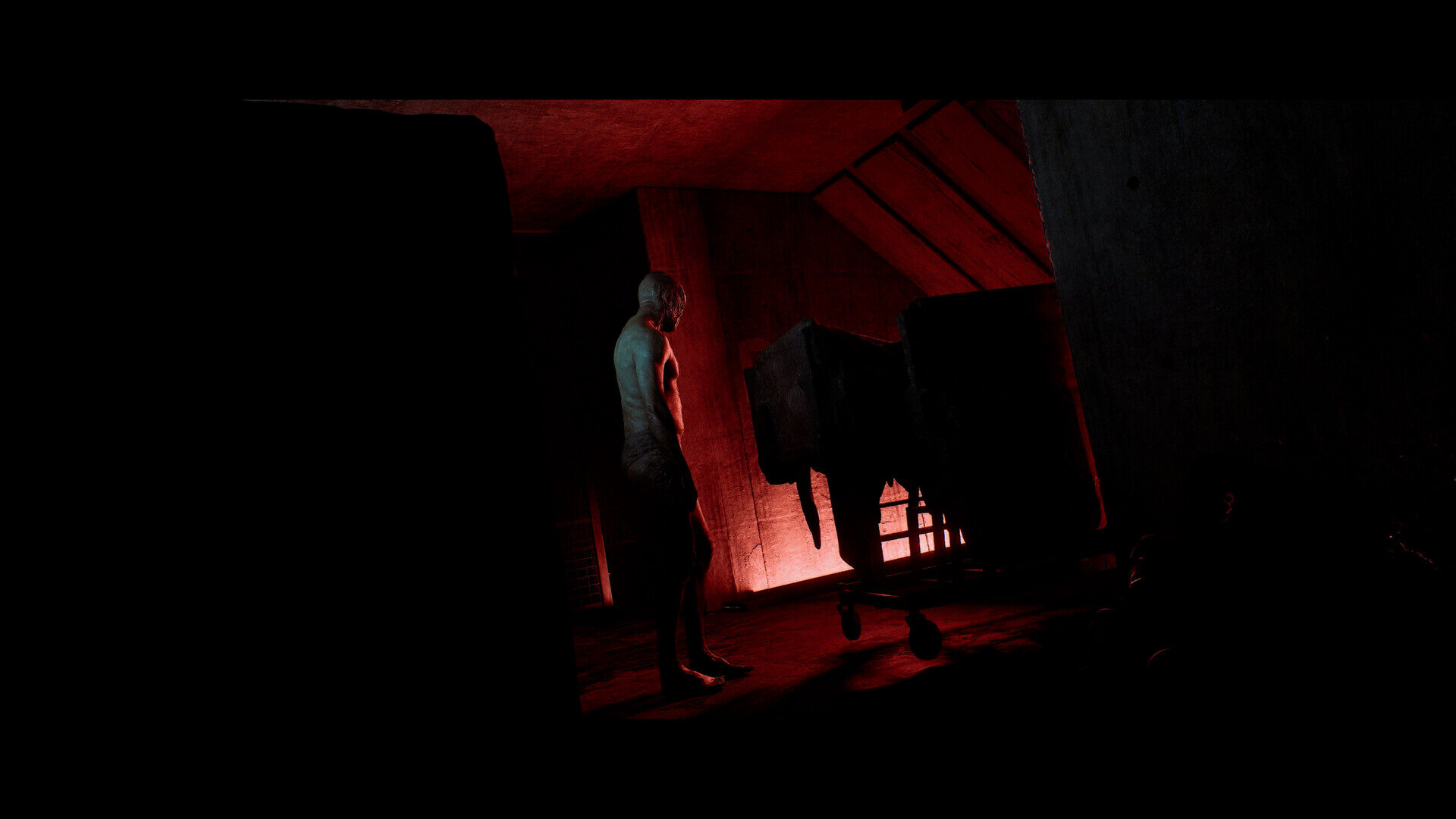
I just want to wrap up by talking about the people who have seen Silent Hill: Townfall or caught little hints of it so far. Some of them may have played past Silent Hill games, while others may be coming to the series for the first time. Why should they jump into Silent Hill: Townfall, and what makes it unique while still feeling truly like Silent Hill?
Motoi Okamoto: I think this game would be a really great entry point for players who have never, even players who have never dabbled in Silent Hill before. I think this game has a very powerful narrative, and one that we feel knows what it is doing, and it is very socially conscious. So I think players would be very attracted to the type of narrative that this game is willing to tell.
Jon McKellan: Well, I think in terms of the experience, it is a little bit slower-paced. It is a little bit, like, it is not a jump-scare fest. That is not our brand of horror- flashes and clicks and sounds all the time. We have the odd moment here and there where we kind of jolt the player, but it is a much more tension-filled experience.
So I know some people can be like, “I do not do jump scares. I do not play horror.” It is not that kind of horror. It is a bit more about the seeping dread and tension and atmosphere, and it is a great experience in that regard. So I think it is an interesting place to visit, Silent Hill, something I have not done before, and it expands, like I say, a franchise that experiments.
Thank you so much, all of you. Really good answers, and I’m really excited to finally dive into the game.