
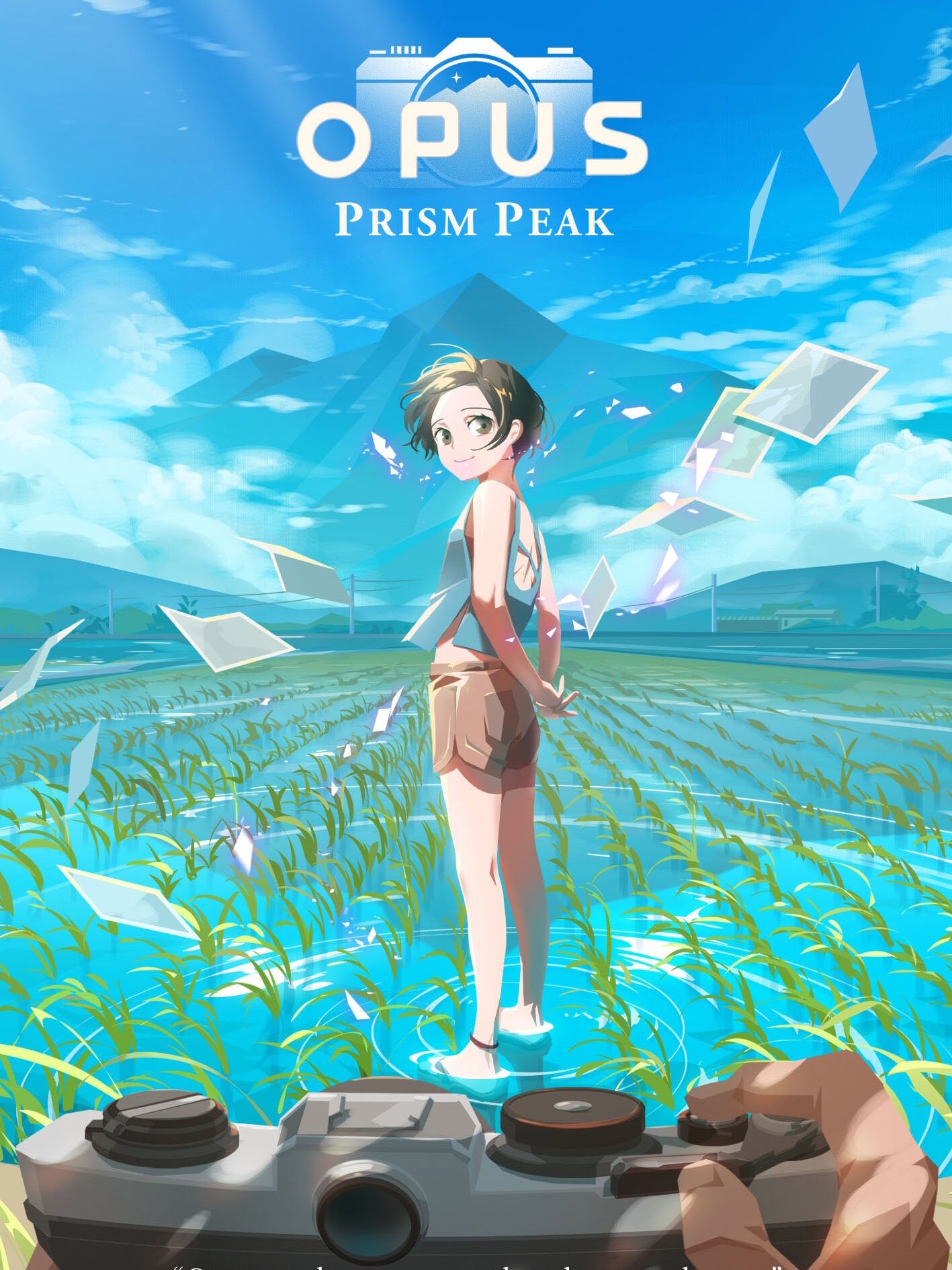

Failure is an inevitability, a natural part of life. Each one of us is going to fail, and have someone fail us. But the key, as Opus: Prism Peak posits, is to not let those failures drag you down and add up to something more. Opus: Prism Peak is perhaps the most stunning game I’ve played so far this year, both visually and through its truly remarkable story.
Through a cast of lovable characters, Opus: Prism Peak has a clear message to instill – it’s never too late to find yourself, no matter how old you are or the trauma you’ve been through. Simultaneously, it’s a profound exploration of the way memory works, and a deep love letter to the power of photography. Opus: Prism Peak has left me ruminating for days after reaching the credits, but there’s one thing I’m sure of – it’s going to be one of my favourites of the year.
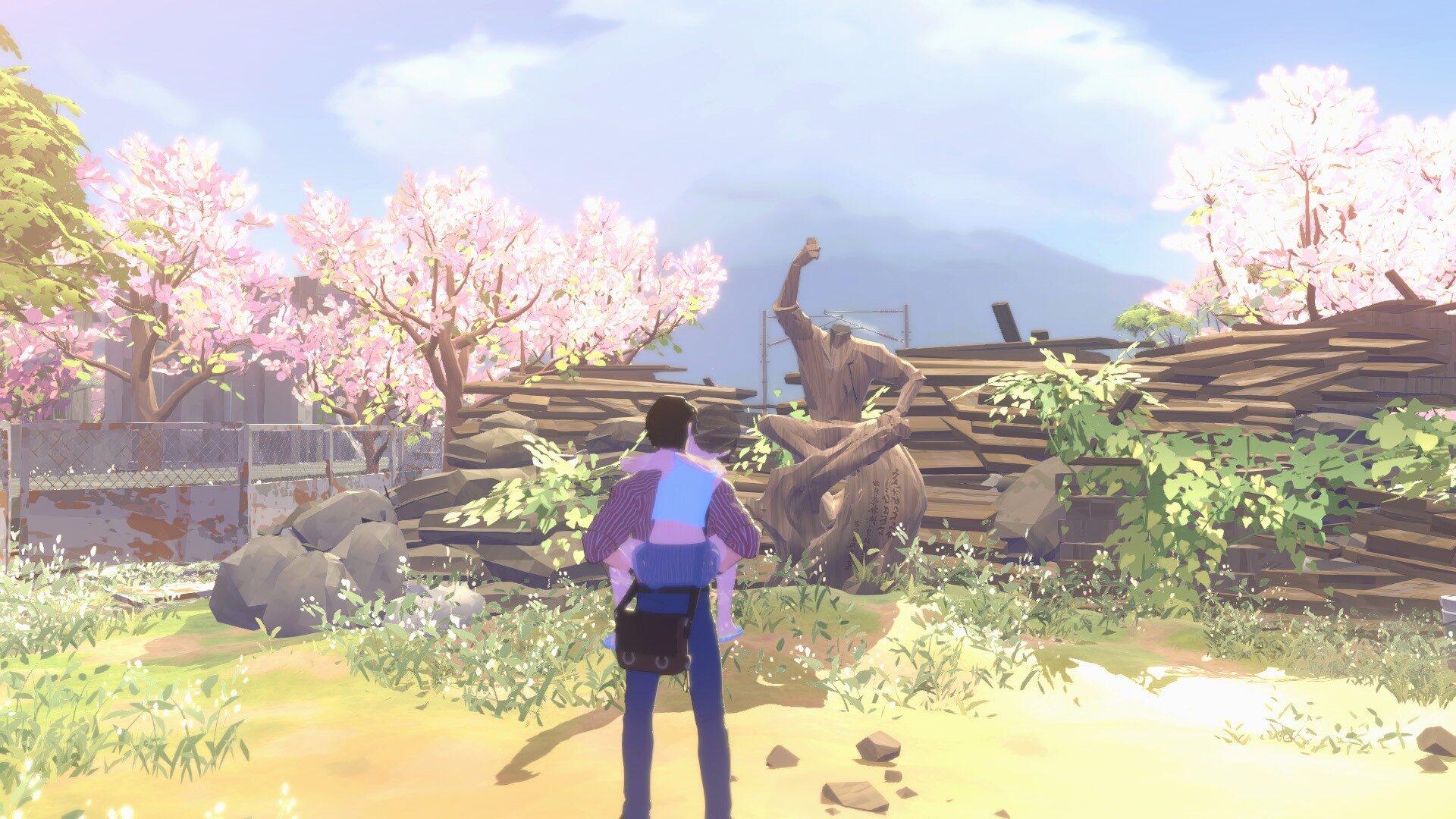
In Opus: Prism Peak, you follow Eugene, a 40-year-old photojournalist who is extremely down on his luck, currently on his way to his grandfather’s funeral. In the midst of severe weather, Eugene ends up crashing his car and finds himself in a bizarre fantasy world known as the Dusklands, and encounters a young girl named Ren who’s also lost. There, anthropomorphic animals hold the secret to both the truth of the Dusklands and Eugene’s past, and a terrifying supernatural force known as the Shade literally devours the land.
“Opus: Prism Peak is perhaps the most stunning game I’ve played so far this year, both visually and through its truly remarkable story.”
The best way I can describe Opus: Prism Peak is to say it’s like taking the narrative-adventure style of Life is Strange and smashing it together with a Studio Ghibli or Mamoru Hosoda film. You can see that in the game’s lovely anime-esque art style, but also in the very structure of its story and messages. But the game also has a highly unique feature that it splices into that mixture, a photography simulation.
Essentially, Opus: Prism Peak is split up into a variety of areas you wander through while playing through the narrative, using your camera to photograph dozens of characters and objects in the environment. The camera is, mechanically, how you advance the narrative, uncover lore, and learn more about Eugen’s turbulent life. It’s a brilliant vessel for storytelling, in more ways than one.
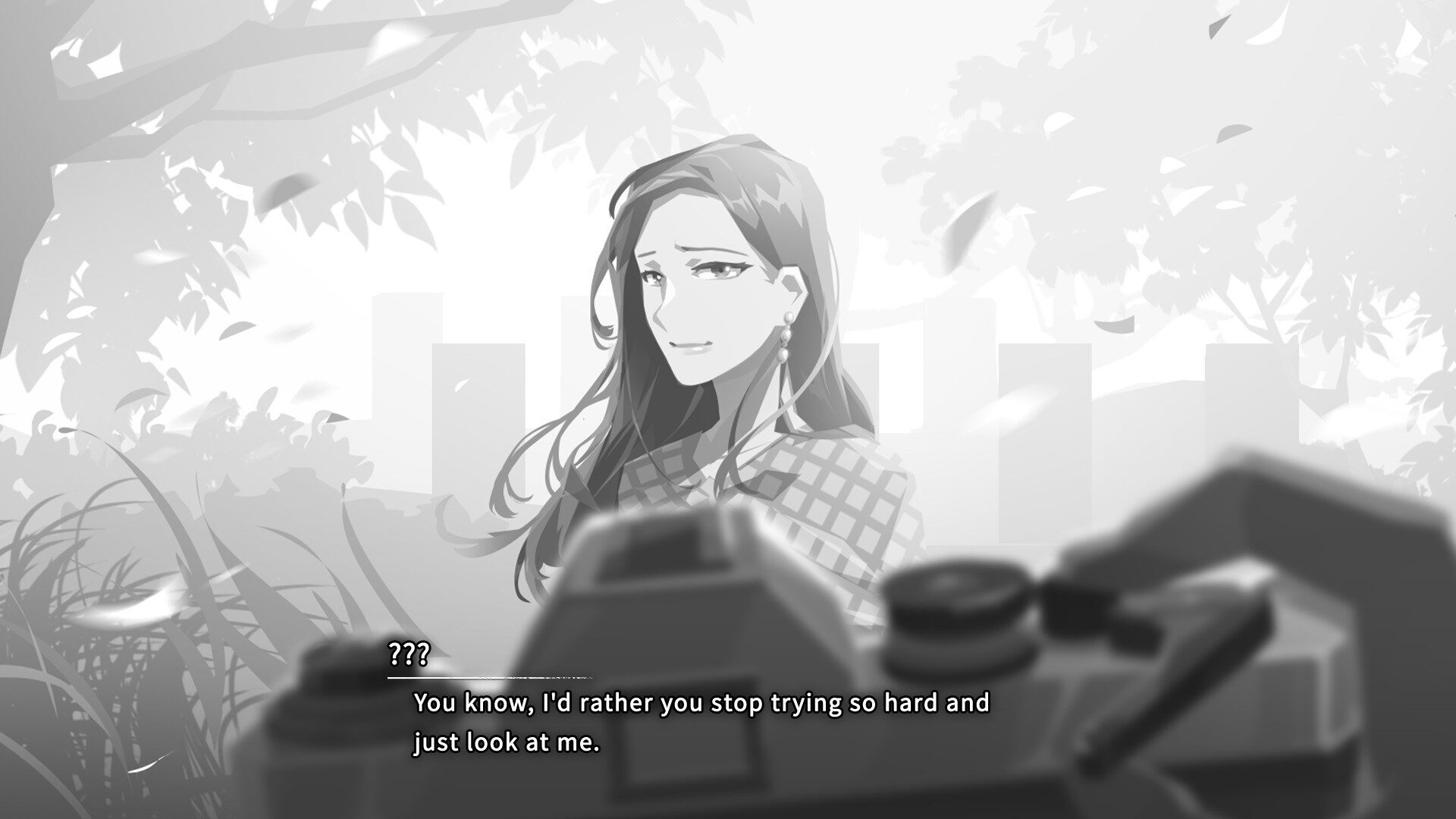
The world of Opus: Prism Peak is absolutely laden with spiritualism, and in each area, you use a “Fire Bowl” as a key point of progression. Throughout the story, the Fire Bowl will give you hints on photos you need to take and then burn to advance the main story. Every item you interact with in the world also gives you a seed you can throw into the bowl, unlocking new camera equipment. Thirdly, a selection of wooden totems appear within the fire bowl, each one giving you tasks of photos they want to see, which you’ll need to explore and puzzle solve to figure out what they want.
But even past that, there’s so much detail crammed into the world of Opus: Prism Peak to help you piece together its wildly ambitious narrative. Murals can be photographed and taped into your field journal to uncover the history of the Dusklands. Runestones can be photographed and then translated to figure out the language. And every environment has dozens of items that, when photographed, come with a little context from Eugene, detailing how they relate to his life, friends and family, or the world around him. This creates a rich tapestry of character world and world-building, consistently fascinating and engrossing – fleshing out the world of the game in wondrous ways.
It also makes each area of the game feel like a little self-contained puzzle box where you need to poke around every nook and cranny, not just a static environment you walk through. In that way, I think Opus: Prism Peak really does something exemplary for the narrative adventure genre, tying the very design of the world itself to the narrative. Everything in it serves a purpose.
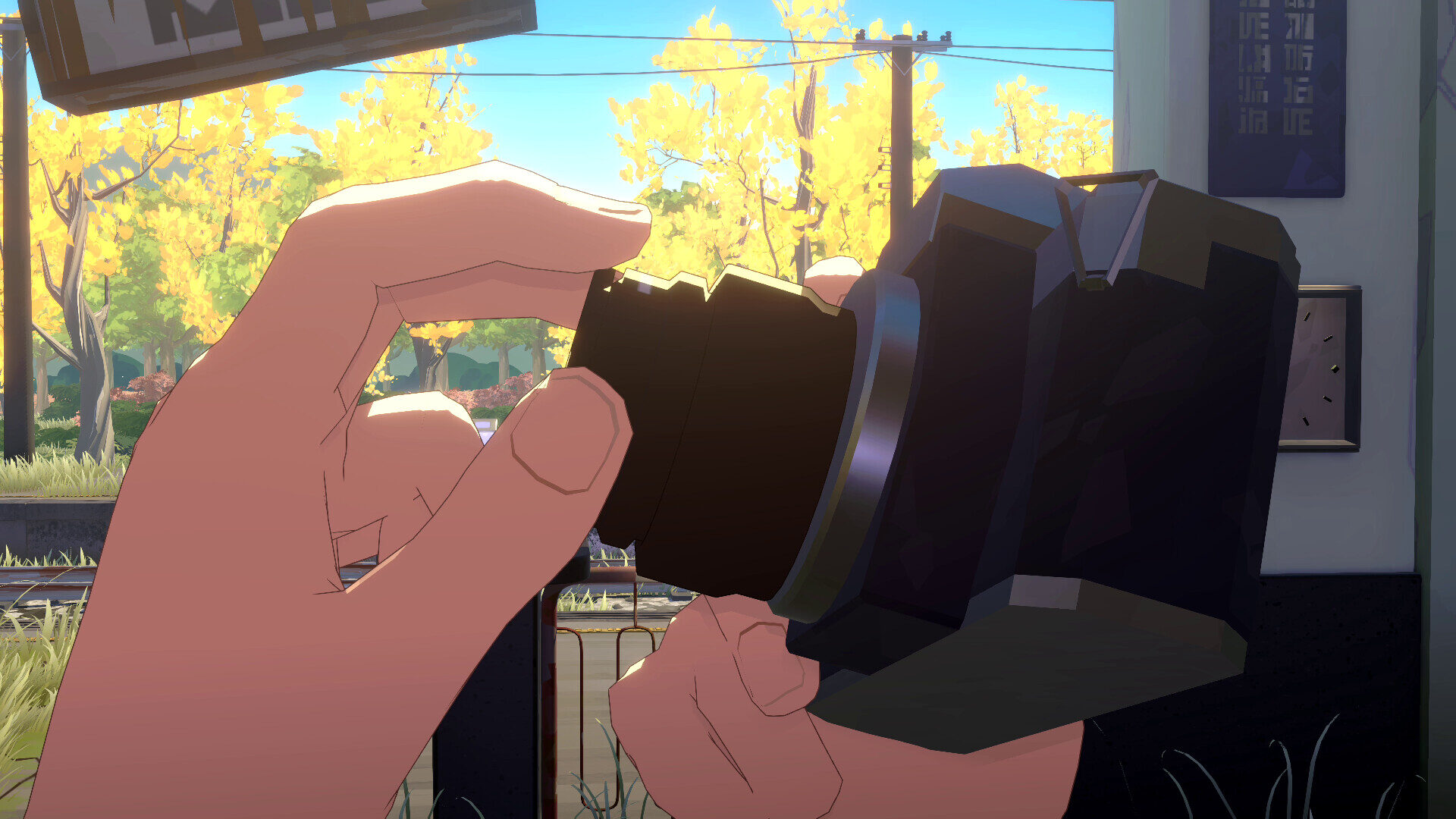
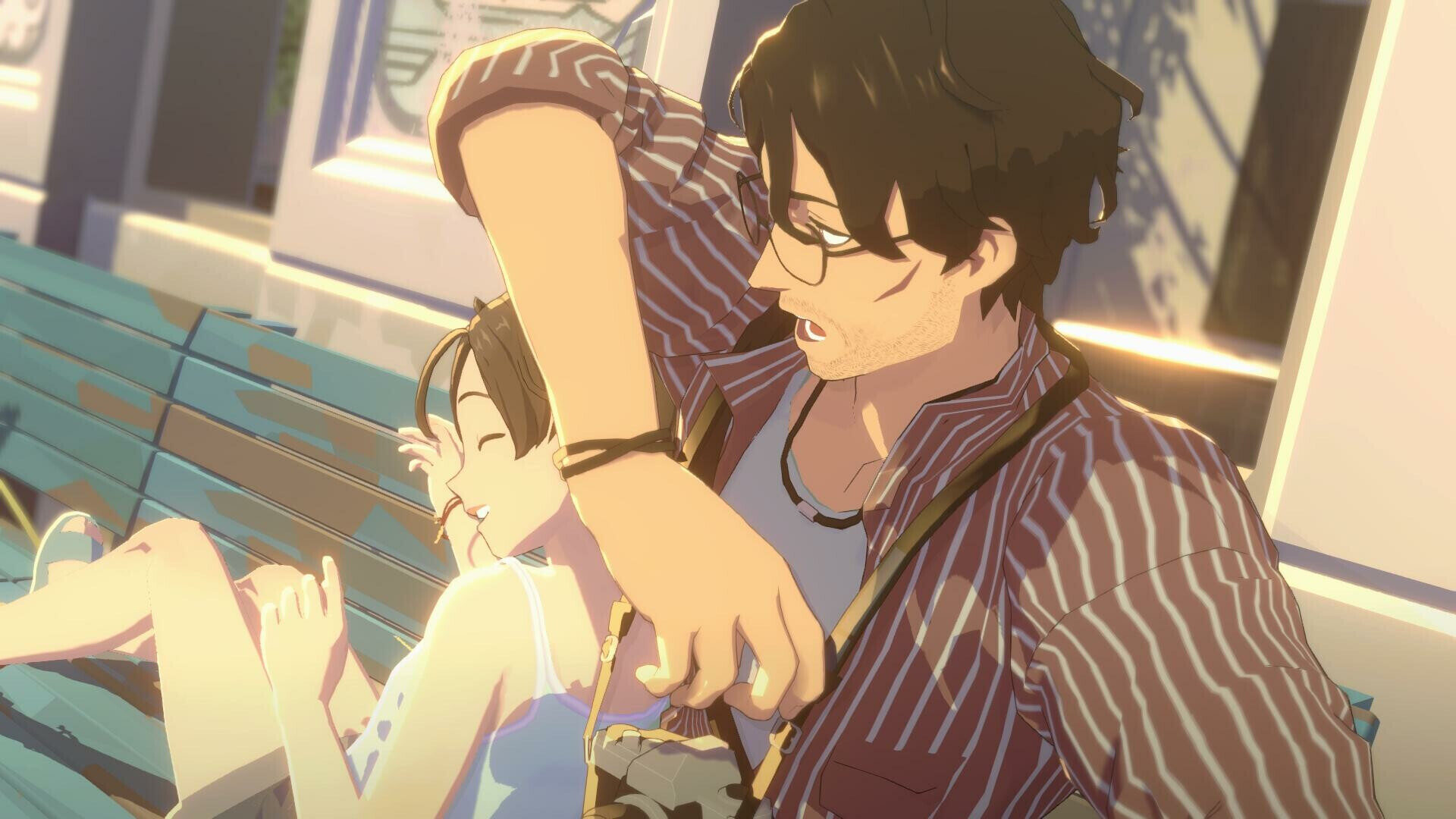
Throughout the game, you’ll unlock these little vignettes presented with static artwork, each detailing a major event in Eugene’s life. These often extremely emotional scenes further help piece together the overarching narrative, turning Eugene into a highly complex character.
“I think Opus: Prism Peak really does something exemplary for the narrative adventure genre, tying the very design of the world itself to the narrative.”
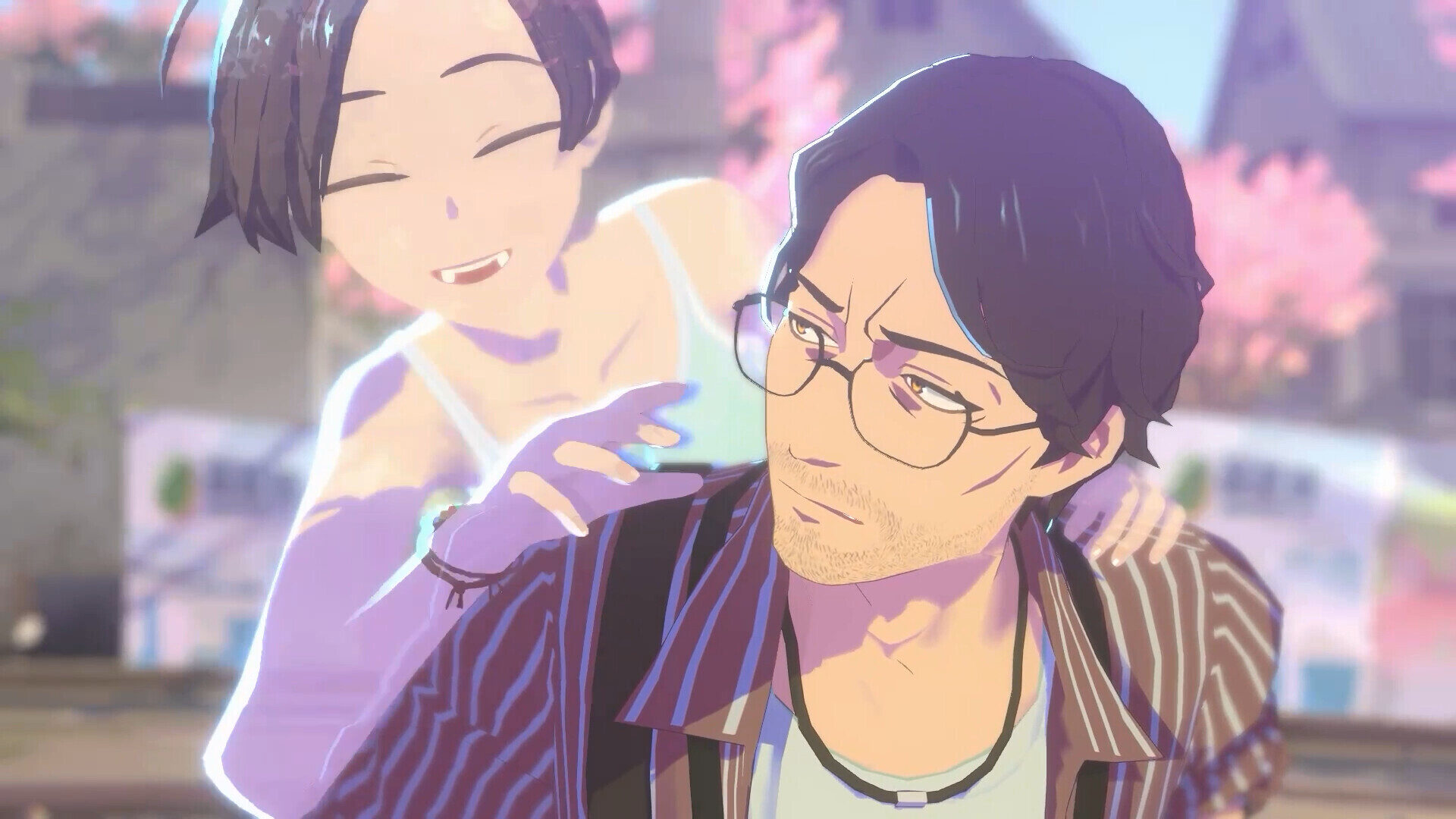
And that’s what I find most fascinating about Opus: Prism Peak, the character work with Eugene. Yes, there’s an entire cast of compelling characters, but Eugene specifically is used as a vessel to masterfully explore the idea of self-reflection. Going back to that idea of failure, Eugene’s story explores ideas of parents failing their children and how that cycle continues across generations, how an obsession with work can make us fail those we love the most, and how failure can become a self-fulfilling prophecy. Prism Peak dynamically explores these ideas while also telling a core story about love, acceptance, and forgiveness.
This is a game that consistently had my emotions reeling, so much so that a few times I had to simply step away and process things. There are a few odd pacing issues, and the English dub leaves a lot to be desired (I’d recommend the Japanese or Chinese dub), but those small issues are nothing in the face of the grand achievements Opus: Prism Peak manages to find.
I simply cannot overstate how thematically ambitious Opus: Prism Peak is, and how much the game manages to nail nearly everything it sets out to do. This is an experience that works on so many different levels: a wonderful narrative adventure with a gorgeous world to explore, a charming and surprisingly accurate love letter to the art of photography, and the way it’s allowed us to keep memories intact. It’s rare to see so many elements of a game come together this impeccably.
There are dozens of games ostensibly inspired by the seminal works of Studio Ghibli, but I’ve played very few games that are truly able to harness the spirit of what makes Ghibli special – but Opus: Prism Peak has cracked the code. It’s one of the most remarkable games I’ve played in years, and the exact example of why this kind of narrative adventure experience continues to be something special in video games.