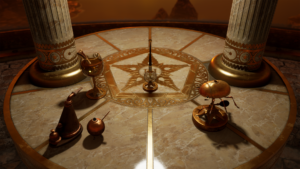


When I saw the trailer for Rivage, I was initially intrigued. I love a good puzzle game, and one set in space—on a derelict space station, no less—opens up a world of potential possibilities for painstaking puzzles. But building game centered around puzzles is like a making a souffle—it takes an incredibly delicate hand, and one mistake can set the whole thing off.
I went into Rivage with high hopes and a positive disposition; however, that was steadily chipped away until I was left frustrated and annoyed. While straightforward in its delivery, it squanders its goodwill with substandard puzzles, a gameplay gimmick that quickly becomes annoying, and some dubious development choices. It’s a shame because it does have quite a few good ideas, but it almost goes out of its way not to deliver on them.
Rivage puts players in the role of Miranda Vigneau—the lone crew member on the space station A.R.E.S, after being caught in a strange space phenomenon above an alien planet. Miranda must solve a series of puzzles to unravel the station’s secrets and discover what became of her crew. It’s a decent enough story, albeit a little pedestrian for the genre.
“In terms of gameplay—by which I mean its puzzles—Rivage runs the gamut from fairly clever to frustratingly obtuse.”
However, Rivage introduces a unique twist that ties into both story and gameplay. For some reason, Miranda is stuck in a loop that seems to find her resetting at the start of her day whenever she reaches the point where she cannot progress further. Figuring out what is keeping her trapped in this cycle is the driving factor of her story and getting off the station. It’s a neat idea at first, but, for reasons we’ll get into, it gets pretty old, pretty fast.
In terms of gameplay—by which I mean its puzzles—Rivage runs the gamut from fairly clever to frustratingly obtuse. There are puzzles that are fairly straightforward and give you the necessary information to solve them, some that require some trial-and-error guesswork, and some that seem designed to annoy the player.
One in particular required me to run a command prompt through a PC Terminal by following instructions from pages scattered around the room, in order to download a flashlight upgrade. It was a fairly straightforward command:
>Copy flaslight.exe target_device user name (in this case the logical answer was Miranda.V).
However, following the prompt as it was written resulted in multiple failed attempts, specifically saying “crewmate does not exist.” I assumed this would lead to some greater mystery about why Miranda was seemingly a ghost and require further investigation.
However, this was not the case. In reality, what was required was for me to remove the “target_device” from the line of code based on an easily misinterpretable “hint” that was meant to infer that the “target_device” was intended to be the name. There’s a difference in puzzle design between giving information that is vague enough for the player to think and deduce, and providing information that is unclear in a way that leaves the player guessing. Based on how the command code was written, it seemed obvious that the name should follow the command of targeting the device of the specified user.
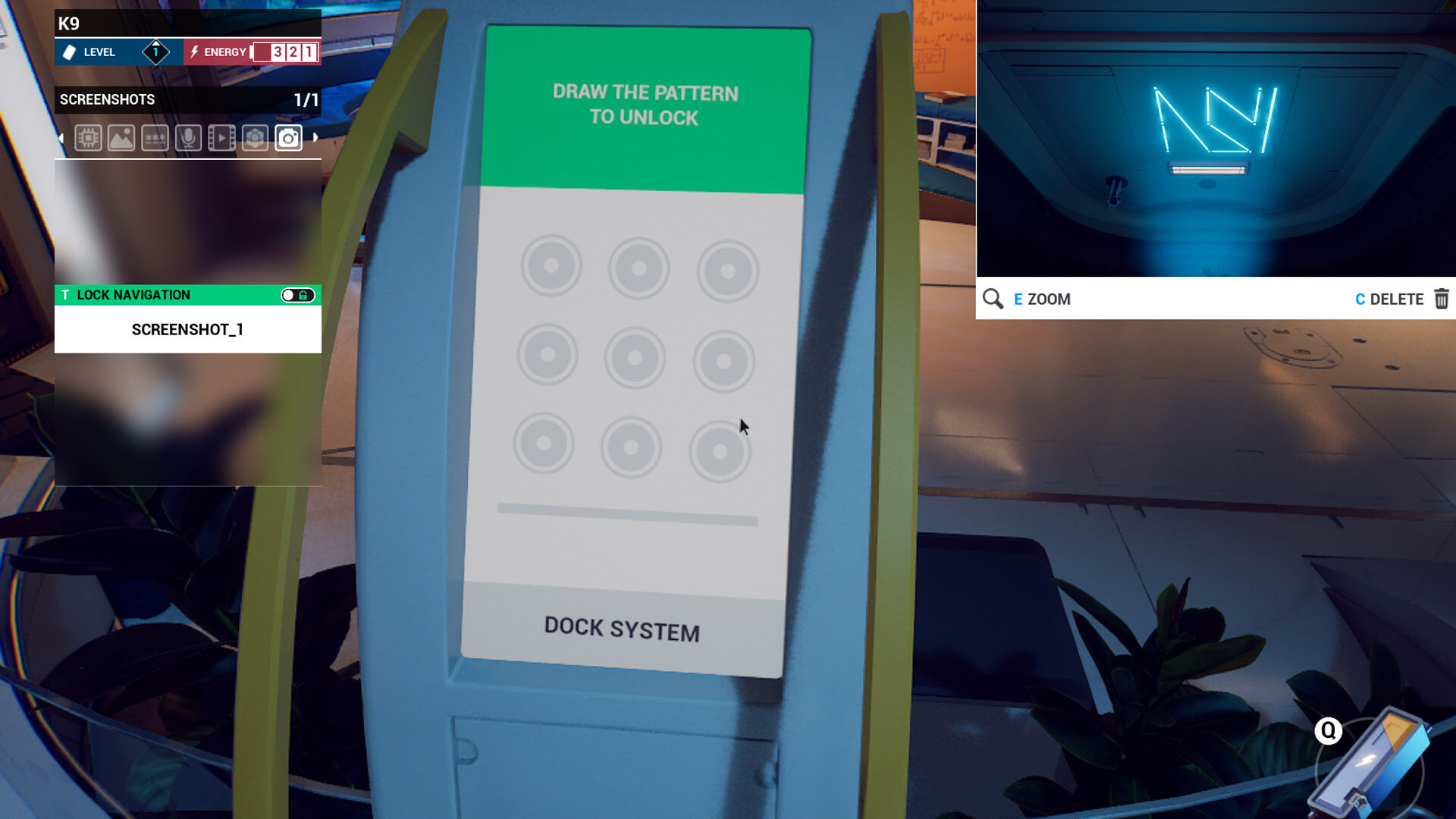
And these annoying guesswork puzzles are made even worse by the aforementioned “loop” mechanic. You see, the A.R.E.S space station operates on limited power, and opening doors or using certain terminals requires different amounts of energy. Once the energy is depleted, players must go to a specific room and start the loop over. This means your ability to explore or even search for contextual clues or ancillary information is severely limited, and any small mistake or misopened door can result in wasted time and unnecessary resets.
It could have been a genuinely interesting idea if the player had the freedom to reset whenever they wanted. Gaining small clues to puzzles or using the limited power in an almost Metroid-like way to explore and then loop to different locations armed with better knowledge or equipment. But instead, Rivage just forces you to waste your time guessing your way through some of its puzzles for what I can only assume is perceived difficulty.
One puzzle required me to grab a key card from a vending machine by prompting a restock from a terminal. In order to do this, I had to search for specific snack items by utilizing their SKU numbers and entering their barcode numbers into the terminal. But because I could only open four doors before needing to loop, the effort to explore and find these snacks became an annoying chore of wasted time searching through rooms for anything I may have missed.
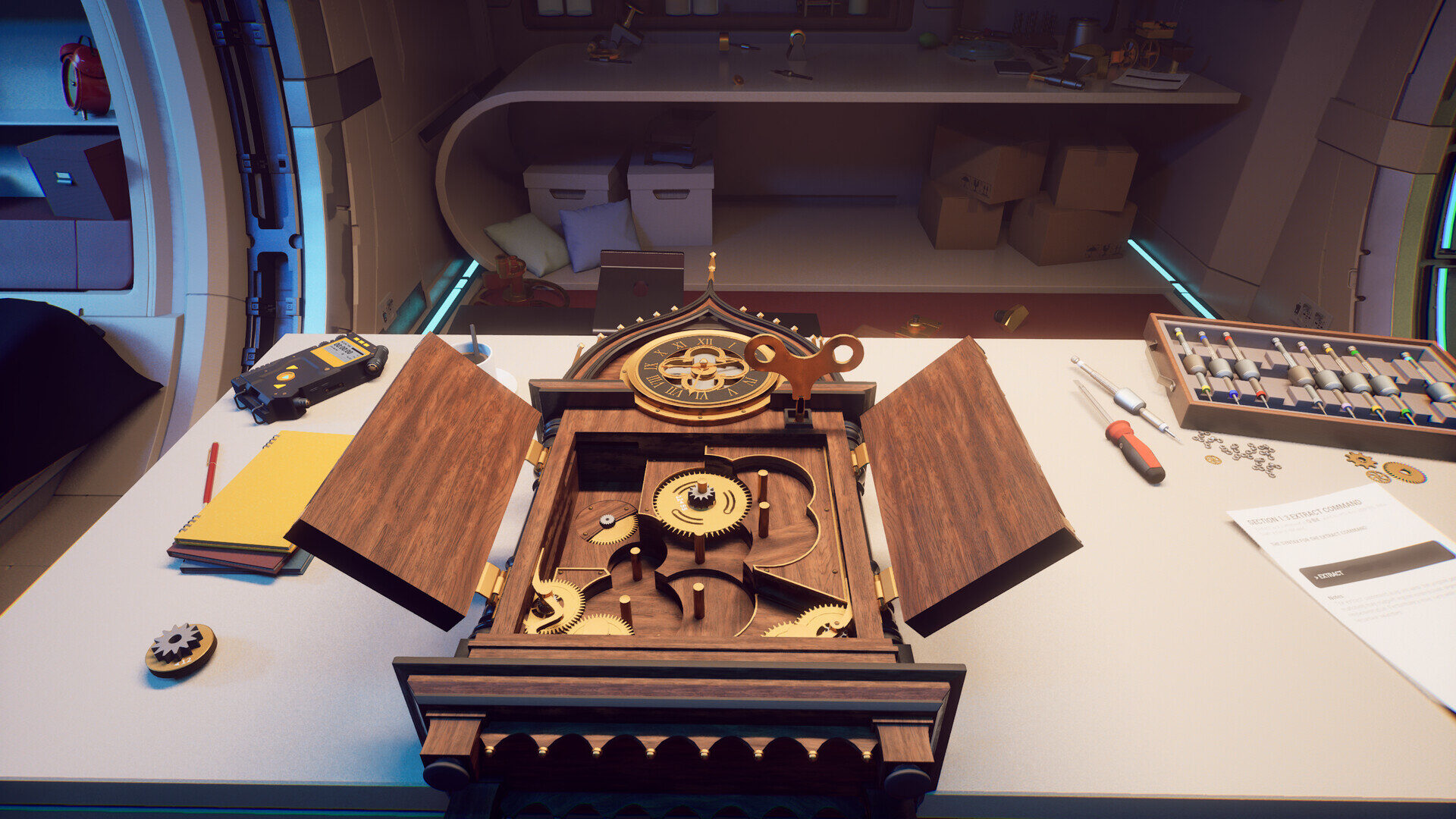
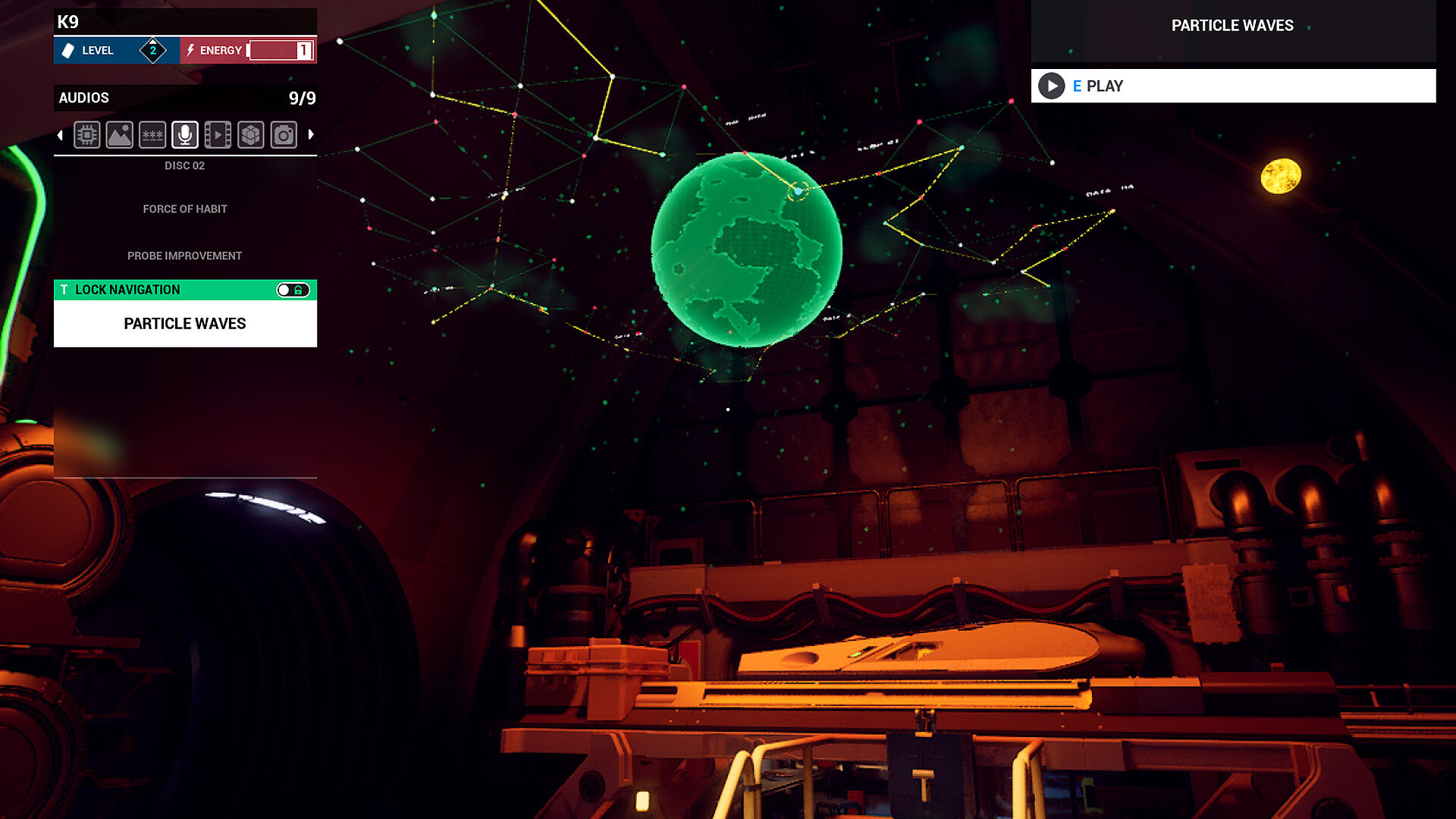
And it’s a shame because Rivage does have some interesting ideas in how it combines both mechanical and technological puzzles. I genuinely liked the idea of needing to solve physical puzzle boxes in order to get clues to how to essentially hack terminals or reset passwords on personal safes. And the game gives players a really useful HUD that allows them to see screenshots in real time in order to save little clues and use them for more effective deciphering.
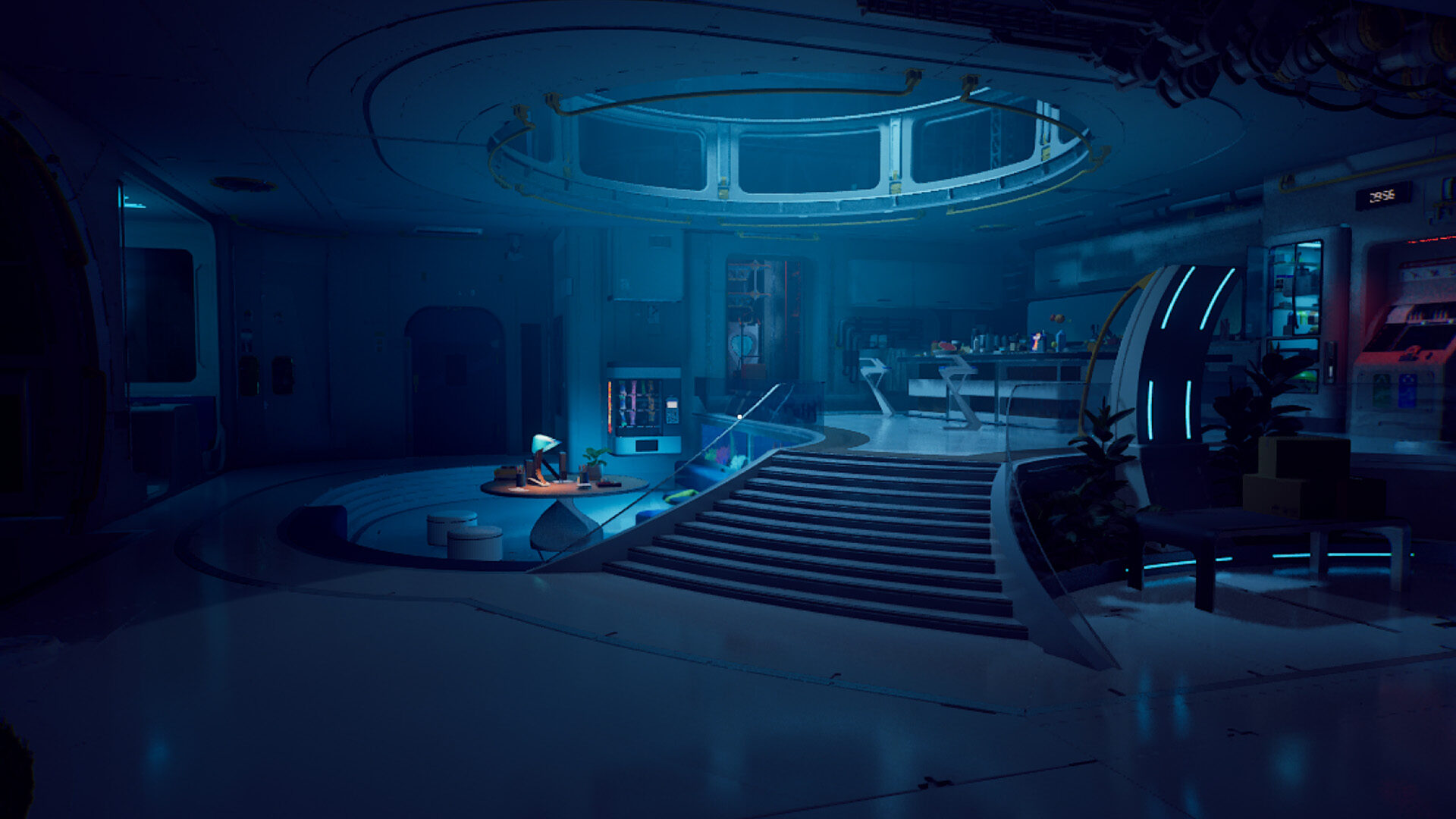
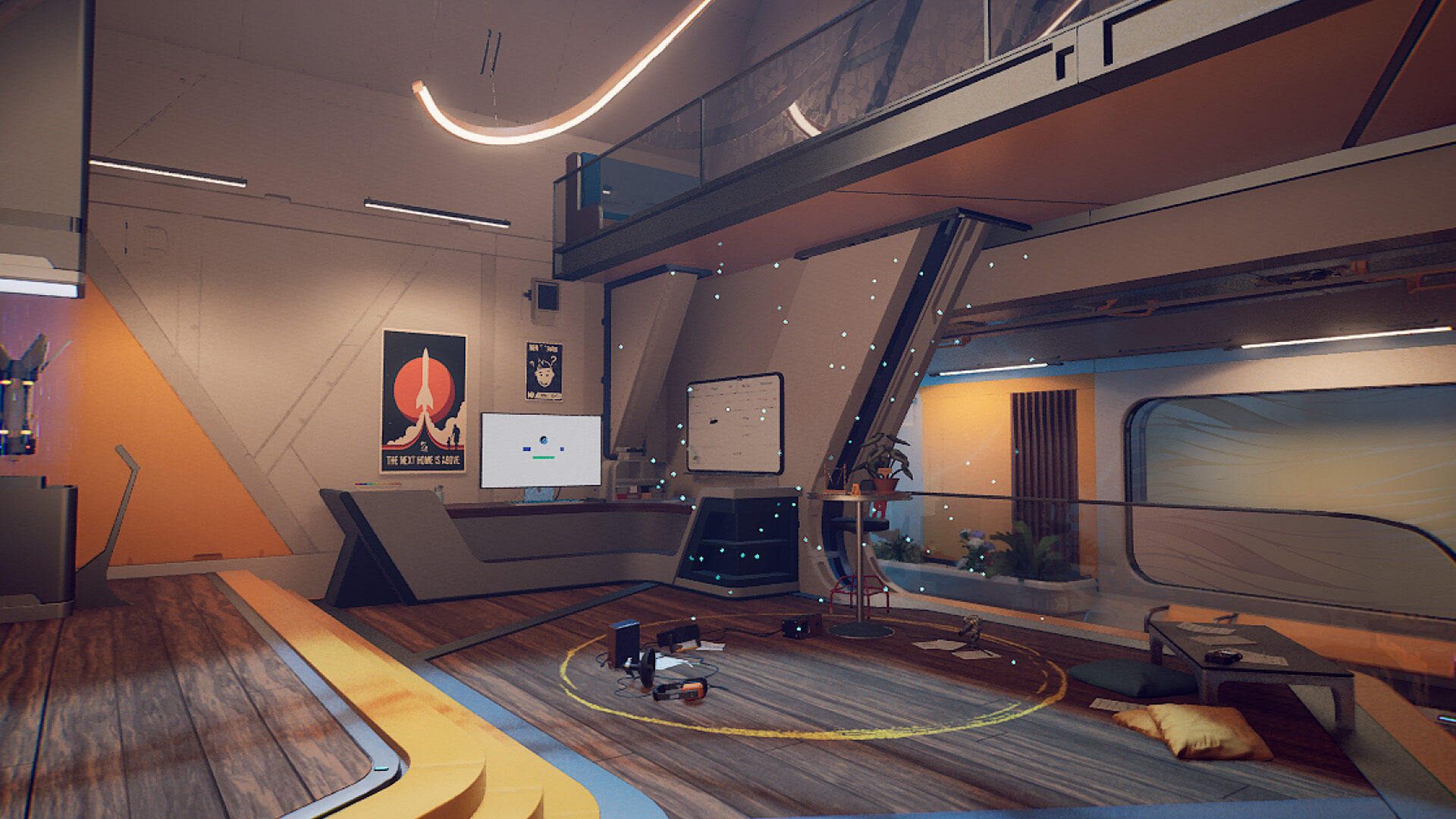
Visually, Rivage is…conflicting. It looks fine for the most part, presenting an abandoned space station that does an okay job at peppering in small indicators of life. Its use of colour and general sterility give it an almost Portal-esque vibe that works well for its puzzle-based gameplay. But from the moment I booted up the game, something felt off. Even the game’s key art in my Steam library looked somewhat weird to me in a way I couldn’t put my finger on.
“Rivage is an okay-enough game, but it’s certainly disappointing—even before the shadow of GenAI left a bad taste in my mouth.”
It began with a strange noise-grain that was present on all surfaces, making text in particular look low-resolution and hard to read. This strangeness felt most present in a lot of the visual detailing for objects and books…and then I saw it. A picture of a hamburger on the side of a vending machine with lettuce both under the meat and under the top bun. For those unaware, this is a DEAD giveaway for Generative AI (or Derivative AI, as I like to call it). Sure enough, Rivage’s Steam page contains an AI Generated Content Disclaimer.
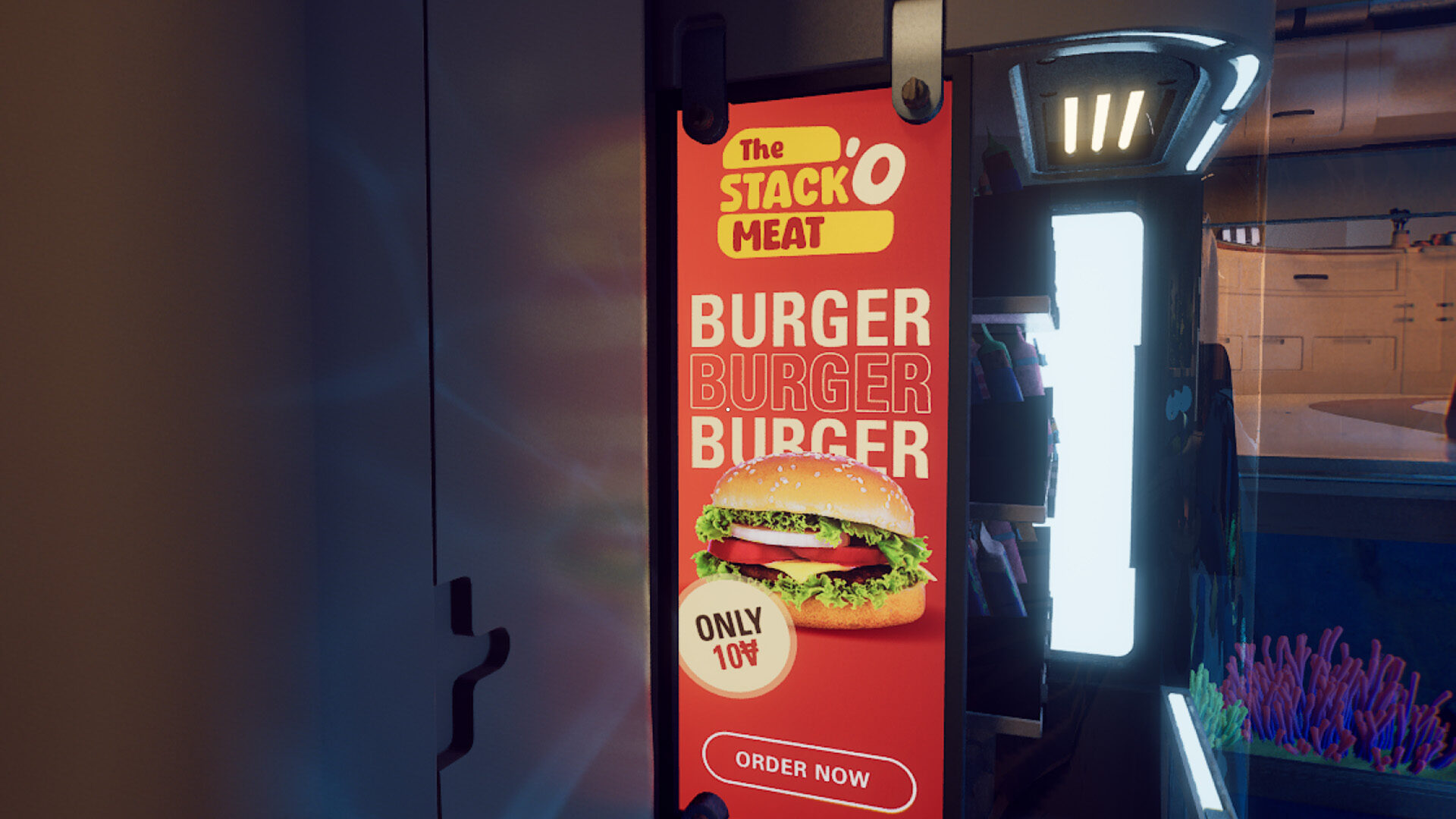
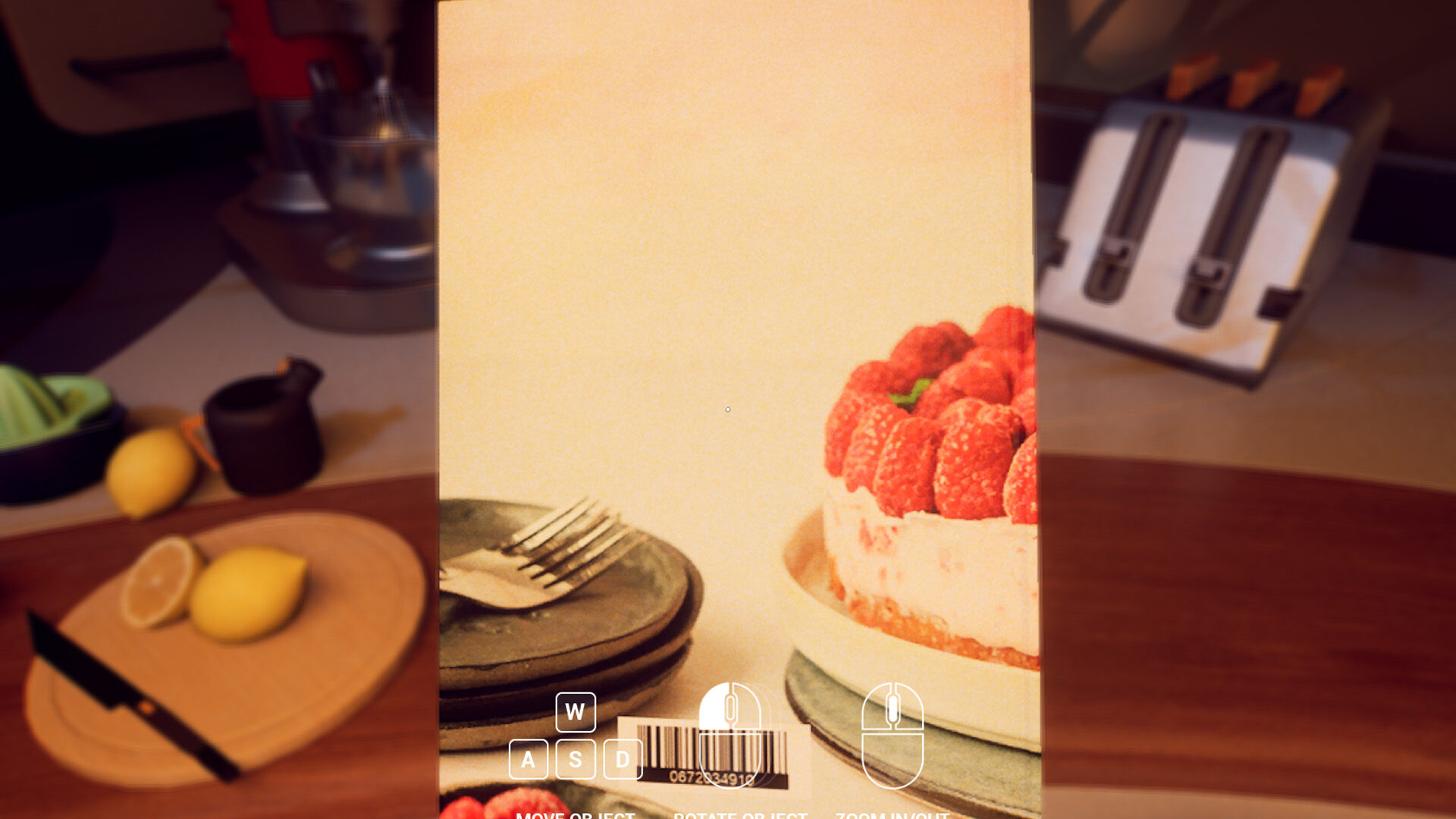
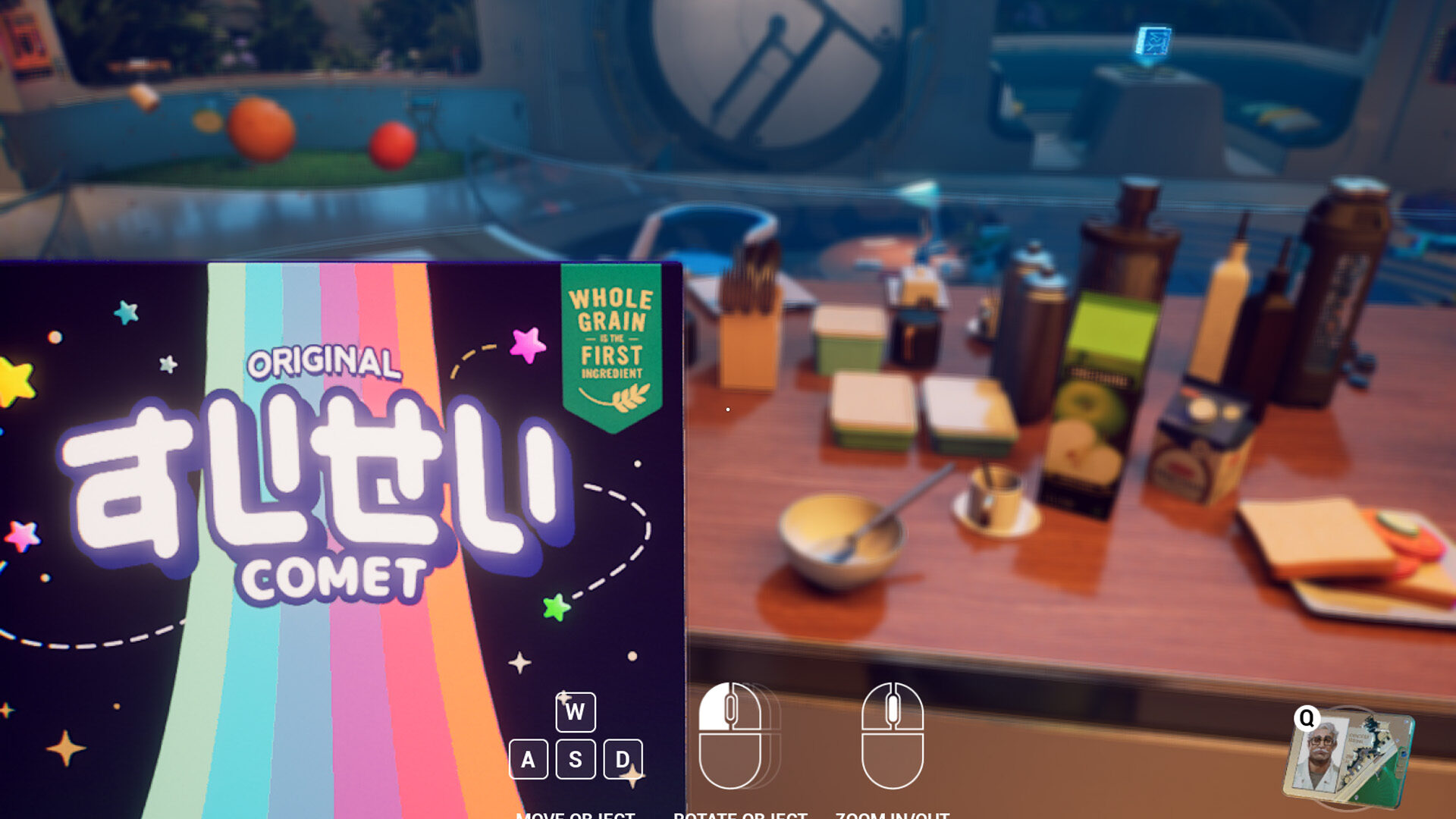
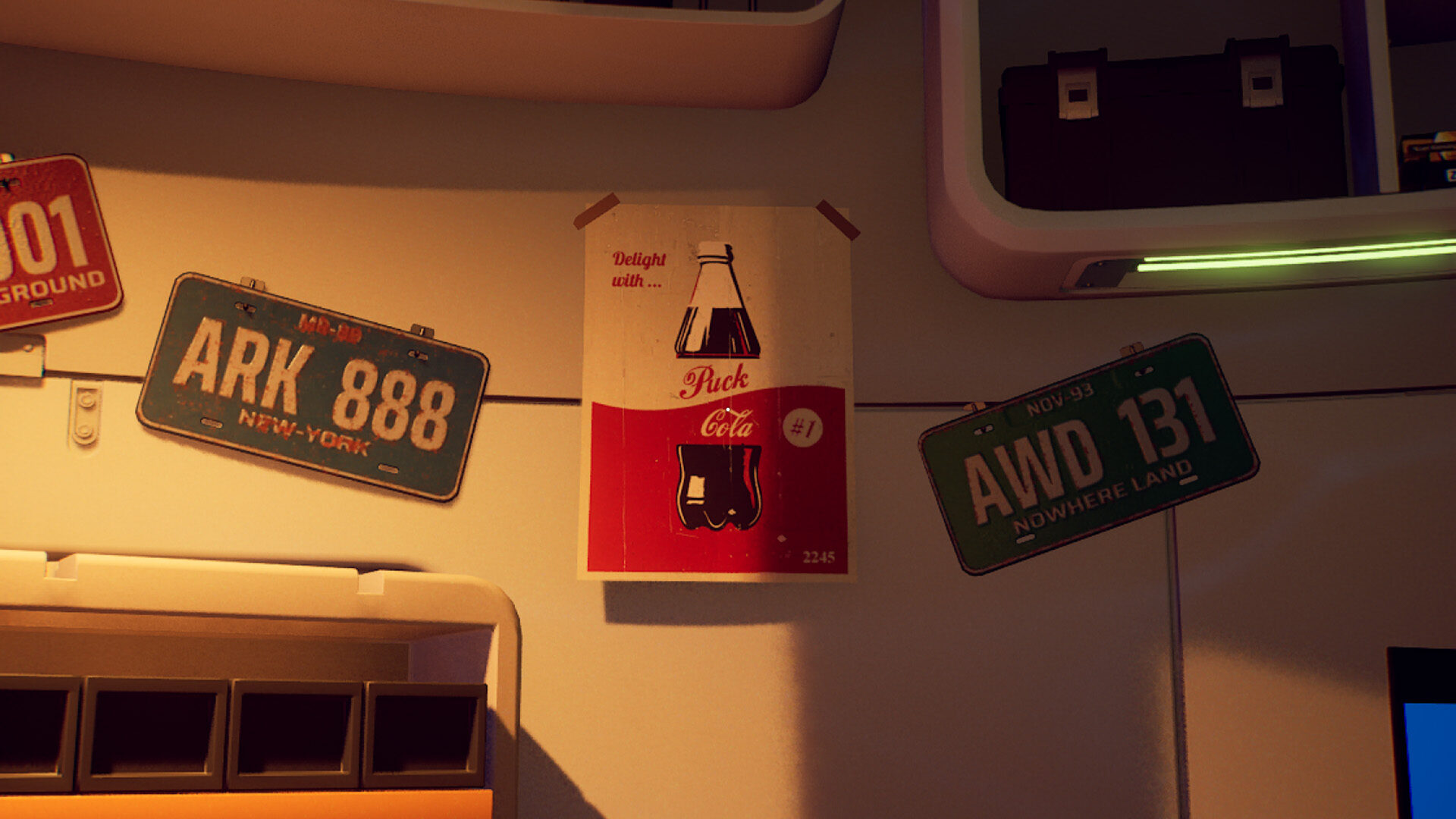
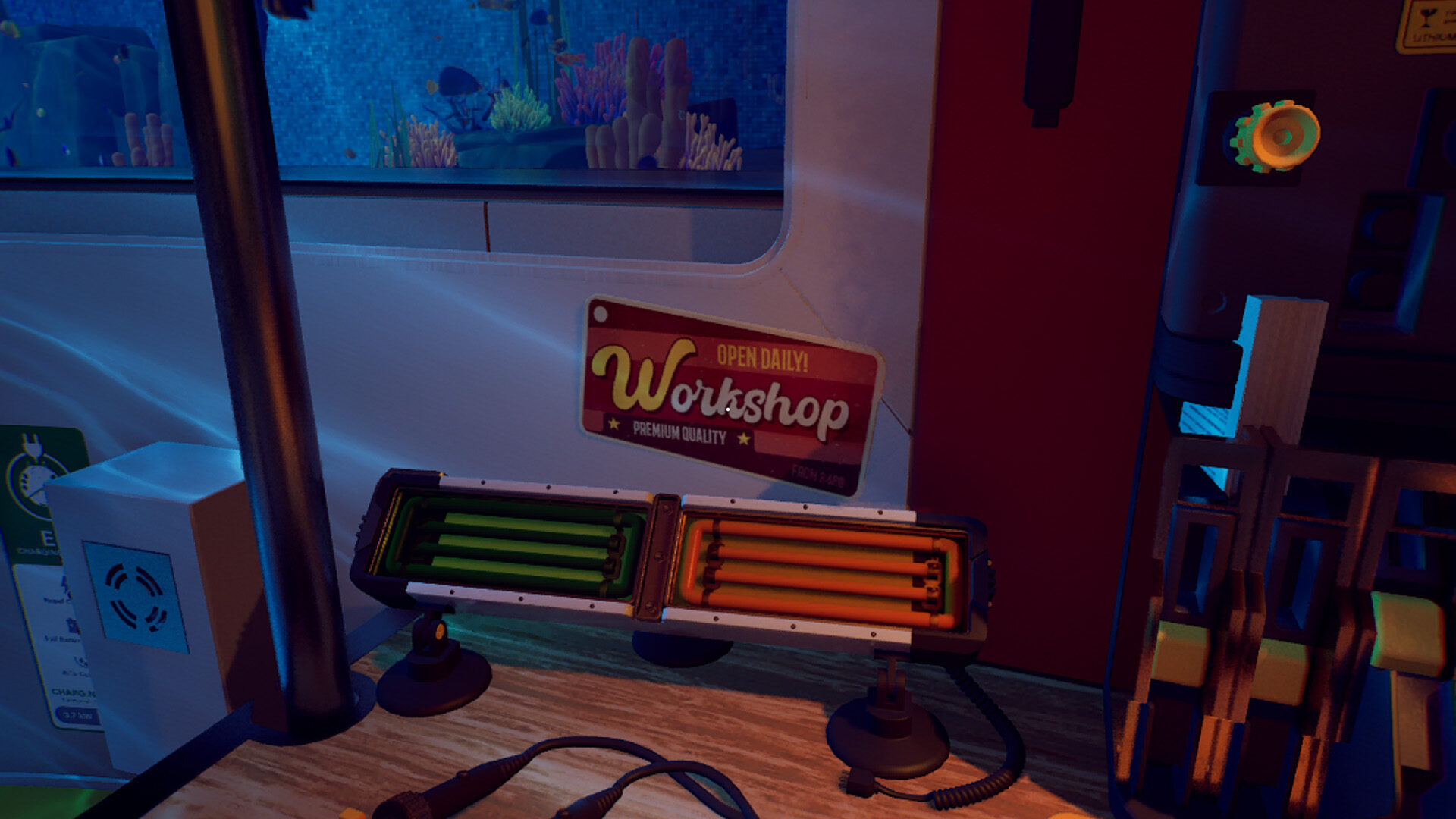
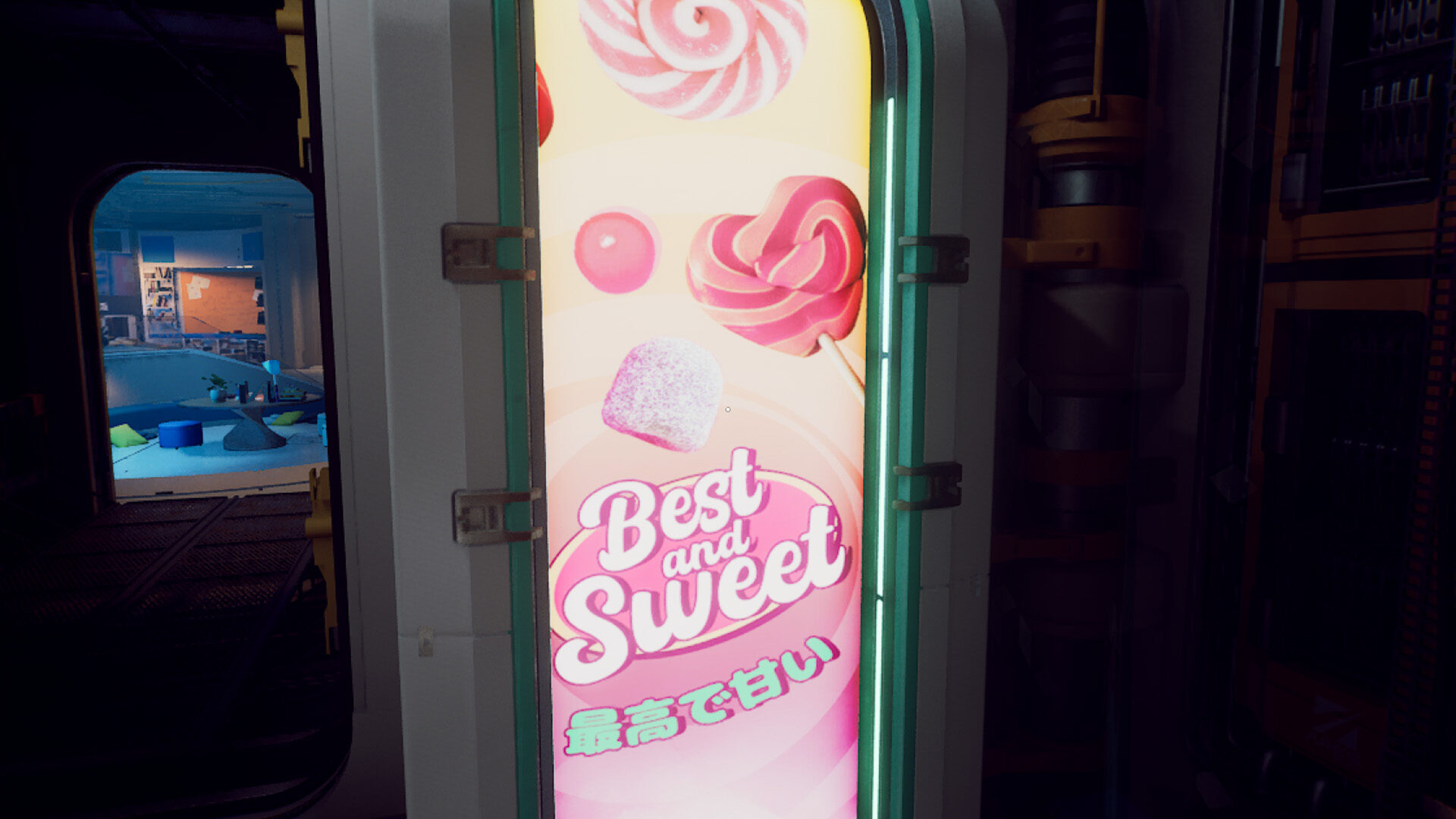
And while it claims it was only done in the prototype phase, and “No AI generated content is present in the game,” I know a GenAI burger when I see one. From that moment on, I started noticing so many things that looked slightly off, and while some examples were more glaring than others, I honestly couldn’t trust any of the visuals’ intentions. Was the anime girl on the cover of what looked to be a magazine meant to be a comic? Hard to say—there was no indication it was meant to be a comic book, but it didn’t match the art style of anything else.
This extended to the audio as well. Were the many audio logs you can find meant to sound stilted and weird because of bad reads? Or was it “placeholder” audio that was “forgotten” in the final version? This is exactly the issue when you use GenAI in any capacity; it cheapens the value of what you could have created. You can say there’s none in your game until the cows come home; I have a really hard time believing you. If humans did put everything in here, they did a pretty slapdash job.
Rivage is an okay-enough game, but it’s certainly disappointing—even before the shadow of GenAI left a bad taste in my mouth. There were things I wanted to like about it, but the more I played it, the more it annoyed me. If its gameplay were a bit more ironed out and its puzzles were a bit more consistent, it could have been a genuinely enjoyable experience. As it stands, its mediocre at the best of times, and frustrating at the worst.