
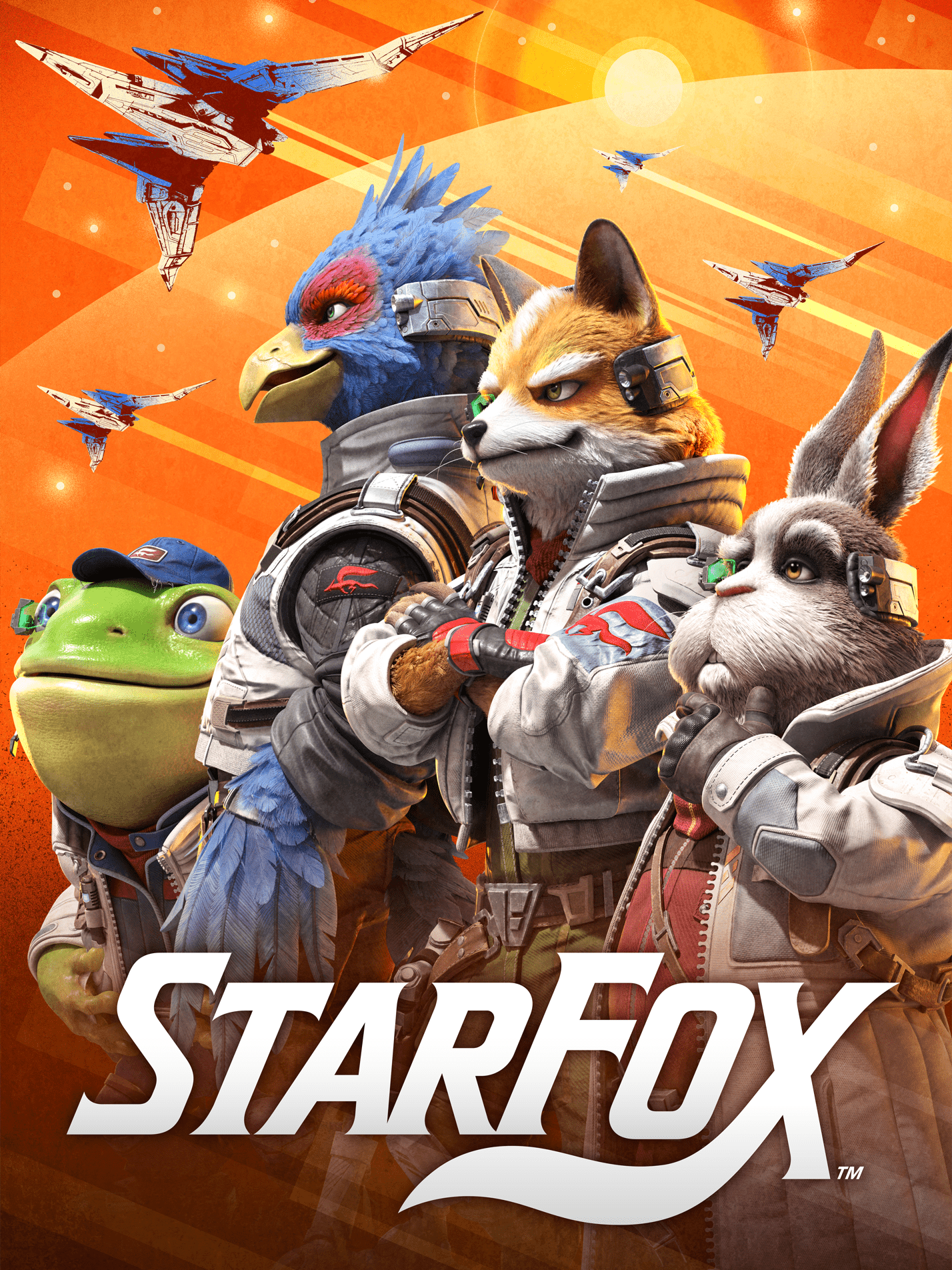

Getting a chance to review Star Fox was certainly a unique experience for me because, despite always knowing about it, my time with it growing up was actually quite brief. I remember renting the original Star Fox on the SNES and being absolutely floored by what it was able to achieve. I only ever saw Star Fox 64 being played at my cousin’s house, and I was captivated a second time.
The first time I ever got to play a Star Fox game in earnest was Star Fox Adventures on the GameCube, which feels very appropriate for me to play the weird outlier that didn’t begin development as a Star Fox. I wouldn’t truly play Star Fox 64 until 2011, when the game was remade for the 3DS, so I was going into this Nintendo Switch 2 remake with relatively fresh eyes. And I’ve gotta say, it’s a seriously remarkable refresh of this classic game.
If you played Star Fox 64, then you’ll know the story, and if you haven’t, allow me to fill you in. The diabolical genius Dr. Andross, after being banished to the inhospitable planet Venom, has waged war against the entire Lylat System. Planet Corneria, the seat of the galaxy’s power, has launched a counteroffensive, but is spread too thin to be effective.
In a last-ditch effort, Commander of the Cornerian Army, General Pepper, contacts the legendary mercenary team Star Fox to help them secure key victories across the system and take the fight back to Andross. It’s an exciting story that pays homage to sci-fi classics like Star Wars and Thunderbirds—peppering its overall narrative with little bits of character and world-building that move as quickly as the rest of the game.
“At its core, Star Fox maintains the incredibly smooth, rail-shooter experience of both its direct predecessor and subsequent sequels.”
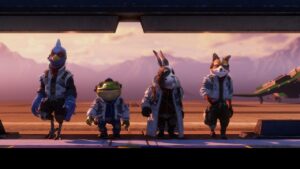
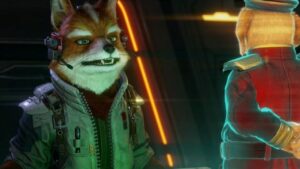
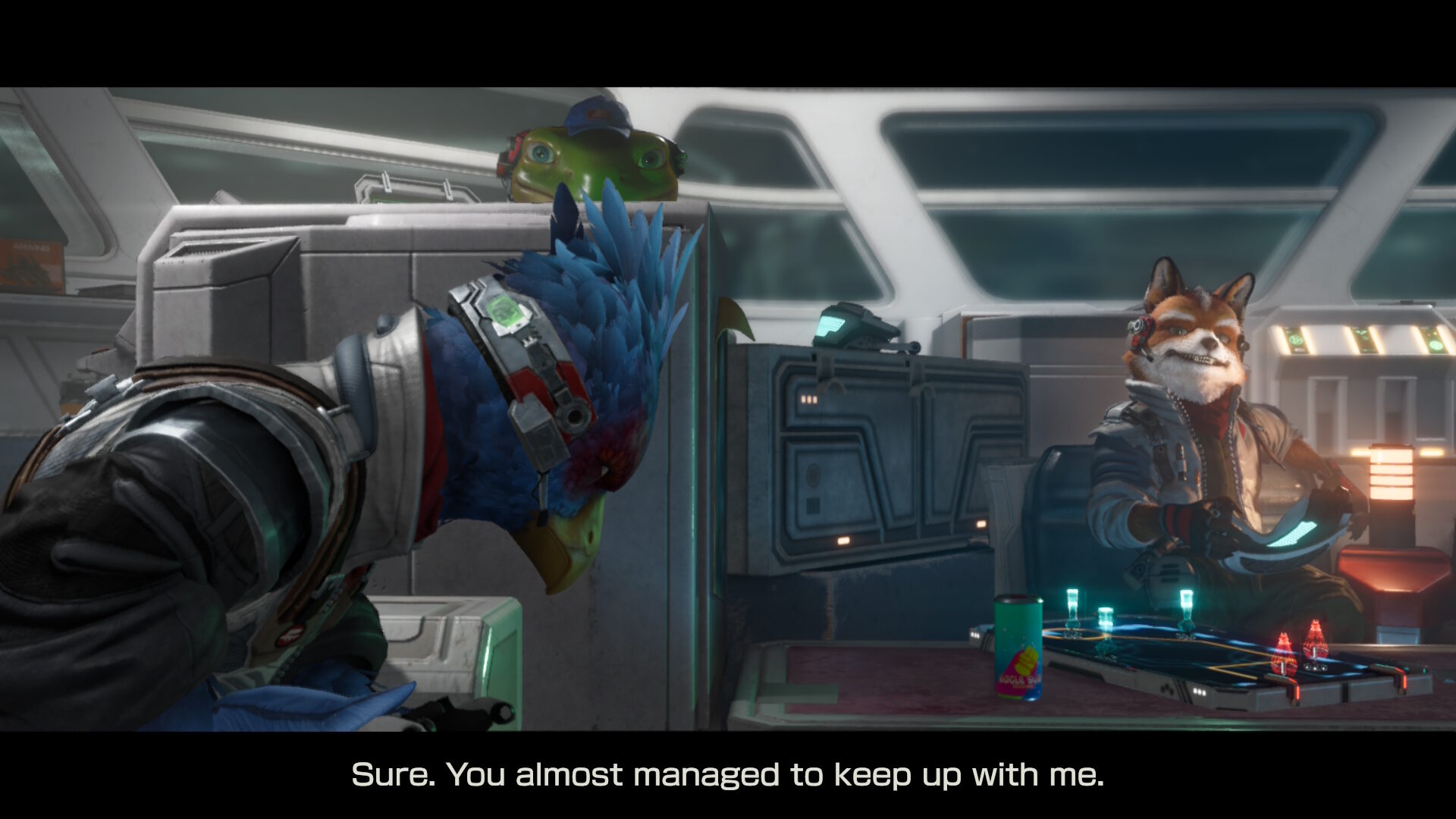
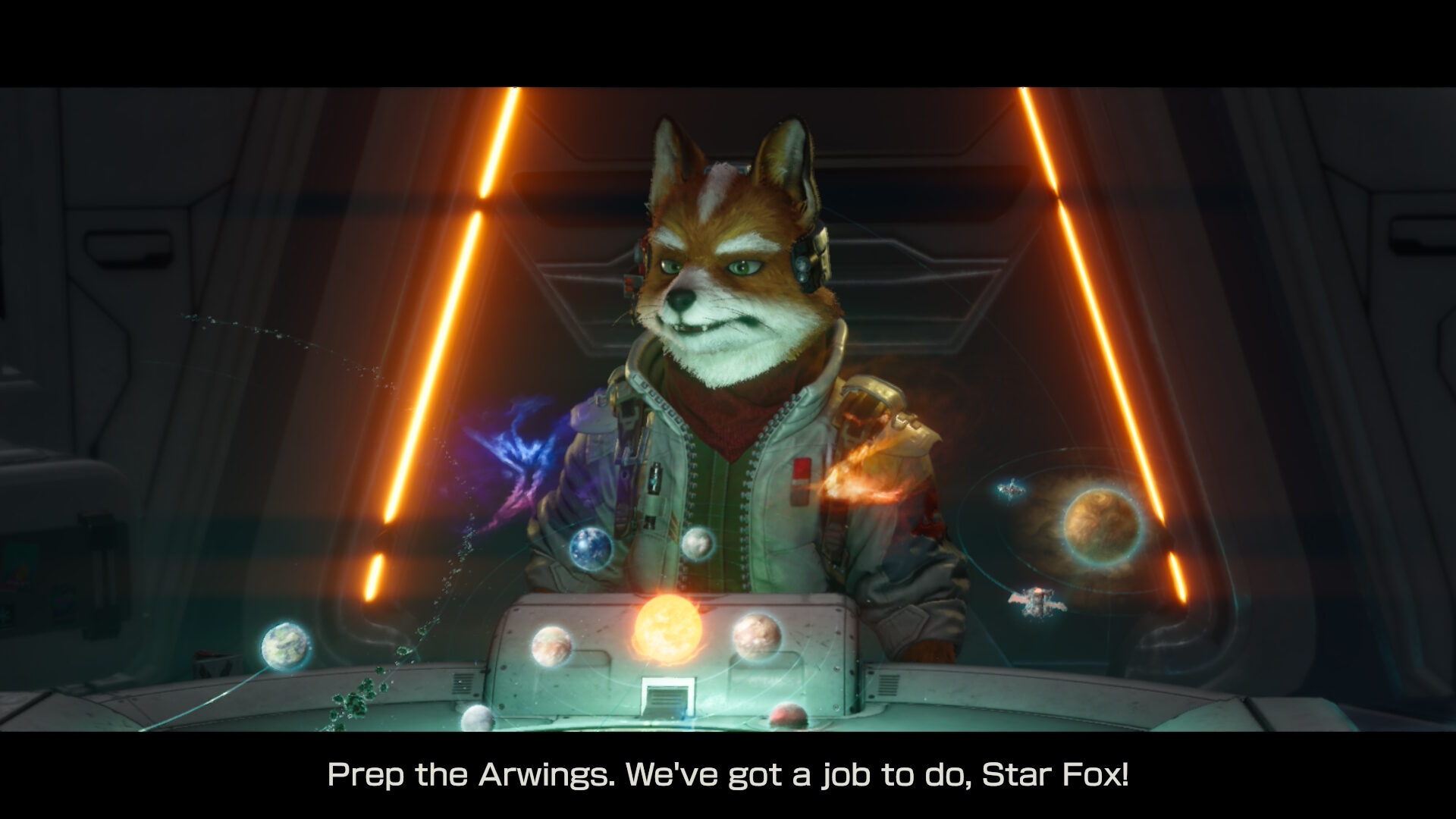
I wanted to make a joke to the effect of, “If you’ve played Star Fox 64, then you’ll be familiar with the story because it’s the exact same as that game, the SNES Star Fox and Star Fox Zero to a certain degree,” but it’s genuinely impressive how different this game’s story feels compared to its predecessors. This is due in large part to the newly included cutscenes that precede every level as well as a plethora of new in-game dialogue, which give these familiar characters so much more depth and personality.
But it was the first thing I noticed in what is this version of Star Fox’s most major improvement—the presentation. If you’re familiar with Star Fox 64, you’ll know there are secret paths you can find to access alternate routes along the campaign. Not only does the added dialogue hint at these routes a little better, but I was amazed when even the pre-mission cutscenes accounted for them—with characters commenting on saved time, or new advantages based on their position within the Lylat System.
It’s a small detail, but it goes a really long way in adding to the game’s replay value, as I found myself wanting to explore different routes to see each new cutscene, or how the Star Fox team spoke to each other during missions. But outside of the expanded story, the gameplay also receives a serious presentation boost, and it adds a lot to the experience.
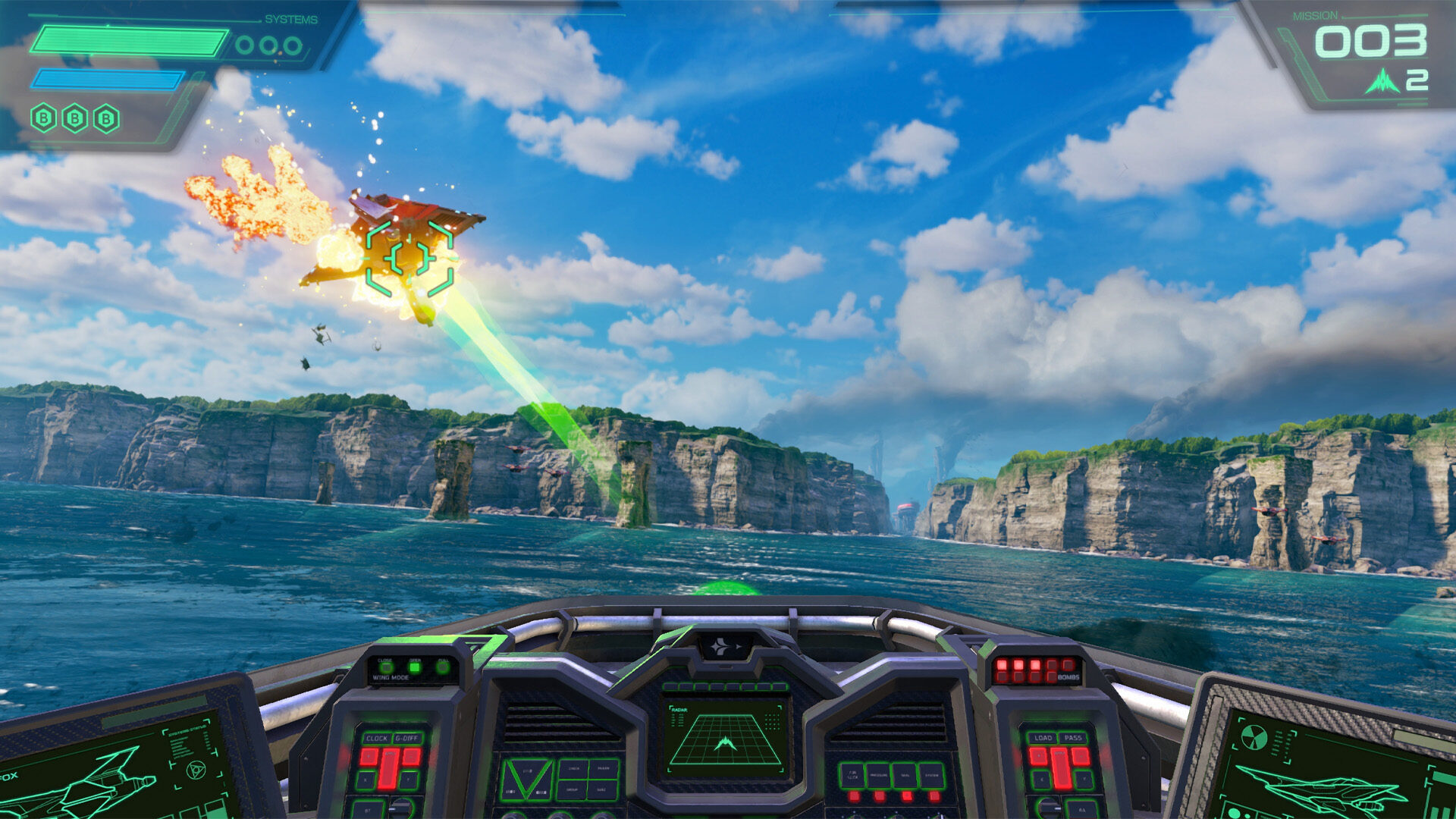
At its core, Star Fox maintains the incredibly smooth, rail-shooter experience of both its direct predecessor and subsequent sequels. Players fly through levels, blasting enemy ships, keeping their teammates out of trouble and doing extremely dangerous barrel rolls. And while it’s still an extremely concise game—players will easily be able to clear a full run of the campaign in roughly an hour—it genuinely never stops being fun and is unbelievably replayable.
It’s effectively a “don’t fix what isn’t broken” situation, however it’s a much more opened-up experience than its direct predecessor, which makes diving in and playing through so much easier. Unlike the original, which locked players to a certain route depending on how they completed the previous level, Star Fox actually gives players the option to explore alternate routes—another thing accounted for in the cutscenes.
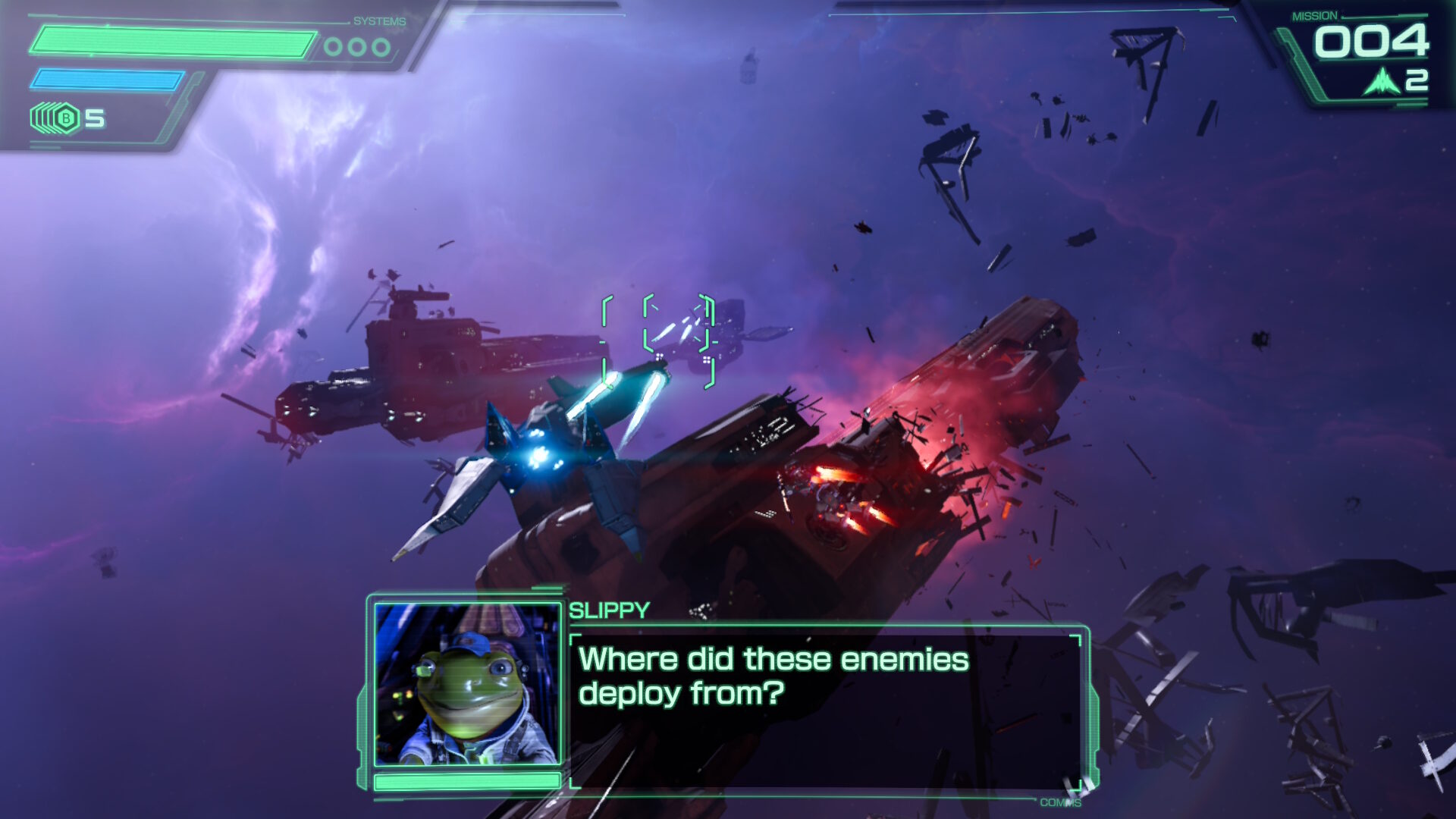
So even if players know the secrets and want to exploit them, they still have the option to take an alternate route. Furthermore, the game’s updated visuals and the overall sense of scale make every level feel so much bigger and more exciting. It genuinely feels like a seamless blending of two eras of gaming—the arcade action and fun of the Nintendo 64, combined with the bombast and grandeur of modern gaming.
And things get even more intense in the multiplayer, which not only plays completely different than its direct predecessor in terms of setup and game modes, but on a fundamental level as well. Each of the three game modes adds a unique layer of challenge that not only requires teams to coordinate and communicate, but to operate their craft with deadly efficiency.
A big part of what makes this so unique, especially when playing against other humans, is the way Star Fox handles its unique maneuvers. Since braking, boosting, somersaults, and U-Turns need a full energy bar to execute, players need to be incredibly conscious of what is best in a specific moment, and only precise flying and shooting will win the day.
If I have one issue with the new gameplay, it’s with how mouse controls have been implemented into Star Fox. While the use of mouse controls for precision aiming sounds good in theory, it really wouldn’t be a Nintendo game without some bizarre restrictions tied to it. Firstly, it forces you into a first-person perspective, which, unlike the original, is the only way to access this perspective.
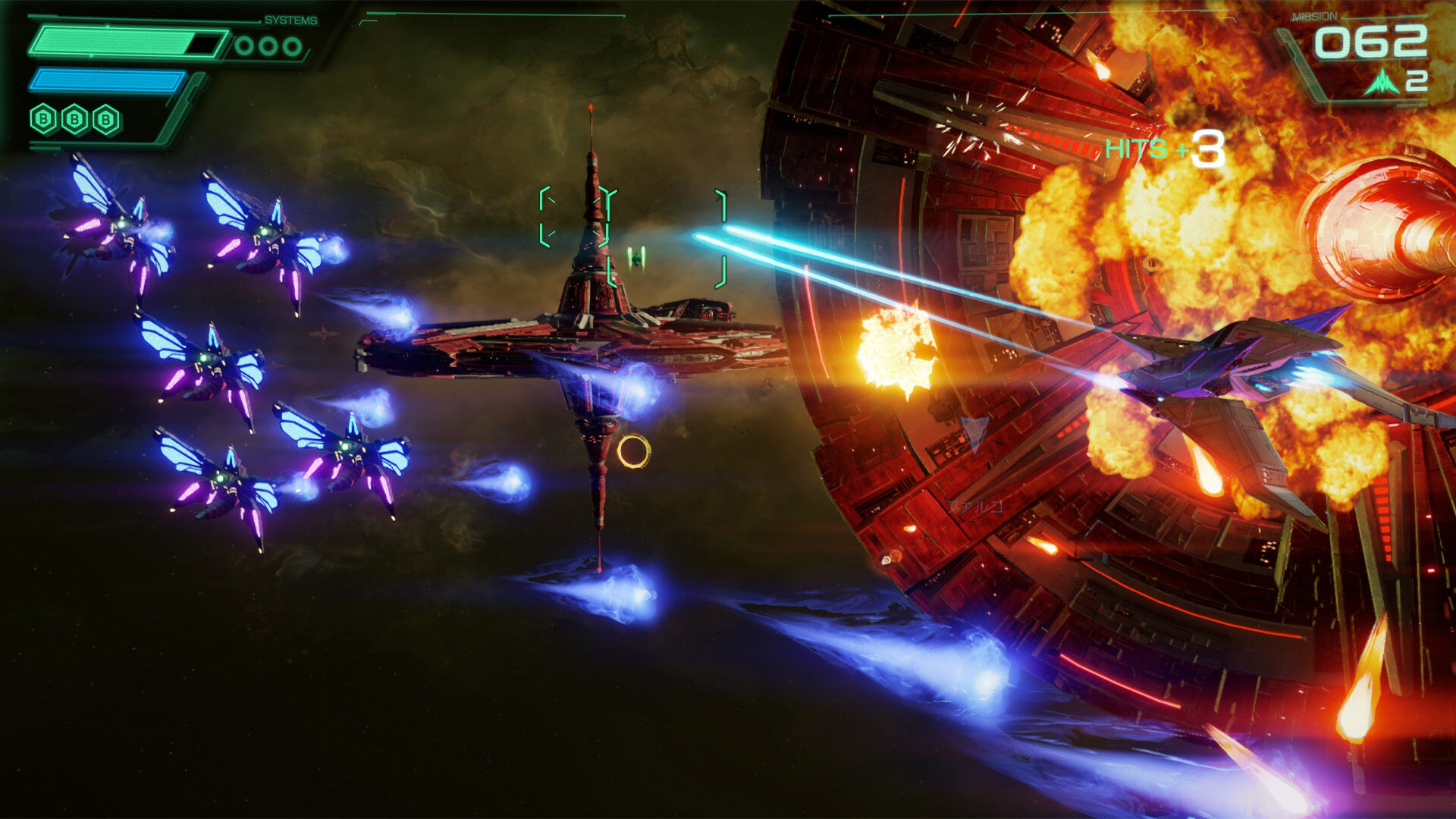
Secondly, players don’t simply control the aiming reticle with the mouse, but the entire aircraft, which I know is standard for a lot of air combat games, but just feels incredibly weird here since players still need to use the left stick to tilt the Arwing into its vertical position. It makes it feel especially weird trying to maneuver while tilted, since not only does the screen flip 90 degrees, but you also need to pull the reticle to the edge of the screen in order to turn, severely limiting your ability to aim.
If Star Fox had just given players the option to stay in third-person, or use the Left Stick to control the Arwing while using mouse controls to control your aim—the way they allow it in the local multiplayer—it genuinely would’ve made for a much more fun experience, giving players a wider range of control for high-score potential.
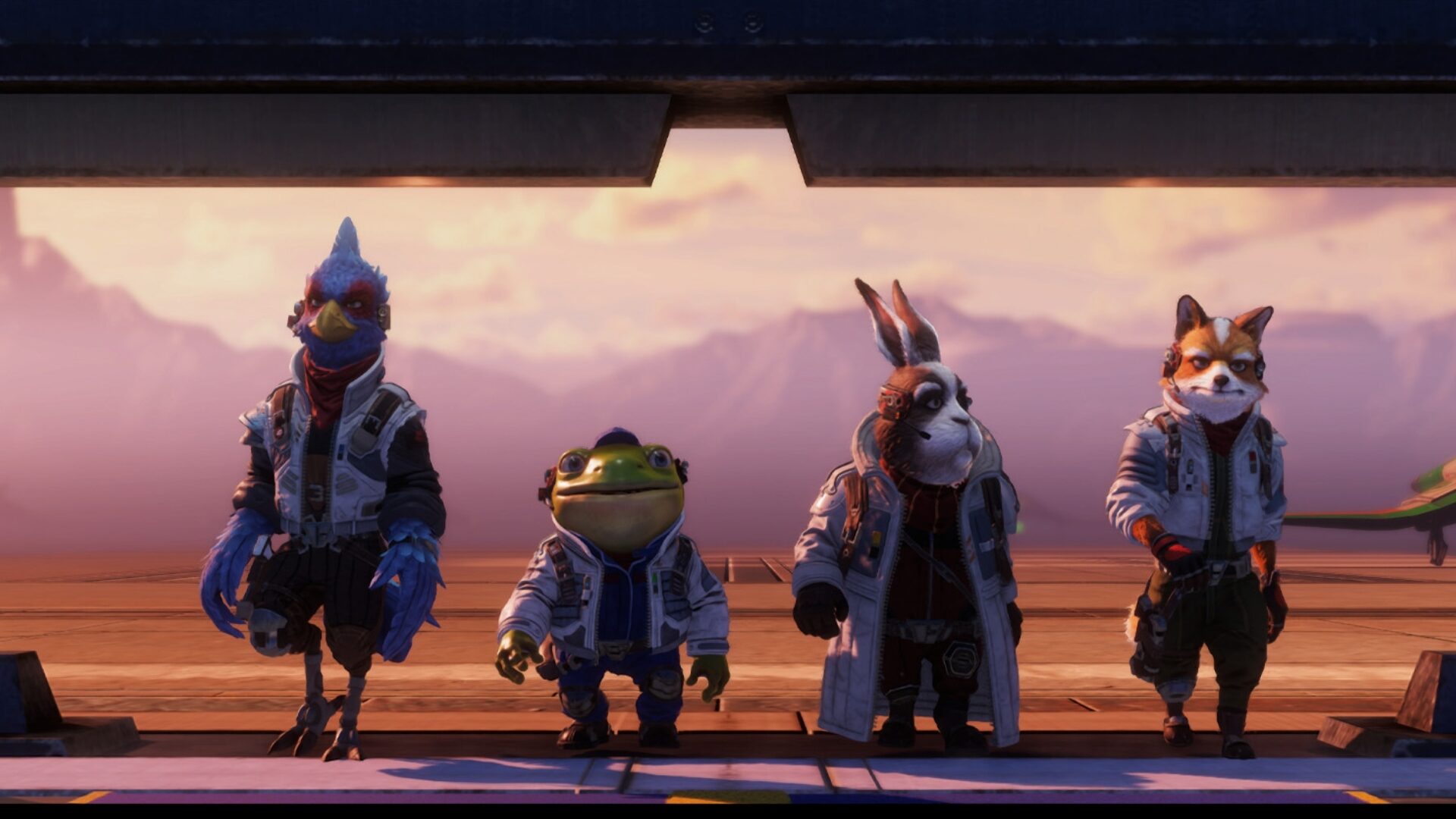
As I mentioned above, Star Fox’s visuals are absolutely incredible and even more amazing once you see them in motion. While the Nintendo 64 version didn’t look bad by any stretch—both for the time and even now—there’s no denying our imaginations had to fill in the blanks a little bit. Seeing these worlds brought to life in painstaking detail, with bold colours and dynamic lighting, really makes the game feel bigger and more fantastic than ever. I can definitely see why Takaya Imamura got choked up about it.
Even the new character designs, which I’ll admit, definitely gave me some “Ugly Sonic” vibes at first, really started growing on me the more I saw them. There’s a kind of earnestness to their ultra-realistic designs, and they’re all incredibly expressive and brought to life by an incredible voice cast. And the visuals are backed by an unbelievable score that completely reimagines the original soundtrack with bold orchestration and live instrumentation.
During our multiplayer session, Electric Playground’s Victor Lucas remarked on how it leans all the way into its Star Wars inspiration, and I honestly can’t help but agree. It brings every moment to life in a bigger, more dynamic way—including one which I won’t say for spoiler reasons, but it genuinely had my jaw drop.
If there’s one last complaint I have about Star Fox, it is that, at the end of the day, it’s yet another remake of Star Fox 64. Don’t get me wrong, it’s an excellent game, and I’m glad a new generation of gamers will get to experience it with all the modern bells and whistles that they’ve grown accustomed to, but it just really saddens me that in a series of eight games, four are essentially the same game.
I just don’t understand how Nintendo can’t seem to come up with any new stories for a game about a group of intergalactic mercenaries fighting for justice. Are there no new planets we could visit or space scenarios we could get into? And I played Star Fox Command, so I know they’re capable of good storytelling!
However, petty gripes aside, it’s genuinely good to see Star Fox return after a whole decade. I’m glad they chose a game that is not only iconic but so unbelievably fun and highly replayable to get the Nintendo Switch 2 treatment. I honestly hope this serves as a springboard for new and exciting adventures for a game that has been lost in space for far too long.
Now do Star Fox Adventures next.