The trailer for Avengers: Doomsday, the next epic ensemble blockbuster in the Marvel Cinematic Universe, dropped last week, and echoed a level of hype the films haven’t reached since Infinity War or Endgame. It also sparked a wave of people realizing they hadn’t really been keeping up with the ambitious franchise since Endgame in 2019.
Given how tumultuous the movie industry has been since then, how the last Avengers film felt like “The End,” and the overall onslaught of movies being released, it’s natural if superhero fatigue sets in. It’s also natural if you see the new trailer and feel the old familiar hype beginning to stir again. But with about four months to go before Doomsday arrives, do you have to sit through everything Marvel Studios has done to be able to follow the new plot? Of course not, and CGM is here to help.
So in order to catch up with the major relevant events of the post-Endgame MCU, here are the five essential movies to watch (or rewatch) in time for Avengers: Doomsday.
5) Loki
Okay, we’re calling an audible immediately, but for good reason.
The biggest plot element of the MCU since Endgame has been the Multiverse—be they branching timelines or parallel realities, different films and shows have used slightly different terms, but basically they all refer to alternate universes different from the main film events. We should all be pretty used to the concept by now, thanks to the Spider-Verse films, No Way Home, and any other number of sci-fi adventures who have been playing in this quantum space.
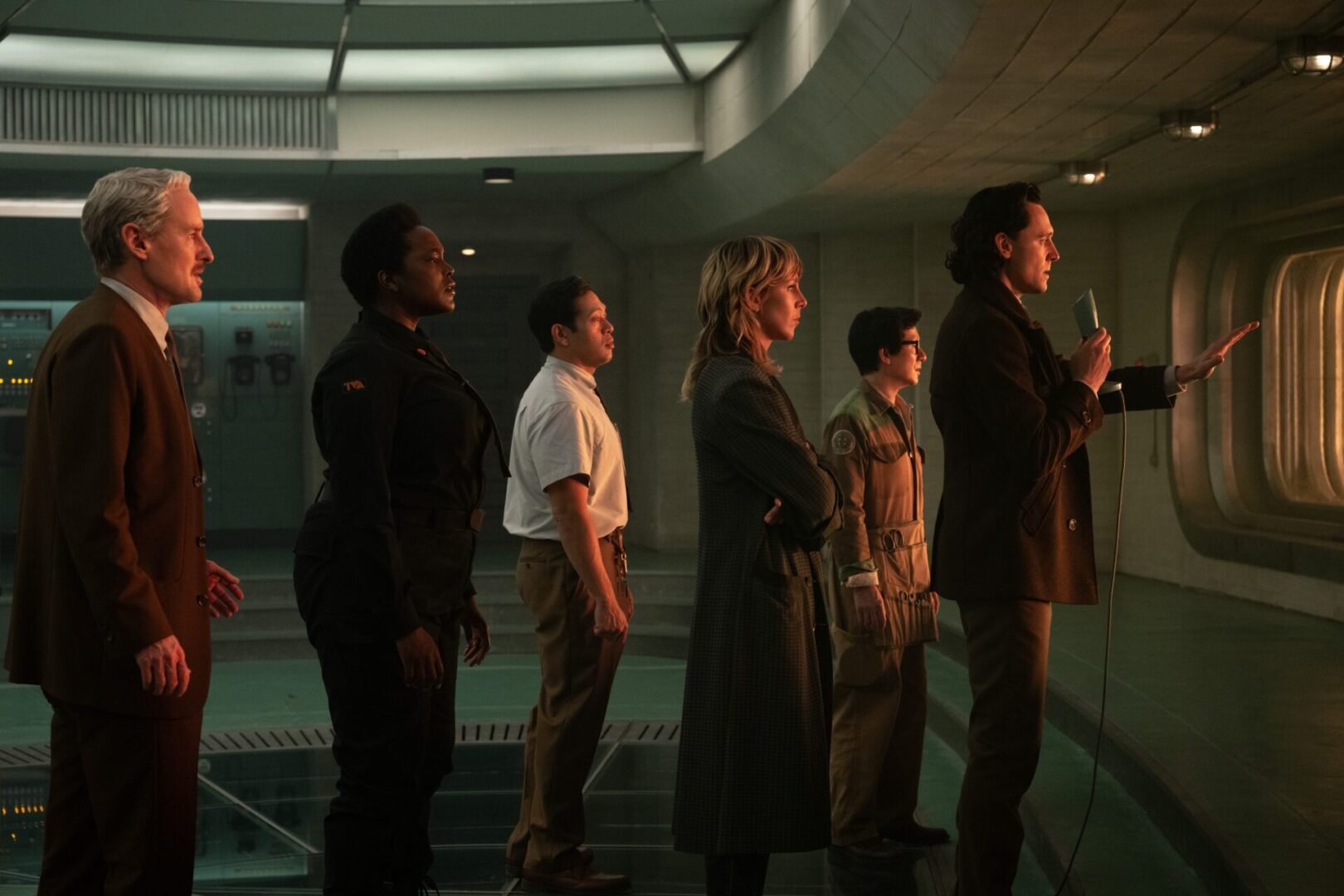
Across its two (exceptionally good) seasons, Loki does some heavy lifting in explaining what these realities look like in the MCU, how they work, and what they mean to the bigger picture. And since Loki has surprisingly turned up in the Doomsday trailer, it may form a literal bridge between the two Avengers tentpoles, as the show focuses on the Loki variant who escapes with the Tesseract in Endgame. Without seeing this show, you may wonder why they guy who Thanos dealt with in Infinity War is now, presumably, informing other characters about what’s at stake with Doctor Doom.
A lot of the early efforts to set up Kang the Conqueror feel irrelevant now, but this series nonetheless sets up some key concepts for the entire franchise, such as the Time Variance Authority and time-slipping, which could prove vital to the storyline moving forward. It’s essential MCU viewing, movie or not.
4) Black Panther: Wakanda Forever
Of all the real-world events that reshaped Marvel’s plans in phases 4-6, the tragic loss of Chadwick Boseman may hit the hardest. As Director Ryan Coogler revealed late last year, he had big plans for his Black Panther sequel, to further tap into Boseman’s talents and expand the films’ take on both King T’Challa and Wakanda.
The sequel we got instead, Black Panther: Wakanda Forever, has some of the most poignantly ironic moments in the franchise. Lines between reality and fiction fade as the cast brings their real grief to the fore, processing the loss of Boseman and T’Challa alike. It also had the heavy task of explaining what had happened to the fictional character, and how the succession of Wakanda’s throne (and the Black Panther mantle) would play out.
Wakanda Forever, thus, lays down some of the most important new MCU events, and introduces (or reintroduces) major players. Shuri and M’Baku step up to fill T’Challa’s shoes, and we also get to meet the MCU’s take of King Namor, cleverly reimagining the character’s comic origins. All three will be important to Avengers: Doomsday—while another character introduced later in this film will apparently be important to the post-Secret Wars era, when Coogler returns to direct Black Panther 3.
3) Doctor Strange In The Multiverse of Madness
Multiverses! Who better to explore this weird and wacky narrative device than the Sorcerer Supreme?
Like Loki, the second Doctor Strange movie lays some essential foundation for Doomsday. The good Doctor is introduced to a young girl with the uncanny ability to travel to different realities, and must protect her from a desperate Scarlet Witch. Multiverse of Madness takes us into… well, not the full multiverse, but at least a couple different realities different from the main MCU continuity of Earth-616, and should prove a good warm-up act for the upcoming blockbuster.
Perhaps most notably, Multiverse of Madness featured the Illuminati, and several important live-action MCU debuts—Professor X (a triumphantly returning Patrick Stewart), Reed Richards (the fan-cast favourite John Krasinski), and Captain Carter (Hayley Atwell). It… isn’t a very long-lived cameo sequence, but nonetheless it does some important legwork in familiarizing the audience with MCU multiverse rules.
(For extra points, you can watch WandaVision before this and Agatha All Along afterwards, and be caught up for Vision Quest this October. The former two shows are each one season long, and like Loki, are practically essential MCU viewing.)
2) Thunderbolts*
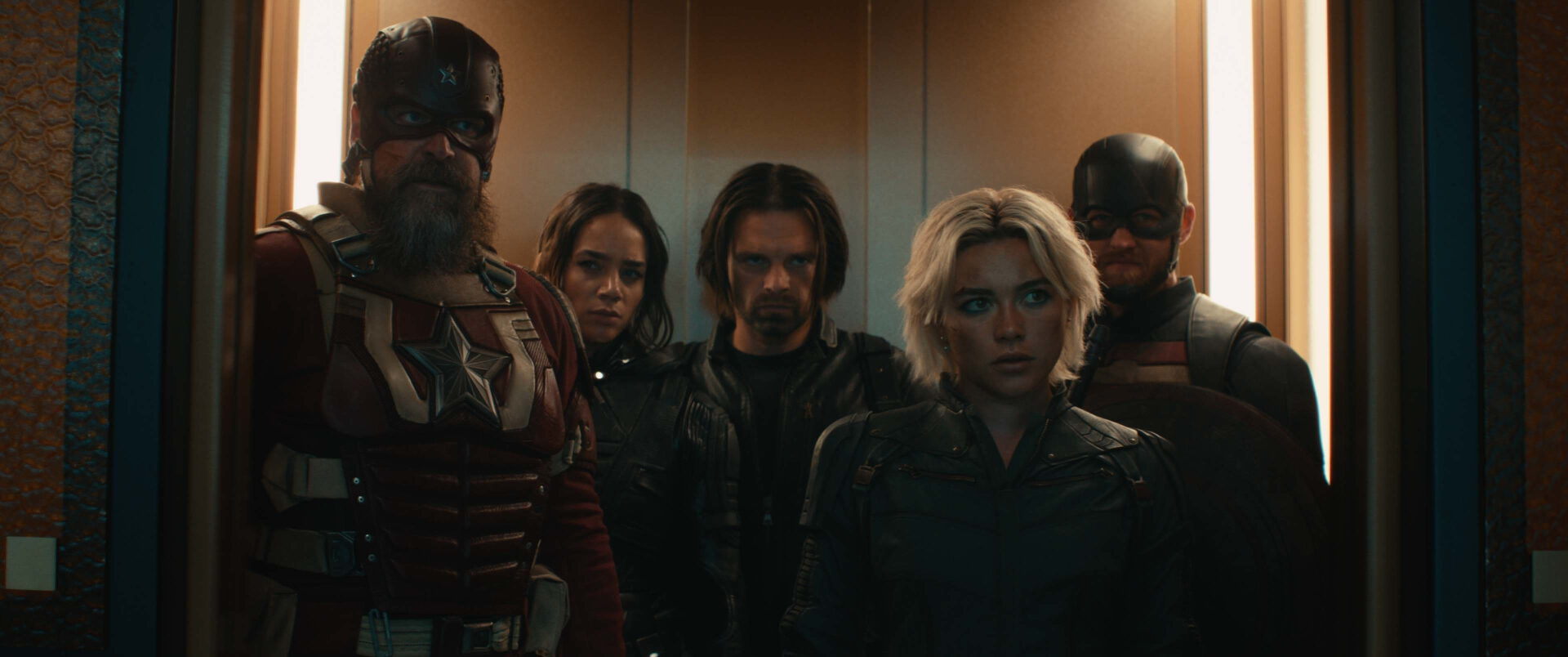
Originally, each phase of the MCU would be capped off with an Avengers ensemble film, but we haven’t had a proper one since Endgame. (For good narrative reason, at least.) But the closest we got—represented by the deliberate asterisk in the title—was Thunderbolts*. Unlike their comic counterparts in the post-Civil War era, the Thunderbolts aren’t Avengers villains with similar powers posing as real Avengers, like Bullseye posing as Hawkeye, or Daken as Wolverine. (Well, most of them anyway; John Walker is pretty much the evil Steve Rogers.)
Instead, the film’s take on the anti-hero team is a ragtag group of former villains or villain-adjacent individuals: Yelena Belova, Black Widow’s sister; Walker, the Super Soldier Serum-enhanced “U.S. Agent;” Alexei Shostakov, the Red Guardian, Russia’s answer to Captain America; “Ghost,” who tangled with Ant-Man; Bucky Barnes, the Winter Soldier; and a guy named Bob. Several post-credit scenes bore fruit as Valentina Allegra de Fontaine brought them together as an unconventional team.
The movie itself is an intriguing subversion of the usual Marvel movie plot, questioning what it means to be a hero and helping these unlikely characters resolve some baggage. Not unlike the original Guardians of the Galaxy, it turns a cast of sidekicks or no-name characters into one of the more relatable and likeable groups of the MCU.
Perhaps best of all for fans who are into lore and continuity, the events of Thunderbolts* have had important ramifications, being mentioned in other projects since and helping to pave the way into Avengers: Doomsday. It’s worth watching in its own right, but without seeing it, you may wonder why these ancillary characters are bickering with the new Captain America.
1) Fantastic Four: First Steps
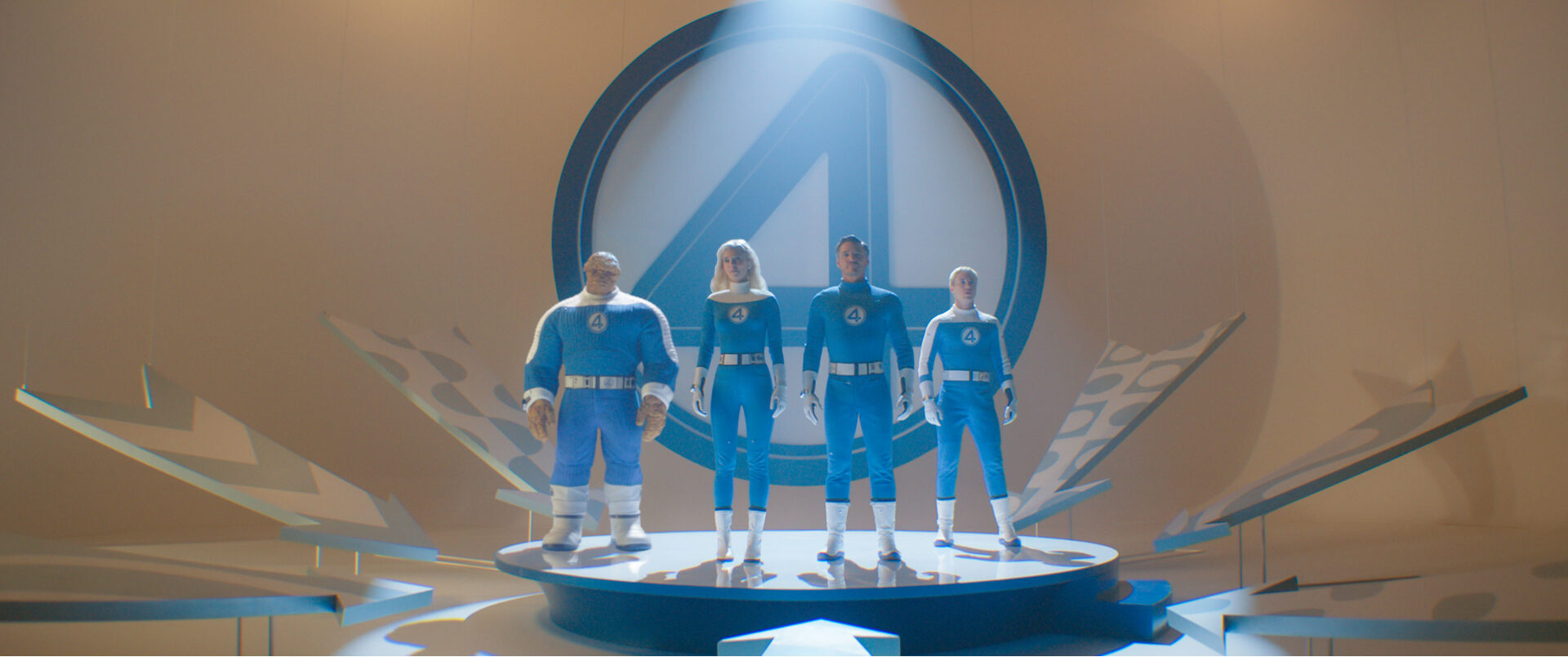
Anyone familiar with Doctor Doom can tell you that his history is intrinsically linked to the Fantastic Four. So if the MCU was going to bring him into the picture for Doomsday, how could they do it without Marvel’s First Family?
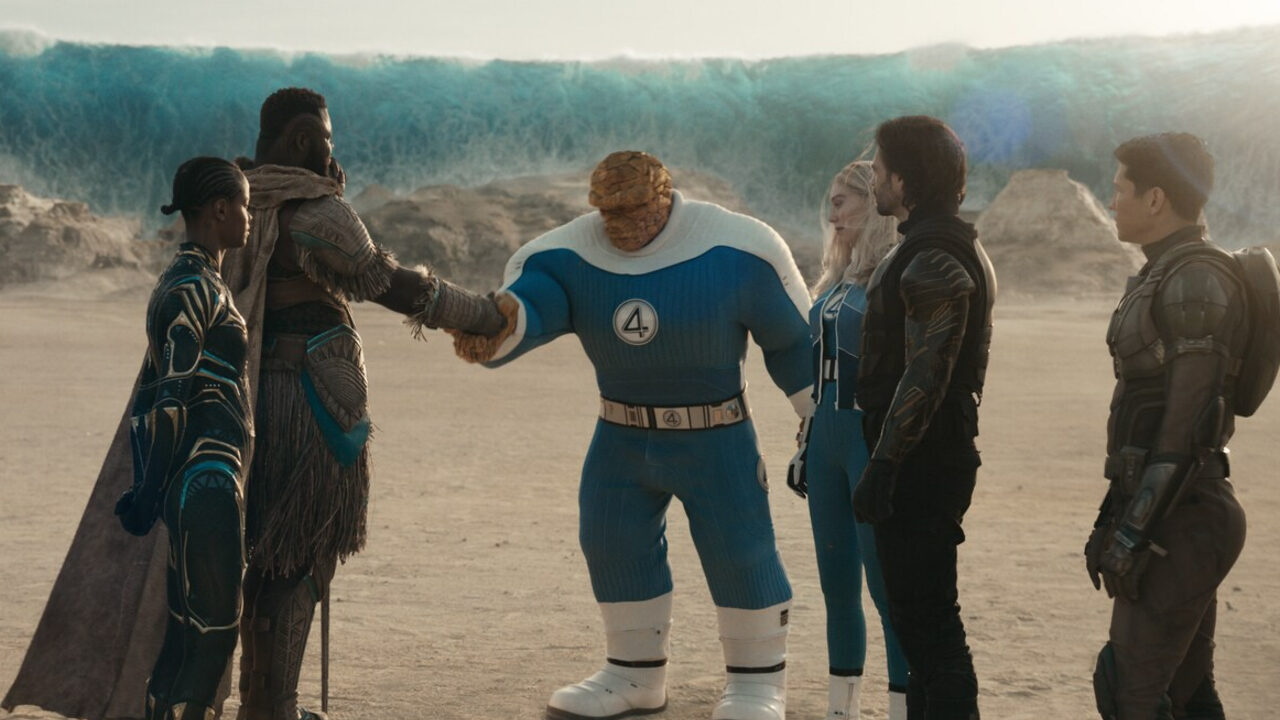
With the characters’ rights back in the hands of Marvel Studios, the Fantastic Four finally made their MCU debut last summer with a unique, retro-futuristic take on their familiar origins. Rather than ask “where were they during the whole Thanos thing,” the film presents that they don’t actually hail from Earth-616, and were dealing with some big issues of their own during that whole unfortunate “Blip” incident.
This new quartet feels simultaneously faithful to the source material while also putting their own spin on the characters. A helmet-less Pedro Pascal nails the essence of Reid Richards, Vanessa Kirby embodies Sue Storm like no other before her, and Ebon Moss-Bachrach brings the Thing’s soul straight out of the comics. It’s still somewhat jarring to go back to an origin story this deep into the film franchise, but it’s done well.
Judging by the Doomsday trailer, the arrival of the Fantastic Four in the main MCU timeline will be a key inciting incident to the entire spectacle, so it’s worthwhile to get acquainted with them (and a fleeting glimpse of Robert Downey Jr.’s Victor Von Doom) before you head to the theatre this December.