

There have been many stories set around the Clone Wars since 2002’s Attack of the Clones, and one might expect that the setting could be feeling a little overdone or claustrophobic. Star Wars Zero Company, however, proves that there’s still plenty of fresh sand to build with in this corner of the sandbox that George Lucas built, especially by embracing a surprisingly underutilized genre.
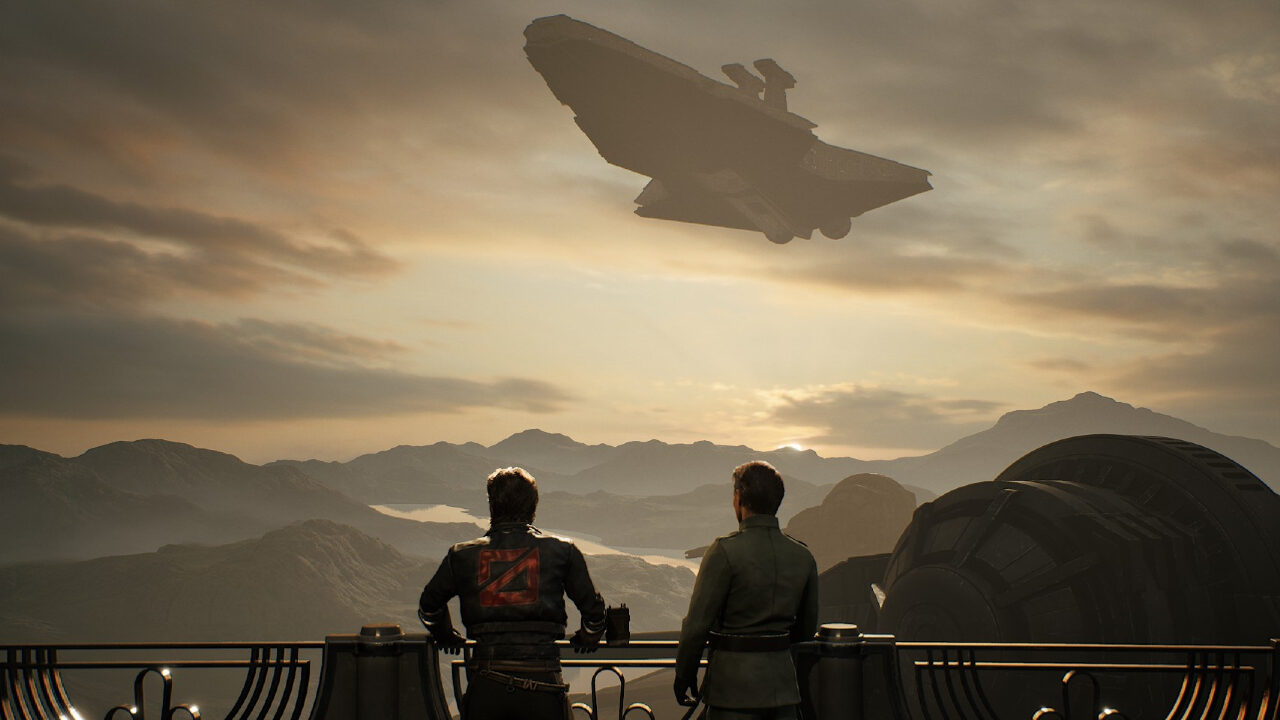
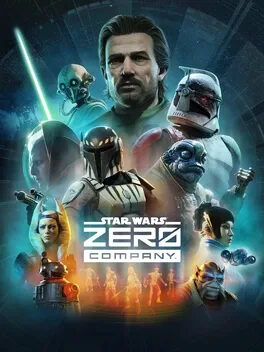
Star Wars Zero Company is a tactical RPG in the vein of XCOM or Marvel’s Midnight Suns—no coincidence, given that much of the staff at developer Bit Reactor previously worked on these and other strategy games. Players assume the role of Hawks, a former Republic commander who now runs a scrappy mercenary group called Zero Company. In pursuit of credits, Hawks and company help the Republic investigate a mysterious cult called the Infinite Coil, and risk biting off more than they can chew.
The core gameplay loop starts in the company’s home base, “The Den,” where Hawks can speak to teammates, manage the roster, customize characters’ wardrobes and sometimes appearance, and upgrade the outfit’ capabilities. Next comes a trip to the team’s holotable where Hawks can dispatch his people on miscellaneous off-screen tasks, called operations, and then embark on full-fledged battles in the game’s proper battle engine.
On paper, a lot of this is very typical strategy game fare: resource management, unit cultivation, turn-based battles, and so on. What makes Star Wars Zero Company leap off the screen, however, is the way players are encouraged to make the team their own. I stated as much in our preview earlier this month, but once I was able to see where the story was taking that team I’d cultivated over about twenty “cycles,” the personal investment truly began to pay off.
“Bit Reactor went the extra mile to make even Star Wars Zero Company‘s homemade teammates feel alive and individual.”
As Star Wars villains go, the Infinite Coil is an unusual antagonist, leaning into the kind of weird characteristics that are usually reserved for the franchise’s various comic books. Its members have all been infected with a mysterious plague, administered by wretched-looking centipede creatures; those who are bitten by the creatures either die immediately or unlock special powers that almost rival the Force. This makes them far more intimidating and efficient than the usual Battle Droids or Stormtroopers thrown at players in most Star Wars games, since they pose an actual threat.
Going toe-to-toe with the Coil while Zero Company also navigates the unique political and societal landscape of the late Republic is a compelling ride. Hawks’ commandos walk a very specific tightrope already just by existing outside of the Republic proper—and I felt all the more invested because the characters quickly wormed their way into my heart. Most of this roster is provided to you as premade (or “authored”) characters, such as the Clone Trooper Trick or the Jedi Tel-Rea. However, you’re also able to build out your roster with customized characters. Operators can be freely built using any combination of the races and classes available, including the ability to make astromech droids.
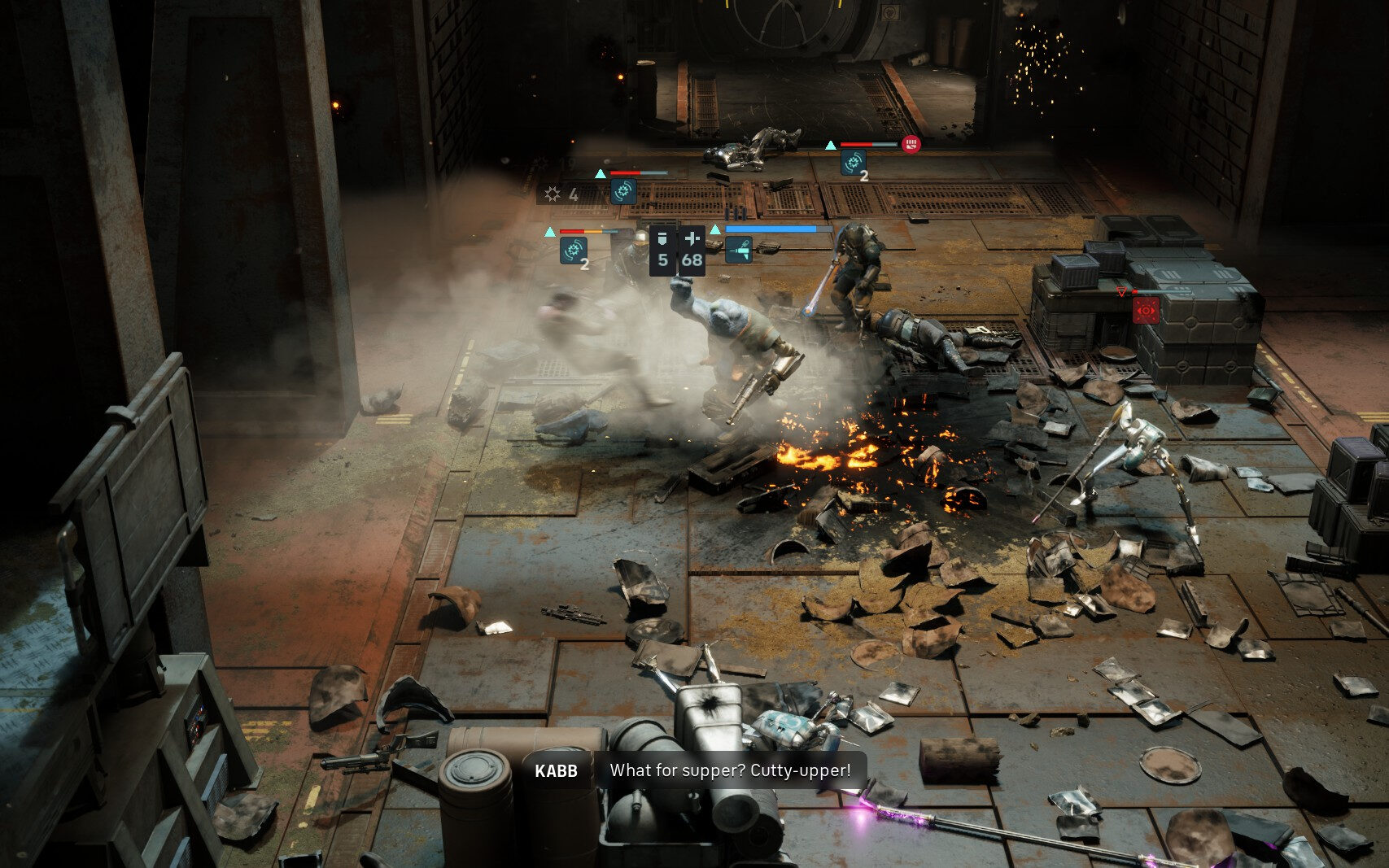
Unlike most other developers, Bit Reactor went the extra mile to make even Star Wars Zero Company‘s homemade teammates feel alive and individual. Even with all the processing power at our fingertips these days, most custom characters in games still feel hollow, and therefore harder to justify using. Here, however, they can move around the Den between missions and talk to other NPCs, or react to big moments in combat. They’re still clearly a step lower on the dialogue ladder, but it’s a gesture that goes a long way to make the company actually feel like a team.
(Unfortunately, this freedom does not extend to two varieties of operators. Tel-Rea is the only Jedi available, while the Mandalorian Cly Kullervo is the only proper Mando. I appreciate the commitment to restricting these two special “classes” to only the authored characters, but I yearn to see what a full squad of either Jedi or Mandalorians could do on the battlefield.)
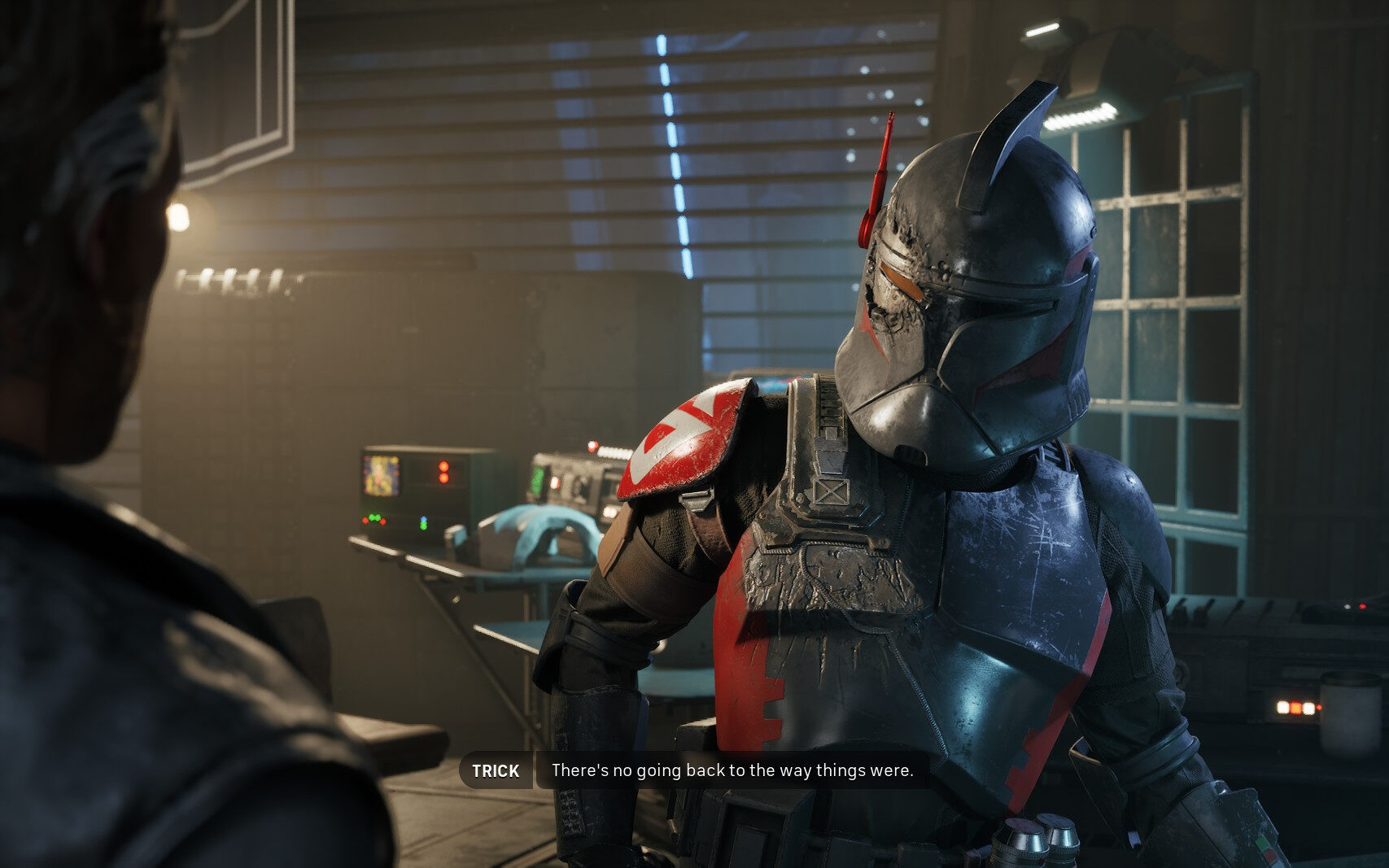
Aesthetically, players do have a little authority over the authored characters as well. Though you can’t alter their physical appearance, you do get to customize their wardrobe within limits. I ended up turning Trick’s damaged Clone Trooper armour black and red, gave Hawks a similar jacket, and suddenly felt like I’d established the group’s visual identity—virtually feeling a stab of pride when I’d see their white Zero Company emblems in the heat of battle. Similarly, I changed some outfits after various story developments, like giving Tel-Rea a classic Jedi hood or altering Cly’s armour after a personal mission, and felt all the more connected to their narratives.
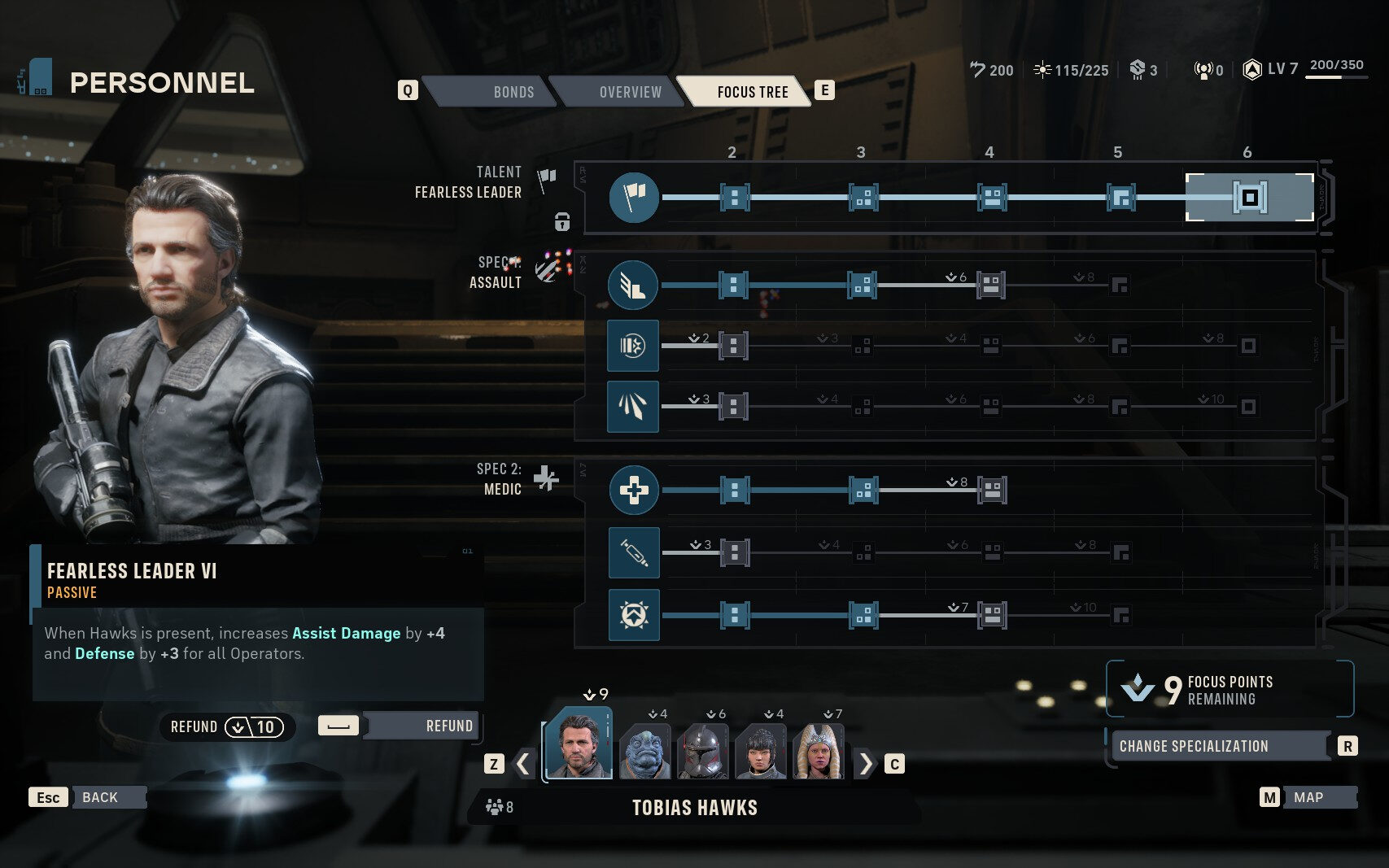
This customization philosophy permeates Star Wars Zero Company‘s actual strategy gameplay as well, starting with the character building process. Characters have predefined talents and come with a preassigned specialization/class (or for generic characters, are assigned one by the player). Each can equip a type of blaster, from the rapid-fire Repeater to the classic gunslinger pistols; mods for their blaster, such as scopes; and a utility item, such as grenades or health packs. Later in the game, a second specialization is unlocked for everyone, allowing you to mix and match your skillsets, while upgrades can be constructed to access further mod and utility slots.
The versatility of teambuilding, especially once multiclassing is unlocked, blew Star Wars Zero Company wide open for me. I had picked the Assault class for Hawks, and supplemented it with Medic, leaning into his leadership role by buffing and healing other units. I made Kabb a Heavy, making him tougher so I could keep using his Uppercut talent to charge across the map. The possibilities are vast, and I wanted to keep exploring them all.
“The versatility of teambuilding, especially once multiclassing is unlocked, blew Star Wars Zero Company wide open for me.”
I quickly grew attached to a “main team,” in terms of both character and skillsets; whenever able, I always brought Trick and Kabb, and usually Cly as the fourth, unless another character was required narratively. Depending on your settings, it may be dangerous to get this close, however.
Permadeath is a toggled option, meaning you can theoretically lose an operator forever in battle. When their health is depleted, a unit is downed, and when they’re revived they have a persistent injury debuff. Should they accumulate a third injury, they’re killed outright; there are also scenarios in certain missions where this can happen immediately. Injuries can be removed back at the Den for a fee, at least. Playing on normal difficulty, I never had a unit accumulate more than one injury at a time, though I did cut it close once when too low on funds to heal Cly.
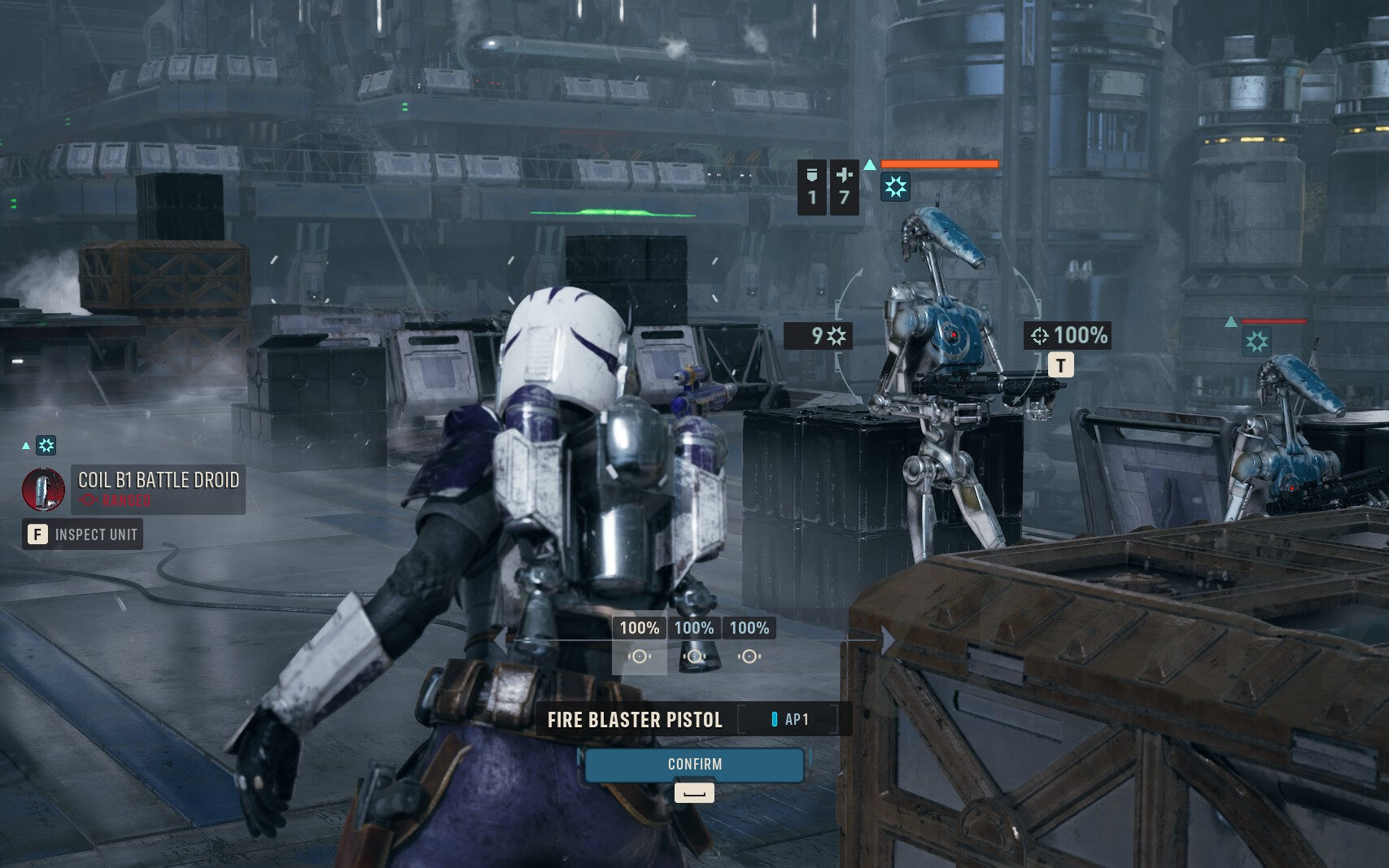
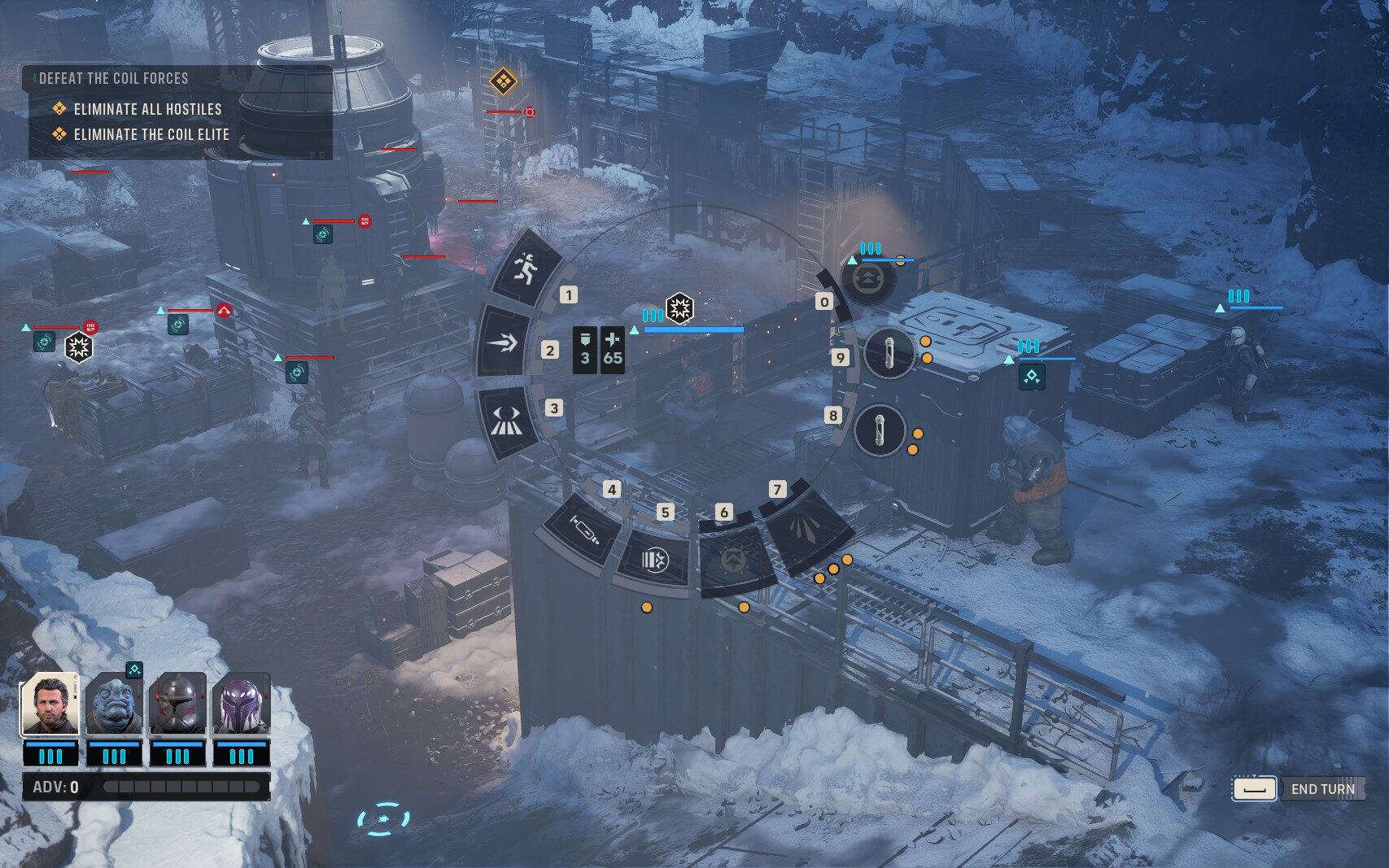
Narrative, customization, and a compelling loop are the machinery around Star Wars Zero Company‘s core, the battles. Here, your team of four units engages in turn-based tactical combat with hordes of enemies. Each unit gets 3 Action Points to spend on a turn for the usual actions: moving, attacking, using certain skills or consumables, setting an overwatch, etc. Other actions may use Advantage, a shared resource; hitting enemies generates a point, up to a total of ten. The better the skill, the more advantage it uses.
Generally, the lion’s share of missions revolve around either clearing the field of enemies, or securing an objective and hitting the evacuation zone. Occasionally missions will challenge this norm by introducing a guest character, adding circumstances like the aforementioned instant-death hazards, or chaining encounters together in a gauntlet. I did end up wishing for a little more variety in terms of the literal objectives, but the different circumstances around these core goals did help keep things fresh.
There are also some segments where you explore freely as Hawks before getting into the actual fights, which could have been more compelling. I think I would’ve preferred having a little more setup in most fights, since many missions dump the company into a fight with next to no fanfare.
The camerawork in battles can be a little frustrating in some circumstances, like causing limited visibility in tight spaces. Cover mechanics can also baffle at times: I once had 100% odds of shooting an opponent through stalagmites that fully obscured them from view, while at other points the odds of hitting seemed disproportionate to the situation. These things are pretty common foibles for the genre—missing on a 95% chance of hitting is rage-inducing no matter what game you’re playing—and can, luckily, be addressed in future patches.
What really stood out about Star Wars Zero Company‘s battles, however, was the unique abilities used by the big bads. The Infinite Coil have a variety of traits that are simultaneously terrifying and strategically stimulating. Some foes may respond to being attacked by charging in for a counter-attack, or triggering a healing buff. My biggest nemesis was the Shared Suffering buff, which allows one enemy to tank for another enemy across the field. Worse, when defeating one organic Coil member, they buff a buddy nearby. I would both dread and anticipate running into them.
Such is Bit Reactor’s devotion to giving players customization options, they also allow a modicum of control over how the Coil’s powers develop. At times, Hawks will have to choose between two different missions which will stunt the Coil’s growth, essentially choosing which power to deny them. You may prevent them from gaining a certain tool, but you know the next time you encounter them, they’ll have a different nasty tool in their kit.
This feeds into Star Wars Zero Company‘s overall replayability, which seems incredibly high. At a quarter of the way through the game, I was already making notes for the different things I wanted to do on my next playthrough. The options for building different teams alone should be enough to pull strategy fans and/or Star Wars fans through this campaign multiple times; add in the amount of branching decisions at the holotable, or in the characters’ personal storylines and interpersonal relationships, and the sky’s the limit.
My takeaway after my initial hands-on preview was that Star Wars Zero Company could be the closest thing we’ve gotten to a true Knights of the Old Republic successor; it hit the same right notes, making my avatar feel truly connected to the story and their teammates. Having played the final product, I wouldn’t say it has surpassed KOTOR, but it’s certainly the most ambitiously customizable Star Wars experience we’ve had since then.
Playing as Hawks is the closest I’ve come to reliving my first voyage as Revan over twenty years ago, even if the two games are in different genres. I suspect the Force (of replayability) will be strong with this one, and hope to see Bit Reactor keep cooking in this kitchen for a long time.