Since Obi-Wan’s off-hand mention of the Clone Wars in A New Hope or Han alluding to “the bounty hunter we ran into on Ord Mantell [who] changed my mind” in The Empire Strikes Back, Star Wars has had a tradition of making fans wonder what happened off screen between movies. And from the earliest years right down to today with the Sequel era, that tradition has helped spawn the extended universe of books and comics that have enriched the franchise.
With The Force Awakens having recently passed its tenth anniversary (already, somehow), the release of some compelling new stories set around the Sequel films, and the pending release of Star Wars: Starfighter next May—right in time for the series’ 50th anniversary— now is a great time to delve into (or back into) the stories surrounding the latest generation of heroes. The Sequel era got off to a bit of a rocky start, but so too did the Prequels and the Clone Wars, and these tales may help smooth out some of the issues people initially had with the new films.
So here are our top 5 picks for the best Star Wars books and comics set in the Sequel era, and exploring the galaxy around the tales of Rey, Finn, Poe, and Kylo Ren. And to help keep events in order, we’re also highlighting where they fall on the timeline—as a reminder, 0 ABY represents A New Hope and the destruction of the Death Star, Return of the Jedi takes place in 4 ABY, and The Force Awakens picks up the saga in 34 ABY.
(Disclaimer: Several pieces of other Star Wars media, like The Mandalorian and Ahsoka, deal with events after the Original Trilogy, but for the purposes of this list we’re looking exclusively at stories that help set up or elaborate upon “the Skywalker Saga.” While some events in those other series do have an impact on the Sequels, like the experiments conducted on Grogu, we’re focused today on the Sequels proper.)
Honourable Mentions
If your main focus for Star Wars is on the films, or even the new age of shows on Disney+, you may be surprised by just how much published content is out there for the Sequel era. In a way, Lucasfilm Publishing (and Marvel Comics) have only scratched the surface of these characters. At the same time, it was harder to narrow this list down to only 5 things.
Delilah S. Dawson’s Phasma delves into the history of the enigmatic character in an almost Mad Max-like fashion; then, her novel Black Spire serves as both a sequel of sorts, focused on Resistance spy Vi Moradi, and an introduction to the theme park. If you’ve been to Galaxy’s Edge at Disney World or Disneyland, it’s an excellent introduction to the park’s premise.
Chuck Wendig’s Aftermath trilogy builds off the ending of Return of the Jedi, and helped kickstart the era of publishing as part of the “Journey to The Force Awakens” project. It provides one perspective of the Battle of Jakku, and several vignettes that set up or resolve side characters—foreshadowing the fate of Boba Fett’s armour, and giving closure to Jar Jar Binks (in an oddly poetic way).
5) Shadow of the Sith (21 ABY)
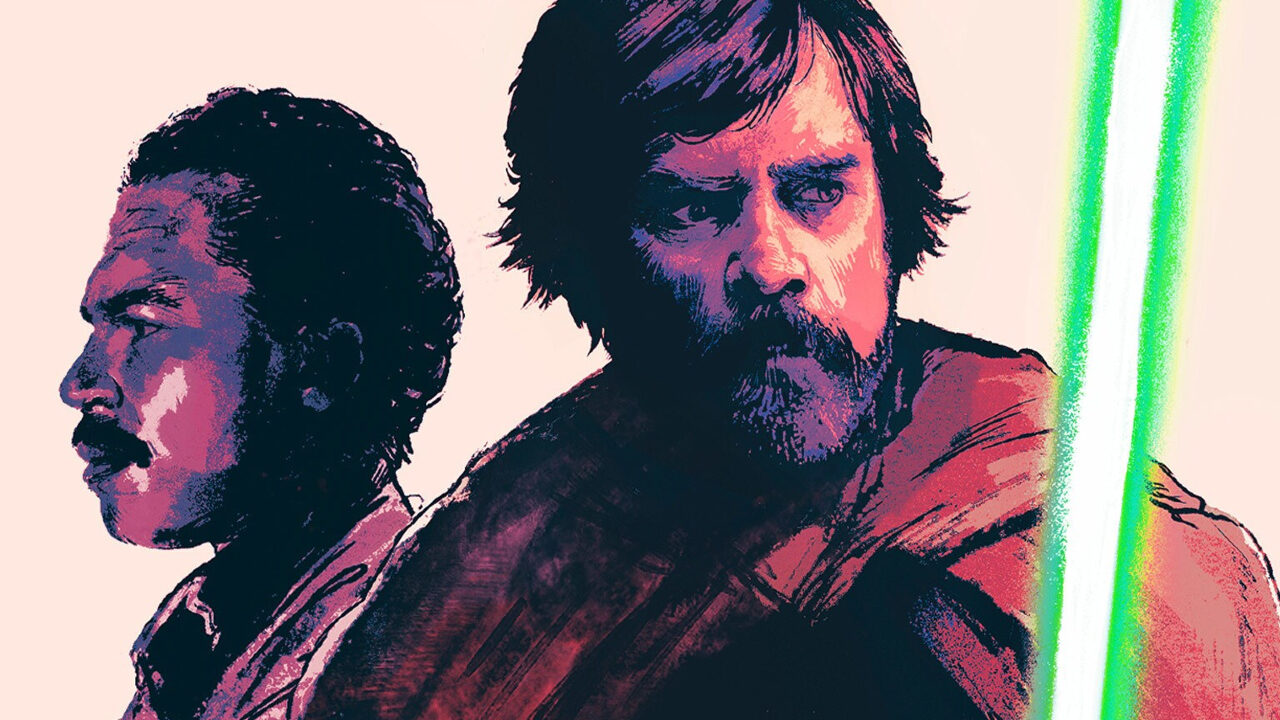
The Sequel era films take a lot of flak—some complaints justified, and some embellished. Where I won’t disagree is that The Rise of Skywalker fumbled with the whole mystery of Rey’s lineage (or the question of whether it should matter or not); it’s been six years, and I’ve come to terms with how the story ended there.
Adam Christopher’s novel Star Wars: Shadow of the Sith, however, did a lot to assuage that problem. The story follows Luke Skywalker, over a decade before The Force Awakens, as he reunites with Lando Calrissian to investigate omens of a dark side threat emerging at the edge of space, and the last hints Lando has of finding his lost daughter. At the same time, Rey’s family is fleeing across the galaxy, pursued by the assassin Ochi of Bestoon.
Knowing more about Rey’s family does help put to rest some of the things that could have been resolved in the third film, and a peek at Luke in the height of his Jedi instructor days was welcome. Of course, the book isn’t just about filling in gaps from a separate story. The actual journey, which sees Luke face off against a different breed of dark side user, is compelling in itself, and along the way it helps explain where these two legacy characters’ heads were at in the Sequel era films.

4) Bloodline (28 ABY)
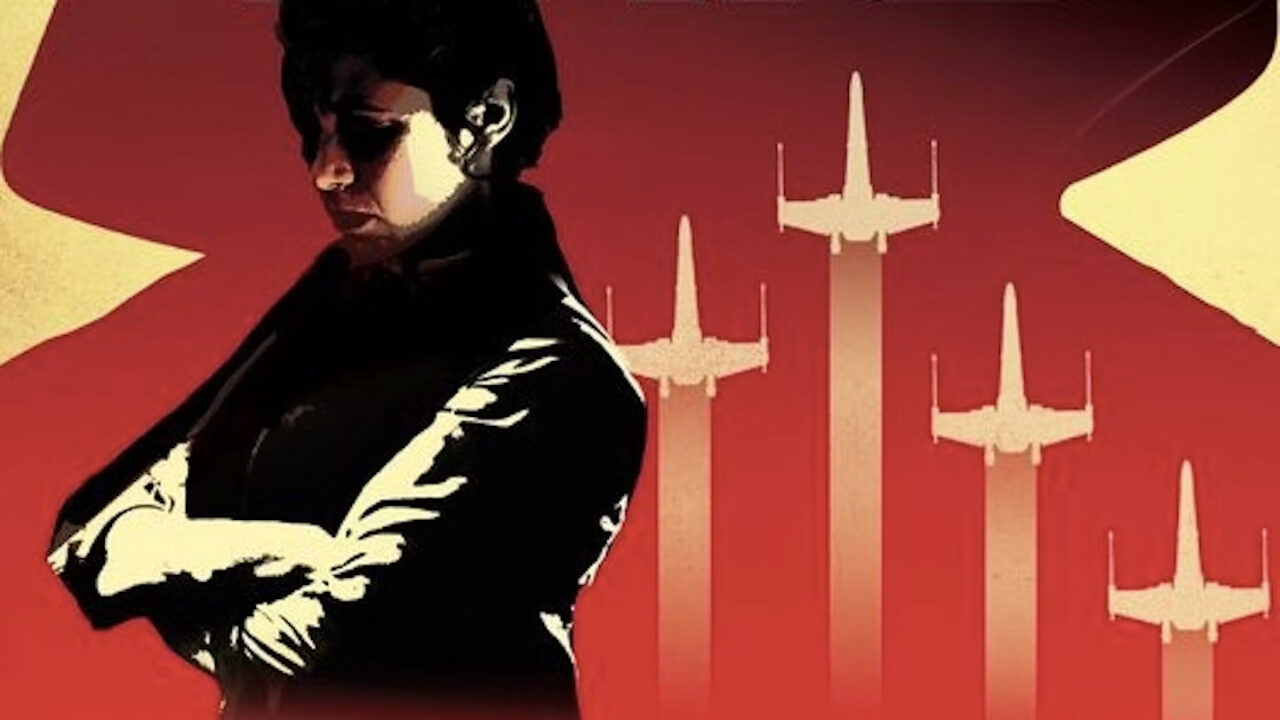
There was a palpable air of fervent speculation in the months after The Force Awakens released, as fans tried to piece together the mysteries presented in that film: how had the First Order arisen, how did Ben Solo fall, and what did the scavenger from Jakku have to do with it all? Claudia Gray’s novel Bloodline didn’t answer any of those questions explicitly, but it did provide tantalizing context for the first two questions.
Bloodline delves into the New Republic’s politics from Leia’s perspective and shows the government that the First Order would so summarily destroy with Starkiller Base six years later. We get to see the circumstances that led Leia to go rogue and establish the official Resistance, as another senate in Star Wars proves itself too inept and tepid to deal with a clear threat. (If we had a nickel for every time a feckless government in Star Wars allowed evil to rise, etc.)
Aside from Andor, this is Star Wars political intrigue at its finest, as Leia navigates a nearly Cold War-esque stalemate in her tireless quest to do what’s right for the galaxy. Along the way we learn about one epithet she’s earned (“Huttslayer,” for her deeds in Return of the Jedi), get a glimpse of what Ben was like pre-Kylo Ren, and see how the New Republic views the truth about her lineage.
3) Star Wars: Poe Dameron (32-34 ABY)
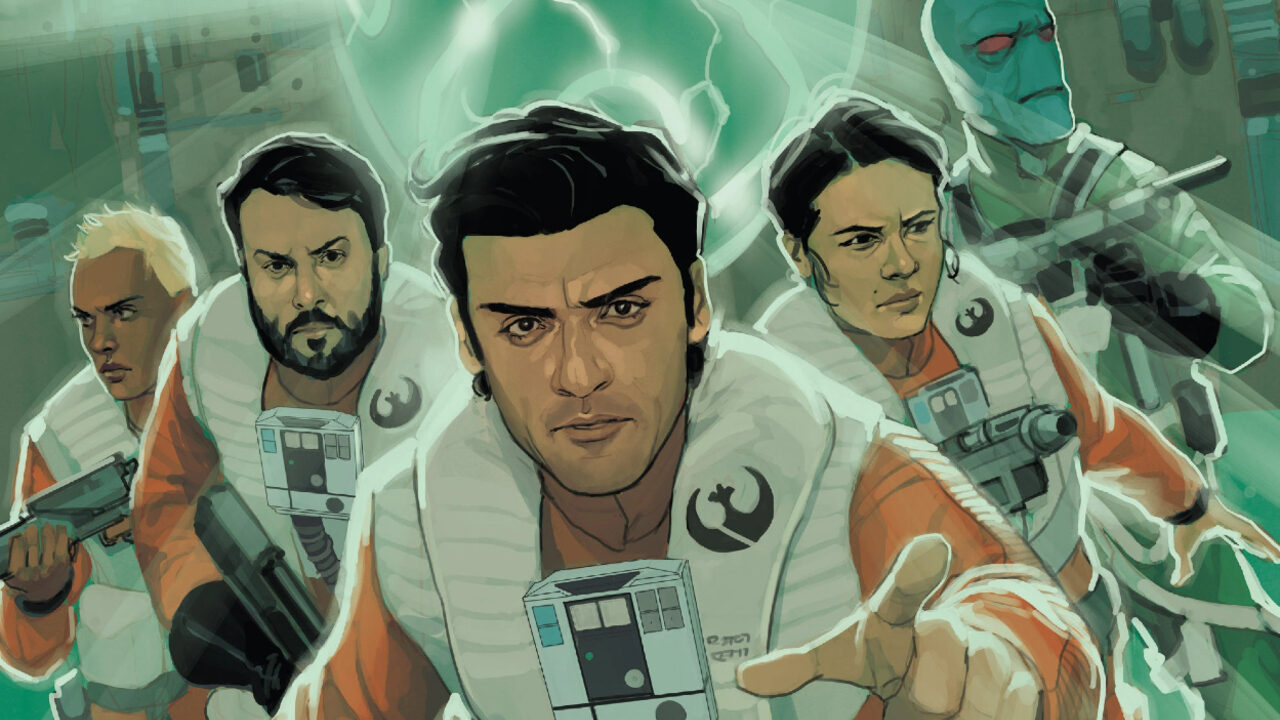
One of the earliest projects announced in Marvel Comics’ partnership with Lucasfilm Publishing was an ongoing comic series focused on Oscar Isaac’s scene-stealing flyboy, Poe Dameron. The eponymous series picked up in the months before The Force Awakens, helping Leia locate Lor San Tekka and, by extension, Luke. By the series’ end over thirty issues later, it had dovetailed with the events of Episodes VII and VIII, to culminate after the Battle of Crait.
Writer Charles Soule not only wove Poe’s tale around the films, but brought depth to the comrades who fly at Poe’s side in Black Squadron, and would later become heroes of the battle at Starkiller Base. Temmin Wexley (first introduced as a kid in Wendig’s Aftermath series and portrayed as an adult by Heroes‘ Greg Grunberg) and Jessika Pava (Iron Fist‘s Jessica Henwick) especially get to shine, alongside some series-original pilots and supporting characters.

- Hardcover Book

The series is one of the closest things in the current Star Wars Canon to the old Expanded Universe Rogue Squadron novels, with pilots on espionage missions and tangling with the First Order’s forces. It also set up Soule as one of Canon’s most reliable scribes, and a defining voice of the Sequel era…
2) Marvel & Charles Soule’s Kylo Ren Saga (28 ABY; 34-35 ABY)
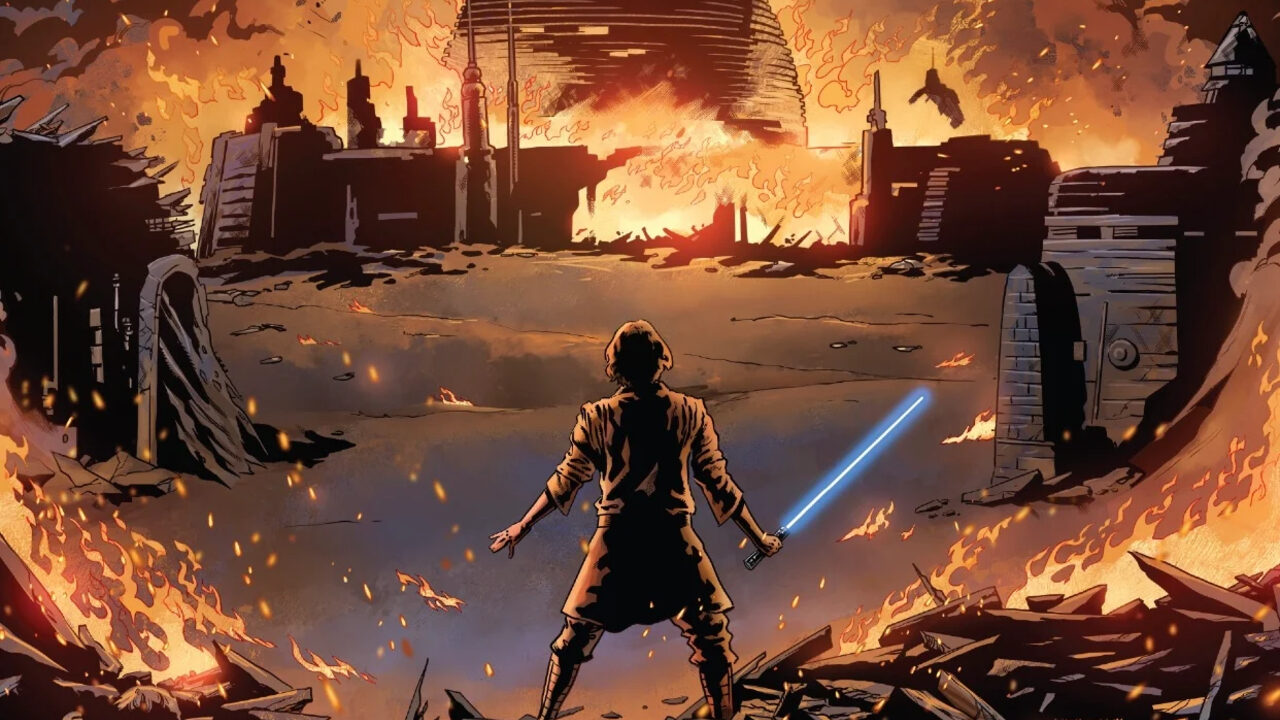
…a title which he continued to earn with a series of Marvel Comics titles focused on the Sequel era’s answer to Darth Vader, Kylo Ren. Soule carried the heavy role of portraying the events surrounding Ben Solo’s fall, previously shown from various (unreliable) perspectives in The Last Jedi, and Will Sliney rendered them upon the page. The first miniseries, Star Wars: The Rise of Kylo Ren, followed the fateful events at Luke’s temple, the struggle of Ben’s fellow students to bring him either to justice or back to the light, and the origins of the enigmatic Knights of Ren.
Years later, Soule picked up the story with Legacy of Vader: The Reign of Kylo Ren, a 12-issue miniseries set in the wake of The Last Jedi. Kylo Ren is now Supreme Leader of the First Order, but at first is consumed by his quest to follow in his grandfather’s footsteps. His pilgrimage takes him to various places from Anakin/Vader’s history, coming to terms with his chosen path and his need to “let the past die.” Soule takes Kylo Ren to some of the same dark places as he explored in his run of Darth Vader comics—both literally, like the fortress on Mustafar, and metaphysically, confronting the ghost of Vader and his own pre-fall self.

Now, this week saw the first issue of The Fall of Kylo Ren, a 6-issue miniseries that will bring the villain’s tale into The Rise of Skywalker—presumably regrouping with his Knights and reforging his helmet along the way.
Adam Driver’s performance as Kylo Ren was one of the best parts of the Sequel era on the screen, and likewise Soule’s portrayal is one of the best on the printed page. We probably won’t get that Ben Solo film Driver has been secretly holding out hope for all these years (or will we?), but at least this complicated character gets to have his tale fleshed out in some form.
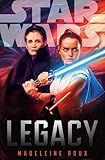
1) Legacy (34 ABY)
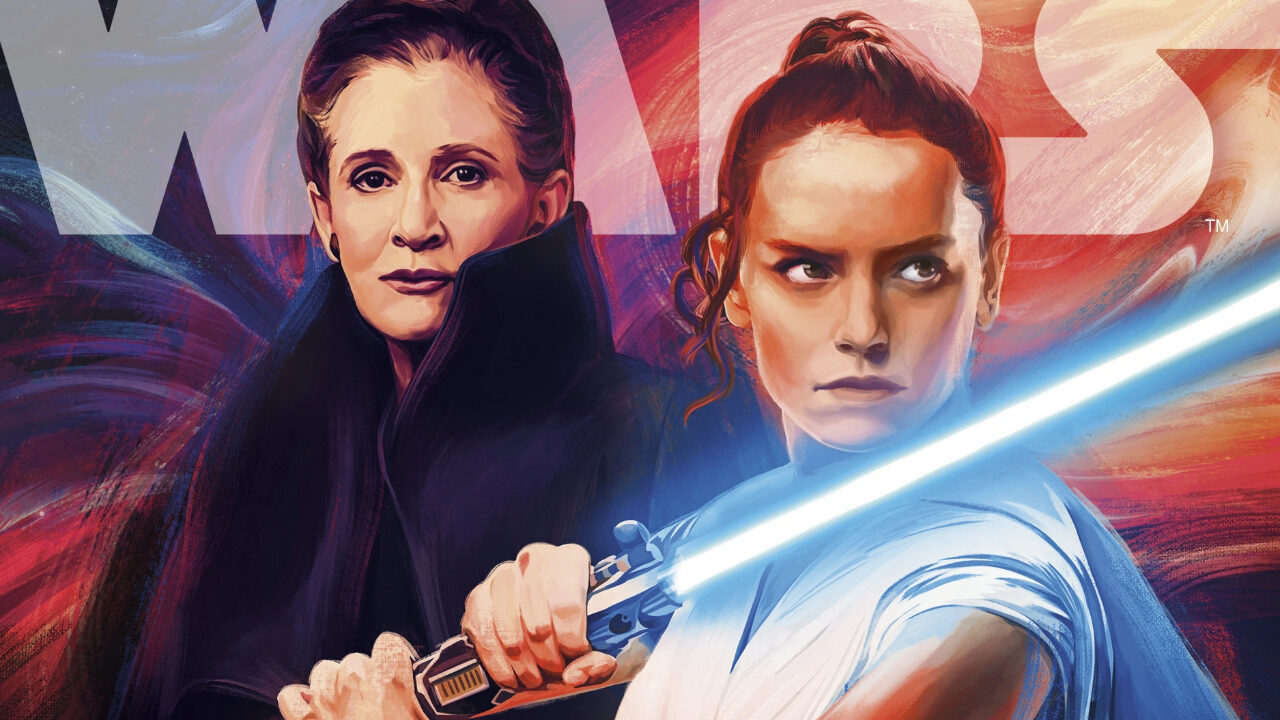
The passing of Carrie Fisher in 2016, before the release of Episode VIII or the filming of Episode IX, still feels tragically surreal. Fisher’s portrayal of Princess Leia helped define Star Wars and science fiction as we know it today. The third Sequel era film was meant to be her turn to shine, and much of The Rise of Skywalker‘s woes arose from having to work around her absence. Ultimately, footage cut from the other sequels was used to fill in the gaps, which hamstrung the story.
At least the final product did justice by Leia and Carrie by acknowledging the character’s status as a Force user. Just as she did in the old Expanded Universe novels, Leia was revealed to have studied the Force with Luke to a degree, but ultimately deciding that her role as a politician and leader was more important. In Episode IX, we get a glimpse of her training, and learn that between episodes, she has stepped into the mentor role for Rey, in Luke’s absence.
Madeline Roux’s novel Star Wars: Legacy sheds light on this mentorship, and picks up the pieces from where The Last Jedi left off. Rey is left with the broken pieces of the Skywalker lightsaber, wrestling with the responsibility of being the galaxy’s last hope. Leia is the last person who can help continue her training, despite having put aside her own years ago. The two women must overcome their hesitance to use the Force and work together to pave a way forward for the Resistance and themselves. Along the way, they seek answers on the planet Tython, an ancient home of the Jedi, and outrun the specter of Kylo Ren that looms over them both.
From the first chapter, Roux expertly nails the voices of both characters, as well as a supporting cast of both iconic and new Star Wars characters. This book is the most substantial example we’ve had yet of Rey’s perspective (outside of film novelizations), enriching and contextualizing her journey in The Rise of Skywalker. Furthermore, it helps bring closure to Leia’s own tale, lovingly building to her sendoff.
Again, like Shadows of the Sith, Legacy helps smooth over the Sequel era’s landing; the pieces were all there in The Rise of Skywalker, but clumsily left to the audience’s inference. Having the tale elaborated upon is a treat, not “homework”—like all the best Star Wars books and comics are.