

The LG G6 is, without question, one of the best displays I have tested this year. There is something to be said for an OLED screen when you are looking for a TV. The blacks are inky, the colours are vibrant, and the contrast is fantastic. LG makes some of the best OLED screens you can buy, so when the company offered its latest G-series display for testing in 2026, I was eager to see how it stacked up.
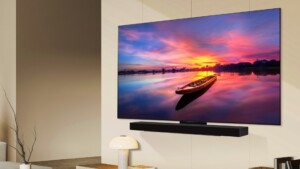
The LG G6 OLED evo AI continues the legacy LG has built to this point, arriving as a thin, gallery-style set designed to sit close to the wall. It looks familiar, but it addresses one of OLED’s long-standing weak spots by holding up far better when the lights are on. It is easy to set up and delivers a vibrant, clear picture, whether you are gaming, watching movies, or simply putting on a show on Netflix to relax after a long day of work.
The G6 uses a 4K Primary RGB Tandem OLED 2.0 panel, with the Alpha 11 AI Processor Gen 3 behind it. It comes in 55-, 65-, 77-, 83- and 97-inch sizes, plus a 48-inch version in select markets. The 97-inch model uses a different, older panel.
For this review, LG sent us a 55-inch model on loan so we could dig into how it works, what makes it special and how it stacks up against mini-LED displays and other competition in the market. Luckily for us, we were also testing several other TVs at the same time, which gave us the chance to compare the LG G6 OLED evo AI directly with some high-end offerings. That gave us a much better sense of what OLED can do and how the G6 compares with the competition.
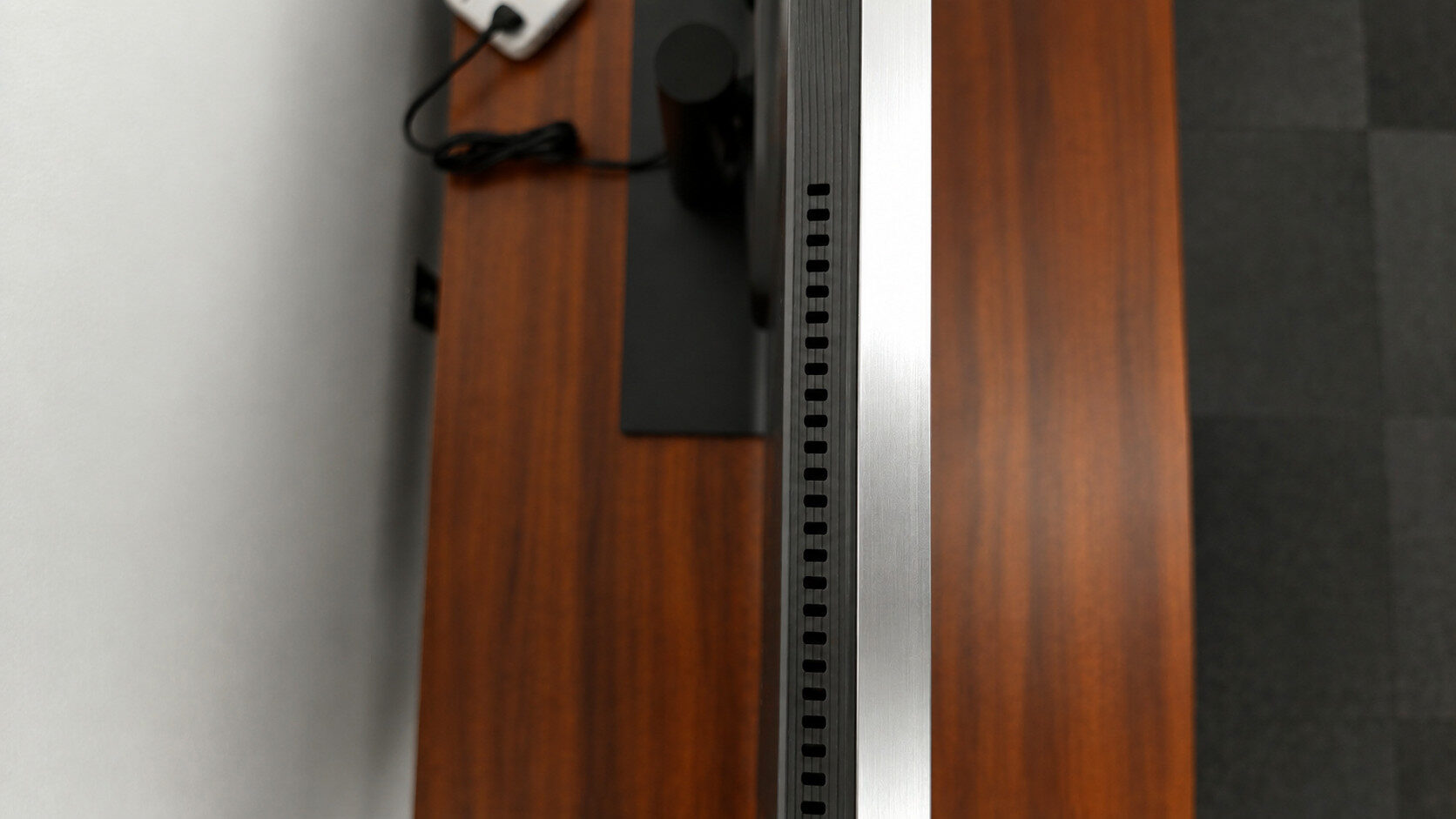
Setup was relatively easy, with all the necessary screws and parts included in the box to get the TV set up on its stand. It can also be wall-mounted if you want to buy a separate mount. LG has made hiding cables relatively easy, with an included cable-management plate that covers the area where the wires run from the side to the bottom of the set.
The included metal stand feels incredibly solid and uses a single-pedestal design, meaning the TV does not take up the entire surface of an entertainment centre if you choose the stand instead of mounting it on the wall. One thing I will note is that the LG G6 OLED evo AI has a permanently attached power cable. I find that a bit odd for a TV in this price range, but it is by no means a deal-breaker.
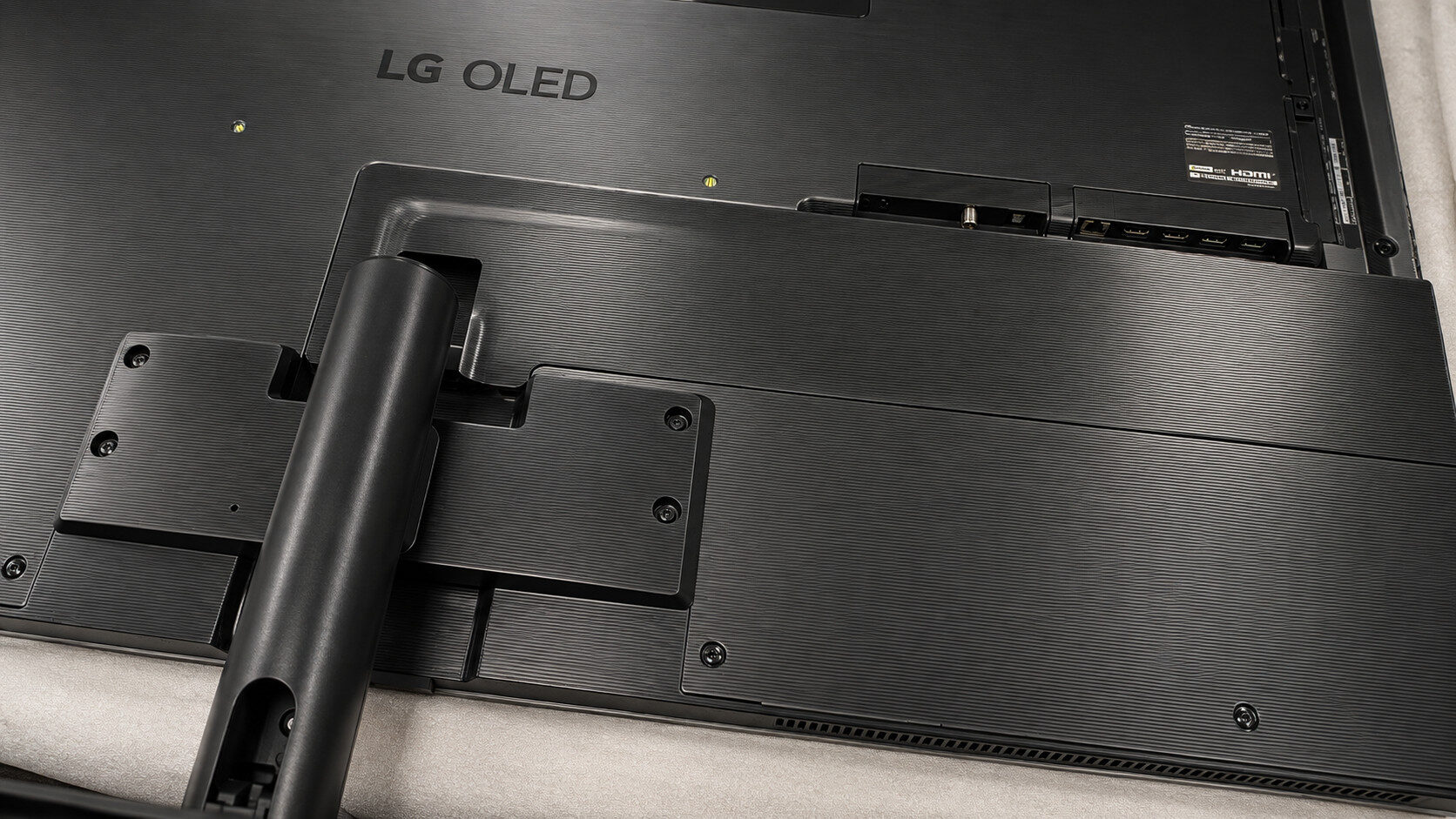
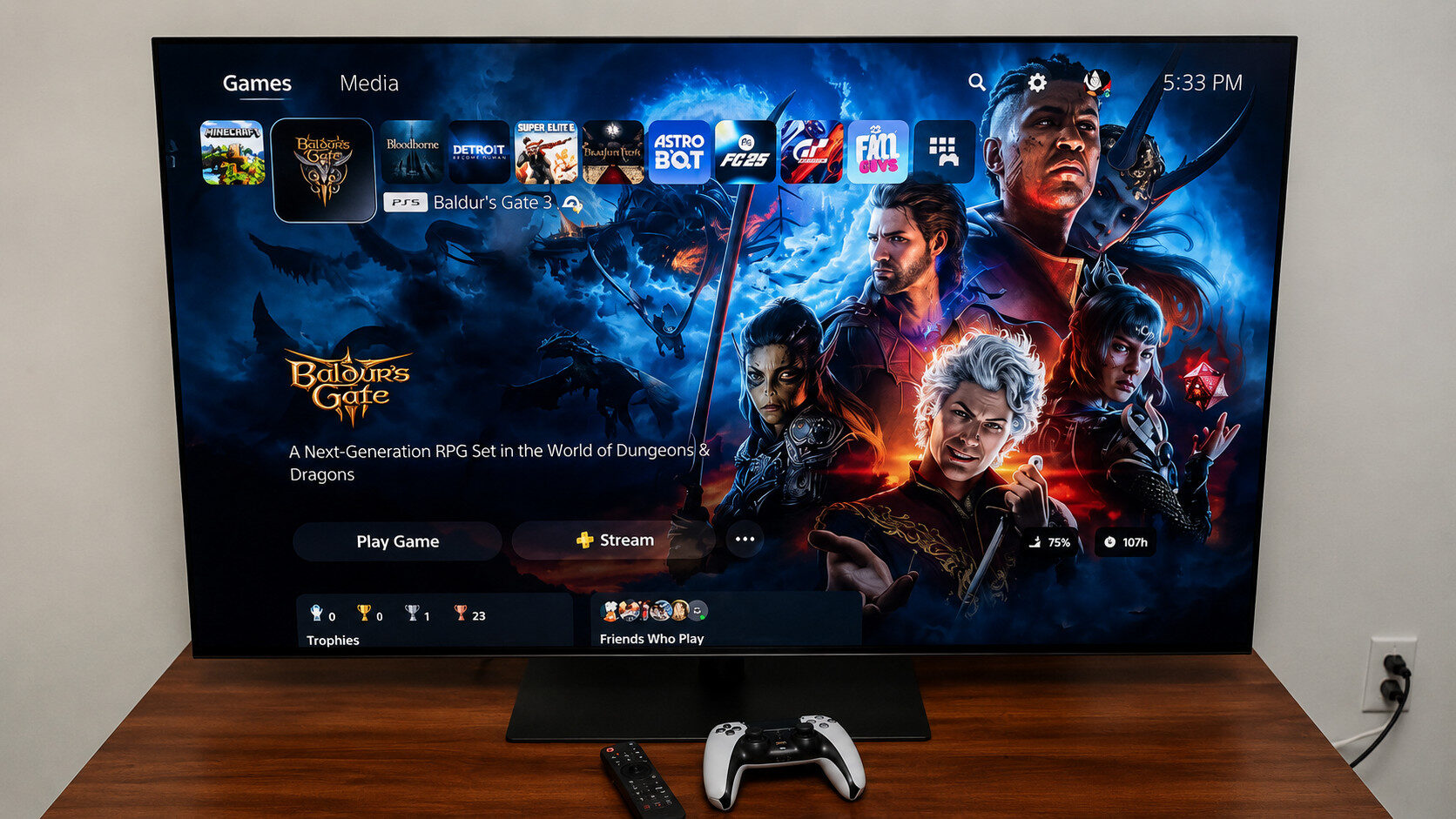
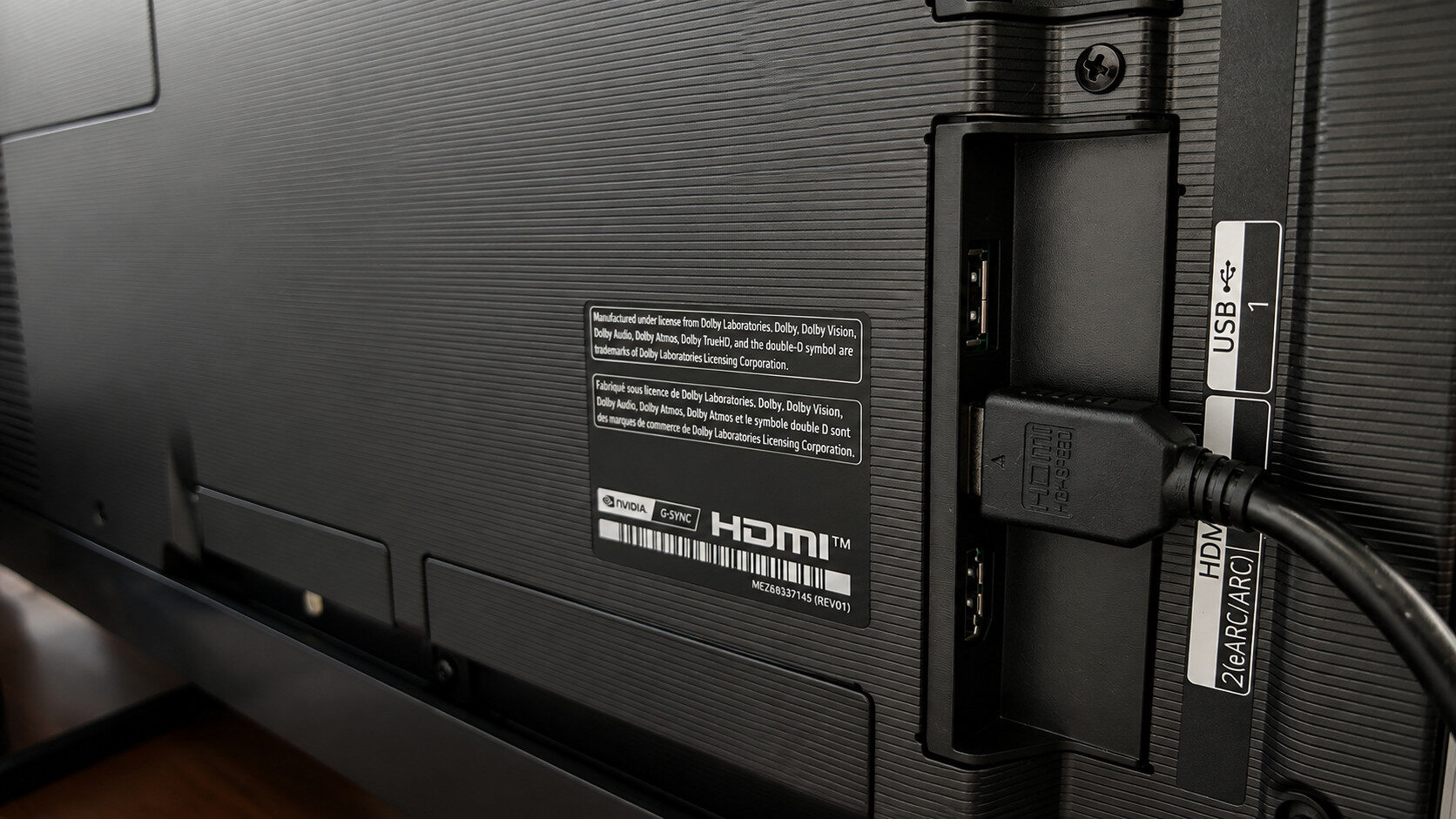
You will find the expected range of ports and connections for a TV released in 2026, with all four HDMI 2.1 ports supporting 4K at up to 165 Hz, variable refresh rate and auto low-latency mode. The G6 also supports Nvidia G-Sync, AMD FreeSync Premium, HGiG and Dolby Vision Gaming. Consoles can use 4K at 120 Hz, while a capable PC can reach 165 Hz. LG rates pixel response at 0.1 milliseconds, and measured input lag in Boost mode is about 8.9 milliseconds.
The Game Optimizer menu keeps key settings in one place and is relatively easy to access while using the TV. I am happy to see more TVs shipping with dedicated game modes. They make it easier to access the right settings and help ensure you are not settling for a subpar gaming experience when your TV is capable of delivering far better results.
Along with four HDMI ports, the G6 has eARC for a soundbar or receiver, an optical audio output and three USB 2.0 ports. It supports Dolby Vision, HDR10 and HLG, as well as Dolby Atmos. It does not support HDR10+, DTS decoding or Dolby Vision 2. That is not a major problem right now, but buyers who keep a television for years may wish LG had supported more formats.
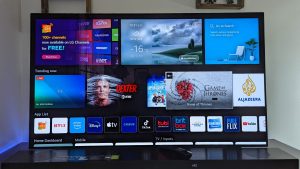
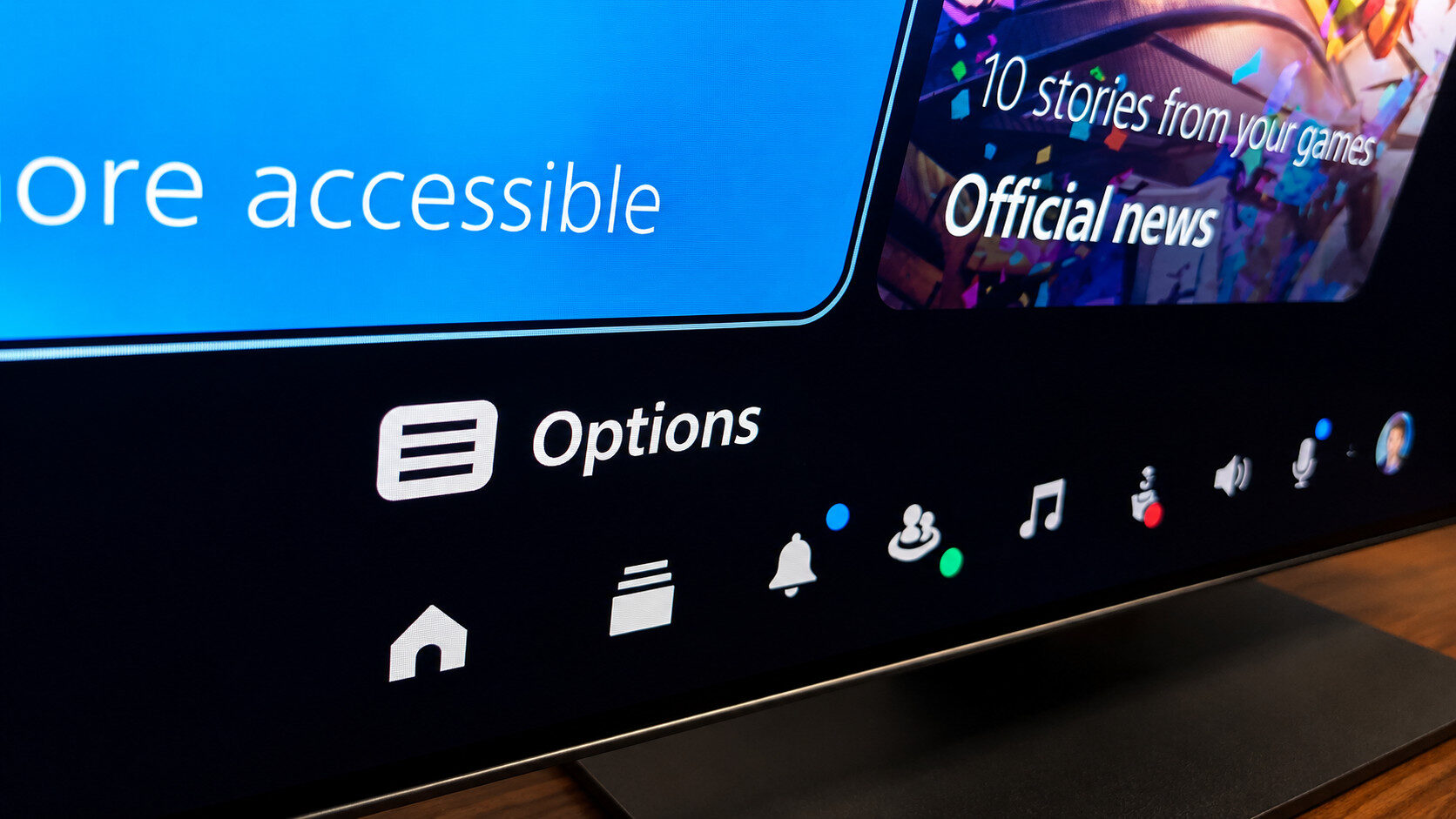
Like all LG TVs released in recent years, the LG G6 OLED evo AI ships with webOS 26, which is fast and easy to use. It includes Netflix, Disney+, Prime Video, YouTube and Apple TV+, along with built-in Chromecast and Apple AirPlay 2. AI Search, AI Chatbot and Voice ID are also included, while profiles can tailor the home screen to each user.
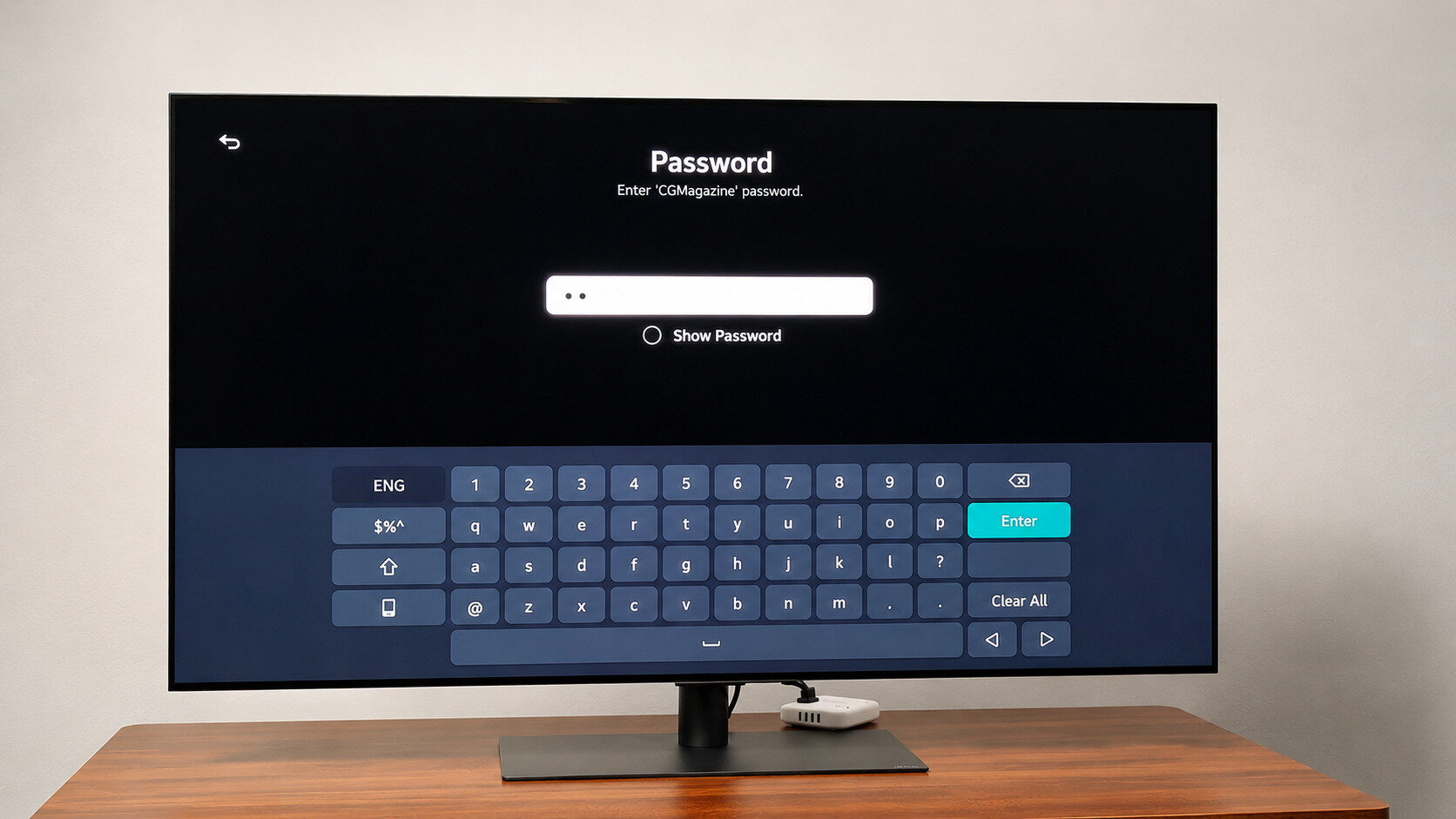
The overall interface is good and provides a sleek way to navigate the TV, but for the price of this set, I would have loved to see a smaller ad space at the top of the home screen. When you are spending north of $2,000, the last thing you want to see is a company filling the interface with advertisements.
Turning to the Magic Remote, it can sometimes feel more like a gimmick than a truly useful way to navigate menus. Don’t get me wrong, it is generally easy to use, and it is nice to be able to move around the user interface to log in and access different features or settings. However, it does not feel as intuitive as a traditional remote.
For someone coming from a standard smart TV interface such as Google TV or Roku, the Magic Remote can feel a bit tedious at first. That said, it is a nice feature to have once you get past the learning curve. Its pointer control is handy, but the remote still feels too light and plain for a flagship TV.
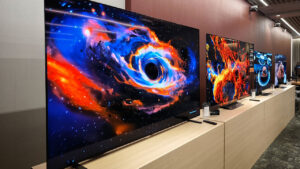
Once you get set up with the LG G6 OLED evo AI TV, it is easy to be impressed by how good the screen looks, even before opening any streaming apps or starting a movie. The black levels are truly outstanding, even in the standard webOS interface. It is easy to write off OLED and just how much better the picture can look, but when you have it running side by side with a 2026 mini-LED screen, the difference is still noticeable. Even though the gap is getting smaller, the OLED picture continues to impress, especially with dark scenes or properly tuned content.
From the first bright HDR scene, the improvement is easy to see. Sunlight, fire, car lights and neon have real impact, but they do not wash out the fine detail around them. Black levels remain deep, which is still one of the main reasons to buy an OLED. The set can shut off each pixel individually, so dark scenes avoid the grey haze and light bloom common on many LED TVs.
Colour is just as strong. The G6 can make animation and nature footage look bold, while skin tones and darker scenes usually remain believable. Filmmaker Mode is the best place to start, as it tones down the extra sharpness, intense colour and heavy motion smoothing found in the default settings. The result is clean and natural, though there can still be some black crush in the darkest material. A face in deep shadow may lose a touch of detail that a top rival can retain.
“Once you get set up with the LG G6 OLED evo AI TV, it is easy to be impressed by how good the screen looks, even before opening any streaming apps or starting a movie.”
The LG Reflection Free Premium screen also helps maintain visual fidelity. I tested the LG G6 OLED evo AI TV in the CGM offices, and even with bright overhead lights or sunlight coming through the windows, reflections were kept to a minimum. For the most part, those light sources faded into the background, allowing the display to maintain a fantastic picture even in a bright room.
More importantly, it does this without making blacks look washed out, or colours feeling held back and muted. That makes it possible to watch your favourite movie or jump into a game without worrying about the room washing out the image. Would it look better in a darker room? Sure, but I never felt the need to turn off all the lights just to enjoy content while working at my desk.
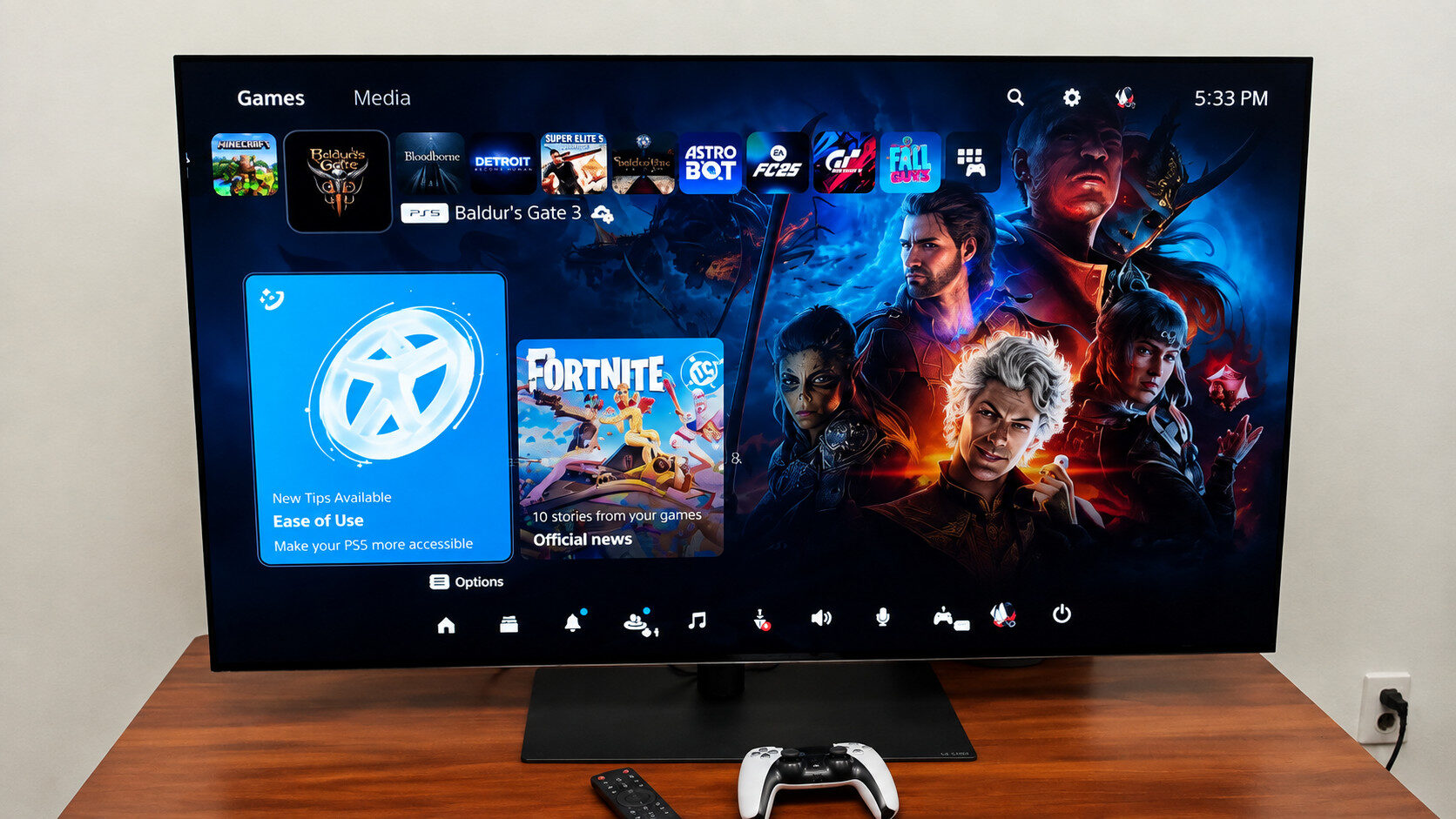
It is also worth touching on how LG’s new processor helps with older and lower-quality sources. HD streaming, Blu-ray discs and DVD content come through with more texture and cleaner edges. I tested this with some Blu-ray discs I had at the office using a PS5, and the results were impressive. The processor did a surprisingly good job of improving clarity across different types of media. It can look a little too aggressive in Standard mode, but the better presets let the picture breathe. Motion is smooth for sports and games, although films may show mild judder if all motion processing is turned off.
Gamers get almost everything they could ask for. Even jumping into Diablo IV, the LG G6 OLED evo AI delivered a striking picture that looked sharp and clear. Games like Black Myth: Wukong and Cyberpunk 2077 also looked fantastic running on a PC, with the rich, inky blacks giving Night City a striking look that seemed to pop off the screen.
Combined with Nvidia G-Sync or AMD FreeSync, that picture quality helped deliver an incredible gaming experience. LG also lets you pair an Xbox controller with the TV, open the Xbox app and stream Game Pass titles. I still find the latency a bit too high for racing games like Forza Horizon 6 or titles that require split-second jumps and movement, but for less demanding games, it worked well and looked fantastic on the screen.
Sound is better than expected from such a thin screen. The 4.2-channel system handles dialogue well and offers more weight than past G-series sets. AI Sound Pro can create a virtual 11.1.2-channel mix, while Dolby Atmos FlexConnect leaves room for a larger LG speaker setup. Still, bass lacks depth, and the soundstage feels narrow compared with the picture. A good soundbar is not required, but it is the obvious next step.
Seeing LG demonstrate the setup at its offices during my preview also showed why someone might want to invest in the company’s ecosystem. That said, if you already have a Sonos or another audio system, you can connect that as well, just not quite as seamlessly. There is no reason to replace everything you already own.
Beyond some minor gripes, LG has nailed much of what you could want from a TV in 2026, but that performance comes at a price. Even at 55 inches, you are looking at around $2,299.99 USD ($2,998 CAD), while the 65-inch model climbs to around $3,399.99 USD ($3,999.99 CAD), with prices rising from there.
OLED is still one of the most expensive display technologies you can buy for your living room. While it delivers on its promise, it comes at a cost. By comparison, the TCL QM8L starts at around $1,300 USD for the 65-inch model with current discounts, with other mini-LED options landing in a similar range. It does not deliver the same black levels or anti-reflective performance as the LG, but it offers much of the same overall experience for less. Still, there is no denying that OLED has an advantage when it comes to colour and vibrance, and for some buyers, that is worth the extra cost.
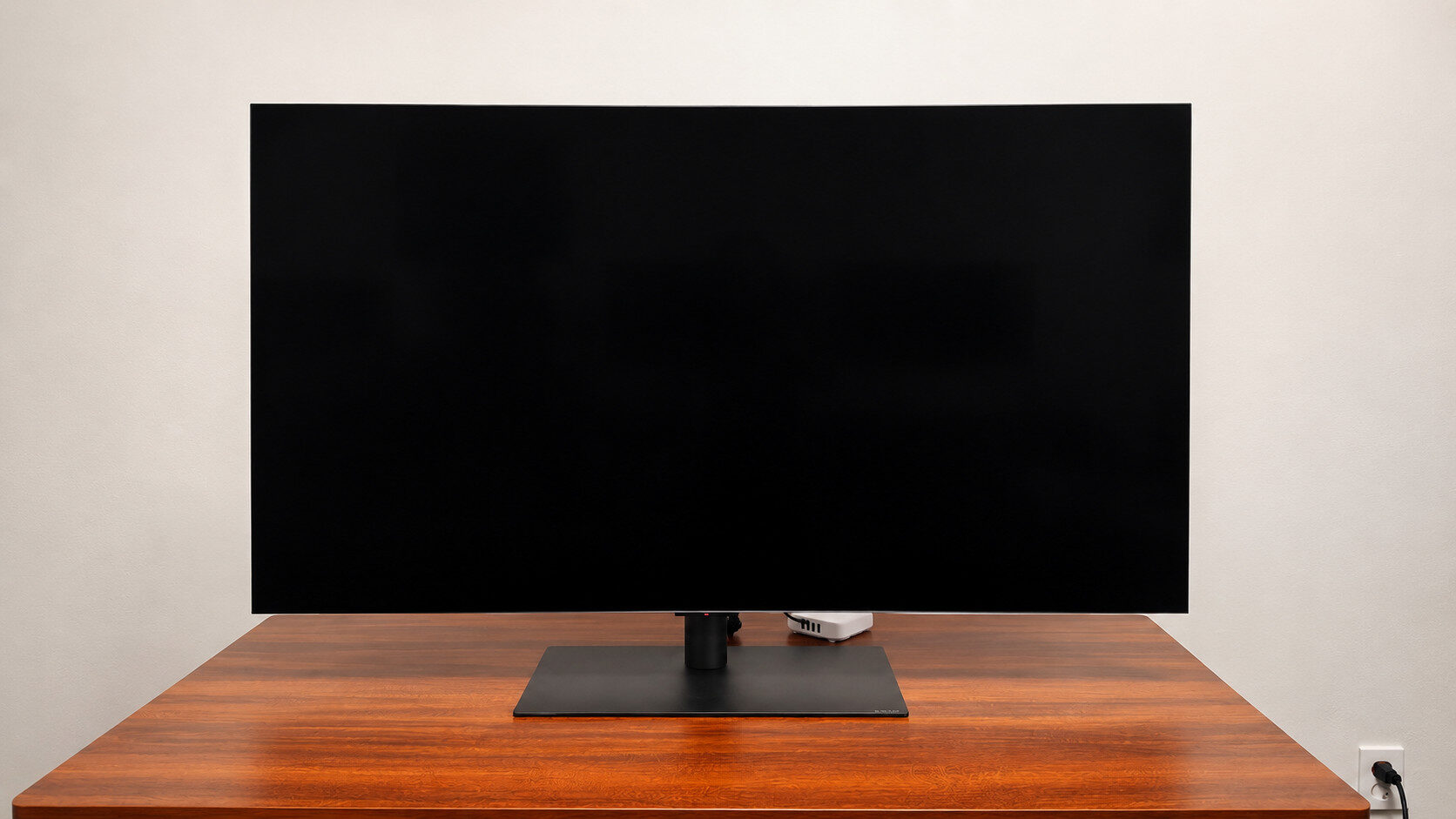
The G6 OLED evo AI does not rewrite LG’s OLED formula, and it does not need to. Its gallery design still looks great, and the supplied flush wall mount makes the most sense, though some sizes can also use the sturdy, two-height stand. It is expensive, its software includes ads, and its audio and remote lag behind the screen’s quality. Even so, its bright, controlled image, solid smart features and complete gaming support make it an excellent flagship OLED. The LG G6 OLED evo AI is a fantastic TV, and as long as you can look past the price, it is a great option for almost any living room, even one that gets a lot of light.

- LG USA AUTHORIZED & BUNDLE EXCLUSIVE: This exclusive bundle includes everything you need to start enjoying premium entertainment immediately. Beyond the standard TV package, you receive an Exclusive 1-Year Deco Essentials Extended Protection Plan (provided by CPS) that delivers an additional year of coverage beyond the standard protection, plus two Deco Gear 6FT Universal 4K HDMI 2.0 Cables with 28AWG pure copper conductors for superior signal transfer and minimal interference. Also included is the Deco Gear Television Home Theater Essentials Beginner’s Guide to help you set up and optimize your viewing experience effortlessly.
- Brightness Booster & α11 AI Processor 4K Gen3: Experience over 8.3 million self-lit smart pixels that deliver Perfect Black and Perfect Color technology, ensuring stellar picture quality with vivid details even in bright rooms. Powered by the Brightness Booster and the α11 AI Processor 4K Gen3 with Dual AI Engine, LG’s most powerful AI processor to date, this TV delivers 5.6x greater AI neural processing, 50% faster operation, and 70% improved graphics performance over the previous generation. It upscales every frame to 4K with AI Picture Pro, providing brighter visuals, enhanced contrast, and lifelike colors that make every scene pop.