
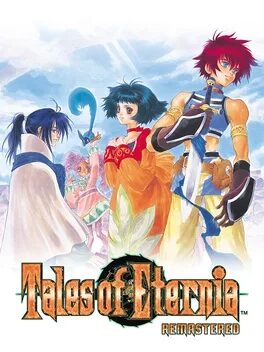

Tales of Eternia Remastered marks an interesting development for Bandai Namco’s commitment to reviewing their legacy Tales titles for modern platforms. Based on the PSP release of the PlayStation classic, Tales of Eternia Remastered brings a brand-new English localization and script, including the return of skits that were left out of previous releases of the game.
With its arrival on modern platforms, Tales of Eternia Remastered brings with it a slew of QoL changes that transform the already solid game into a much more accessible and modern-feeling release, despite its sometimes dated-looking facade.
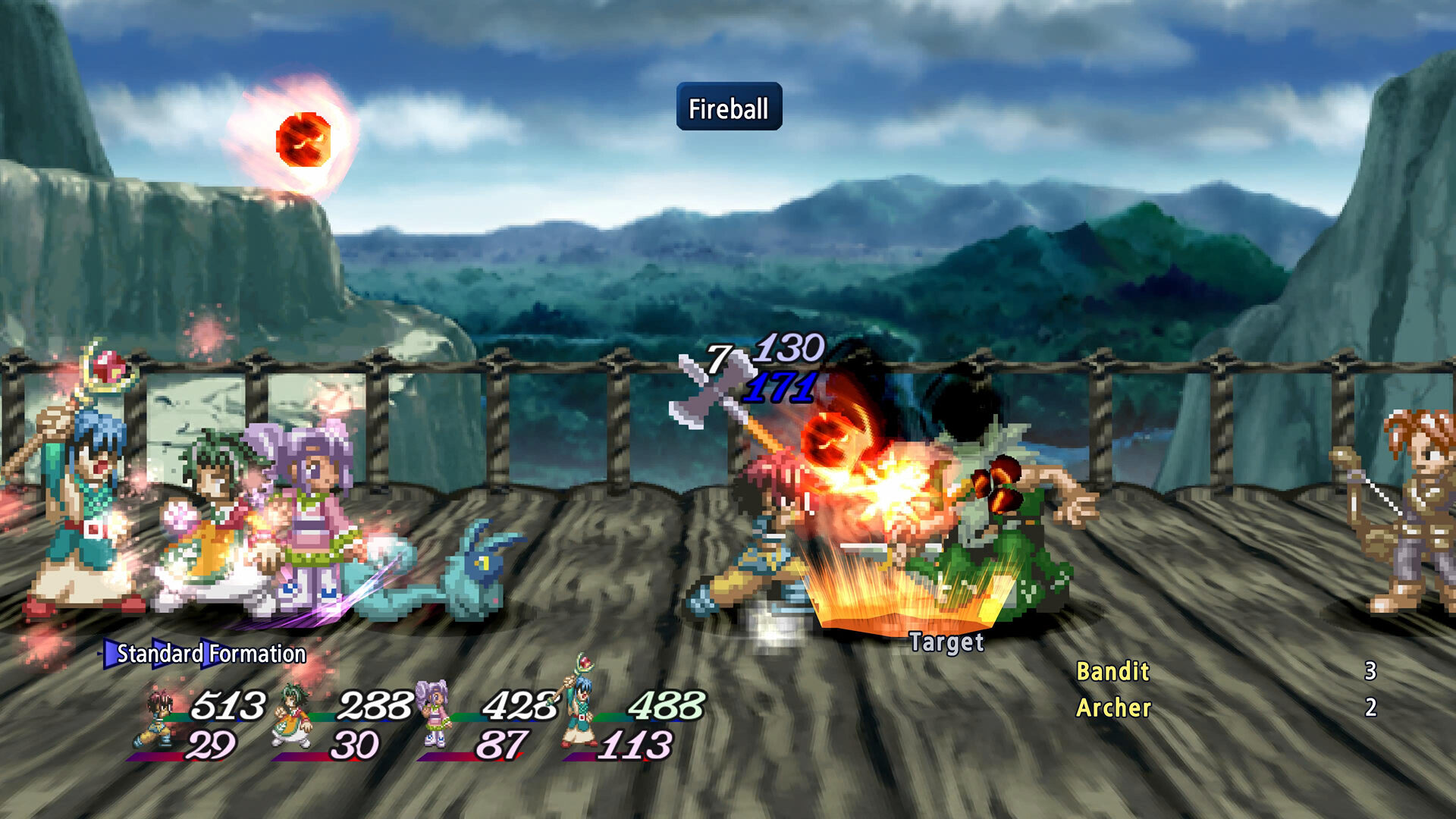
Tales of Eternia, and in turn, Tales of Eternia Remastered, felt like Namco coming into its own with its 2D-plane-heavy combat, refining the groundwork of both Phantasia and Destiny. Additions like manual blocking and, more interestingly, the introduction of the Craymel Cage System brought with it a richer combat experience, with robust magic attacks and combo cancelling that set the series apart from other classic JRPGs of the era.
“Tales of Eternia, and in turn, Tales of Eternia Remastered, felt like Namco coming into its own with its 2D-plane-heavy combat, refining the groundwork of both Phantasia and Destiny.”
The original North American release of Tales of Eternia was fine, but lacked all the content of its legacy release, including the removal of many of the non-essential skits of the game. Tales of Eternia Remastered restores the skits, along with a brand-new dub and script for the game, which feels like a rare treat for an otherwise old title, setting a new precedent for future remasters of older Tales entries.
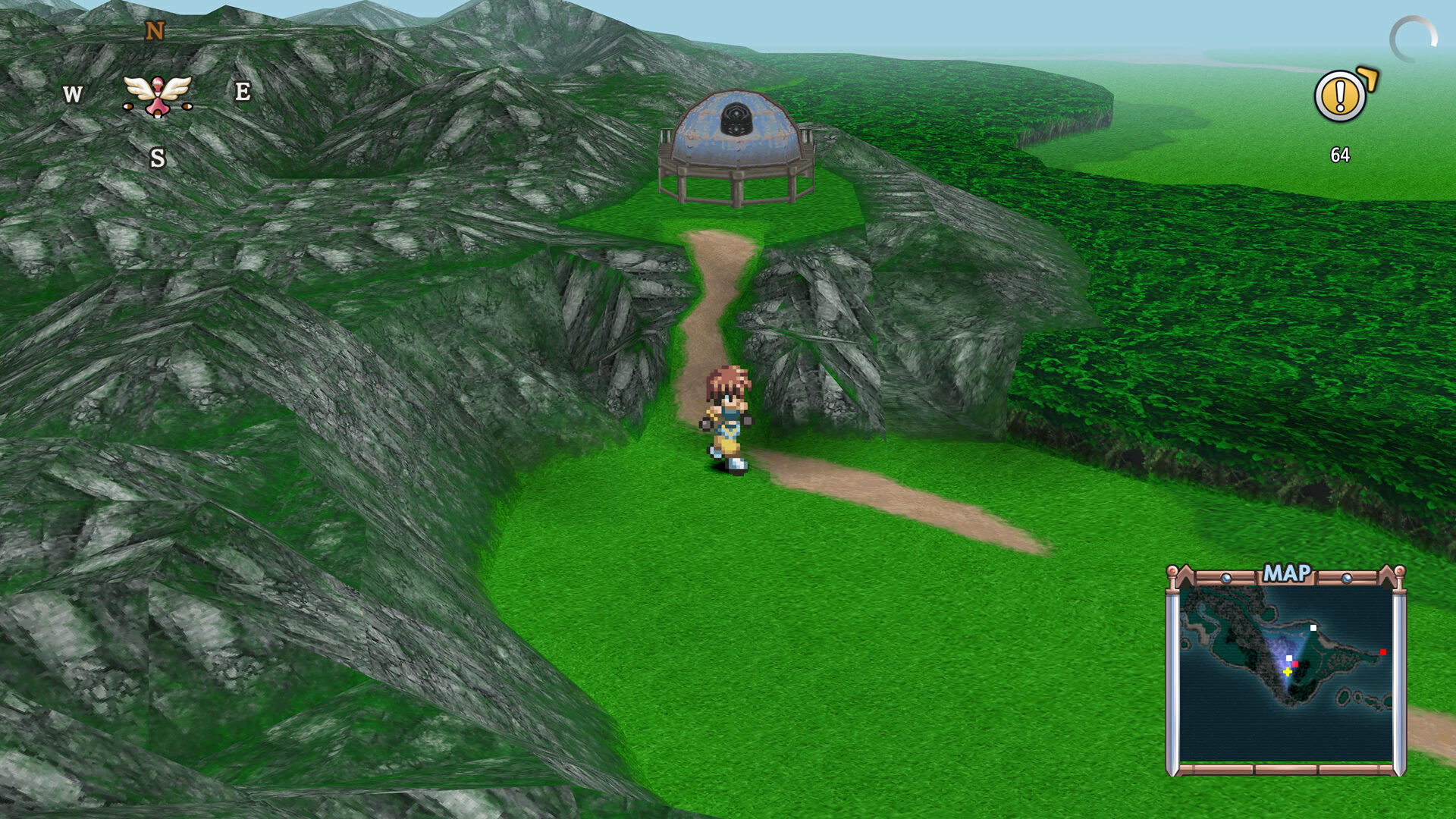
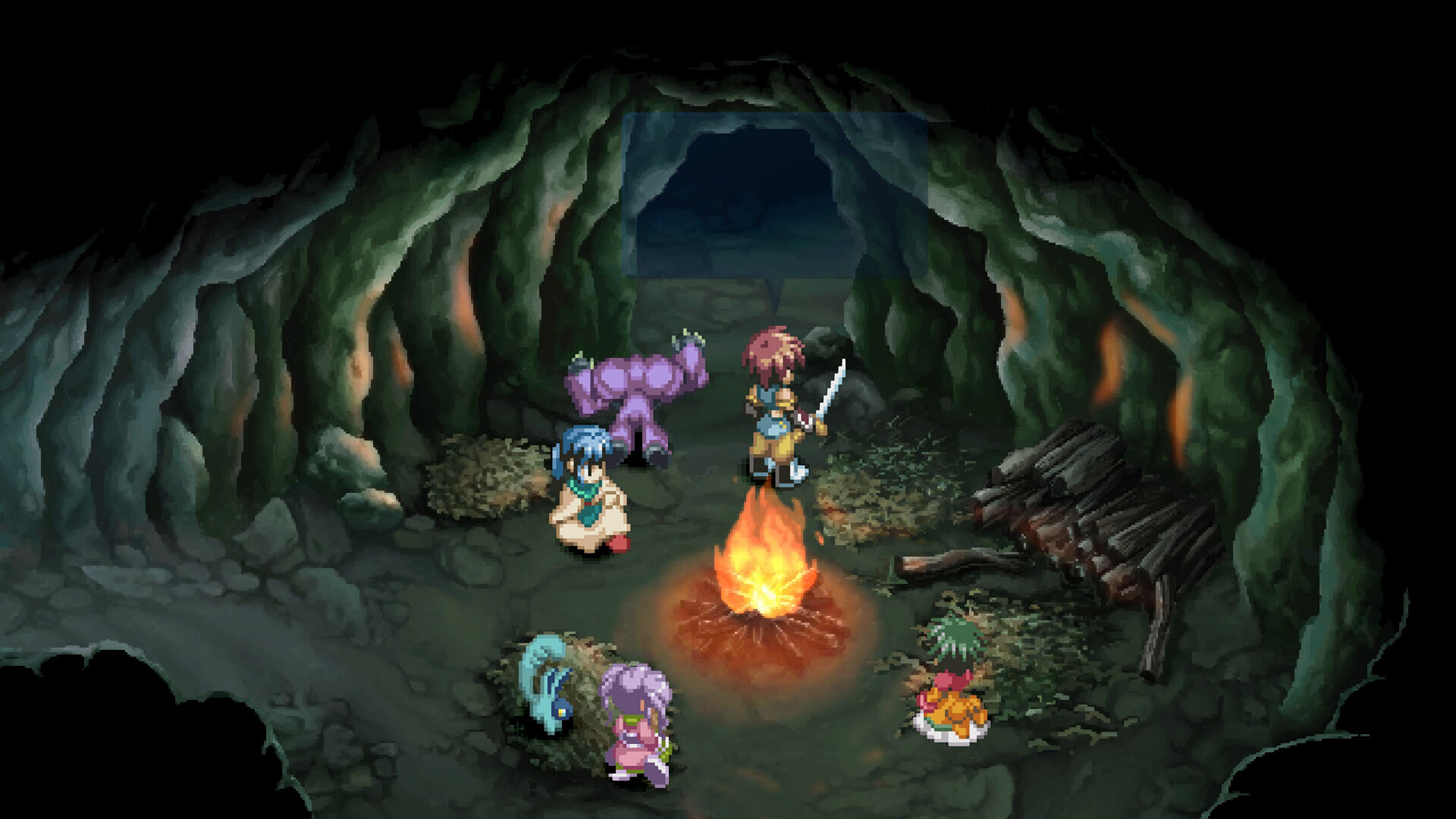
On the topic of remastered content, Tales of Eternia Remastered features two graphic modes: the standard untouched raw pixel-presentation derived from the PSP release, and a new smoothing filter that blends the background to minimize some of the harshness of the crunchy line work of the art. Typically, I prefer playing games in their 1:1 legacy presentation, but when it comes to Tales of Eternia Remastered, I found the remastered art toggle to be subtle enough that, to me, it successfully lessened the harshness of the raw pixels, without turning the backgrounds into a smeary mess.
Other notable QoL changes in Tales of Eternia Remastered include markers that clearly denote where the player should go, covering your main objective, side ventures and even time-sensitive quests that crop up during your quest in Eternia. Auto battle, new difficulty sliders and the ability to access a post-game dungeon prior to New Game+ round out the additions of meaningful changes for this new release.
In essence, Tales of Eternia Remastered isn’t a massive overhaul of the Y2K era release. Still, it does show that Bandai Namco cares about their older legacy titles, going as far as to create a new script and localization effort, bringing the game to parity with newer Tales of entries in terms of retaining all of its content from its Japanese release.
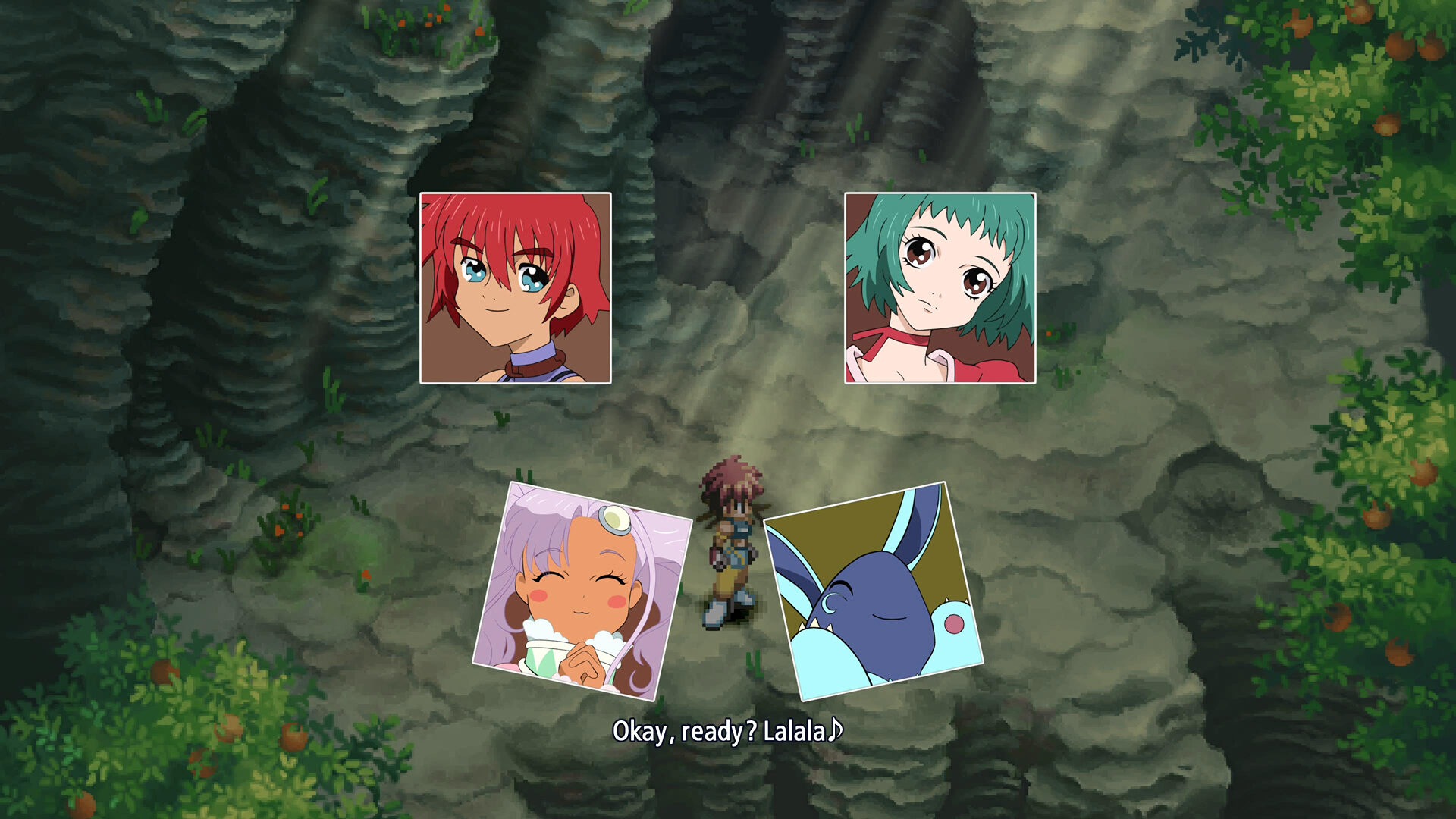
If you’re new to the Tales series, Tales of Eternia Remastered, like most Tales games, does not require prior knowledge of the series proper, making it a solid place to start for newcomers who want to experience the series before its jump to 3D. Tales of Eternia Remastered follows the exploits of Reid Hershall and his childhood best friend, Farah Oersted, whose idyllic routine is abruptly shattered after a strange girl named Meredy crashes her ship close to their home.
Our heroes quickly discover that Meredy speaks in an unknown tongue, setting the stage for the group to embark on an adventure to better understand their new friend, eventually leading to the discovery of another world and stakes that gradually live up to the grandeur of classic JRPG stories.
In closing, if you’re in the mood for an old-school JRPG experience, or are simply a longtime Tales fan wanting the most feature-rich version of all the games, Tales of Eternia Remastered is a solid addition to the lineup of modern ports hitting consoles and PC. Here’s hoping Bandai Namco continues their effort in bringing back their older title entries for modern audiences, including restoring some of the Japanese-exclusive content as they’ve done with Tales of Eternia Remastered.