
Teenage Mutant Ninja Turtles: Empire City sees the iconic parody series make the jump to VR platforms, bringing with it an original story and multiplayer mayhem that features some bright spots, but ultimately feels a bit under-realized to truly recommend.
Licensed games can be hard to fully realize, as they often carry a certain amount of expectation from the fanbase. A limited budget and development time, on top of targeting something niche like a VR-only release, can further alienate and result in an end product that doesn’t quite live up to the clear ambitions it aims for. Unfortunately, Teenage Mutant Ninja Turtles: Empire City is an example of just that, a game that, despite featuring a wicked aesthetic that feels ripped straight out of the comics (and cartoons), doesn’t offer an engaging enough gameplay loop to make it worthwhile, even for diehard TMNT fans to check out.
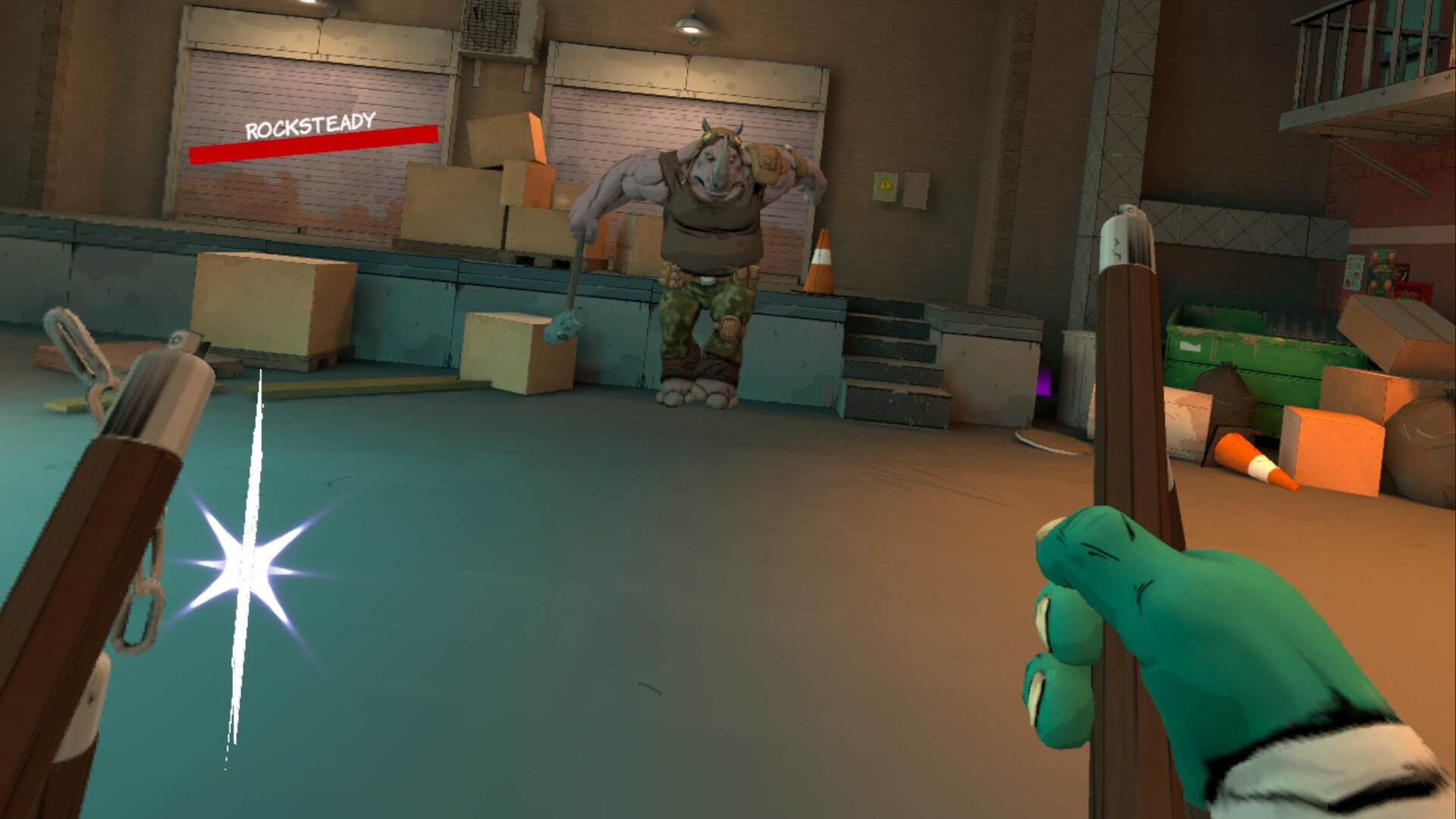
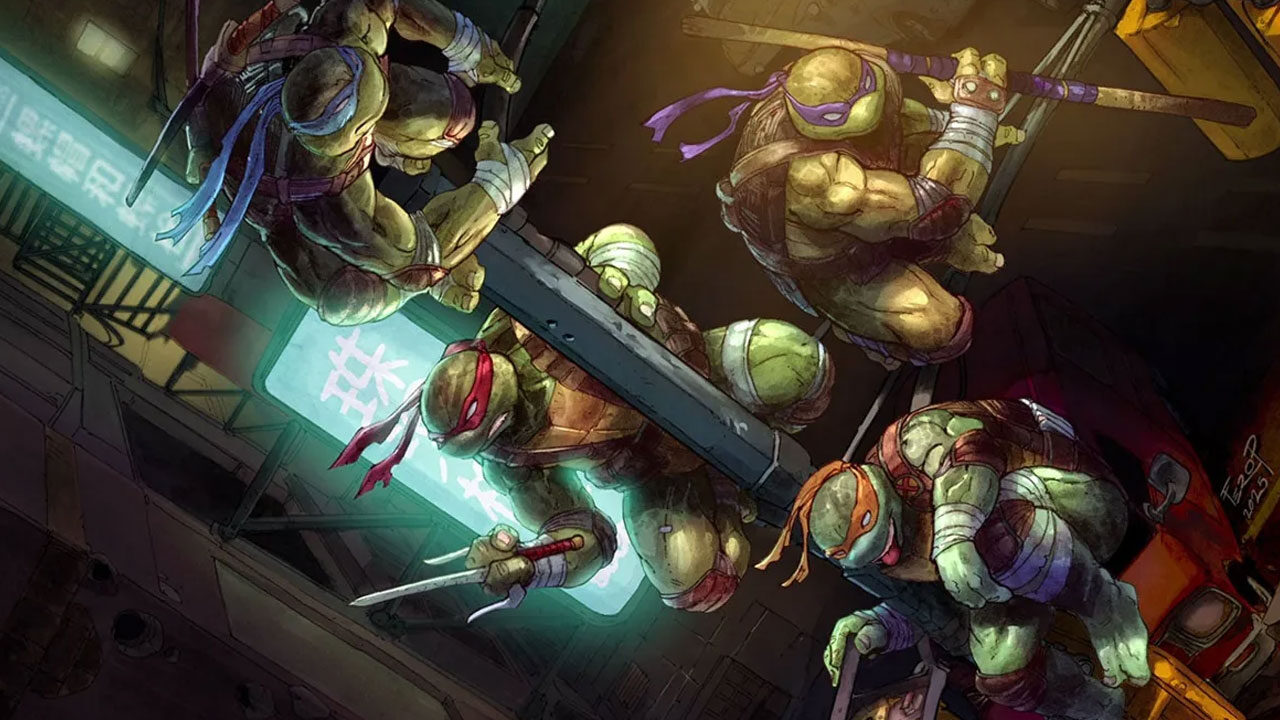
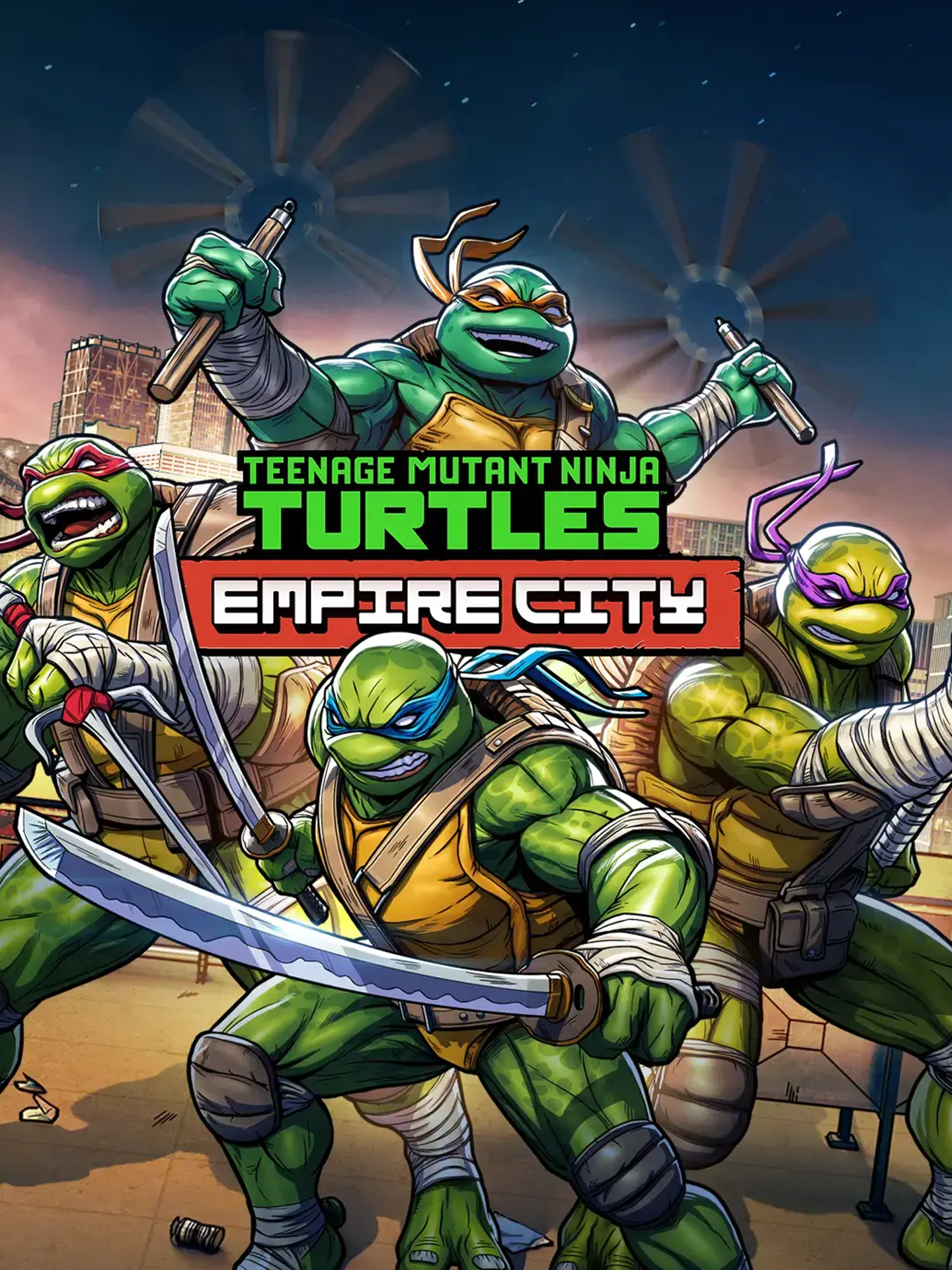
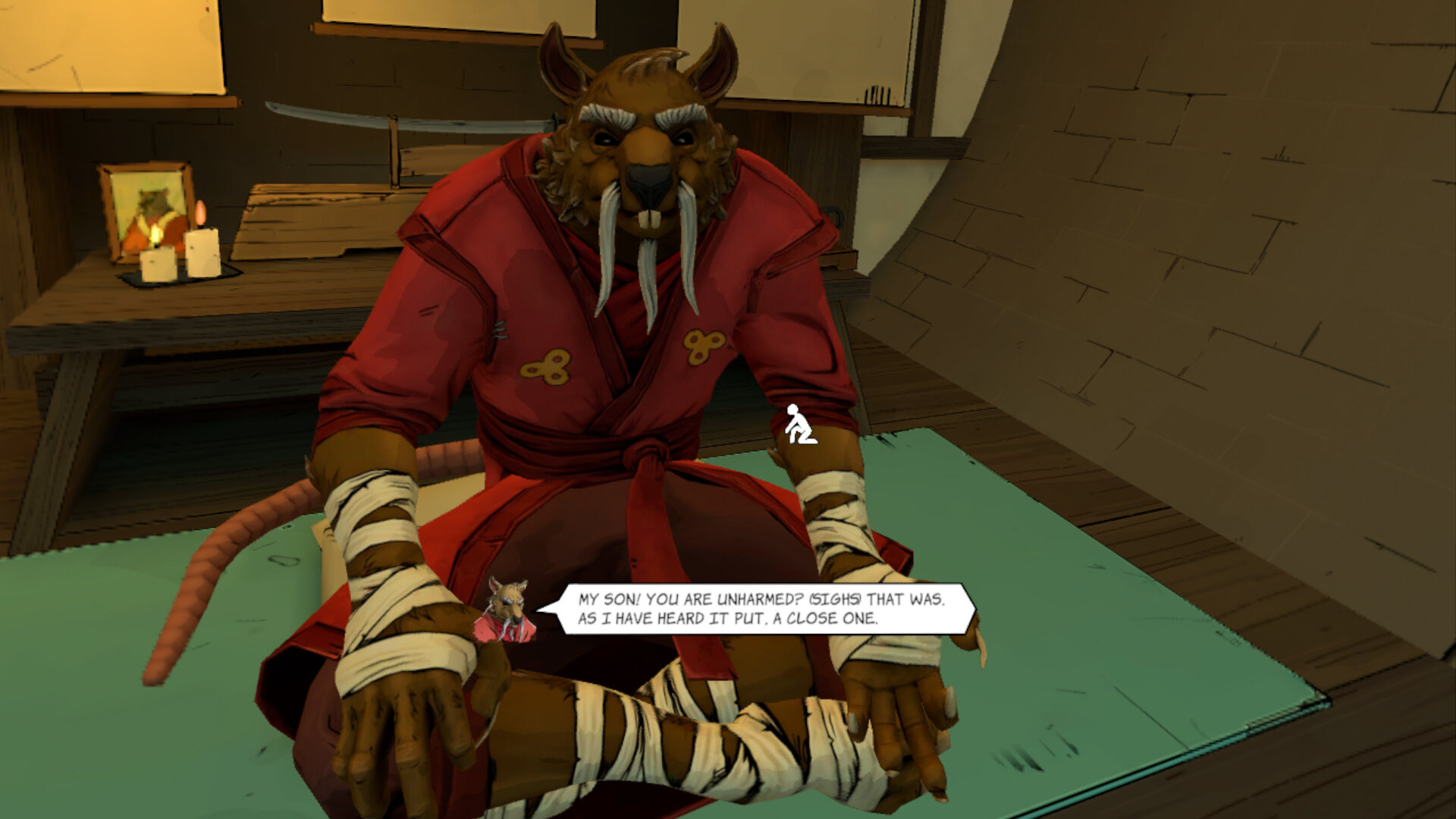
But before diving headfirst into the ooze, let’s take a moment to talk about all things that make Teenage Mutant Ninja Turtles: Empire City a decent experience, one that faithfully and lovingly recreates the iconic world of the Ninja Turtles. Visually, Teenage Mutant Ninja Turtles: Empire City is as striking as a Bo Staff to the face, with unique but recognizable takes on each of the four brothers, April O’Neil, Master Splinter, and the rogue’s gallery of classic TMNT villains that make an appearance in Empire City. Every character in the game is well-realized and distinct to the game world, making it feel like a truly unique but essential part of the massive franchise.
“Teenage Mutant Ninja Turtles: Empire City is as striking as a Bo Staff to the face.”
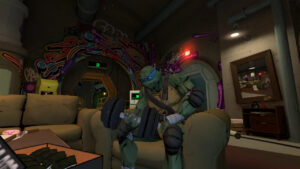
The subterranean lair of the TMNT is also a key highlight of the game, serving as the central hub for players, featuring a fully decked-out play space that feels lived-in, with distinct areas that feel plausible as the brothers’ homes. Secrets and nods to the series history can also be found strewn about the lair, making it a fun area just to explore and take in. Having the vast majority of the game’s semi-open world map connected via the sewer system, which also ties back to the turtle lair, adds another layer of immersion while making the game world easy to navigate.
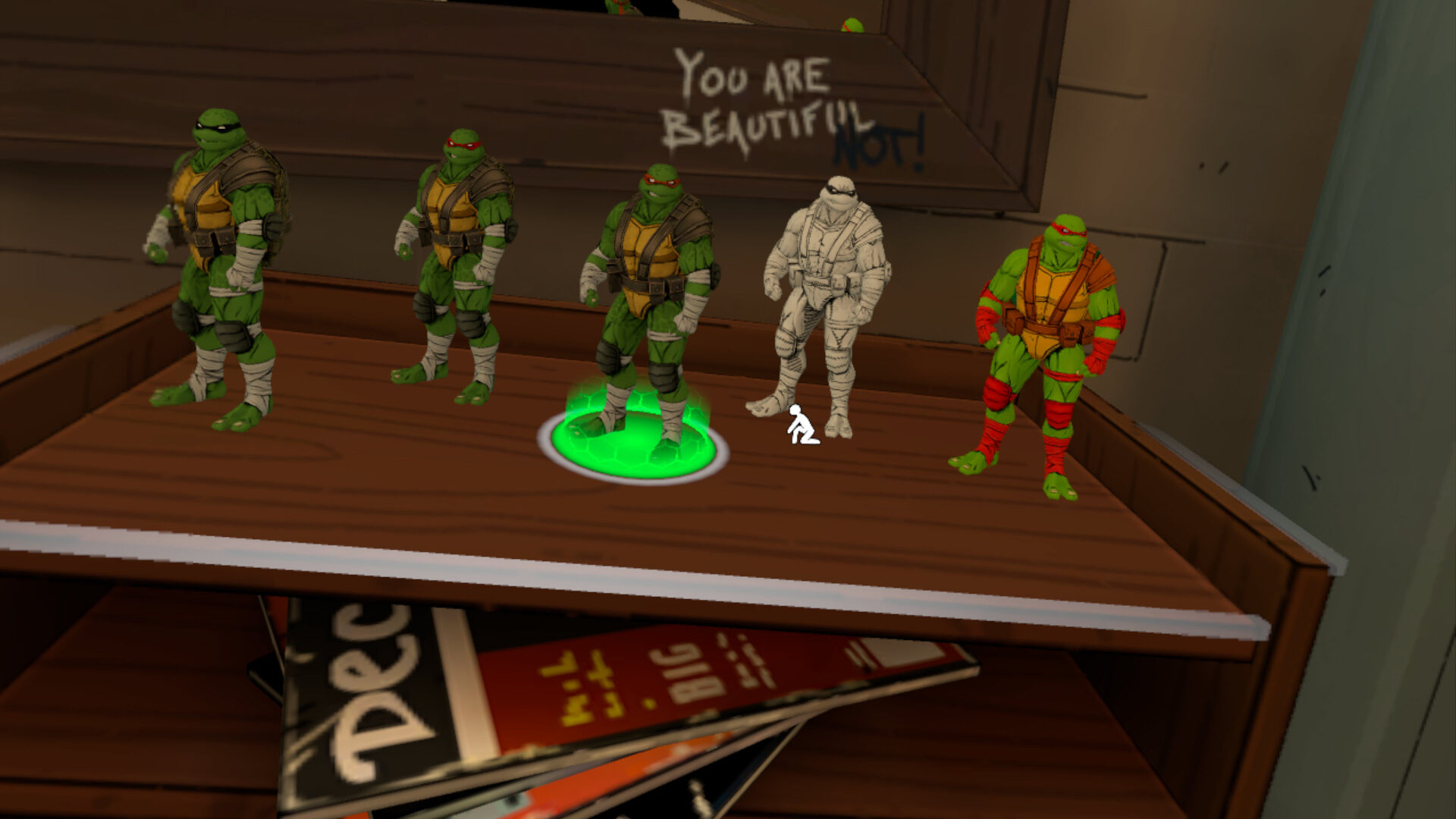
The Turtles’ lair also acts as your area to upgrade your character, something that is paramount for success in some of the later areas of the game. Players can acquire upgrades by collecting tech and garbage scraps, which quite literally litter most of the map and interior sections of the game, often inside crates and other breakable objects. Special items, usually a reference to the long-running series, also grant additional powers when combined with said scraps, after combining them together in a 3D printer found inside the lair.
Combat in Teenage Mutant Ninja Turtles: Empire City is serviceable, but lacks oomph, with each connecting shot often feeling hollow, reminiscent of the bygone days of the Nintendo Wii more than a modern VR brawler. Thankfully, each playable turtle feels fairly distinct, despite all their unique character traits being reduced to simple stat buffs and inventory bonuses. Individual weapon types in Empire City feel distinct and true to each warrior’s fighting style. A pause buffer or even a comicbook-inspired action bubbles per hit may have helped with the otherwise tepid combat feel of the experience.
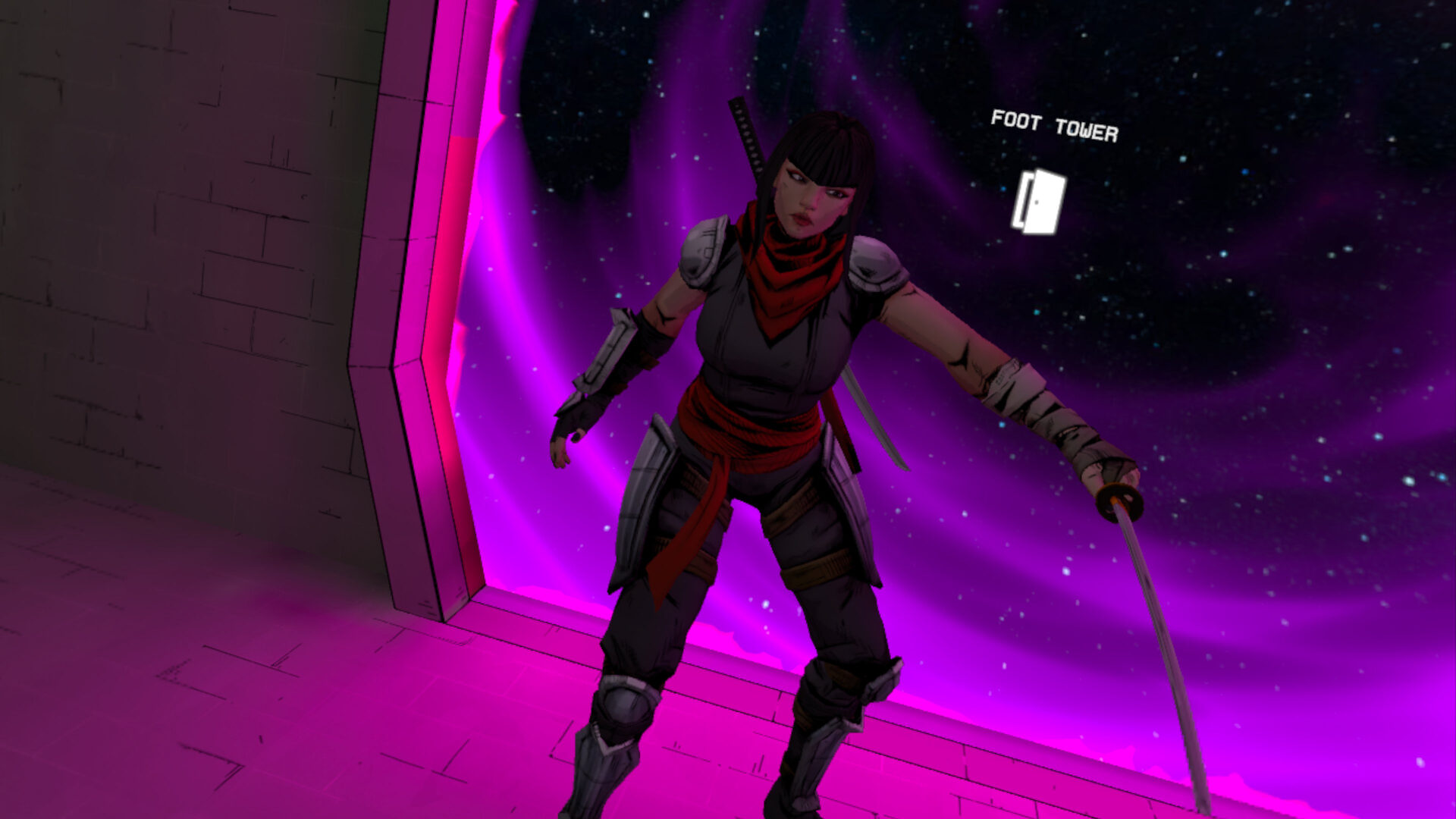
Outside of your main weapons, all turtles have access to smoke bombs and Ninja stars, which, like scrap, can be found inside crates, which add just enough variety to keep combat interesting, or at the very least, easier to deal with when facing overwhelming numbers. Enemy variety in Teenage Mutant Ninja Turtles: Empire City is decent, including your standard grunt Foot soldier, to higher-ranking ninja, and even those iconic robot dinos, amongst other surprises that fans will appreciate. Bosses in Empire City feel a bit all over the place, with fights differing wildly depending on how the game is feeling, often feeling trivial. At the same time, the same encounter can randomly overwhelm and knock you out in an instant.
“Individual weapon types in Empire City feel distinct and true to each warrior’s fighting style.”
Teenage Mutant Ninja Turtles: Empire City also suffers from pretty rough technical issues, one of which, hopefully, will be addressed by launch, which had Rocksteady, one of the game’s bosses, getting stuck within the geometry of the roof, making the already shaky combat loop of the game feel less than ideal. Worse yet are some loading issues that made the game idle on me on several occasions, including the beginning tutorial, where it failed to fully load until I deleted my save and restarted. Later on, during the campaign, in the turtle lair, I had several instances where the game would fail to load outside the hub area, forcing a restart.
As far as the open world is concerned, Empire City gives players access to several districts, such as Chinatown and other fictionalized versions of NYC, all of which feature pockets of Foot soldiers that can be dealt with to lower the crime rating. Additional side activities, tuning into the Police radio, leading to other PoIs that require retrieving, rescuing or battling additional bad guys. In other words, fairly bog-standard stuff for an open-world affair. Sadly, despite the fairly expansive map, the game world in Teenage Mutant Ninja Turtles: Empire City feels devoid of life, something the game contextualizes in its story but ultimately feels like a thin veil to improve performance.
At the end of the day, Teenage Mutant Ninja Turtles: Empire City has all the pieces to make for a solid TMNT immersion, but none of them ever come together in a way that feels fun or worthwhile, making it best reserved for diehard TMNT fans or young children.