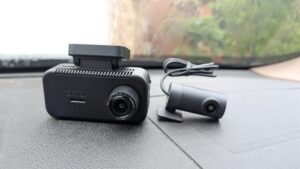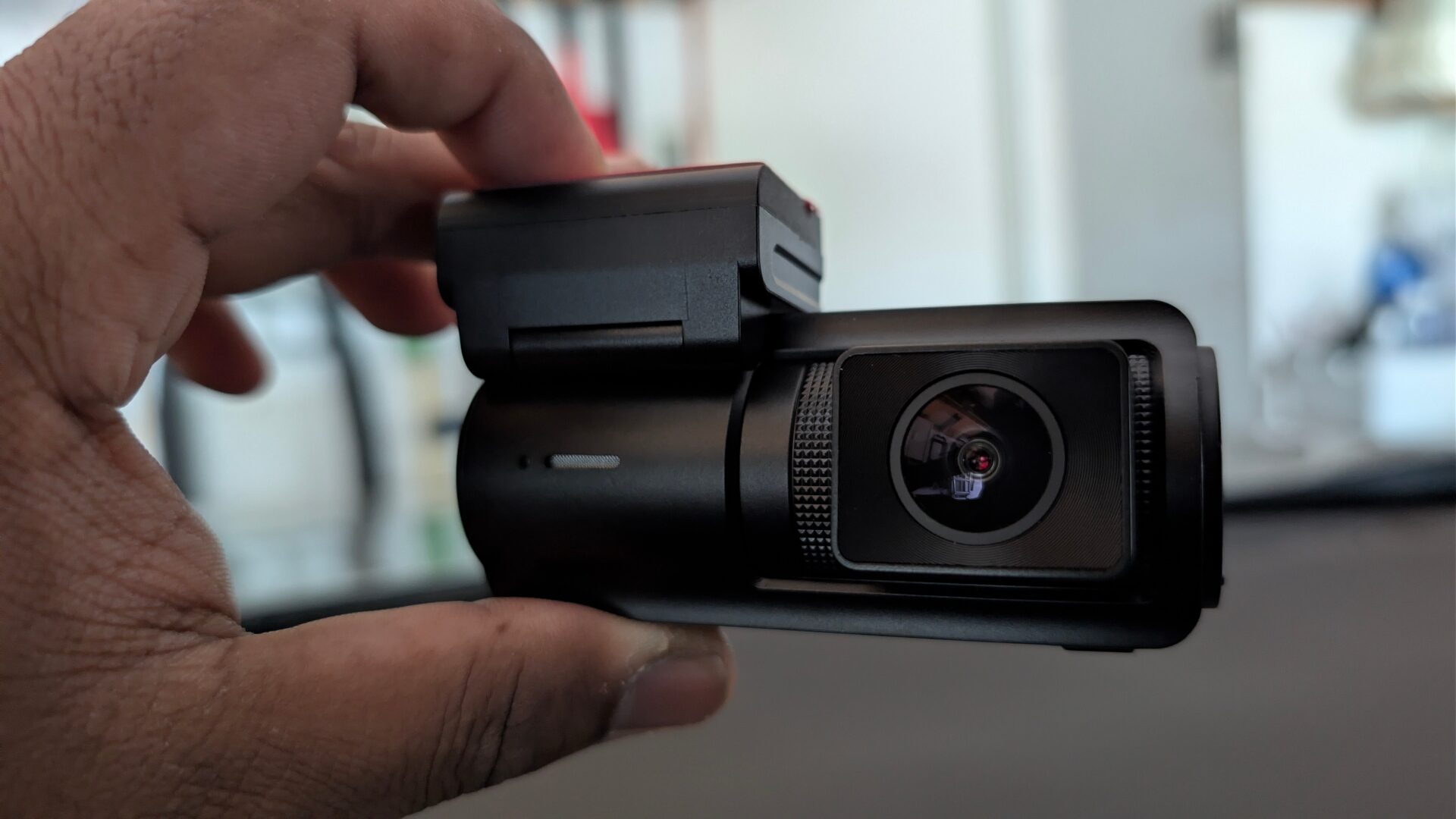

Car security has never been more important, especially with so many accidents happening in an urban area like Toronto. But it is also great to be reassured that my vehicle is protected when I am heading out to cottage country in other parts of Ontario. The GKU E200 4K Dash Cam was up for the challenge.
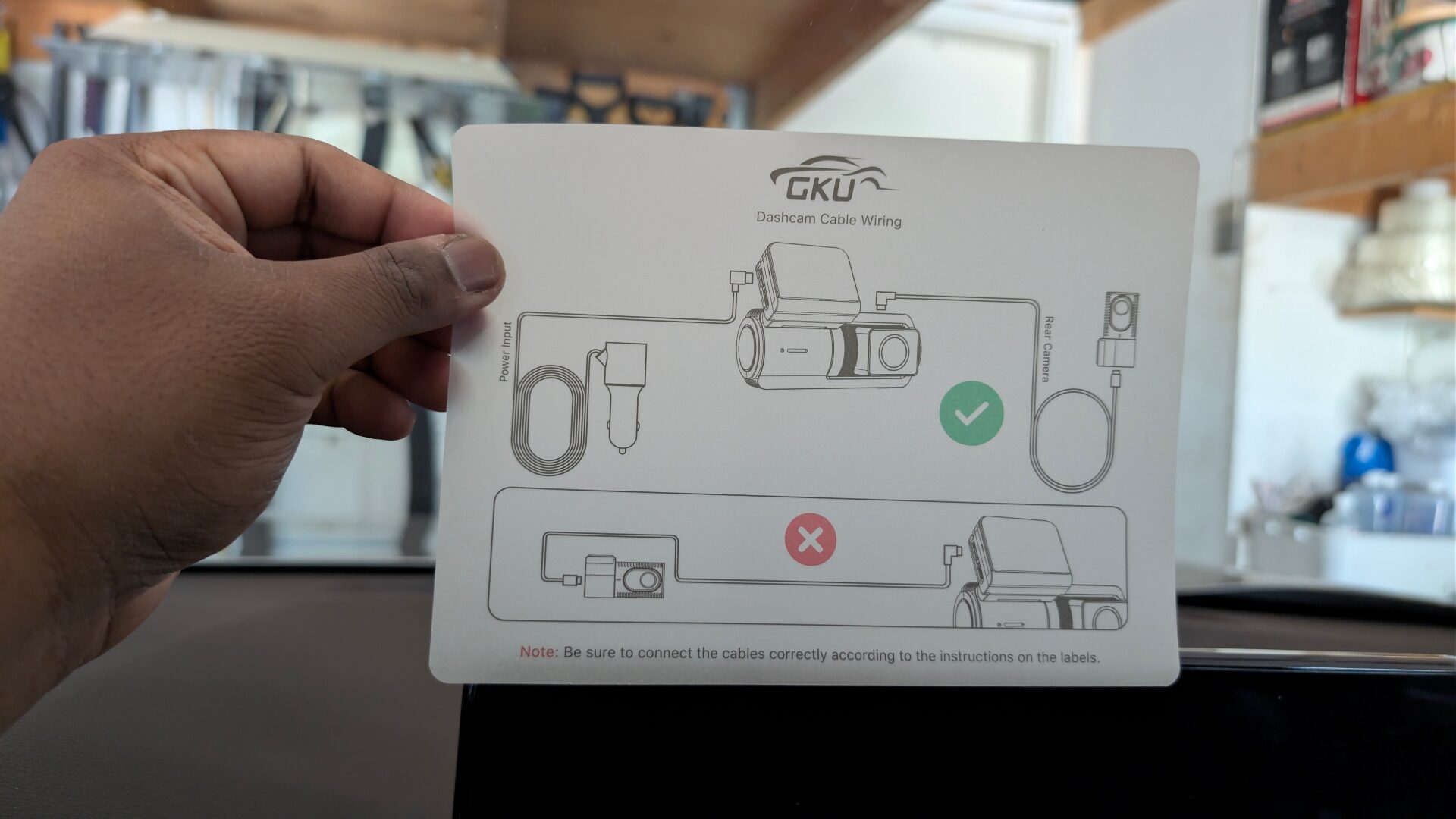
Out of the box, the GKU E200 4K Dash Cam came with an extension cable for the rear camera, a car charger for the main unit, a 128 GB SD card, a mini pry tool, two electrostatic film sheets, two pieces of adhesive tape, five cable stickers and a manual. For the installation, the instructions were very clearly written. I appreciated the extra diagrams and labels showing what not to do, along with the correct way to install the dash cam.
One of the many useful features of the GKU E200 4K Dash Cam is its 4K front and rear cameras. The last dash cam I used had a 4K front camera, but a 1080p rear camera. This attention to providing an equal-quality camera for the front and back of my vehicle is the make-or-break factor in proving someone is guilty of hitting my vehicle. It could also help capture people who are sus and trying to steal my vehicle.
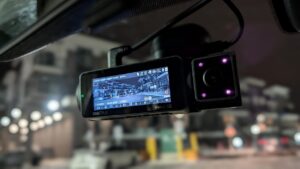
Another great aspect of this dash cam is how it has HDR night vision. The GKU E200 4K Dash Cam utilizes the Sony STARVIS 2, a premium back-illuminated CMOS image sensor designed for security, automotive, and dash cameras. It significantly improves upon the original STARVIS by using larger pixels and a redesigned pixel array. This yields vastly superior low-light sensitivity, clearer colour reproduction at night, and a wider dynamic range to handle headlight glare.
Like many other dash cams, this dash cam included a 128GB SD card. It was barely enough to get through my testing. For ease of mind, a bigger card would be better to have—especially since these cameras are recording in 4K. This way you do not have to worry about switching out SD cards more frequently, or deleting more old footage. More on retrieving footage: it comes with 5.8GHz capabilities—able to connect to Wi-Fi 6 connections.
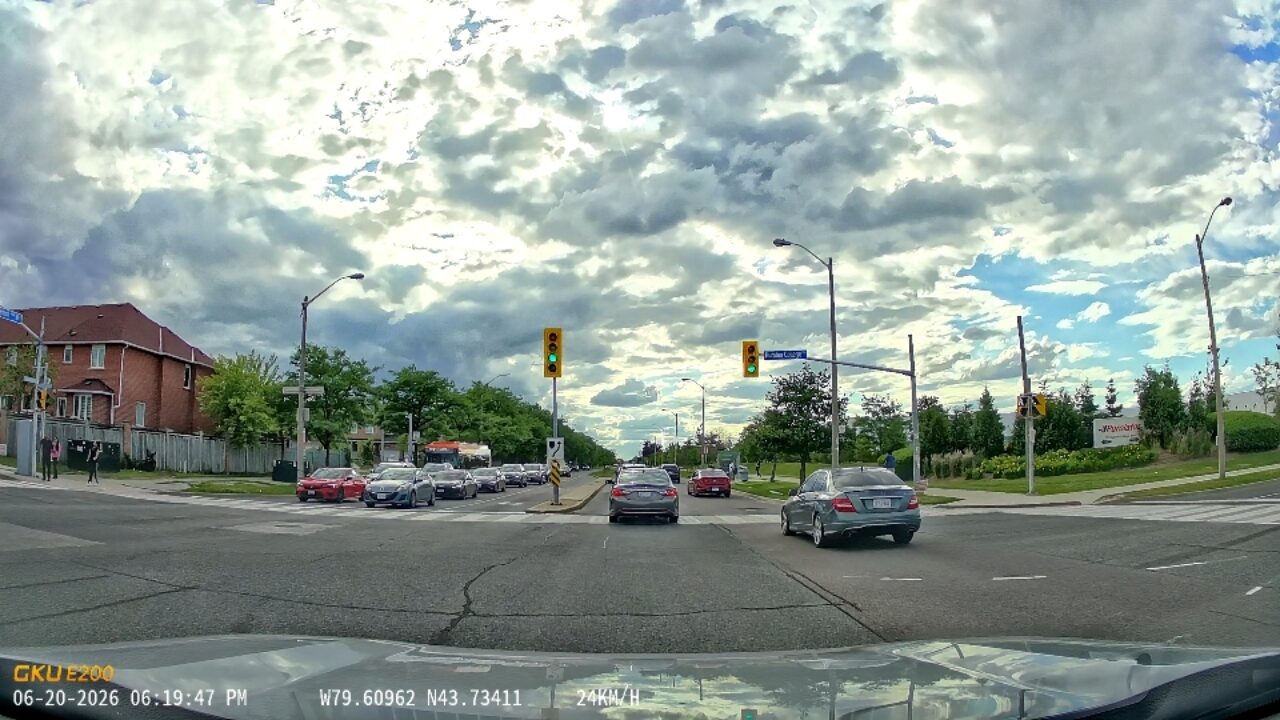
Whenever I downloaded footage through the app, I noticed the downloads were fairly quick. My main peeve with the GKU E200 4K Dash Cam was that I could not connect to the camera when I was not near the dash cam, even though it was on. As much as I tried to troubleshoot this flaw, I was unimpressed by the missing feature. If my vehicle has already been stolen, how would I retrieve the data, let alone find my stolen vehicle? If GKU made the connectivity more accessible, I could see this being on par with other dash cams of this calibre.
I would have liked to see some in-car cabin monitoring features for the front and rear cameras as well. This may not be the most premium dash cam option for its price point, so I cannot fault it too much for that missing feature.
“One of the many useful features of the GKU E200 4K Dash Cam is its 4K front and rear cameras.”
GKU also fails to explain that its proprietary hardwire kit is required for full 24-hour parking monitoring and low-voltage protection. GKU provided us with one, and my car guy managed to install it fairly easily. This hardwire kit costs an extra $19.99, so nothing crazy when the main product is $169.99. For under $200, GKU offers the full dash-cam security package.
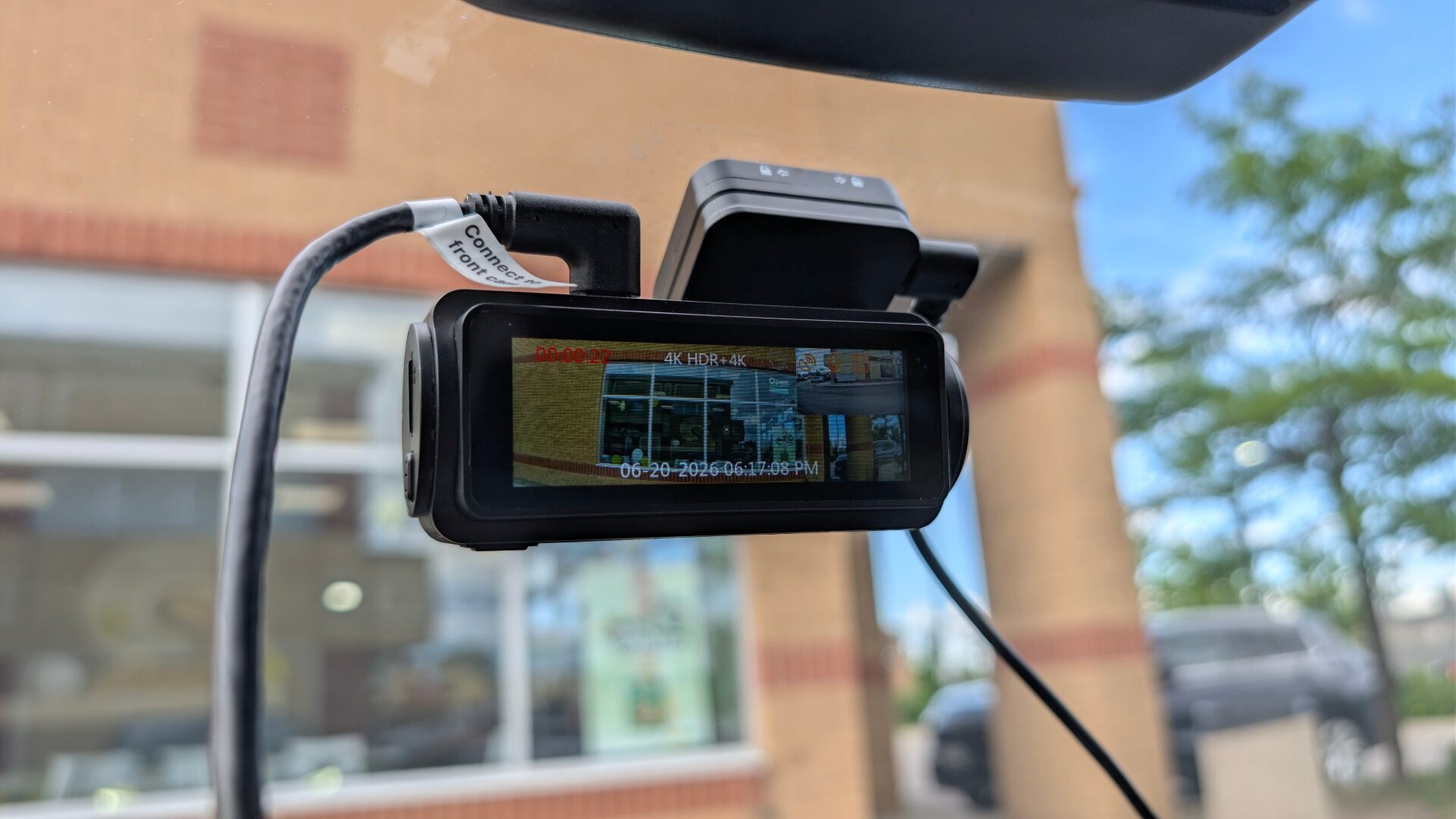
Something more dash cams now come with is built-in GPS and route tracking. This feature on the GKU E200 4K Dash Cam was useful for tracking where my vehicle travelled, and it could be a great security feature to have if my vehicle were stolen. This information, along with accurate speed records, provides helpful detail for insurance claims and dispute resolution.
After about two weeks of using the GKU E200 4K Dash Cam, I had a generally solid time with it. However, I wish I were able to connect to the dash cam wirelessly if I left the vehicle parked and was away on vacation for a couple of days. This was the biggest letdown because I would not be able to recover the captured data if my vehicle was already stolen. The same could be said if someone else used my vehicle with this dash cam installed and were in an accident, since I would not be able to access the dash cam remotely to recover the footage in a timely manner.
If there were some way to back up the data to the cloud, this would be a much better product. The lack of cloud backup is a crucial drawback for a dash cam because if the device is compromised in any way, at least the final bit of footage should be stored somewhere and usable as future evidence. For this reason, I would not trust the GKU E200 4K Dash Cam as my primary means of storing driving footage, especially since competitor devices in the same price range offer easier and more effective cloud storage solutions.