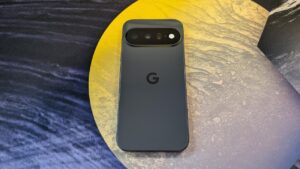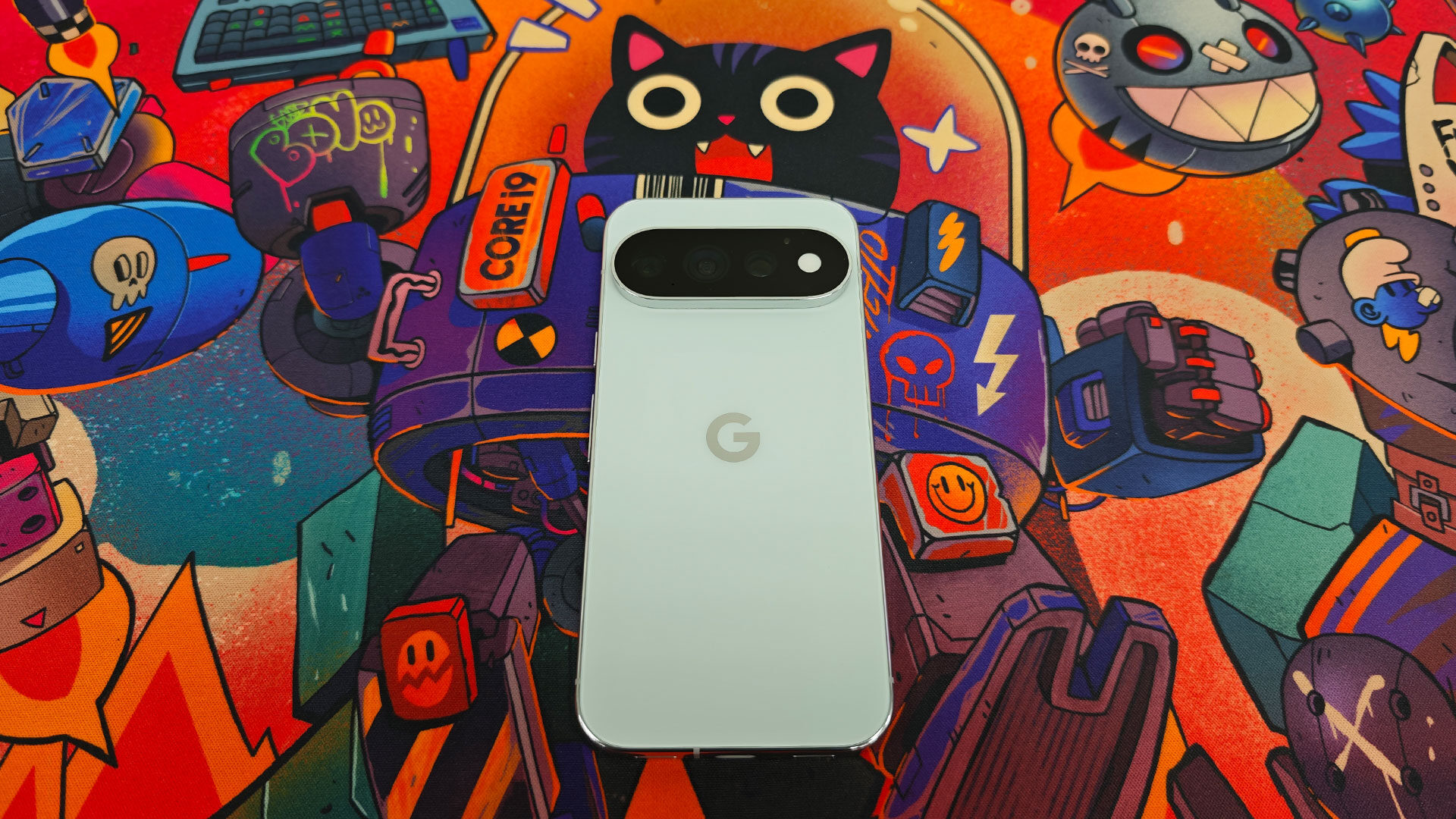


Every year, Google uses the Pixel lineup to showcase what is possible on Android and highlight the company’s latest technology. This year’s Pixel 11 Pro tries to do the same, but with the ongoing RAM shortage affecting the industry, the result feels less exciting than in previous years.
What is here feels more like a modest improvement than a major step forward. Unveiled at the Made by Google event on Aug. 12, the Pixel 11 Pro starts at $1,099 USD or $1,499 in Canada. That is more expensive than last year’s model. The question, then, is simple: do the upgrades add up? After a week with the phone, the answer is mostly yes, although mainly for those who want the latest technology.
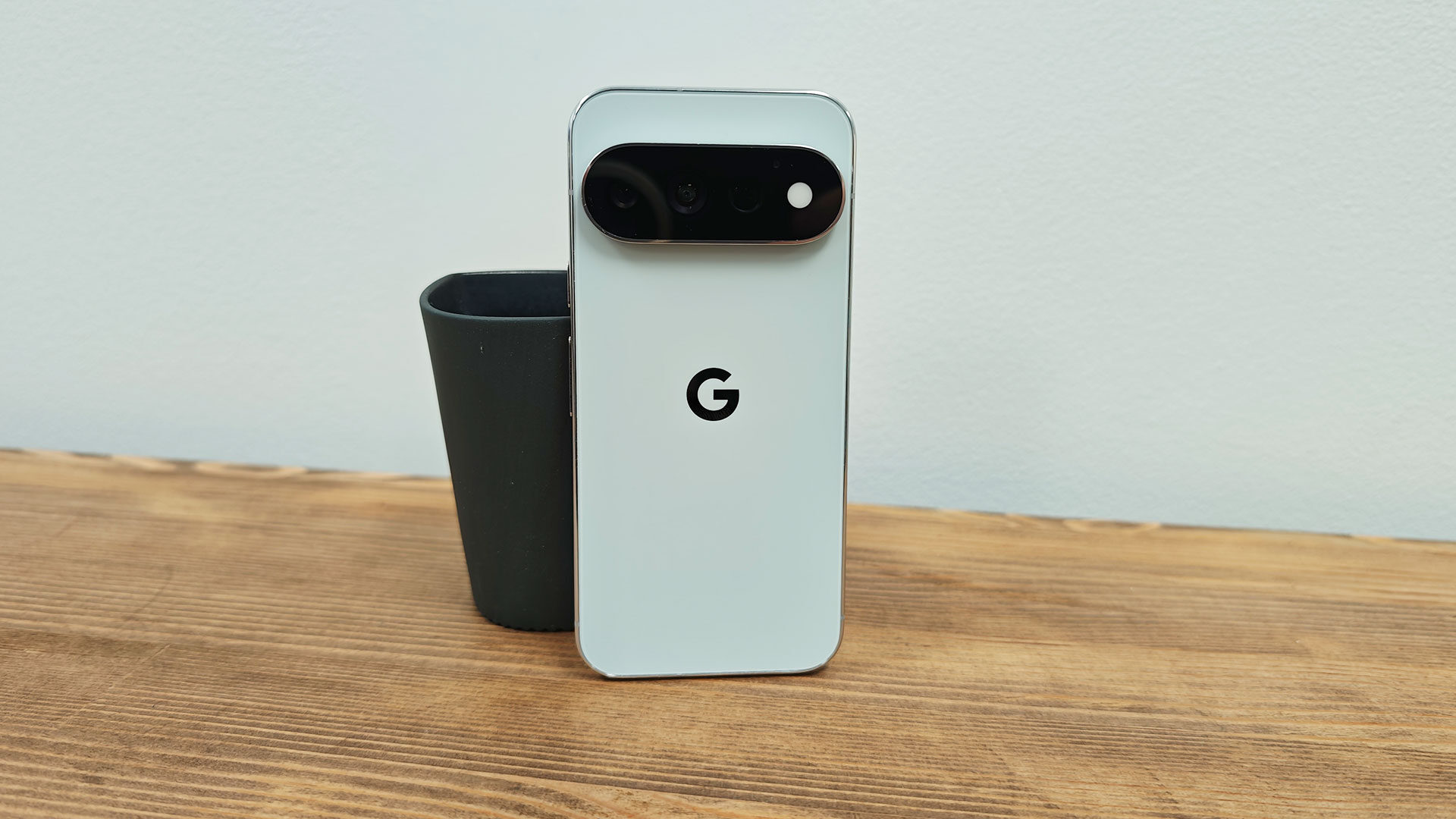
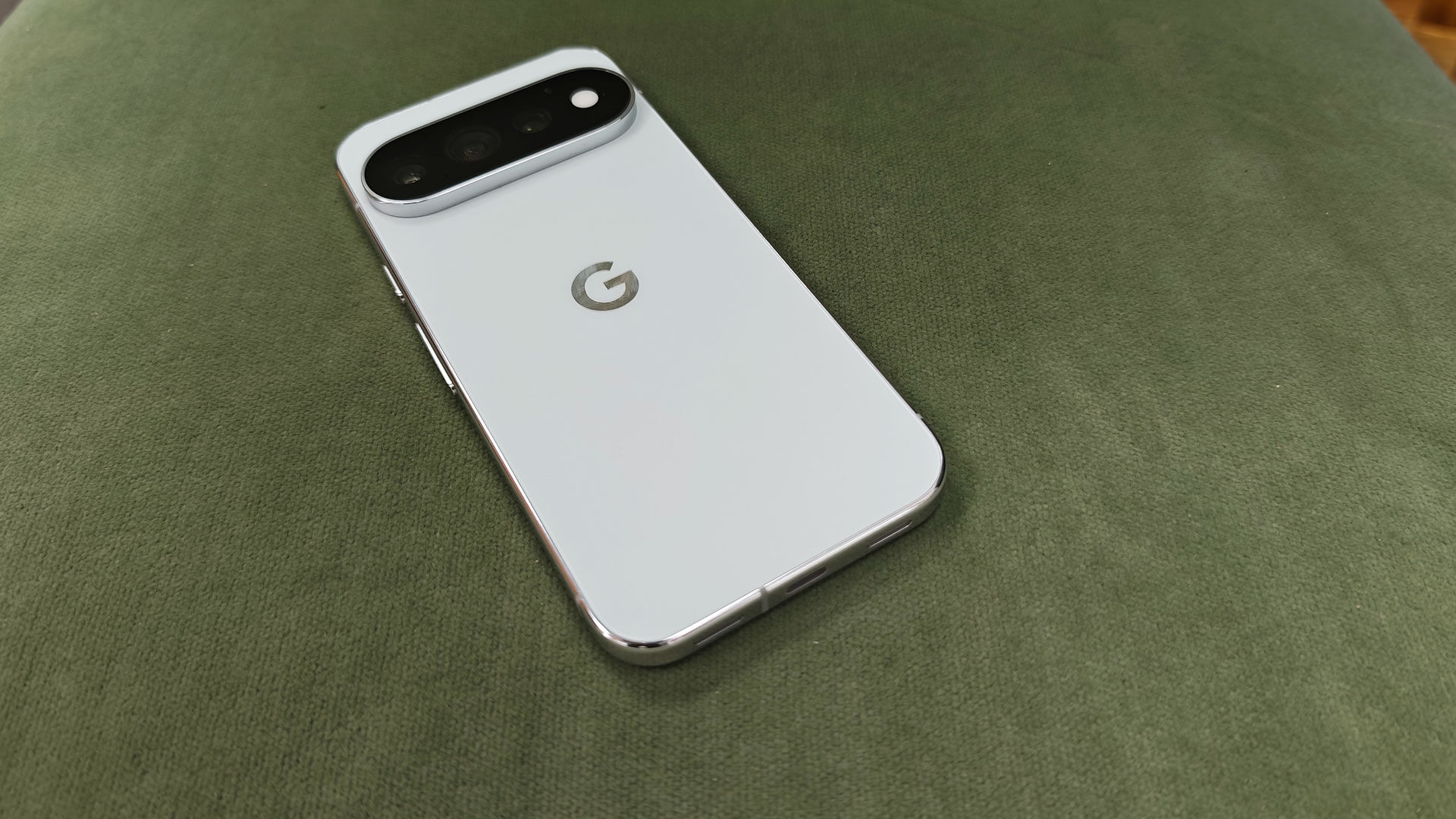
Starting with the phone’s design, Google has kept the overall look of the Pixel 11 Pro consistent with the Pixel 10 Pro. That is not necessarily a bad thing, but it does mean there are fewer major visual changes from one generation to the next. The frame is made from spacecraft-grade aluminum, while the back uses silky matte glass. As with previous models, it feels great in the hand and has a premium yet understated look.
Four colours are available: Obsidian, Fog, Olive and Canyon. Google sent the Olive model for review. The phone ships with Wi-Fi 7, Bluetooth 6, NFC and an ultra-wideband chip to round things out. The box holds the phone and one USB-C cable. There is no charger, so make sure you have a charging brick or adapter at home, or you will be in for a bad time.
| Category | Pixel 11 | Pixel 11 Pro |
| Display | 6.3" Actua, 3000 nits, Gorilla Glass Victus 2, 60–120Hz | 6.3" Super Actua, 3600 nits, Victus 2, 1–120Hz |
| Chipset | Google Tensor G6 + Titan M3 | Google Tensor G6 + Titan M3 |
| RAM / Storage | 12GB / 256–512GB | 12GB / 256GB; 16GB / 512GB–1TB |
| Main Camera | 48MP 1/1.56" main | 50MP 1/1.3" main |
| Ultrawide | 13MP 120° | 48MP 123° |
| Telephoto | 10.8MP 5x (30x Super Zoom) | 48MP 5x (120x Pro Zoom) |
| Selfie Camera | 10.5MP, 95° FOV | 42MP, 103° FOV |
| Battery | 4985 mAh | 4850 mAh |
| Charging | 30W Wired, 25W Pixelsnap (Qi2.2) | 30W Wired, 25W Pixelsnap |
| Price (USD) | $899 / $1,020 | $1,099 / $1,220 / $1,450 |
| Price (CAD) | $1,249 / $1,419 | $1,499 / $1,669 / $1,969 |
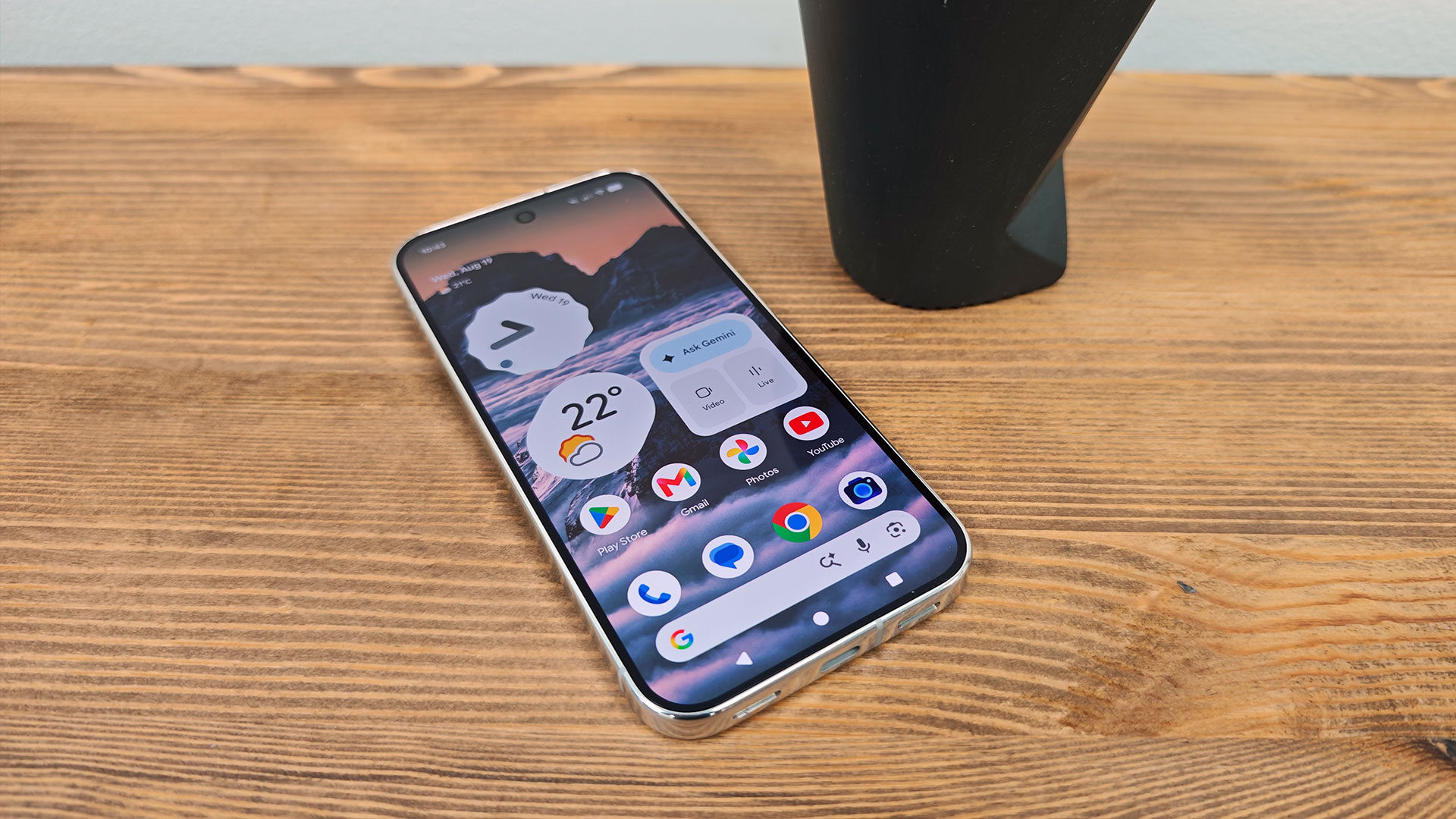
The 6.3-inch Super Actua display is an LTPO OLED panel with a refresh rate ranging from 1 Hz to 120 Hz, and it looks stunning. Peak brightness now reaches 3,600 nits, while HDR brightness reaches about 2,400 nits. That is roughly 200 nits brighter in HDR and 300 nits brighter at peak than the Pixel 10 Pro. In practical terms, the screen remains easy to read in direct sunlight. Gorilla Glass Victus 2 covers the front, with a new anti-scratch shield on top. The phone has an IP68 rating, so rain and dust should not be a concern.
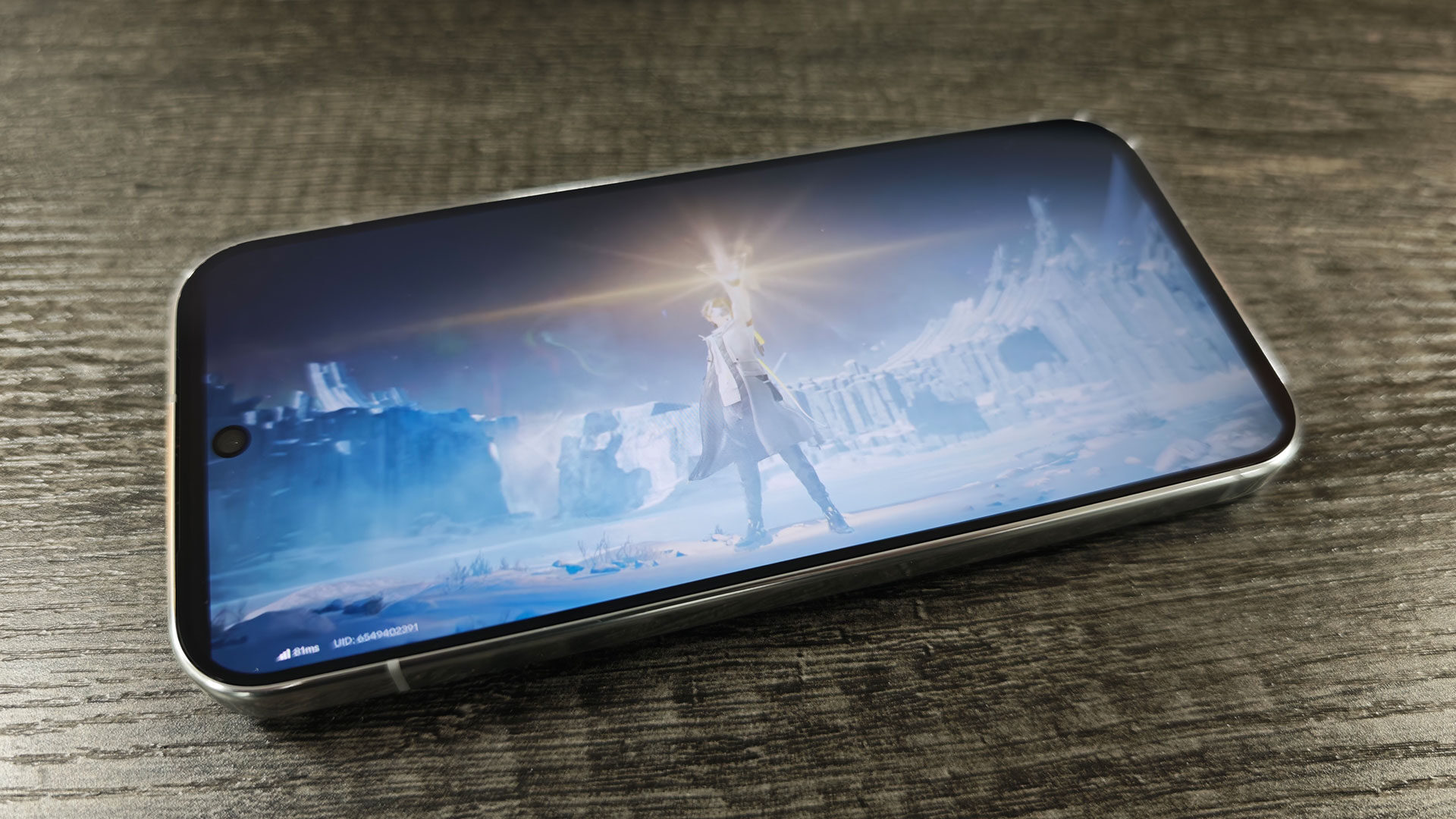
Viewing content on the Pixel 11 Pro is a solid experience, with the display delivering deep blacks and crisp, vibrant colours. I tested a range of games on the device and watched videos on Netflix and YouTube to get a sense of how media looks. The phone delivered, but that is not much of a surprise. The Pixel 10 Pro was already an excellent device, and this year’s upgrades build on that strong foundation. That is not to say the Pixel 11 Pro is bad. It is simply a more gradual update that improves some areas while maintaining the strengths established by previous models.
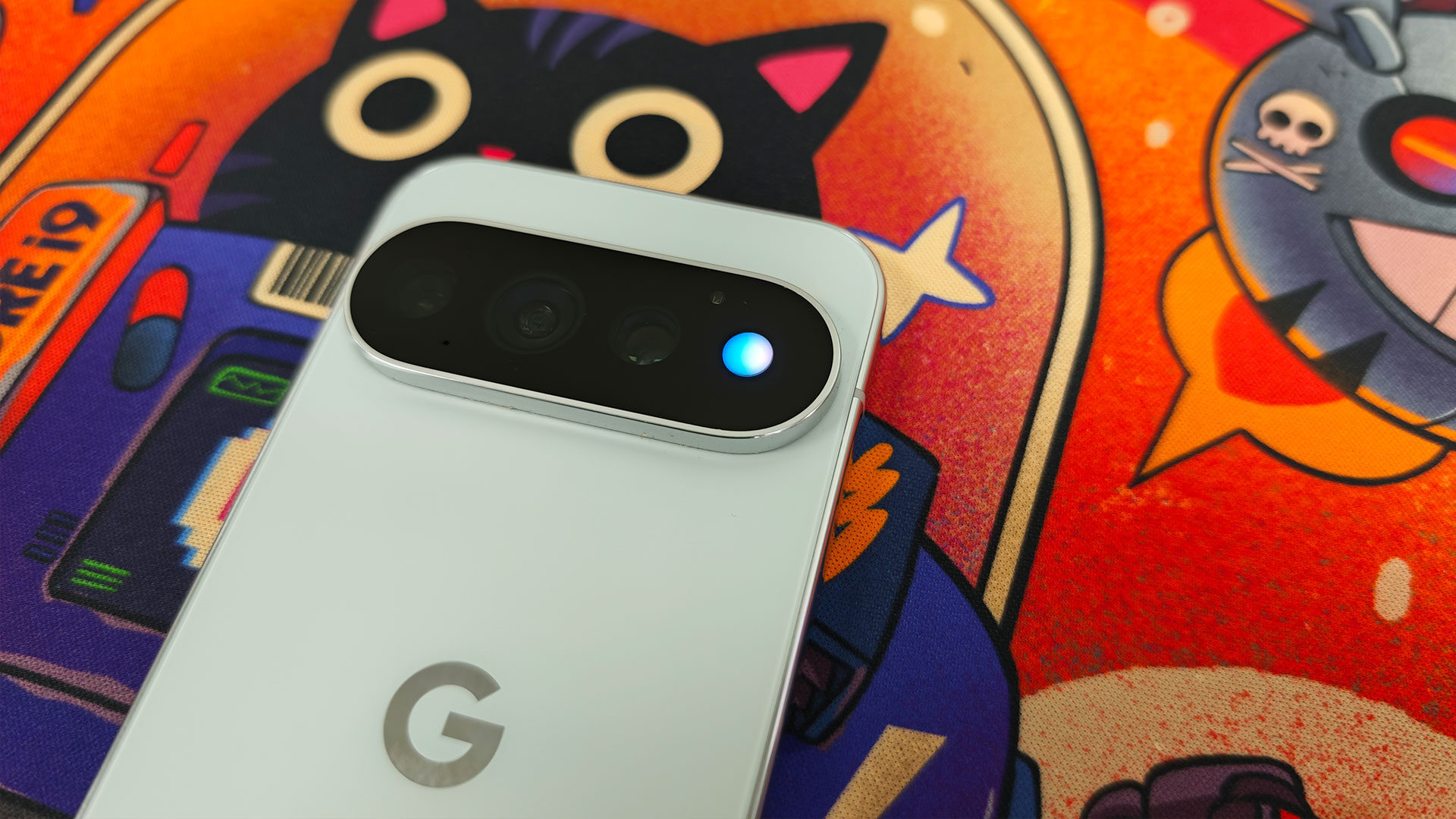
One thing that has changed is the camera bump on the back. Beyond the sensors and flash, Google has added a small light alongside the other components, providing visual notifications and feedback about what is happening on the phone. HiLight, as the feature is called, can alert users to calls or provide feedback related to Gemini. It is a neat concept, and while we have seen similar ideas on other phones, I like how it fits into the Pixel 11 Pro’s design.
The problem is that the HiLight currently feels far too limited. It only works with calls, and you cannot configure it for apps such as WhatsApp or Gmail. There is a lot of potential here, but in its current form, the feature feels half-baked. I honestly do not get many calls, and although you can assign different light effects to different people, the options are still limited. It ends up feeling like a nice but ultimately forgettable feature, and I hope Google expands it after launch.
Beyond its design, the Pixel 11 Pro runs on Google’s Tensor G6 chip, while a Titan M3 chip handles security. The phone starts with 256 GB of storage and 12 GB of RAM. Moving up to 512 GB or 1 TB of storage increases RAM to 16 GB and adds Zoned UFS for faster load times. Like many devices we have seen this year, the Pixel appears to have been affected by the ongoing RAM shortage.
The base model drops to 12 GB of RAM, compared with the 16 GB found in the 128 GB version of the Pixel 10 Pro, making it a notable downgrade for anyone moving to a similarly positioned device. There is no microSD slot, so choose your storage capacity carefully. For this review, we tested the 512 GB model with 16 GB of RAM, although the overall experience should be similar across configurations, aside from memory-intensive apps.
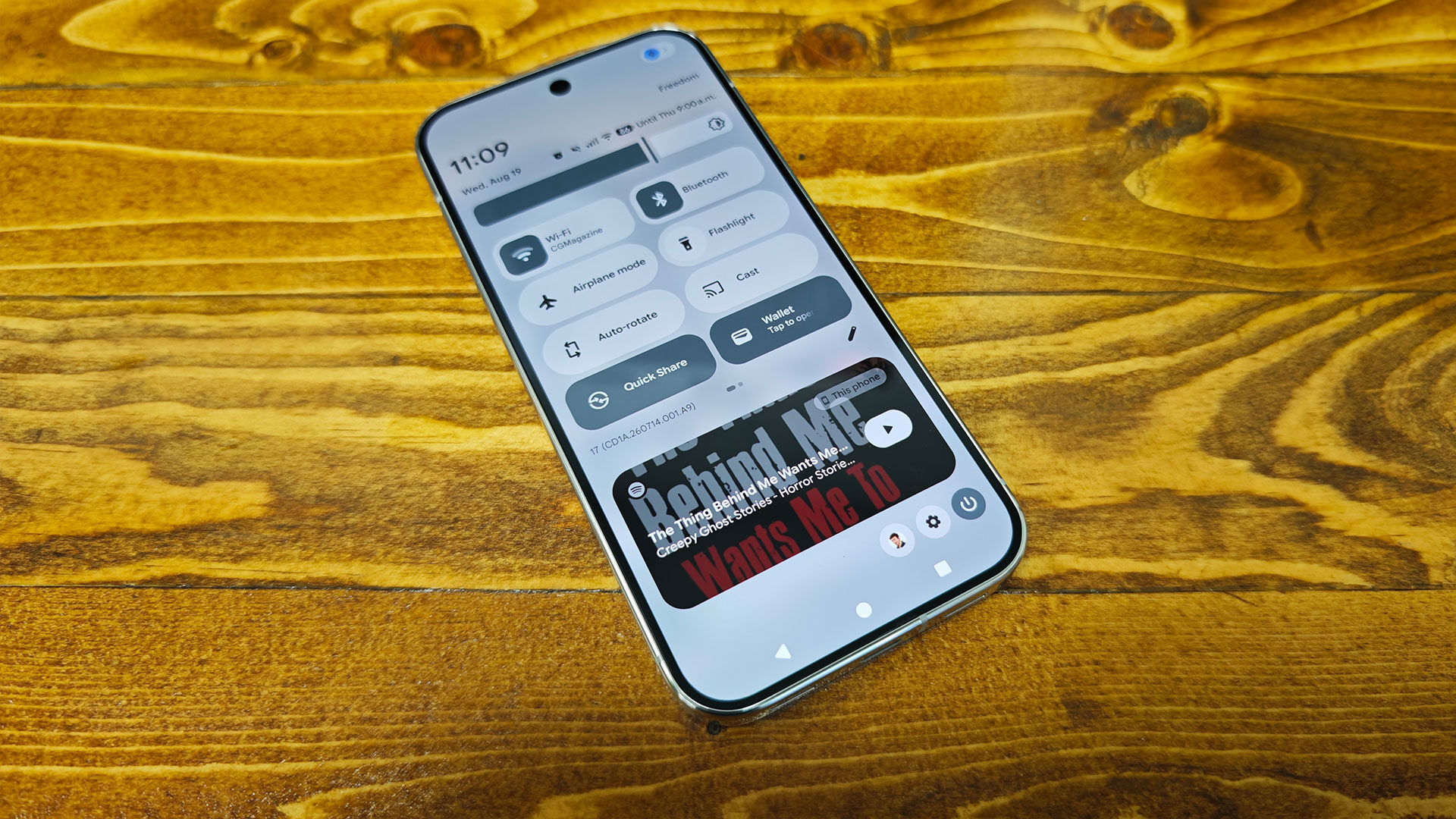
In everyday use, the Google Pixel 11 Pro feels fast. Apps open quickly, the interface moves incredibly smoothly and the apps I use daily work without issue. I also tested several creative apps, including CapCut and Blackmagic Camera, and both performed flawlessly. Where the Pixel 11 Pro shows less improvement is gaming, with the Tensor G6 delivering only a slightly better experience than the previous generation. The phone uses the PowerVR CXTP-48-1536, compared with last year’s PowerVR DXT-48-1536, but it hasn’t significantly improved its ability to handle high-end mobile gaming.
In practice, most games will run, but you may encounter problems when pushing the settings too high. Some titles may also struggle to match the performance offered by the latest Apple devices or phones using current flagship Qualcomm chips. I tested several games, including Genshin Impact, Honkai: Star Rail, Fortnite and Arknights: Endfield, and all ran at playable frame rates.
“In everyday use, the Google Pixel 11 Pro feels fast.”
Fortnite struggled in particular when settings were pushed beyond Low, while most of the other games delivered serviceable, if somewhat uneven, experiences. With more games making their way to Android, it is disappointing to see a flagship-level phone struggle with some newer titles. Hopefully, next year’s device will see Google improve the Tensor chip and deliver stronger gaming performance.
The Tensor G6 sees its biggest improvement in the TPU, which delivers a 50% performance increase compared with the G5. This is where Google has shifted more of the processing for the smart features that help define the Pixel lineup. It also enables some of the biggest upgrades on the Pixel 11 Pro, including improvements to Night Sight, the 120x zoom and the new Live Translate feature. I will dig further into those AI features shortly.
On the battery front, Google opted for a 4,850 mAh cell, slightly smaller than the Pixel 10 Pro’s 4,870 mAh battery. Google still claims more than 30 hours of use per charge, while wired charging tops out at 30 watts and can reach 55% in about 30 minutes. Wireless charging uses the Pixelsnap system, which is Qi2.2-certified and supports up to 25 watts. That is an increase from the 15-watt wireless charging offered by the Pixel 10 Pro, so it is good to see some improvement in this year’s model.
I would describe the Pixel 11 Pro’s battery life as good, but not exceptional. With regular use, it lasted about a full day, although that falls short of what I have seen from some recent Android phones. Several Chinese Android manufacturers, including Xiaomi and OnePlus, have pushed battery life further, with some devices lasting well into a second day of use.
That was not the case here. In my testing, the Pixel 11 Pro lasted from about 7:30 a.m. until 10:30 p.m. with roughly 30% remaining. If I were heading out for the evening, I would make sure to carry a portable battery or top up the phone before leaving. Fast charging helps reduce that concern, but battery life remains a noticeable weakness when competing devices continue to push expectations higher.
On the back of the Google Pixel 11 Pro, you will find the device’s triple-camera setup, and we see what Google has changed for this year’s release compared to the Pixel 10 Pro. You get a 50-megapixel main lens, a 48-megapixel ultrawide and a 48-megapixel telephoto with five-times optical zoom. Pro Zoom stretches that to 120-times. Up front sits a 42-megapixel selfie camera with a wide 103-degree field of view. Video goes up to 8K at 30 frames per second.
Without any of the new Pixel features, the Pixel 11 Pro offers a very similar experience to the Pixel 10 Pro. Its cameras and sensors are also similar to those found on last year’s device. Colours look clear and true to life, with a good level of detail and clarity in the resulting images. Using the main 50 MP sensor, Google has maintained a solid camera experience that can deliver some great shots. However, when looking strictly at standard photos, several phones on the market can match or even surpass what last year’s Pixel could do, and the Pixel 11 Pro is no different.

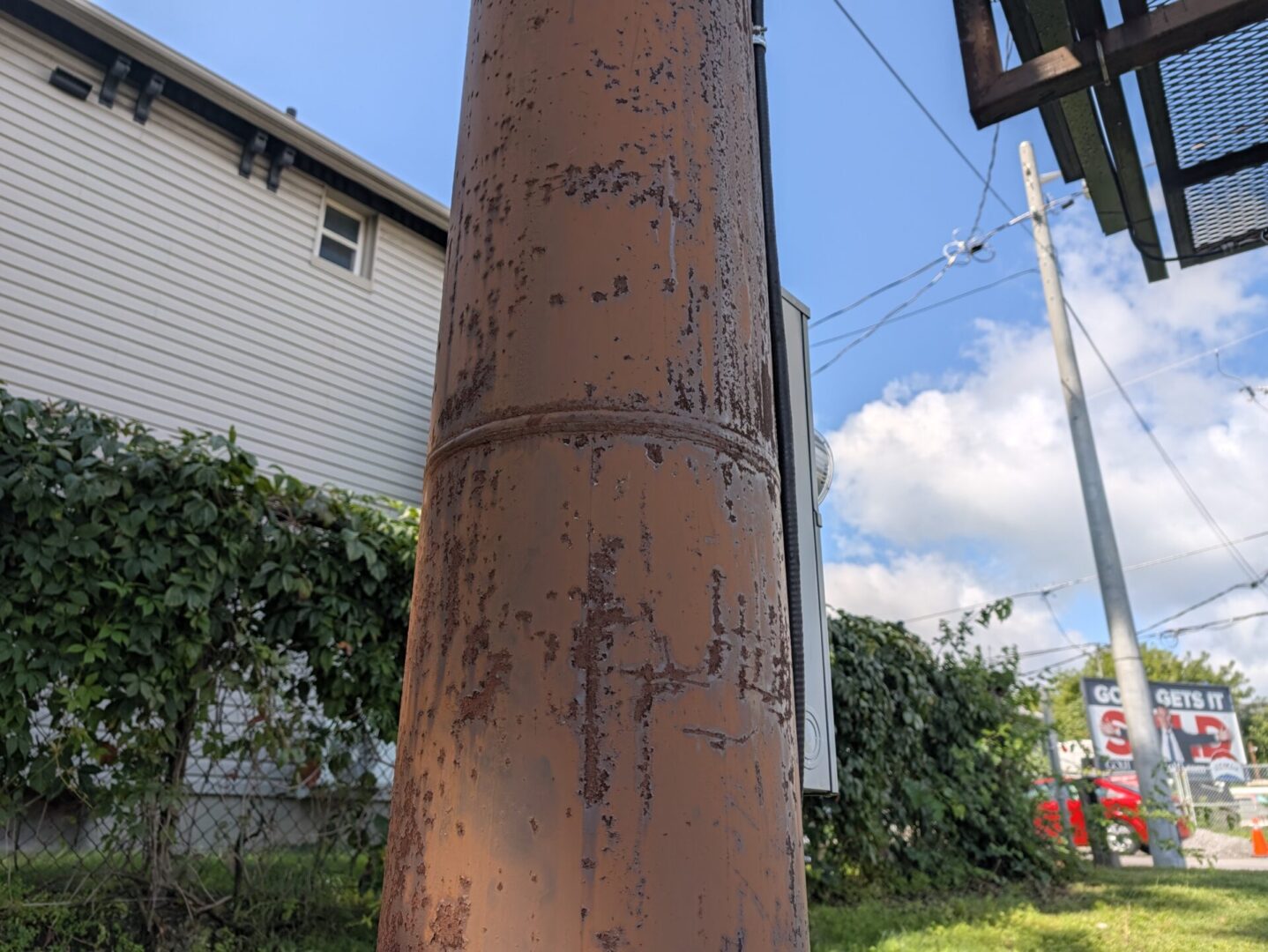


The new telephoto camera is good and has received a modest upgrade on paper compared with the Pixel 10 Pro. It moves from a 48 MP, f/2.8, 113 mm periscope telephoto camera with a 1/2.55-inch sensor to a 48 MP, f/2.8, 106 mm periscope telephoto camera with a 1/1.95-inch sensor. That means slightly less reach, but in practice, the images still look good and retain solid clarity at 5x zoom. The new telephoto camera also improves light sensitivity by 32%, which is especially useful for the 120x zoom feature that relies on the Tensor G6 for processing. However, this feels more like a headline feature than something the average person will use regularly.
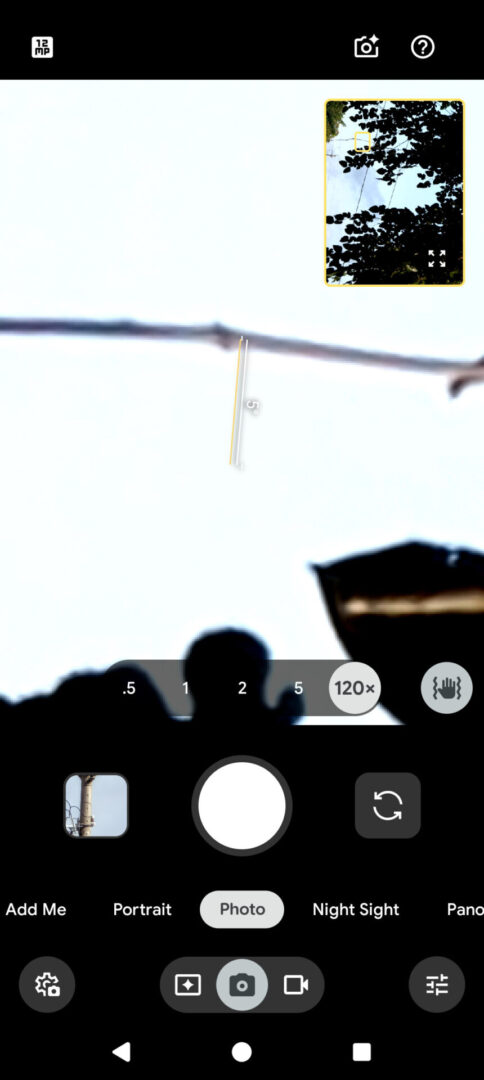
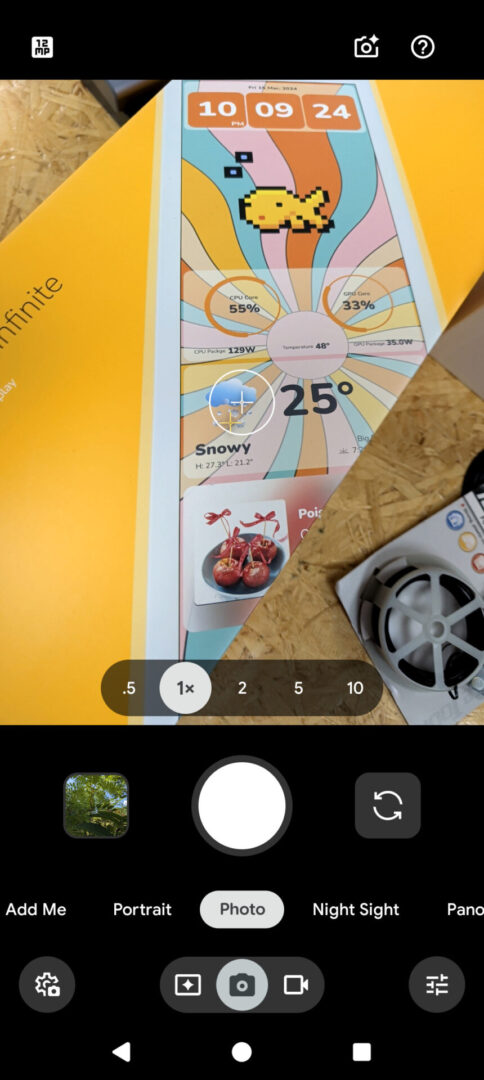
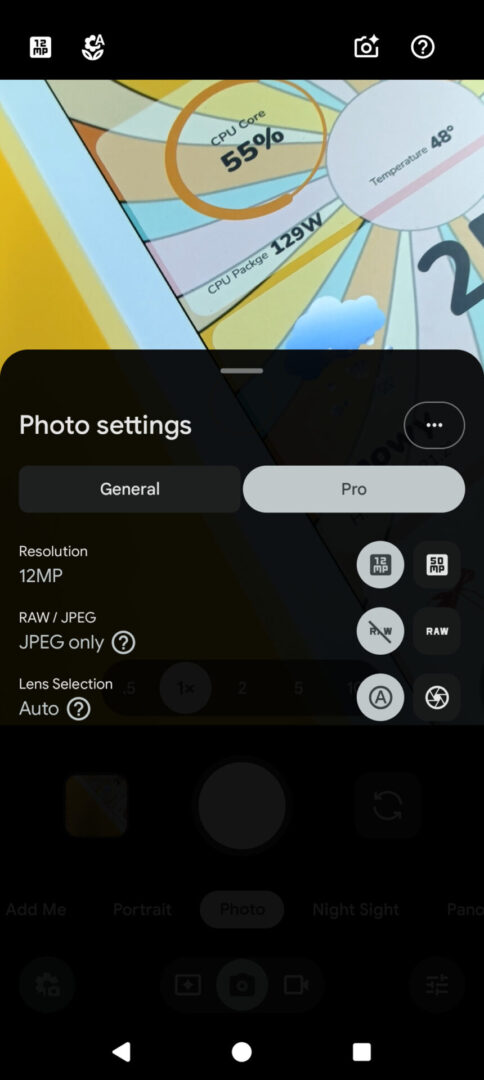
In testing, the 120x zoom works, and under ideal conditions it can produce surprisingly impressive results. The problem is that those conditions need to be nearly perfect. If the lighting is poor or your hands are not steady, image quality can fall off quickly. A photo may look acceptable at first glance, but closer inspection reveals the technology’s limitations.


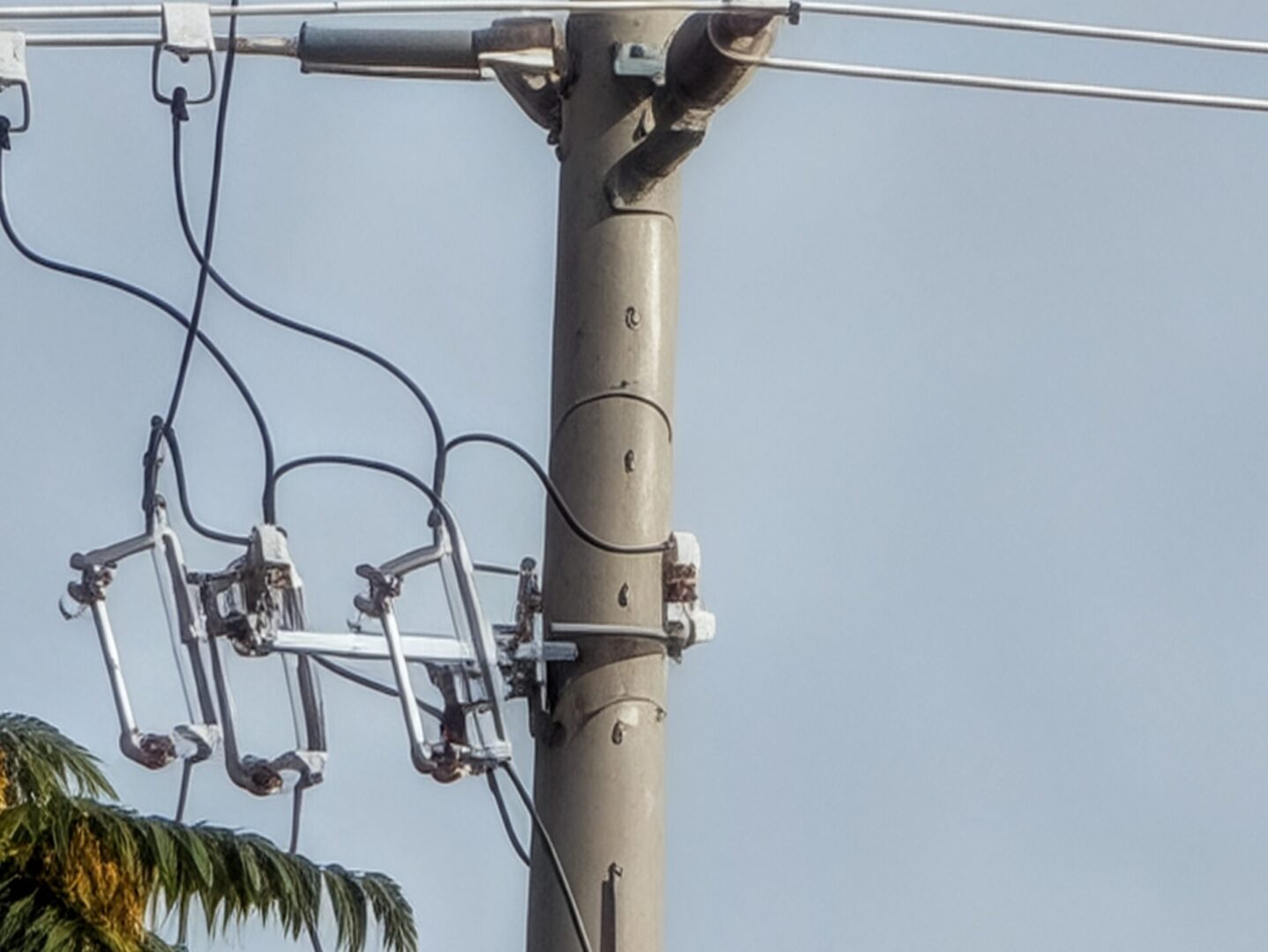
For social media posts or quick sharing, the results can be fine. Beyond that, however, most of these shots feel disposable and are unlikely to be worth keeping nine times out of 10. There is also the issue of heavy AI enhancement. The final image can look impressive, but how true-to-life it is depends on the clarity of the original shot and how much usable data the phone has to work with.

Google’s AI features do some real work here. Magic Capture and Camera Coach help you frame better shots, while Gemini is deeply integrated throughout the phone. It handles smaller tasks well, although it can still struggle with more complex requests. A lot is happening here, and Google is using the Pixel 11 Pro to showcase what AI can do. Some of it is genuinely impressive.
Live Translate, in particular, is pretty wild. It can translate supported video almost in real time, allowing you to watch content in another language and hear the translated dialogue in the speaker’s own voice, only in English. It is what I always imagined the Babel fish from The Hitchhiker’s Guide to the Galaxy would be like, only now it is built into your phone. The feature is still somewhat limited, however. It appears to work only in select apps, such as YouTube, and currently supports only a handful of languages. At the time of writing, both French and Spanish worked in my testing, and seeing the translation happen in real time was impressive.
Rambler is another feature that had me excited when it was first announced, and after testing it, I have to say I am impressed. If you are like me, you probably correct and adjust yourself as you speak. That is fine in conversation, but when you are dictating to your phone, it can lead to a lot of unwanted words and repeated thoughts. Rambler is designed to clean that up by turning what you say into more natural text, making voice-to-text easier to use.
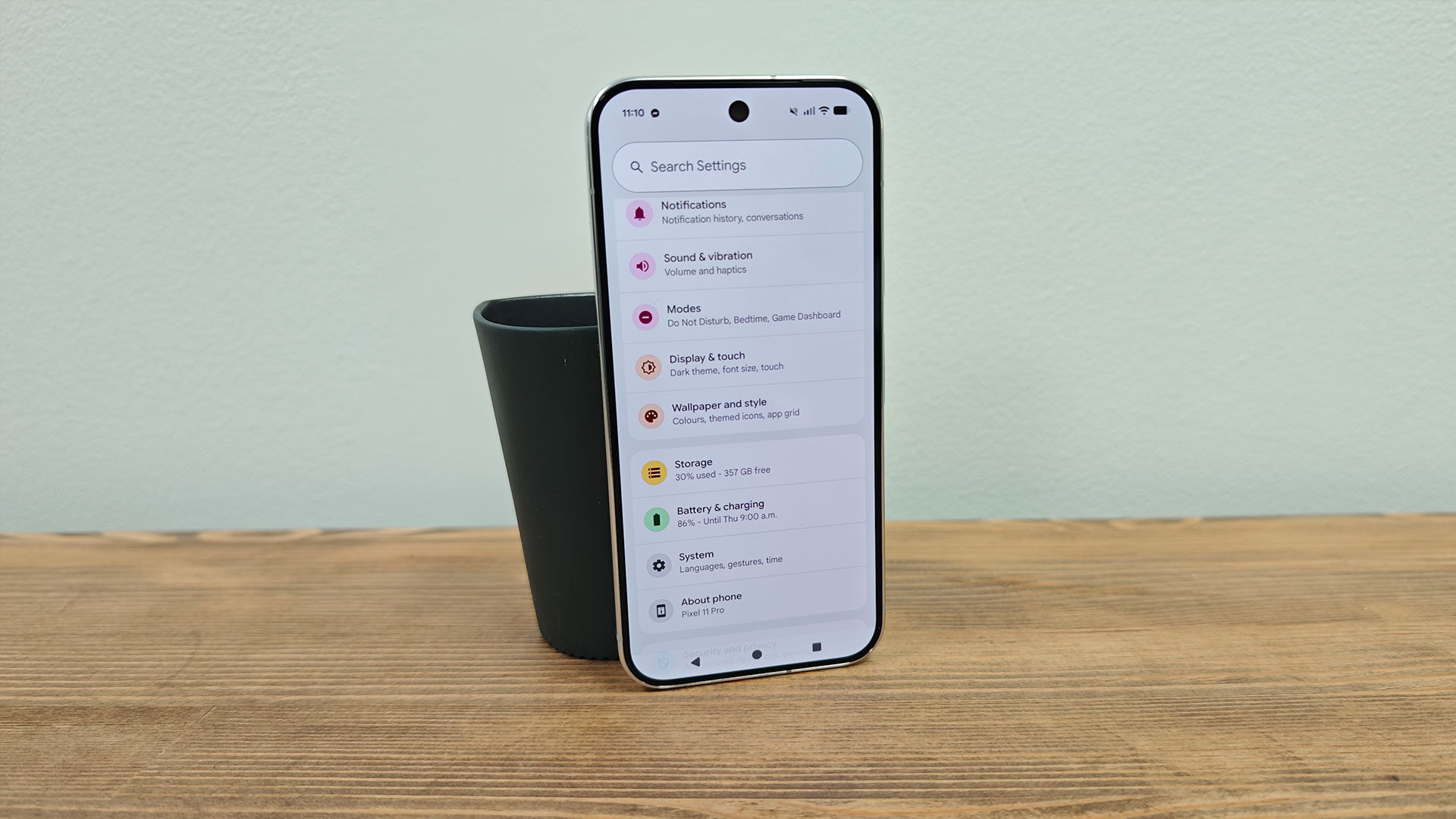
It worked well in a variety of situations, although I ran into problems when dictating longer thoughts, with the feature occasionally capturing only part of what I intended to say. Still, when it worked, it was impressive, and for anyone who tends to ramble, this could be the feature that finally makes voice-to-text genuinely useful.
As a showcase of what Android can do, the Google Pixel 11 Pro ships with Android 17 and delivers a smooth, easy-to-use experience. I have always enjoyed the clean, near-stock Android experience, and few phones come closer to it than Google’s own Pixel lineup. For most people, the upgrades are relatively minor, but Android 17 does bring improvements to multitasking, Quick Settings, animations, security and performance. It has been a solid release in my testing, but if Android 16 did not win you over, Android 17 does little to fundamentally change the experience. Thankfully, Google promises seven years of OS and security updates, so the Pixel 11 Pro should keep benefiting as new features and improvements roll out.
After spending a week with the Google Pixel 11 Pro, I have come around to what it brings to the table. However, for anyone already familiar with the brand and using last year’s model, it is a difficult phone to recommend. Don’t get me wrong: there are plenty of cool features and smart choices, but with the ongoing RAM shortage and inflation, the Pixel 11 Pro can feel like a step backward compared with last year’s device.
The price went up, and the battery capacity went down. That stings. Wired charging at 30 watts also lags well behind some rivals, while the base model’s 12 GB of RAM feels limited for a Pro phone in 2026, and that is with a Tensor G6 that lags behind the competition.
With all that said, the Pixel 11 Pro is very much a refinement of the formula, and if you skipped a few recent Pixel generations, this could be a good year to jump in. Yes, there are compromises, but the software and features are built around delivering the best Google-focused phone possible. Google has found ways to make the camera deliver some truly fantastic photos, with smart processing that makes the most of the available sensors, and this is the snappiest Pixel phone I have used to date.
Hopefully, Google can continue improving the experience through future updates and better showcase what the hardware can do. While the Google Pixel 11 Pro is not a major upgrade from the Pixel 10 Pro, anyone holding on to an older device has a reason to consider it. For everyone else, it may be worth waiting for carrier deals before making the jump.