
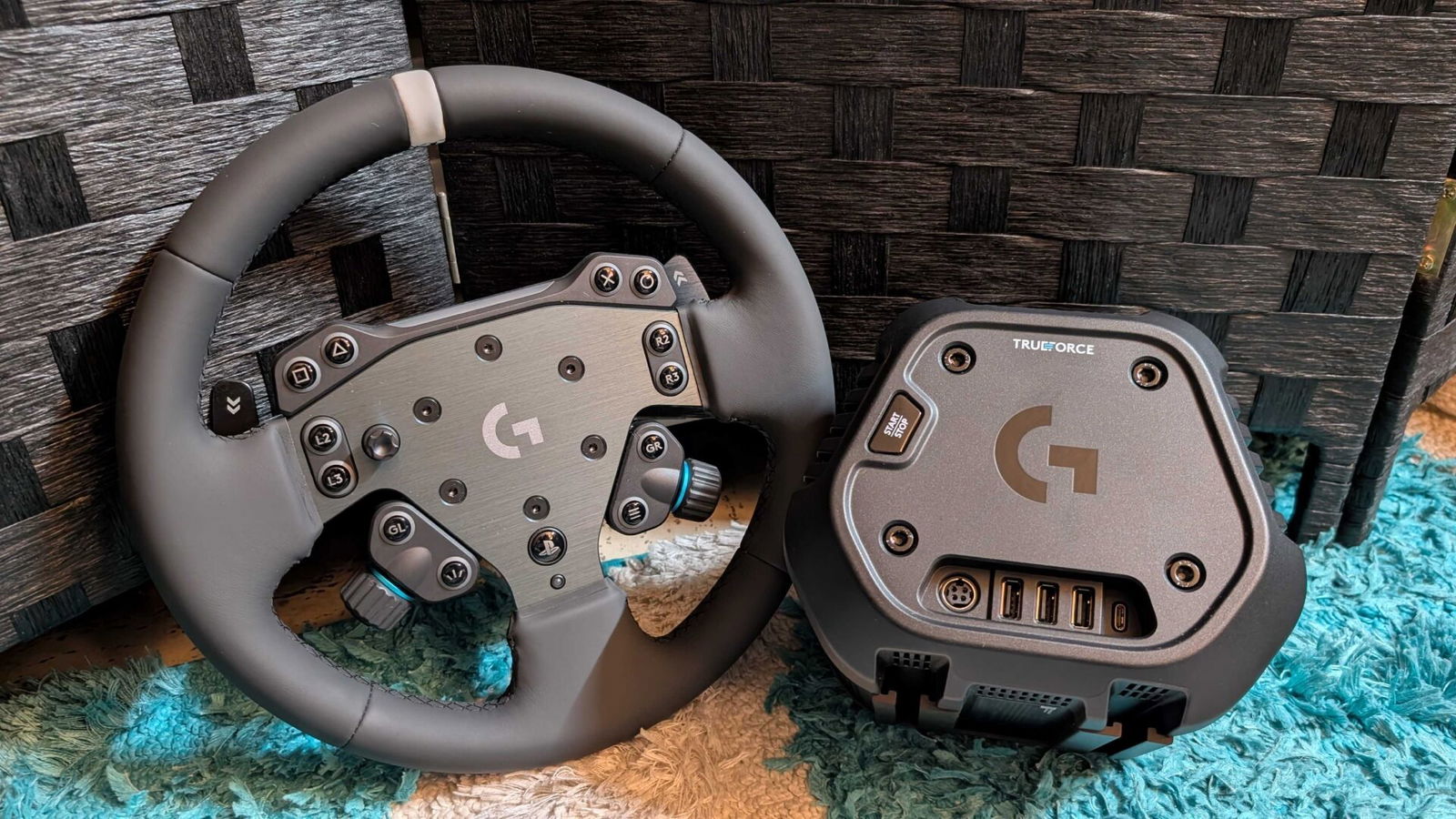


When it comes to peripherals, sim-racing enthusiasts are near the top of the list in terms of being spoiled for choice. Console and PC users have a wide range of manufacturers to choose from, each with its own strengths and drawbacks, and everyone has an opinion on what works best. The entry-level direct-drive market is less developed on consoles, so Logitech has introduced the RS50 System and the RS Pedals to fill that gap at the higher end of the entry level.
With options for Xbox and PlayStation, both compatible with PC, the RS50 System includes the wheelbase, steering wheel and a table clamp for players who do not have a dedicated racing rig. The wheelbase delivers 8 nm of direct-drive force feedback, making it more powerful than most entry-level direct-drive options. For those new to sim racing, direct-drive force feedback is what allows you to feel the road through the wheel. The stronger the feedback, the more subtle and nuanced the sensations become.
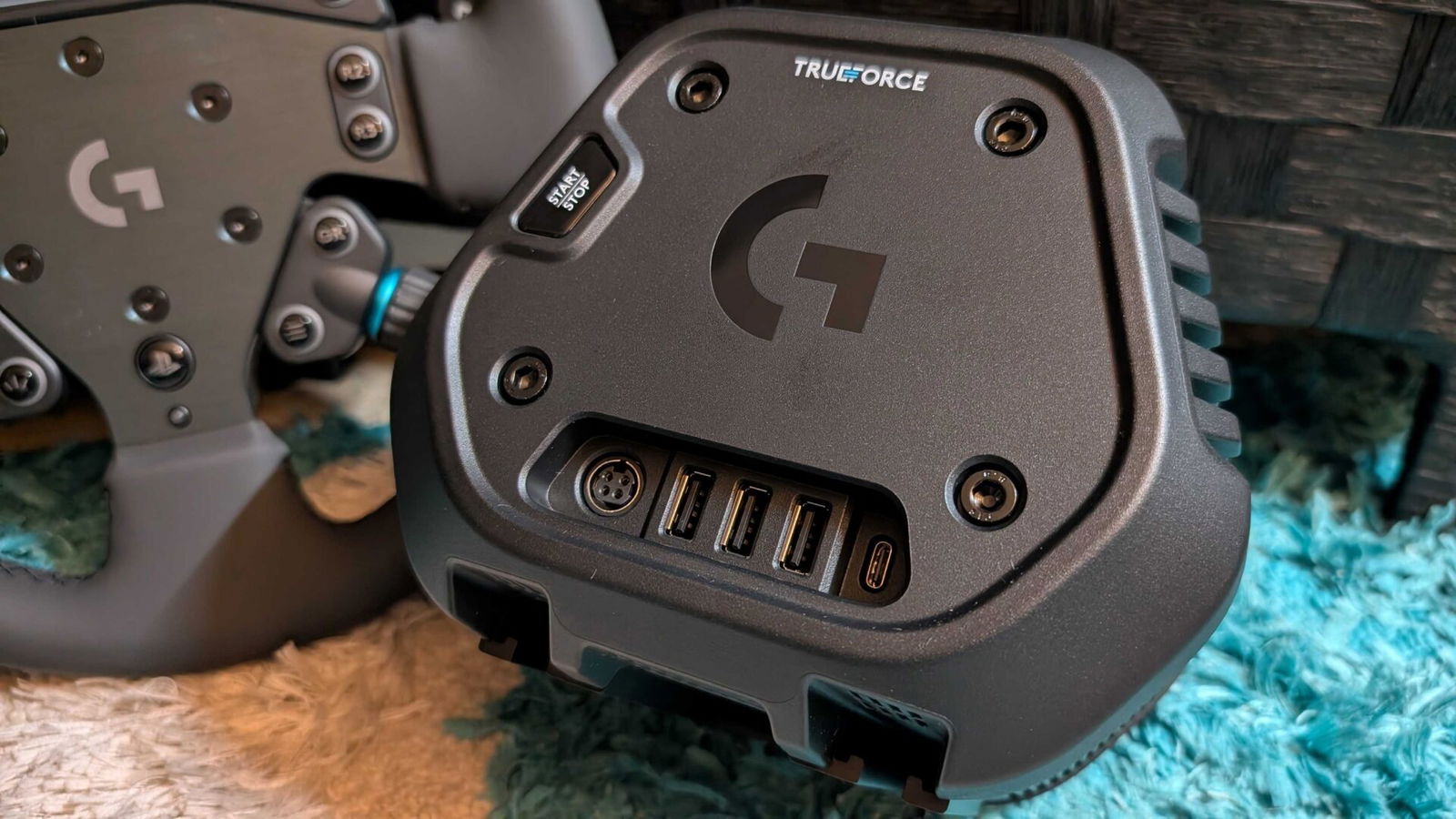
Departing from the design of the G Pro wheelbase, the RS50 System looks similar to the Fanatec GT DD Pro base. Four connection ports on the back allow you to attach additional peripherals, whether a shifter, pedals or a handbrake. The RS Pedals occupy one of the three available USB-A ports, and the console or PC connection uses the USB-C port, leaving two ports free for other peripherals.
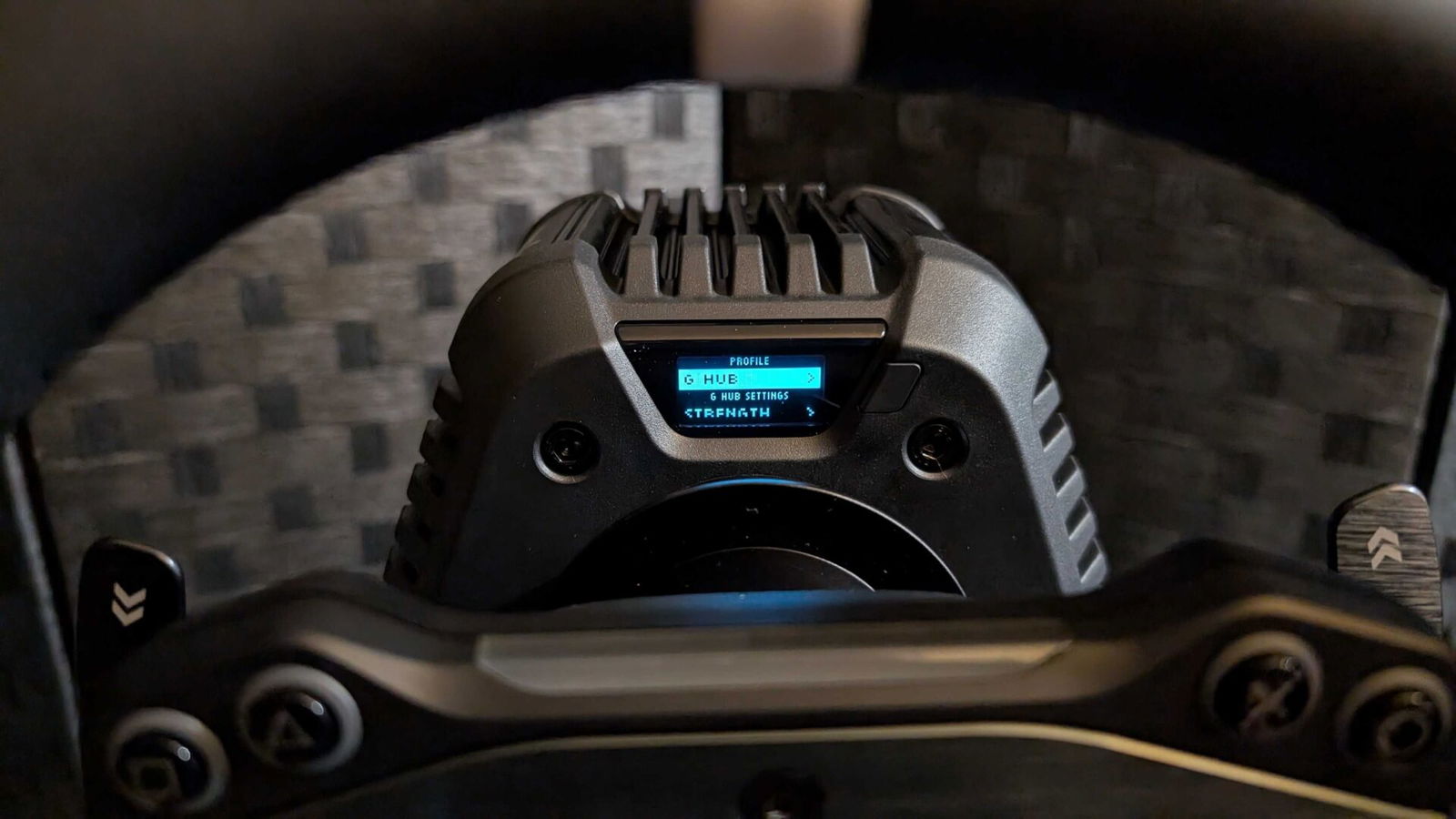
The base also uses the same screen and button-navigation system as the G Pro, making the transition familiar if you choose to upgrade later. While I wish Logitech had made the screen slightly larger, simply to improve visibility and allow more information to be displayed, it clearly indicates which setting you are adjusting, which is the most important thing.
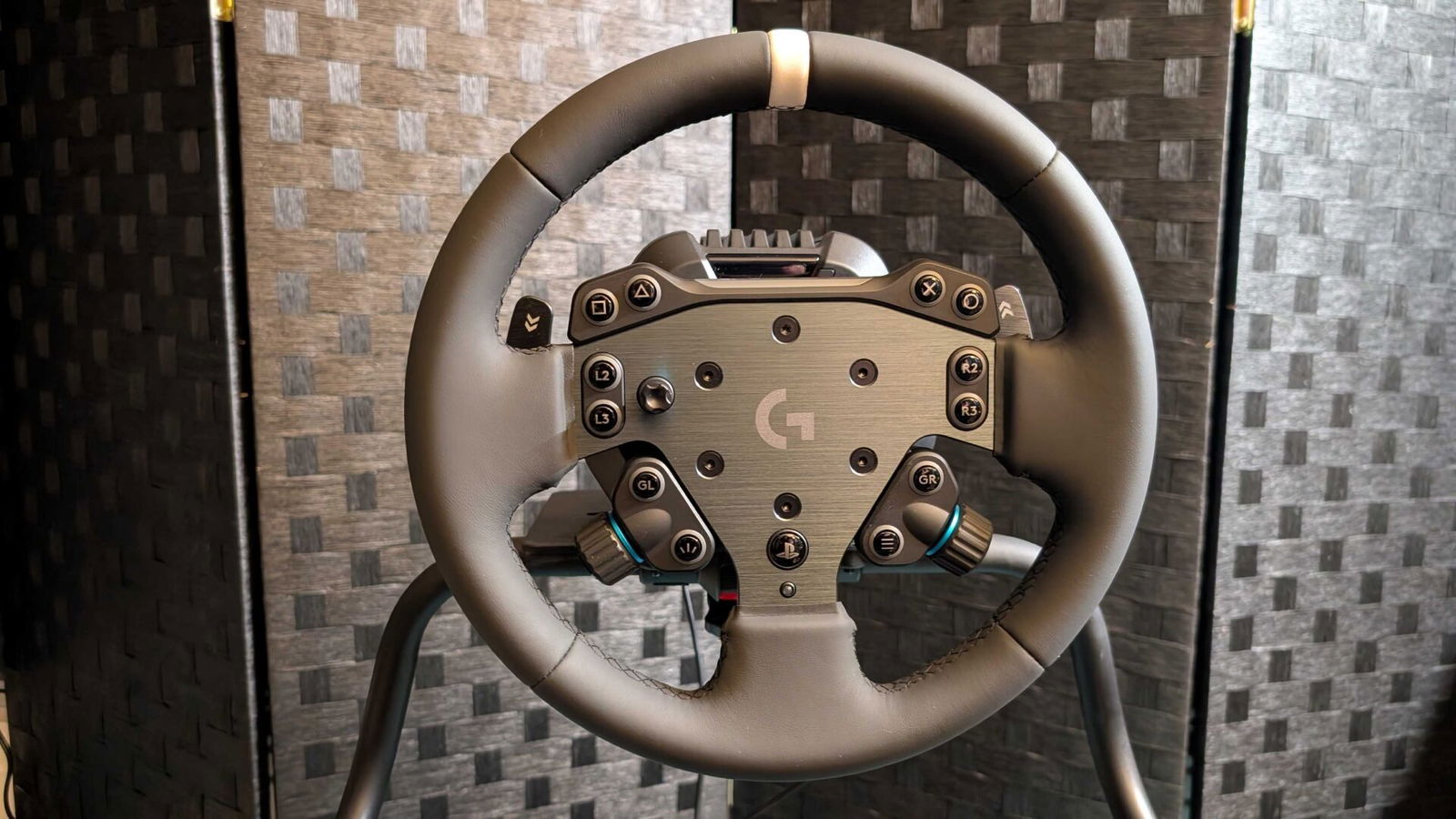
“The paddle shifters still feel as good as ever, which quietly became my favourite thing about the RS50 System.”
The RS50 System also includes a steering wheel, made up of the RS Wheel Hub and the RS Round Wheel, allowing for quick swaps if you want to move to the RS Track Wheel (which I still use on my G Pro). The RS Round Wheel feels comfortable at first, although my hands began to tire after extended sessions because the grip is a bit thicker than I prefer. This likely explains why I fatigued faster than when using the RS Track Wheel. The paddle shifters feel as good as ever and have quietly become my favourite feature of the RS50 System. They are firm enough to require deliberate input, which helps prevent accidental shifts.
The last feature worth highlighting on the RS50 System is the table clamp included in the box. When you do not have space for a dedicated sim rig, or even a foldable option, the table clamp is a practical mounting solution that keeps the base secure, even at the highest force-feedback settings. The clamp uses a threaded system that fits almost any table surface. I tested it temporarily on an Ikea end table, and it worked perfectly.
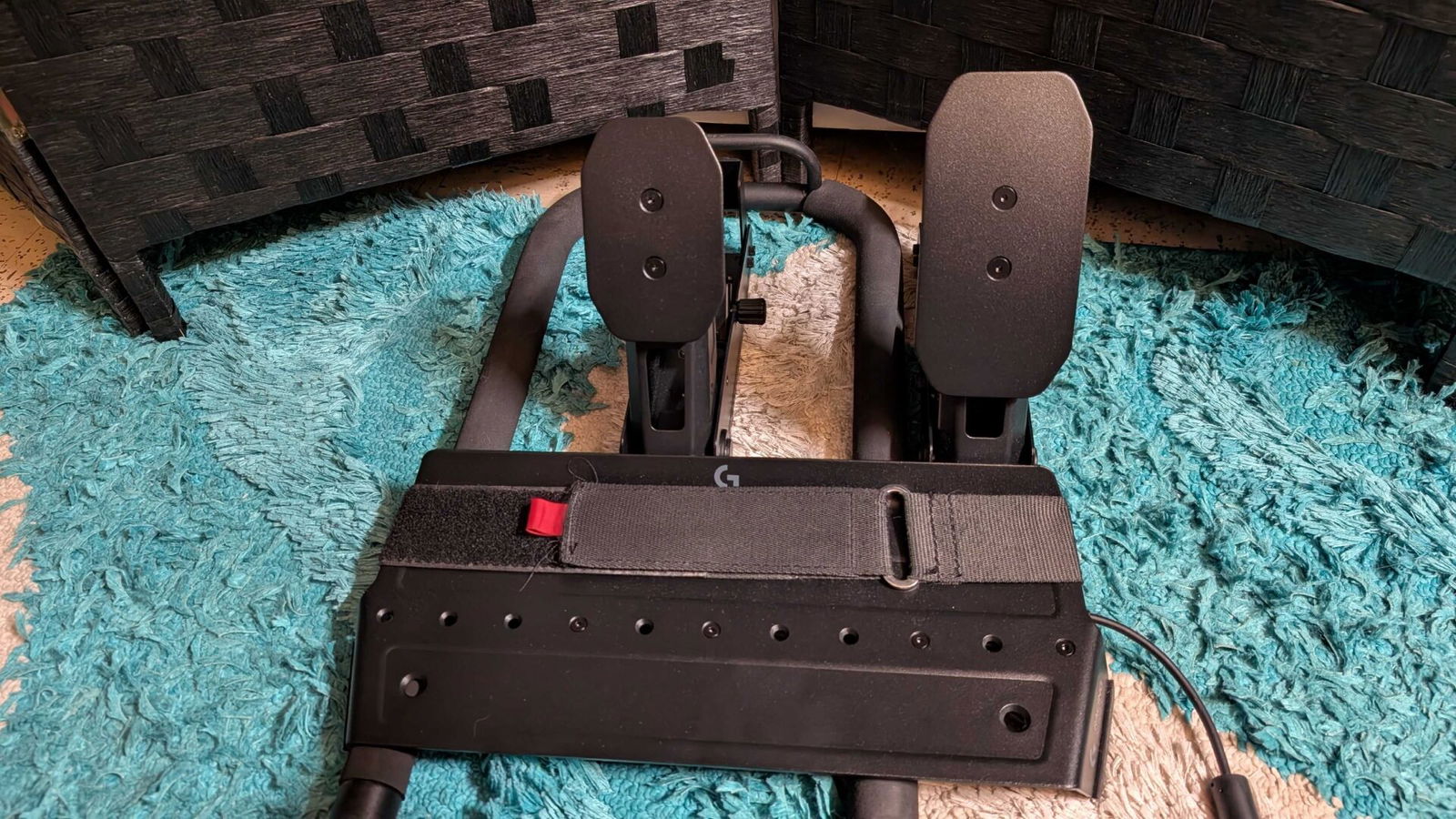
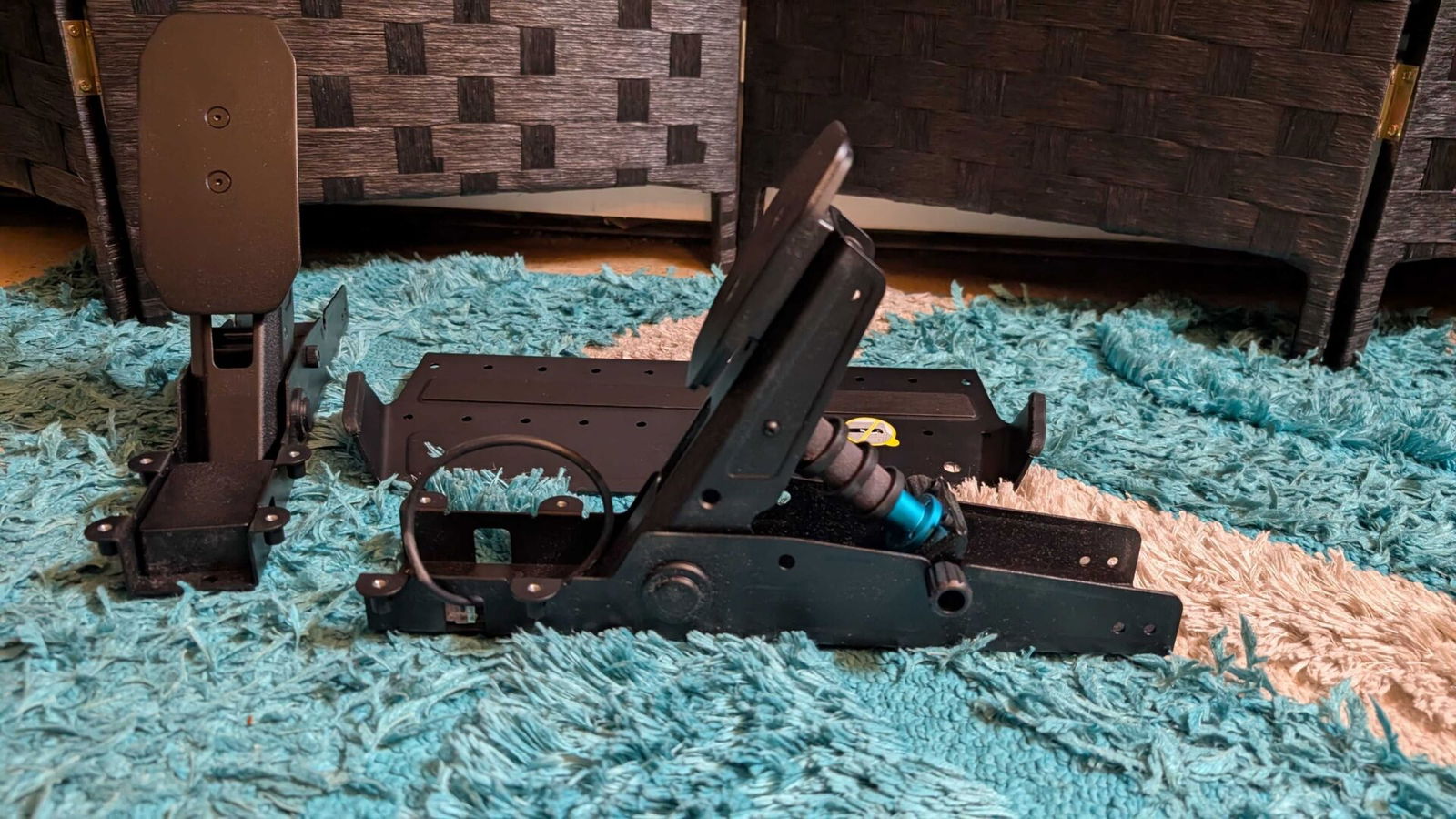
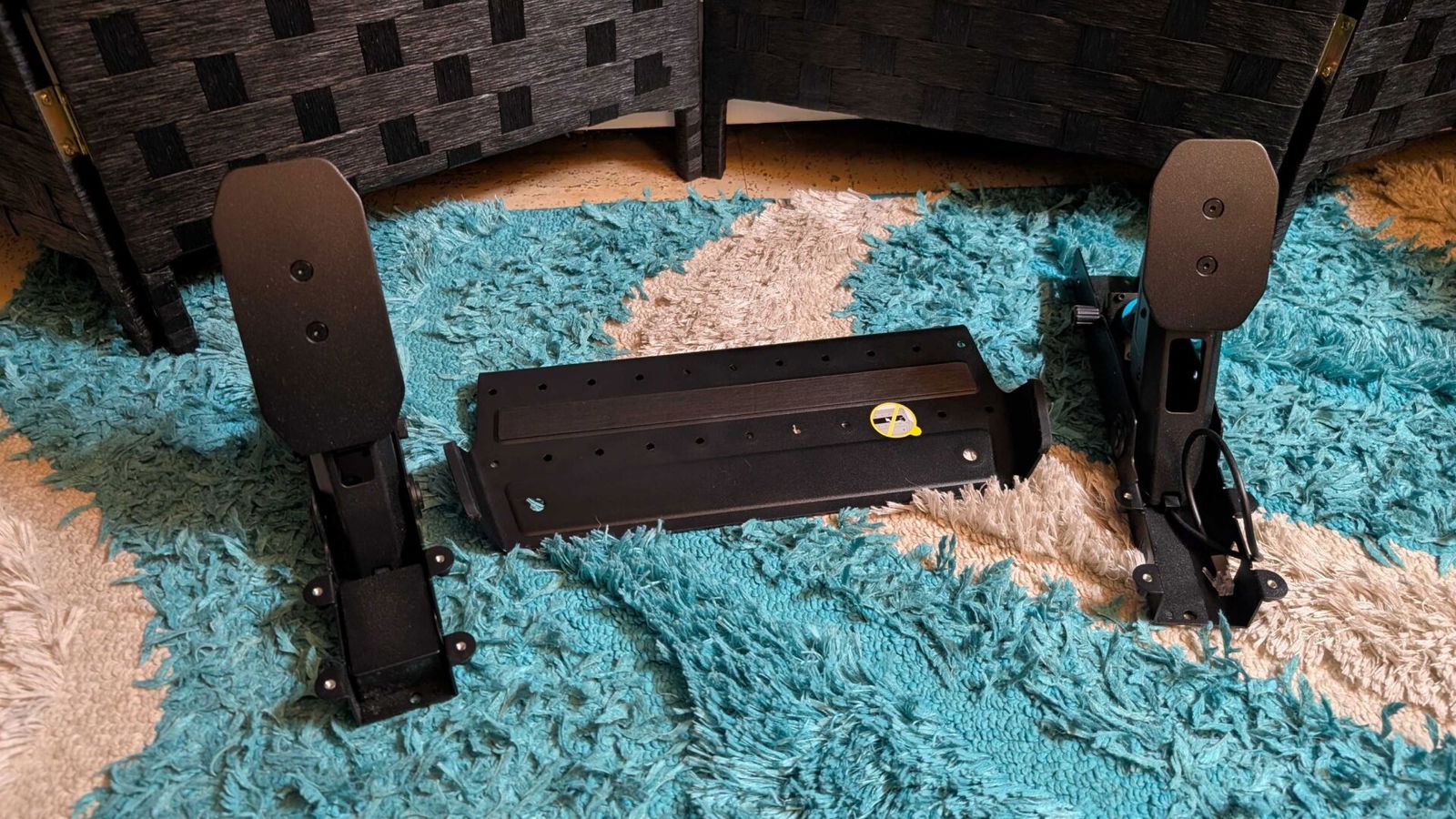
Of course, none of this matters without pedals to get the car moving. The RS Pedals are easy to use and simple to install with the RS50 System. After unboxing them, I quickly realized I needed to mount the pedals onto the base plate. Installation was straightforward: each pedal requires four small screws (included), and they slot into pre-drilled holes so you can space them to your preference. Logitech also includes stoppers to attach to the ends of the pedals if you position them against a wall, dresser or table, helping prevent damage to your setup.
“The RS Pedals themselves are extremely well built, employing a steel frame and metal pedal arm construction.”
Once the pedals were installed, I connected them to the wheelbase and—pardon the expression—was off to the races. The RS Pedals are well built, using a steel frame and metal pedal-arm construction. The accelerator pedal uses Hall effect technology to deliver a reliable, predictable input response. The brake pedal uses load-cell technology to provide realistic braking control with 165 pounds of force resistance, adjustable through the G Hub software on PC. This gives you greater control over braking inputs—improving trail braking and helping you place the car more accurately on track. Control is everything for a racing driver, and the RS Pedals deliver that control in spades.
With all the positives noted so far, what could be considered a drawback? As is often the case in the sim-racing niche, cost is the main concern. The RS50 System and the RS Pedals are sold separately, which is not an issue, as the wheelbase can be paired with your existing G Series pedals if you prefer. The RS50 System is priced at $799 CAD and the RS Pedals at $229 CAD, bringing the total to just over $1,000.
When similar entry-level options like Fanatec’s GT DD Pro are available at a lower price, it becomes harder to justify the expense. There are clear differences between the setups, and arguments can be made for each, so I recommend that users decide what features matter most to them. Personally, I enjoy the Logitech ecosystem and would recommend it, at least as a comparison point, to any of my racing friends.