
ShiftCam is a brand focused on enabling photo enthusiasts and amateurs to take their photography further with the smartphone they already have. With a plethora of mobile-first gear available, ShiftCam has developed an entire lineup of universal lenses specifically designed to work with your existing hardware. As an amateur photographer who relies heavily on Mirrorless cameras, I was interested in experiencing photography through the lens of mobile shooting. So armed with the LensUltra 16mm Wide lens, 60mm Telescopic lens, the universal lens mount and Snap Pocket Light, I was eager to see how the system worked.
The Kit:
For this review, ShiftCam graciously sent over a great starter collection of gear. The two lenses feel absolutely premium, with full glass lenses, aluminum casings, easy-twist connectors, and even mounts for ND filters that fit ShiftCam’s lineup. It feels very similar in construction to many of the lenses I have in my kit for the Sony a7R I use here at the office.
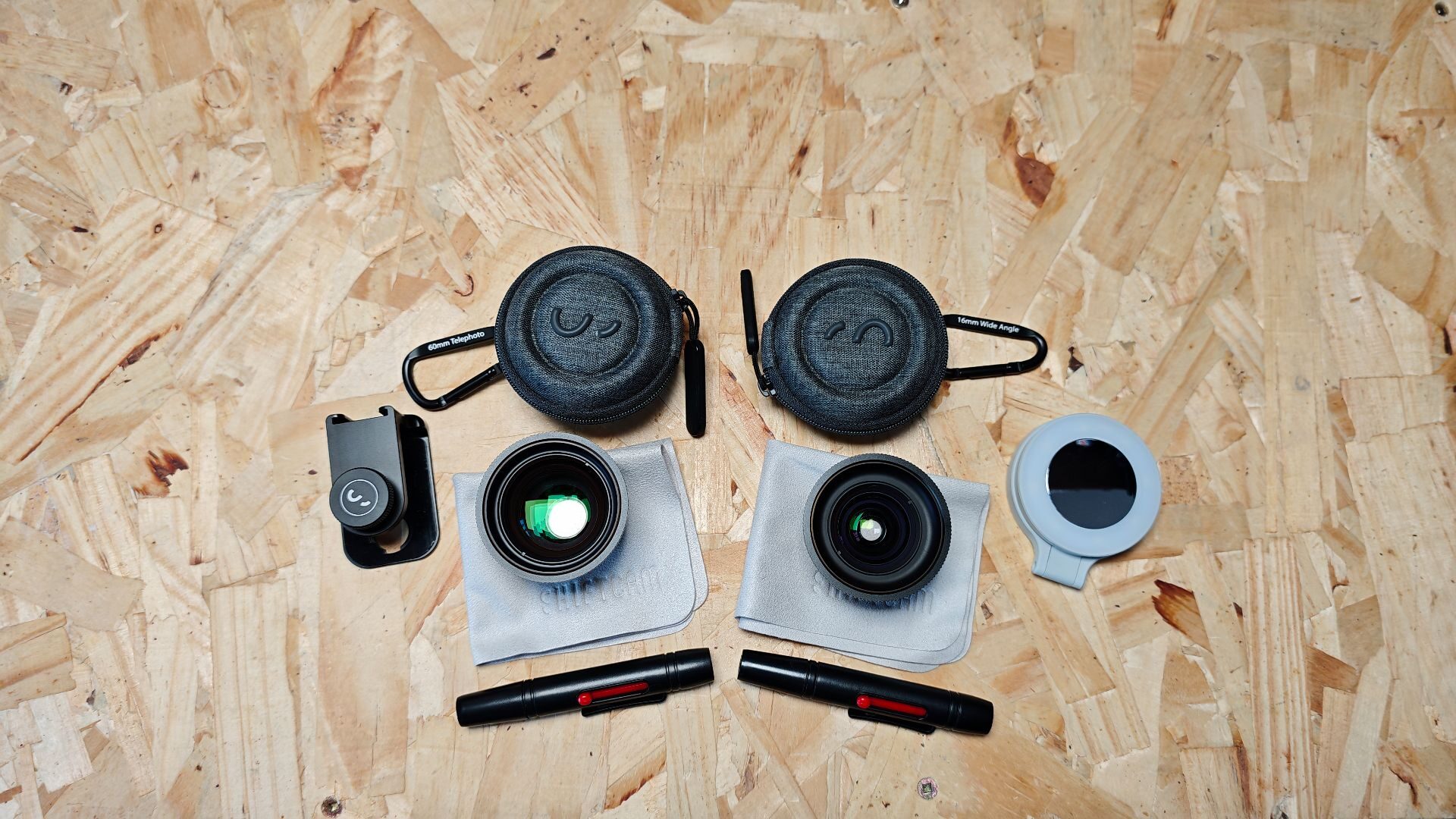
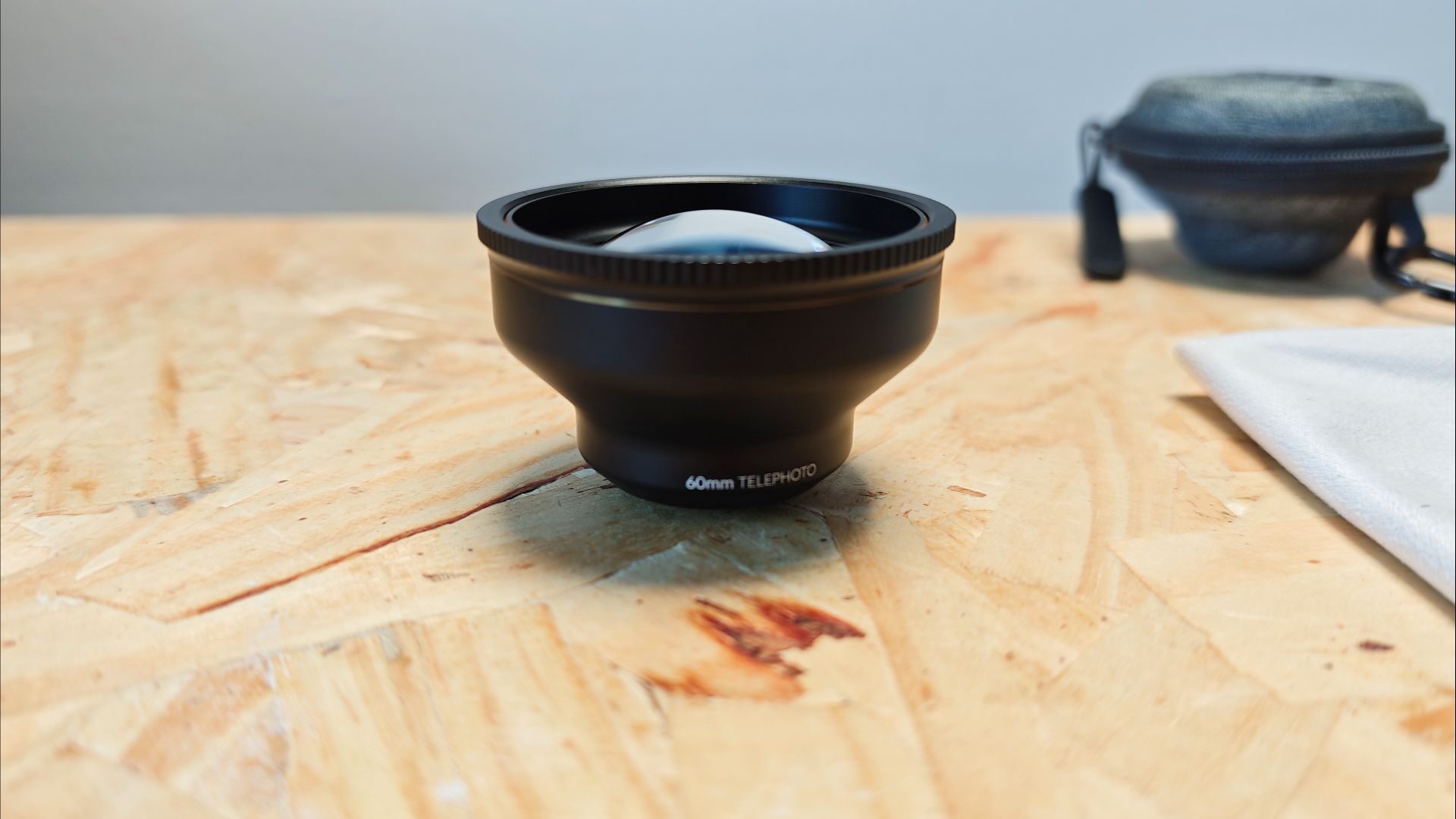
The ShiftCam 16mm Wide Angle is compact and lightweight, measuring 56 x 26.4mm and weighing 76.6g. The 60mm Telephoto measures slightly larger and heavier, at 56 x 35mm and 109.3g. Both come with a convenient, labelled carry case with an attached marabiner-style clip for easy transport. Each also comes with a microfibre cloth and dust brush to help keep the lenses looking pristine.
“As a universal mount, ShiftCam’s design works well enough and easily fits on the four phones I tested.”
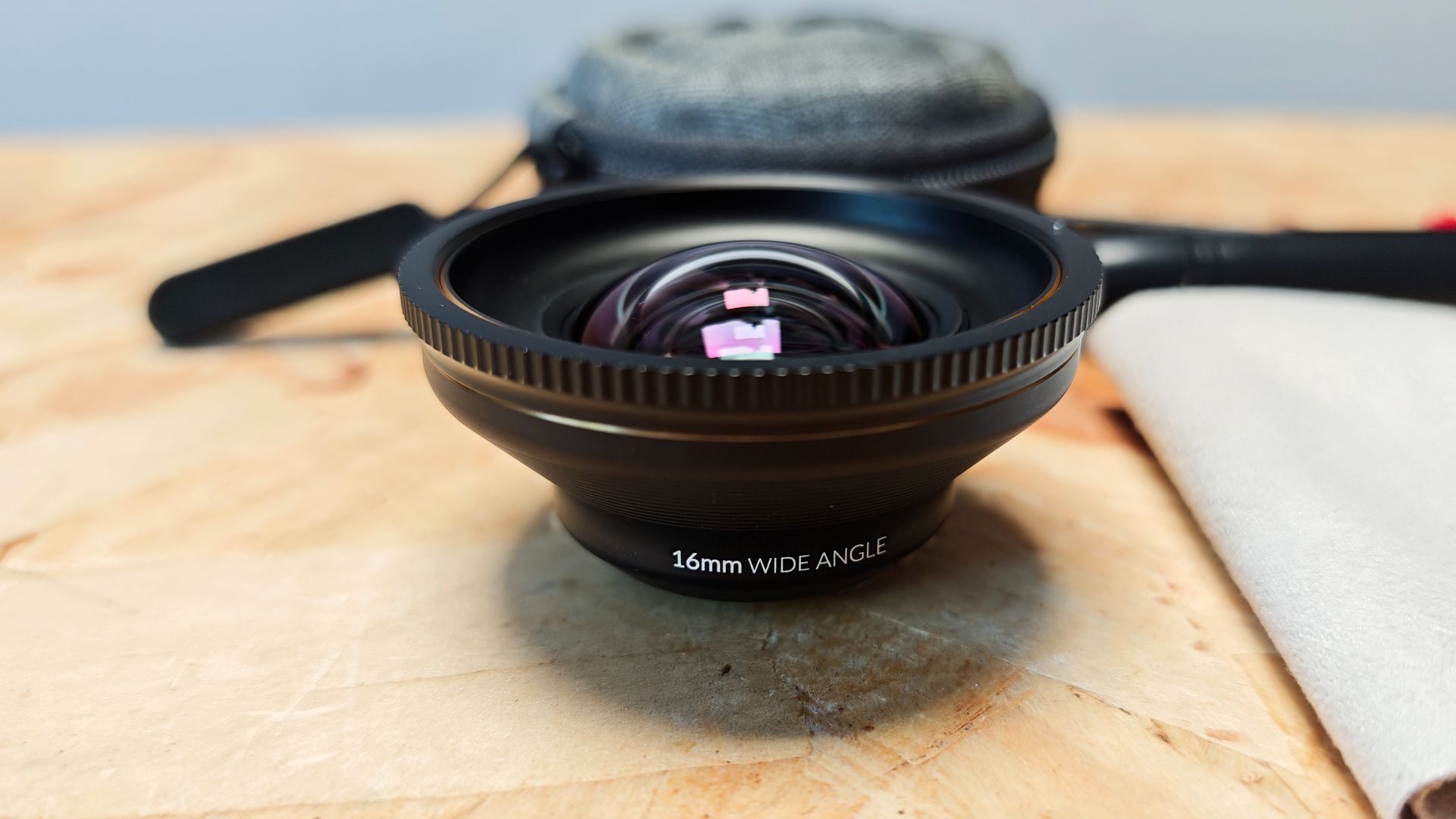
The 16mm Wide Angle offers 0.7x magnification, comparable to my Poco F8 Ultra’s wide-angle camera option. It offers a solid 100° field of view and provides a deformation of less than 1%. As for shooting distance, the 16mm Wide Angle provides a solid offering, with a minimal focus distance of 70-90cm.
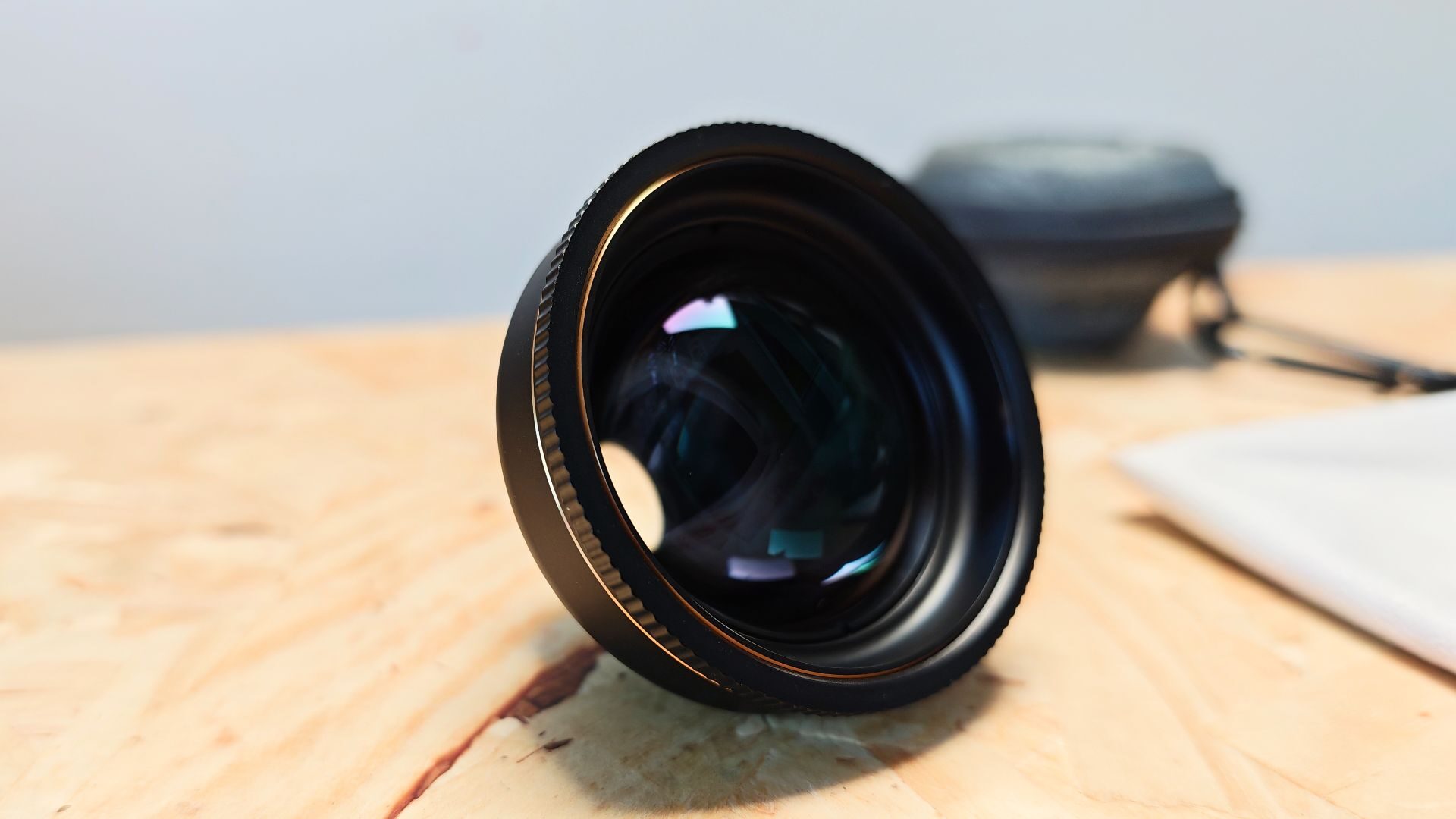
The 60mm Telephoto, by contrast, offers a 2x magnification with a 48° field of view. While it has the same deformation at less than 1%, the minimal focus distance is only 30-40cm, which makes sense given the nature of the lens. Both lenses are composed of fluorite crystal, a material known for exceptional light pass-through and minimal colour distortion. Both also come equipped with the company’s S.Mount system.
While ShiftCam does offer Smount-specific cases, these come with limited phone case options. They also offer the Universal Lens Mount for the S.Mount system, with a built-in cold shoe mount. Essentially a clamp with a tension thread, the Universal Lens Mount slides onto your phone of choice with two preset S.Mount points, one of which should align with your primary phone camera. Once lined up, simply tighten the clamp until it’s secure.
“The ShiftCam 60mm Telephoto lens offers a great 2x optical zoom.”
While it worked as intended, I had some trepidation about tightening the padded clamp to my phone screen. While there was absolutely no damage to my phone screen from the clamp, I did note that swapping lenses often caused the Universal Lens Mount to slide out of place. To remedy this its key to hold the clamp in place while attaching/detaching a lens.
As for the lens mounting, the S.Mount only fits one way, with a quarter turn to secure or release the lens. Once in place, it holds well and stays put, making it a set-and-forget experience while shooting. While I would like to see a refined mounting system that doesn’t rely so much on pressure on my phone screen, it does work well enough and provides the necessary support for the lenses. As a universal mount, ShiftCam’s design works well enough and easily fits on the four phones I tested.
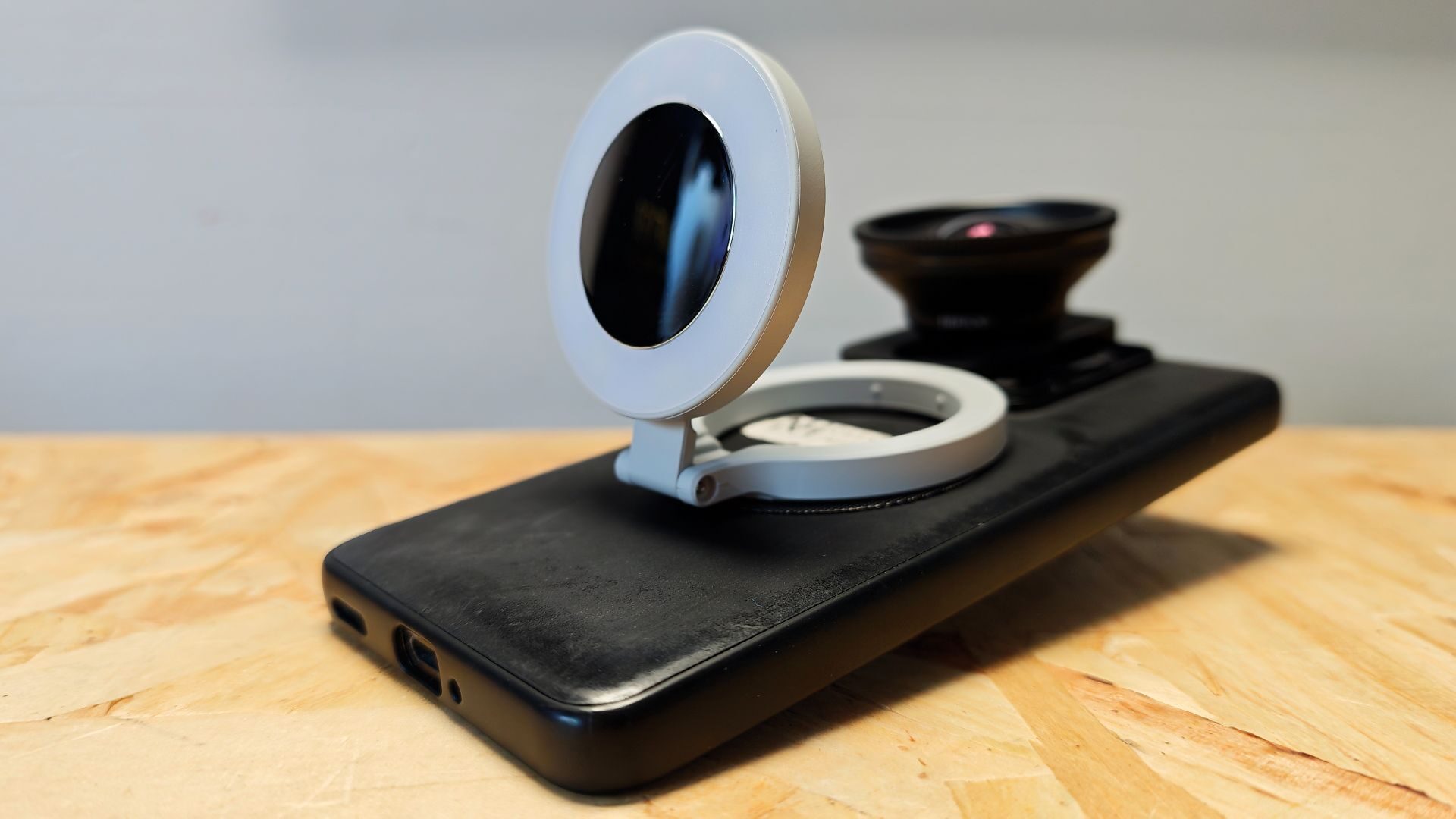
The final piece of kit provided was the Snap Poket Light. A magnetic LED ring designed to provide fill light for both the rear and front-facing camera, thanks to a built-in hinge system. Compatible with MagSafe phones/cases/grips, the Snap Pocket Light is a nifty piece of tech that does what it’s advertised to do. Chargeable via USB-C and with multiple levels of brightness, it’s a compact piece of tech that provides decent lighting for close-up shooting and filming.
A Quick Note On Shooting Tests
Both lenses were tested on a Poco F8 Ultra, shooting with the phone’s primary lens. Comparison Samples for both lenses were shot in automatic mode to provide a straight comparison between the camera and the camera with the lens attached. While I’ll unpack this in more detail below, I discovered during testing that to fully utilize these attached leases, I’ve found that shooting in manual mode on the phone is the better option.
As you’ll note in many of the comparison photos (especially the 16mm), highlights can appear a bit overblown when shooting in automatic mode. In the sample photos, I was able to correct this with manual adjustments to ISO, aperture, etc., resulting in much cleaner shots for the most part.
I note this because it’s important to understand that if you’re committing to external lenses, you are diving into a much richer, albeit more challenging, photo shooting experience. Even having spent some time shooting with mirrorless, there was still a bit of a learning curve when testing the Lens Ultra lenses. If you are looking to get the most out of lenses, plan to learn how to shoot in manual mode; it’s worth it, and the results can be great. With that being said, let’s jump into shooting with each lens.
Shooting with the 16mm Wide Angle Lens
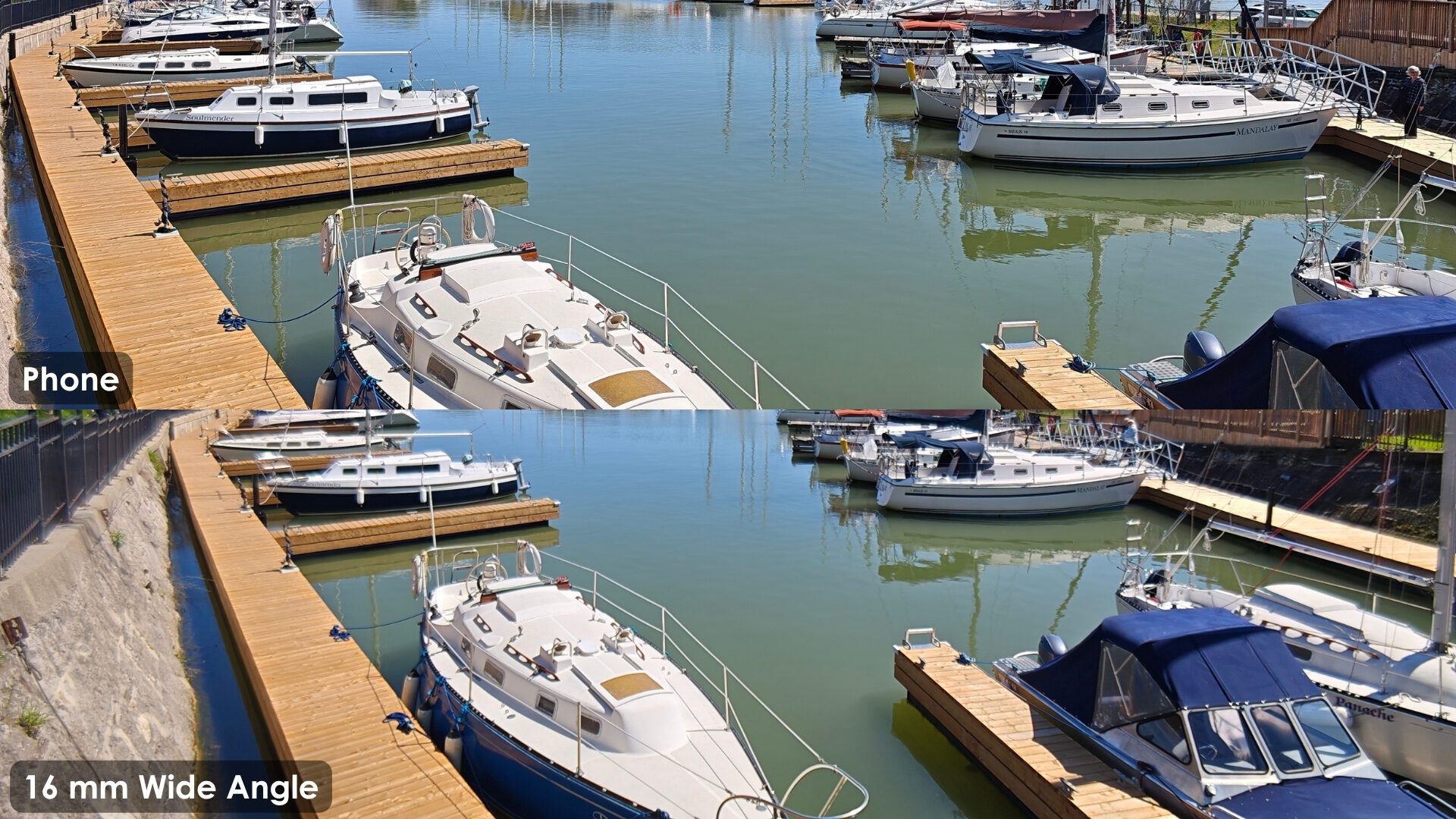
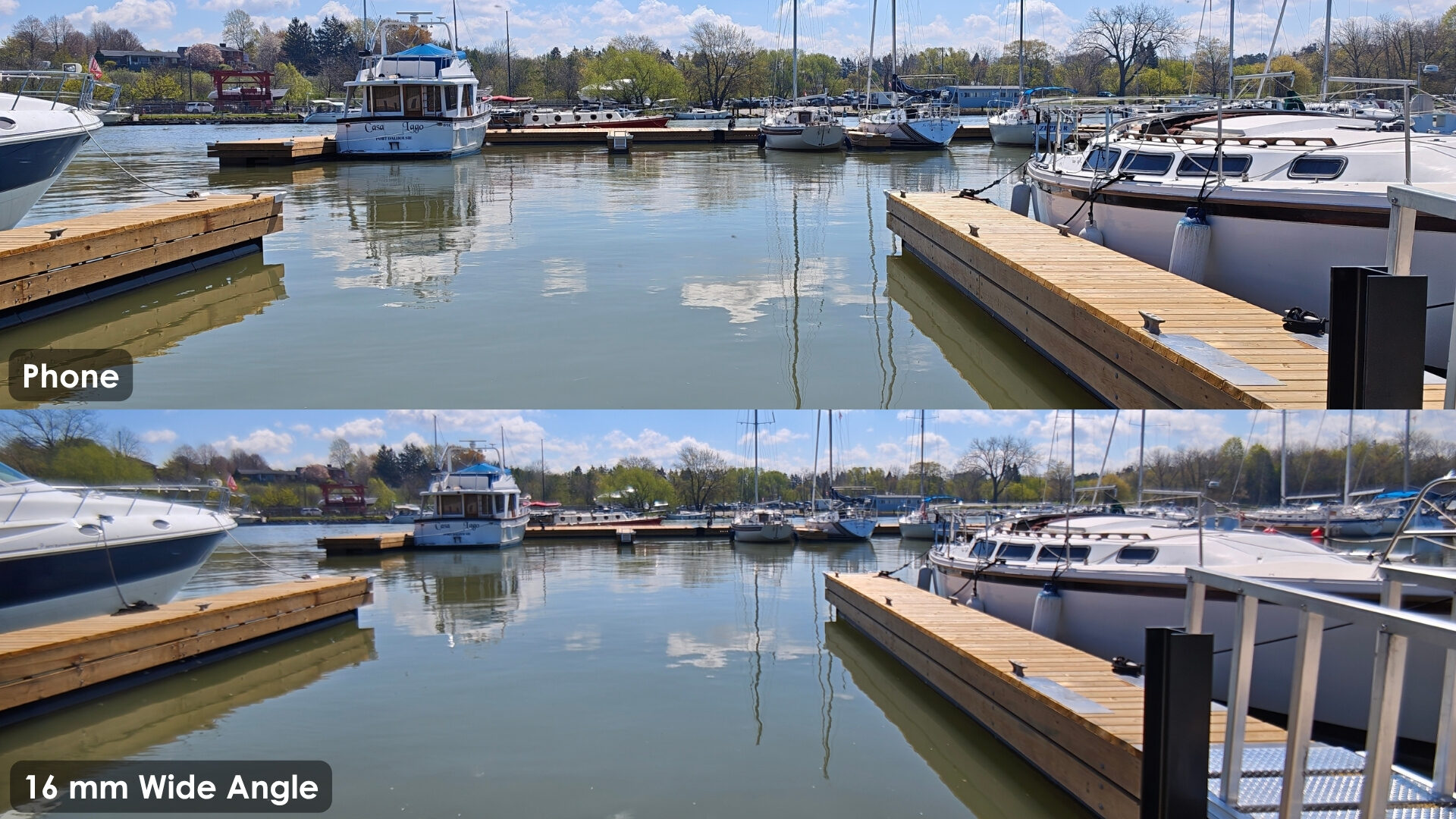
The 16mm Wide Angle offers a solid wide-angle experience, with a field of view similar to phones that support 0.7x shooting. In the comparison shots below, the 16mm lens makes a notable difference compared to shooting with the standard main camera lens. The shots are opened up and wider, which is what I would expect to see with a 0.7x lens.




I did note during shooting that the 16mm does a great job of focusing on the subject, but struggles to maintain clarity on some objects near the edges of the frame. This was a somewhat sporadic issue throughout testing: some photos maintained clarity when shooting in automatic mode, while others showed objects on the edges with less detail. I was able to clean this up when switching to manual settings, as seen in a couple of the sample shots.
The colour profile captured by the 16mm was spot on and looked great. In this regard, the 16 mm Wide provides great colour representation. The only thing of note here is that in exceptionally bright settings, the lens overexposes highlights when shooting in automatic mode, creating a bloom effect around the edges of lighter objects. Again, this is correctable by switching the ISO to manual mode, but it can be problematic if you’re point-and-shooting.
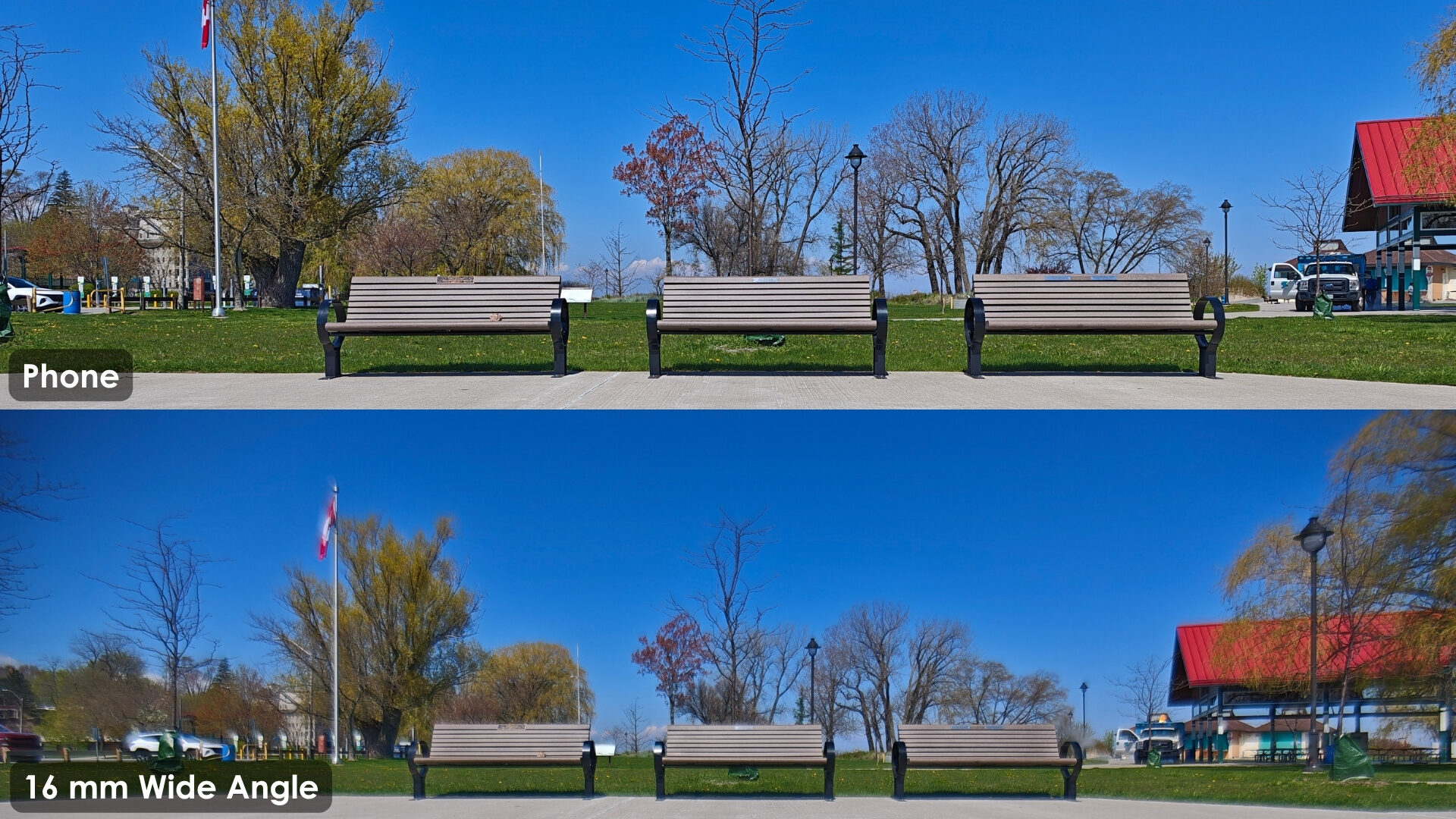
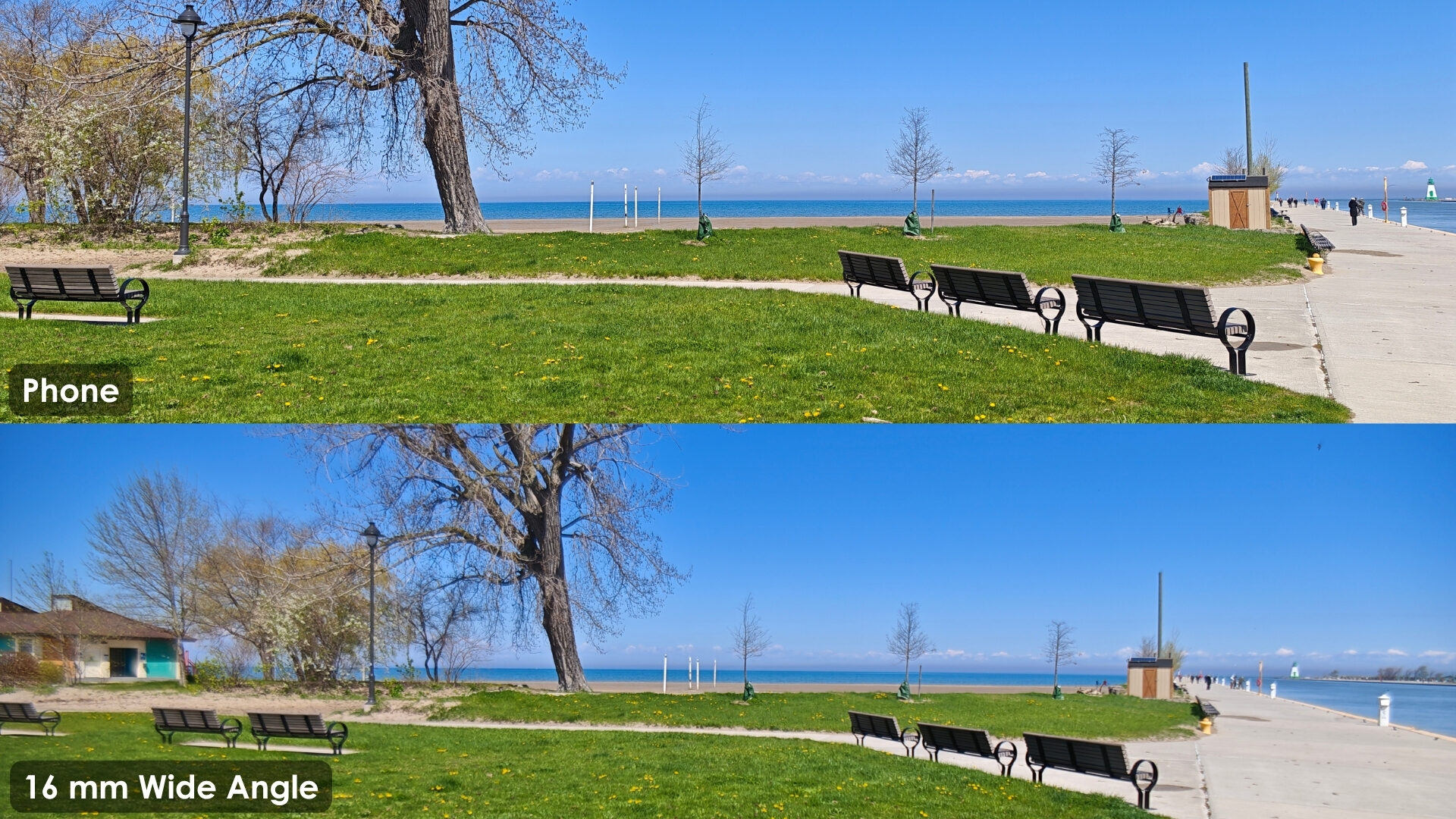
The overall experience with the 16mm is fine, but not amazing. It provides a solid field of view for wide-angle shooting and works if your phone doesn’t support 0.7x wide-angle shooting. With some work and adjustments, you can create great wide-angle shots that move you away from some of the AI-powered shooting that smartphones are known for, but it will be an adjustment for those new to shooting with lenses.
Shooting with the 60mm Telephoto Lens
The ShiftCam 60mm Telephoto lens offers a great 2x optical zoom. This was my preferred lens of the two provided, as it didn’t struggle as much with issues like fuzzy edges and overexposure as the 16mm did. Having optical zoom on a phone camera is such a nice treat, as it allows for some great, natural-looking photos. Focus wasn’t an issue when shooting in automatic mode, either, which was nice. This did allow for much quicker point-and-shoot setups, requiring no additional adjustments to capture a good shot.
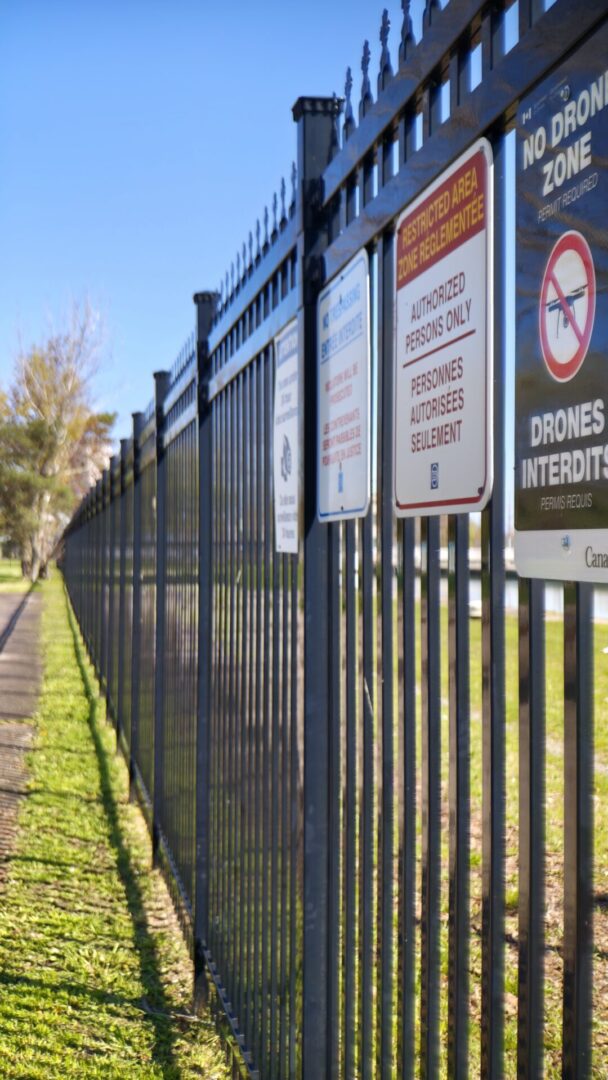




The colour profile was also great, with blues toned down a bit and reds coming through slightly more overall. The result is an image that presents as slightly warmer than the base camera lens. As someone who typically leans towards warmer colour profiles, I find the 60mm hits that sweet spot.
As you can see in some shots, light artifacting is a reality to contend with and something you’ll need to be prepared for when using glass lenses in general. It’s important to remember that lens flare is absolutely a thing when shooting through glass, and while AI handles it normally when shooting with a smartphone, the addition of an external lens seems to negate whatever AI would do here.
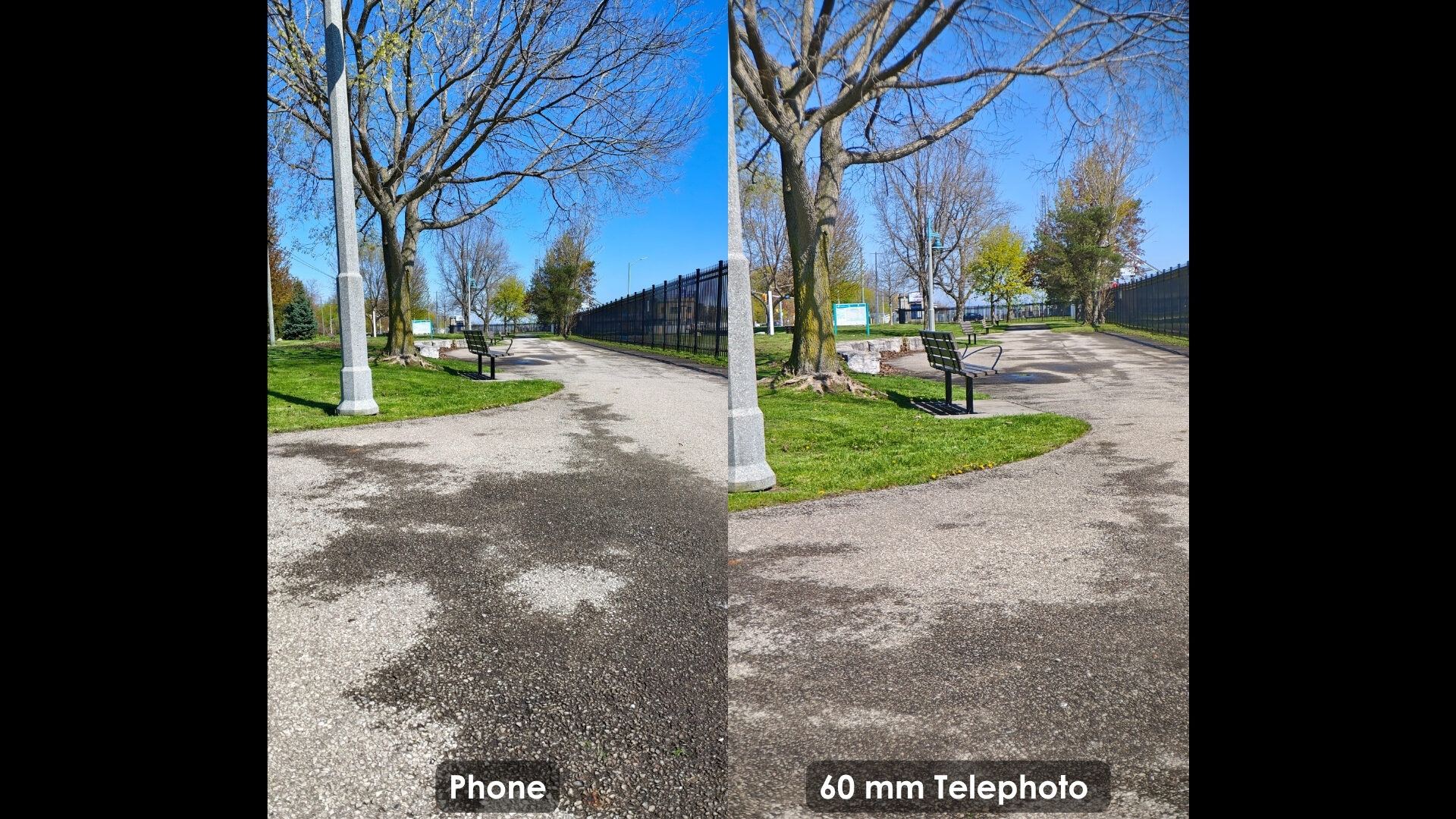
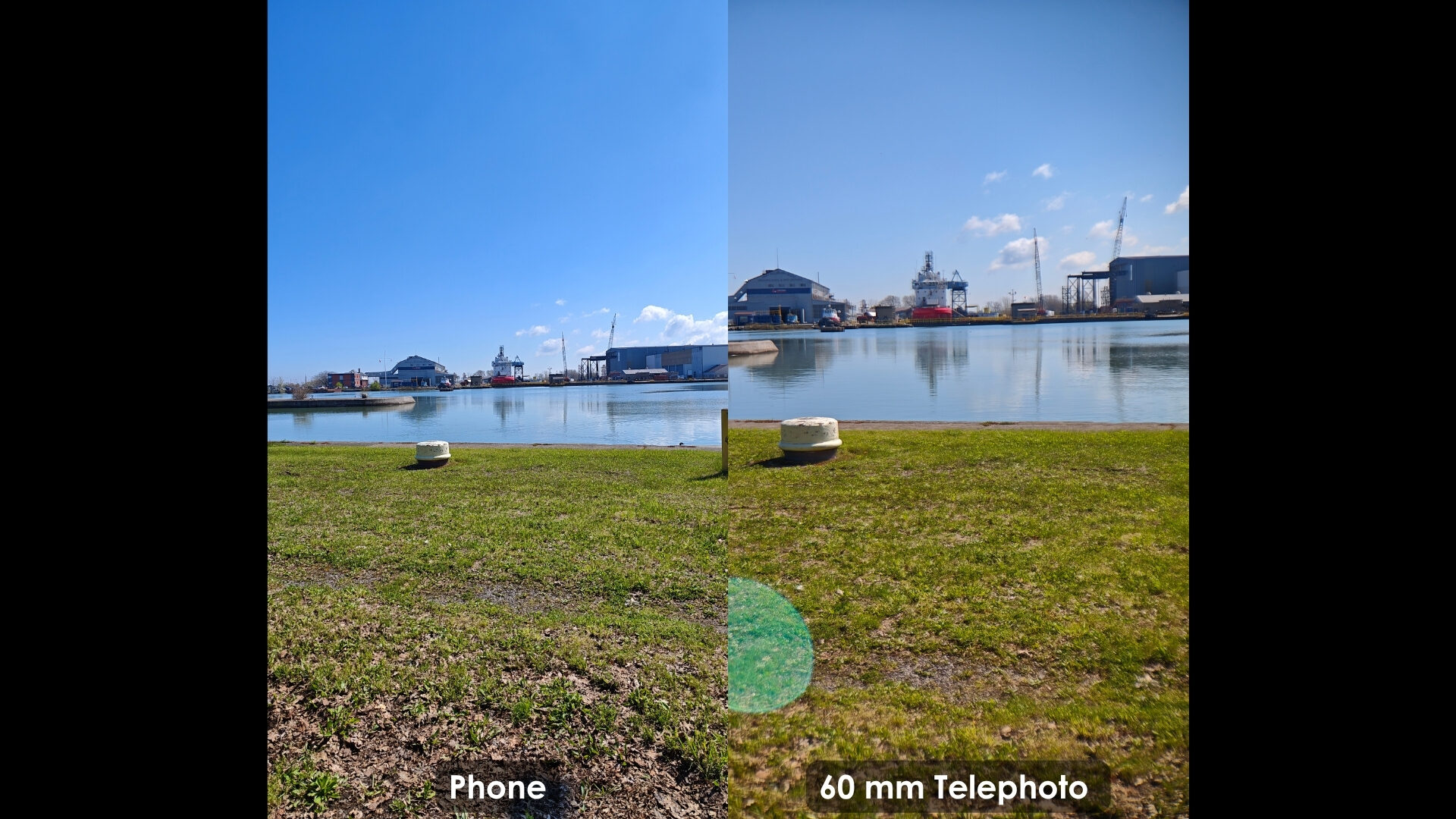
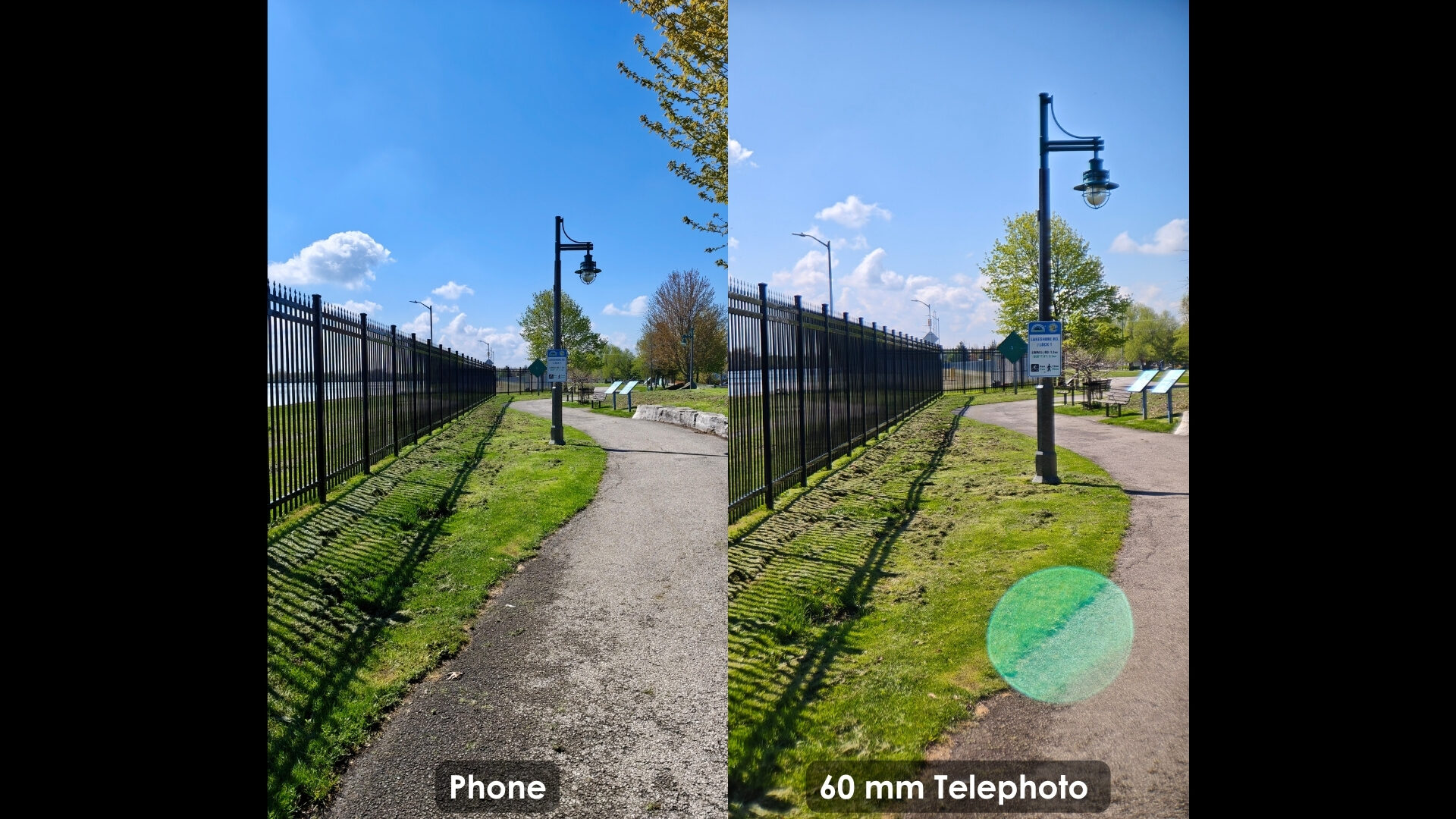
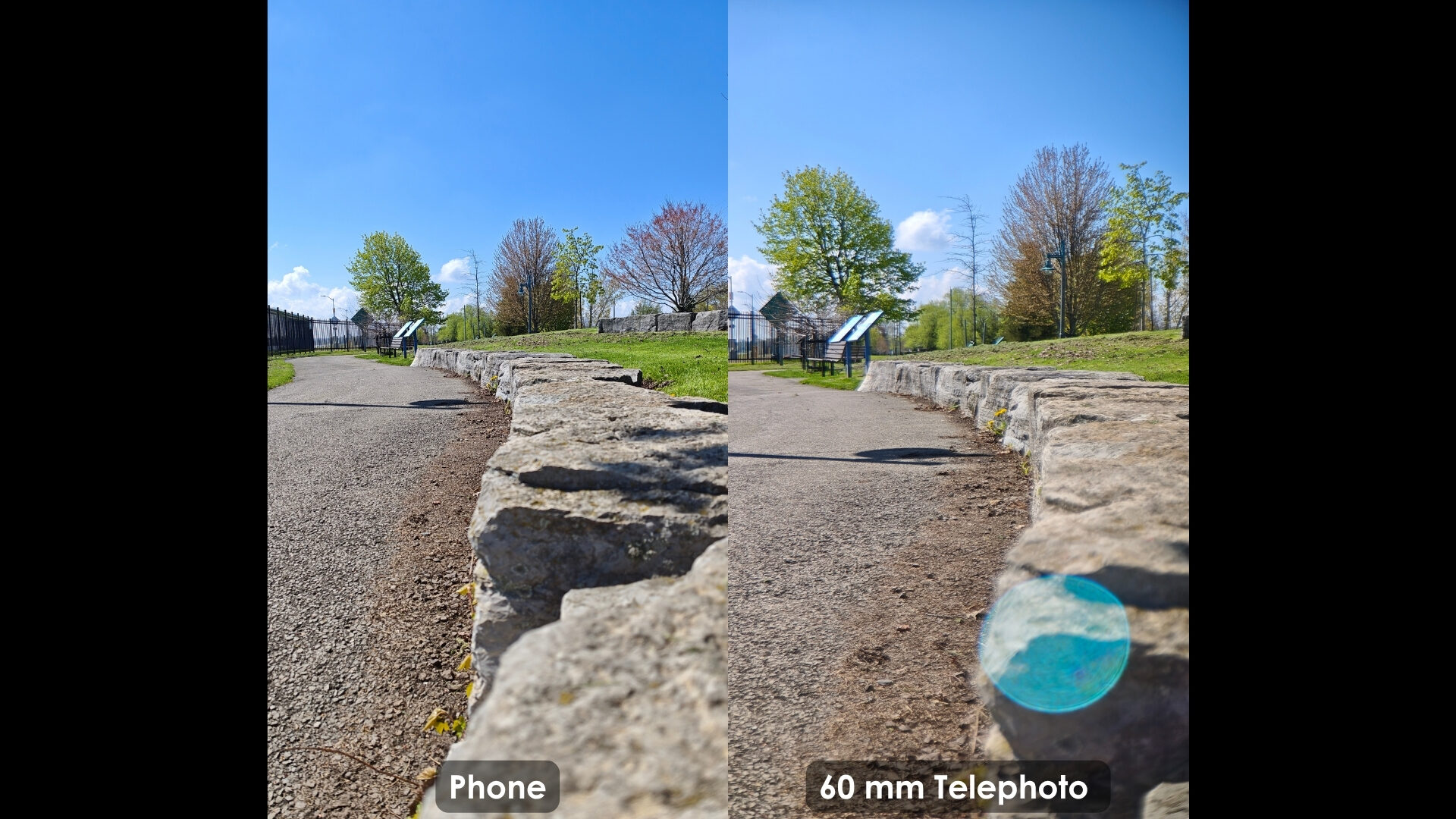
That being said, I really enjoyed shooting with the 60mm. It offered a nice optical zoom experience that I’ve not had on a smartphone. As a result, it allowed for some unique shots I wouldn’t normally take without getting up close. While it does require a bit more work, and I would still recommend shooting in manual mode to maximize the capture experience, the 60mm is a solid external lens that does enhance the shooting experience.
“The ShiftCam LensUltra lenses are a good entry point for people curious about photography, a chance to dip their toes in without taking the plunge.”
The ShiftCam LensUltra 16mm/60mm lens experience truly enables photo amateurs and enthusiasts to develop their photography skills without having to make the financial jump to a DSLR or Mirrorless. While there is still room for improvement in both the lenses and the mounting system, it’s a great starting point. For an external glass-lens experience on a Smartphone, all the components in ShiftCam’s kit are reasonably priced. The LensUltra lenses are a good entry point for people curious about photography, a chance to dip their toes in without taking the plunge.