

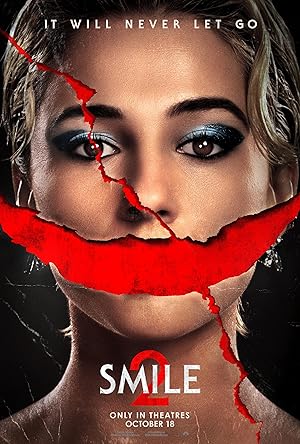
Whether Smile needed a sequel was beyond anyone’s expectations; however, this film solidified it as a potential horror franchise. Parker Finn returns to write and direct Smile 2, going to a bigger stage than the first. Fictional global pop star sensation Skye Riley (Naomi Scott) is about to go on her new world tour but begins to experience terrifying and inexplicable events. While on tour, the horror starts to escalate, adding to the rising pressures of fame and her past traumas and substance abuse coming back to haunt her as well.
The story and main plot beats were conceptually a great idea. It was nothing new, but it was its visceral nature that saved it all. The descent into madness of a pop star or celebrity figure has been told time after time, so it felt like something relatable or something audiences can reference in other films or TV series.
Hot off the TIFF 2024 circuit, The Substance has emerged as the latest sensation in body horror, deftly exploring the intersection of celebrity culture and mental health. What Smile 2 lacked was either getting more scares in or speeding up the jump scares just a smidge. The best factors of the first Smile film were its slow burn moments, but they came at all the right moments. There were moments in this one which felt unnecessarily slow and wanted me to sit with the tension, but it was not really worth the wait. Maybe my tolerance has built up over time to the grotesqueries of horror films.
“What Smile 2 lacked was either getting more scares in or speeding up the jump scares just a smidge.”
The cinematography in Smile 2 was about as good as the first film; it contained the b-roll drone shots that spin the camera upside down and had many slow pans to emphasize that the character was slowly looking around. It is a silly trope because no one who is really scared looks around that slowly, like their head is on a swivel.
The slow zoom-ins were great; the match cuts made me chuckle at how surprisingly good it was, and the hard cuts to the scares between Skye and the monsters were still interesting. There were a lot of experimental shots here, just like the first one—not as jarring with the many camera angles and choices as Madame Web though.
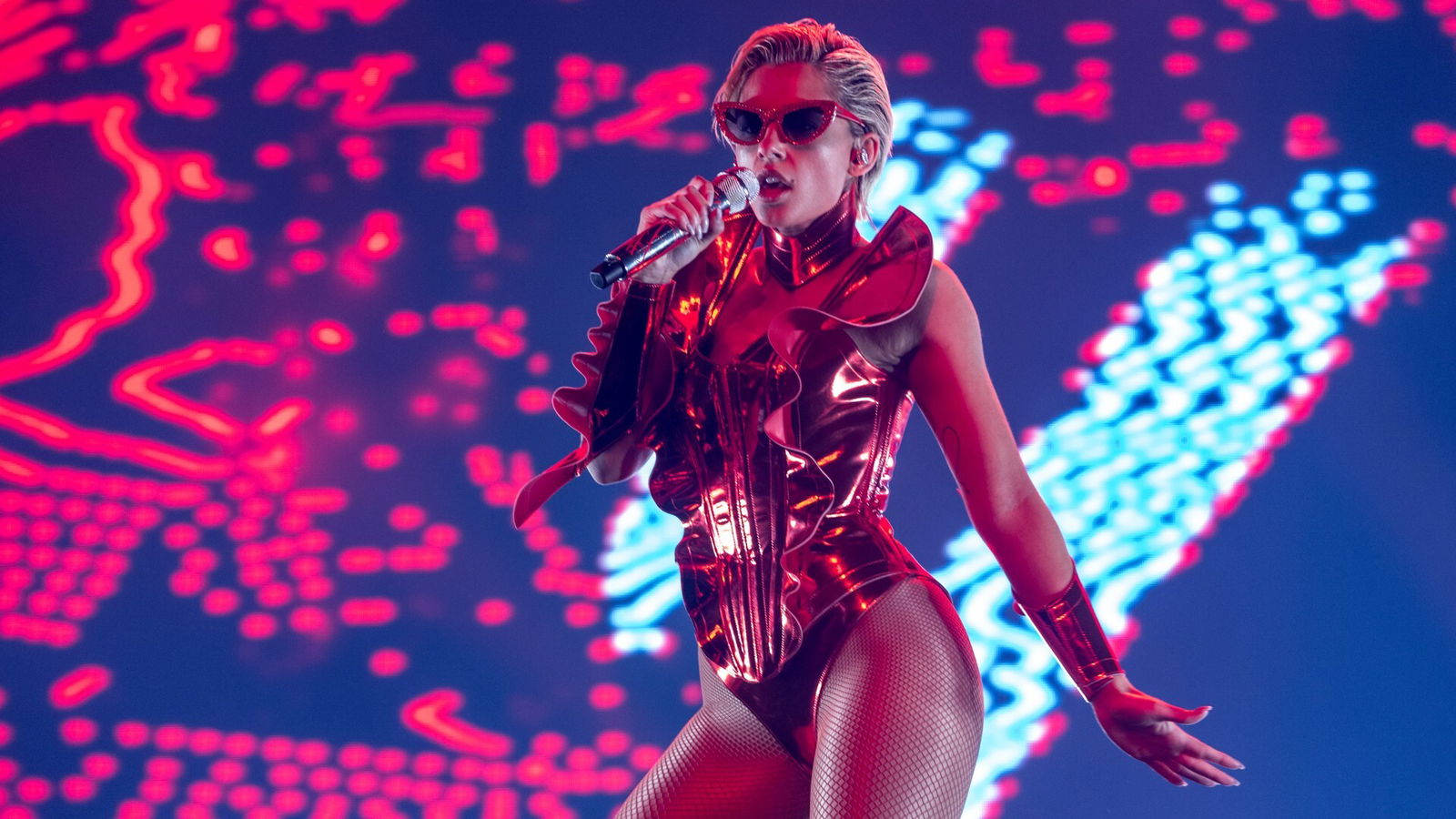
Choreography was a major plus to this sequel versus the first movie. Because she is a pop idol, the creativity of psychological horror was ramped up in this one. There was one sequence where a bunch of backup dancers did some Elden Ring or Voltron pseudo-body-morphing thing that looked cool.
The score continued to hold its own. Cristobal Tapia de Veer returned to score the film, and it was cool what he did to build on the first Smile’s theme. He was able to mix Scott’s screams and other horrific sounds into the actual songs Scott made for her character, Skye. As for the soundtrack they made for this film, I felt like it was underutilized in the film.
“This cast list was stacked with familiar faces, but each one played their part well enough not to outshine Scott’s stunning leading performance.”
Much like M. Night Shyamalan’s Trap, Smile 2 also made its own in-world soundtrack for Skye. But where Seleka Night Shyamalan’s Lady Raven had some catchy beats, Skye was more melodic and took a backseat in the film. Sadly, there was not a lot of singing in this movie, which seems strange considering the premise of this film. It does have an explanation, but I felt like it could have used Scott’s wonderful voice more.
This cast list was stacked with familiar faces, but each one played their part well enough not to outshine Scott’s stunning leading performance. Not even Drew Barrymore being herself in this took anything away from Scott’s moment, as it was more of a cameo than anything. There was a funny moment while watching when I realized both of them were in an iteration of Charlie’s Angels.
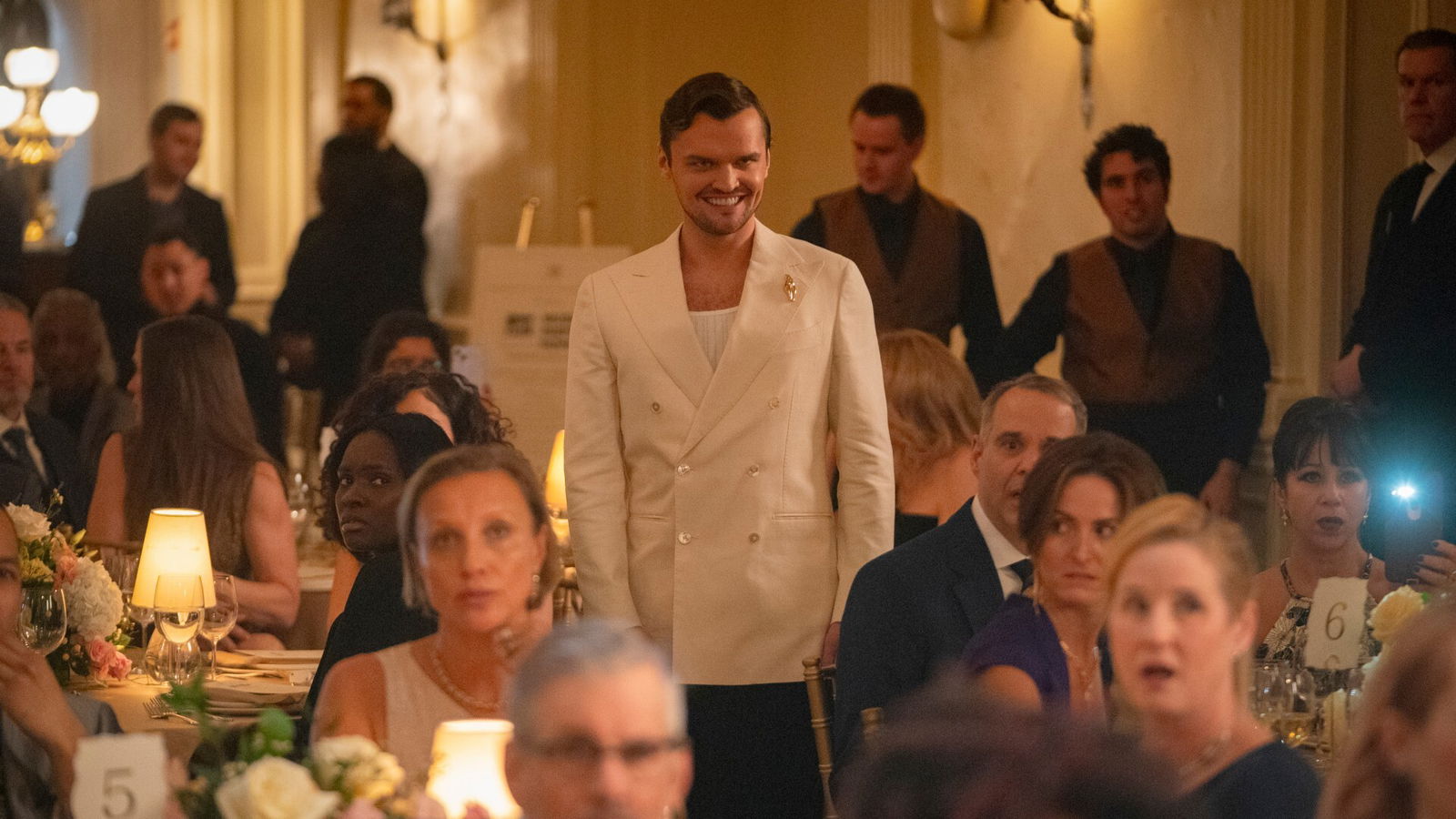
The acting of Scott donning the popstar Skye Riley was top-notch. Her depiction of a pop star going mad from past trauma and supernatural causes was a stellar job from Scott. Her physicality can be applauded for some of the choreography she had to learn, and the fear on her face felt real at all times. If there was something that stuck with me from this film, it would be Ray Nicholson’s sinister smile and one of the little girls who came to Skye’s signing—both will be living happily in my dreams for a while. It is jarringly similar to his father, Jack Nicholson’s smile from The Shining or from Tim Burton’s 1989 Batman.
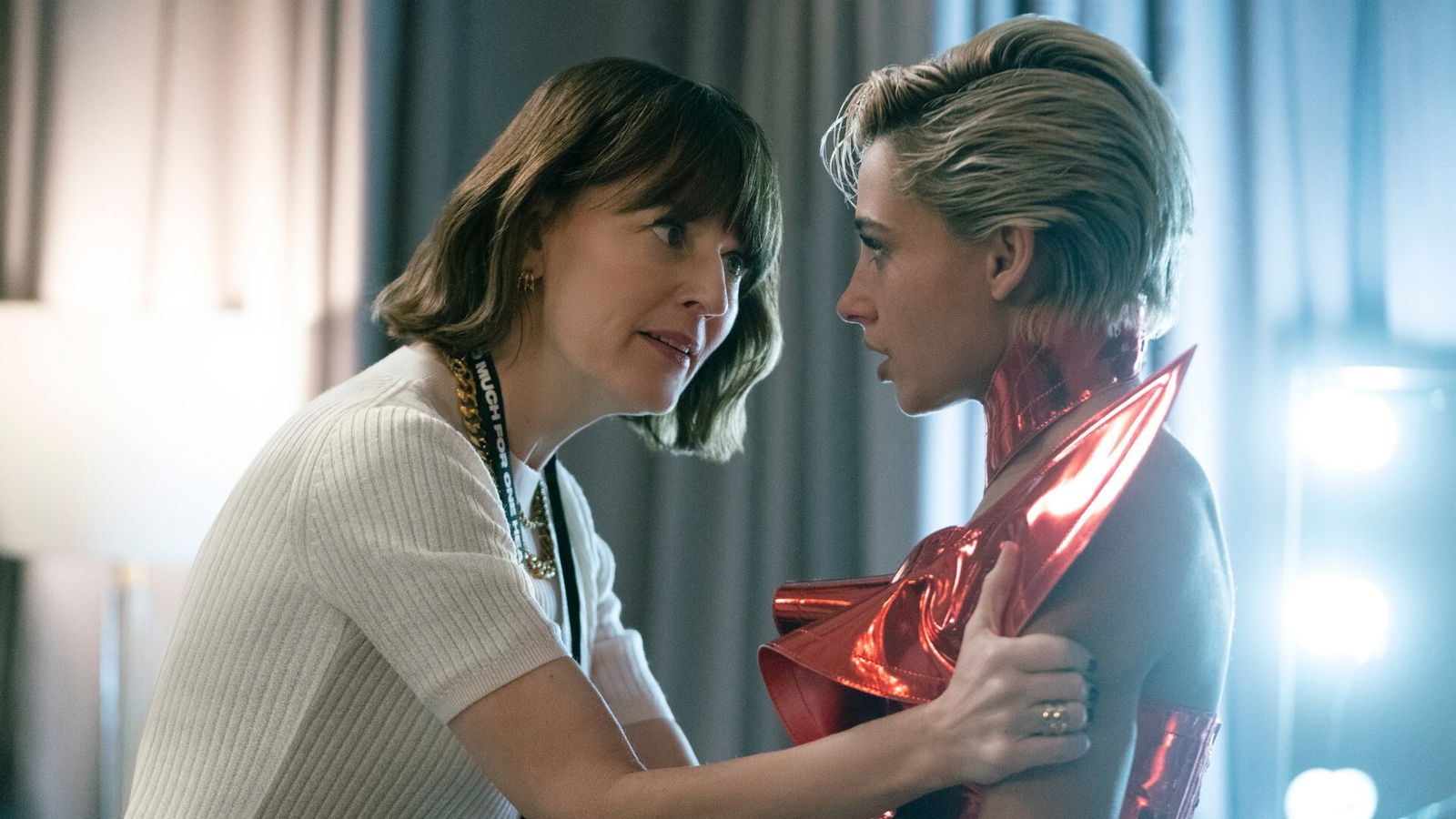
Everyone else in the film, like Rosemarie DeWitt as Skye’s mom/manager and Miles Gutierrez-Riley as Skye’s assistant manager, acted like the music tour was everything. This was the funniest part of the movie. Everyone is eager for the tour, except for Skye, and it’s understandable why. Lukas Gage, who plays a character connected to drugs, like in Netflix’s You, continues to land his role in another character linked with drug usage named Lewis. Perhaps he is just that good at selling the shaky, on-edge character so well.
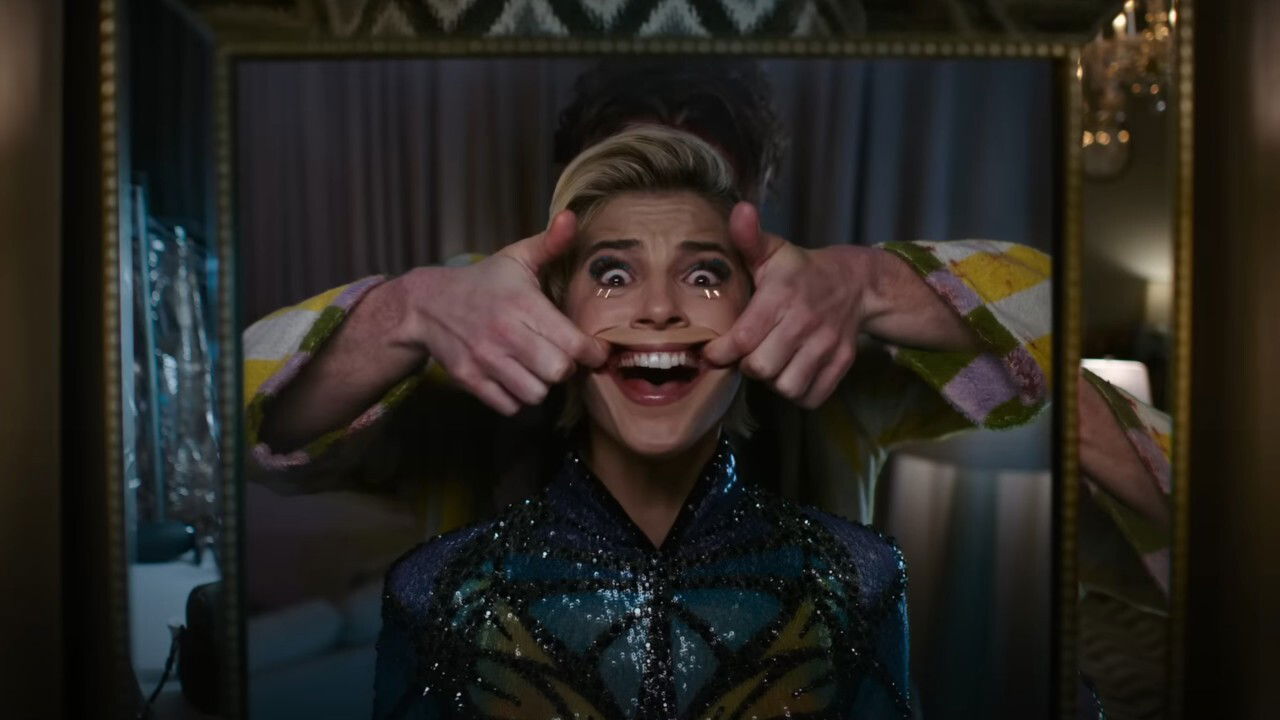
What could be said about Smile 2 as its own movie and as a sequel is that it expanded the lore of the first film, barely. It was captivating enough for me to stay interested in watching the film, barely. The practical effects mixed with the CGI and VFX work were still solid. The makeup and prosthetics nailed their parts with all the gore and body horror moments.
With all the great work that went into this movie, its story pacing still irked me. The additional lore introduced in the second and third acts feels forced, reminiscent of Finn’s storytelling in the first movie. For those who enjoy some good practical effects and want to see some interesting camera work, Smile 2 will satisfy that much.


