

Judging from the description of TIFF 2026’s Josephine, I knew I would be in for an emotional ride. Trauma in any way is difficult to watch, but when you see a child affected by it, especially as a parent, it is even more difficult. I walked into Josephine, tissues in hand, but I wasn’t quite prepared for what I saw. I would like to put out a trigger warning from here on out, as the film explores some dark themes, including sexual violence.
Writer and director Beth de Araújo took the stage at TIFF 2026 to discuss Josephine, mentioning that this is in part based on her life. In truth, that makes sense, because I don’t know how someone would want to write or explore these themes without feeling it somewhere deep down, from experience. With that weight, and knowing that Mason Reeves (who played Josephine) was in the audience, it made what I was about to see all that much more difficult.
The opening 25 minutes of the film introduce us to Josephine and her father, Damien (Channing Tatum), as we learn about his “there is no fear” parenting style. During a run through the park, they get separated, and Josephine witnesses a brutal sexual attack. De Araújo wants viewers to feel uncomfortable and even worse for Josephine, as she made the choice to show the entire graphic act in full, only occasionally cutting away to Josephine, reminding us that this was her horror too.
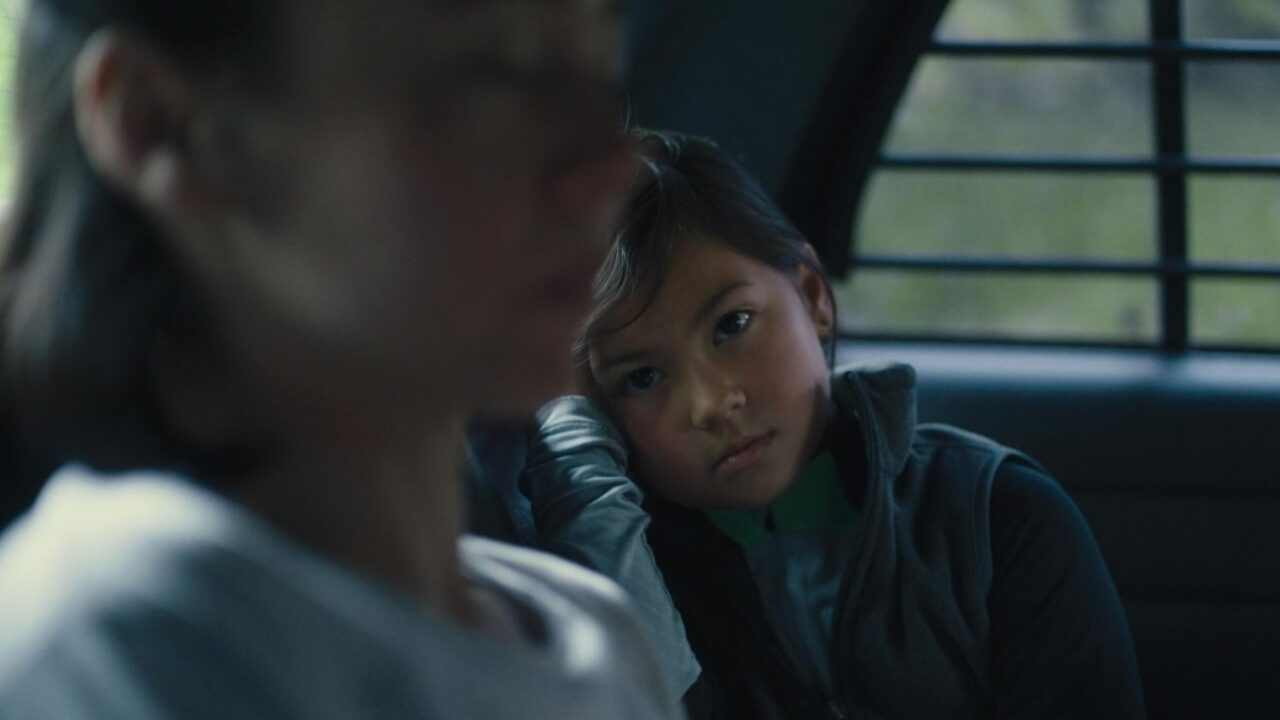
Usually, I find this sort of thing unnecessarily graphic and dark, as I have experienced in some horror movies, especially. Though I obviously would have preferred not to watch, I can understand the emotional stakes de Araújo was trying to emphasize, and it worked. For me, though, the worst moments were watching the small failures Josephine suffered at the hands of her father, law enforcement and more in the moments after. The actress playing the victim was heartbreaking, and I won’t forget the empty look on her face anytime soon.
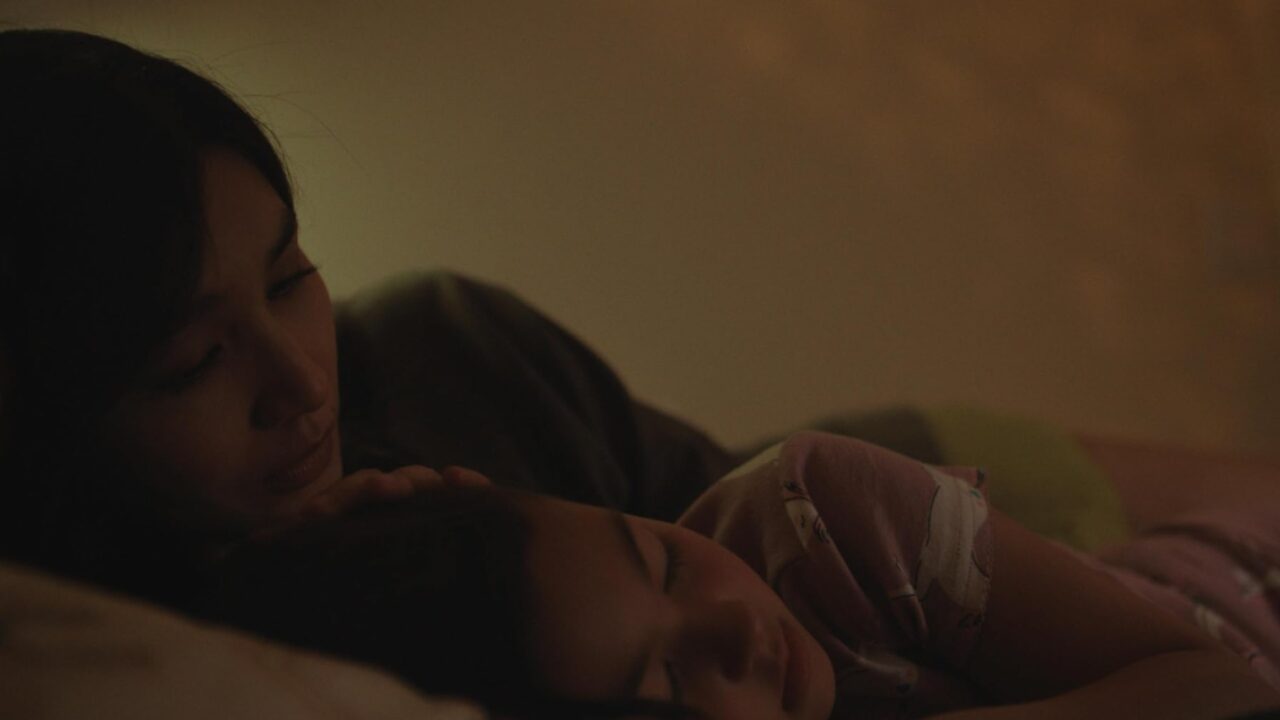
The rest of the film follows not just Josephine in grappling with what she saw, but also how the world around her flounders and struggles to protect her, with every character having a different idea of what that means and how to do it. Gemma Chan plays Claire, her mother, who seems to have a backstory within this subject that we aren’t aware of, like many women do. I think this was far more important than people may realize within this story and was vital to the film.
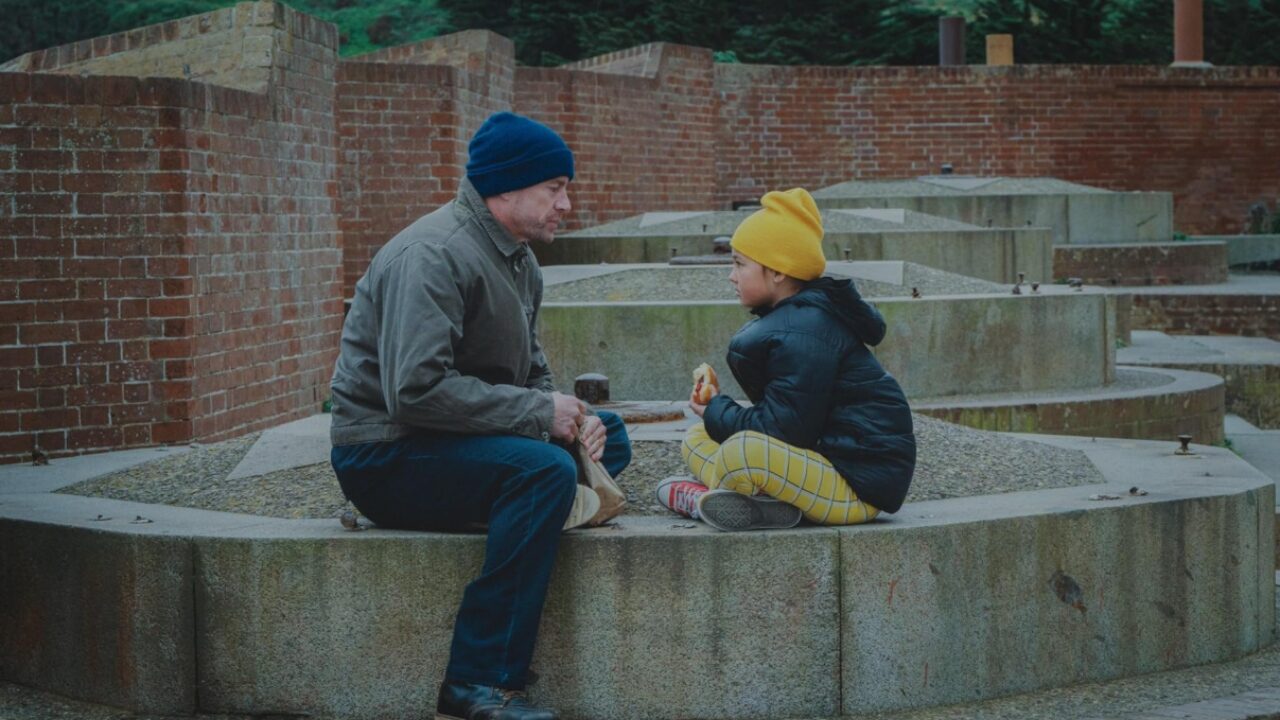
Tatum’s Damien has the typical “man” mentality, pushing feelings aside, working through them with sports or fighting, insisting that fear isn’t real. His character actually goes through a bit of an emotional roller coaster, first playing the hero, then falling to almost the villain, and finally seeing some personal growth and emotion. His final moments with Reeves were moving and made his arc worthwhile.
Talking about Josephine in too much depth would do the film a disservice for those who plan to watch it. There is a specific choice by de Araújo with a character to emphasize how Josephine was affected by this brutal scene, even though on the outside she seems like she didn’t understand. This is all conveyed thanks to Reeves’ deadpan delivery before emotions spill out explosively. It drew an audible gasp on first sight, and I don’t intend to to take that away from viewers. It is powerful, unnerving, and a perfect way to embody her trauma.
Paired with interesting camera choices, like watching almost entire scenes play out behind walls, Josephine offers an intense look at trauma in some really unique ways. Much of the film was uncomfortable, but that was with purpose. We all left the theatre a little heavier that night, and it’s been the talk of the festival ever since.