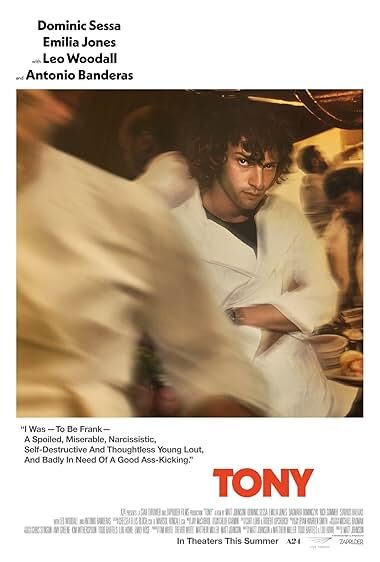

In 1975, a 19-year-old Anthony Bourdain wanted to be a writer but took a summer job at a Cape Cod restaurant, learning under the tutelage of a Brazilian-born restaurateur. This was about the summer that changed Bourdain’s life forever. Tony is a biographical comedy-drama, co-written and directed by Toronto, Canada’s very own Matt Johnson—covering stories from Bourdain’s New York Times bestselling memoir from August 2000: Kitchen Confidential.
As someone who grew up knowing of Bourdain and not much about him, this movie made me understand why he was the ‘original rockstar of the culinary world’ or ‘the culinary bad boy.’ Johnson was joined by his Nirvana the Band the Show the Movie co-star and lifelong buddy, Jay McCarrol—with McCarrol scoring Tony. The score heavily used the piano, McCarrol’s strong suit. It was not anything iconic, but offered a sense of wonder and discovery with its soft tones—a tune you would hear when someone is slowly kicking rocks down Queens Quay at night.
Something about Dominic Sessa and coming-of-age male stories continues to hit, carrying over from his performance in the Oscar-nominated film The Holdovers. Sessa still had the special sauce of bringing out the similar lost young man energy from The Holdovers into Tony. As someone who knows the bare minimum about the real-life Bourdain, other than tidbits from the travel cooking series Parts Unknown, I learned how overconfident he was as a young adult through Sessa’s portrayal.
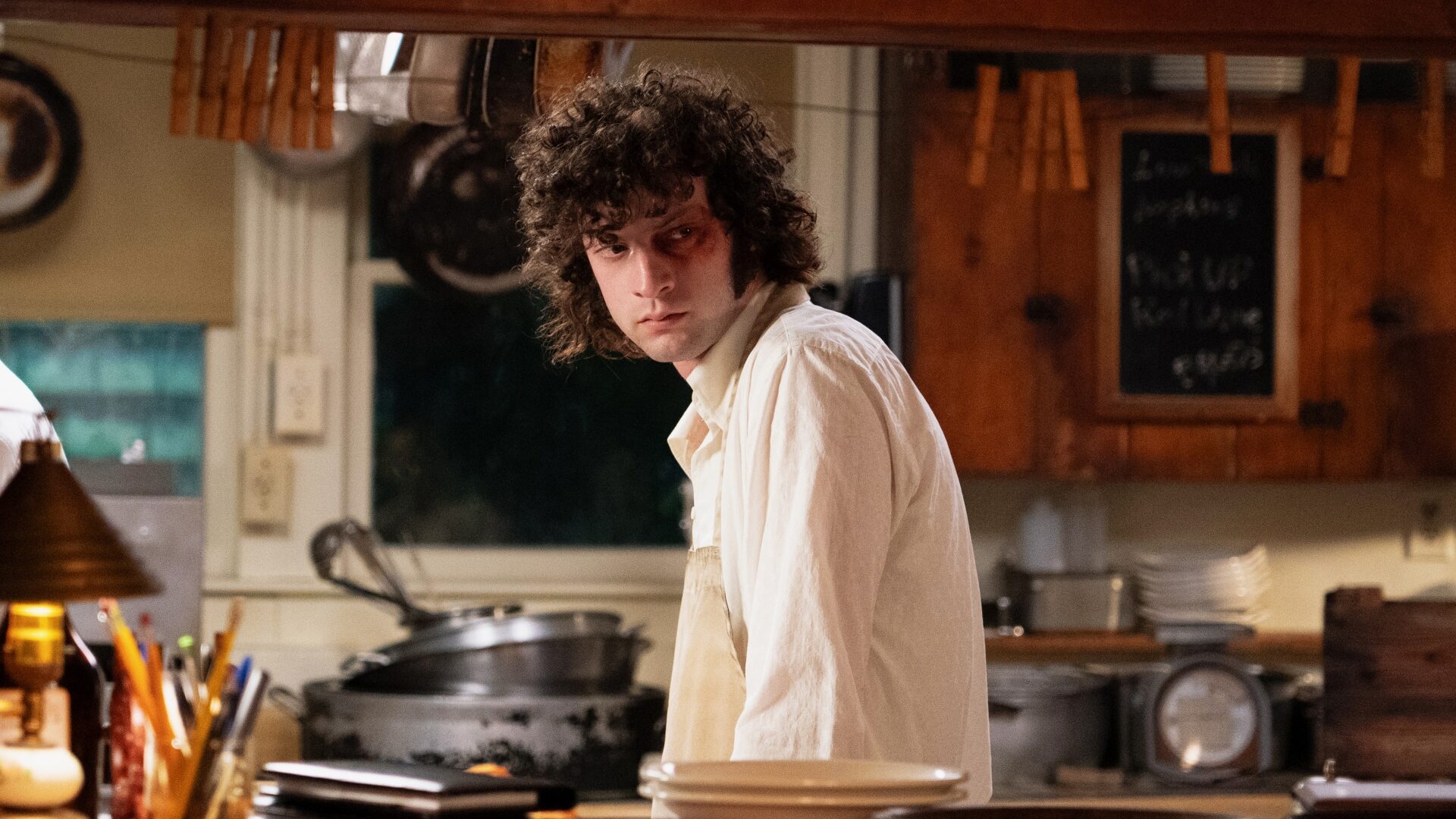
While Tony serves as a dramatization of what Bourdain experienced in real life, it took a raw look into a small moment of his life when he was most likely at his most vulnerable. I say that through the general lens that most young people are at their most vulnerable during their teens and twenties. Arguably, it could have been Bourdain’s most vulnerable time was likely to have been during the last moments leading up to the acclaimed celebrity chef, author, and travel documentarian ending his own life.
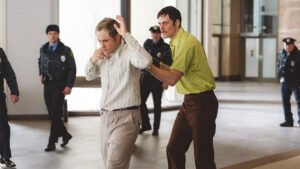
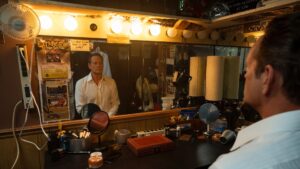
To understand how the culinary bad boy became who he was, this film examines a particular fraction of his formative years—exploring when the boy became the man we all know. But that is the deeper thinking with this portrayal of Anthony in Tony: when is he performing, and when is he not? At the end of the day, this is the way Johnson envisioned Anthony back then—a 19-year-old punk loser who has to lie his way through situations until something changes.
“Antonio Banderas as Chef was perfect for what this enigmatic, spiritual chef had to be.”
Kitchen Confidential came out almost 26 years ago, but this film’s story provided enough of a teaser into Bourdain’s youthful years. It irritatingly made me want to go read about the rest of his life from his memoir, similar to trying to get rid of an earworm song that is too catchy to resist putting on loop for the next few days. The dangerous situations Anthony ended up getting in put me on the edge of my seat, not knowing what decision he would make in certain scenarios. It reminded me of the adventures we experienced as kids or youth before cell phones existed, and parents could not check in with their kids as easily.
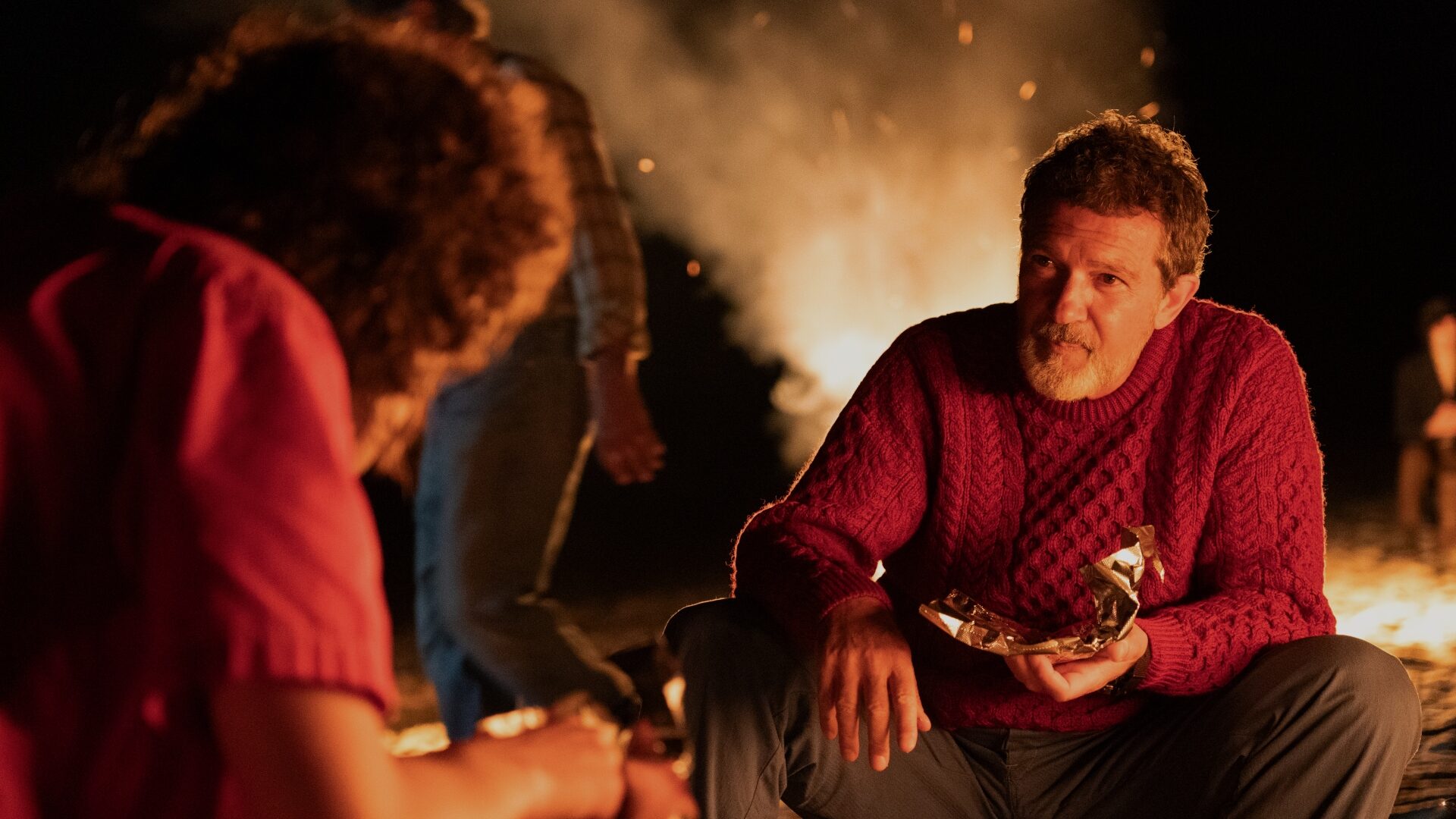
In terms of story pacing, I thought it was smart to get to Provincetown as fast as it did because the film intended to focus on this small formative summer in Bourdain’s life. Filming on location in Provincetown, Massachusetts, aka P-town, was a great decision—but making it feel like 1975 must have been some work. Seaside towns tend to keep their natural charms, but there can be some 2000s modern upgrades. Even the production design to recreate the main restaurant of the film, The Flagship, should be applauded for its seaside diner vibes.
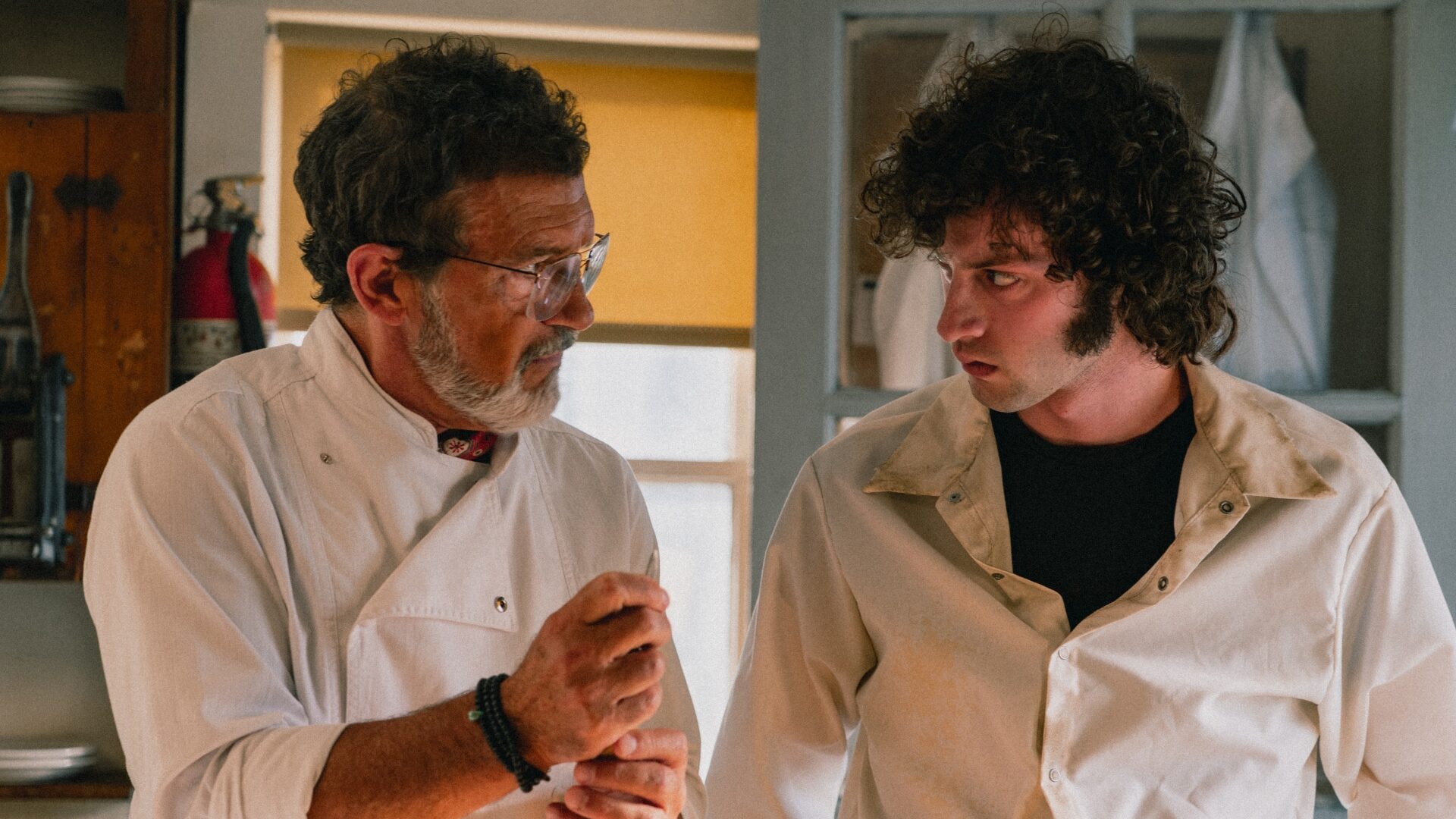
Antonio Banderas as Chef was perfect for what this enigmatic, spiritual chef had to be. Banderas brought a heartwarming, solemn performance to Chef—almost becoming forgotten around the end of the second act and start of the third act. But his care and enthusiasm for cooking pour out into this role. I enjoyed the fact that he was a quiet but stern mentor to Sessa’s rebellious Anthony. In the same way Will Hunting had Sean Maguire in Good Will Hunting, Chef was Anthony’s Sean.
“The colour grading of the pink and blue pastel sky against the sandy, Biscoff-looking beach sand and Blue Raspberry Gatorade waters was Chef’s kiss.”
A big standout performance in Tony was Leo Woodall as one of Chef’s restaurant staff named Sal. Where Chef was the first mentor in honing Anthony’s passion for cooking, Sal was the one who formed Anthony’s boldness, bravery, and bravado in the culinary world. Woodall’s Sal is almost like Johnson trying to show that Sal might be one of the most influential people in Bourdain’s life that led him astray. The bottom line was that Woodall played Sal with great charisma, and was such a boy’s boy—especially with the ladies.
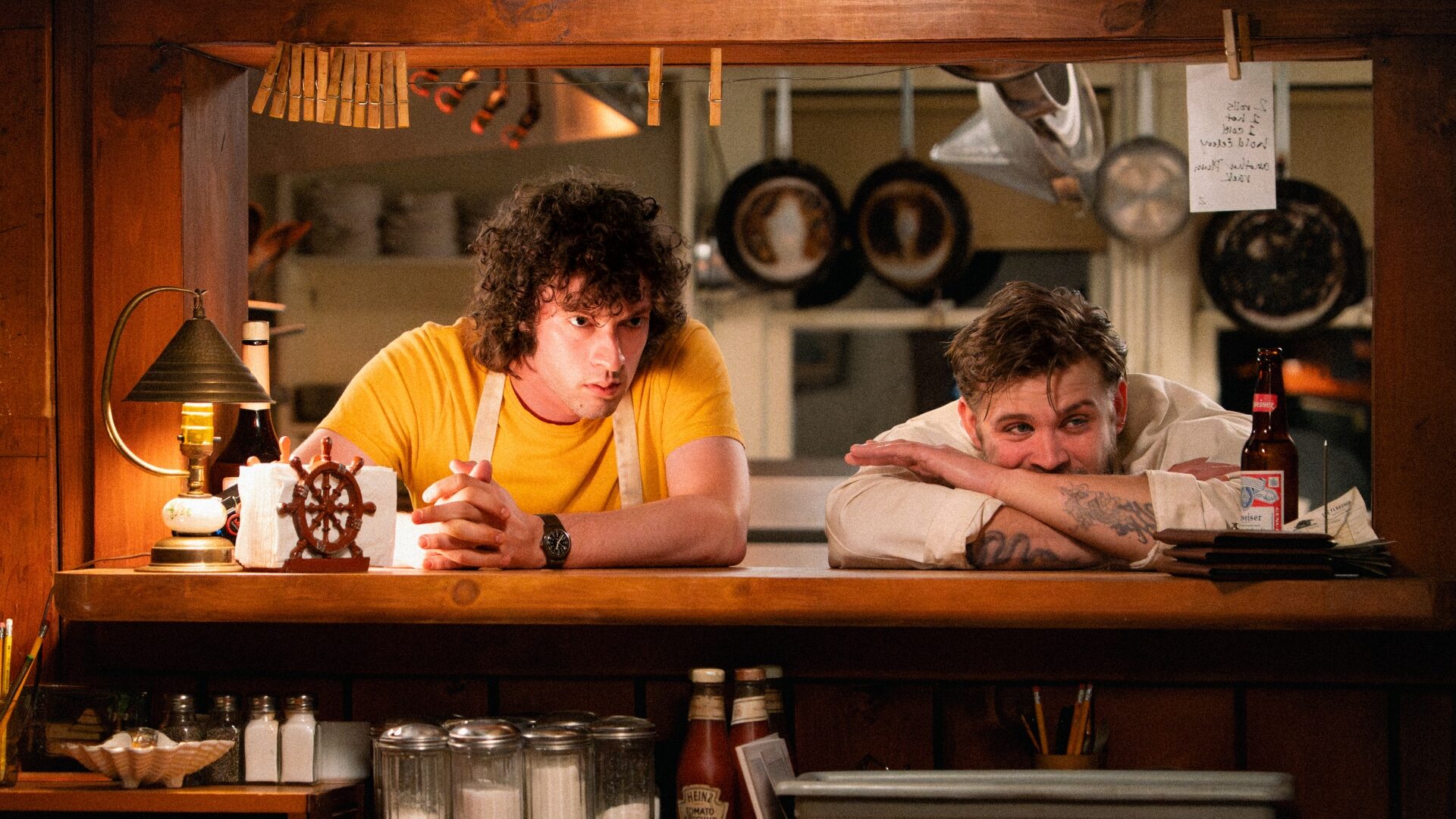
Today, some would call him a douchebag; to others, a big brother figure. Funnily enough, Woodall played the opposite, protagonist role as genius piano tuner Niki White in Tuner—where outside influences take Niki down a dangerous path. No matter what role Woodall is in, he appears to be wily and charming either way. Emilia Jones as Anthony’s love interest and eventual future wife portrayed Nancy well. Jones’ banter with Sessa at the beginning of the film was her strongest and most charismatic performance. As the film primarily catered to Anthony’s POV, Nancy felt like she faded a bit in the second and third acts.
Tony reminded me a lot of Pablo Larraín’s Maria, starring Angelina Jolie, because of the choice Johnson made to extract this one summer in Provincetown and add his own interpretation. This was the same direction that Larraín went with, choosing to focus on the last week of legendary opera singer Maria Callas. Sadly, Johnson could not ask Bourdain about his thoughts back in 1975, but of course there were a handful of people who knew a younger Bourdain to dissect what happened then.
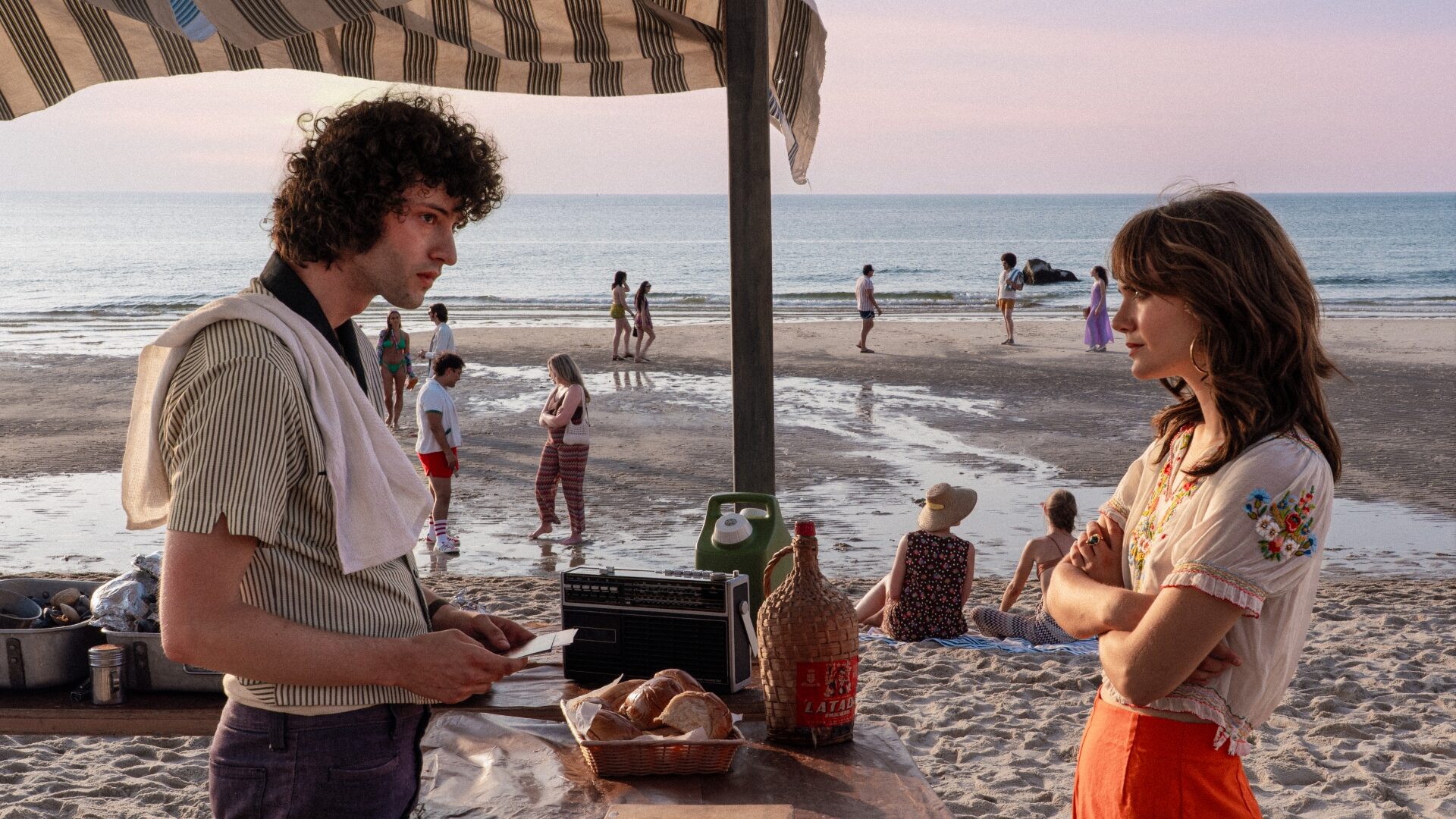
Johnson and cinematographer Michael Bauman (One Battle After Another, Licorice Pizza) truly cooked with the b-roll and fixed shots of this film. Specifically, anytime Sessa’s Anthony was in the harbour area, it was a visual feast. The colour grading of the pink and blue pastel sky against the sandy, Biscoff-looking beach sand and Blue Gatorade waters was Chef’s kiss. The biggest camera work highlight of the film was how much the camera chooses to focus on Anthony’s face. In almost every emotional shot, Anthony is the focal point—capturing all of Sessa’s reactions or dialogue.
So, who is Tony for? This is a film intended for those who are curious about Anthony Bourdain’s true culinary origins, but it can also be for those who enjoy complex coming-of-age stories. It is very much on the level as FX’s The Bear, but with a little less dread and pressure-cooker stress. While this movie does not capture the full life of Bourdain, it entices you to find out more about him after watching this film. Despite Bourdain’s tragic end, audiences should come out of this more hopeful than not. Tony proves the wise words of Chef Gusteau in Ratatouille true: “What I say is true—anyone can cook…but only the fearless can be great.”