
Solo gaming still exists. But it’s not the center of the medium anymore. The communities built around games have quietly taken over that role, pulling in new players, pressuring developers, and deciding which titles actually matter. What used to be background noise is now the main event. Gaming communities aren’t a feature of game culture at this point. They are game culture.
From Sideline to Center Stage
Pick almost any number: 3.5 billion players worldwide, 58% of Gen Z saying games are their main social space, and more time spent in gaming communities than on traditional social media. The statistics pile up quickly. What they point to is something simpler: gaming stopped being a hobby people pursued in isolation sometime around 2015 and never looked back.
Ask someone who plays regularly where they go when they’re stuck on a build, unsure about a mechanic or looking into a new genre they haven’t tried before. The answer is almost never the developer’s website. It’s Reddit, Discord, YouTube or a dedicated resource like Pokertube’s analysis, which offers overviews explaining how offshore platforms operate and how players in different regions may encounter them online. Community knowledge got there first, and it is often more useful.
Communities That Changed the Games Themselves
Hello Games had a rough 2016. No Man’s Sky shipped without most of what had been shown in trailers, and the community response was immediate and loud. What followed wasn’t damage control. The studio pulled back from public statements, tracked what players were actually asking for, and built it. Two years later, the game had transformed. By 2022, the active player base was up nearly 400% from launch.
Bethesda took a different approach with Skyrim and got a different kind of result. Releasing the Creation Kit handed players the tools to extend the game themselves. Falskaar, built by one person over roughly 2,000 hours, added a new region with original quests and full voice acting. That developer got hired by a studio off the back of it. The modding output didn’t just extend Skyrim’s lifespan; it signalled to the industry that players, given the right tools, will build things worth paying attention to.
Among Us sits at the other end of the spectrum. No studio intervention, no update cycle, just two years of quiet existence followed by a week of Twitch coverage that sent player numbers up over 800%.

Discord, Reddit, and the Infrastructure of Fan Culture
The platforms communities use aren’t neutral containers. They shape how ideas move. Reddit’s voting system pushes popular content to the top and gives organized fan bases a way to apply visible pressure. The r/gaming subreddit alone has more than 40 million members. When something catches on there, it rarely stays contained.
Discord operates differently. It runs on voice and real-time text, changing how conversations happen. Issues can be flagged the same night a patch drops, while feature requests stack up in organized threads that developers can actually read. Fortnite’s Discord surpassed 750,000 members back in 2021 and continued to grow. Riot Games has also spoken openly about how League of Legends player feedback influences champion design and which skins get made. That’s not just community management. That’s product development happening in public.
Streaming Extended the Reach of Every Community
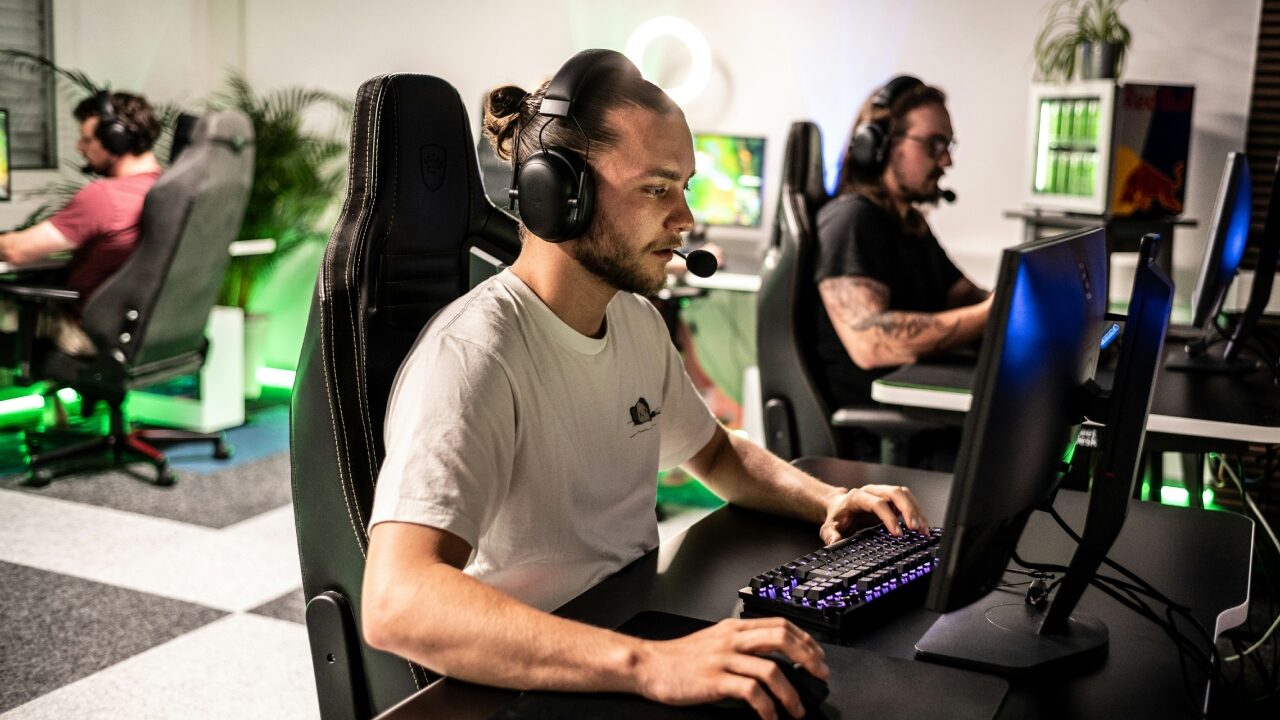
Streaming didn’t just add viewers. It made gaming communities more visible and accessible to outsiders. Someone who had never considered playing a game could watch 30 minutes of Twitch content, get pulled into a streamer’s community and become an active player within a week. According to Newzoo, about 64% of consumers worldwide now watch video game content, including streams, esports and YouTube gaming. In Asia and the MENA region, more than 1 billion gamers regularly watch gaming or esports streams.
That audience isn’t passive. Twitch chat is participation, whether through polls, raids, charity streams or community tournaments. Games Done Quick puts a number on that engagement. The volunteer-run speedrunning marathon has raised more than $45 million for charity across its events.
What This Means for Developers
There’s a clear before and after here. Before, a studio shipped a game and waited for review scores. Now, developers wake up to Discord threads, Reddit posts and Twitter discussions that have already diagnosed every problem before the first patch is even written.
Some developers know how to use feedback well. Others don’t. Ignoring community channels is a risky move. Players who feel unheard won’t just walk away silently. They’ll post, make videos, and tell everyone about it. Developers who pay attention gain something priceless: real-time insights into what frustrates real players. This trend is changing how games are made and sold. Surprisingly, it’s not talked about much.
The Cultural Weight Has Shifted
Games used to be evaluated mostly on what happened inside them. Now the community that forms around a game is part of the product. It affects replayability, longevity, and whether the game gets recommended to anyone at all. A technically polished game with no community tends to fade. A game with an active, engaged community tends to survive.