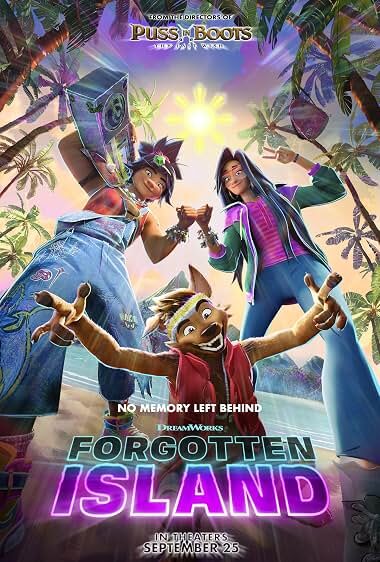

Academy Award-nominated directors Joel Crawford and Januel Mercado took the team and work from Puss in Boots: The Last Wish to create a delicate and visually striking female coming-of-age story in Forgotten Island. As someone who is half-Filipino, this was a no-brainer to go check out. While this was not a perfect movie by any means, it brought one of the most beautiful animated films to the big screen—with an arguably better story than KPop Demon Hunters.
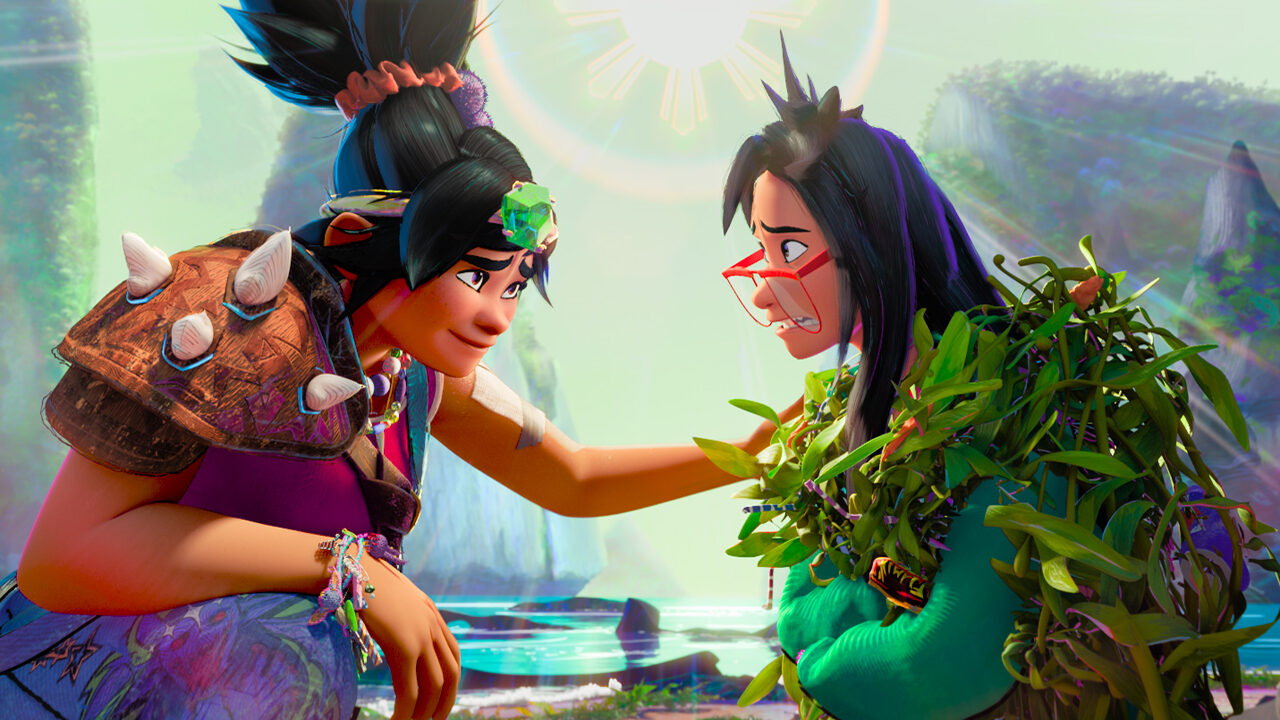
While celebrating their last night together, Jo and Raissa stumble upon a mysterious portal that transports them to the fantastical island of Nakali, packed with magical and mythological creatures they grew up hearing stories about from their Filipino families. Some of these figures will become friends, and others foes.
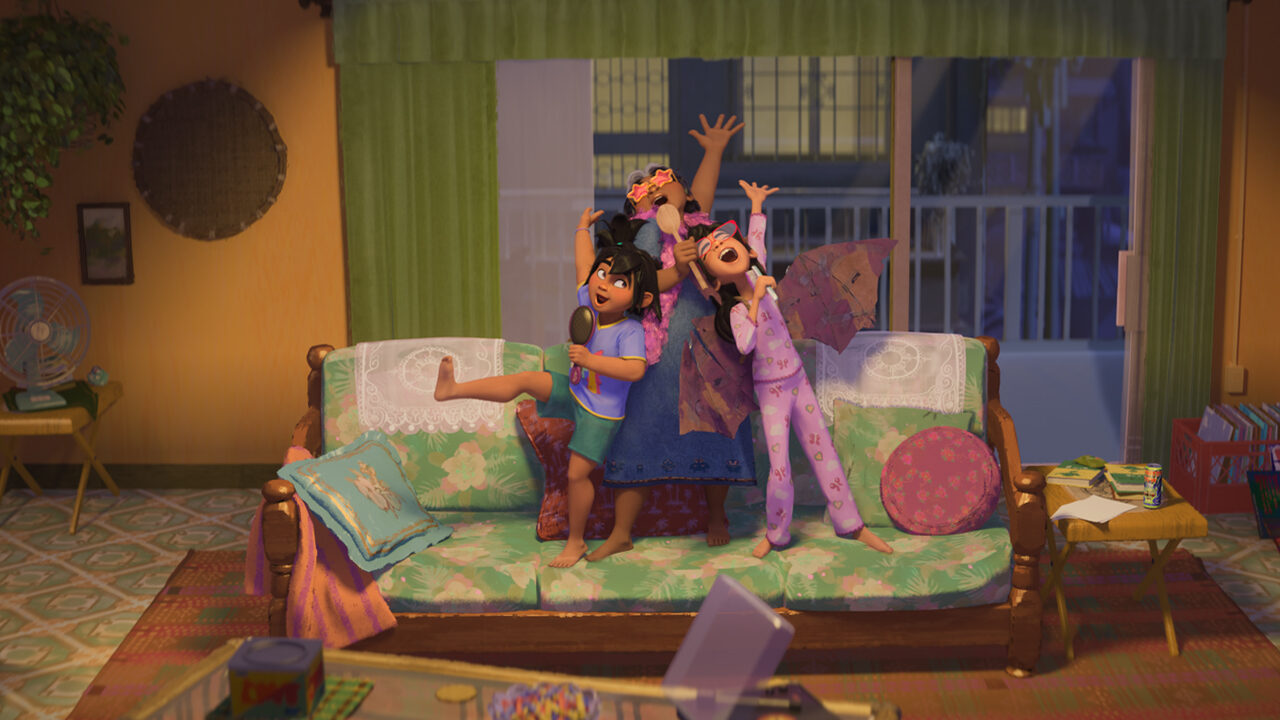
Forgotten Island is unapologetically a Filipino story, set in the 1990s Philippines, following two young women who can never see each other again because one has to emigrate to the United States for a better life. Even from a macro perspective, this was a movie for many immigrants who had to leave their family and friends behind in their country of origin. Zooming out further, this movie’s story was for many young women (and other gendered children) out there who may have had to say goodbye to one of their childhood best friends because their parents might have had them move away.
“Ultimately, Forgotten Island tells a very relatable story on several levels.”
Ultimately, Forgotten Island tells a very relatable story on several levels. Even though the film is set in the 1990s, a time before nearly everyone owned a cellphone, it reflects how much kids and teens today are trying to preserve their memories in physical ways, whether through friendship bracelets or Polaroid pictures. We are also seeing a similar shift in the video game community, where physical discs are increasingly being threatened by the move toward digital distribution on next-generation consoles. Forgotten Island is a movie that showcases the beauty of tangible things and the importance of living in the moment.
The pacing was frenetic and explosive for most of the movie, which created some story-beat mishaps when the emotional moments occurred. I believe Forgotten Island tried to appeal to kids with fast-paced action and energy, but the creators also tried to tell a raw young adult/teen story with realistic friendship stakes. These two target-audience aims clashed in this film, and it showed. At the end of the day, I would argue this was an awesome teen story, but actually an amazing adulthood throwback story for many of us who grew up either before or at the start of the cellphone/smartphone revolution. It was a reminder of those good times.
Whether you are a boomer, millennial, Gen Z, or Gen Alpha person, no one can argue that the animation for this film was lacking. Truly, this was one of the most colourful and vivid animated features to date. The cinematography also played a pivotal role by adding dynamic angles where the digital camera could go, such as the one shot where the camera was on the ground pointing up at Jo above the camera. Not many animated films would take on this challenging shot, let alone the sweeping shots of Nakali.
“Forgotten Island is a movie that showcases the beauty of tangible things and the importance of living in the moment.”
When I say Forgotten Island is wholeheartedly a Filipino story, the environment and character design did not disappoint. Not only was Nakali an optical buffet, but so was the Philippines in general. I enjoyed how the sun was depicted with the iconic eight primary rays from the Philippine flag. These rays stand for the first eight provinces that started the 1896 revolution against Spanish rule.
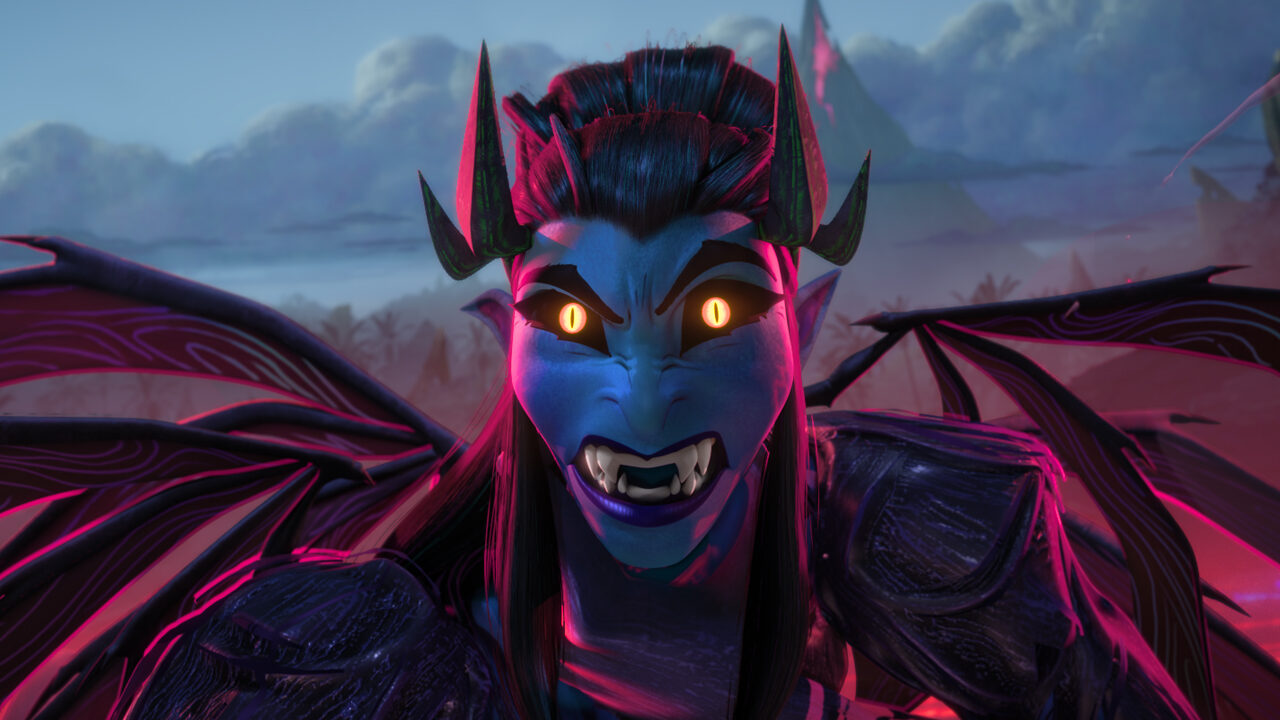
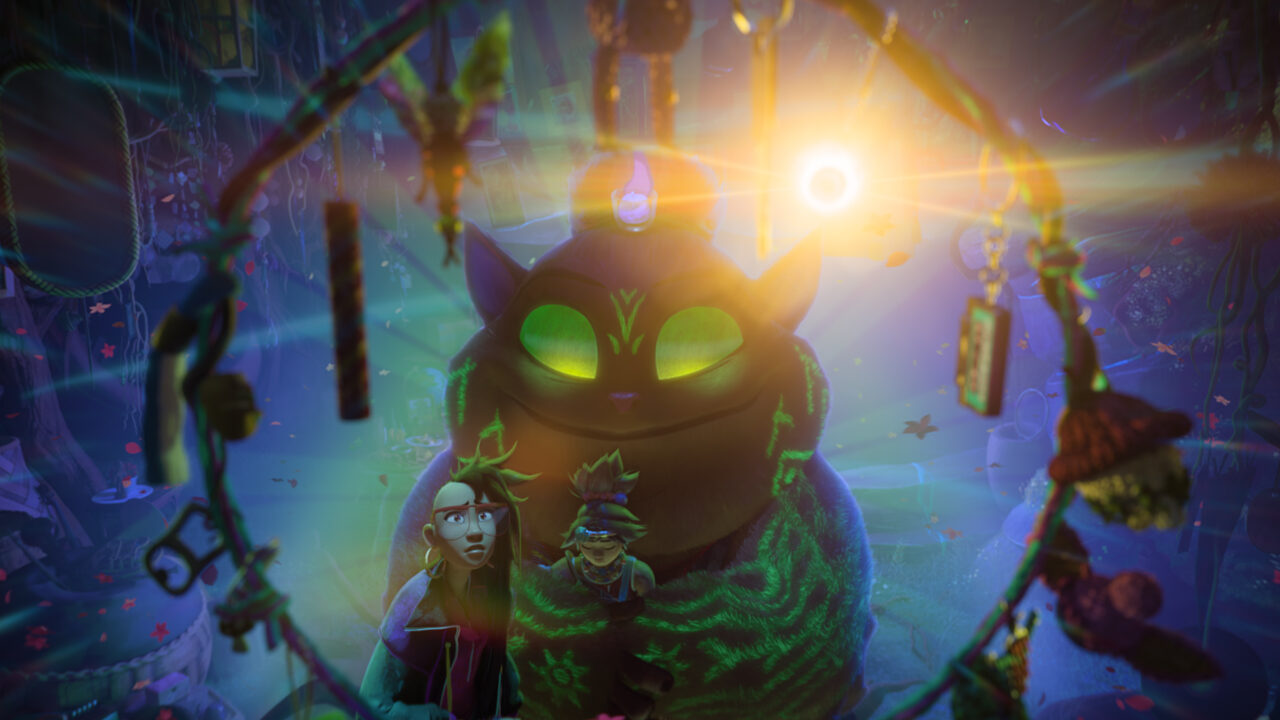
As for the creatures, the vampiric Manananggal, or as the girls call her, Manang, matched the fearsome levels of The Wolf in Puss in Boots: The Last Wish, or even The Prowler in Spider-Man: Spider-Verse animated films. Talk about character design: Manang’s whole suit was covered in spiky tendrils that appeared to be breathing aggressively whenever Manang was furious. The same could be said about the Cheshire-looking creature named Batiba. The giant eyes were unsettling, but made even more sense later in the movie plot.
The dialogue between H.E.R. and Liza Soberano felt as real as two young women bantering, fighting, and making up with one another. That realness made this whole coming-of-age narrative gel together superbly. The turn of the movie was predictable and fairly straightforward, but it was the voice acting that sold the whole film. Even Dave Franco’s Raww sounded like he was acting his heart out when his voice reached a different octave.
Overall, Forgotten Island is an animated adolescent adventure tale that felt personal but relatable to so many young women today and young women in the past. This film serves as a reminder to cherish the friendships we have, and do not take them for granted just because we can easily catch up with one another over a phone/video call. Even though this may not be the most unique coming-of-age lesson in life, it is the first time the world can learn about Filipino folklore and culture—all backed by exhilarating animation styles. Both Filipinos and non-Filipinos are guaranteed to have a fun time, as parents and kids will get all the jokes and find something to relate to—sparking an unforgettable core memory.