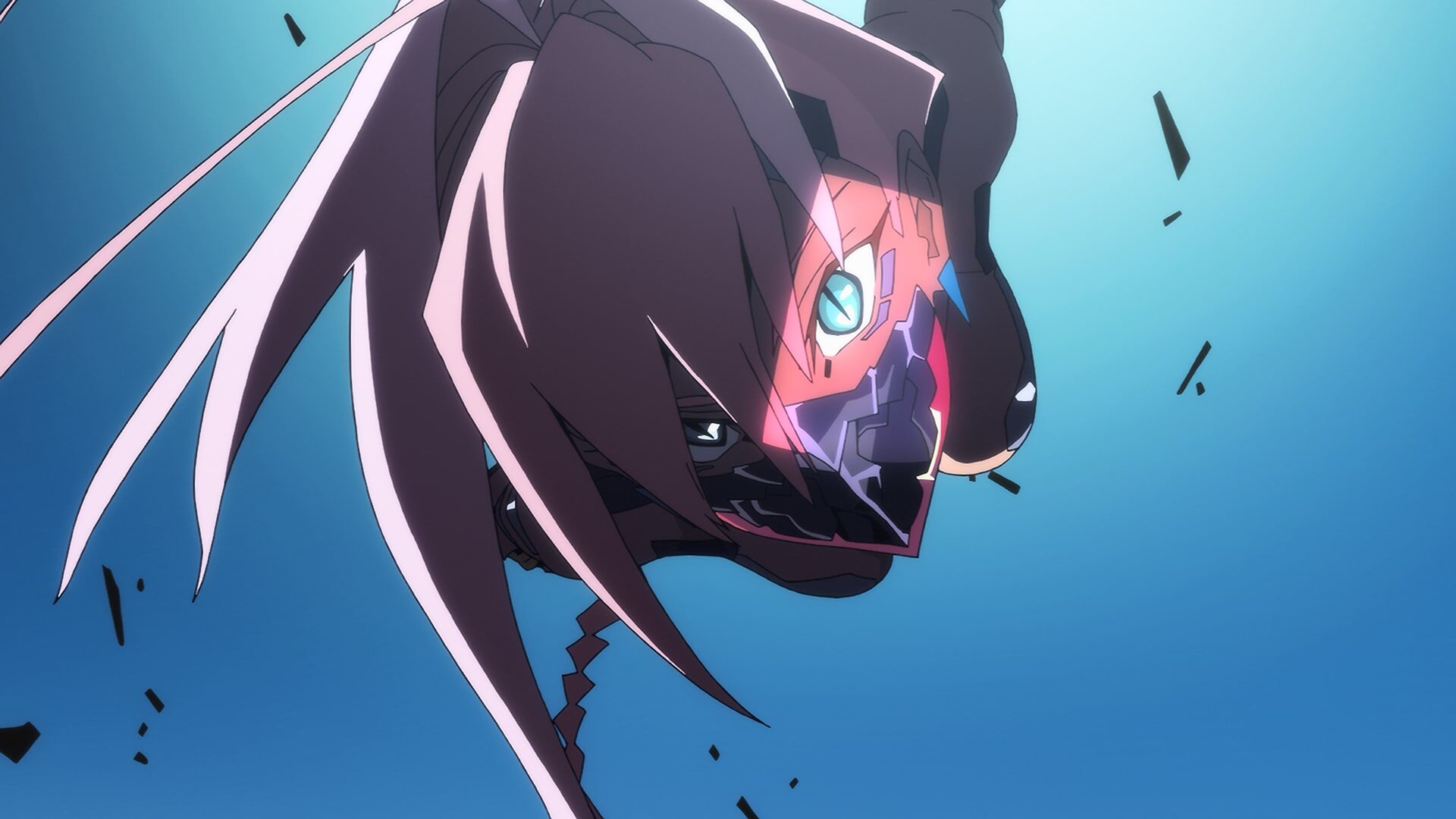
Standing in a hallway and learning how a party at Napoleon’s sister’s house helped bring Cyberpunk: Edgerunners 2 into existence was a scene that could only take place at Lucca Comics & Games. It was a great start to a conversation with Bartosz Sztybor, the show’s writer, producer and showrunner.
I wasn’t sure what to expect walking into the room, but I knew the interview would at least be interesting, and Sztybor didn’t disappoint. Cyberpunk is a universe full of ridiculous stories, and it makes sense that one of the people behind some of its more unique takes would be just as interesting as you could imagine, in the best way possible.
We sat down in a small room inside the chamber of commerce, just after Sztybor finished a panel. With so much on everyone’s mind, the first question was how Cyberpunk: Edgerunners managed to get a sequel at all and whether there would ever be more. There are always stories to tell, he said, but there is no firm confirmation of a third season of Edgerunners, at least not yet.
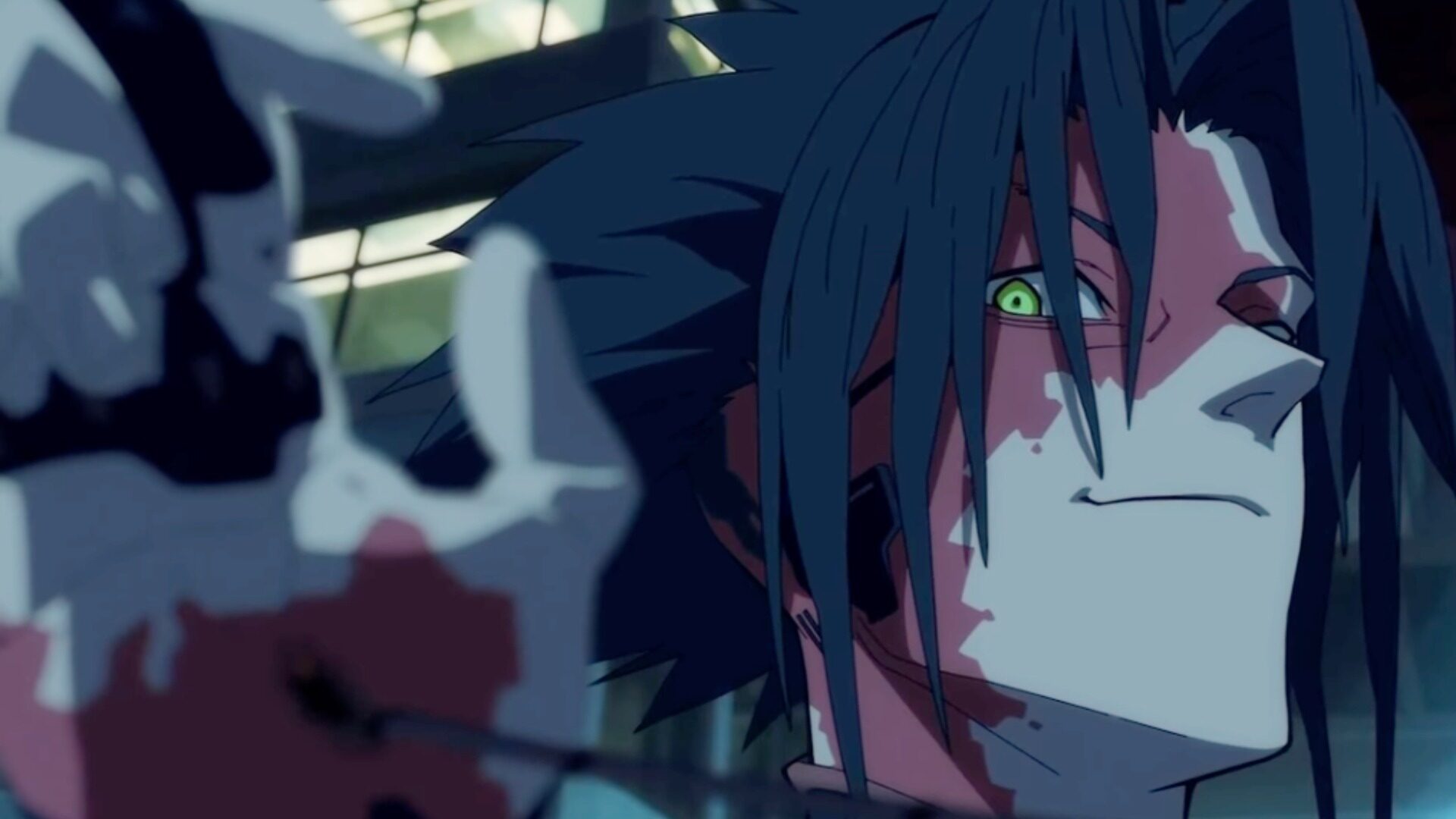
“While writing season one, I was already thinking about other seasons, other stories, because there are a lot of stories to tell,” Sztybor said. “And when I’m creating, I’m always searching for answers to questions I don’t know how to answer.”
The sequel itself nearly didn’t happen. “After season one, Studio Trigger said, ‘No, we are just too tired,'” he recalled. “But then here in Lucca, right after the release of season one, we talked with Studio Trigger, and they said, ‘Hmm, okay, we are not that tired anymore, so maybe we should do it.'”
Sztybor already had ideas, and two months later, he presented a pitch, one shaped by Trigger’s stipulation that it not be “a sequel, like a classic sequel.” It was a condition he shared. “We didn’t want to do that as well. We wanted to do something different.”
That same rule, that the story should only continue if it deserved to, shaped season two long before it influenced any discussion of season three. Speaking at the Lucca Comics & Games panel just before our interview, Sztybor said everyone involved, including CD Projekt Red and Studio Trigger, agreed on one thing from the very beginning: whatever came next could not simply be more of the same.
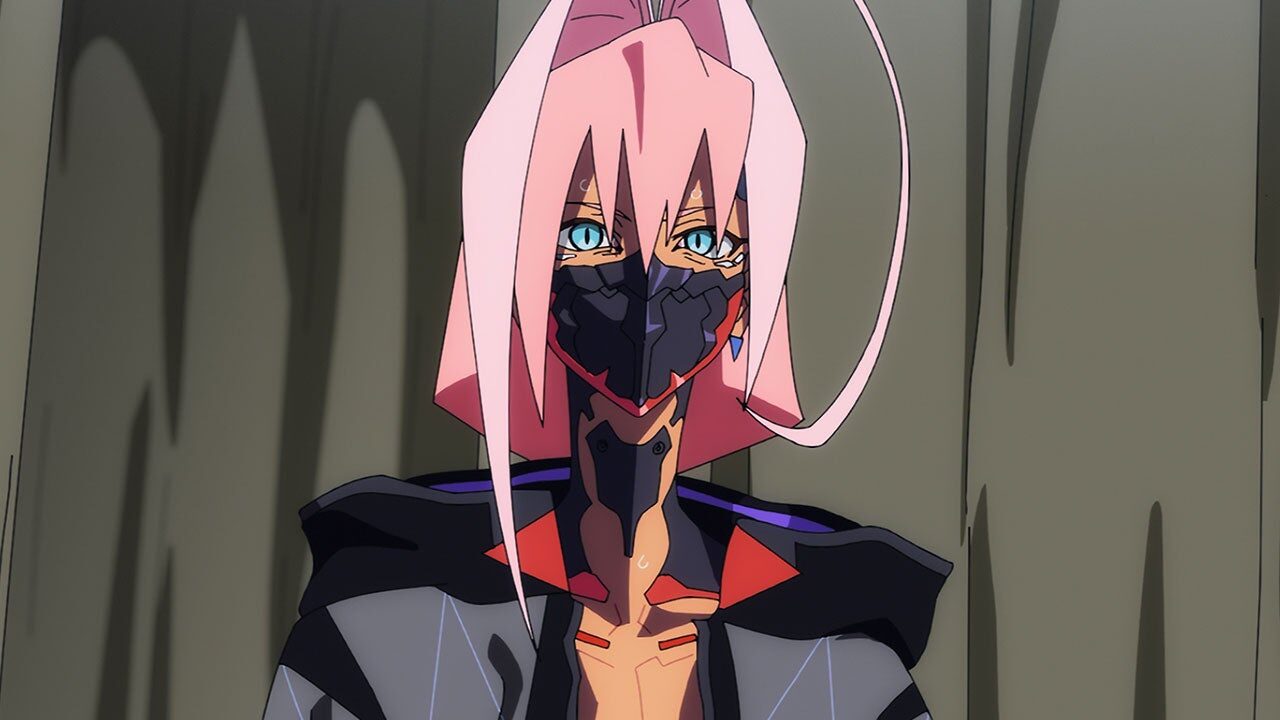
“We all thought that a classic sequel, again with a love story, again with a zero-to-hero, would be a cash grab,” he said. “It would be unnecessary. We knew it needed to be a bold move, something different visually and on the story level. But it still had to be Edgerunners. That’s why the idea was to make season 2 a mirror to season 1: similar or even the same themes, but shown from a different perspective.”
So if not a classic sequel, then what? Sztybor’s CD Projekt Red colleague, executive producer Saya Elder, recalled the moment the pitch landed: “‘I want to do Pulp Fiction and Léon: The Professional in Night City,’ and everyone loved that.” The studio had agreed to move forward only if Sztybor could deliver “a really good pitch and a really good new cast of characters.” Starting from that concept, Elder said, “It was easy to visualize what kind of characters we wanted to give life to.”
Even with a clear vision, turning it into an anime was another challenge entirely. Sztybor broke down how writing for animation differs from live action or games and how the process with Studio Trigger evolved between the two seasons. “The process for season one was: we wrote scripts and sent them to Trigger, because we thought, okay, you’ll just take the script and adapt it,” he said. “But they said it’s not that easy to adapt, because you don’t know the anime rules. For example, three scenes of talking and then a sakuga scene, and all that.” The writing, Trigger told him, was too “live action.”
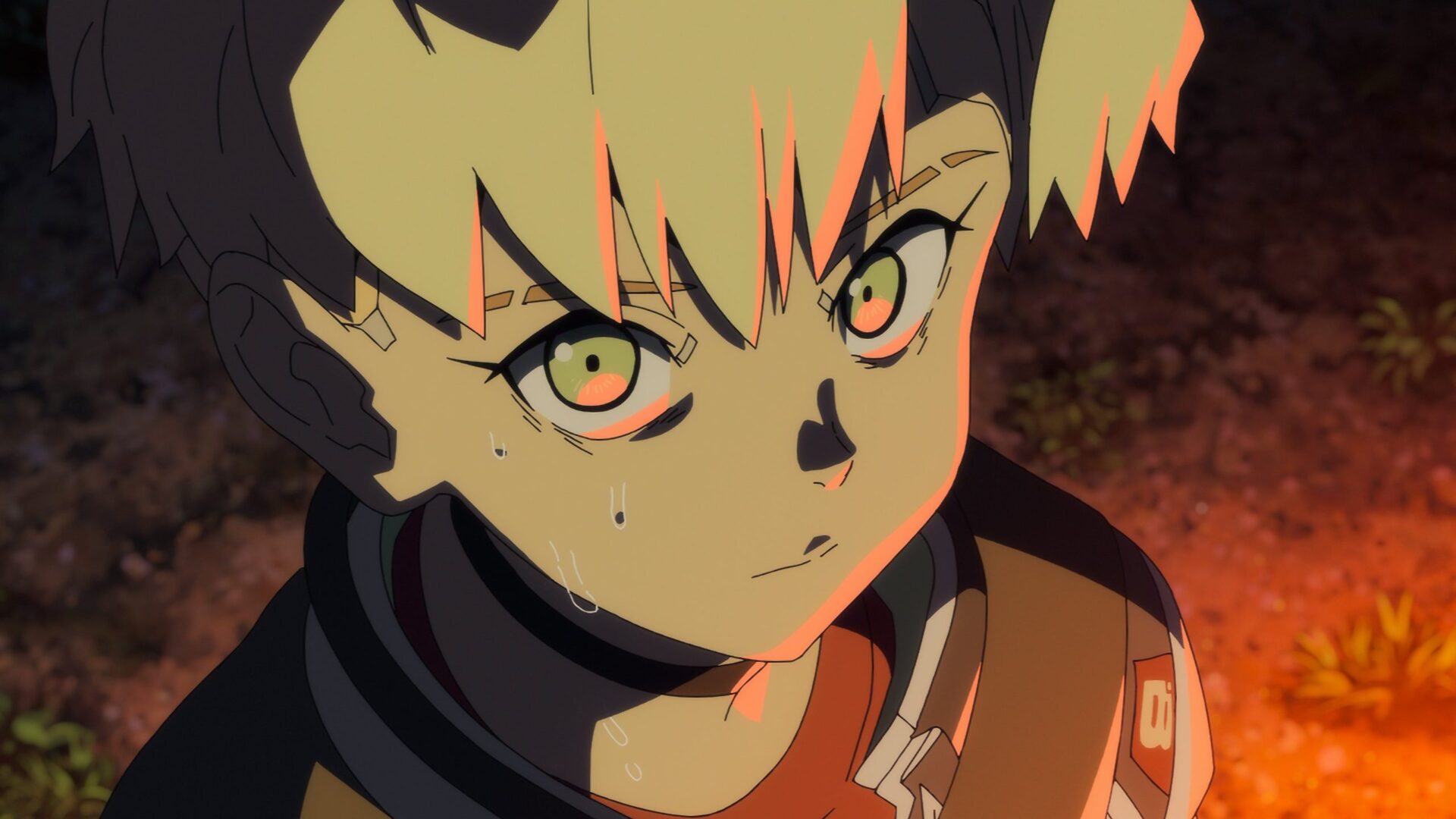
That wasn’t entirely a criticism, he added. The goal for both seasons was “to create an HBO narrative for anime,” and he believes they preserved it. Still, there was back and forth, with Trigger sending scripts that reflected their own storytelling instincts. By season two, armed with that knowledge, the process changed. Sztybor wrote a 20-page treatment, then spent a year and a half in weekly meetings, travelling to Japan to go through the story scene by scene. “Sometimes it’s about the differences between live-action writing and anime writing,” he said. “But very often it was about cultural differences. For me, a scene was about something, and suddenly I’d discover that for them it was about something super opposite.”
That pursuit of perfection ran through both the roundtable and his earlier panel. But for Sztybor, it comes down to something more personal than the creative process: sincerity and a willingness to put pieces of yourself on the page. “I don’t think there’s one rule,” he said of getting audiences invested. “It happens when you’re creating something sincere.”
For season one, that sincerity lived in David’s relationship with his mother, drawn, Sztybor said, from his own, and “funnily enough, it was the same for the whole Japanese team. I guess she’s an Asian-Polish mom type, so we were all putting ourselves into that.” Season two, meanwhile, is “in constant dialogue with season 1: it subverts expectations and uses themes from season 1 in a different way.” All the characters are built with a clear emotional goal, he said, and their flaws “are real and sincere, and they come from the bottom of my heart, or Saya’s heart, or Ikarashi’s heart.”
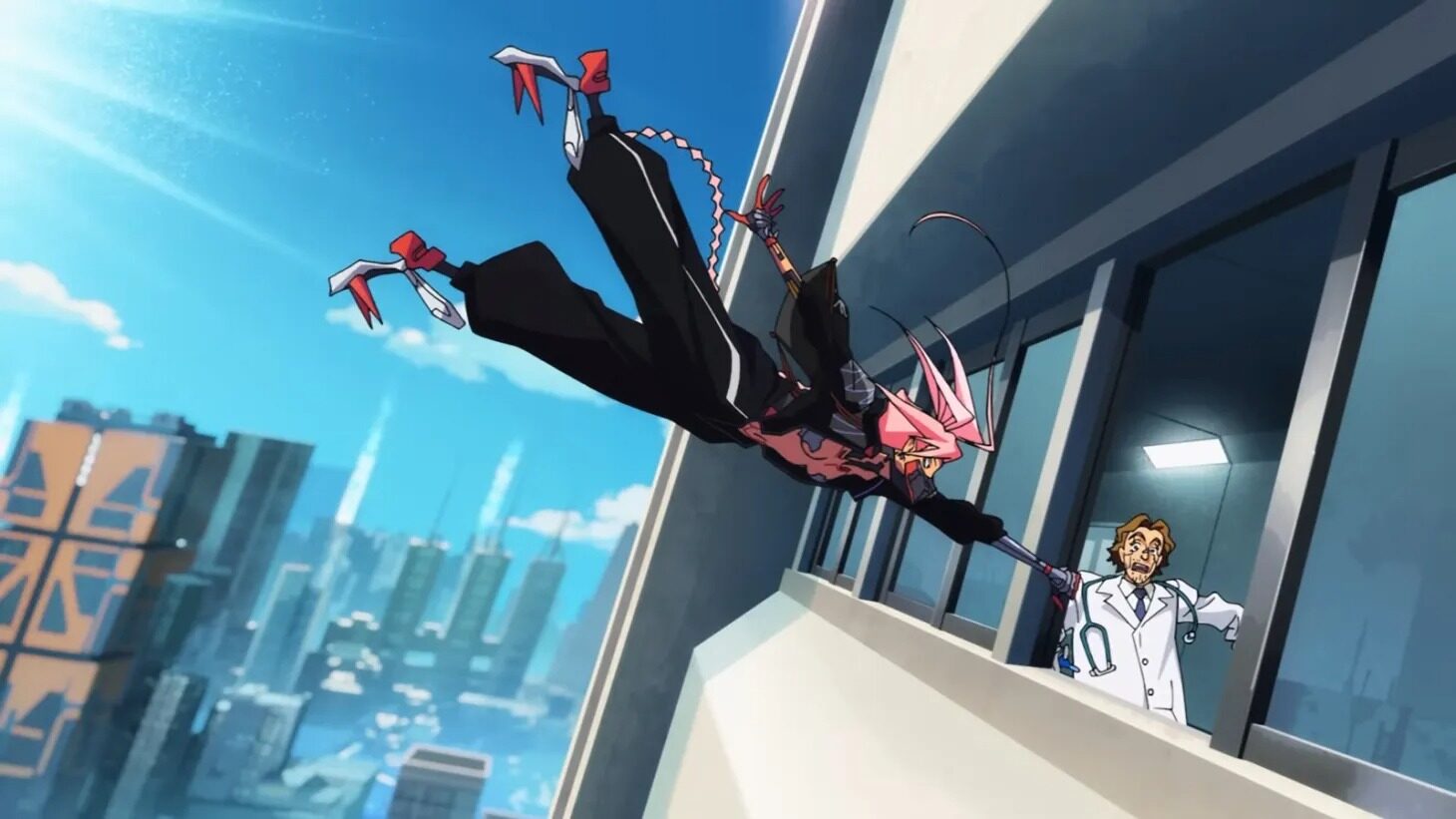
With so much speculation online about why V in Cyberpunk 2077 seems so different from everyone else in the Cyberpunk universe, we had to take a few minutes to explore how the writers handle that contrast. There’s no clear answer, but Sztybor offered some insight. “Yeah, I think V is not that special, but honestly, I don’t know,” he said. “You can see that he has flaws too, and that Johnny Silverhand has an impact on him.”
Cyberpsychosis, in his view, and what he believes is “the proper lore approach,” works less like a meter filling up and more like addiction. “There are people who can put one piece of chrome in themselves, and they’ll get cyberpsychosis,” he said. “And some, like Adam Smasher, can have a lot of stuff and still be okay.”
Through it all, a clear idea emerged of what makes a Cyberpunk story and how that changes across different media. When I asked whether catharsis, rather than happy endings, sits at the core of a Cyberpunk story, Sztybor’s answer helped explain the brutal reality of that world. “My answer is always that I’m trying to be sincere with myself and with the audience while creating this,” he said. “Be realistic about the characters’ emotions, be true to the characters. Don’t use plot armour.” Beyond that, he said, “there’s no rule or set of rules.”
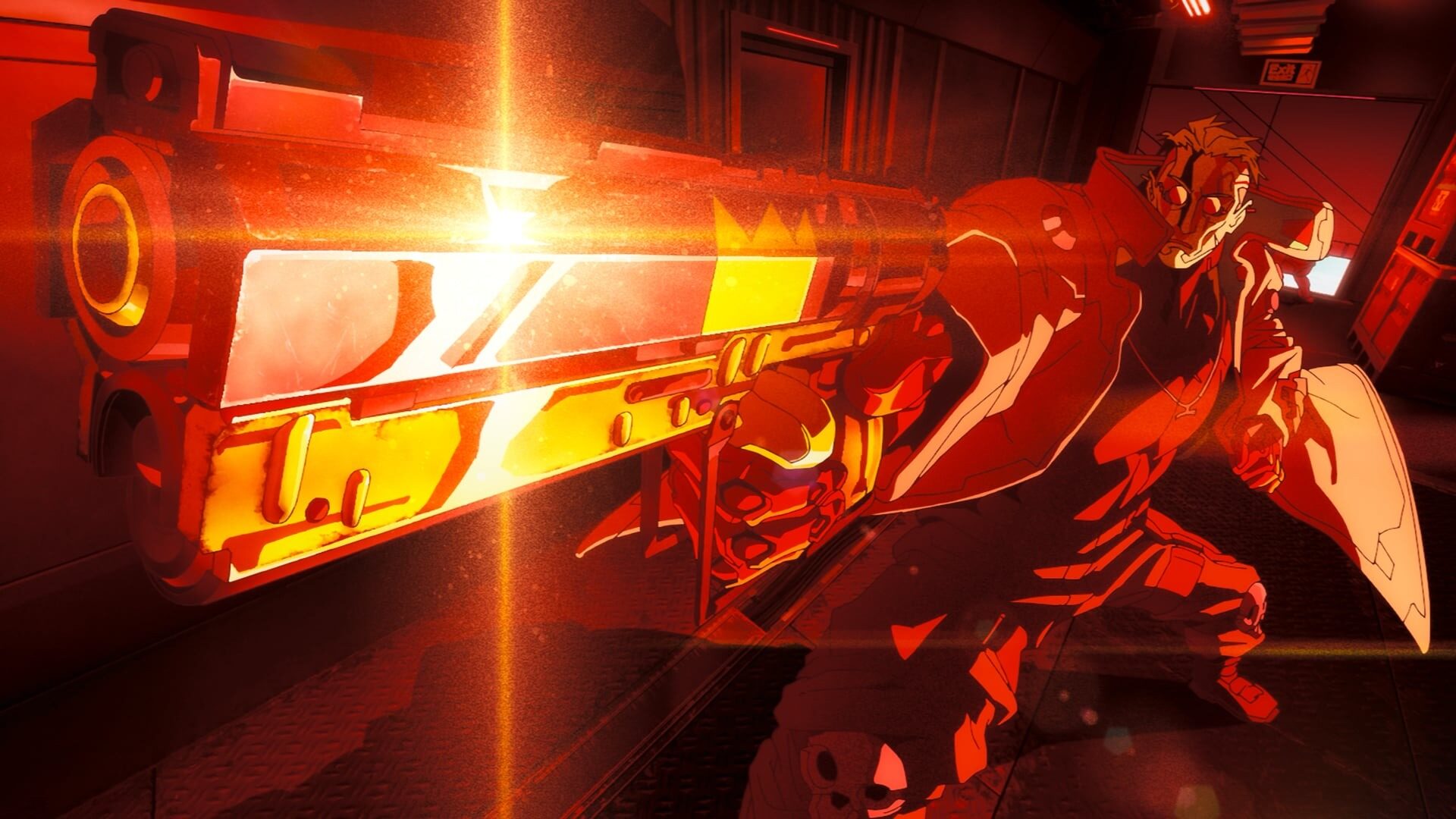
He pointed to CD Projekt Red’s Cyberpunk comic books, some of which deliberately withhold catharsis and end on “a feeling of emptiness.” What matters most, he said, is subverting expectations. “I’m tired of the three-act structure, and I think pop culture right now doesn’t show us many new things. I’m a guy who misses franchises like Alien... The ’80s and ’90s, in pop culture, were amazing… I just miss that. And that’s the way me and the whole studio want to create things.”
Sztybor, for his part, resists the whole framing of happy versus sad endings, a stance he traces not to anime at all, but to something much closer to home. “That’s why I love both Cyberpunk and The Witcher, and why I like working at CDPR,” he said. “We have this Slavic vibe of being sad all the time and subverting expectations, and it’s close to my heart.”
He’s tired, he said, of Hollywood movies where you know that in five minutes, the hero will “manage to run to the airport and save the love of his life.” Cyberpunk, as a noir genre, is about subverting expectations, but the trap, he said, is assuming that always means a bad ending. After season one, interviewers insisted the ending wasn’t happy, “and somehow it is.” Now people call season two the happy one. “For me, what’s important is not a happy ending or a bad ending,” he said, “but an open ending.”
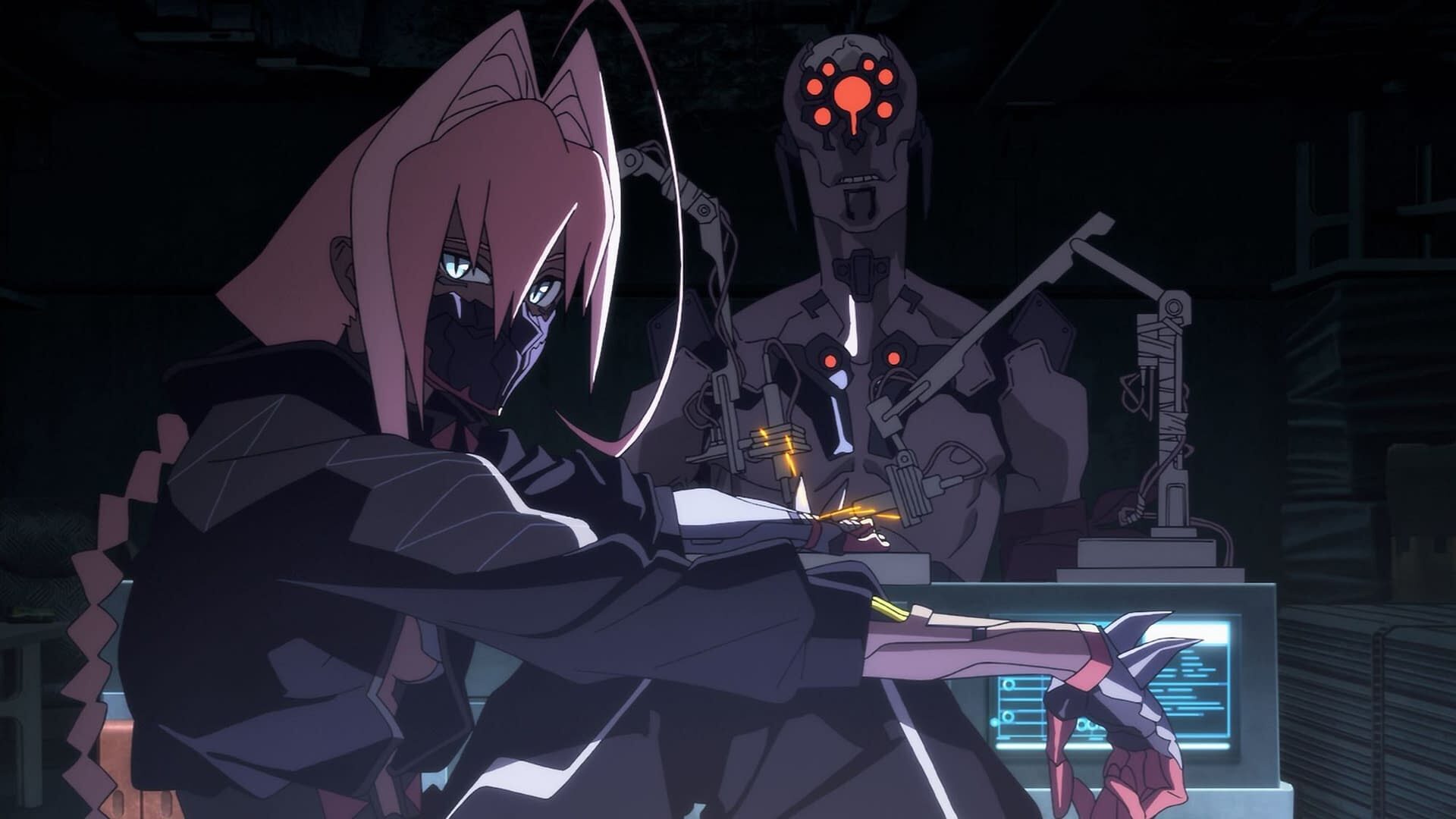
I, for my part, am incredibly impressed with what Studio Trigger and CD Projekt Red have brought to the screen. Even if we never see more anime set in that universe, the two seasons of Cyberpunk: Edgerunners are some of the best anime of the past decade.
They weave unique characters into an unmistakable universe and do so in a way that is hard to match. Attending the panel and speaking with Bartosz Sztybor has given me a newfound respect for the difficult task of bringing an anime like this to life. While there are still plenty of stories to tell in that universe, if you have not seen either season yet, head over to Netflix and give them a watch. You will not be disappointed.