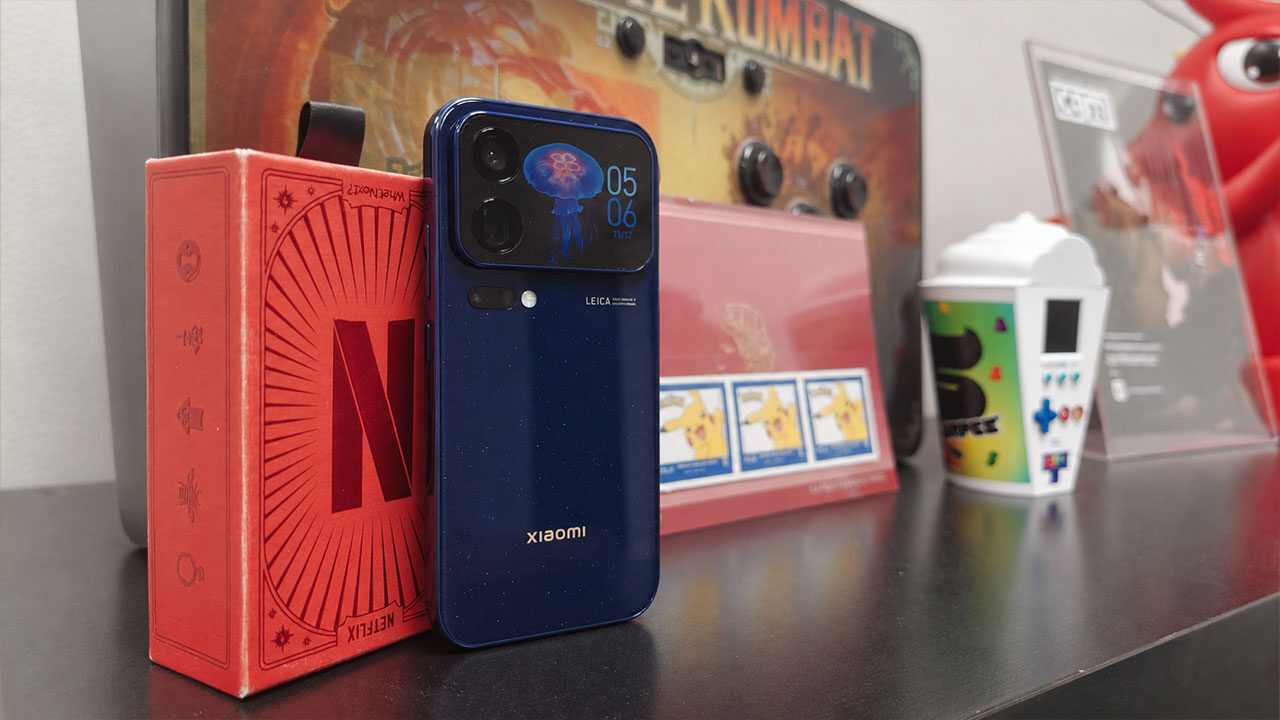


The Xiaomi 18 Pro genuinely surprised me. When Xiaomi first introduced its Dynamic Back Display with the China-exclusive Xiaomi 17 Pro lineup, it was an exciting concept that offered a new way to interact with a smartphone. It brought some of the functionality we have come to expect from flip-style foldable phones to a more traditional design, giving users a secondary screen without the need for a folding display.
Now, with the Xiaomi 18 Pro, that concept has gone global, allowing more people to experience one of the more innovative smartphone designs we have seen in recent years. While a few minor quirks hold it back from reaching its full potential, Xiaomi has delivered one of the most exciting flagship smartphones of the past year.
Unboxing the Xiaomi 18 Pro is a relatively modest experience, with the packaging following the company’s minimalist approach. The white box features subtle silver lettering alongside Leica’s iconic red branding, giving it a clean, premium appearance. Inside, you will find the phone, a basic clear case and a SIM ejector tool, but unfortunately, not much else. Unlike some previous Xiaomi smartphones, the 18 Pro does not include a charging adapter, which is disappointing to see. However, with most major smartphone manufacturers moving away from including chargers in the box, it is a decision I can understand, even if I would have preferred to see one included.
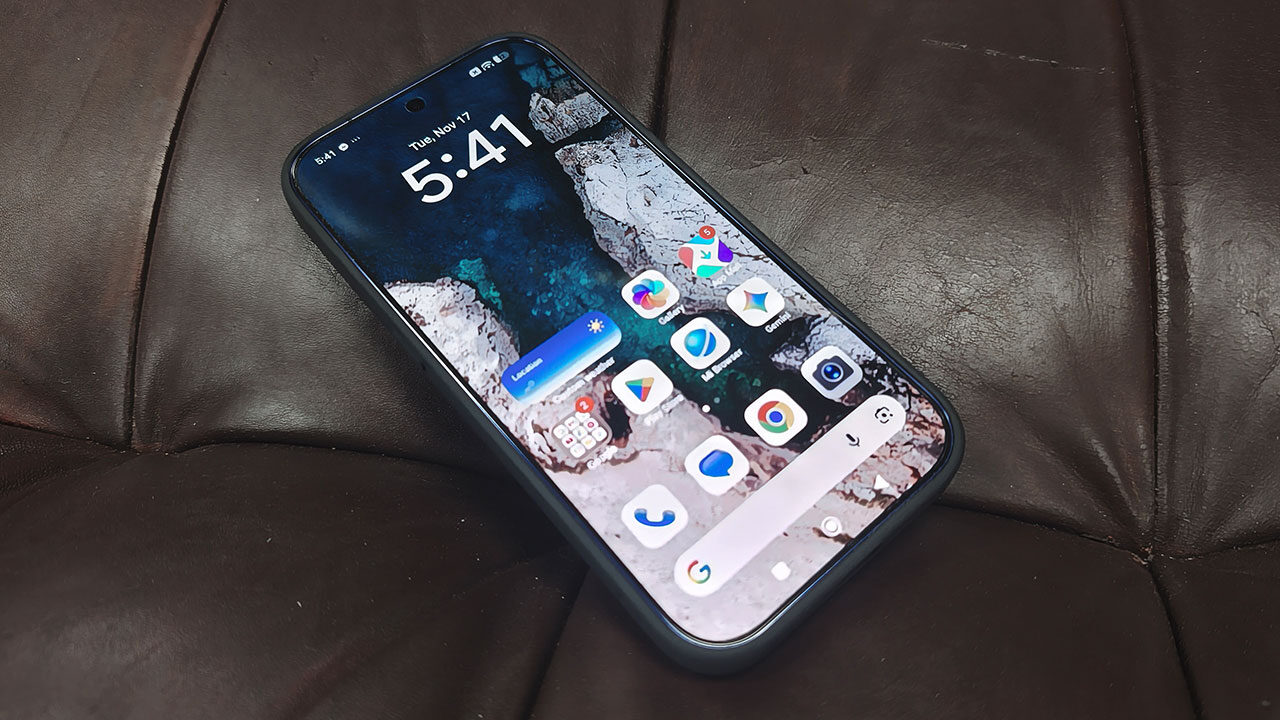
Once unboxed, the Xiaomi 18 Pro is undoubtedly a stunning device, especially in the Cosmic Blue colourway we received for review. Xiaomi has clearly taken inspiration from Apple, but it has also introduced features that help the phone stand out in a market filled with similar-looking devices. The squared-off aluminum frame, flat display and gently rounded corners give it a profile reminiscent of an iPhone Pro, although its relatively compact 6.3-inch design keeps it comfortably pocketable.
Measuring just 8.5 mm thick and weighing approximately 203 g, the phone feels substantial without being overly bulky. Bezels measuring less than a millimetre allow the display to dominate the front, interrupted only by a punch-hole selfie camera. The overall appearance is clean and modern, with a level of refinement that I have come to expect from Xiaomi’s flagship devices.
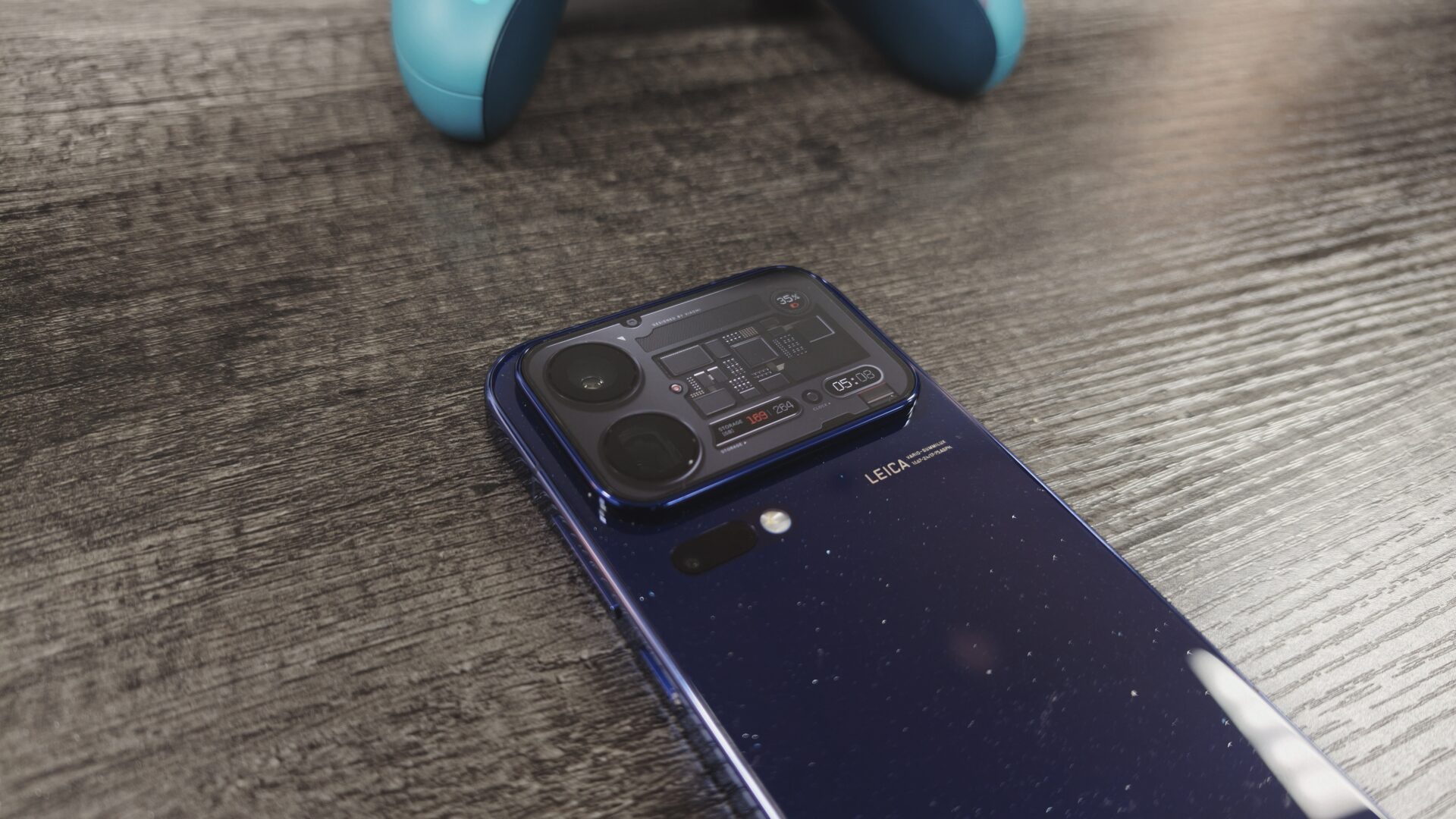
While the front of the Xiaomi 18 Pro is relatively understated, the back is where the company has introduced one of its most distinctive features. A large camera plateau spans the width of the phone, housing a 2.7-inch Back Display that blends seamlessly into the surrounding glass and matches the body colour. It gives the phone a distinctive appearance without feeling out of place, helping separate it from the more conventional flagship designs on the market.
The Xiaomi 18 Pro is available in White, Velvet Red and Cosmic Blue, with Shield Glass 3.0 protecting the front and Gorilla Glass Victus 2 covering the back. It also carries an IP68 rating, with Xiaomi claiming water resistance at depths of up to six metres. The polished aluminum rails look fantastic but tend to collect fingerprints and can feel somewhat slippery in the hand. Thankfully, the matte rear glass does a much better job of resisting smudges, helping maintain the phone’s premium appearance during everyday use.
“While the front of the Xiaomi 18 Pro is relatively understated, the back is where the company has introduced one of its most distinctive features.”
Another addition to the Xiaomi 18 lineup is a dedicated AI Button on the left edge, complementing the traditional volume rocker and power button. While the overall design is not particularly revolutionary, the build quality is excellent, and the secondary display gives the 18 Pro a distinct identity. The phone also feels great in the hand, striking a comfortable balance between size and weight.
Although I initially questioned whether the rear display would be little more than a gimmick, seeing it in person quickly changed my opinion. It looks fantastic, even when first powering on the device, and adds a unique touch that helps distinguish the 18 Pro from the iPhone-inspired designs that have become increasingly common across the smartphone market.
The internal hardware is equally impressive. The Xiaomi 18 Pro is powered by Qualcomm’s Snapdragon 8 Elite Gen 6, the company’s first flagship processor built on a 2 nm manufacturing process. It is paired with 12 GB of LPDDR5X RAM and UFS 4.1 storage, available in 256 GB, 512 GB and 1 TB configurations. The main AMOLED display features an adaptive refresh rate of up to 120 Hz, a claimed peak brightness of 4,000 nits and an ultrasonic fingerprint reader beneath the panel.
Xiaomi has also introduced its Smart Privacy Display technology, which limits screen visibility from side angles and can be enabled for individual applications or notifications. Together with the secondary display, these additions give the Xiaomi 18 Pro a compelling combination of flagship hardware and features that help it stand apart from more conventional smartphones.
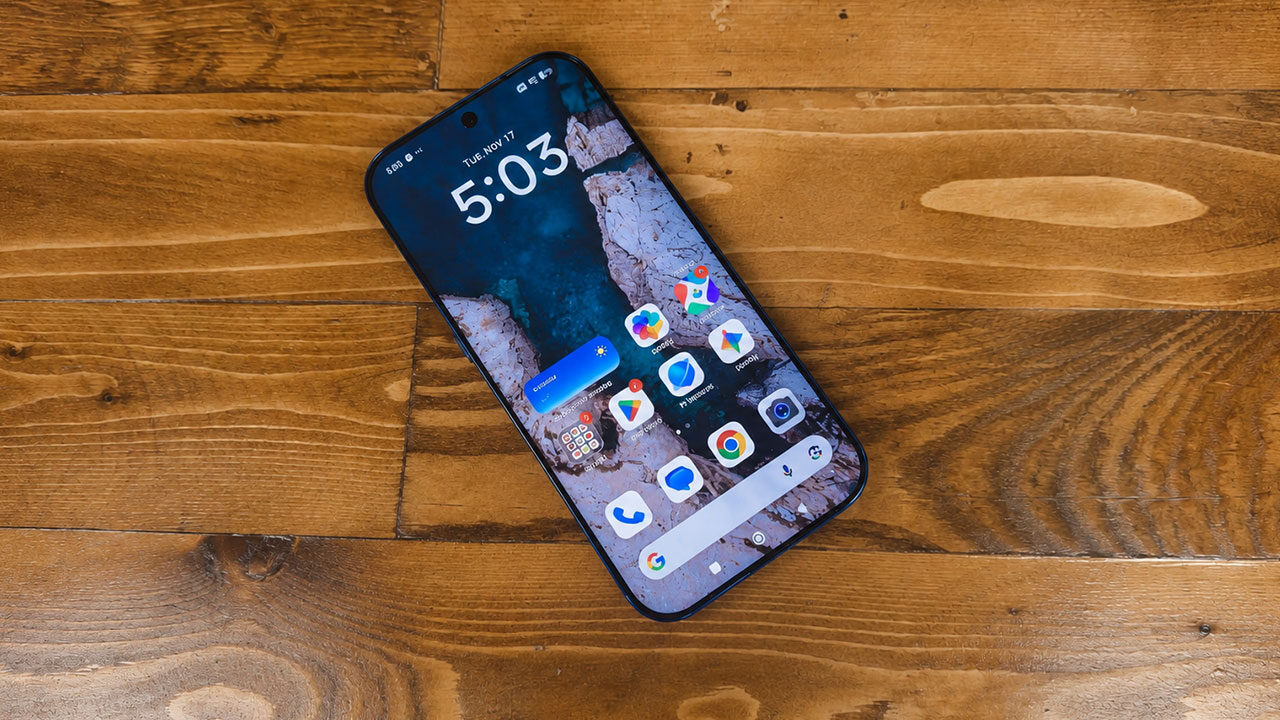
Speaking of the main display, the Xiaomi 18 Pro’s 6.4-inch screen is one of the best panels I have encountered on a phone this size. Put simply, it is absolutely stunning. Xiaomi advertises a peak brightness of 4,000 nits, although independent measurements put real-world brightness closer to 2,500 nits. Even at that level, it remains among the brightest displays in its class and is comfortably readable in direct sunlight.
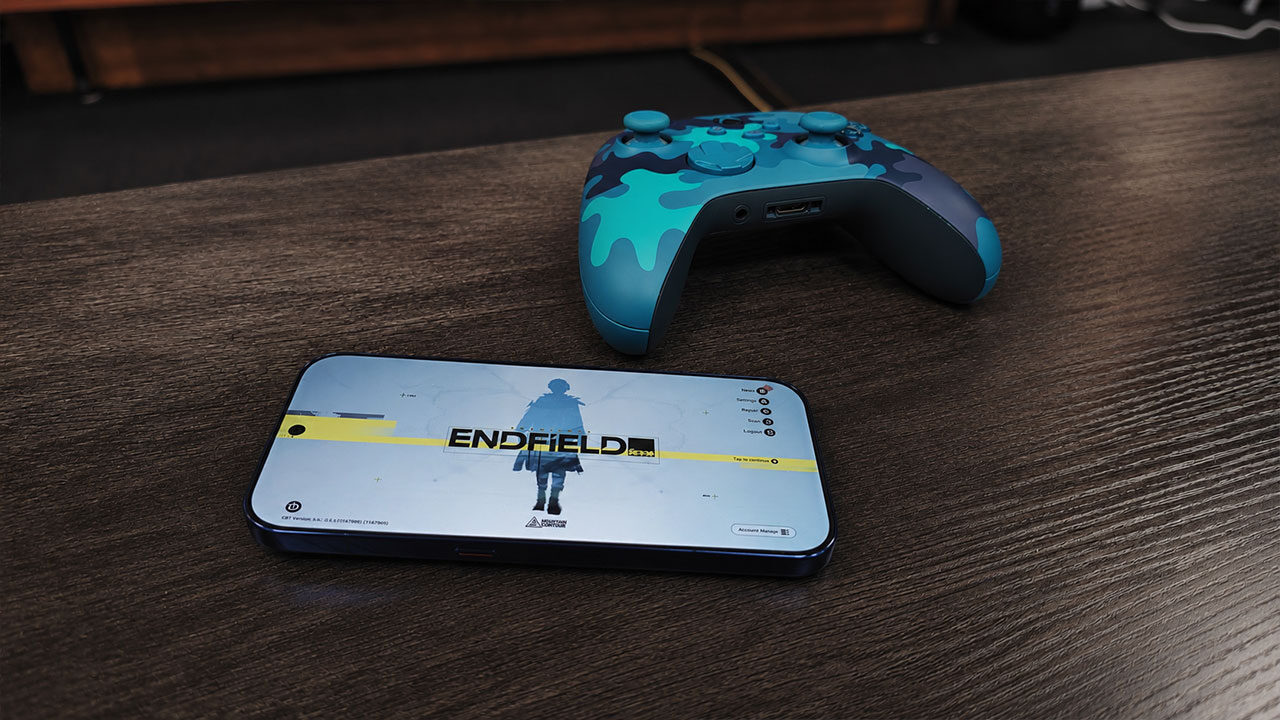
The 2,436 × 1,120 resolution falls short of true QHD, but the full-RGB subpixel layout keeps text looking exceptionally crisp. Combined with a 1-120 Hz LTPO refresh rate, Dolby Vision and HDR10+ support, and bezels measuring less than a millimetre, there is very little to complain about. Colour tuning also favours accuracy over oversaturation, while 2,160 Hz PWM dimming should help reduce discomfort for users sensitive to display flickering.
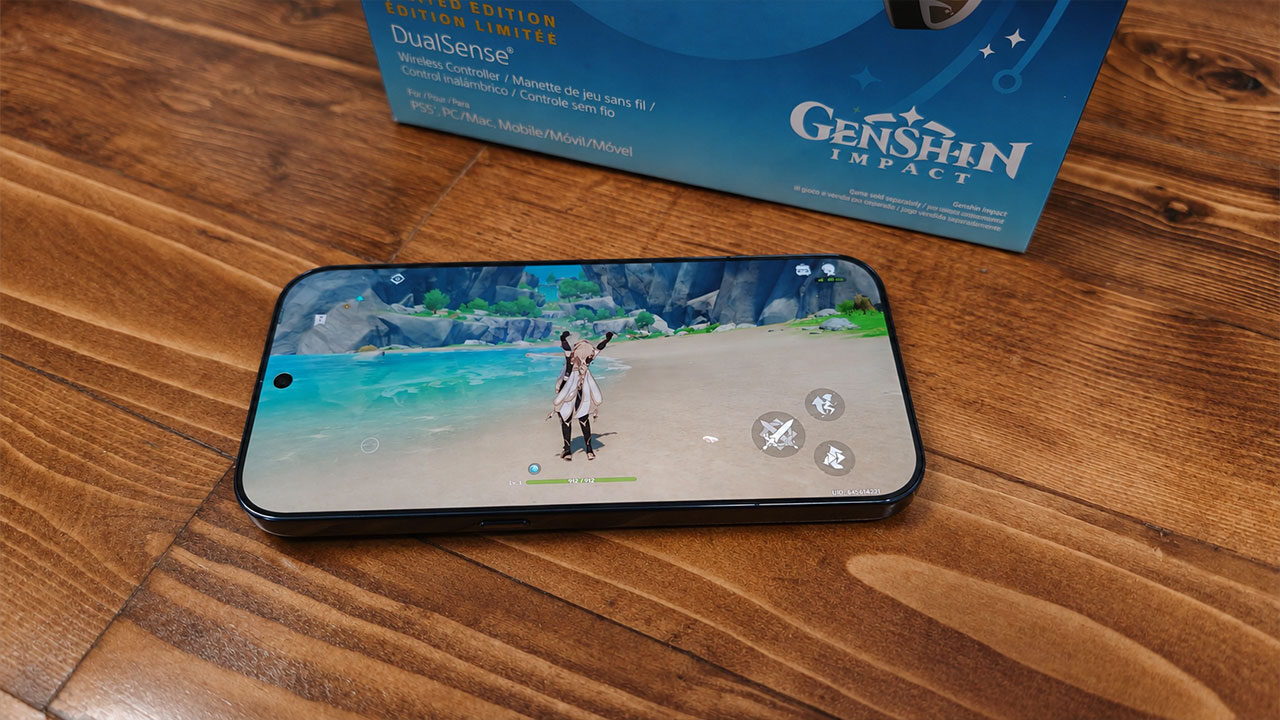
When putting the Xiaomi 18 Pro through its paces with gaming and other demanding applications, the device delivered an incredibly smooth and responsive experience across the board. As one of the first smartphones to feature Qualcomm’s new Snapdragon 8 Elite Gen 6 SoC, the 18 Pro has more than enough power to handle demanding games and content creation workloads with ease. Titles such as Genshin Impact and Arknights: Endfield looked absolutely stunning on the phone’s display, running exceptionally well even during more intensive sequences. While the relatively compact screen can make on-screen controls feel somewhat cramped, I encountered no noticeable slowdowns, stuttering or screen tearing throughout testing.
One of the biggest additions is the new Privacy Display, which alternates standard pixels with shielded ones to reduce visibility when viewing the screen from an angle beyond 60 degrees. This significantly reduces the brightness and visibility of content for anyone looking at the phone from the side. In practice, the feature works, although not quite as well as similar implementations on competing devices. The effect is most convincing at lower brightness levels, and enabling it noticeably dims the display even when viewed head-on.
Compared with Samsung’s Galaxy S26 Ultra, Xiaomi’s implementation feels a step behind. Being able to activate the feature for individual apps or notifications is genuinely useful, particularly when travelling on a crowded train or working in a public space. However, the reduction in brightness makes it difficult to justify leaving Privacy Display enabled throughout the day. It is a welcome addition, but one that feels better suited to occasional use rather than something the average person will rely on regularly.
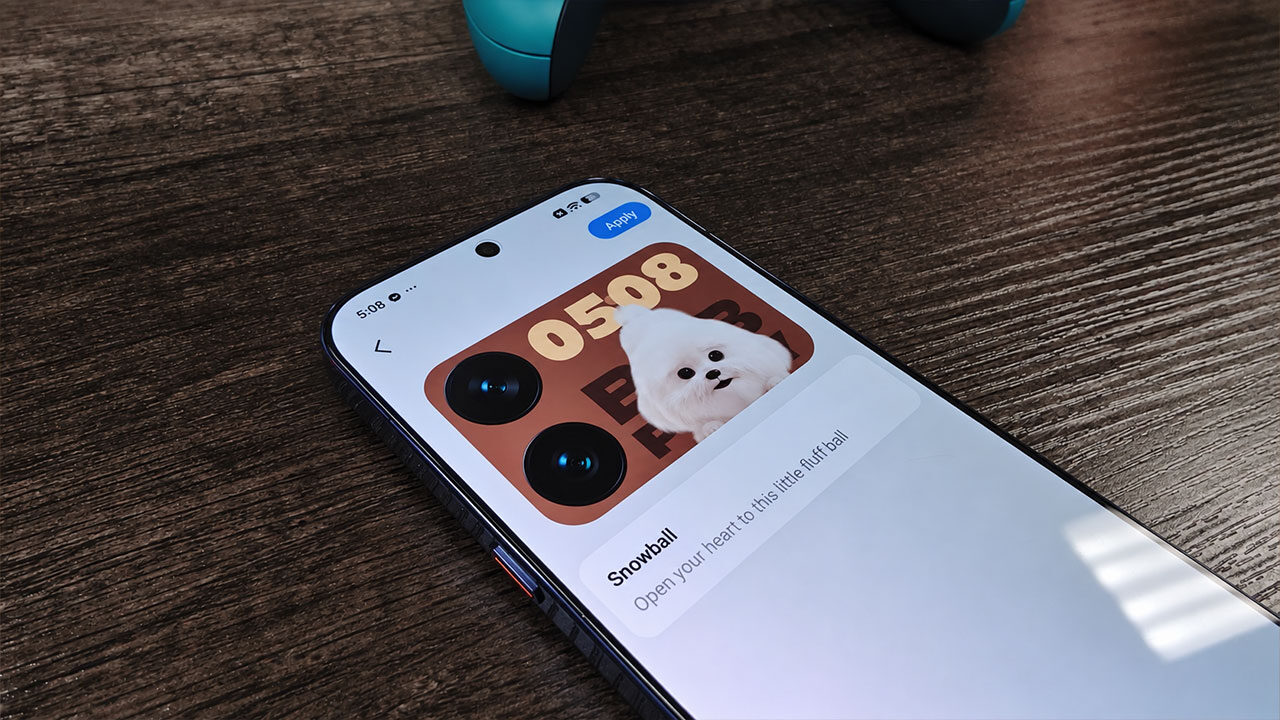
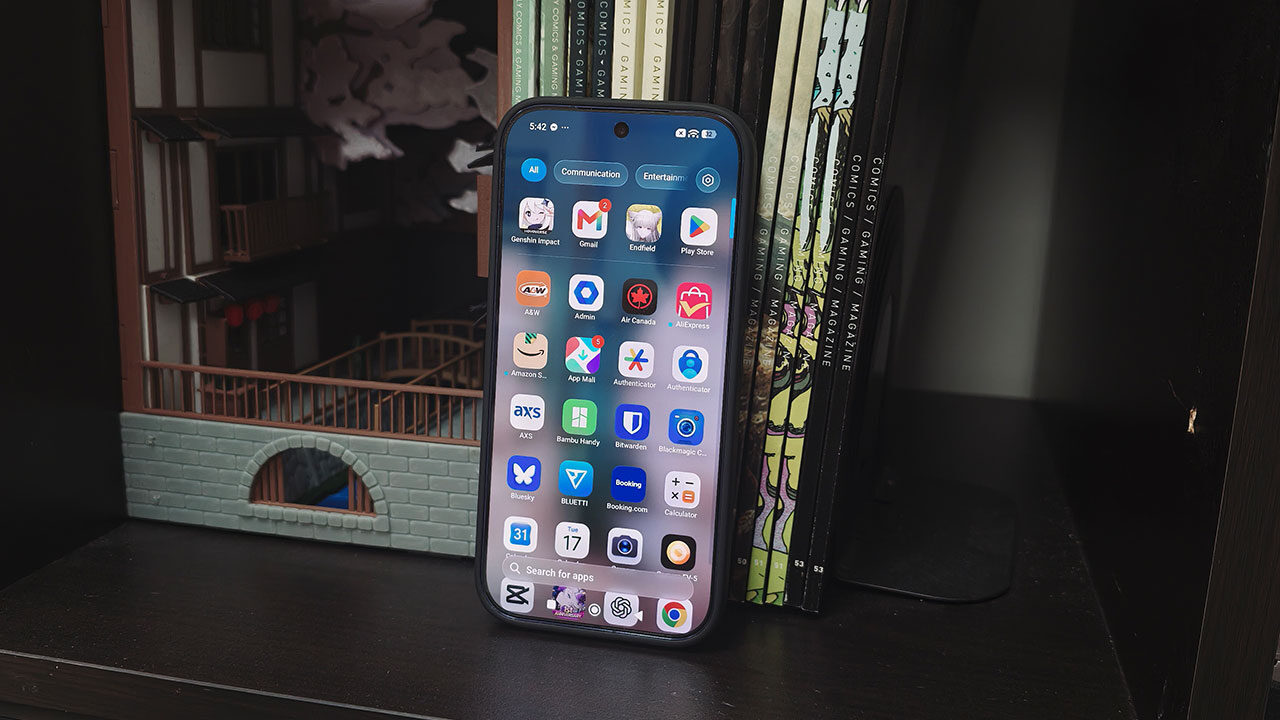
But as I mentioned, the back display is the big new feature coming with the 18 Pro generation for the global market, and I can see why. The 2.7-inch panel uses the same M11 AMOLED as the front screen, with a 1 to 120Hz adaptive refresh rate and a claimed 4,000-nit peak brightness, all sealed under Gorilla Glass Victus 2, so it reads as part of the camera island rather than a gimmick. You can adjust what it does, utilizing some animated backgrounds and even having a little virtual pet, at least that is the concept.
In practice, it behaves like a smartwatch, showing clocks, notifications and live activities from Spotify, YouTube Music and Google Maps with the phone face down. The genuinely useful trick is the camera. As a viewfinder, it turns the 200-megapixel main sensor into a selfie rig with real-time 8K preview, switching to ultra-wide automatically once three-plus people enter the frame. AI Interpreter handles face-to-face translation in 29 languages, and you can pin boarding passes or QR codes for quick scans.
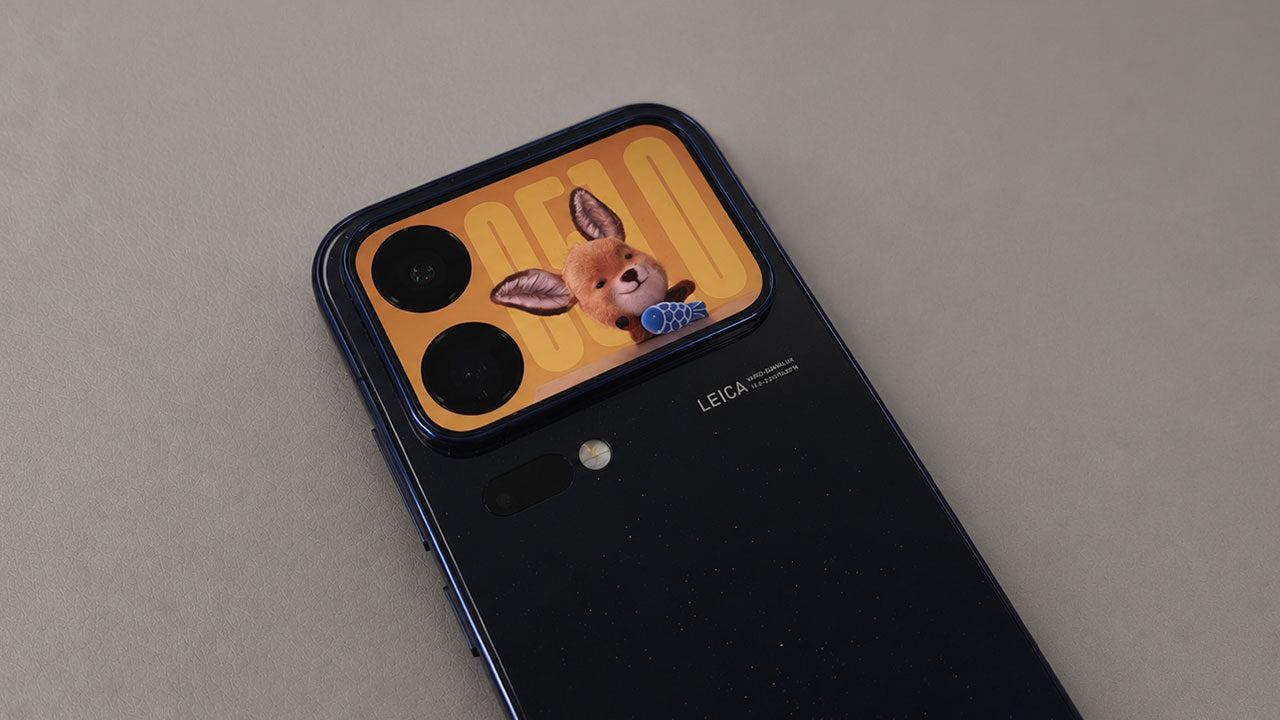
When testing the phone, I tried all the included apps, but I came down to the weather or a little virtual pet, and I found the notification and camera features really helped me understand how it could be a great addition to a smartphone. In theory, it is a gimmick, but when you can use it similar to how you use a smartwatch, you quickly get why people could find it useful. Quick access to your clock, quick weather checks, or taking a selfie with the main cameras makes the overall concept feel like a fantastic addition that I found myself using far more than I thought I would.
Speaking of the camera system, the Xiaomi 18 Pro system is impressive, and while it lacks some of the fancier features compared to the Ultra range, it still delivers incredible results. The dual 200-megapixel setup promises a lot, and in good light the main camera delivers crisp, detailed shots, with the Leica tuning keeping colours natural and less processed compared to competing brands. The default output is a pixel-binned 12.5-megapixel file, with 50- and 200-megapixel modes tucked into the settings.
The photos captured by the Xiaomi 18 Pro are genuinely impressive, particularly when using the Authentic colour profile. Images look clear, crisp and vibrant, with excellent detail even at a distance. Switching to the 50 MP or 200 MP shooting modes can improve image quality even further, although for most users, that level of detail is undoubtedly overkill. For content creators and photographers, however, having the option to capture higher-resolution images is a welcome addition and keeps the Xiaomi 18 Pro in line with what we have come to expect from flagship smartphones in 2026.




The main camera struggles with exposure metering. Images tend to lean a little bright, and the phone can be slow to readjust when reframing a shot, sometimes displaying an overexposed preview until the processed HDR image corrects it. Night photography can also suffer from an overly processed HDR appearance that flattens shadow detail, while moving subjects occasionally come out looking soft. These were not major issues during testing, particularly since the phone generally corrects its exposure after processing. However, they are worth noting, especially when composing a shot and trying to get the exposure looking right before pressing the shutter.
Alongside the main camera is the new telephoto system, which delivers impressive results, even if it does not quite match some of the more capable telephoto options on the market. Its 1/1.56-inch sensor captures considerably more light than the iPhone 18 Pro’s zoom hardware, while the 75 mm focal length is particularly well suited to portraits.
A minimum focusing distance of just 12 cm also makes it a capable macro camera, producing some genuinely striking close-up images. I was impressed enough with the results that I shared several shots with other members of the CGMagazine team, particularly because they captured details I have struggled to reproduce with other smartphones. In-sensor cropping also helps maintain respectable image quality at 6.4x zoom, though the advertised 12.8x lossless zoom is less convincing, with blocky edges and noticeable processing artifacts when you look closer; it still works for social media in a pinch.




Rounding out the camera lineup is the ultrawide, which feels somewhat compromised by the space occupied by the Back Display. Despite its 50 MP sensor, f/2.4 aperture and 102-degree field of view, the 17 mm lens feels less expansive than expected, while image quality noticeably deteriorates in low-light conditions. Video performance is more encouraging, with stabilized 4K recording and a genuinely practical rear-screen vlogging mode that makes good use of the secondary display. Unfortunately, the ultrawide remains the weakest of the three cameras, particularly when compared with the impressive main and telephoto shooters. While it is perfectly serviceable in good lighting, I would recommend sticking with the other two cameras whenever possible.
Battery life on the Xiaomi 18 Pro is solid, although not quite industry-leading, and compared with the Chinese variant, I cannot help but feel that international buyers have missed out. While the Chinese model features a 7,000 mAh battery, the global version makes do with a 6,000 mAh silicon-carbon battery, a reduction of 1,000 mAh. Thankfully, despite the smaller capacity, the Xiaomi 18 Pro still comfortably delivers a full day of use.
During testing, an hour of video streaming consumed approximately 7% of the battery, while continuous web browsing at the full 120 Hz refresh rate lasted more than nine hours. Office-style productivity workloads pushed beyond 15 hours of continuous use, and on days with light to moderate activity, I regularly finished with around 30% remaining. Heavier days involving extensive camera use and GPS navigation occasionally required an evening top-up, although Xiaomi’s impressive charging speeds, which have been a highlight of its previous flagship devices, help make up for the shorter battery life.
Xiaomi claims the 18 Pro can charge from zero to full in just 31 minutes, and in our testing, it managed the same feat in approximately 35 minutes. As mentioned, unfortunately, no charging adapter is included with the international model, although I was able to use fast chargers from previous Xiaomi devices to test its capabilities.
Wireless charging reaches up to 50 W using Xiaomi’s compatible charging pad, with the company claiming a full charge in approximately 46 minutes. However, achieving those speeds requires compatible charging hardware, whether wired or wireless. Unless you already own a suitable Xiaomi charger from a previous device, you may need to purchase one separately to take full advantage of the 18 Pro’s charging capabilities.
On the software side, the Xiaomi 18 Pro runs HyperOS 4, Xiaomi’s interface built on Android 17, which once again appears to take considerable inspiration from Apple’s latest iOS release. A translucent Soft Light Glass design runs throughout the menus and widgets, while the quick settings panel, called Control Center, and the notification hub surrounding the selfie camera bear a striking resemblance to Apple’s interface and Dynamic Island. The inspiration is hardly subtle, but the result works surprisingly well, delivering what feels like the fastest and most responsive version of Xiaomi’s software to date.
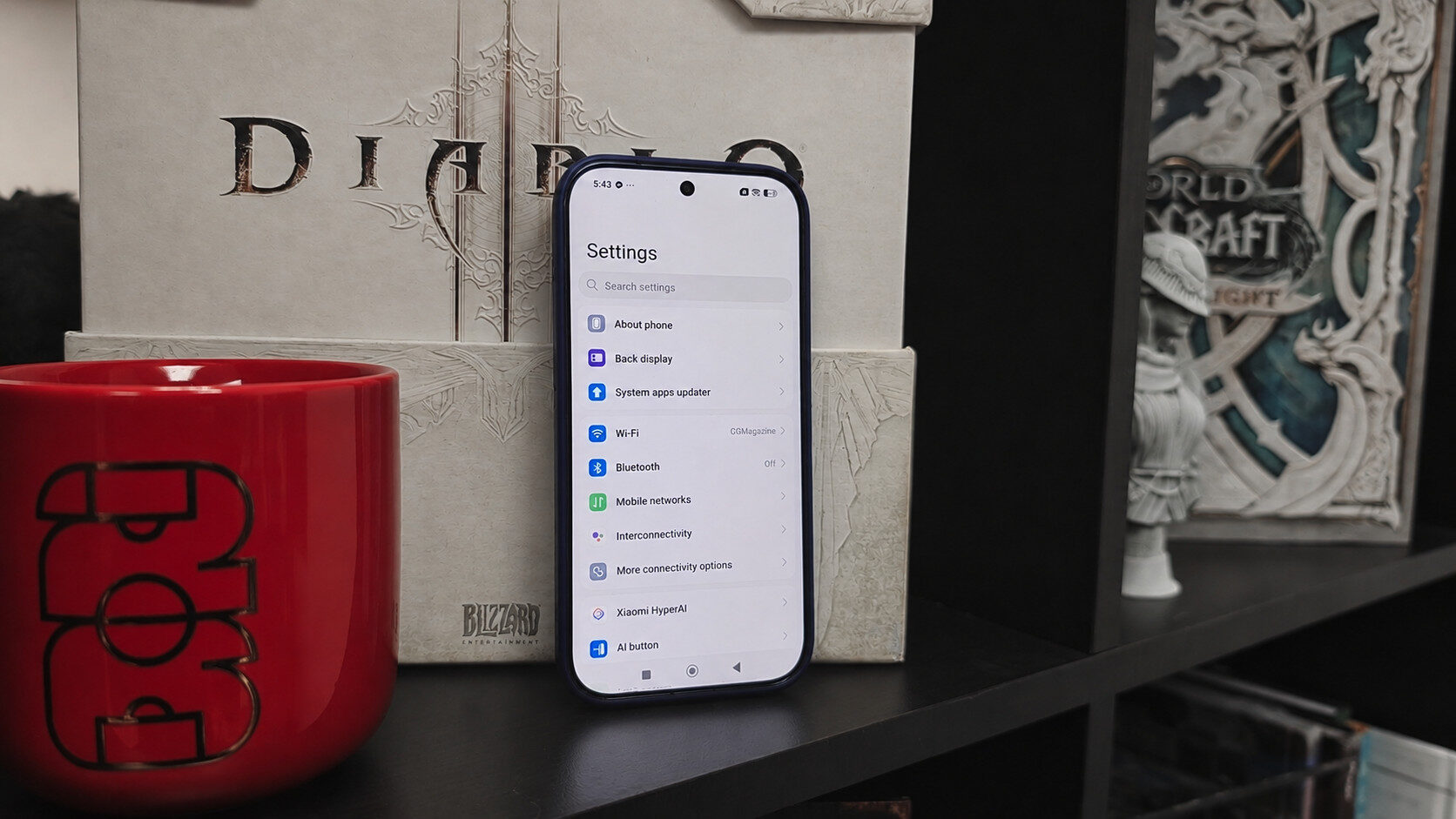
Many of my complaints about Xiaomi’s smartphone operating system have been addressed over the years, and HyperOS 4 feels like its most refined version yet. There are still some frustrations, including the presence of two separate app stores, advertisements for paid services within the OS and a learning curve for anyone accustomed to stock Android. However, the overall experience is considerably more polished than previous iterations. Even when experimenting with different themes and customization options, I found the software responsive and easy to work with. While there is still room for improvement, Xiaomi has made meaningful progress in turning HyperOS into a genuinely enjoyable experience.
Priced at €1,399 (approximately $1,539 USD), the Xiaomi 18 Pro sits firmly in flagship territory, and for the most part, it delivers an experience worthy of that price. The phone is packed with features, feels exceptionally polished and offers a distinctive design, with the Back Display proving to be one of its biggest highlights. However, with Apple’s base iPhone 18 Pro starting at $1,199 USD, Xiaomi’s pricing makes it a difficult sell for the average smartphone user. For enthusiasts who appreciate manufacturers willing to experiment with new ideas and push smartphone design forward, though, the 18 Pro offers something genuinely exciting.
I don’t think the Xiaomi 18 Pro will reshape the smartphone landscape the way some groundbreaking devices have in the past, but Xiaomi has delivered an impressive flagship that feels like a step in the right direction. The cameras are excellent, the feature set compares favourably with the competition, and the overall design is absolutely stunning.
More importantly, the Back Display gives the phone a personality that is increasingly difficult to find in a market filled with similar-looking devices. If you are looking for a smartphone that stands out from the crowd, the Xiaomi 18 Pro is certainly worth considering. It is expensive by any measure, but its willingness to explore new design ideas makes it one of the more interesting smartphones I have used this year. I am excited to see how Xiaomi builds on these ideas with its next generation.