

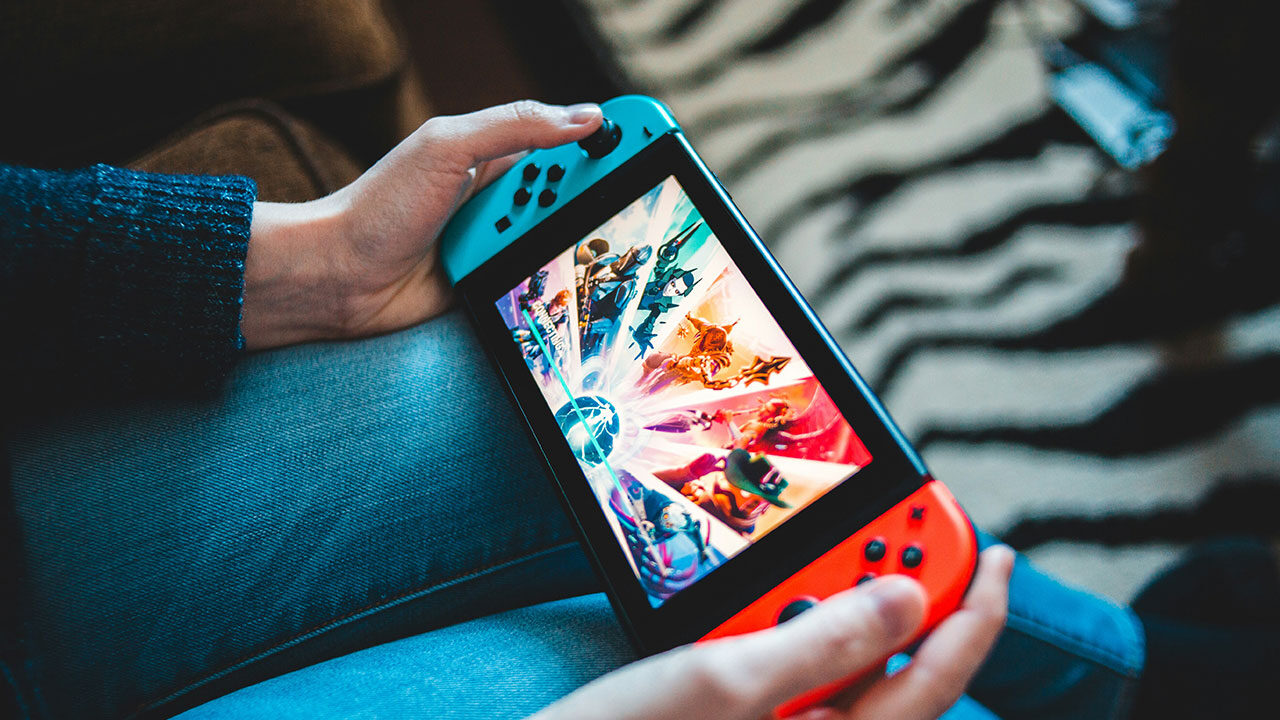
Gamers often talk about precision, mastery, and perfect runs. Yet many of the most memorable moments come from the opposite: the sudden twist, the unexpected encounter, the layout that no one planned. Chaos, in the form of randomness and unpredictability, sits at the heart of why interactive entertainment and games feels alive. It turns familiar systems into something that can still surprise after dozens of hours. That same pull toward variety and chance appears across many forms of leisure. In fact, Acebet online slots reflects a similar appetite for broad selection and shifting possibilities that keep sessions feeling fresh rather than fixed.
The Pull of the Unexpected
Predictable experiences lose their edge quickly. When every path is known in advance, attention drifts. Random elements interrupt that pattern. A critical hit that lands at the exact right second, a rare item that drops after a long stretch of ordinary results, or an enemy that behaves just differently enough to force a new approach all create spikes of engagement. These moments do not erase skill. They give skill something new to respond to.
Research into play and uncertainty shows that the brain treats the unknown as a signal that more can be learned. Games built around controlled chaos tap into that drive. Players stay alert because the next outcome is never fully settled. The result is a steady undercurrent of curiosity that pure repetition rarely matches. Broader discussions of how games captivate people through uncertainty note that unpredictable events act like signposts, pointing to gaps in mental models and inviting further exploration, as explored in this Scientific American analysis of play and chance.
Procedural Generation and Fresh Discovery
Few design tools deliver chaos as effectively as procedural generation. Worlds assembled from modular pieces produce layouts, encounters, and secrets that change from one session to the next. A well-known example appears in titles that blend handcrafted content with randomized assembly. Dungeons, points of interest, and even certain story branches shift, so returning to a familiar region can still yield something unseen. One detailed examination of this approach in a popular action game highlights how the combination creates a constant feeling of discovery that pure hand-authored levels struggle to sustain across multiple playthroughs.
The technique keeps the experience from settling into pure memorization. Players learn systems and patterns, then apply them to situations that feel new. That mix of competence and novelty is hard to replicate with static design alone. The sense of stumbling onto something unexpected becomes a core reason sessions stay engaging long after the initial novelty fades.
Chaos in Shared Spaces
Multiplayer settings amplify the effect. Other players introduce variables no algorithm can fully anticipate. Friendly fire that remains active, random event timers, or shifting objectives force constant adaptation. A carefully planned strategy can unravel in seconds because someone else made a different choice or simply got unlucky with positioning. These moments produce stories that pure skill-based competition rarely generates. The laughter after an accidental team wipe or the scramble to recover from a sudden shift becomes part of the shared memory of the session.
Even single-player narrative games borrow the same energy. Branching dialogue, randomized side content, or systems that track previous decisions and then remix them create the sense that the world is reacting rather than simply waiting.
Skill and Chance Working Together
Some players treat randomness as the enemy of skill. In practice, the two reinforce each other. When outcomes vary, better decision-making stands out more clearly. A skilled player reads the new situation faster, adjusts resources, and finds an opening that a less experienced one might miss. Randomness supplies the variety; skill determines how well that variety is handled.
This interplay appears in everything from turn-based tactics with percentage-based attacks to roguelike runs where each seed demands a different prioritization of tools. Thoughtful analysis of the topic points out that luck and skill are not opposites but intertwined, with the variety introduced by chance giving skilled play more room to shine, as discussed in this Eurogamer feature on randomness and skill. The best designs make the random elements readable enough that players feel they can influence the odds through preparation and timing, without removing the possibility of genuine surprise.
Why the Chaos Keeps Returning
The lasting appeal is simple. Chaos prevents the medium from becoming a solved puzzle. It preserves a sense of possibility long after the initial novelty of graphics or story has faded. Players return not only to improve but also to see what the system will throw at them next. That light uncertainty mirrors everyday life more closely than perfectly scripted sequences ever could.
At the same time, the chaos remains bounded. Rules still apply. Systems still have limits. The excitement comes from operating inside those limits while never quite knowing which combination will appear. When a game gets the balance right, the result is entertainment that feels both reliable and alive.
That balance explains why so many titles continue to lean on randomness, procedural systems, and player-driven variables years after their launch. The little bit of chaos is not a flaw to be patched out. It is one of the features that keeps people coming back for another session, another run, another chance to see what happens when the expected path suddenly changes.